Top 5 Caves around Royuela
Best caves around Royuela are primarily rock shelters featuring significant prehistoric cave paintings, located within the Sierra de Albarracín Cultural Park in the province of Teruel, Aragon. The region is characterized by its natural monuments and unique geological formations, offering a blend of cultural heritage and outdoor exploration. While Royuela itself does not have prominent tourist caves, the surrounding area provides access to important archaeological sites. These sites offer insights into ancient human activity and the natural landscape of the…
Last updated: June 20, 2026
Shelter of the Archer of the Enclosed Ravines
Highlight • Historical Site
Translated by Google •
Tip by

Prado del Navazo Bulls Rock Shelter
Highlight • Historical Site
Translated by Google •
Tip by
Sign up now to discover places like this
Get recommendations on the best single tracks, peaks, & plenty of other exciting outdoor places.
Sign up for free
Bishop's Little Kitchen Rock Shelter
Highlight • Historical Site
Translated by Google •
Tip by

Deer rock shelter and various figures
Highlight • Historical Site
Translated by Google •
Tip by
Covarratiñas Caves
Highlight • Cave
Translated by Google •
Tip by

Sign up for free to discover even more caves around Royuela.
Sign up for free
Already have an account?
Start today with a free account
Your next adventure awaits.
Login or Signup
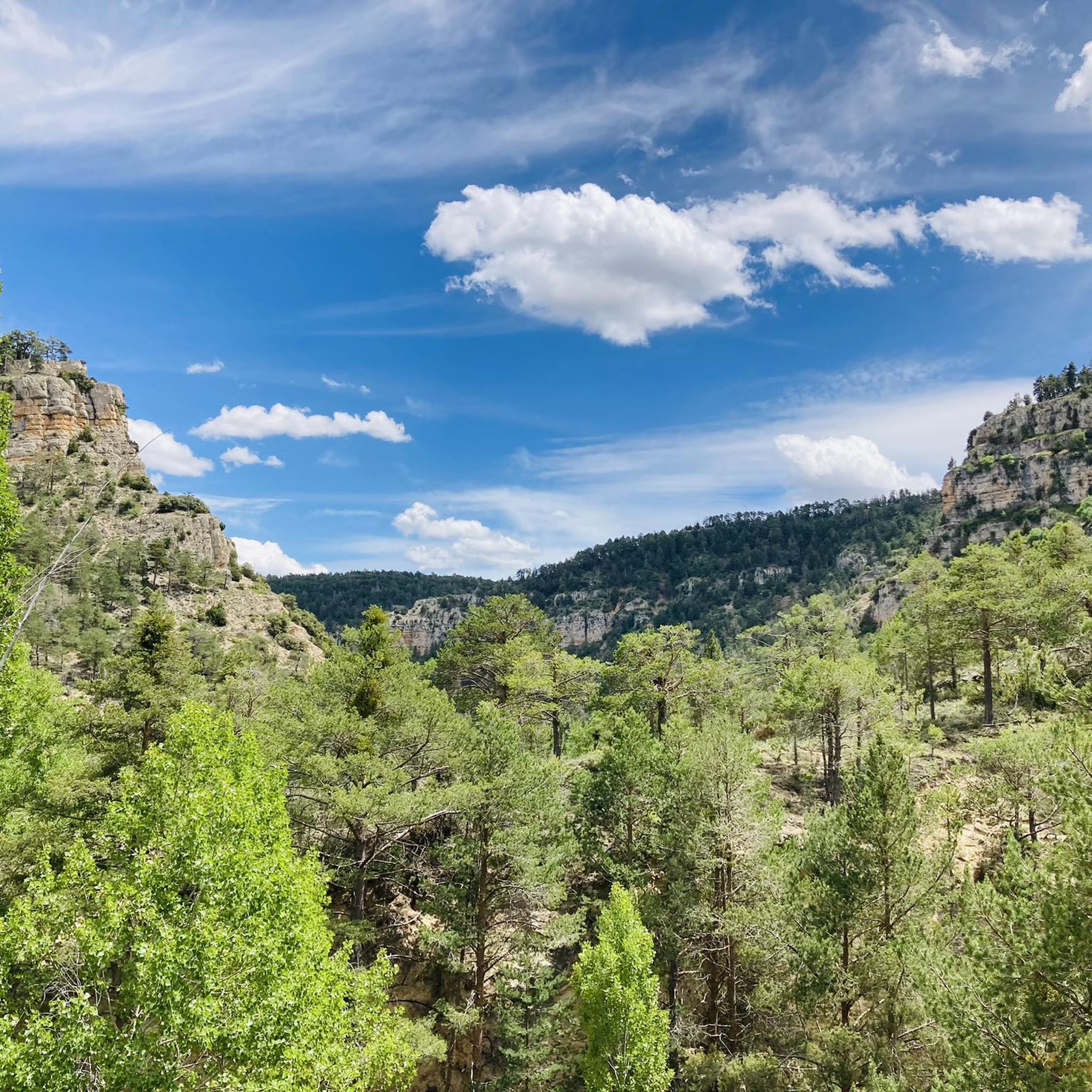
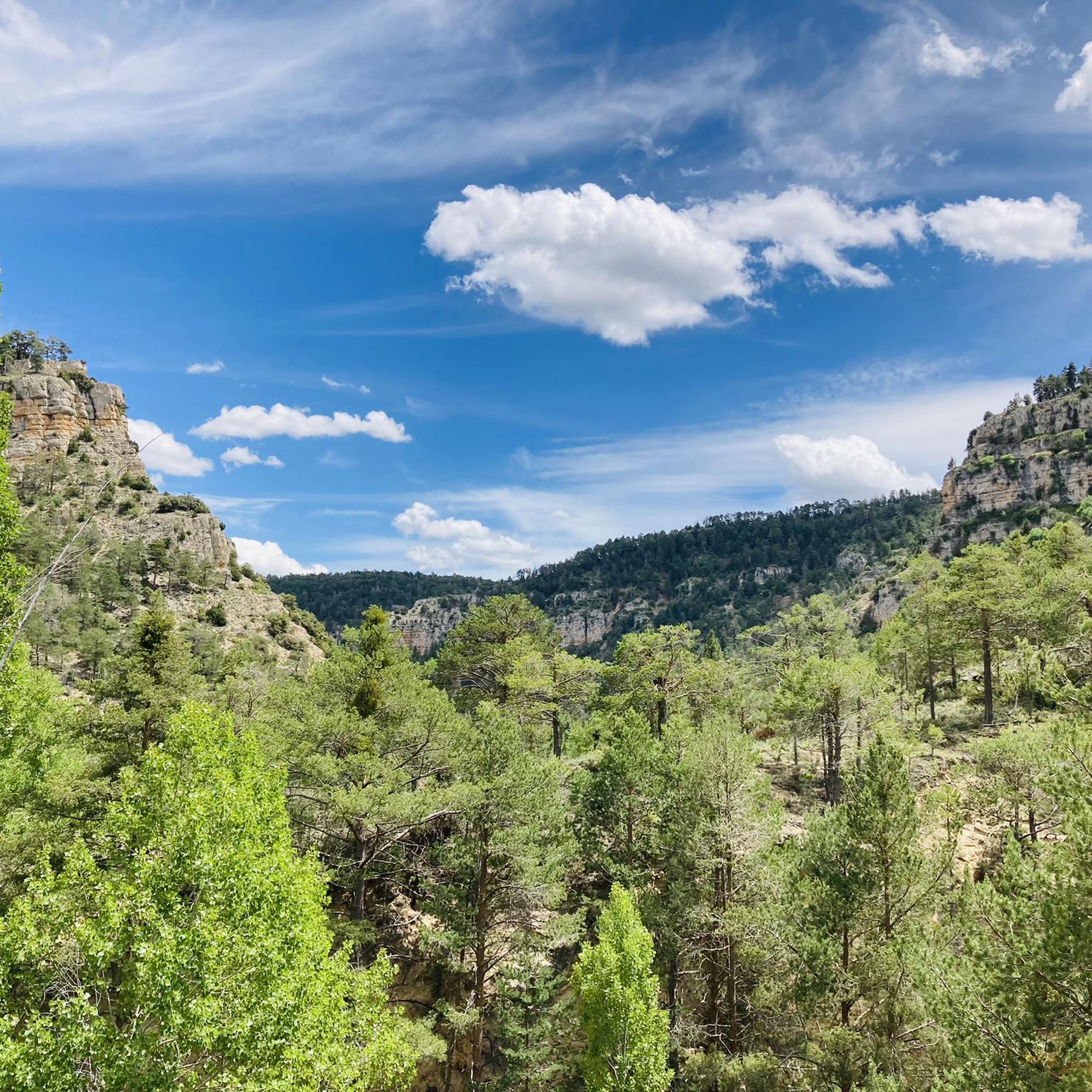
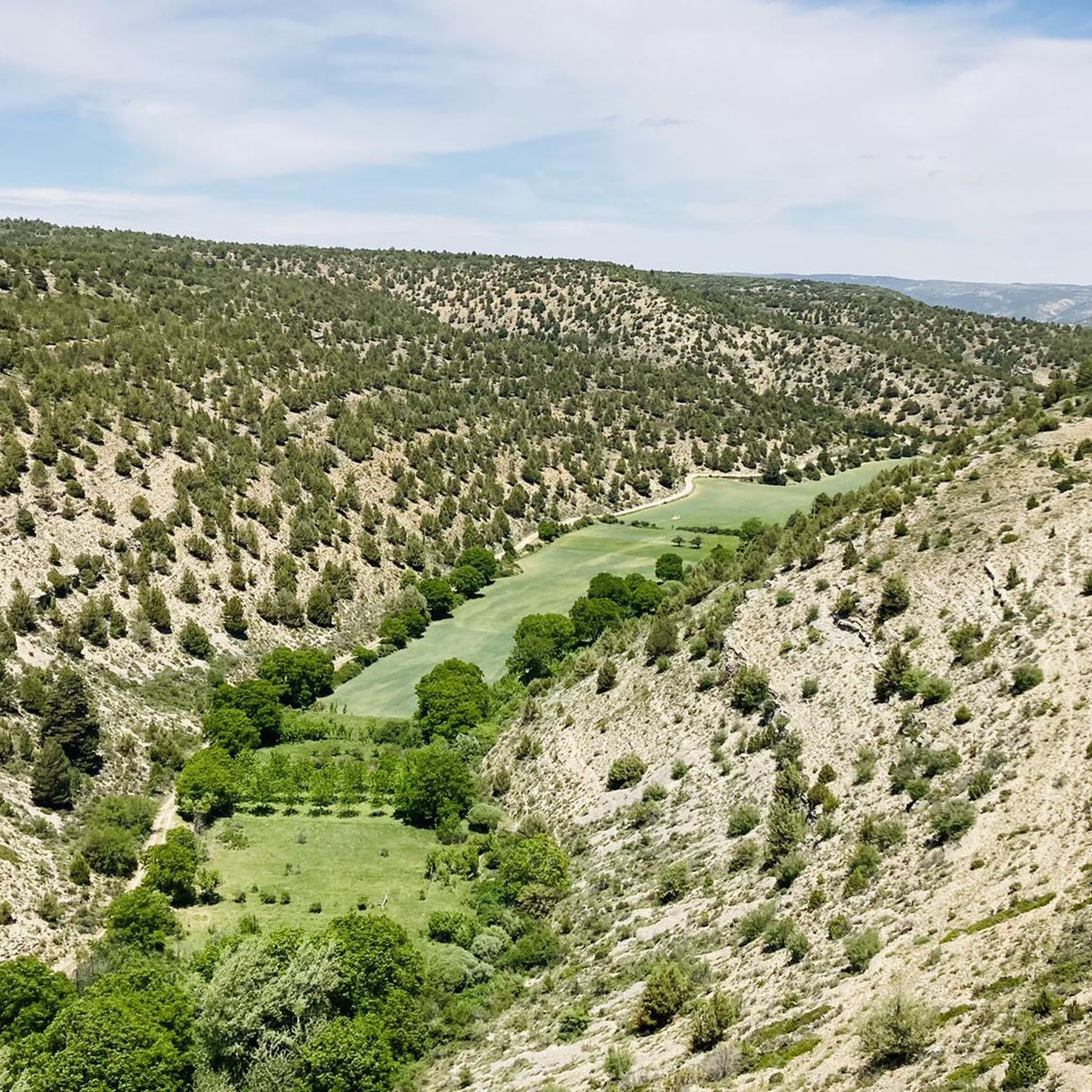
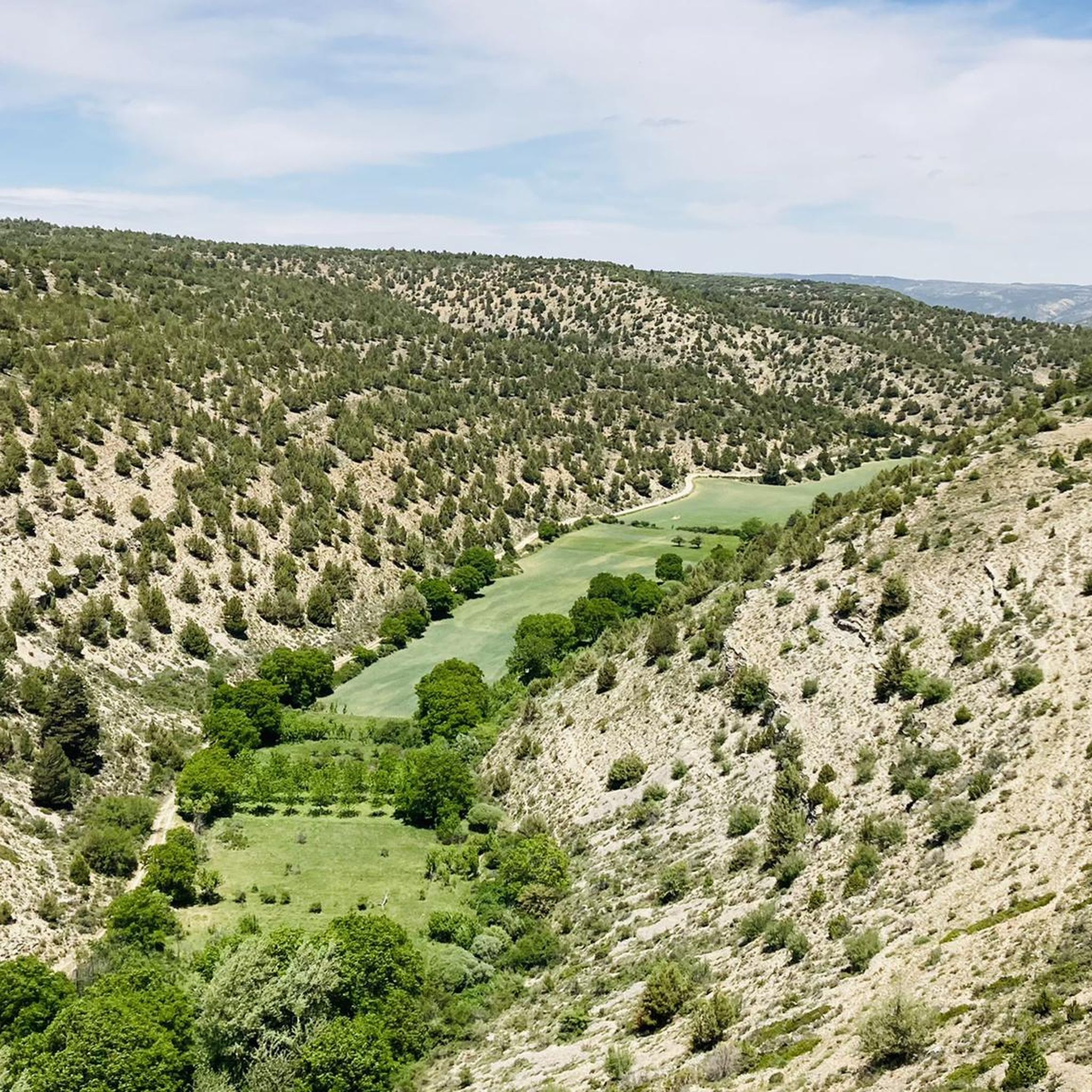

Tips from the Community

The Bull Shelter of Prado del Navazo, also known as Toricos del Navazo, is one of the most prominent sites of Levantine Rock Art in the Sierra de Albarracín (Teruel), and is part of the complex declared a Site of Cultural Interest and World Heritage Site by UNESCO. Naturalistic representations of large bovids are painted in a yellowish-white color, unique in Levantine rock art, which typically uses reddish tones.
4
0

With protected cave paintings.
2
0
With protected cave paintings and access platform.
3
0
Protected landscape in the Sierra de Albarracin Cultural Park. In the middle of the Pinar de Ródeno
7
0

Discovered in 1892, it is one of the most important stops in the park. On the rock, 19 figures have been distinguished, including 5 people representing 3 different moments in time. It is estimated that they date from 4500-7000 years BC
2
1
Paintings discovered in 1974 representing a clearly distinguishable deer on the rock and various other figures that are somewhat more difficult to find. It is estimated that they date from 4500-7000 years BC. c.
2
1
Discovered in 1892, it is one of the most important representations of the park. Figures of bulls (35x70 cm) can be clearly distinguished, the indisputable symbol of the current region of Teruel. It is estimated that these paintings date from 6000-7000 years B.C.
1
0
Discovered in 1953, the painting represents a hunter or archer, some animal figures and a person with a stylized silhouette. It is estimated that it dates from 4500-7000 years BC. c.
2
0
Frequently Asked Questions
What types of caves can I explore around Royuela?
The area around Royuela is primarily known for its rock shelters featuring significant prehistoric cave paintings, such as the Shelter of the Archer of the Enclosed Ravines and the Prado del Navazo Bulls Rock Shelter. There are also natural caves formed by erosion, like the Covarratiñas Caves, which once served as refuges.
Are there any caves with prehistoric art near Royuela?
Yes, the region is rich in prehistoric art. Notable sites include the Shelter of the Archer of the Enclosed Ravines, which features thirteen Levantine-style figures depicting a hunting scene, and the Prado del Navazo Bulls Rock Shelter, a UNESCO World Heritage site known for its unique yellowish-white representations of large bovids.
Are the caves around Royuela suitable for families?
Many of the rock shelters, such as the Prado del Navazo Bulls Rock Shelter and the Bishop's Little Kitchen Rock Shelter, are considered family-friendly. These sites often have accessible platforms or relatively easy access to view the cave paintings, offering an engaging historical experience for all ages.
What is the best time to visit the caves and rock shelters?
The best time to visit is generally during spring and autumn when the weather is mild, making outdoor exploration and viewing of the rock shelters more comfortable. Summer can be hot, and winter might bring colder temperatures, though the caves themselves maintain a more stable temperature.
Are permits required to visit the cave paintings?
Access to some protected cave painting sites, especially those within the Sierra de Albarracín Cultural Park, may require specific permits or guided tours to ensure their preservation. It's advisable to check with local tourism offices or the park administration before your visit.
What other natural features can I see near the caves?
The area is part of the protected landscape of the Pinares de Rodeno, characterized by unique geological formations and pine forests. You can find viewpoints offering scenic vistas, and the Covarratiñas Caves themselves are set in a beautiful landscape shaped by river erosion.
What outdoor activities can I do near these caves?
Beyond exploring the caves, the region offers various outdoor activities. You can find numerous cycling routes, including challenging options like 'The Three Taifas Trail', as well as running trails such as 'Barranco del Cabrerizo y Mirador de Peñas Royas'. For more details, explore the Cycling around Royuela or Running Trails around Royuela guides.
Are there any guided tours available for the caves?
While the guide data doesn't specify guided tours for every site, given the historical and protected nature of many rock shelters, guided visits are often recommended or required to fully appreciate the cave paintings and ensure their conservation. Inquire locally for available options.
What should I wear when visiting the caves and rock shelters?
Comfortable walking shoes are essential, as many sites involve walking on natural terrain. Layered clothing is also advisable, as temperatures can vary, especially inside deeper caves or during different times of the day. For rock shelters, sun protection might also be useful.
Are there any other significant caves in the wider Teruel province worth visiting?
Yes, beyond the immediate Royuela area, the Teruel province boasts other impressive sites. The Crystal Caves of Molinos (Grutas de Cristal de Molinos) are a Natural Monument known for spectacular stalactites and stalagmites, and the Recuenco Cave (Cueva del Recuenco) in Ejulve offers a challenging speleological experience with its labyrinthine passages.
Where can I find amenities like cafes or accommodation near the caves?
Royuela and nearby towns in the Sierra de Albarracín region offer various amenities. You'll find cafes, restaurants, and accommodation options in these villages, providing convenient bases for exploring the caves and surrounding natural areas.
Most popular routes around Royuela
Most popular attractions around Royuela

Get inspired with the komoot mobile app


Explore more
Extend your search for the best caves by checking out these guides of the top ones around Royuela:
