Top 6 Castles around Esteribar
Best castles around Esteribar are found in a region characterized by its historical landscape and strategic importance. The Esteribar Valley, situated in Navarra, features ancient fortifications and converted strongholds. This area offers a glimpse into both medieval Navarrese history and ancient Basque culture. Visitors can explore sites that highlight the long history of human habitation and strategic significance.
Best castles around Esteribar
- The most popular castles is Pamplona Cathedral and the Citadel, a historical site and castle that preserves…
Last updated: August 14, 2026
Pamplona
Highlight • Historical Site
Translated by Google •
Tip by

Irulegi Castle
Highlight • Castle
Translated by Google •
Tip by

Sign up now to discover places like this
Get recommendations on the best single tracks, peaks, & plenty of other exciting outdoor places.
Sign up for free
Citadel of Pamplona
Highlight • Historical Site
Translated by Google •
Tip by
Pamplona Citadel
Highlight • Castle
Translated by Google •
Tip by
Ruins of Miravalles Castle
Highlight • Castle
Translated by Google •
Tip by
Start today with a free account
Your next adventure awaits.
Login or Signup
Popular around Esteribar


Tips from the Community

In the Pamplona bull run, young men in particular risk their health and sometimes their lives. Despite protests from animal rights activists, the "Sanfermines" festival attracts millions of visitors every year. Around 6,000 bulls are said to have died in the arena in the past 100 years. Since 1911, a total of 16 deaths have been linked to the Pamplona bull runs and fights.
2
1

Huge star-shaped citadel from 1571. Extremely well preserved and very easy to walk around inside, outside and through the middle.
1
0
Huge star-shaped citadel from 1571. Extremely well preserved and very easy to walk around inside, outside and through the middle.
0
0

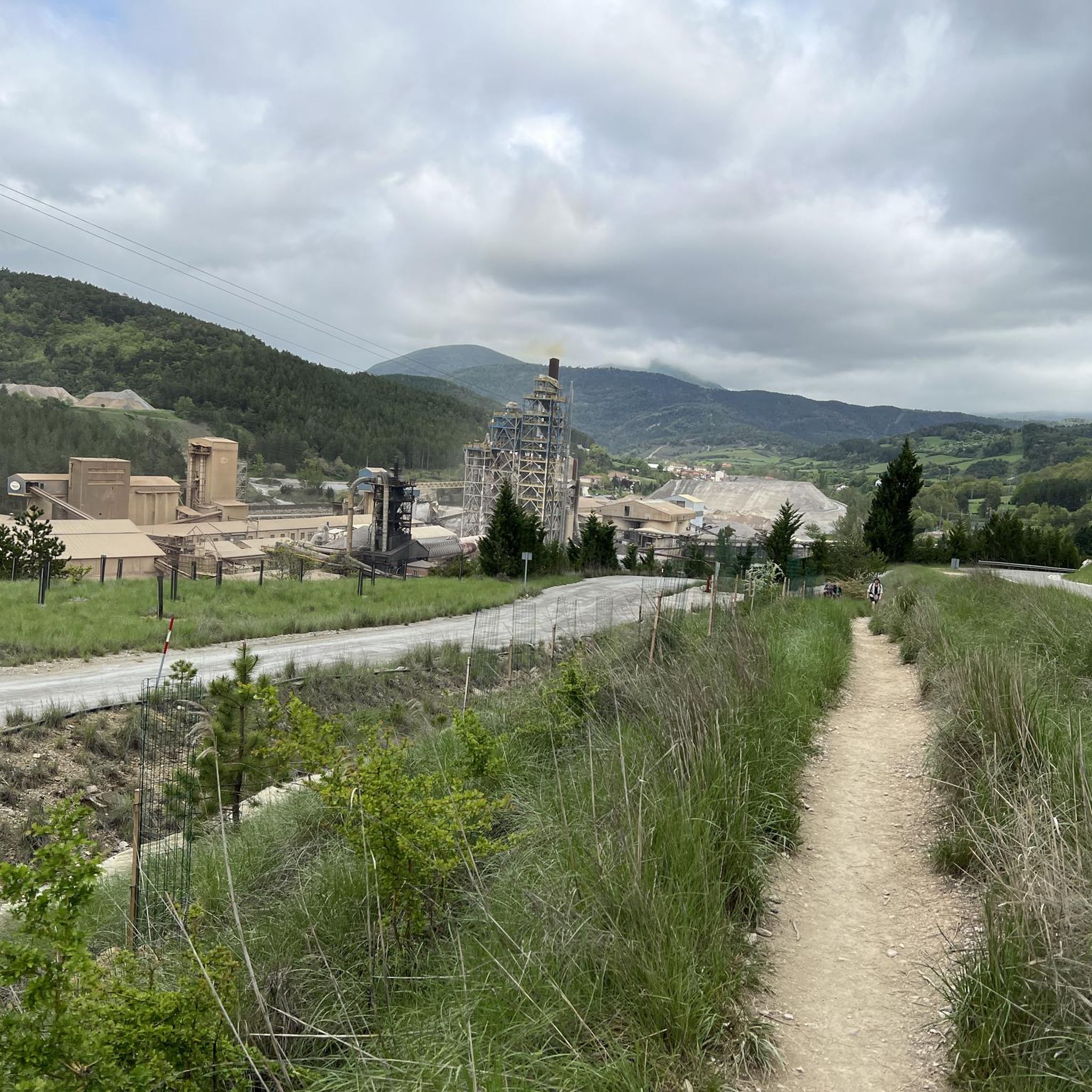
Although this is the most populous city on the Camino de Santiago, crossing it is relatively pleasant. We enter the Old Town directly, are led through it to the Citadel Park, and quickly leave the city after a short stretch through the Neustadt.
3
0

Beautiful, well-preserved fortification from the Renaissance.
3
0
Beautiful, well-preserved fortification from the Renaissance.
2
0

View of the citadel of Pamplona from the glacis
3
0

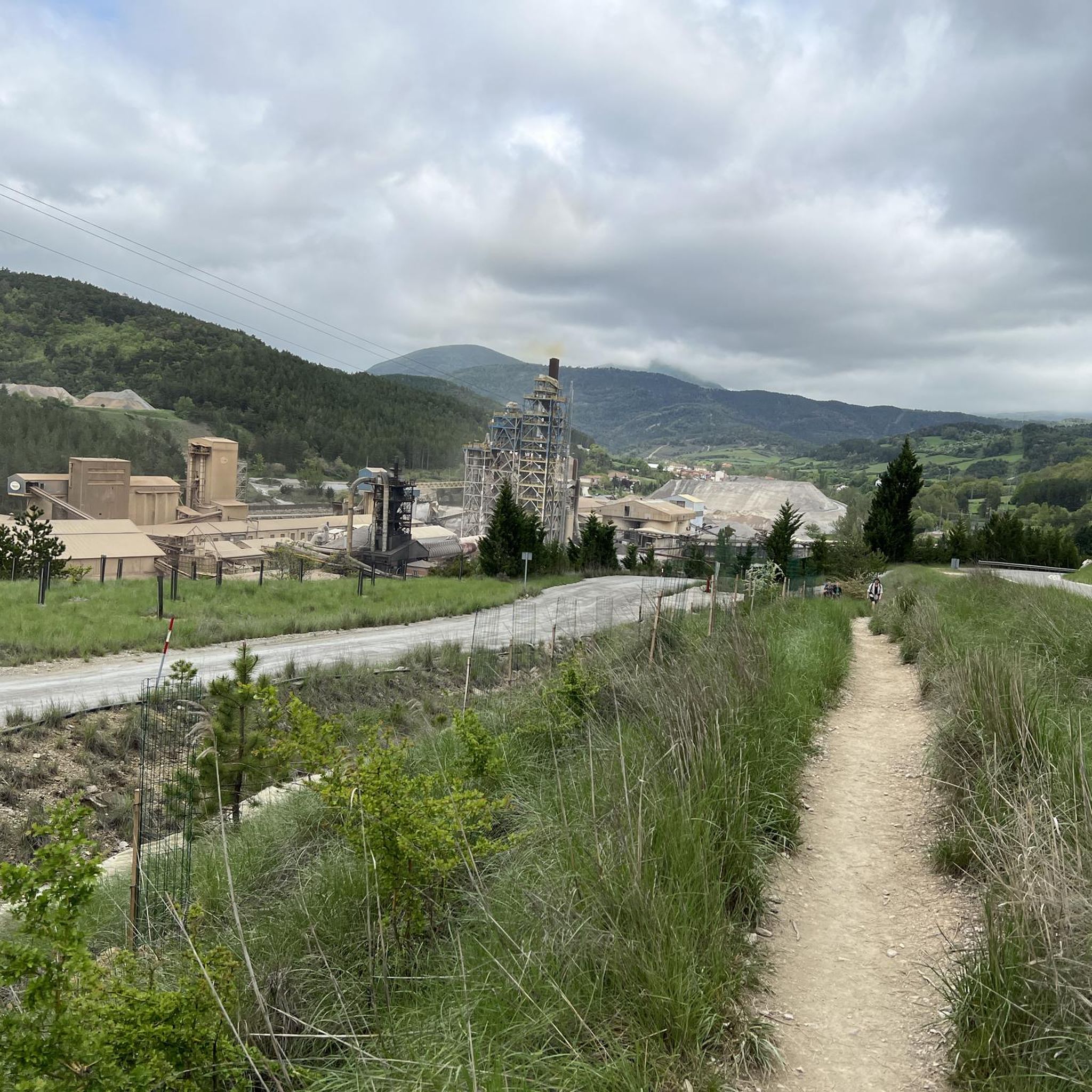
This route passes through the Ezkaba tunnel, through which cycling is prohibited
0
0
Frequently Asked Questions
What types of historical sites and castles can I explore around Esteribar?
The Esteribar region offers a fascinating blend of historical sites, from ancient fortifications to medieval strongholds and Renaissance structures. You can explore significant sites like Pamplona Cathedral and the Citadel, the strategic Irulegi Castle, and the impressive Citadel of Pamplona. Beyond these, the region also features sites with Templar connections like the Abbey of Eskirotz and ancient Iron Age settlements such as Castro de Murelu, offering a deep dive into the area's long history.
Are there any family-friendly castles or historical sites to visit in the Esteribar region?
Yes, several sites are well-suited for families. The Pamplona Cathedral and the Citadel, Irulegi Castle, and the Citadel of Pamplona are all categorized as family-friendly. The Citadel of Pamplona, in particular, is now a beautiful park that can be enjoyed by all, with paths both inside and outside its walls.
What are some unique historical sites in the Esteribar Valley that are less commonly known?
Beyond the more prominent castles, the Esteribar Valley holds intriguing historical sites. The Abbey of Eskirotz and Ilarratz, located on the Camino de Santiago, is believed to have Templar origins as a 12th-century fort before being converted into an abbey. Its altar features unique Christian and Pagan symbols. Another site is Castro de Murelu in Zubiri, an Iron Age fortified settlement that offers a glimpse into ancient defensive practices.
Can I find good viewpoints at the castles around Esteribar?
Absolutely. Irulegi Castle is particularly noted for its magnificent panoramic views of the Pamplona Basin and surrounding valleys from its perch atop Mount Irulegi. Many historical sites, due to their strategic defensive locations, offer excellent vantage points of the landscape.
What outdoor activities can I combine with a visit to the castles in Esteribar?
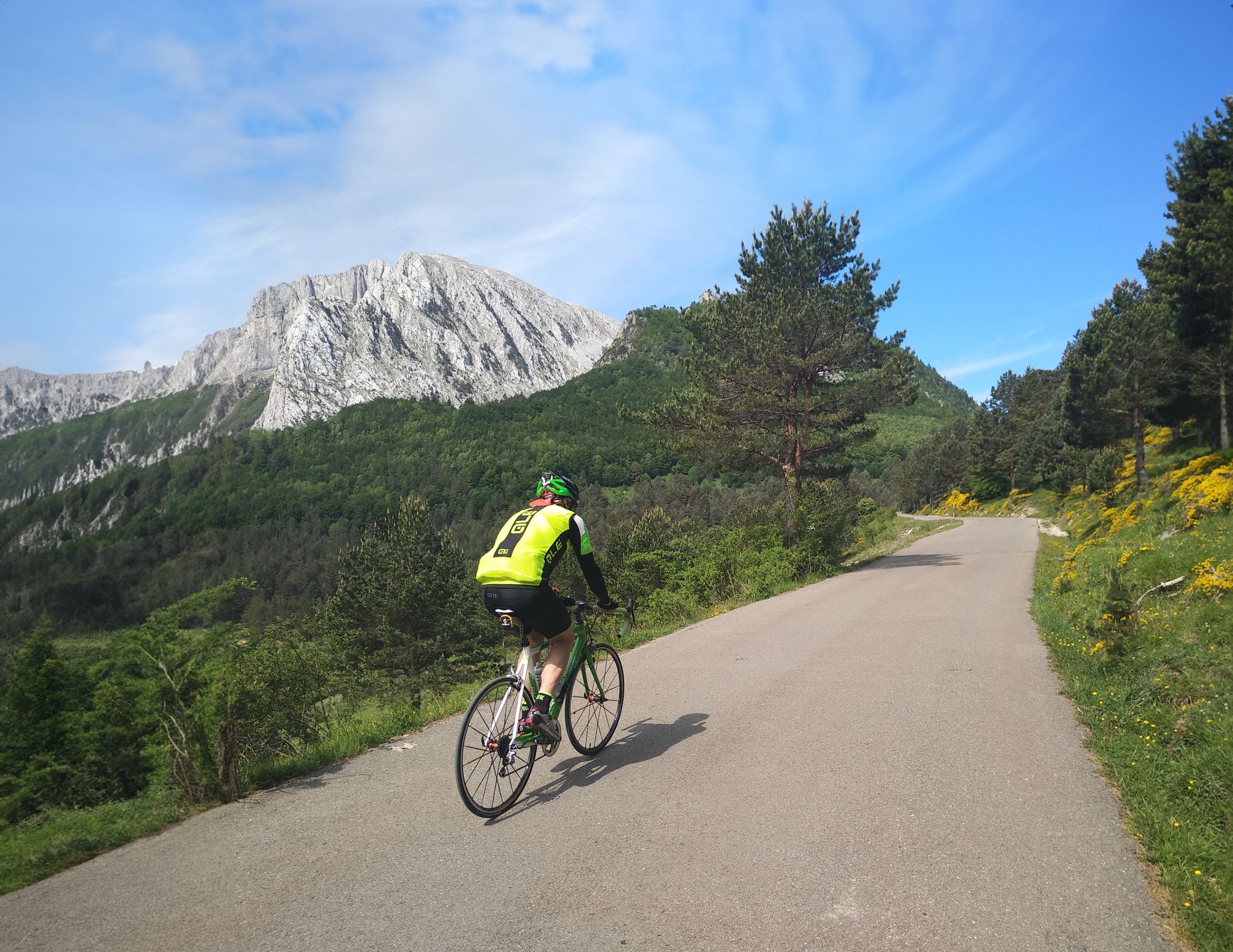
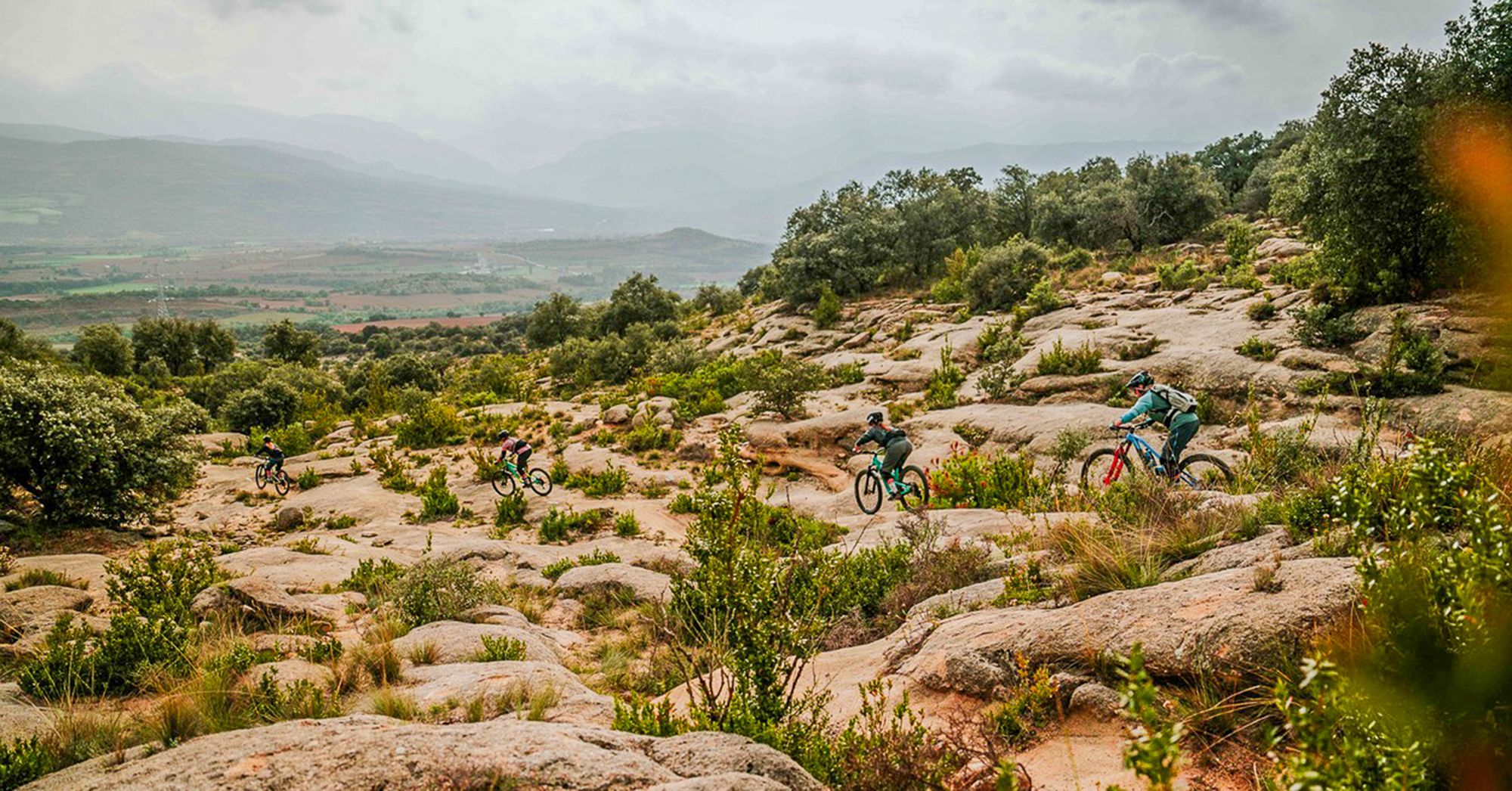
The Esteribar region is excellent for outdoor activities. You can explore numerous cycling and mountain biking routes. For road cycling, consider routes like the 'Artesiaga Pass – Views of the Eugi reservoir loop' from Zubiri. Mountain bikers can tackle trails such as the 'Goitiko Gaina and Burdindogi Loop' or the 'Eugi Reservoir Mountain Loop'. Find more details on these and other routes in the Road Cycling Routes around Esteribar, MTB Trails around Esteribar, and Cycling around Esteribar guides.
How long should I plan for a visit to the castles and historical sites in Esteribar?
The duration of your visit depends on the site. For a comprehensive experience of a major site like the Pamplona Cathedral and the Citadel or the Citadel of Pamplona, allow at least half a day to explore the grounds, historical exhibits, and surrounding parks. Smaller sites like Irulegi Castle, which involves a hike, might take 2-3 hours for the ascent, exploration, and descent. If you plan to visit multiple sites, consider dedicating a full day or more.
Is public transport available to reach the castles around Esteribar?
Pamplona, where the Cathedral and Citadel and the Citadel of Pamplona are located, is well-served by public transport. For sites further into the Esteribar Valley, such as Irulegi Castle or the Abbey of Eskirotz, public transport options might be more limited, and a car or a combination of transport and walking may be necessary.
What is the historical significance of the Citadel of Pamplona?
The Citadel of Pamplona, also known as 'Castillo Nuevo', is a significant Renaissance fortification built under the reign of Felipe II in the late 16th century. Its original purpose was military defense, embodying the motto 'I defend you and you defend me.' Although partially destroyed in 1888 due to advancements in siege weaponry, it remains one of the best-preserved military constructions in Europe and now serves as a beautiful public park.
Are there any castles or historical sites with connections to the Camino de Santiago in Esteribar?
Yes, the Abbey of Eskirotz and Ilarratz is directly located between Zubiri and Larrasoaña along the Camino de Santiago. This site, with its potential Templar origins as a 12th-century fort, offers a unique historical stop for pilgrims and history enthusiasts alike. Its ongoing restoration aims to transform it into pilgrim accommodation and a museum, making it easily accessible for those walking the Way of St. James.
What can I expect to see at the Guadalupe Bastion?
The Guadalupe Bastion is a lower defensive bastion of the Redín bastion, constructed between the 15th and 17th centuries. Its design was a tactical innovation to improve the defensive effectiveness of the walls. By creating this lower bulwark, attacking armies were forced to divide, making them easier to defeat from higher positions. It offers insight into historical military engineering and defensive strategies.
What is the best time of year to visit the castles and historical sites in Esteribar?
The best time to visit the castles and historical sites in Esteribar is generally during the spring (April to June) and autumn (September to October). During these seasons, the weather is typically mild and pleasant for exploring outdoor sites and hiking to castles like Irulegi. Summer can also be good, but it can be hotter, especially in July and August. Winter visits are possible, but some sites might have reduced hours, and weather conditions can be colder and wetter.
Most popular routes around Esteribar
Most popular attractions around Esteribar

Get inspired with the komoot mobile app


