Top 4 Lakes around Castro-Urdiales
Best lakes around Castro-Urdiales are found in a coastal town in Cantabria, Spain, primarily known for its maritime charm and beaches. While extensive natural lakes are not a defining characteristic, the area features unique water bodies. These include reservoirs and distinctive wells formed from historical mining activities. The region offers a blend of coastal scenery and inland natural beauty.
Best lakes around Castro-Urdiales
- The most popular lakes is Pozo Hostión, a lake that is the largest of the three…
Last updated: July 4, 2026
Pozo Hostión
Highlight • Lake
Translated by Google •
Tip by

Lakes of the Old Iron Mines
Highlight • Lake
Translated by Google •
Tip by

Sign up now to discover places like this
Get recommendations on the best single tracks, peaks, & plenty of other exciting outdoor places.
Sign up for free
El Juncal Reservoir
Highlight • Lake
Translated by Google •
Tip by

Pozo Ostión Recreation Area
Highlight • Lake
Translated by Google •
Tip by

Parkotxa Pond
Highlight • Lake
Translated by Google •
Tip by
Sign up for free to discover even more lakes around Castro-Urdiales.
Sign up for free
Already have an account?
Start today with a free account
Your next adventure awaits.
Login or Signup
Popular around Castro-Urdiales
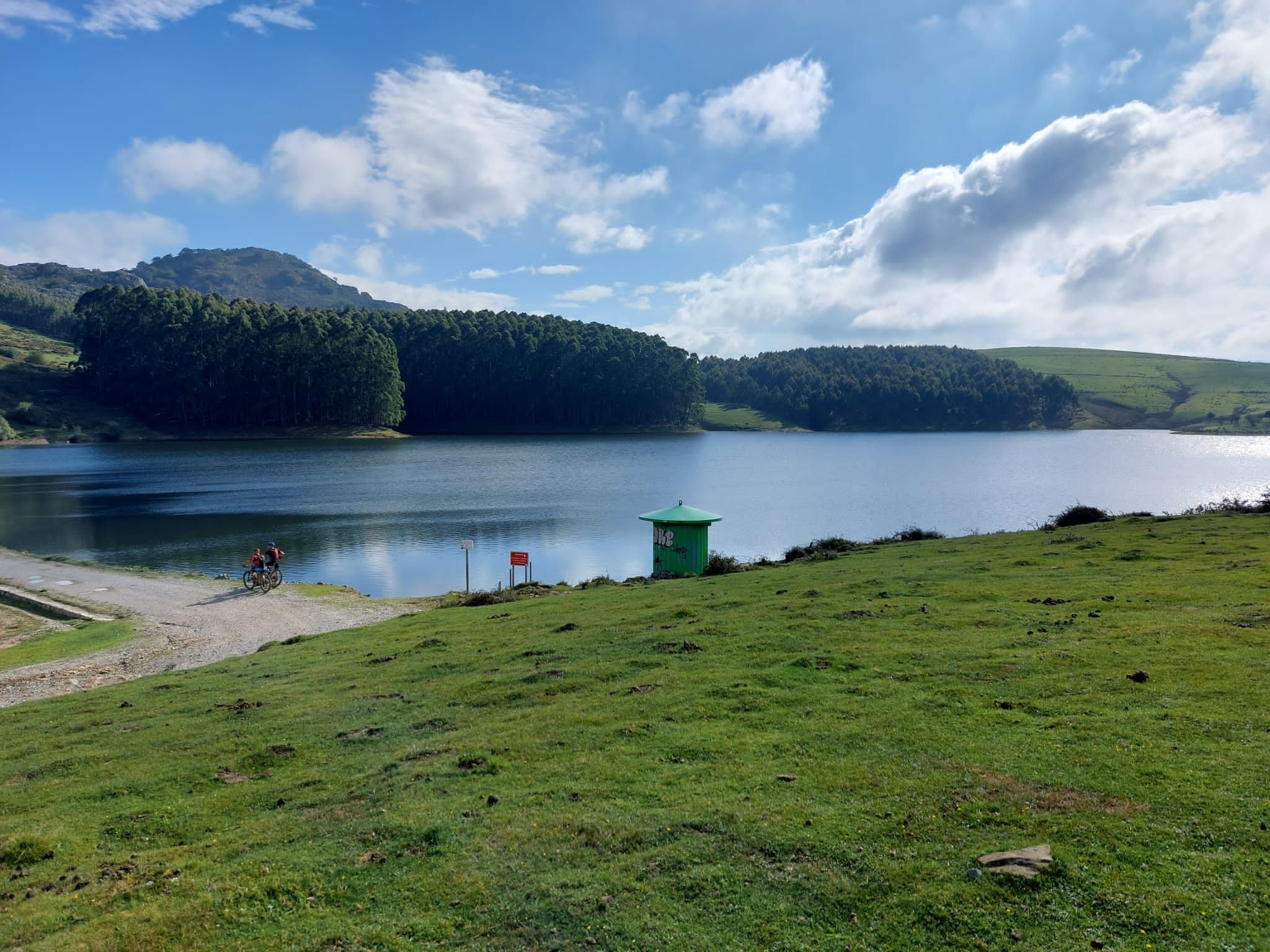
Cycle between land and sea in northern Spain – Pedales de Cantabria
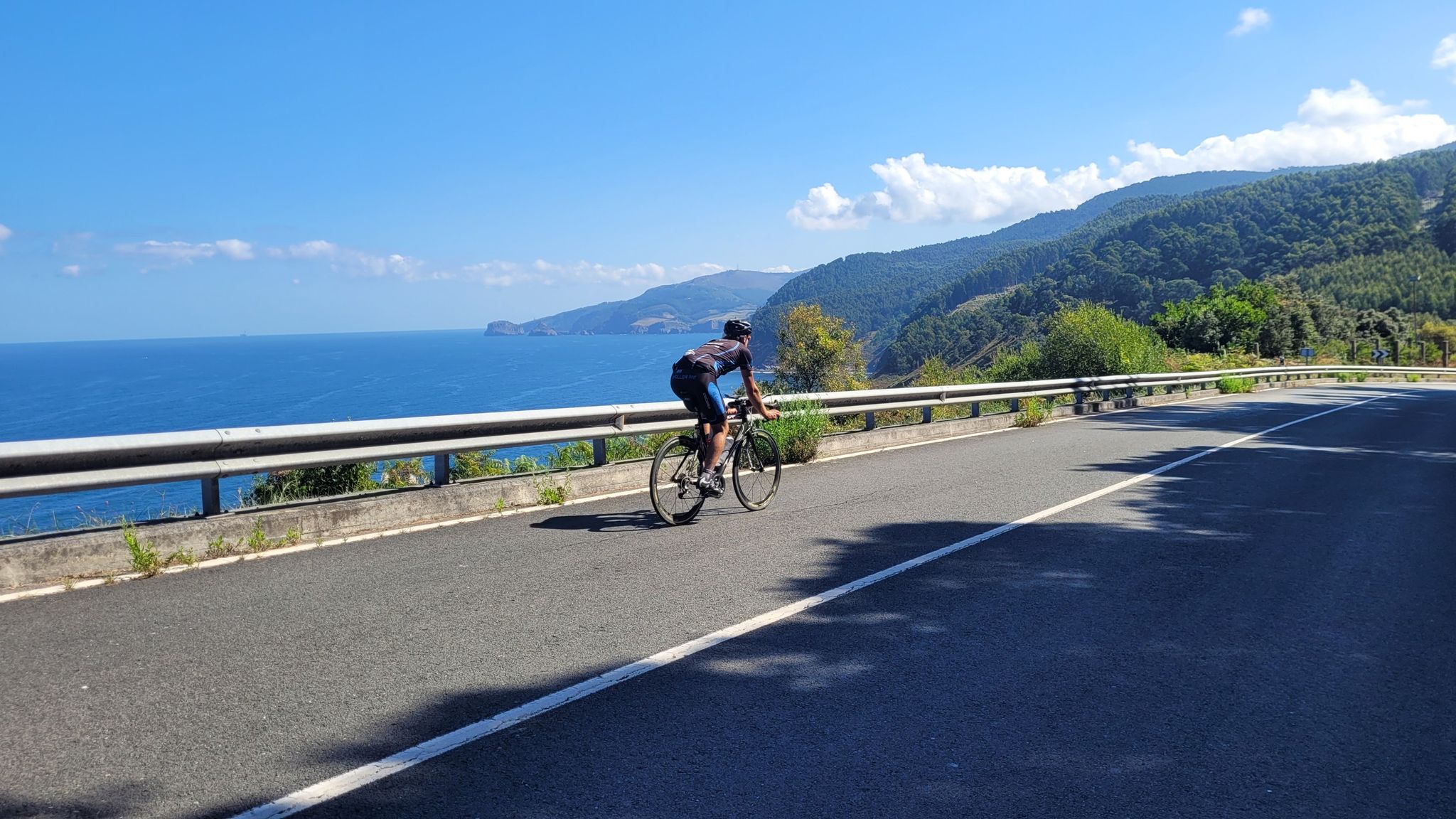
Cycling along the Cantabrian coast – the Northern Way
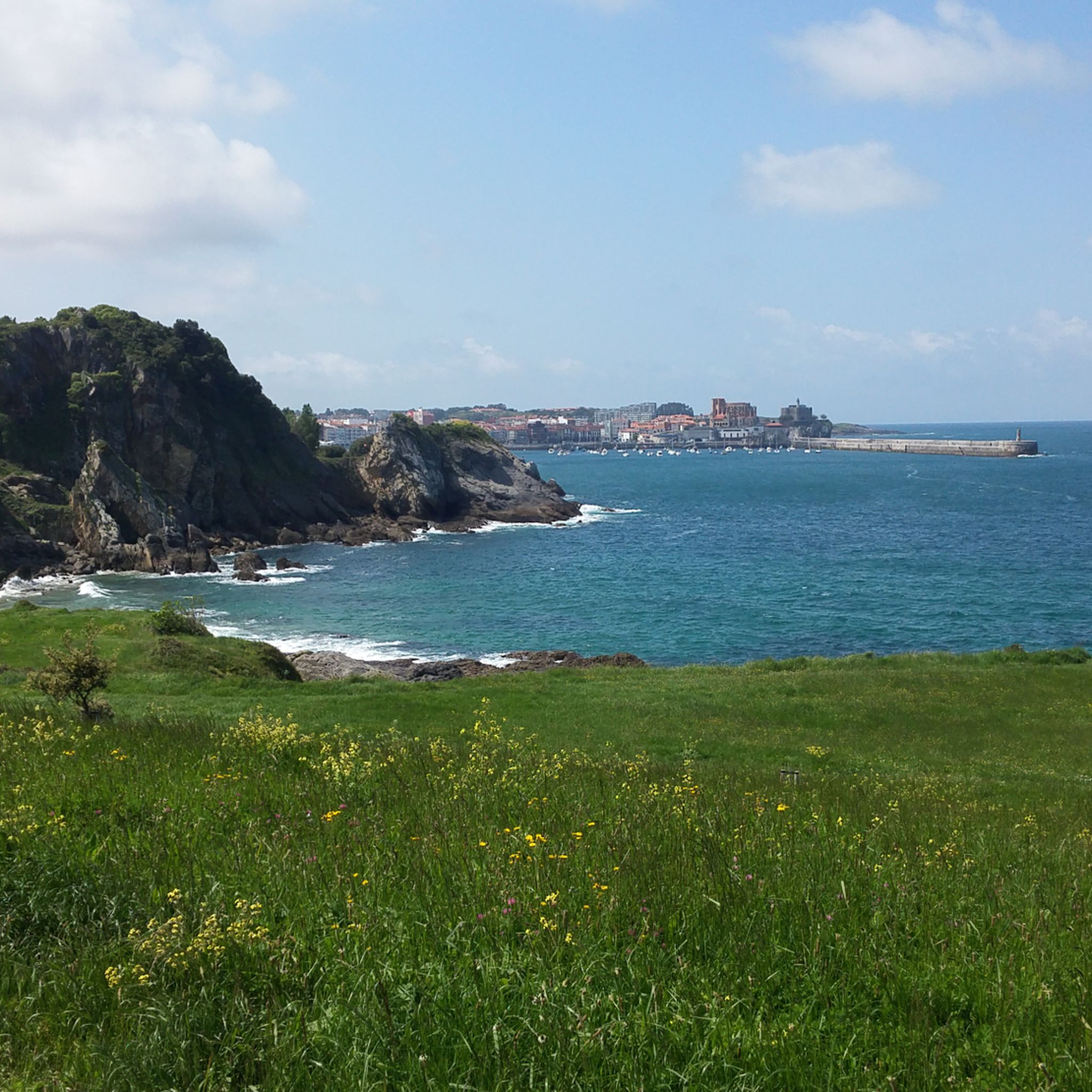
Hiking around Castro-Urdiales
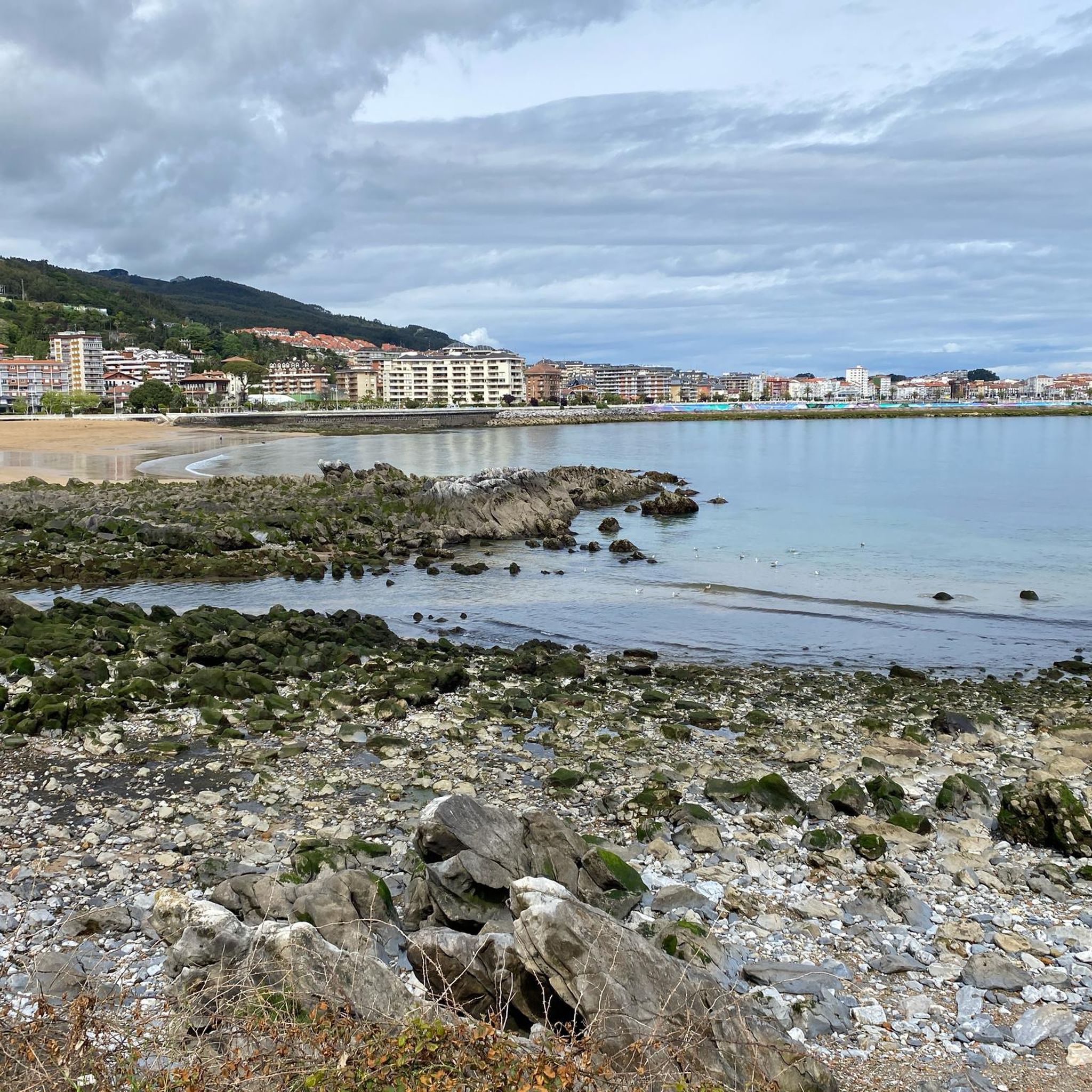
Road Cycling Routes around Castro-Urdiales
Cycling around Castro-Urdiales
MTB Trails around Castro-Urdiales
Running Trails around Castro-Urdiales
Gravel biking around Castro-Urdiales


Tips from the Community

With several sculptures and some picnic tables.
1
0
One of the entrances to the Lakes/Wells.
1
0

A very quiet and picturesque place surrounded by a beautiful landscape typical of this area of the Cantabrian interior. It is worth turning it around on the track that runs through it.
2
0

Comfortable route and beautiful surroundings.
0
0
It is a wonderful place to enjoy the environment
1
0

At the end of the 19th century, explosives began to be used for open-pit mining of iron ore. Due to this, in some areas the water table was reached and when this happened the water had to be pumped out in order to continue working. When the mineral exploitation was abandoned, the underground water came to the surface and wells like this one were formed, called Parkotxa or the next ones that we will see during the tour.
0
0
The largest of the three wells. Its name comes from a Euskaldun foreman who did not speak Spanish well and who always said "I give hostión" to threaten miners who did not work well.
0
0

There are sections of trail with possible mud
1
0
Frequently Asked Questions
What kind of lakes can I expect to find near Castro-Urdiales?
While Castro-Urdiales is primarily a coastal town, the surrounding region offers a unique blend of water bodies. You'll find fascinating ponds formed from historical iron ore mining, such as Parkotxa Pond and the Lakes of the Old Iron Mines. Additionally, there are picturesque reservoirs like El Juncal Reservoir in the Cantabrian interior.
Do these lakes have any historical significance?
Yes, many of the unique water bodies near Castro-Urdiales, particularly the ponds, are a direct result of the region's industrial past. They were formed when open-pit iron ore mining ceased, and the underground water table rose to fill the excavations. For example, Pozo Hostión's name even comes from a historical anecdote involving a foreman.
Are there family-friendly lakes or areas suitable for children?
Absolutely. The Pozo Ostión Recreation Area is a great choice, featuring sculptures and picnic tables, making it ideal for a relaxing family outing. El Juncal Reservoir also offers a quiet and picturesque setting that families can enjoy, with a track for walking around it.
Can I swim in the lakes near Castro-Urdiales?
While some larger reservoirs in the broader Cantabrian region, like the Ebro Reservoir, may allow swimming in certain areas (e.g., Arija), caution is advised due to fluctuating water levels. For the mining-formed ponds closer to Castro-Urdiales, such as the Pozo Ostión Recreation Area, swimming is strictly prohibited due to dark waters and treacherous depths.
What outdoor activities can I do near these lakes?
The area around Castro-Urdiales offers a variety of outdoor activities. You can explore the unique landscapes around the mining ponds, or enjoy more traditional outdoor pursuits. For instance, there are numerous hiking trails, MTB trails, and road cycling routes that allow you to discover the coastal and inland beauty of the region.
Are there easy lake walks suitable for beginners or those seeking a relaxed stroll?
Yes, for a relaxed experience, the track around El Juncal Reservoir is a great option, offering a quiet and picturesque walk. The areas around the mining ponds, such as Pozo Ostión Recreation Area, also provide comfortable routes and beautiful surroundings, though some sections of trails near the Lakes of the Old Iron Mines might be muddy.
What makes the Lakes of the Old Iron Mines a unique place to visit?
The Lakes of the Old Iron Mines offer a fascinating glimpse into the region's industrial heritage. These are a series of wells formed from abandoned iron ore mines, creating a unique landscape where nature has reclaimed industrial sites. Visitors can enjoy the distinctive environment, though be prepared for potentially muddy sections on the trails.
Is there parking available near these lakes?
While specific parking details for each individual lake might vary, areas like the Pozo Ostión Recreation Area are designed for visitors and typically have facilities, which often include parking. For other locations, it's advisable to check local signage or maps for designated parking spots.
What do visitors enjoy most about the lakes around Castro-Urdiales?
Visitors particularly appreciate the unique blend of natural beauty and historical significance. The mining ponds offer a distinctive landscape shaped by human activity, while reservoirs like El Juncal Reservoir provide serene, picturesque environments. The opportunity to explore these varied water bodies and their surrounding trails is a major draw.
Are there viewpoints or scenic spots around the lakes?
Yes, several spots offer great views. The Pozo Ostión Recreation Area provides different vantage points of the well. El Juncal Reservoir is also described as a very picturesque place surrounded by beautiful landscapes, ideal for scenic appreciation.
Can I bring my dog to the lakes?
Many outdoor areas in Cantabria are generally dog-friendly, especially on trails and in natural settings. However, specific rules can vary for recreation areas or protected sites. It's always best to keep dogs on a leash and ensure you clean up after them to maintain the natural environment for all visitors.
Most popular routes around Castro-Urdiales
Most popular attractions around Castro-Urdiales

Get inspired with the komoot mobile app


Explore more
Still not found your perfect lake around Castro-Urdiales? Check out the guides of these regions to see even more beautiful places.
