Top 9 Lakes around Polinyà De Xúquer
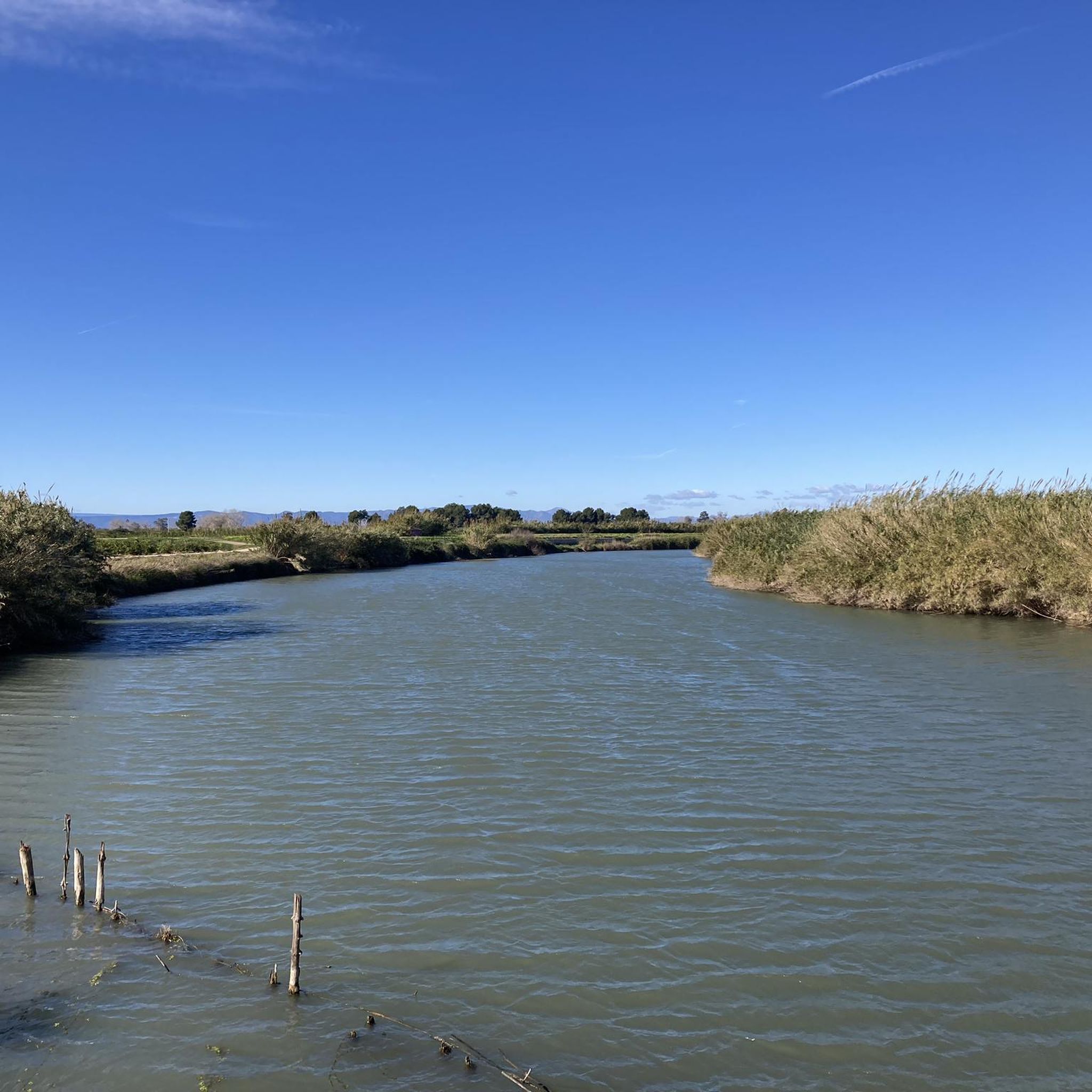
Lakes near Polinyà De Xúquer are primarily influenced by the Xúquer River, a major waterway in this Valencian Community municipality. The town itself is located on the river's alluvial plain, offering natural areas for recreation along its embankment. While large natural lakes are not directly within Polinyà De Xúquer, the surrounding region features diverse water bodies, contributing to tourism Polinyà De Xúquer.
Best lakes around Polinyà De Xúquer
- The most popular lakes is Ullal de Baldoví, a lake that…
Last updated: May 7, 2026
Ullal de Baldoví
Highlight • Lake
Translated by Google •
Tip by

Marsh and pond of the South Bank of the Júcar
Highlight (Segment) • Natural
Translated by Google •
Tip by
Sign up now to discover places like this
Get recommendations on the best single tracks, peaks, & plenty of other exciting outdoor places.
Sign up for free
Sant Antoni Park
Highlight • Natural
Translated by Google •
Tip by

Lake and water walls
Highlight • Historical Site
Translated by Google •
Tip by
Samaruc Lagoon
Highlight • Lake
La Llacuna del Samaruc is a wetland, located within the …
Translated by Google •
Tip by
Sign up for free to discover even more lakes around Polinyà De Xúquer.
Sign up for free
Already have an account?
Start today with a free account
Your next adventure awaits.
Login or Signup

Tips from the Community

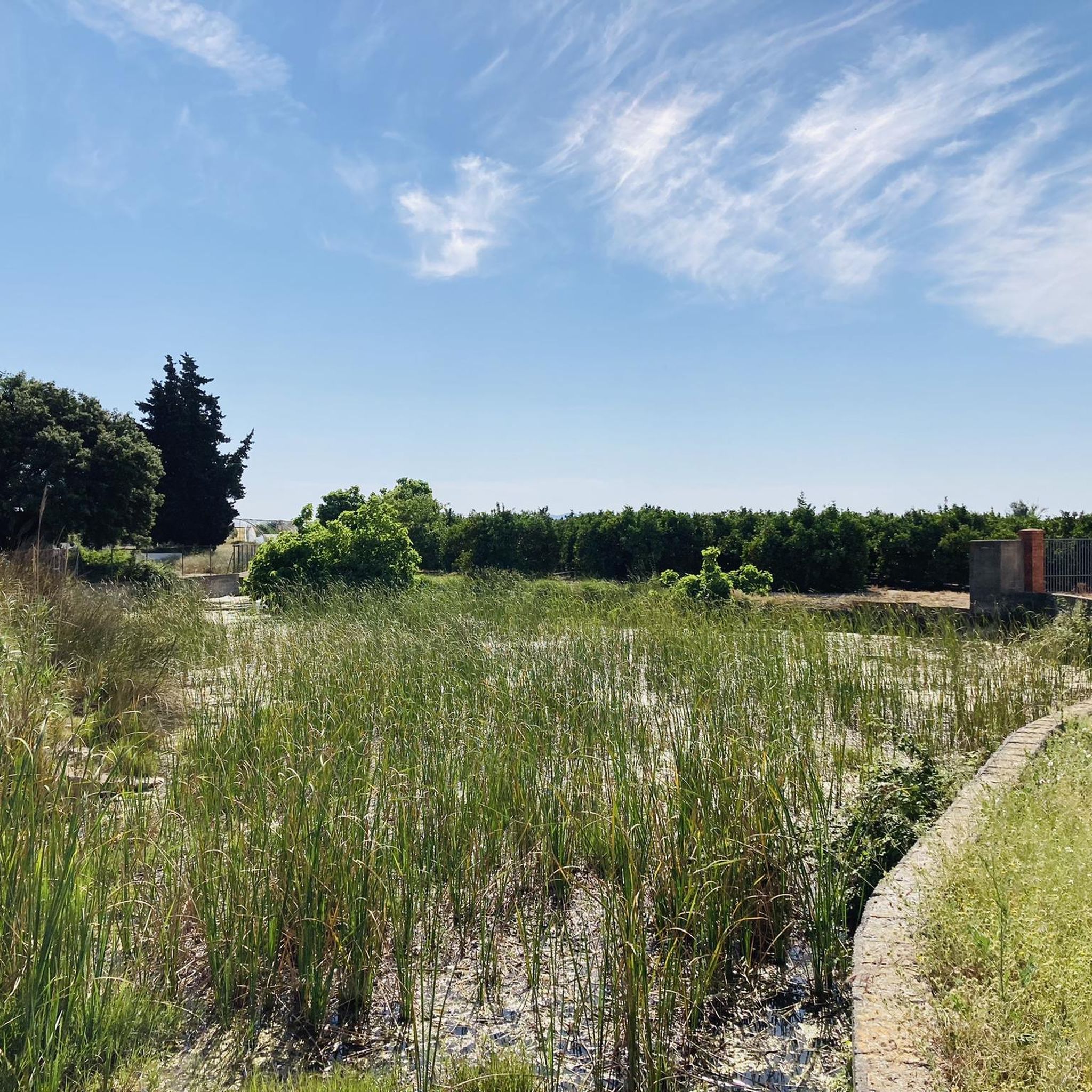
The Ullal de Baldoví, spring par excellence of the Park and of great importance for the natural heritage. The ullals are groundwater springs that give rise to small lagoons that have been reduced by agricultural occupation. The Ullal de Baldoví or de la Baldovina has an area of 0.45 hectares with a maximum depth of 3 meters and a flow close to 250 liters per second. The Ullal de Baldoví reserve is located in the Malvinaret area and is a small wetland ecosystem that has observatories and viewpoints from which you can see the different species of fauna and flora that are most representative and protected, such as the samaruc. .
1
0

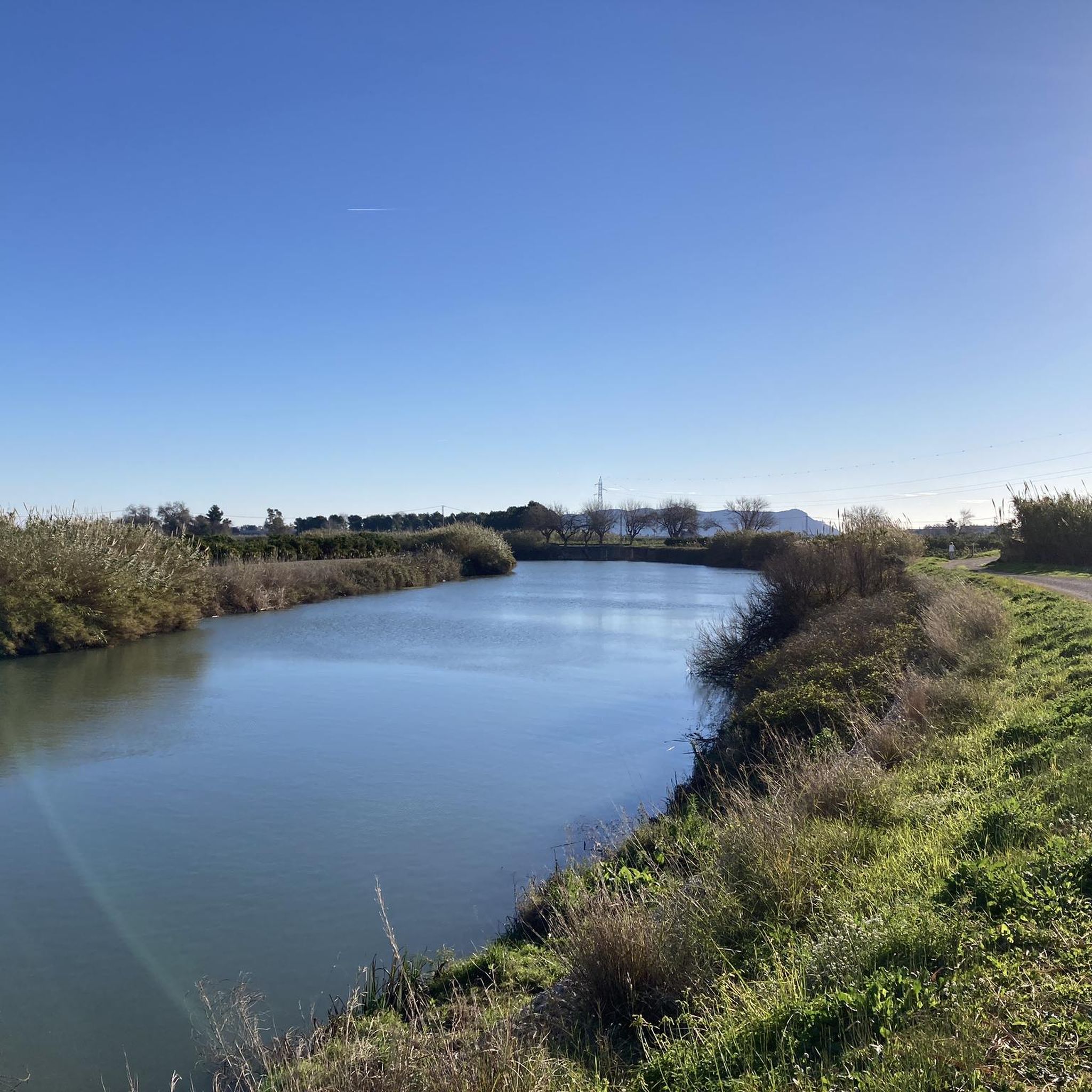
Picturesque section through the rice fields of the Ribera Sur del Júcar. Depending on the time you pass through here you will see opposite landscapes, from a very intense green at the time of planting rice and then moving on to the desert landscape after harvesting. A unique place that deserves to visit it.
2
0

A large park, with a pond, children's areas and enough trees, 100m from the beach of Sant Antoni de Cullera.
1
0
The ullals represent underground water springs of excellent quality in which species of fauna and flora that have practically disappeared have survived. Today they are protected areas and ideal places for those who like to observe native birds. ** The "ullals" represent underground water springs of excellent quality in which species of fauna and flora that have practically disappeared have survived. Today they are protected areas and ideal places for those who like to observe native birds.
2
0
The wall provided refuge to the inhabitants of the town of Alzira in military actions (Alfonso the Warrior, Cid Campeador, Almohads, King James, communities, Germanies and civil strife) and against the river overflows.
1
0
Absolute tranquility to contemplate marsh birds. It is very close to the Muntanyeta dels Sants (also recommended)
1
0
An amazing place with a lot of flora and fauna in the Sollana canal, but within the municipality of Algemesí. La Llacuna del Samaruc is a wetland, located within the scope of the Abufera Natural Park, which is home to the most characteristic species of fauna and flora in the wetlands of the Valencian Country. Its most illustrious inhabitant - and which gives its name to the lagoon - is the samaruc, a small native fish (between 5 and 7 cm) that is only found in a few Valencian wetlands and is in serious danger of extinction.
1
0
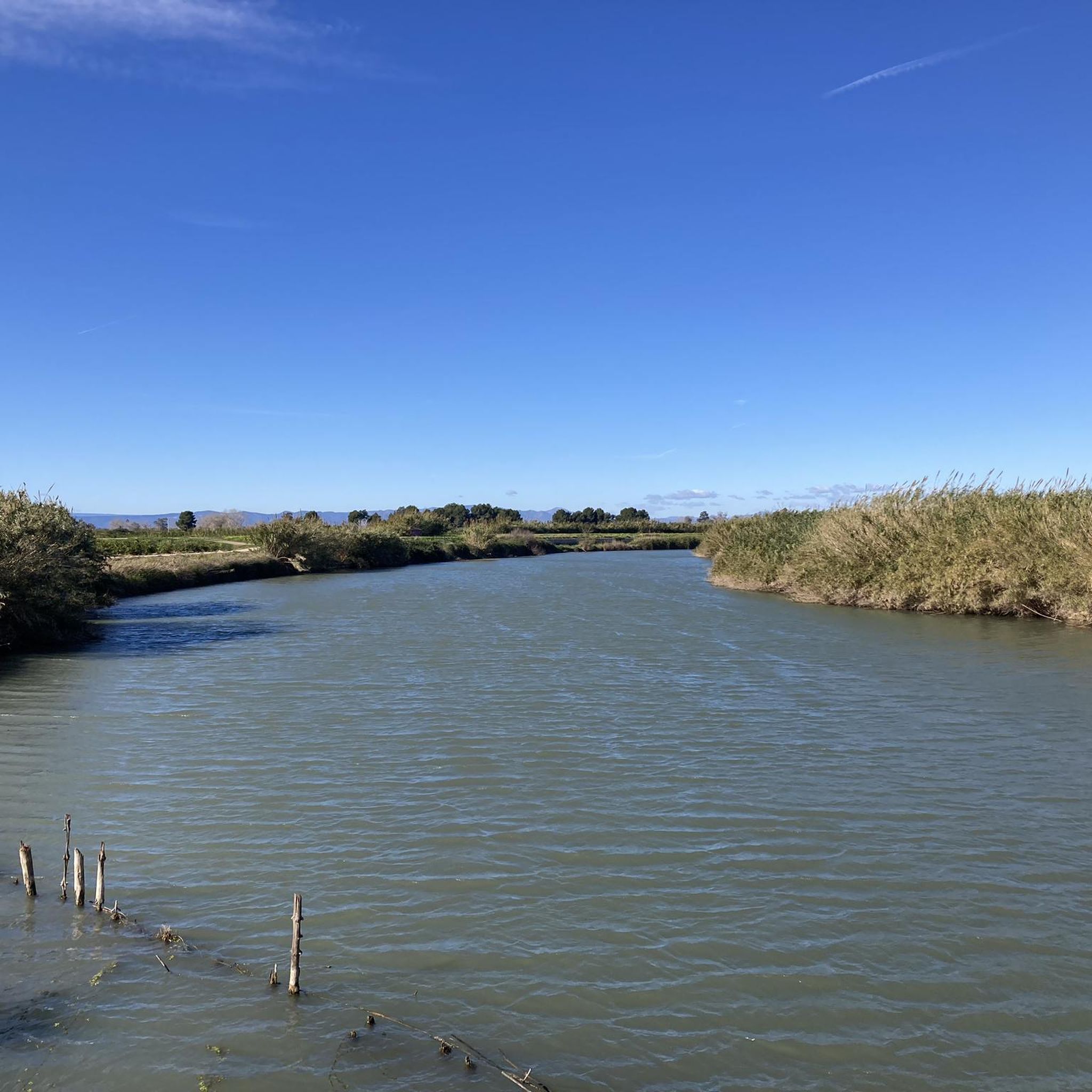
Swamp route that connects the route of the right side of the Júcar with El Brosquil and Tavernes beach. It is located between the terms of Tavernes de la Valldigna, Favara, Cullera, and Fortaleny. The landscape changes according to the time of year: the terraces flooded by the perellona, the dry landscape prior to the flooding of the area to sow rice, the intense green of the bushes, the yellow of the grain in the ears about to reap, etc.
1
1
Frequently Asked Questions
What kind of water bodies can I find around Polinyà de Xúquer?
While large natural lakes are not directly within Polinyà de Xúquer, the area is characterized by the Xúquer River and features diverse water bodies. You'll find unique underground water springs like Ullal de Baldoví, wetlands such as Samaruc Lagoon, and parks with ponds like Sant Antoni Park. The broader Valencia region also offers natural pools, reservoirs, and river beaches.
Are there any protected natural areas with water features near Polinyà de Xúquer?
Yes, Ullal de Baldoví is a protected area representing underground water springs of excellent quality, ideal for observing native birds. Additionally, Samaruc Lagoon is a wetland located within the Abufera Natural Park, home to characteristic fauna and flora, including the endangered samaruc fish.
What are the best places for bird watching near Polinyà de Xúquer?
For bird watching, Ullal de Baldoví is an excellent choice. It's a protected area with observatories and viewpoints where you can see various native bird species and the samaruc fish.
Are there family-friendly water spots around Polinyà de Xúquer?
Absolutely. Sant Antoni Park is a large park with a pond and children's areas, located near the beach of Sant Antoni de Cullera. Both Ullal de Baldoví and Samaruc Lagoon are also considered family-friendly, offering opportunities to observe nature.
Can I find historical sites related to water near Polinyà de Xúquer?
Yes, the Lake and water walls highlight a historical site where walls provided refuge to the inhabitants of Alzira against military actions and river overflows. This offers a glimpse into the region's past interaction with the Xúquer River.
What outdoor activities can I do near these water bodies?
The region offers various outdoor activities. You can explore hiking trails, running routes, and mountain biking paths. For example, there are easy hiking routes like the 'Castell de Corbera loop from Corbera' or moderate running routes such as the 'Running loop from Algemesí'. You can find more details on these activities in the Hiking around Polinyà De Xúquer, Running Trails around Polinyà De Xúquer, and MTB Trails around Polinyà De Xúquer guides.
Are there hiking trails near the lakes and wetlands?
Yes, there are several hiking opportunities. You can find routes that pass through areas like the rice fields near the Marsh and pond of the South Bank of the Júcar. For specific trails, check the Hiking around Polinyà De Xúquer guide, which includes routes like the 'Senda Serra La Murta y Creu del Cardenal' or the 'Cavall Bernat loop'.
What is the best time of year to visit the water features around Polinyà de Xúquer?
The best time to visit depends on what you want to see. The landscape around the Marsh and pond of the South Bank of the Júcar changes dramatically with the seasons, from intense green during rice planting to a drier landscape after harvesting. For bird watching at Ullal de Baldoví, spring and autumn are generally ideal for migratory birds.
What do visitors enjoy most about the water bodies in this region?
Visitors appreciate the tranquility and natural beauty. Many enjoy the opportunity to observe marsh birds at Ullal de Baldoví and the rich flora and fauna of Samaruc Lagoon. The changing landscapes of the rice fields near the Marsh and pond of the South Bank of the Júcar also offer a unique experience.
Are there any easy walking routes near the water features?
Yes, there are easy walking routes available. For instance, the 'Basilica of Saint James the Apostle – Falla Plaza del Cid loop from Algemesí' is an easy hiking option. You can find more easy routes in the Hiking around Polinyà De Xúquer guide.
Can I find places for wild swimming in the wider Valencia region?
While the specific highlights in Polinyà de Xúquer are more for nature observation, the broader Valencia region does offer popular spots for wild swimming. Examples include Playamonte in Navarrés, El Azud - Pozo de las Escaleras in Tuéjar Valley, and the Puddles of Quesa. These are generally natural pools or river beaches rather than large lakes.
Most popular routes around Polinyà De Xúquer
Most popular attractions around Polinyà De Xúquer

Get inspired with the komoot mobile app


Explore more
Still not found your perfect lake around Polinyà De Xúquer? Check out the guides of these regions to see even more beautiful places.
