Top 16 Caves around Benissa
Best caves around Benissa are found in a region on Spain's Costa Blanca, characterized by its diverse natural landscape. This area features a coastline with cliffs and coves, alongside inland mountainous terrain. The geological formations include several notable caves, offering insights into natural processes and ancient history. These sites are frequently associated with the broader Benissa area for visitors.
Best caves around Benissa
- The most popular caves is Forat de Bèrnia, a natural monument that crosses the mountain range from north to south. This natural tunnel offers panoramic views of the Costa Blanca.
- Another must-see spot is Cala Moraig - Cova dels Arcs, a marine cave and viewpoint. This site features impressive rock formations eroded by water, creating arch-shaped openings.
- Visitors also love Cave of the Skulls, a natural monument and historical site. This cavern, over 400 meters in length, contains stalactite and stalagmite formations and archaeological remains.
- Benissa is known for sea caves, archaeological sites, and natural tunnels. The variety of caves includes formations accessible by land and those requiring sea access, offering diverse exploration opportunities.
- The caves around Benissa are appreciated by the komoot community, with more than 330 upvotes and over 290 photos shared by users.
Last updated: August 28, 2026
Forat de Bèrnia
Highlight • Cave
Translated by Google •
Tip by

Ascent to the Forat de Bèrnia via the North Side
Highlight • Cave
If you decide to do this route, I recommend avoiding weekends and holidays to avoid the crowds and preserve the natural environment. I hope you enjoy this natural wonder! 😊🏞️
Translated by Google •
Tip by

Sign up now to discover places like this
Get recommendations on the best single tracks, peaks, & plenty of other exciting outdoor places.
Sign up for free
Cova de la Cendra
Highlight • Cave
It is located in the incomparable coastal setting of rocky cliffs that develops between Cabo de la Nao and Punta de Moraira.
Translated by Google •
Tip by
Cave of the Skulls
Highlight • Cave
It is one of the oldest caves in the entire Valencian Community. This cavity of more than 400 meters in length allows the visitor to take a trip back in time and learn how our ancestors lived long ago.
Translated by Google •
Tip by
Cala Moraig - Cova dels Arcs
Highlight • Cave
Translated by Google •
Tip by
Sign up for free to discover even more caves around Benissa.
Sign up for free
Already have an account?
Start today with a free account
Your next adventure awaits.
Login or Signup


Other adventures around Benissa

Tips from the Community

Well... You can do that... But apart from a great view of the sea, it doesn't really have much to offer.
0
0

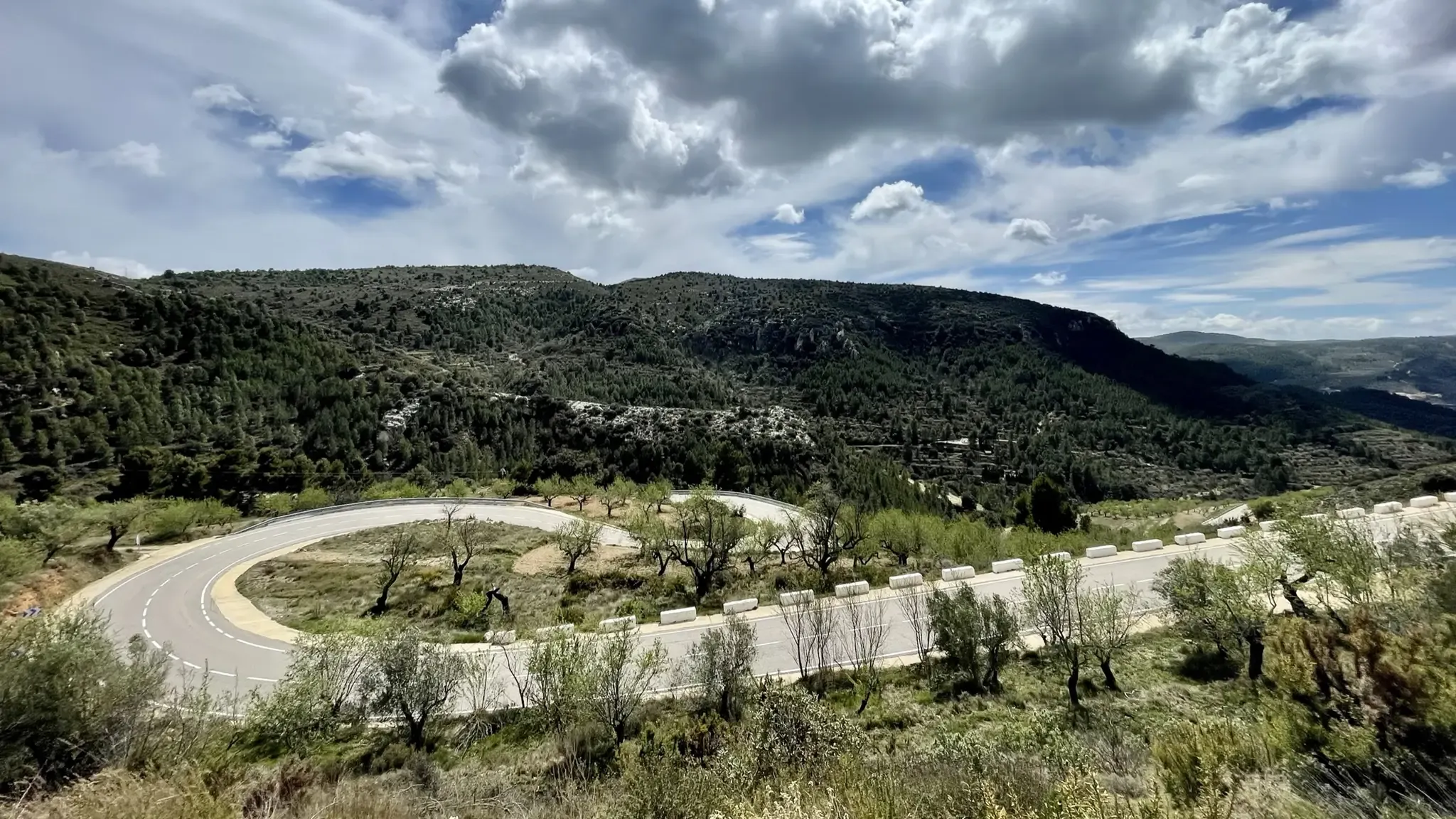
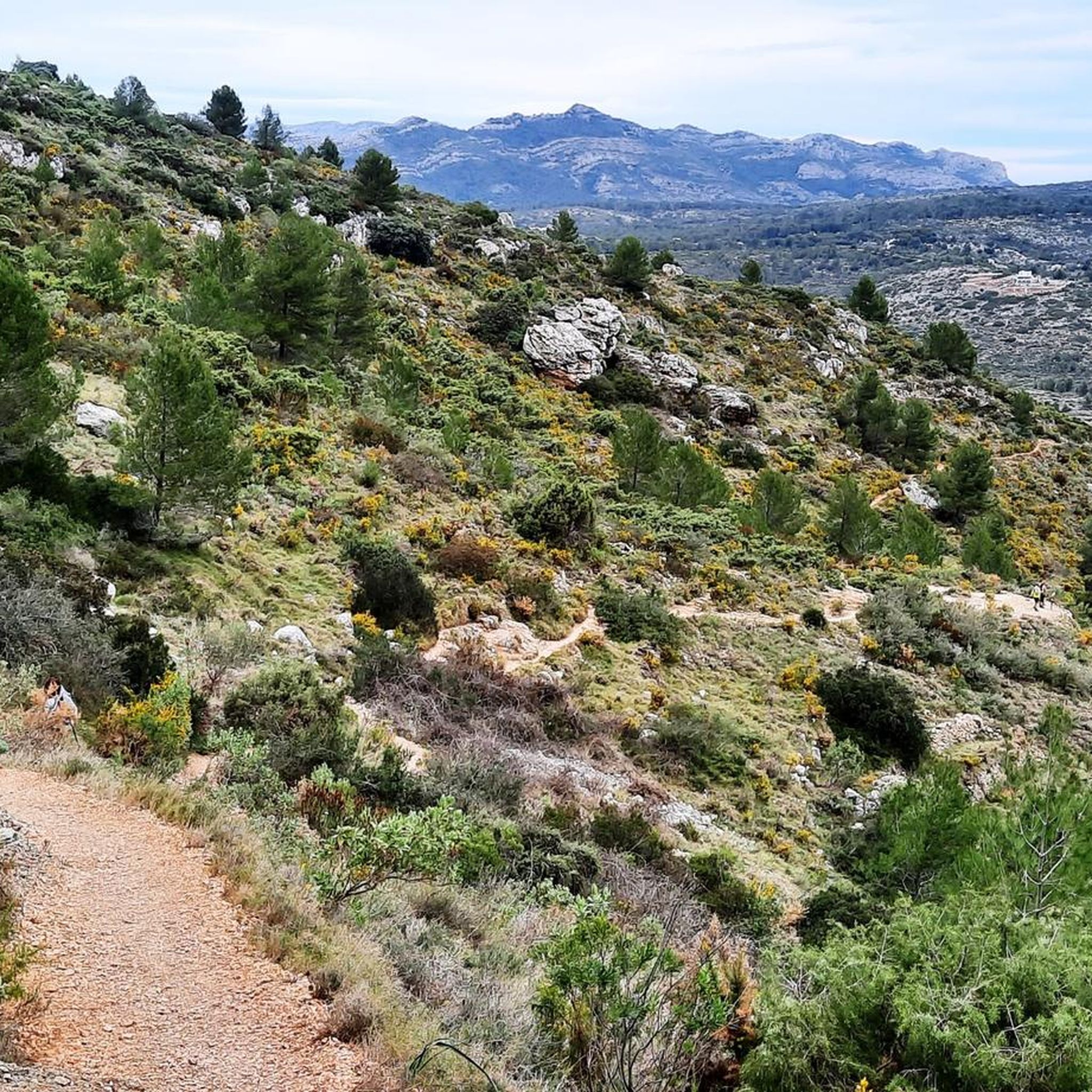
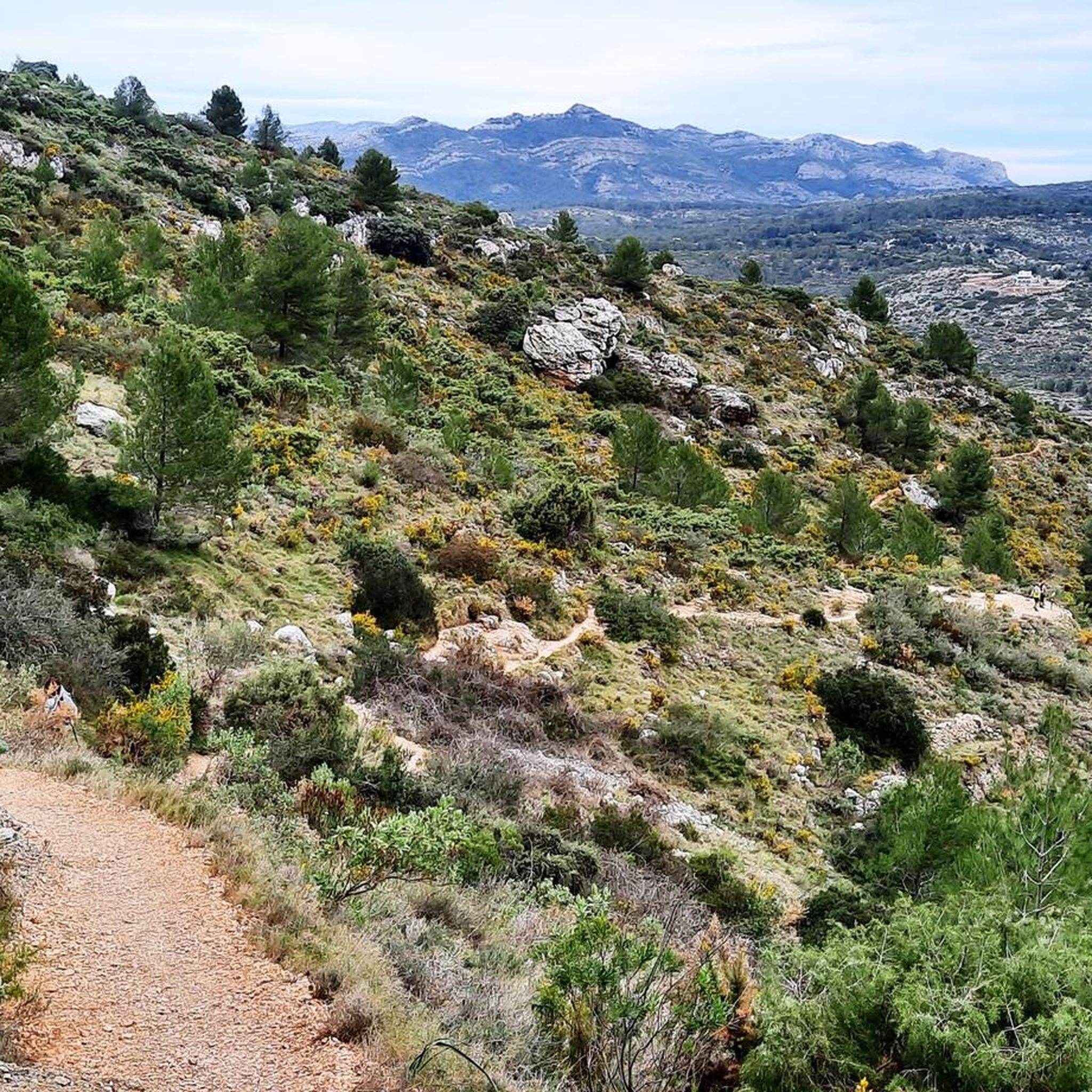
The start of the climb is demanding and gradually becomes easier. A rocky climb with ruts. A slight descent on stones, an accessible path and a descent on a well-paved road.
1
0

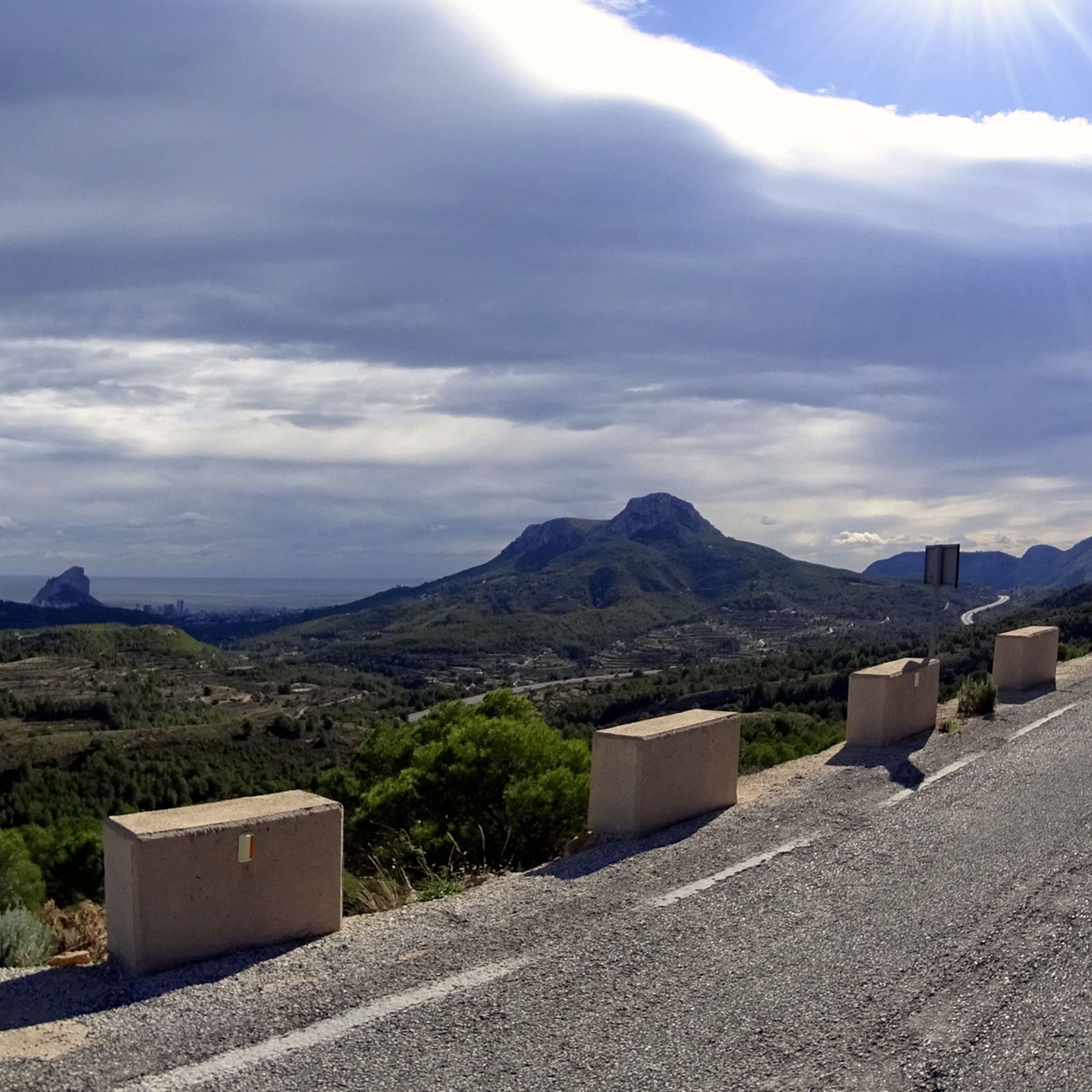
The Forat de Bèrnia is an impressive place in the Sierra de Bèrnia, located in the Valencian Community, Spain. This natural tunnel, about 15 to 20 meters long, crosses the mountain range from north to south. At its widest entrance, it offers panoramic views of Altea, the Serra Gelada and the Mediterranean. The Forat de Bèrnia is presented as a spacious natural shelter that becomes a magnificent viewpoint of the Costa Blanca. The route begins on the north side of the mountain range, which is greener and wetter. As you cross the Forat, you move to the south face, with spectacular views of Altea, Benidorm and Puig Campana. In addition to the Forat, you can also explore the remains of the Bèrnia Fort and enjoy the varied landscapes that the mountains offer. If you decide to do this route, I recommend avoiding weekends and holidays to avoid the crowds and preserve the natural environment. I hope you enjoy this natural wonder! 😊🏞️
3
0
The Forat de Bèrnia is an impressive place in the Sierra de Bèrnia, located in the Valencian Community, Spain. This natural tunnel, about 15 to 20 meters long, crosses the mountain range from north to south. At its widest entrance, it offers panoramic views of Altea, the Serra Gelada and the Mediterranean. The Forat de Bèrnia is presented as a spacious natural shelter that becomes a magnificent viewpoint of the Costa Blanca. If you decide to do this route, I recommend avoiding weekends and holidays to avoid the crowds and preserve the natural environment. I hope you enjoy this natural wonder! 😊🏞️
4
0
La Cova dels Arcs, as well as being a magical corner to watch a sunrise, take pictures or practice snorkeling (in the “dels Immersionistes” room, the one with easy access), has an area for expert speleologists capable of delving into which is considered the outlet to the sea of the longest groundwater course in Spain. It is located next to Cala del Moraig.
8
1
The Cova de la Cendra (or de les Cendres) is the best-known archaeological site in Teulada and one of the most important from the Paleolithic and Neolithic in the Western Mediterranean. It is located in the incomparable coastal setting of rocky cliffs that develops between Cabo de la Nao and Punta de Moraira.
9
0

A bizarre cave to which the descent is worthwhile. Sturdy shoes and sure-footedness are recommended, even if the most difficult passages are now secured with additional stones and a lattice handrail.
1
0

One of the most beautiful coves on the Alicante Costa Blanca. It also has the attraction of the Cova de les Arcs, an impressive rock formation eroded by water that forms arch-shaped openings. A highly recommended place to visit all year round, even in season that can be quite crowded.
2
3
Frequently Asked Questions
What unique geological formations can I see in the caves around Benissa?
The region offers diverse geological features. For instance, Cala Moraig - Cova dels Arcs is famous for its dramatic rock arches formed by water erosion, part of a 60,000-year-old karstic system. Inside, you can find impressive underwater scenery. Cave of the Skulls, though in a neighboring municipality, features extensive stalactite and stalagmite formations.
Are there any caves with historical significance or ancient art near Benissa?
Yes, the area is rich in history. The Barranc de la Tía Isabel (Abrigo de Pinos) near Benissa is home to significant prehistoric rock art, including Levantine and Schematic Art, declared a World Heritage Site. Additionally, Cova de la Cendra is a well-known archaeological site from the Paleolithic and Neolithic periods, considered one of the most important in the Western Mediterranean.
Are there family-friendly caves to visit near Benissa?
While some caves require more adventurous exploration, Cave of the Skulls is explicitly noted as family-friendly. It's a 400-meter long cavern that can be explored in about an hour, maintaining a cool temperature, making it ideal for families, especially in summer.
What hiking opportunities are available to reach caves around Benissa?
Many caves are accessible via hiking trails. For example, the Barranc de la Tía Isabel, with its prehistoric art, is accessible via a hiking route of just over 5 kilometers from Benissa. The Forat de Bèrnia, a natural tunnel, is a popular destination reached by trails, offering panoramic views. Be aware that some sections, like crossing the Forat, may require moving in a low, inclined position.
What other outdoor activities can I enjoy near the caves around Benissa?
The region around Benissa offers a variety of outdoor activities. You can find numerous road cycling routes, such as the 'View of Vall de Pop – Coll de Rates loop from Benissa', or running trails like the 'Artworks in Moraira – Rugged Coastline View loop'. For mountain enthusiasts, there are challenging mountain hikes, including the 'Hole of the Serra de Bèrnia – Forat de Bèrnia loop'. You can explore more options in the Road Cycling Routes around Benissa, Running Trails around Benissa, and Mountain Hikes around Benissa guides.
What is the best time to visit the caves around Benissa?
Many caves, like the Cave of the Skulls, are suitable for visiting any time of year, with summer being particularly pleasant due to the cool temperatures inside. For outdoor cave explorations or hikes to cave entrances, avoiding weekends and holidays is recommended to minimize crowds and preserve the natural environment.
Are there any sea caves accessible for swimming or diving near Benissa?
Yes, Cala Moraig - Cova dels Arcs is a prominent sea cave known for its turquoise waters. It's popular for snorkeling, diving, and swimming, with some parts large enough to swim through and even ascend to the surface. It's considered the outlet to the sea of the longest groundwater course in Spain, attracting expert speleologists as well.
What should I bring when visiting caves in the Benissa area?
For cave explorations, especially those involving hiking or uneven terrain, sturdy shoes and sure-footedness are highly recommended. Some passages, like the descent to Cova de la Cendra, can be challenging. If you plan to explore sea caves like Cala Moraig - Cova dels Arcs, consider bringing snorkeling or diving gear.
Are there any less crowded caves or viewpoints to discover?
To experience the natural beauty with fewer people, it's generally advisable to visit popular spots like Forat de Bèrnia during weekdays or outside of peak holiday seasons. The north side of the Sierra de Bèrnia, leading to the Forat, is described as greener and wetter, potentially offering a different, quieter experience compared to more frequented areas.
What is the difficulty level for exploring caves around Benissa?
The difficulty varies. Some caves, like Cave of the Skulls, are generally accessible, though the initial climb can be demanding. Exploring Forat de Bèrnia involves traversing a natural tunnel that requires moving in a low, inclined position for about 80 meters. Sea caves like Cala Moraig - Cova dels Arcs offer opportunities for snorkeling and swimming, but deeper exploration is suited for expert speleologists.
Can I visit caves around Benissa with my dog?
Specific information regarding dog access to all caves is not readily available. However, for outdoor trails leading to caves, it's best to check local regulations for each specific site or natural park. Always ensure your dog is well-behaved and on a leash, and carry waste bags.
Most popular routes around Benissa
Most popular attractions around Benissa

Get inspired with the komoot mobile app


Explore more
Extend your search for the best caves by checking out these guides of the top ones around Benissa:
