Top 6 Lakes around Santander
Best lakes around Santander are found within the Cantabria region, which features a diverse landscape ranging from coastal areas to mountainous terrains. This northern Spanish region is characterized by its green valleys, significant reservoirs, and urban green spaces. Santander itself, as the capital, offers access to both natural and man-made water features, providing varied outdoor experiences. The area's geography supports a range of aquatic environments, from glacial lakes in nearby national parks to artificial lakes within city parks.
Best lakes…
Last updated: June 20, 2026
Las Llamas Atlantic Park
Highlight • Rest Area
Translated by Google •
Tip by

Pozo Menor de Valcaba
Highlight • Lake
Translated by Google •
Tip by

Sign up now to discover places like this
Get recommendations on the best single tracks, peaks, & plenty of other exciting outdoor places.
Sign up for free
La Vaguada de Las Llamas Park
Highlight • Rest Area
Translated by Google •
Tip by

Lago Mayor de los Pozos de Valcaba
Highlight • Lake
Translated by Google •
Tip by
PozoMayor
Highlight • Lake
Translated by Google •
Tip by

Sign up for free to discover even more lakes around Santander.
Sign up for free
Already have an account?
Start today with a free account
Your next adventure awaits.
Login or Signup
Popular around Santander
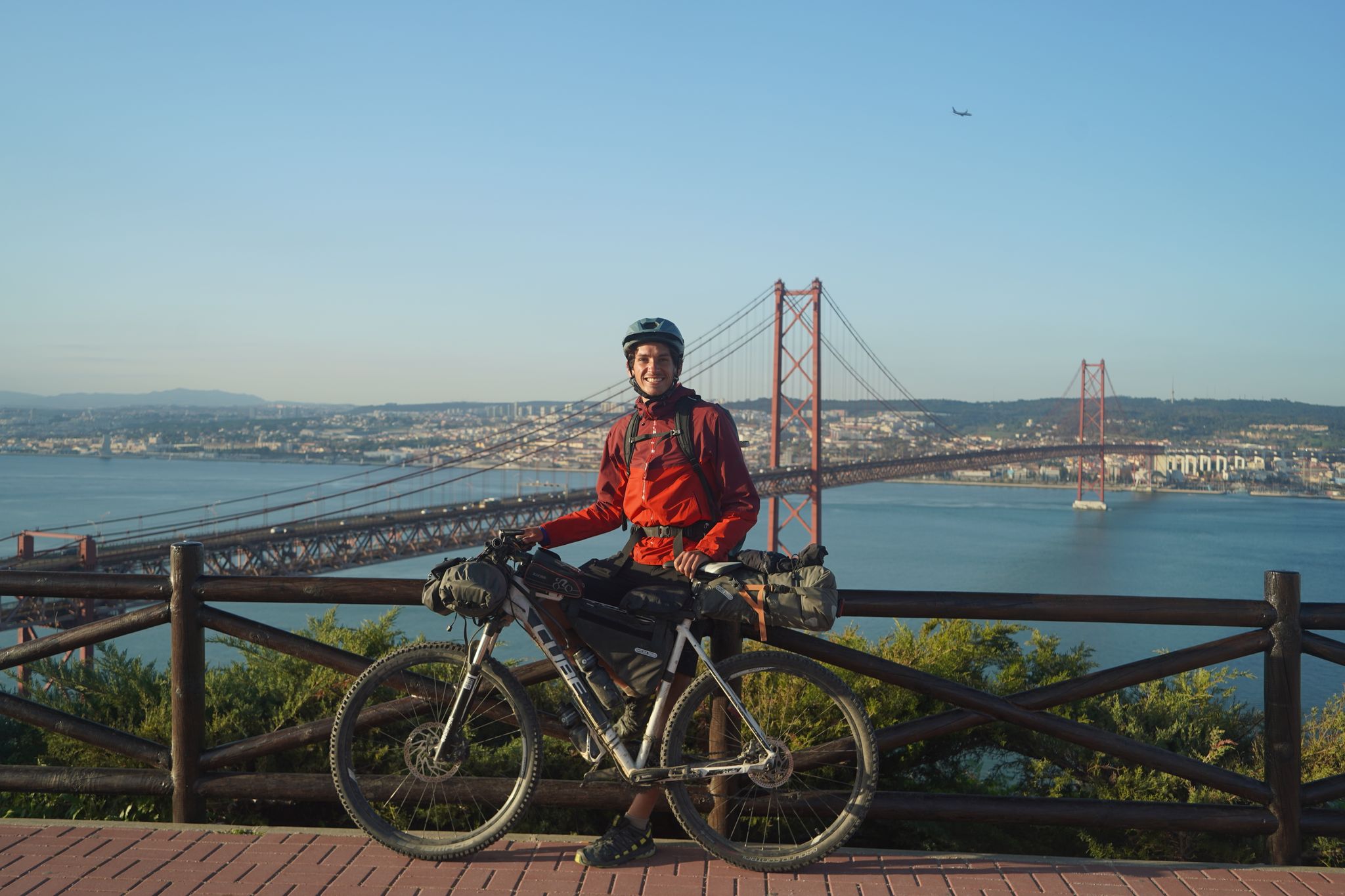
Road to Lisbon – bikepacking the Alps, Pyrenees and Picos de Europa
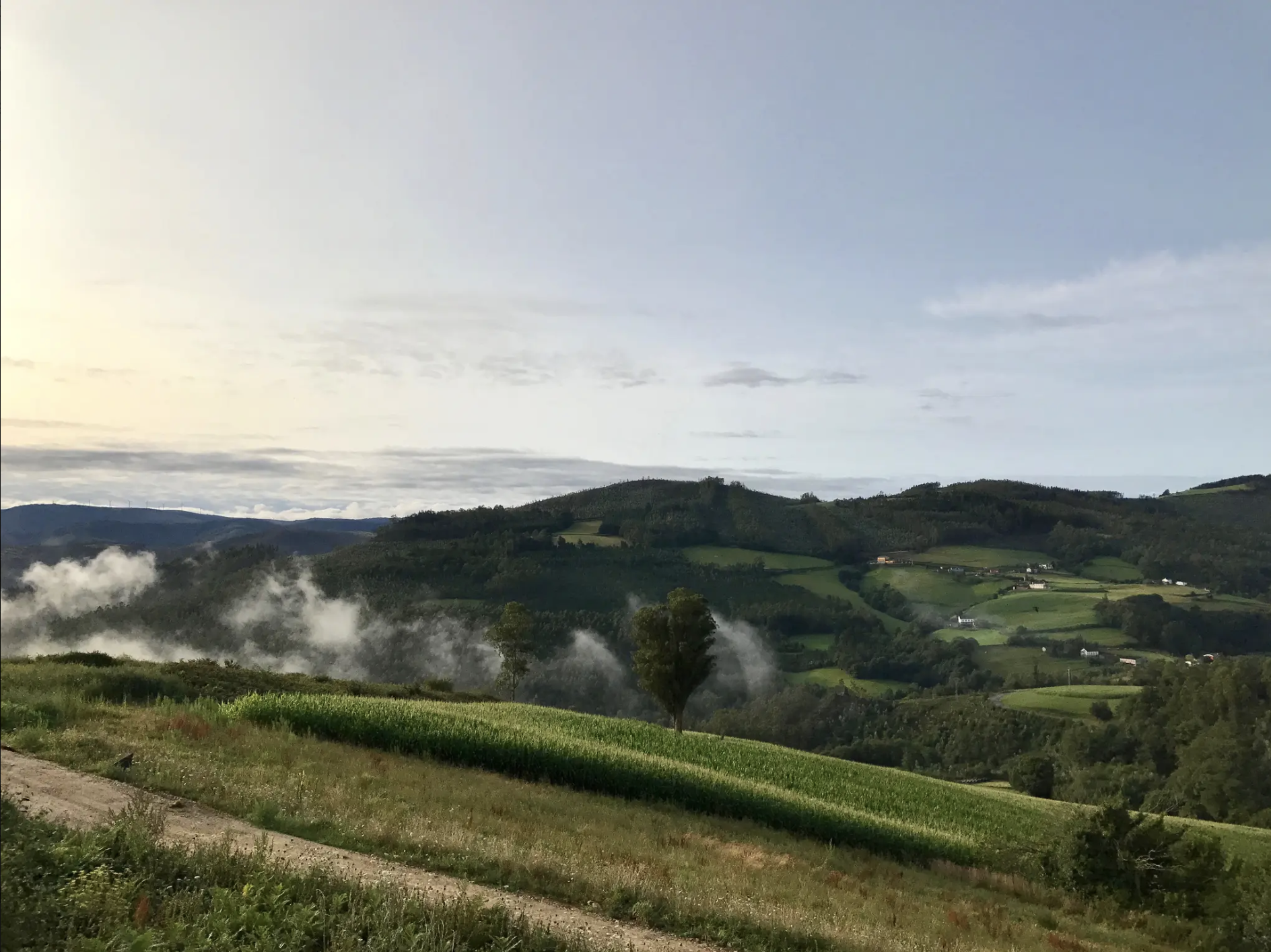
Camino del Norte (in reverse) – Discovering northern Spain's stunning coastline
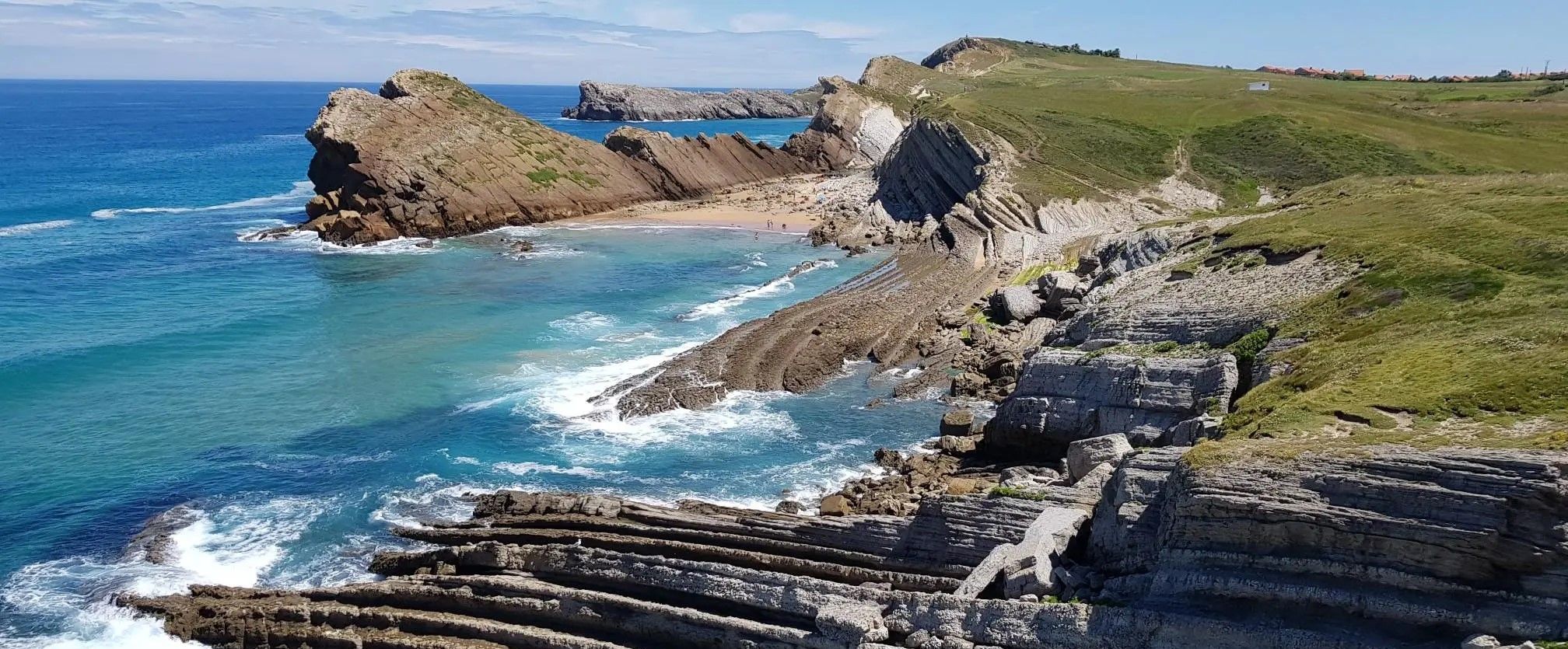
Water everywhere — Amazing routes near Santander
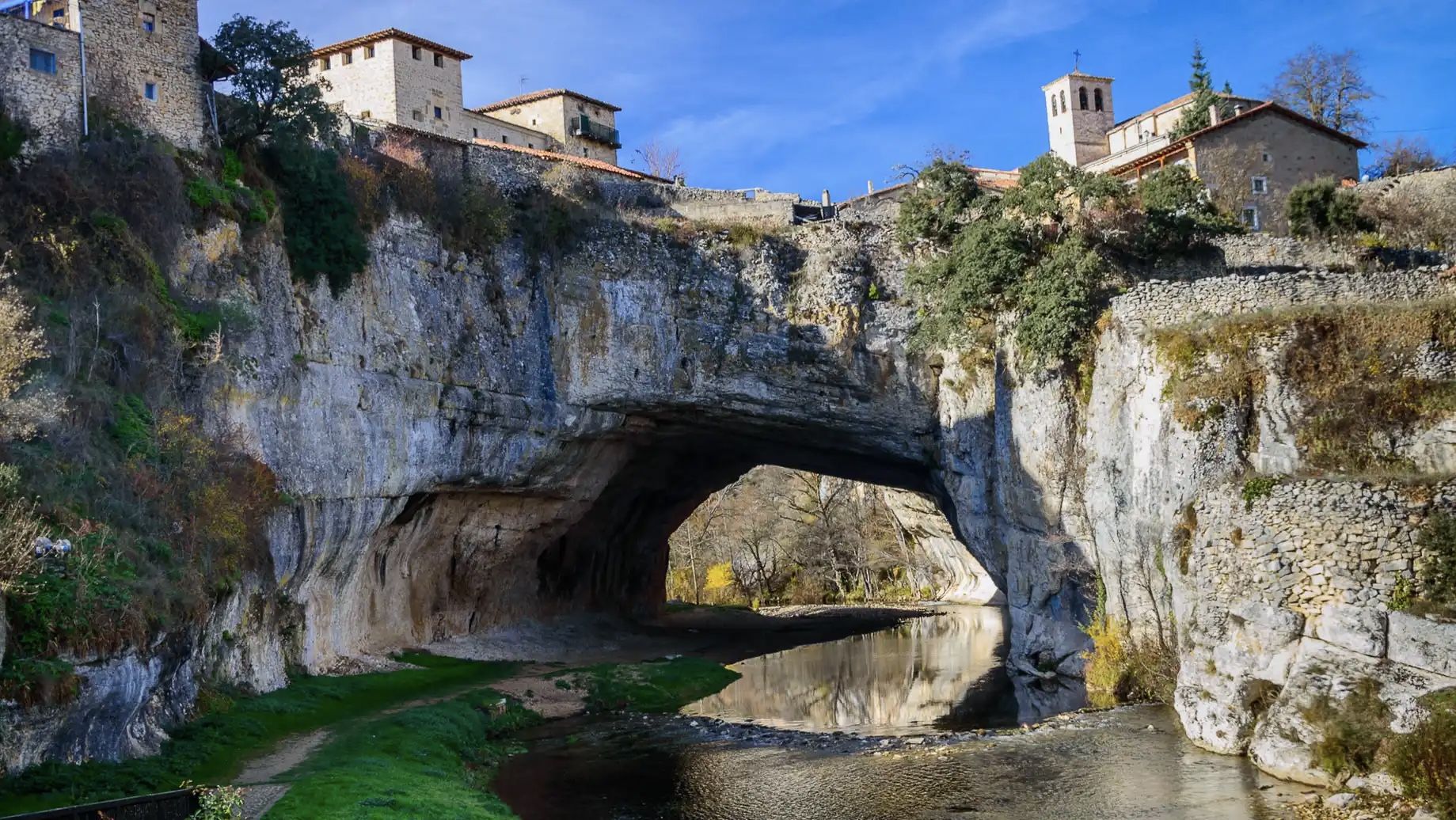
An epic getaway – Santander-Mediterráneo Nature Trail
MTB Trails around Santander
Gravel biking around Santander
Other adventures around Santander


Tips from the Community

Las Llamas Park or Las Llamas Valley Park (officially Las Llamas Atlantic Park) is an 11-hectare urban park in the city of Santander, in the autonomous community of Cantabria (Spain). The first phase of this green space opened to the public on May 11, 2007. Another 426,000 m² are planned, extending almost to the border with La Albericia. Once completed, it will be the most wooded park in the city.
1
0

Almost 2 hectares, it must be beautiful on a cloudy day. I tried to skirt it but had to give up.
3
0
A joyful corner, to think, to stop.
2
0

It is the main park and green lung of the city. A park that has it all, countless paths to walk, artificial lakes, fountains and everything you can imagine from a place like this. Wonderful to visit at any time of the day.
3
0
There are two Valcaba pools and they are located at the foot of the Peña Cabarga massif. Its origin is artificial, they were used for mining in the area.
1
0

Beautiful place in an old mining operation. The wells were used to wash the iron ore, now giving rise to 2 artificial lakes, surrounded by an ideal environment for nature lovers.
1
0

The Wells of Valcaba are located at the foot of the southern slope of the Peña Cabarga massif and originate from mining in the area. This one in particular is the smallest and most "new" and located closest to the slope of the massif de los dos and can be accessed by a detour to the right marked by an information panel of the area with an explanation of the mining exploitation , the formation of the wells and the flora and fauna of the Peña Cabarga massif. You follow that path and you will reach the shores of the Lesser Well (today we did not reach the end because due to the floods of previous days the wells were a little overflowed).
4
0
The Wells of Valcaba are located at the foot of the southern slope of the Peña Cabarga massif and originate from mining in the area. This one in particular is the oldest and largest of the two and can be accessed by a small slope to the right, briefly leaving the marked path (be careful in winter when it slips). It is a beautiful place to rest on its shore but the water cannot be used as a recreation area (no jet skis, no swimming, or anything like that).
3
0
Frequently Asked Questions
What are some popular lakes and water bodies to visit around Santander?
Beyond the city's urban parks, the region offers diverse water bodies. The Embalse del Ebro is the largest inland freshwater body in northern Spain, known for its scenic beauty and water sports. For a unique natural setting with historical ties, consider the Pozos de Valcaba, which originated from former mining activities. Further afield, the stunning glacial Lakes of Covadonga in Asturias are a popular destination for nature lovers.
Are there urban lakes in Santander suitable for a leisurely visit?
Yes, Santander features several urban green spaces with artificial lakes perfect for relaxation. Las Llamas Atlantic Park is considered the city's main green lung, offering countless paths, artificial lakes, and fountains. Another modern option is La Vaguada de Las Llamas Park, known for its mini biotope and many ducks.
What water sports can I do at lakes near Santander?
The Embalse del Ebro is a prime location for water sports. You can enjoy fishing (with a license), kitesurfing, windsurfing, paddleboarding, and kayaking on its expansive waters.
Are there good hiking opportunities near Santander's lakes?
Yes, the region around Santander offers various hiking opportunities near its lakes. For example, the area around the Lakes of Covadonga provides numerous viewpoints and easy circular routes, such as a 5-kilometer trail starting from the Buferrera car park. You can also find mountain biking routes that pass by lakes like Pozo Menor de Valcaba, such as the 'Lake Acebo – Pozo Menor de Valcaba loop' which is part of the MTB Trails around Santander guide.
Can I go birdwatching around the lakes in the Santander region?
Absolutely. The Embalse del Ebro is designated as a Special Protection Area for Birds (ZEPA) and a Site of Community Importance (LIC), making it excellent for birdwatching. The Santoña, Victoria and Joyel Marshes Natural Park, the largest wetland in Cantabria, hosts over 121 species of waterfowl. The shallower Lake Ercina, part of the Lakes of Covadonga, also attracts various water birds like coots, mallards, and grebes.
Are there family-friendly lakes around Santander?
Yes, several lakes and parks are suitable for families. Las Llamas Atlantic Park in Santander is a great urban option with paths and artificial lakes. The Pozos de Valcaba, including Pozo Menor, offer a beautiful natural setting for relaxation and exploration, with an information panel explaining the area's history and ecology.
When is the best time to visit the lakes around Santander?
The best time to visit depends on the specific lake and your planned activities. For the high-altitude Lakes of Covadonga, the weather is typically most pleasant from July to September. Urban parks like Las Llamas Atlantic Park can be enjoyed at any time of day throughout the year.
Do any lakes near Santander have historical significance?
Yes, the Pozos de Valcaba (Valcaba Wells) are notable for their origin in former mining activities at the foot of the Peña Cabarga massif. These artificial lakes were once used to wash iron ore. Additionally, the area surrounding the Embalse del Ebro contains Roman remains and medieval necropolises, hinting at a rich past.
What are the regulations for visiting natural parks with lakes in Cantabria?
When visiting natural parks or protected areas with lakes, it's important to be aware of local regulations. For instance, access to the Lakes of Covadonga is restricted for private vehicles during peak season, with shuttle buses being the primary mode of transport. Generally, activities like swimming or using jet skis may be prohibited in certain lakes, such as Lago Mayor de los Pozos de Valcaba. Always check for specific permits needed for hiking or fishing in designated areas and adhere to rules regarding dog access.
Where can I find amenities like cafes or accommodation near the lakes?
Amenities vary by location. For the Embalse del Ebro, nearby towns like Reinosa offer cafes, pubs, and accommodation options. For the urban lakes in Santander, numerous cafes and restaurants are readily available within the city. For more remote locations like the Lakes of Covadonga, facilities might be limited to visitor centers or specific shuttle bus stops, with more extensive options in nearby towns.
Most popular routes around Santander
Most popular attractions around Santander

Get inspired with the komoot mobile app


Explore more
Still not found your perfect lake around Santander? Check out the guides of these regions to see even more beautiful places.
