Top 8 Castles around Casares
Best castles around Casares, a picturesque white village in Andalusia, Spain, are primarily known for their historical significance as former Moorish strongholds. Perched on limestone outcrops, these fortifications offer strategic viewpoints over surrounding valleys, hills, and coastal plains. The region's landscape is characterized by its dramatic terrain and rich cultural heritage, with many towns developing around these defensive structures. Exploring these castles provides insight into the area's past and its connection to the wider Andalusian history.
Best castles around Casares
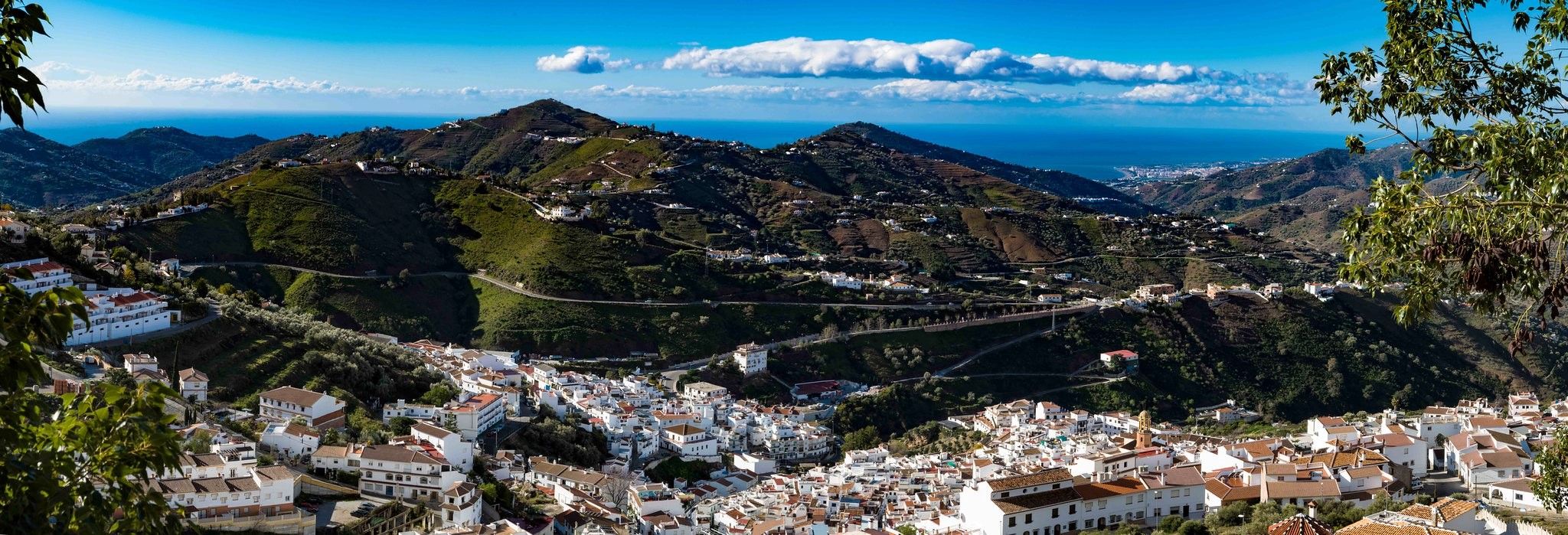
- The most popular castles is Gaucín, a settlement that features the ruins of the Castillo del Águila fortress. This white town is located in the Genal valley, at the foot of the Sierra del Hacho, and offers historical significance from Roman and Arab times.
- Another must-see spot is Castillo de Jimena de la Frontera, a castle dating from the 8th century. This medieval Arab castle complex is located on a promontory that offers a view of the town of Jimena de la Frontera.
- Visitors also love Castillo de la Duquesa, a fortification built in 1767 during the reign of Charles III. Also known as the Fuerte de Sabinillas, it was part of an effort to fortify the coast of the Kingdom of Granada.
- Casares is known for its Moorish strongholds, medieval Arab castles, and coastal fortifications. These structures showcase a variety of architectural styles and historical periods, offering diverse exploration opportunities.
- The castles around Casares are appreciated by the komoot community, with 64 upvotes and 15 photos shared by visitors.
Last updated: June 20, 2026
Gaucín
Highlight • Settlement
The most characteristic is the mound crowned by the castle of the Eagle. It is the first town between the Campo de Gibraltar and the Serranía de Ronda.
Translated by Google •
Tip by

Eagle Castle
Highlight • Castle
Translated by Google •
Tip by

Sign up now to discover places like this
Get recommendations on the best single tracks, peaks, & plenty of other exciting outdoor places.
Sign up for free
Castillo de Jimena de la Frontera
Highlight • Castle
Translated by Google •
Tip by
Castillo de la Duquesa
Highlight • Castle
Translated by Google •
Tip by

San Luis Castle of Estepona
Highlight • Castle
Translated by Google •
Tip by

Sign up for free to discover even more castles around Casares.
Sign up for free
Already have an account?
Start today with a free account
Your next adventure awaits.
Login or Signup

Other adventures around Casares

Tips from the Community

The Castle of Águila, also called Gaucín Castle, is a fortress in the municipality of Gaucín in Malaga, Spain. Its name comes from the fact that birds of prey can often be seen there. It is a castle that was built in the Andalusian period and has been rebuilt several times. The wall, the keep, the water reservoirs and an escape mine have been preserved. Guzmán el Bueno died in 1309 near the castle, while trying to conquer it from the Arabs. The Hermitage of the Holy Child is located there. Many eagles live in the area, hence the name. The Eagle Castle was built by the Romans. In the year 914, during the campaign against Belda (Gaucín), the inhabitants of this city witnessed from the castle the burning of the ships of Omar ben Hafsún in Algeciras. Abd al Yabbar, son of Al-Mutamid, conquered the castle of Gauyan (Gaucín) in the 11th century.
0
1

The Castillo de la Duquesa, also known as the Fuerte de Sabinillas, is a fortification located in the town of Manilva, in the province of Málaga. It was built in 1767 during the reign of Charles III as part of an effort to fortify the coast of the Kingdom of Granada.
5
0

Very nice to look at. Nicely designed.
1
0

Beautifully restored castle. We stayed at this place on our long-distance hike from Tarifa to Switzerland and we can highly recommend it.
0
1

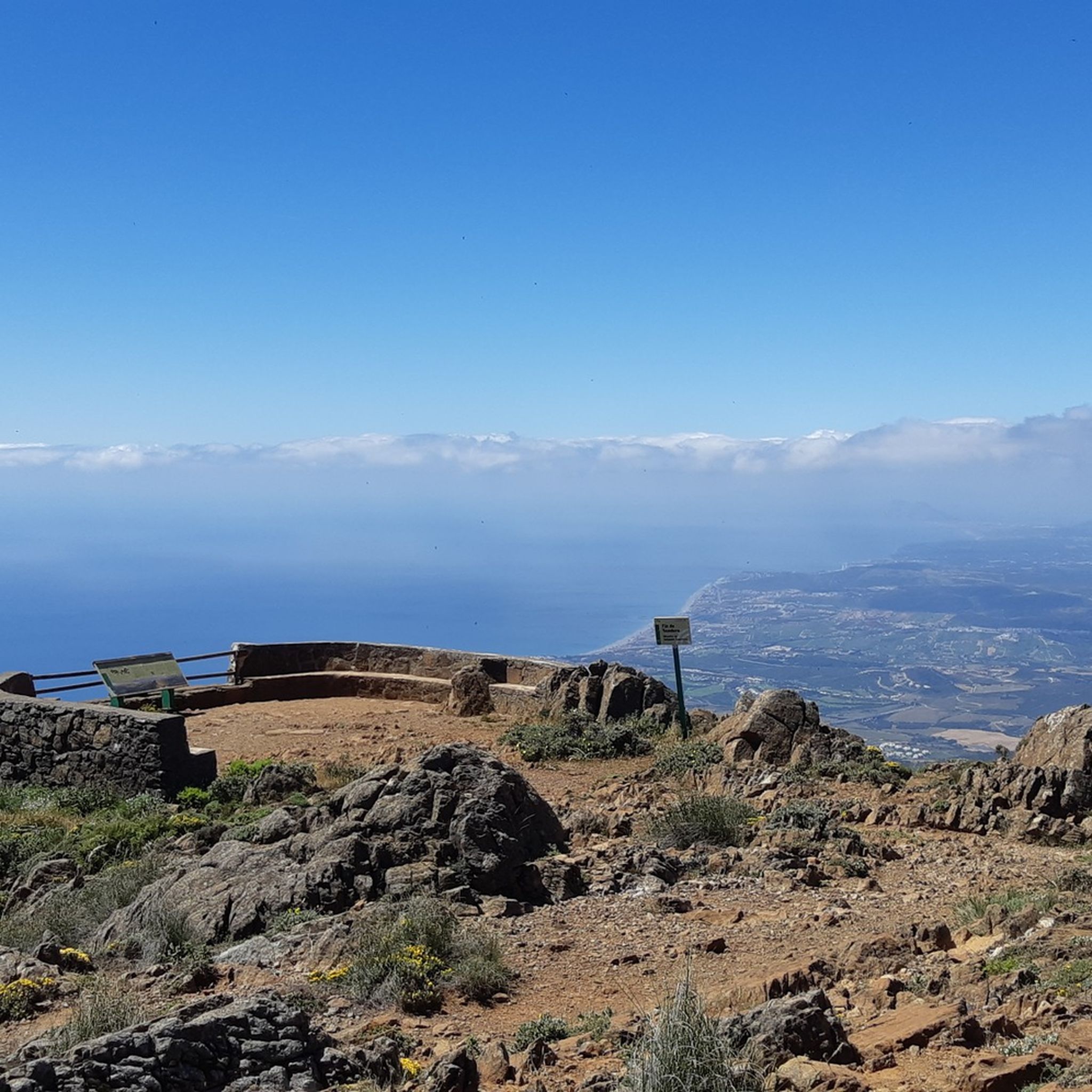
From the Adlerburg (9th century) there is a gigantic view all the way to the Mediterranean. If the weather is perfect you can even see as far as Africa. But even when it's slightly cloudy, as was the case during our visit, the easy climb is definitely worth it. Far away from mass tourism and entry is free.
3
1

The Castillo de Jimena de la Frontera was a medieval Arab castle complex near Jimena de la Frontera in the province of Cádiz in Spain. The Castillo has been classified as Bien de Interés Cultural since 1931. Sturdy shoes are an advantage
1
1
Highlights include the ruins of the Castillo del Águila fortress, the 16th century parish church of San Sebastián, the Vera Cruz chapel, the Fuente de los seis Caños fountain and the Santo Niño chapel, all within a pleasant walk. Then a break at Casa Antonia - perfect.
2
0

Ruins of a 16th century castle and garden in the heart of the town of Estepona. The old medieval castle walls are a great reminder of the city's heritage.
2
0
Frequently Asked Questions
What is the historical significance of the castles around Casares?
The castles in the Casares region are primarily known for their rich historical significance, particularly their Moorish origins. They served as strategic defensive strongholds, often perched on dramatic limestone outcrops, marking borders between kingdoms. Many, like the Castillo de Jimena de la Frontera, date back to the 8th century, showcasing the area's deep connection to Arab-Moorish history and its role in the Christian Reconquest.
Which castles offer the best panoramic views?
For breathtaking panoramic views, the ruins of the Castillo de Casares are unparalleled. From its elevated position, you can see valleys, hills, coastal plains, the Ronda mountain range, and even Gibraltar. Similarly, the Eagle Castle in Gaucín offers gigantic views all the way to the Mediterranean, and on clear days, you might even spot Africa.
Are there family-friendly castles to visit in the area?
Yes, several castles are suitable for families. The Castillo de la Duquesa, also known as Fuerte de Sabinillas, is a coastal fortification that makes for a nice visit. The San Luis Castle of Estepona, with its 16th-century ruins and garden in the heart of town, is also considered family-friendly. The town of Gaucín, home to the Eagle Castle, is also noted as family-friendly.
What kind of outdoor activities can I do near these castles?
The region around Casares offers a variety of outdoor activities. You can find numerous hiking trails, including moderate to difficult routes like the 'Cañón de la Utrera — circular por el río Manilva' or 'Puerto de las Viñas – circular from Casares via the Sierra Crestellina'. There are also road cycling routes and running trails available. For more details, explore the Hiking around Casares, Road Cycling Routes around Casares, and Running Trails around Casares guides.
Are there specific hiking trails that lead to or around the castles?
While direct trails to every castle aren't always marked as such, many routes pass through or near these historic sites. For instance, the ascent to the Castillo de Casares involves navigating the charming, winding streets of the village. For the Eagle Castle in Gaucín, there's an easy climb to the ruins. You can find several circular hiking routes in the broader Casares area, such as 'View of Casares loop from Casares', which offer views of the region's landmarks.
What is the best time of year to visit the castles in Casares?
The best time to visit the castles around Casares is typically during the spring (March to May) and autumn (September to November). During these seasons, the weather is mild and pleasant, ideal for exploring the ruins and enjoying the panoramic views without the intense heat of summer. Winter can also be a good option for cooler hiking, but be prepared for potentially wet weather.
What should I wear for visiting the castles, especially in different seasons?
For visiting the castles, especially those on elevated terrain like the Castillo de Casares or Castillo de Jimena de la Frontera, sturdy shoes are highly recommended due to uneven surfaces and cobbled paths. In summer, light, breathable clothing and sun protection are essential. In winter, layers are advisable, along with a waterproof jacket, as the weather can be unpredictable. Always bring water, regardless of the season.
Can I bring my dog to the castle areas?
While specific rules for each castle vary, many outdoor areas and trails around the castles are dog-friendly. For instance, the general area around Casares offers dog-friendly trails. It's always best to keep your dog on a leash and ensure you clean up after them. Check local signage at each specific castle for any restrictions.
Are there any cafes or restaurants near the castles?
Yes, the towns where these castles are located, such as Casares, Gaucín, Jimena de la Frontera, and Estepona, offer various cafes and restaurants. For example, in Gaucín, you can find places like Restaurante La Raiz. The journey to Castillo de Casares itself takes you through the charming village, which has local eateries. These spots are perfect for a break after exploring the historical sites.
What makes the journey to Castillo de Casares unique?
The journey to the Castillo de Casares is an experience in itself. It involves navigating the winding, narrow, cobbled streets of Casares, a picturesque white village. These streets are lined with whitewashed houses, pretty gardens, and colorful patios, offering a delightful glimpse into traditional Andalusian charm before you even reach the castle ruins. This ascent adds to the overall historical and cultural immersion.
Which castles are associated with coastal defense?
The Castillo de la Duquesa, also known as the Fuerte de Sabinillas, is a prime example of a coastal fortification. Built in 1767 during the reign of Charles III, it was part of an effort to fortify the coast of the Kingdom of Granada. Its location near the sea highlights its role in protecting the coastline from maritime threats.
Most popular routes around Casares
Most popular attractions around Casares

Get inspired with the komoot mobile app


Explore more
Looking for the best castles somewhere else? Discover other guides around Casares:
