Top 4 Caves around Salas Altas
Best caves around Salas Altas are found in a region known for its natural beauty and significant cave systems, particularly within the nearby Sierra de Guara and River Vero Cultural Park. This area features impressive geological formations and a rich history of human presence. The River Vero Cultural Park, a UNESCO World Heritage site, contains numerous rock shelters with prehistoric art. Exploring these sites offers insight into 20,000 years of human history.
Best caves around Salas Altas
- The most popular…
Last updated: July 4, 2026
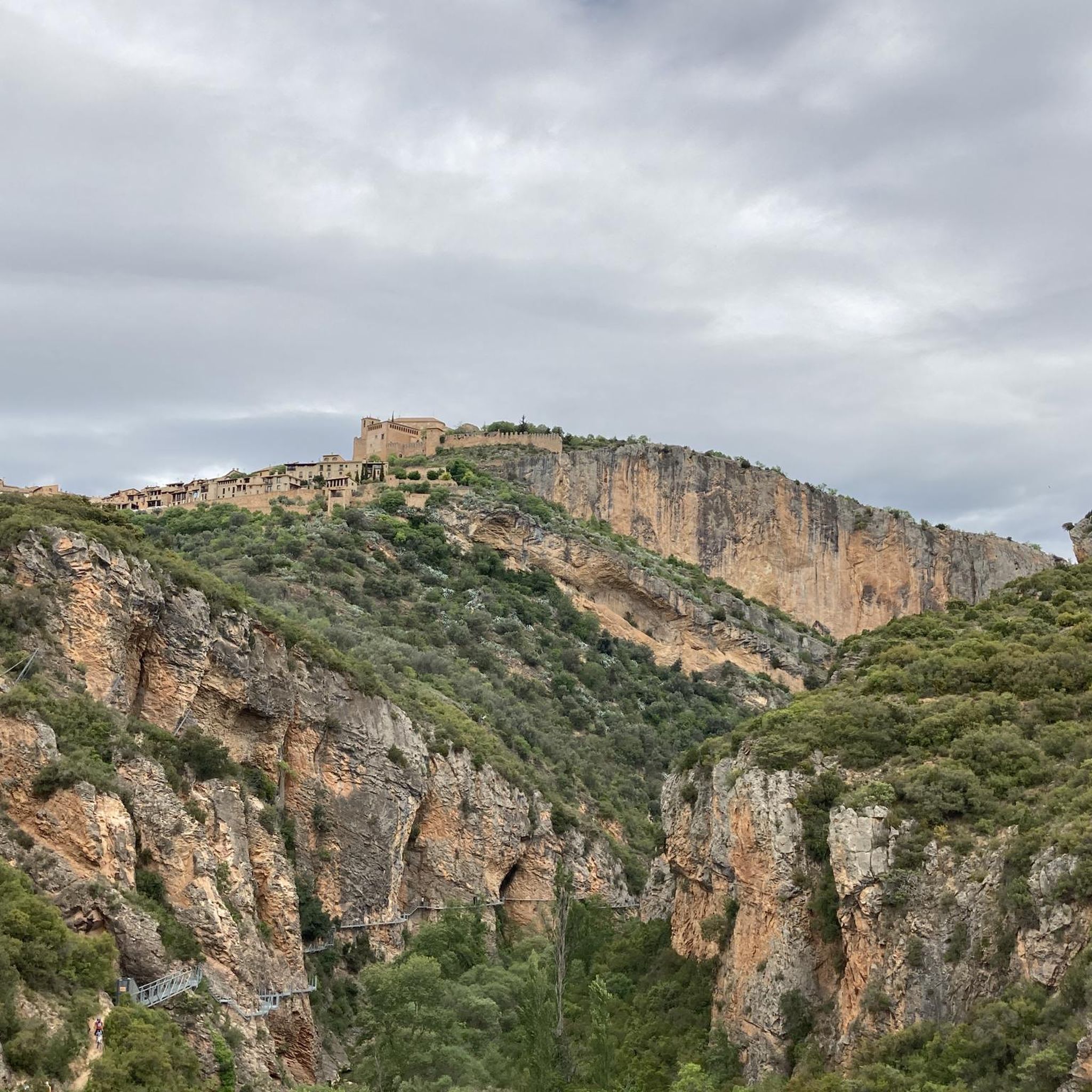
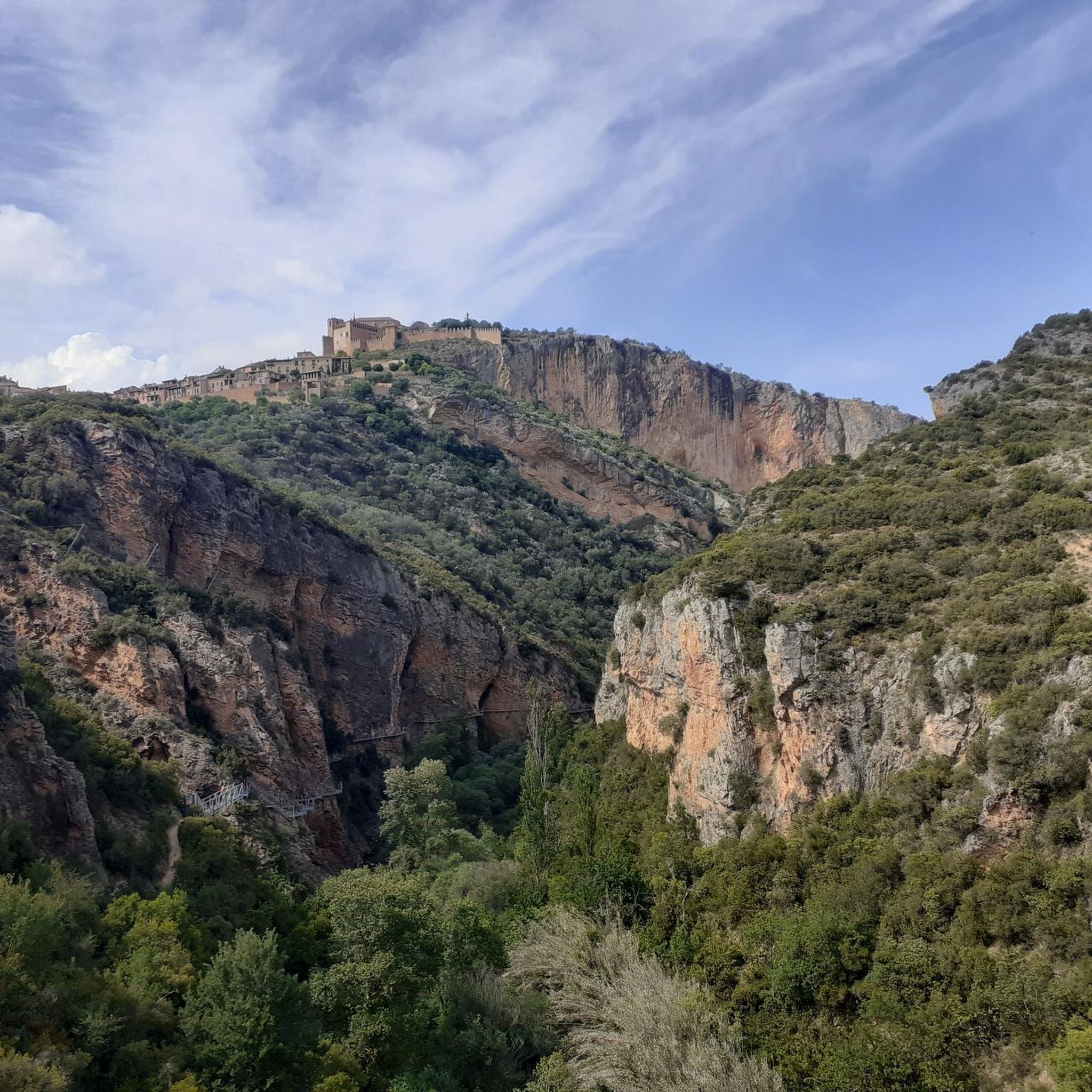
Picamartillo Cave
Highlight • Cave
Translated by Google •
Tip by

Quizans Shelter
Highlight • Cave
Translated by Google •
Tip by
Sign up now to discover places like this
Get recommendations on the best single tracks, peaks, & plenty of other exciting outdoor places.
Sign up for free
Río Vero Rock Art Sites
Highlight • Historical Site
Translated by Google •
Tip by
Abrigo de Regacens Rock Art
Highlight • Cave
Translated by Google •
Tip by

Start today with a free account
Your next adventure awaits.
Login or Signup

Tips from the Community

Six river crossings that are difficult barefoot. Water sandals or a pair of old trainers recommended
0
0

To reach from Alquézar via the Puente de Villacantal, or from A.s.q.u.e (this is a place name that Komoot should not translate into German, especially not into the word E.k.e.l )
0
0
A.b.r.i.g.o d.e R.e.g.a.c.e.n.s (DO NOT translate!) displays cave paintings dating back approximately 4,000–8,000 years. They are still clearly visible.
0
0

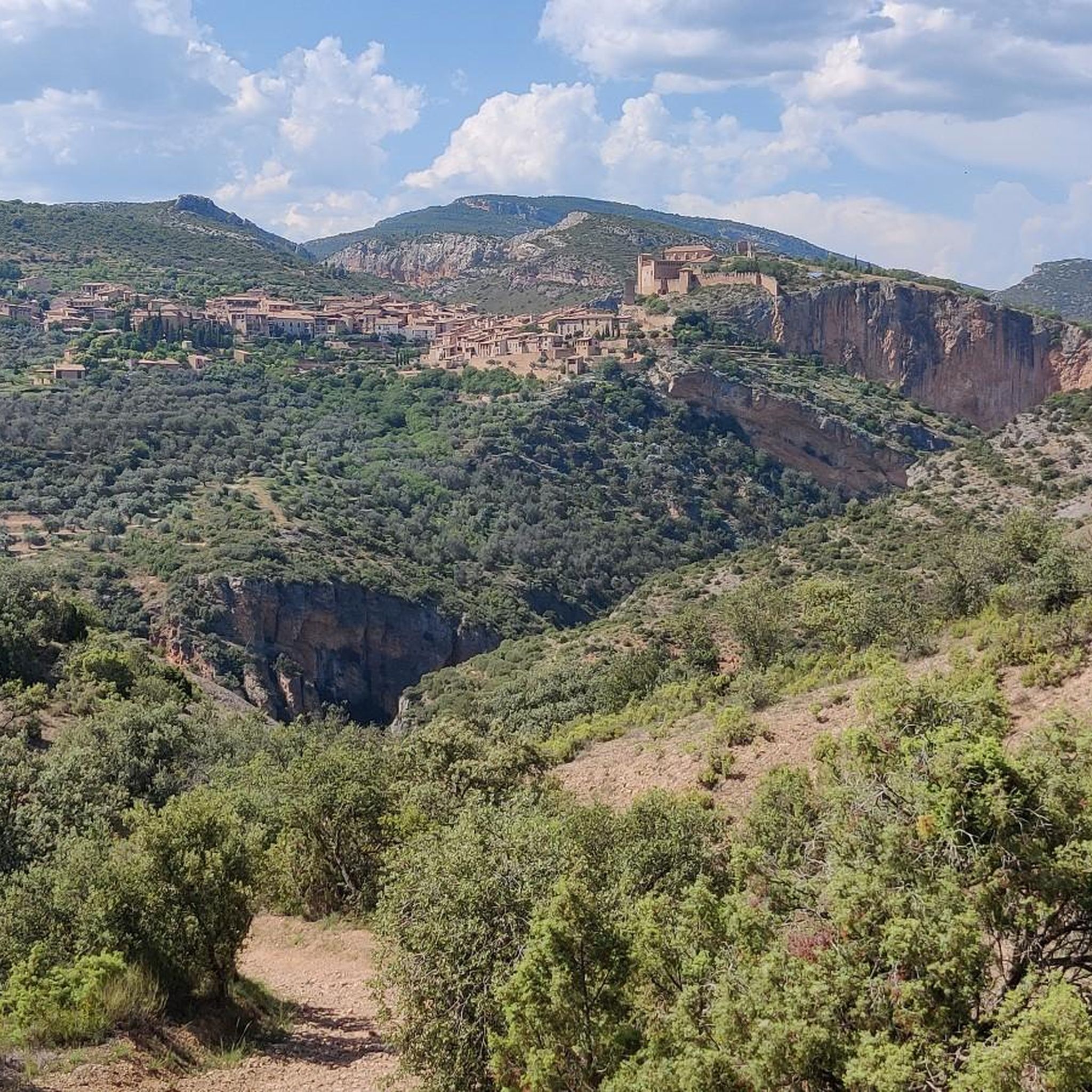
Hammerhead Cave.. Impressive cavity In the course of the Vero River🏞️🤩
0
0

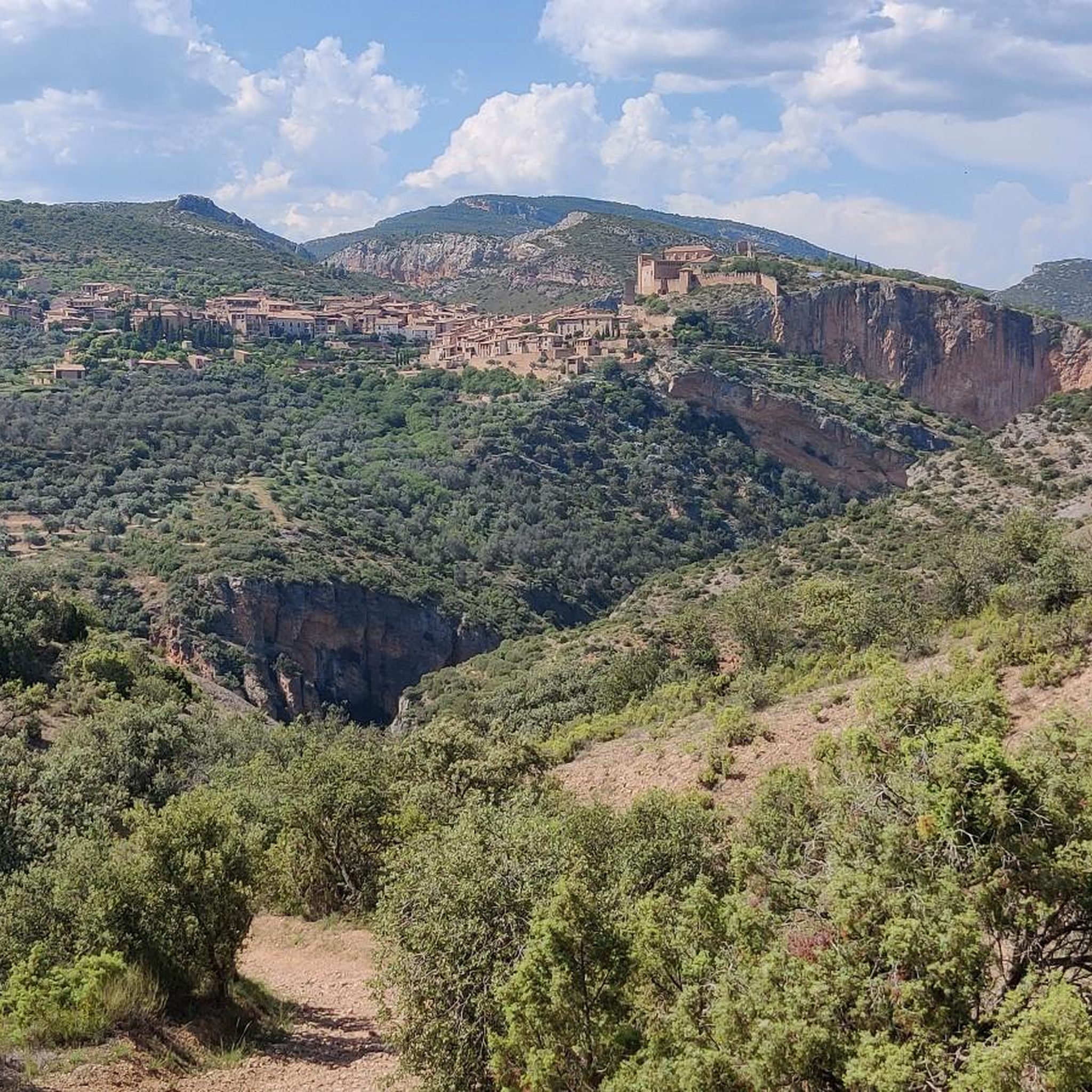
Even before reaching the bottom, the views are spectacular.
5
0
Impressive cavity at the northern end of the walkway route. You can access to the bottom.
4
0

I recommend doing this visit during the week and not on the weekend when a lot of people gather and you don't enjoy the same.
4
0

Nice cave within the route of the footbridges.
1
0
Frequently Asked Questions
What kind of caves can I explore around Salas Altas?
The region around Salas Altas, particularly within the Sierra de Guara and the River Vero Cultural Park, offers a diverse range of caves and rock shelters. You'll find natural caves with unique geological formations, as well as numerous rock shelters featuring significant prehistoric cave art, some of which are UNESCO World Heritage sites. These sites provide a glimpse into 20,000 years of human history.
Are there any caves with prehistoric art near Salas Altas?
Yes, the area is renowned for its prehistoric cave art. The Río Vero Rock Art Sites, part of the River Vero Cultural Park, contain over 60 shelters with cave paintings, making it an exceptional open-air museum of Prehistory. You can also visit Quizans Shelter, which features Neolithic cave paintings, and Abrigo de Regacens Rock Art, where paintings dating back 4,000–8,000 years are still clearly visible.
What is the Cueva de Chaves and can I visit it?
The Cueva de Chaves, located near Bastarás in the Huesca province, is historically one of the most important Neolithic archaeological sites on the Iberian Peninsula. It was a substantial settlement occupied for 15,000 years. While its archaeological integrity was severely impacted by illegal destruction in 2007, its historical significance remains widely recognized. Access for visitors may be restricted due to its delicate nature and past events.
Are there family-friendly cave experiences near Salas Altas?
Many of the rock shelters and accessible cave areas within the River Vero Cultural Park can be enjoyed by families, especially those interested in history and nature. The Picamartillo Cave, for instance, is part of an excellent route that involves navigating metal walkways, offering picturesque views and an engaging experience for active families.
What natural features can I expect to see in the caves and surrounding areas?
Beyond the caves themselves, the region boasts impressive natural features. You'll encounter gorges, rivers like the Vero, and unique microclimates. The area around Picamartillo Cave, for example, is noted for its blend of Pre-Pyrenean and Mediterranean vegetation. Keep an eye out for local wildlife, including vultures that call the canyons home, especially around the Río Vero Rock Art Sites.
What outdoor activities can I do near these caves?
The caves are often integrated into popular outdoor routes. You can enjoy hiking, running, and even gravel biking in the surrounding landscapes. For hiking, consider routes like 'The Pasarelas del Vero' or the 'Picamartillo Cave – Walkways Over the Vero River loop from Alquézar'. You can find more options on the Hiking around Salas Altas guide. For running, explore trails like 'Las Pasarelas del Vero – circular of trail running desde Alquézar' on the Running Trails around Salas Altas guide. Gravel biking routes are also available, such as those found in the Gravel biking around Salas Altas guide.
What should I wear or bring when visiting the caves?
When visiting caves and rock shelters, especially those involving trails, comfortable hiking shoes are recommended. For routes like the one leading to Picamartillo Cave, which may involve river crossings or wet sections, bringing booties can be helpful. Always check specific route details for any additional gear recommendations.
What is the best time of year to visit the caves around Salas Altas?
The region generally offers pleasant conditions for outdoor activities for much of the year. Spring and autumn typically provide mild temperatures, ideal for exploring trails and rock shelters. Summer can be warm, so early morning or late afternoon visits are advisable. Winter can be cooler, but many sites remain accessible, offering a different, quieter experience.
Are there any guided tours available for the cave art sites?
Yes, to fully appreciate the significance of the prehistoric cave art, guided visits are often available for some of the more important rock shelters, such as Lecina Superior. Interpretive centers, like the Cave Art Visitor Centre in Colungo, also provide valuable context and enhance the experience of witnessing these ancient artistic expressions.
What do visitors enjoy most about the caves and rock shelters in this area?
Visitors frequently highlight the unique blend of natural beauty and profound historical significance. The impressive geological formations, the scenic views along river canyons, and the opportunity to witness ancient cave paintings that tell stories of early human life are often cited as the most rewarding aspects. The sense of discovery and connection to a rich past makes these sites particularly appealing.
Most popular routes around Salas Altas
Most popular attractions around Salas Altas

Get inspired with the komoot mobile app


Explore more
Extend your search for the best caves by checking out these guides of the top ones around Salas Altas:
