Top 15 Castles around Verges
Castles around Verges are primarily located in the Baix Empordà region of Catalonia, Spain, an area known for its historical medieval towns and strategic coastal views. The landscape features the Montgrí massif, providing extensive views over the lowlands of the Ter river and the Mediterranean Sea. This region offers a variety of historical fortifications, from ancient castle remnants integrated into town structures to well-preserved medieval villages. Visitors can explore sites that showcase centuries of regional history and architectural development.
Top…
Last updated: October 7, 2026
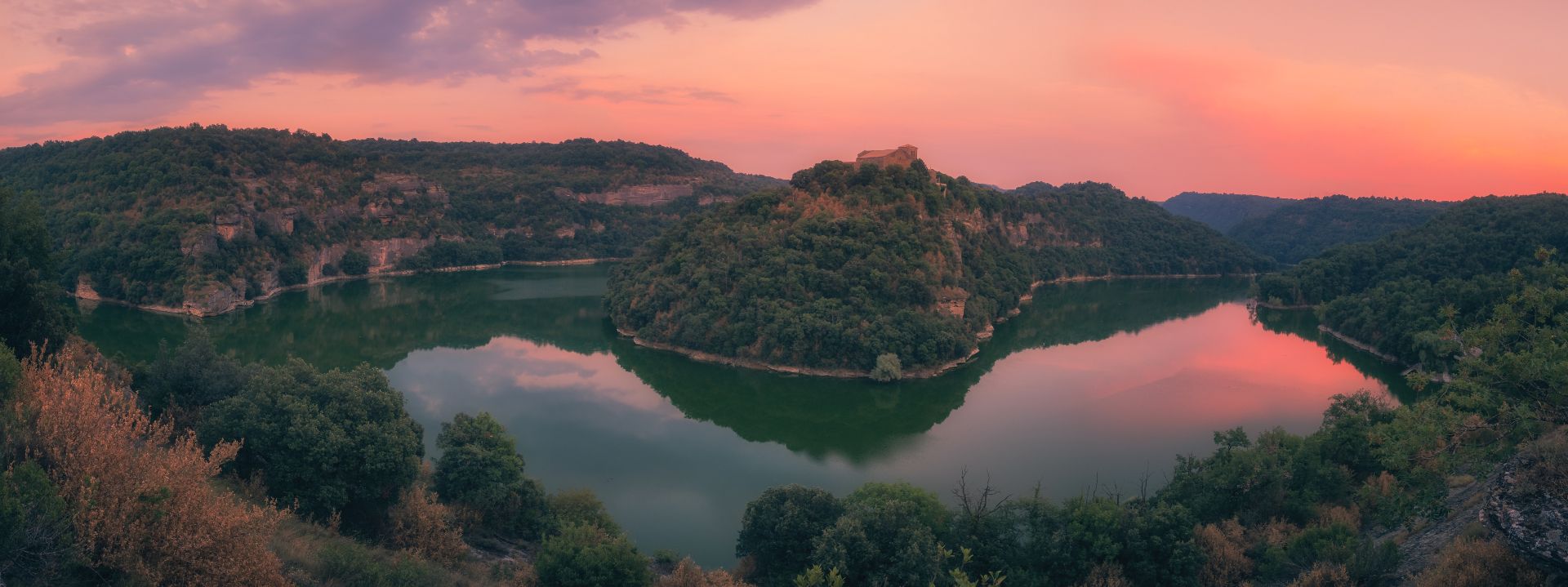
Montgrí Castle
Highlight • Castle
Translated by Google •
Tip by

Church of Sant Martí d'Empúries
Highlight • Religious Site
Translated by Google •
Tip by

Sign up now to discover places like this
Get recommendations on the best single tracks, peaks, & plenty of other exciting outdoor places.
Peratallada — Historic Village
Highlight • Historical Site
The original constructions of Peratallada …
Translated by Google •
Tip by

Cinc Claus Village and Castle
Highlight • Castle
Translated by Google •
Tip by

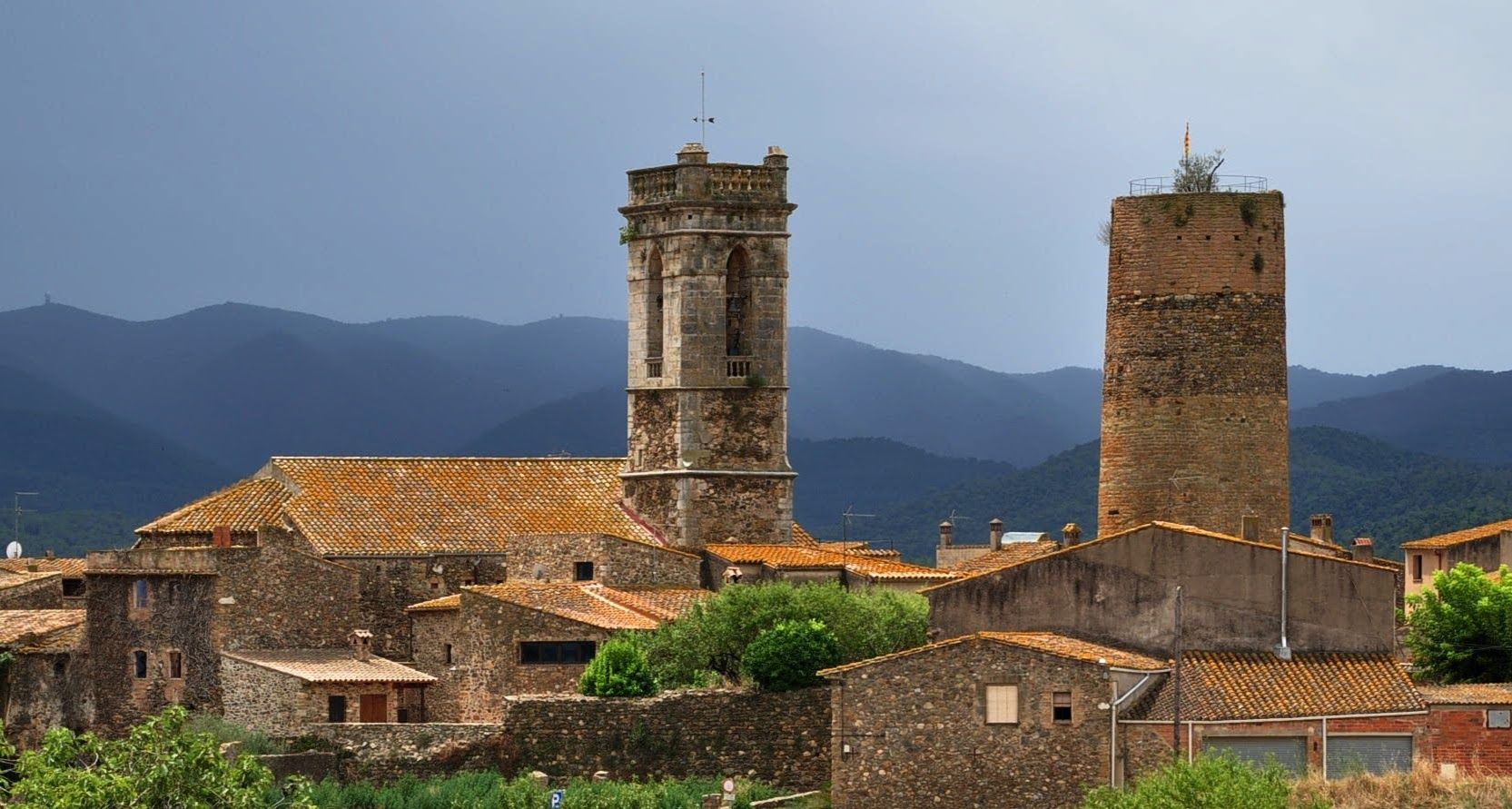
Medieval Village of Ullastret
Highlight • Historical Site
Translated by Google •
Tip by
Sign up for free to discover even more castles around Verges.
Already have an account?
Start today with a free account
Your next adventure awaits.


Tips from the Community

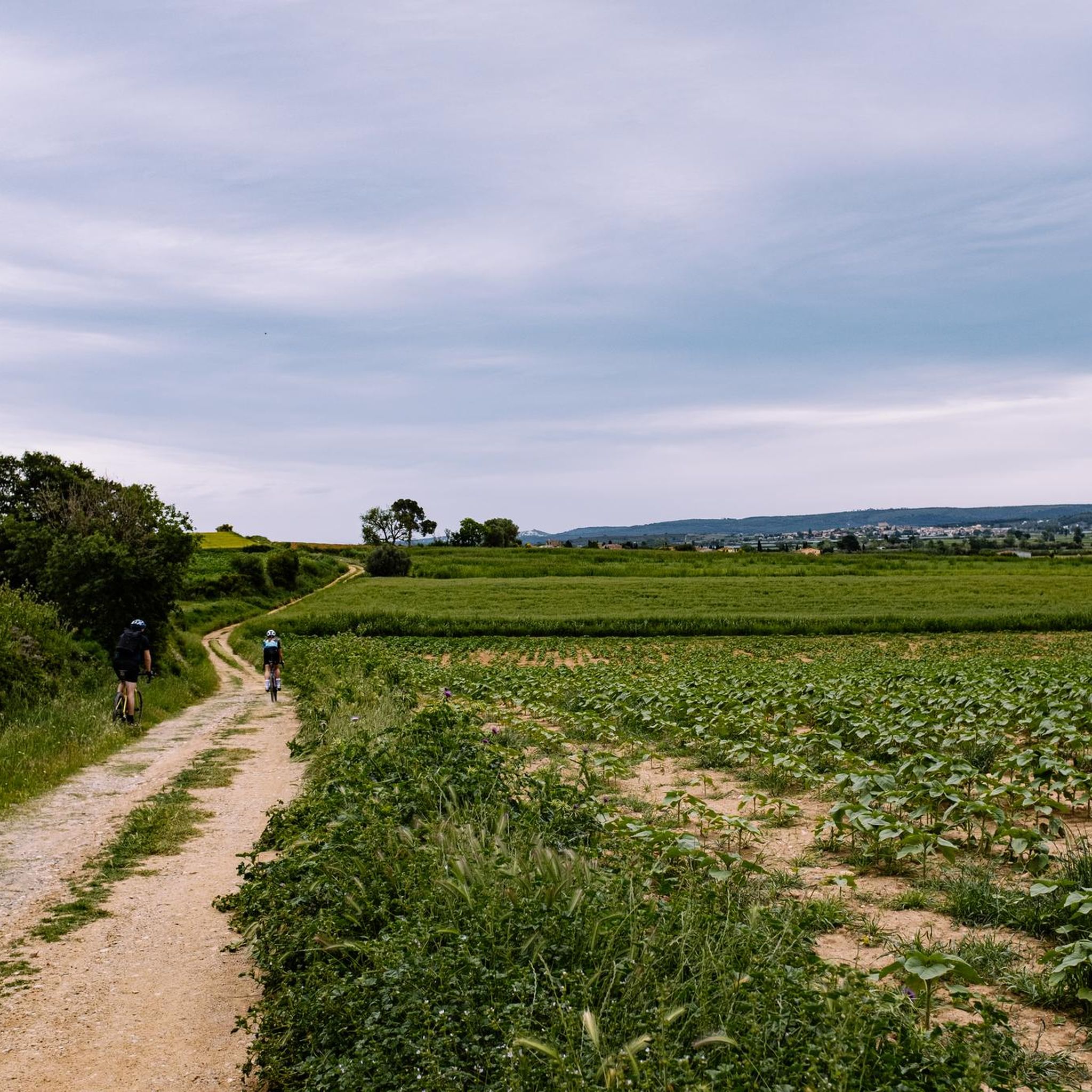
Either road from the direction of Calonge or really off-road, good fitness required without electric assistance
0
0

This village could be the set of a nice western movie. It is super small but has a lot of character. It’s all gravel you’ll find here.
0
0

Small but beautiful municipality
0
0
Another lovely small village. A good stop for a nice coffee @ la fusteria ullastret
0
0

Very nice little place.
2
0

https://www.youtube.com/watch?v=SaCuz9HwYfo Sant Martí d’Empúries, a medieval neighbourhood dependent on L’Escala, is one of the oldest settlements in Catalonia, inhabited since the 9th century BC. It was a peninsula and one of the most important Mediterranean ports thanks to trade with Phoenicians, Punic and Greeks. Until 1064 it was the seat of the county of Empúries, and still preserves part of its medieval wall. The church of Sant Martí (1538) was built on a pre-Romanesque temple from the year 926, and also stands out the Casa Forestal, in modernist style, headquarters of the Iberia Graeca foundation. Opposite it are the remains of the old castle, which inspired Víctor Mora for Captain Trueno. Its narrow streets and the Plaza Mayor offer a charming atmosphere with restaurants and local cuisine. In addition, the Empúries promenade connects Sant Martí with L’Escala, allowing you to discover the beaches of Empúries, the Greco-Roman site and the Moll Grec, in an environment full of history and beauty https://www.youtube.com/watch?v=vQolJ0xfOL8
5
0
In 959 Count Gausfred recognized this place as one of the many properties that Riculf had. Cinco Claus Castle was built in the 14th century. In 1402, Sinch keys appeared, along with the Courts, as places incorporated into the Crown by King Martí l'Humà. Because of its proximity to Empúries, it suffered numerous military confrontations: the military contest between Count Hug V of Empúries and King Jaume I (1274-1275), pirate raids (1483), the attack of Castilian troops of Felipe IV in the War of Secession, when the Cinc Claus castle belonged to the head of the Catalan militia Josep de Margarit i de Biure (1640) and the Carline wars. The farmhouses of Cinco Claus were built by reusing materials from the remains of the old castle.
5
0

With nice restaurants and bars
1
1
Frequently Asked Questions
What kind of castles can I expect to see around Verges?
The castles around Verges are primarily located in the Baix Empordà region of Catalonia, Spain. You'll find a mix of military fortifications, well-preserved medieval villages, and Gothic-Renaissance palaces. Some are archaeological sites with remnants integrated into modern towns, while others are more intact structures showcasing centuries of history and architectural development.
Are there family-friendly castles or historical sites to visit near Verges?
Yes, several sites are suitable for families. The Medieval Village of Ullastret is noted as family-friendly, offering a glimpse into a well-preserved medieval nucleus. Sant Morí Castle and Bellcaire Castle also fall into the family-friendly category, providing historical exploration for all ages.
What outdoor activities can I do near the castles around Verges?
The region around Verges offers excellent opportunities for outdoor activities, especially cycling. You can explore various routes for touring bicycles, road cycling, and mountain biking. For example, there are routes like the 'Montgrí Gravel Trail' or 'Verges — Medieval Village – Trail beside Montgrí Castle loop'. You can find more details and specific routes in the Cycling around Verges, Road Cycling Routes around Verges, and MTB Trails around Verges guides.
What is the best time of year to visit the castles in the Empordà region?
While specific opening hours vary, the mild climate of Catalonia generally makes spring (April-May) and autumn (September-October) ideal for visiting, offering pleasant temperatures for exploring. Summer can be warm, but many sites are still enjoyable. Winter visits are also possible, though some smaller attractions might have reduced hours.
Are there any castles with significant historical views or viewpoints?
Absolutely. Montgrí Castle stands prominently on the 301-meter high Montgrí massif, offering expansive views over the Alt- and Baix Empordà lowlands, the Ter river, and the Mediterranean Sea, including the Bay of Roses. Its strategic location made it a crucial military fortification.
Can I find medieval villages with well-preserved architecture near Verges?
Yes, the region is renowned for its medieval villages. Peratallada — Historic Village is a prime example, declared a Historic-Artistic Site and Cultural Asset of National Interest. It features well-preserved medieval architecture, including three wall enclosures, a castle with a keep, and a palace dating from the 11th to 14th centuries. The Medieval Village of Ullastret also boasts a perfectly preserved wall and a Gothic market.
What are some unique features of the castles in this area?
The castles and historical sites around Verges offer diverse unique features. For instance, Peratallada is notable for its moat dug into the rock, eight meters deep. Sant Morí Castle, rebuilt in the 15th century, is a Gothic-Renaissance palace that can now be rented as a hotel, offering a unique stay. Bellcaire Castle, built due to disputes between counts and kings, now houses the town hall and a parish church within its walls.
Are there any specific cultural events associated with the Verges area?
While not directly a castle feature, the town of Verges itself is famous for its cultural traditions, particularly the 'Dansa de la Mort' (Dance of Death) during Holy Thursday. This ancient procession attracts thousands of visitors annually and is recognized as a Heritage Festival of National Interest, offering a unique cultural experience alongside your castle explorations.
What amenities can I expect in the medieval villages?
Medieval villages like Peratallada are often touristically developed, offering small shops selling local goods and art, as well as a wide gastronomic offer with restaurants serving typical regional dishes. The Medieval Village of Ullastret also has cafes, making it a good stop for refreshments.
How accessible are the castles and villages around Verges by public transport?
While specific public transport routes to every castle can be limited, the larger towns and medieval villages in the Empordà region are generally accessible by bus. However, for exploring the more remote castles or combining multiple sites efficiently, renting a car is often recommended. Always check local bus schedules in advance for the most up-to-date information.
Are there any hidden gem castles or lesser-known historical sites worth visiting?
Beyond the most popular sites, the region is dotted with numerous smaller historical remnants and charming medieval nuclei. While the original Castell de Verges itself is mostly archaeological traces integrated into the town, exploring the smaller villages often reveals unexpected historical details and local charm away from the main tourist paths.
Most popular attractions around Verges

Get inspired with the komoot mobile app


Explore more
Looking for the best castles somewhere else? Discover other guides around Verges:
