Top 8 Castles around Cabra
Best castles around Cabra are found in a region of Cordoba, Spain, characterized by its historical depth and varied terrain. The area showcases a blend of cultural influences, from ancient Iberian roots to significant Arab and Christian heritage. This landscape of hills and olive groves provides a setting for exploring medieval fortresses and historical sites.
Best castles around Cabra
- The most popular castles is Zuheros Castle, a castle whose purpose was to protect against external invasion. Its remains date…
Last updated: August 14, 2026
Zuheros Castle
Highlight • Castle
Translated by Google •
Tip by

Zuheros Castle and Village
Highlight • Castle
Translated by Google •
Tip by

Sign up now to discover places like this
Get recommendations on the best single tracks, peaks, & plenty of other exciting outdoor places.
Sign up for free
Views of Zuheros Castle from the viaduct
Highlight • Viewpoint
Translated by Google •
Tip by
Zuheros is a beautiful place.
Highlight • Settlement
Translated by Google •
Tip by
Carcabuey Castle
Highlight • Castle
Translated by Google •
Tip by

Sign up for free to discover even more castles around Cabra.
Sign up for free
Already have an account?
Start today with a free account
Your next adventure awaits.
Login or Signup
Tips from the Community

El Castillo de Zuheros is a historic fortress in the small municipality of Zuheros. The castle sits spectacularly on a rock and has become a landmark of the region. The castle's origins date back to the Moors in the 9th century. It was strategically built on a limestone cliff to control and defend the region. Its location made it almost impregnable.
0
0

The Zuheros Viaduct crosses the embedded bed of the Bailón River. It has a length of 104 meters resolved into two lateral sections of 31.5 meters and a central section of 41.0 meters. Its structure is metallic and is very similar to that of the Guadajoz River Viaduct. It seems that both projects were drawn up by the same engineers, Alessandri and Delaperrière.
9
0
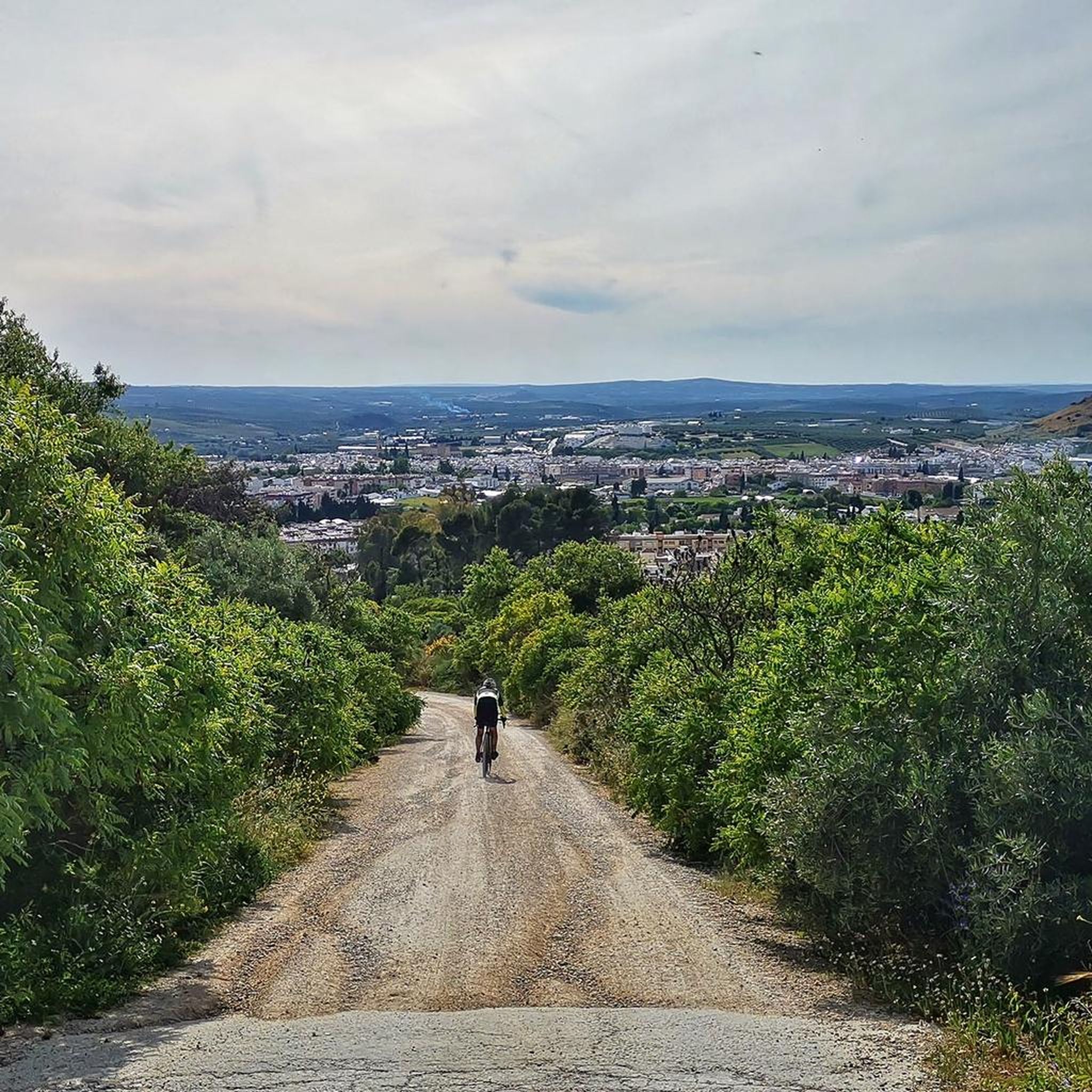
Zuheros is a small, picturesque village, located at an altitude of around 656 metres and surrounded by the impressive landscape of the Sierras Subbéticas Natural Park. The village has retained its charming, peaceful character. A place that combines history, nature and Andalusian tradition. Whether you stroll through the alleys, visit the castle or explore the impressive landscape of the Sierras Subbéticas, Zuheros is a real gem that delights visitors with its beauty and authenticity. Its proximity to the Vía Verde del Aceite, a popular cycle route, makes it an ideal starting point for outdoor activities.
5
0
El Castillo de Zuheros stands spectacularly on a rock and offers impressive views of the Sierra Subbética. The castle is a major landmark in the region. The castle's origins date back to the Moors in the 9th century. It was strategically built on a limestone cliff to control and defend the region. Its location made it almost impregnable. It was part of a network of castles designed to secure Moorish influence in Andalusia. In 1240, Zuheros was conquered by the troops of Ferdinand III of Castile. The castle passed into Christian ownership and was integrated into the kingdom's defensive structure. With the end of its military importance in the region, after the conquest of Granada in 1492, the castle began to decline in importance. Parts of the complex were destroyed by earthquakes and neglect over the centuries. In 1964, the towers were reconstructed as they can be seen in their current form. The ruins of the castle are now one of the main attractions of Zuheros and can be visited.
9
0
El Castillo de Zuheros is a historic fortress in the small municipality of Zuheros. The castle sits spectacularly on a rock and has become a landmark in the region. The castle's origins date back to the Moors in the 9th century. It was strategically built on a limestone cliff to control and defend the region. Its location made it almost impregnable. The viaduct is a historic remnant of the old railway line and offers an elevated platform with unobstructed views of the surrounding landscapes. The section near Zuheros is particularly spectacular as the viaduct crosses a gorge through which the Bailón River flows. From here, Zuheros Castle rises majestically above the village, embedded in a rock. The castle seems to be one with the landscape as it is integrated directly into the limestone. The view of Zuheros Castle from the viaduct is a perfect example of the unique combination of nature and history that characterizes the Córdoba region. It is a moment that makes every bike ride along the Vía Verde unforgettable.
9
0
The Zuheros viaduct crosses the embedded bed of the Bailón River. It has a length of 104 metres. Its structure is made of metal and is very similar to that of the Guadajoz River viaduct. A few metres away is the old Zuheros stop, a small building, very sober and functional. This building, smaller than the station, allowed the entry and exit of goods and passengers. A cobblestone in front of the façade served as a platform. From here you have a good view of the castle.
10
0
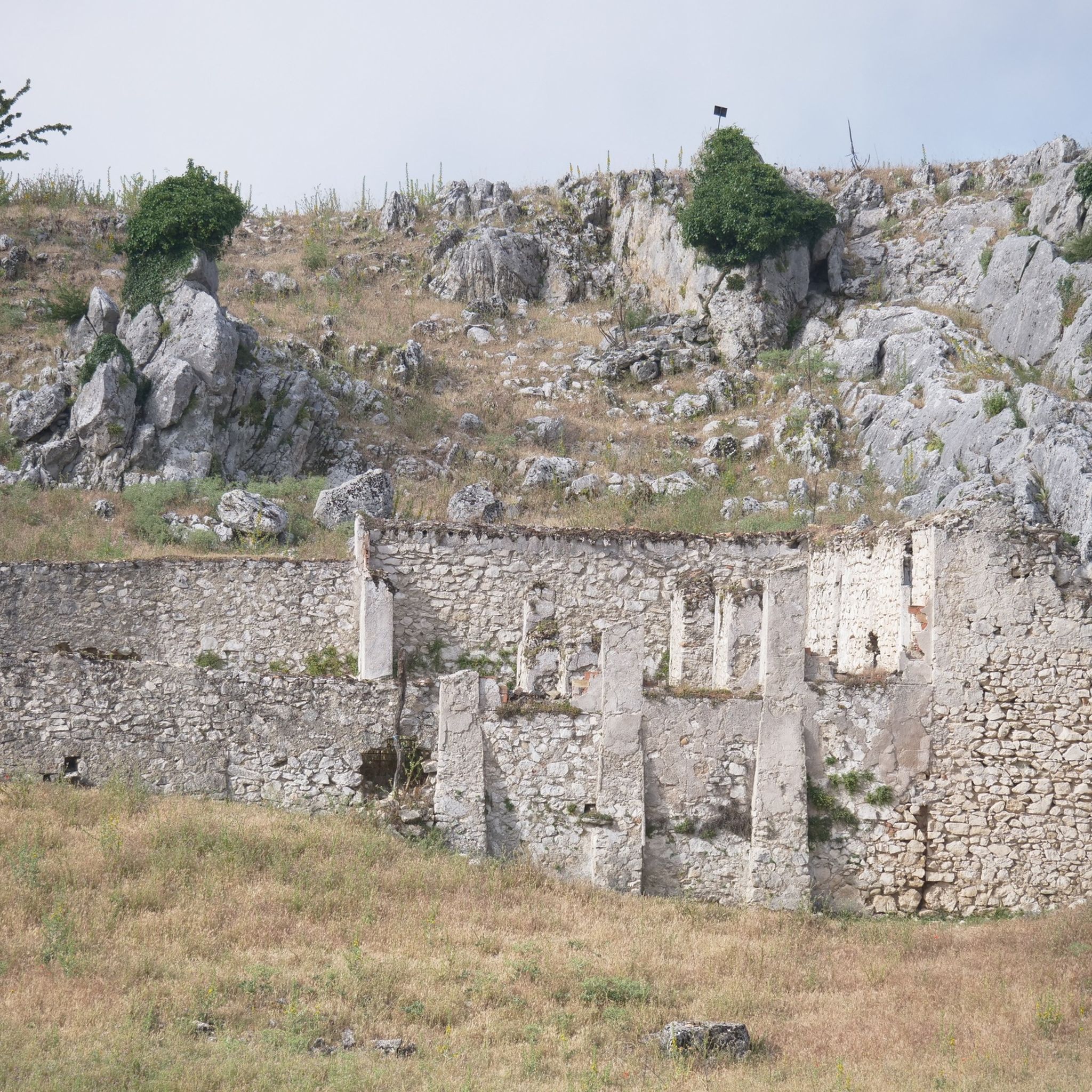
The remains date from two different periods. The massive, crenellated square tower is of Moorish origin, while the remains of the Renaissance palace date from the 16th century. At the same time, the Plaza de la Paz offers a natural viewpoint (622m), with shooting views** over the hills with their carpet of olive groves and Baena in the background.
11
0
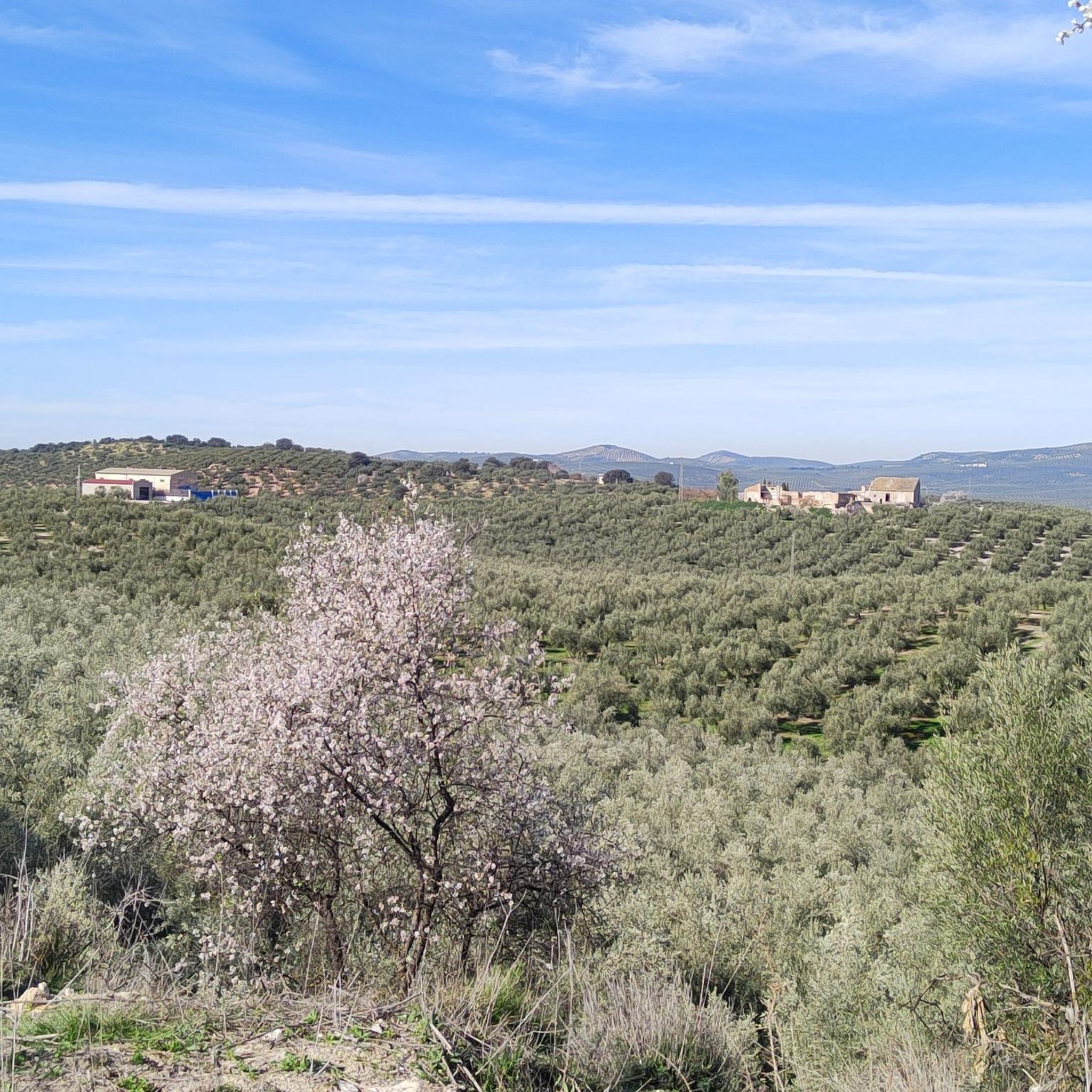
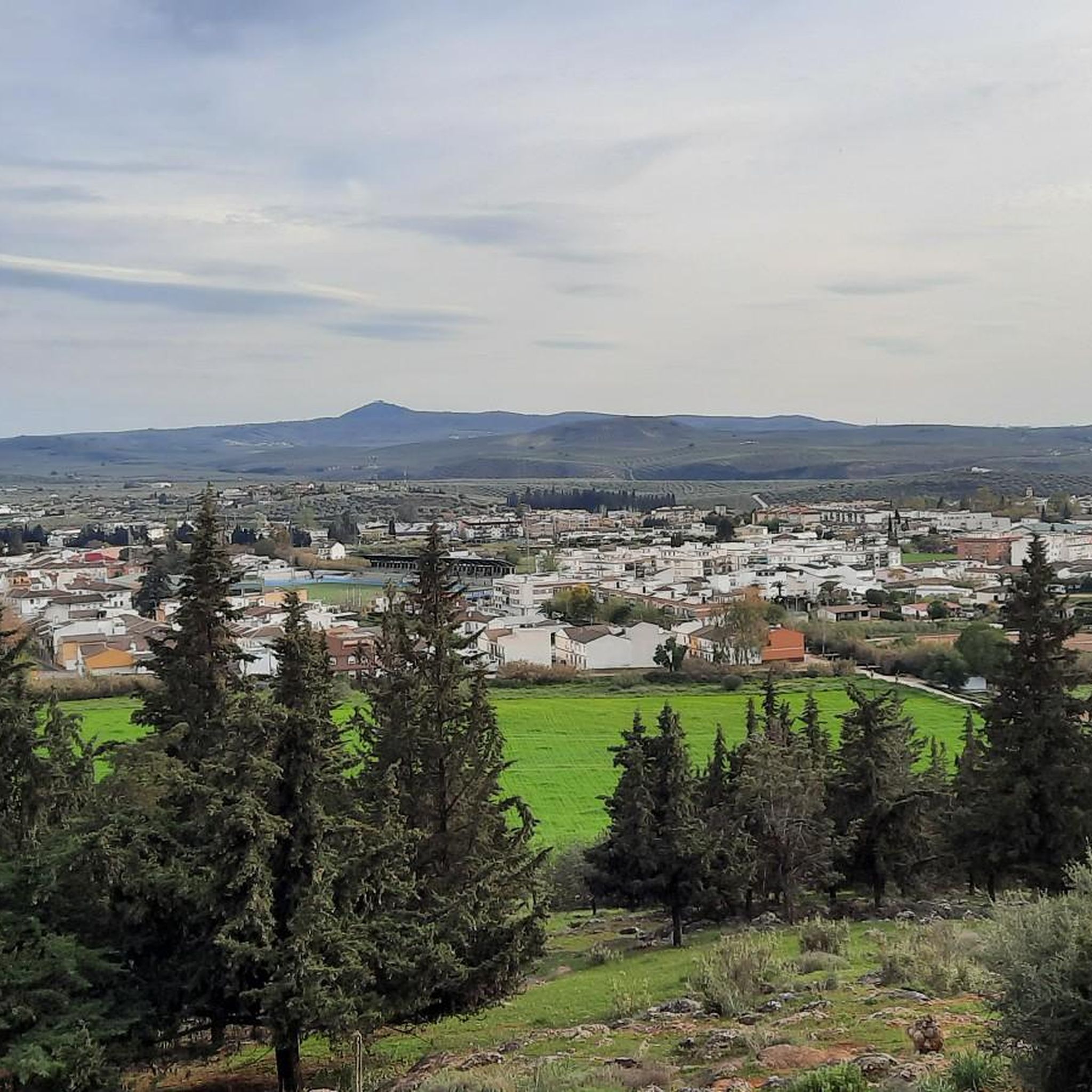
"Zuheros a beautiful place". Zuheros is an enchanting village in the province of Córdoba, Andalusia. Set against the dramatic backdrop of the Sierra Subbética, Zuheros offers breathtaking views and a rustic charm that is hard to match. The village is famous for its castle, Castillo de Zuheros, which sits dramatically on a clifftop overlooking the surrounding olive groves. The narrow streets lined with whitewashed houses, picturesque squares and historic buildings give Zuheros a timeless appeal.
8
0
Frequently Asked Questions
What kind of historical significance do the castles around Cabra hold?
The castles around Cabra are deeply rooted in the region's history, reflecting a blend of ancient Iberian, Moorish, and Christian influences. Many, like Zuheros Castle, have Moorish origins, often featuring massive square towers, and were later expanded by Christian forces. These fortresses were strategically built to control roads and defend against invasions, with sites like Carcabuey Castle showing evidence of human habitation dating back to 1200 B.C.
Are there any particularly picturesque castle villages to visit near Cabra?
Yes, Zuheros Castle and Village is renowned as one of the most picturesque in the province of Cordoba. It features a stately castle carved into a rock, overlooking whitewashed houses on narrow, steep streets adorned with flowers. The village combines history, nature, and Andalusian tradition, offering breathtaking views and a rustic charm.
What natural features can I see around the castles near Cabra?
The castles are set within a landscape of hills and olive groves, often backed by the impressive Sierras Subbéticas Natural Park. From viewpoints like the Plaza de la Paz near Zuheros Castle, you can enjoy panoramic views over the olive-carpeted hills. The region also features gorges and rivers, such as the Bailón River, which can be seen from the viaduct offering views of Zuheros Castle.
Are there family-friendly activities or castles suitable for families near Cabra?
While the castles themselves offer historical exploration, the surrounding areas provide family-friendly options. The village of Zuheros, with its charming streets and proximity to the Vía Verde del Aceite (a popular cycle route), is suitable for families. The Views of Zuheros Castle from the viaduct is also listed as family-friendly, offering an accessible viewpoint.
What outdoor activities can I do near these castles?
The region around Cabra offers a variety of outdoor activities, especially within the Sierras Subbéticas Natural Park. You can explore numerous trails for hiking, running, and mountain biking. For example, there are several hiking routes around Cabra, including the easy Enrique Triano Trail, and MTB trails like the Zuheros Castle loop. The Vía Verde del Aceite, a greenway, is also popular for cycling.
Are there hiking trails near the castles?
Yes, there are many hiking trails available. The area around Cabra, particularly near Zuheros, is a great starting point for exploring the Sierras Subbéticas Natural Park. You can find various hiking routes around Cabra, ranging from easy to difficult, such as the Enrique Triano Trail or the Poljé de la Nava de Cabra loop.
What do visitors enjoy most about the castles and surrounding area?
Visitors frequently appreciate the historical ambiance and the stunning natural settings of the castles. The dramatic location of Zuheros Castle on a cliff and the picturesque charm of Zuheros village are often highlighted. The combination of history, nature, and the authentic Andalusian tradition, along with the cleanliness of the towns and streets full of flowers, leaves a lasting impression.
Is public transport available to reach the castles around Cabra?
While specific public transport routes directly to each castle's entrance may be limited, Cabra itself is accessible by public transport, including bus connections. From Cabra, local services or taxis might be required to reach the more remote castle sites. It's advisable to check local bus schedules for routes connecting to villages like Zuheros or Carcabuey.
What is the best time to visit the castles and surrounding area?
The best time to visit the castles and enjoy outdoor activities in the Cabra region is typically during the spring (April-May) and autumn (September-October) months. During these periods, the weather is generally mild and pleasant for exploring historical sites and engaging in hiking or cycling, avoiding the intense heat of the summer and the cooler, potentially wetter winter months.
Are there any hidden gem castles or ancient ruins worth exploring near Cabra?
Beyond the prominent castles, the region is rich in ancient ruins and historical sites. While not a 'hidden gem' in the sense of being unknown, the ruins of the original Cabra House within Dún a Rí Forest Park (if referring to the Irish context, which is not the focus here, so I will rephrase for Spain) or lesser-known remnants of fortifications can be found. The area's historical depth means many sites have ancient origins, such as Carcabuey Castle, which has evidence of human habitation from 1200 B.C., offering a glimpse into its long past.
Most popular attractions around Cabra

Get inspired with the komoot mobile app


Explore more
Looking for the best castles somewhere else? Discover other guides around Cabra:
