Top 5 Lakes around Priego De Córdoba
Best lakes around Priego De Córdoba are primarily reservoirs and temporary lagoons, as the region is known for its abundant natural springs and proximity to the Sierras Subbéticas Natural Park. Priego de Córdoba, often called the "City of Water," features significant historical fountains and is situated near diverse aquatic environments. The area offers a mix of man-made lakes and natural wetlands, providing varied experiences for visitors. These water bodies are often surrounded by limestone mountains and olive groves, characteristic of…
Last updated: July 4, 2026
Views over the Laguna del Conde
Highlight • Viewpoint
Translated by Google •
Tip by

Vadomojón Reservoir
Highlight • Lake
Translated by Google •
Tip by
Sign up now to discover places like this
Get recommendations on the best single tracks, peaks, & plenty of other exciting outdoor places.
Sign up for free
Laguna Honda Viewpoint
Highlight • Lake
Translated by Google •
Tip by

El Cañuelo Trail – Iznájar Reservoir
Highlight • Lake
Translated by Google •
Tip by

Genilla River Waterfall
Highlight • Waterfall
Translated by Google •
Tip by
Start today with a free account
Your next adventure awaits.
Login or Signup
Tips from the Community

The Laguna Honda is a remarkable nature reserve along the Vía Verde del Aceite in the province of Jaén, Andalusia. It is located in the municipality of Alcaudete, about 7 km northwest of the town center, nestled between the Sierra de Orbes and the Guadalquivir plain. With an area of around 65 hectares and an additional protected zone of 220 hectares, it is one of the most important wetlands in the region. Laguna Honda is an endorheic, shallow salt lagoon whose high salt content is due to the clayey and calcareous soils. It is mainly fed by rainwater and a small tributary from the Sierra de Orbes. Despite its shallow depth, it is a valuable habitat for numerous bird species, including flamingos, ducks, and other water birds that rest or breed here.
0
0
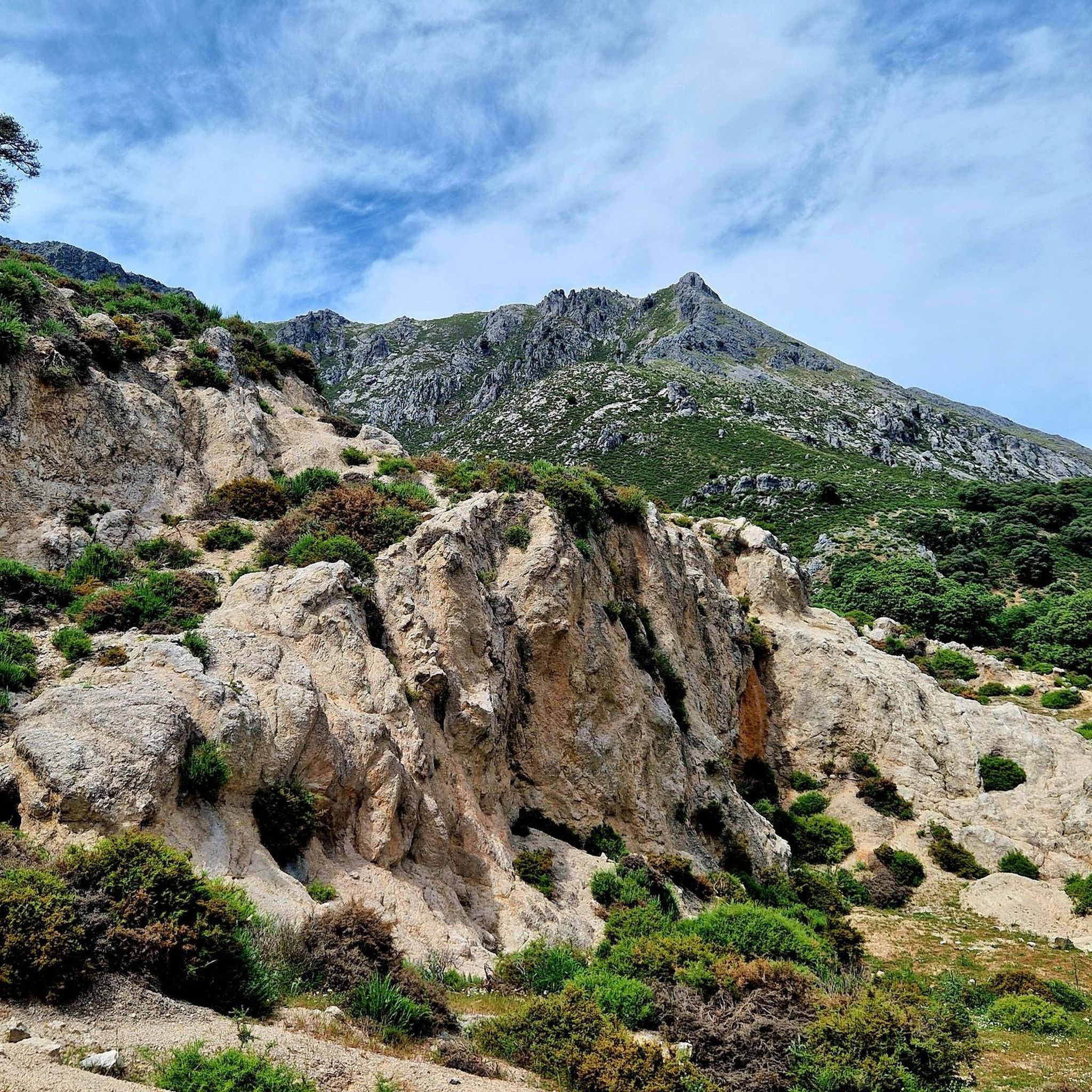
The Laguna del Conde (also known as Laguna del Salobral) is an important wetland that serves as a habitat for numerous bird species such as flamingos, cormorants, and ducks. Along the Vía Verde, there are viewpoints from which visitors can observe the wildlife.
1
0

Laguna Honda, located in a place known as Tumbalagraja, is a unique space that was declared a nature reserve in 1989 and belongs to the municipality of Alcaudete in Jaén. The first autumn rains flood the lagoon, which manages to retain a small amount of water until the arrival of spring. This fact, together with the contribution of the current that enters from a small stream in the Sierra de Orbes, makes it the most persistent natural wetland in the province. Of the original vegetation, two species remain, the bulrush and the reed, which together with the reed and the tamarisk form the vegetation around the lagoon. Visitors who come to this beautiful place can enjoy the birds that can be found there, such as the redfish, the coot or the white-headed duck. On some occasions you can even see small flocks of pink flamingos.
8
0

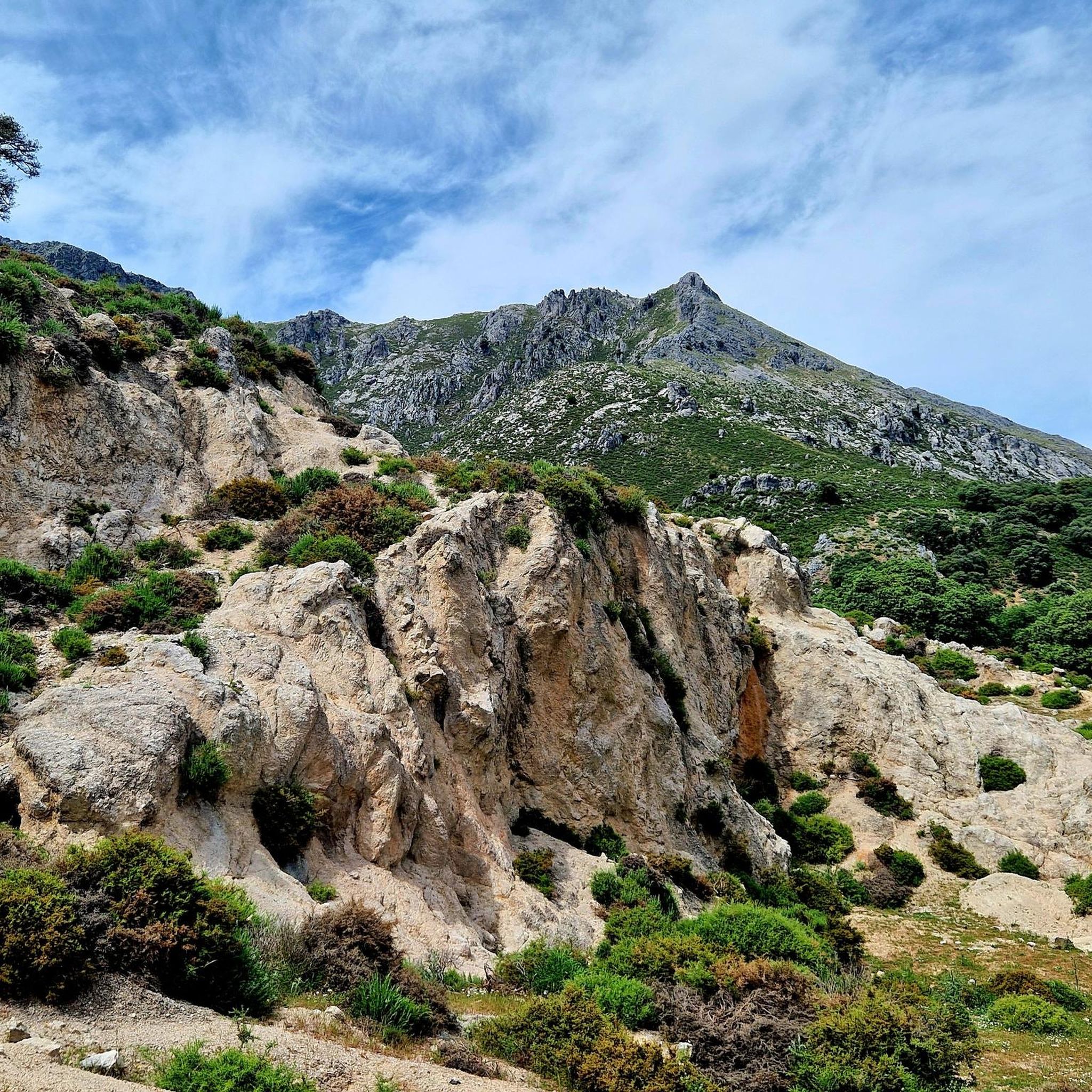
The Lagoon del Conde or Salobral Lagoon is a temporary lagoon that reaches a maximum flood level in spring and subsides in summer. The lagoon is filled by rainfall that falls directly on the surface of the lagoon and by surface runoff from its catchment area, particularly from the Carrascón stream. The lagoon is on the migratory route that many birds follow towards the African continent in northeastern Europe. Like the rest of the wetland areas south of Córdoba, the Salobral Lagoon is integrated into the European Natura 2000 network.
10
0
This lagoon, which belongs to the municipality of Luque, is the largest of all the seasonal waters in the province of Córdoba, with a surface area of 46.6 hectares. It was declared a nature reserve in 1989 due to its special value as a wintering and breeding ground for migratory birds. Due to the gentle slope of the terrain and its shallow depth, the wetland is home to numerous wading birds that use the lagoon as a passage and breeding area. The main bird species are the black-winged stilt, the European lapwing, the curlew, the teal, the white-headed duck, the Kentish plover, the tern and the Montagu's harrier, among many other species.
10
1
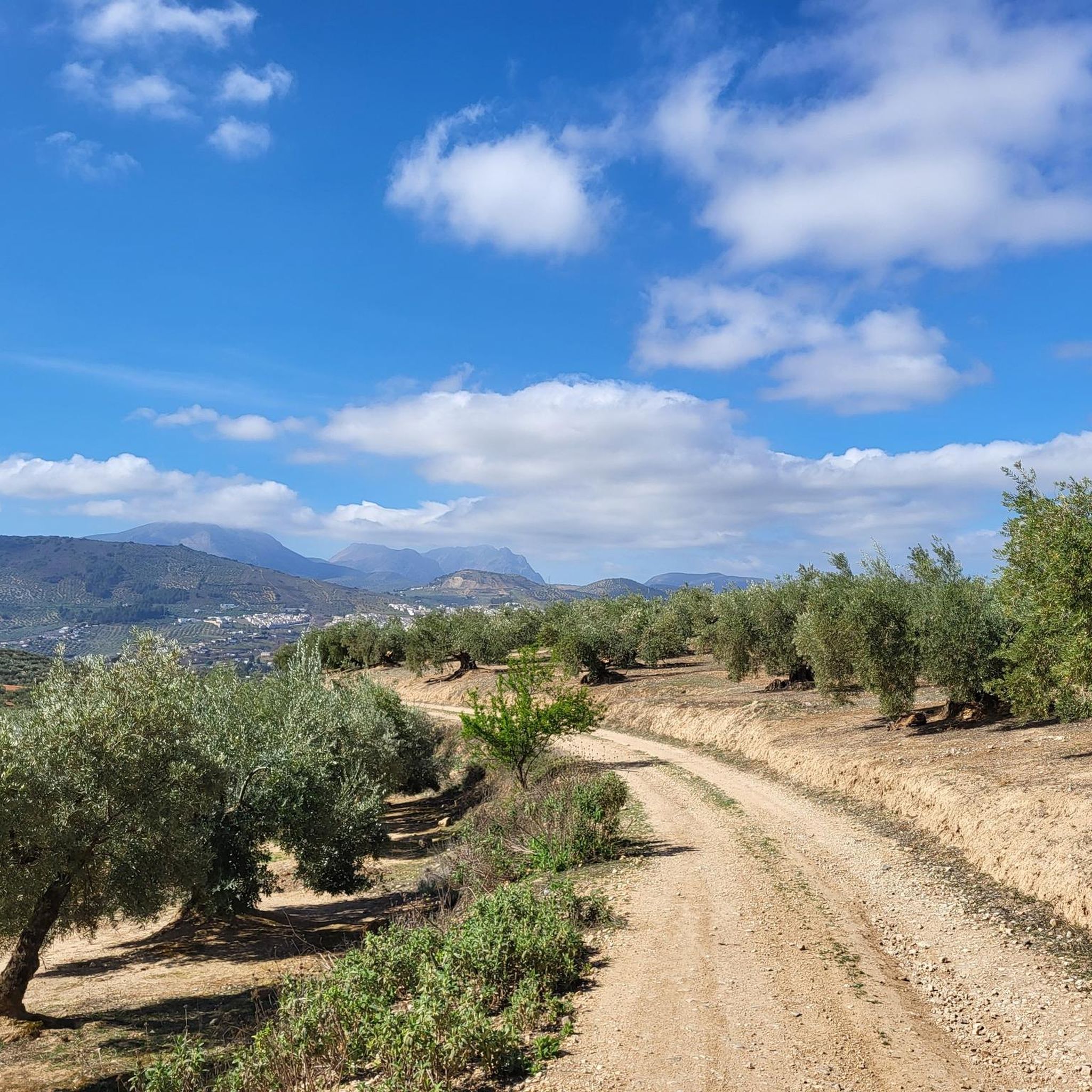
The Guadajoz River rises just before the tail of the reservoir from the union of the Salado River and the San Juan River and flows into the Guadalquivir near the municipality of Córdoba.
7
0

It's a pity: the last time I went there it was completely dry.
6
0

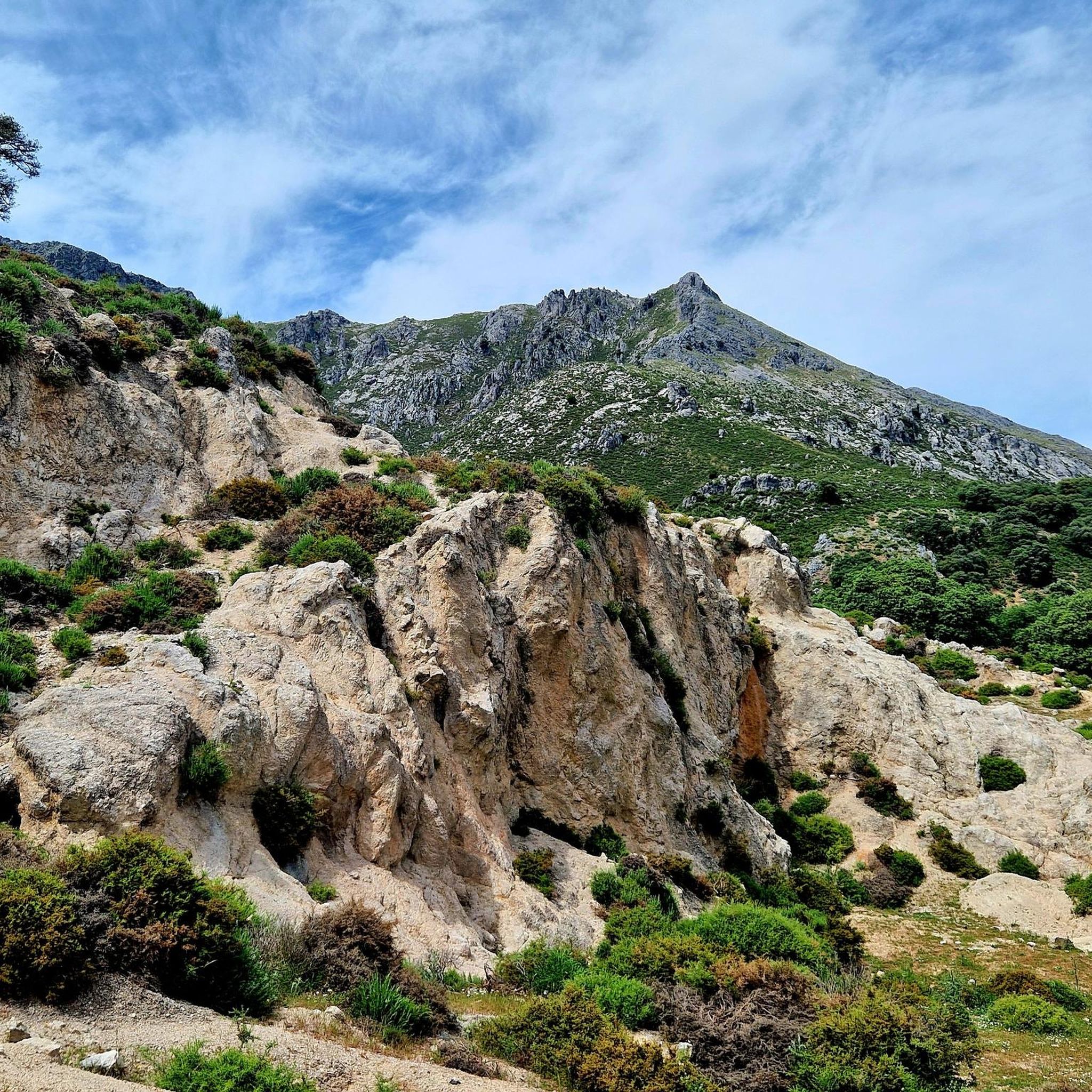
Fed by the Genil River, this is the largest reservoir in Andalusia. It was built between 1959 and 1969 and in 2010 work was carried out to improve and modernize the dam. It has an Interpretation Center where some of the tools used in its construction are exhibited, which had its complexities due to the high temperatures.
6
0
Frequently Asked Questions
What types of water bodies can I expect to find around Priego de Córdoba?
Priego de Córdoba, known as the 'City of Water,' is surrounded by a variety of water features rather than large natural lakes. You'll find significant man-made reservoirs like the Iznájar Reservoir and Vadomojón Reservoir, temporary lagoons such as Laguna del Conde and Laguna Honda, and numerous natural springs, rivers, and waterfalls within the Sierras Subbéticas Natural Park, including the Genilla River Waterfall.
Are there any large lakes suitable for water sports near Priego de Córdoba?
Yes, the Iznájar Reservoir, the largest reservoir in Andalusia, is located approximately 20-22.5 km from Priego de Córdoba. It offers opportunities for swimming, kayaking, paddleboarding, and boat trips, especially at Valdearenas Beach, an inland beach area.
Where can I find natural pools or waterfalls for swimming?
Within the Sierras Subbéticas Natural Park, you can discover several natural pools and waterfalls. The Genilla River Waterfall is a notable spot where a large waterfall has formed a wonderful pool for bathing. Other seasonal waterfalls like Salto del Caballo, Las Chorreras, and Zurreón also create natural pools, particularly after heavy rains.
What are some notable viewpoints overlooking the water bodies?
You can enjoy spectacular views over the region's water bodies. The Views over the Laguna del Conde offer a great perspective of this important wetland. The Vadomojón Reservoir also provides impressive vistas that contrast with the surrounding olive groves. Additionally, the Laguna Honda Viewpoint allows you to observe this unique nature reserve.
Are there any temporary lagoons or wetlands worth visiting?
Yes, the area features significant temporary lagoons. The Laguna del Conde (also known as Salobral Lagoon) is a protected wetland that fluctuates with rainfall, serving as a crucial stop for migratory birds. Similarly, Laguna Honda is a remarkable nature reserve, especially vibrant after autumn rains, attracting various bird species including flamingos.
What outdoor activities are available near the lakes and water features?
Beyond water sports at Iznájar Reservoir, the region offers extensive opportunities for hiking, mountain biking, and road cycling. You can explore numerous trails within the Sierras Subbéticas Natural Park. For detailed routes, check out the hiking guide, MTB trails guide, and cycling guide around Priego de Córdoba.
Are there hiking trails around the reservoirs?
Yes, there are trails around the reservoirs. For instance, the El Cañuelo Trail – Iznájar Reservoir is a popular option. The areas surrounding both the Iznájar and Vadomojón reservoirs also offer various paths and viewpoints suitable for walking and hiking, often with stunning scenery.
Can I go wild swimming in the area?
Yes, wild swimming is possible in certain natural spots. The Genilla River Waterfall forms natural pools with very fresh water, popular in summer. Many other natural pools are found along rivers within the Sierras Subbéticas Natural Park, offering refreshing dips, especially during warmer months.
Are the lakes and water features around Priego de Córdoba family-friendly?
Many of the water features and their surrounding areas are family-friendly. The Iznájar Reservoir, with its Valdearenas Beach, is excellent for families. Viewpoints like Views over the Laguna del Conde and Laguna Honda Viewpoint are also suitable for family outings. The Baroque Fuente del Rey in Priego de Córdoba offers a tranquil setting for picnics.
What is the best time of year to visit the lakes and water features?
The best time to visit depends on your preferred activities. Spring (March to May) is ideal for hiking and enjoying the lush landscapes and migratory birds at the lagoons, as water levels are often higher. Summer (June to August) is perfect for swimming and water sports at the Iznájar Reservoir and natural pools. Autumn (September to November) offers pleasant temperatures for outdoor activities and the chance to see lagoons like Laguna Honda begin to fill.
Are there any historical water features in Priego de Córdoba itself?
Yes, Priego de Córdoba is famous for its historical water features. The stunning Baroque Fuente del Rey, completed in 1803, is a national monument with three interconnected ponds and classical sculptures. Just behind it is the 16th-century Fuente de la Salud, originally built for the town's water supply, with local legends suggesting wishes made there come true.
What makes the Vadomojón Reservoir special?
The Vadomojón Reservoir is one of the most relevant in the Guadalquivir basin due to its capacity. It offers spectacular views that contrast with the olive groves and is an important habitat for communities of migratory birds, especially during their journeys between continents. You can also get a nice view of the lake from an old railway bridge.
Can I learn about the construction of the Iznájar Reservoir?
Yes, the Iznájar Reservoir has an Interpretation Center where some of the tools used during its construction between 1959 and 1969 are exhibited. This provides insight into the complexities and challenges faced during the creation of Andalusia's largest reservoir.
Most popular routes around Priego De Córdoba
Most popular attractions around Priego De Córdoba

Get inspired with the komoot mobile app


