Top 4 Caves around Priego De Córdoba
Best caves around Priego De Córdoba are found within the Sierras Subbéticas Natural Park, a region characterized by its karst landscape and significant geological features. This area offers a variety of underground formations, including extensive cave systems and deep sinkholes. These sites provide insights into ancient history through archaeological findings and showcase impressive natural rock formations. The region's geology makes it a notable destination for exploring subterranean environments.
Best caves around Priego De Córdoba
- The most popular caves is Bat…
Last updated: October 7, 2026
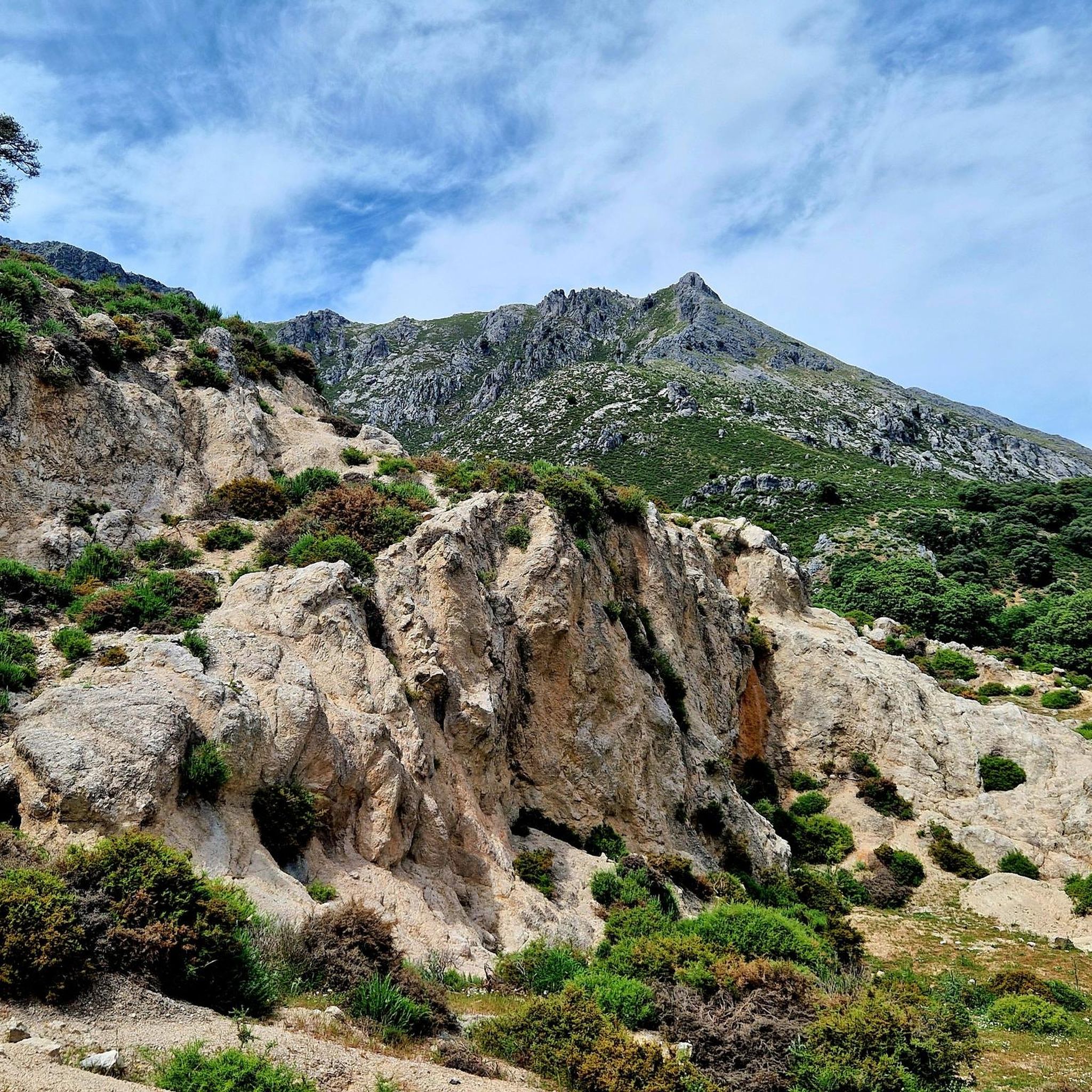
Limestone formations and caves in the Bailón Canyon
Highlight • Canyon
Translated by Google •
Tip by

Bat Cave
Highlight • Cave
Translated by Google •
Tip by

Sign up now to discover places like this
Get recommendations on the best single tracks, peaks, & plenty of other exciting outdoor places.
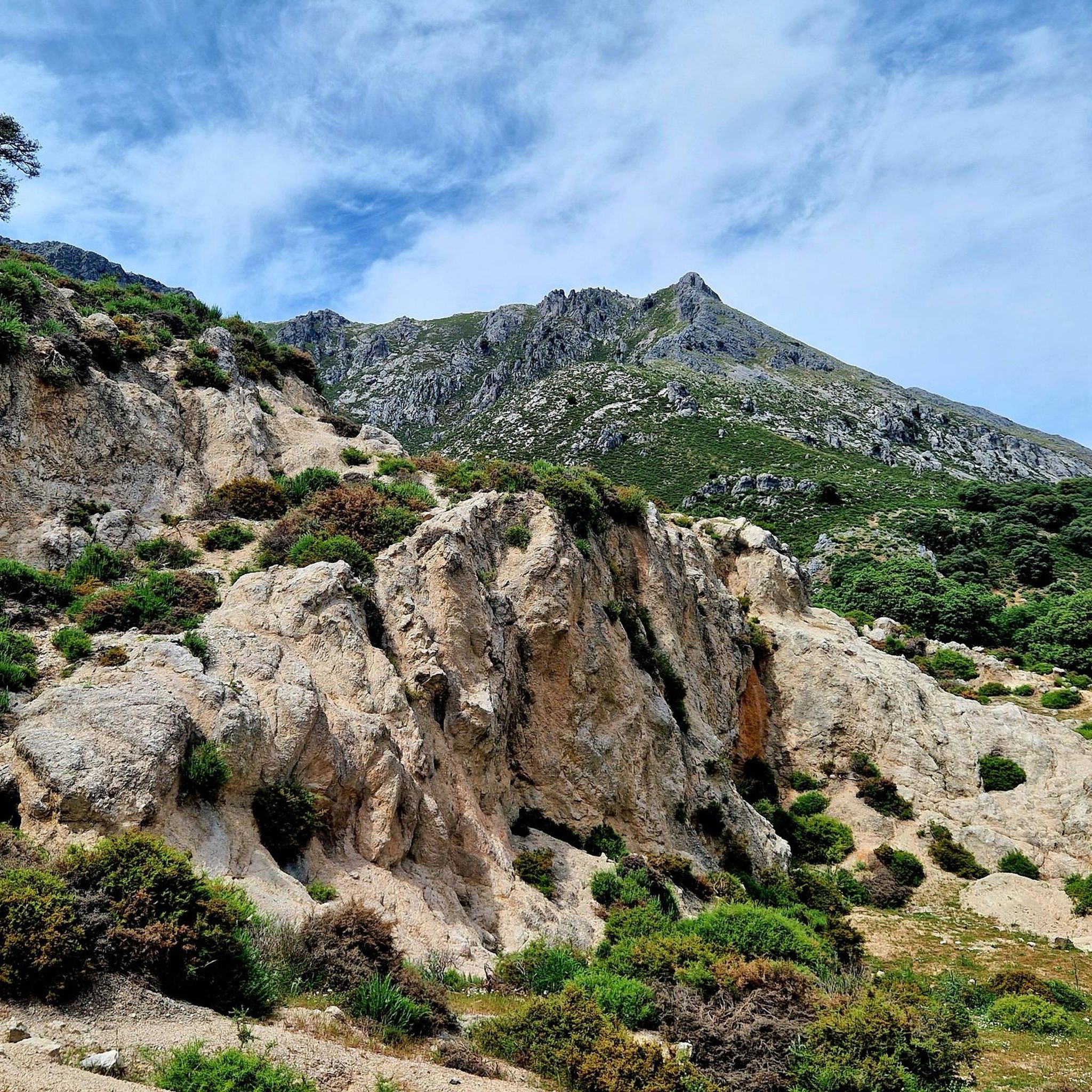
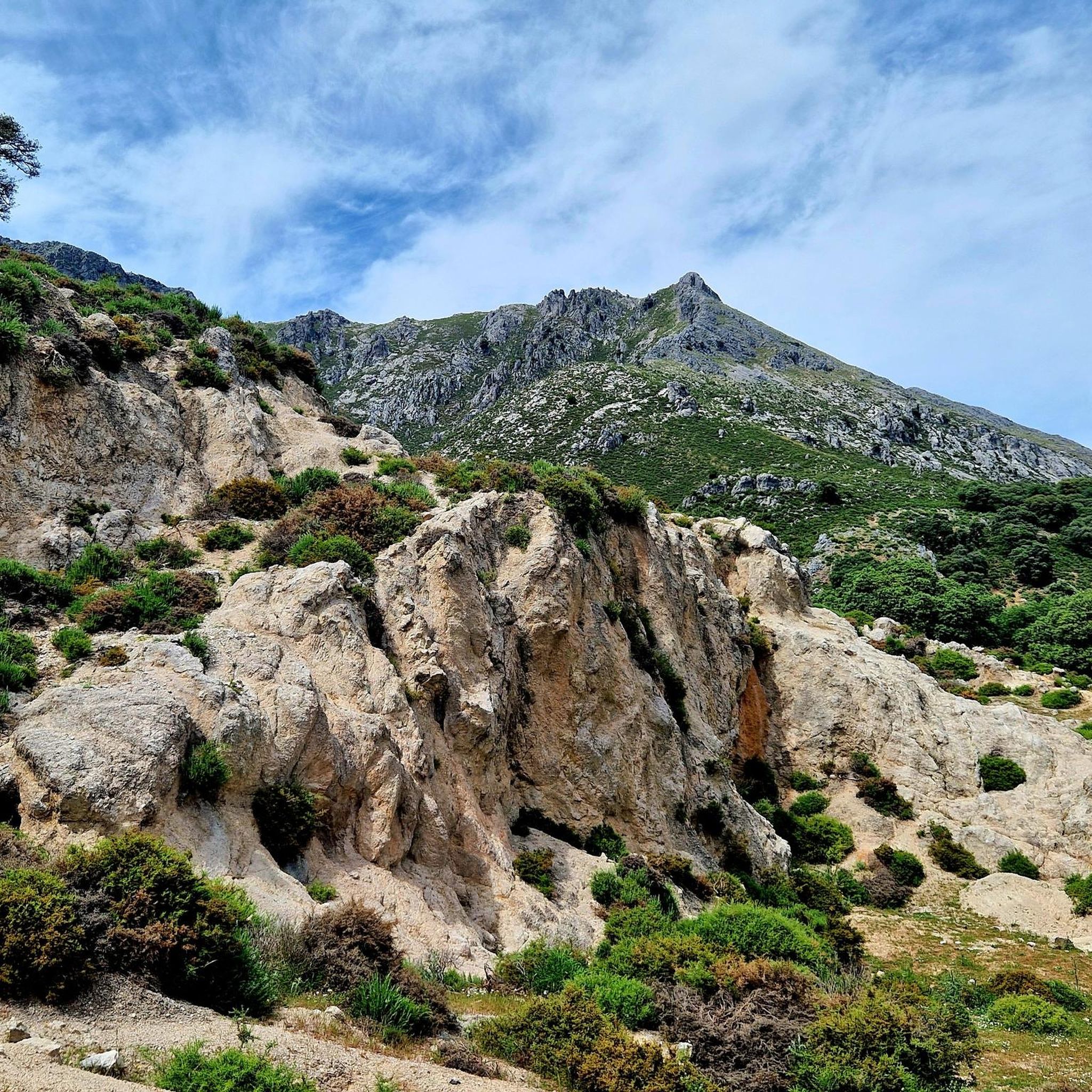
Cueva del Morrión
Highlight • Cave
Translated by Google •
Tip by

Start today with a free account
Your next adventure awaits.
Tips from the Community


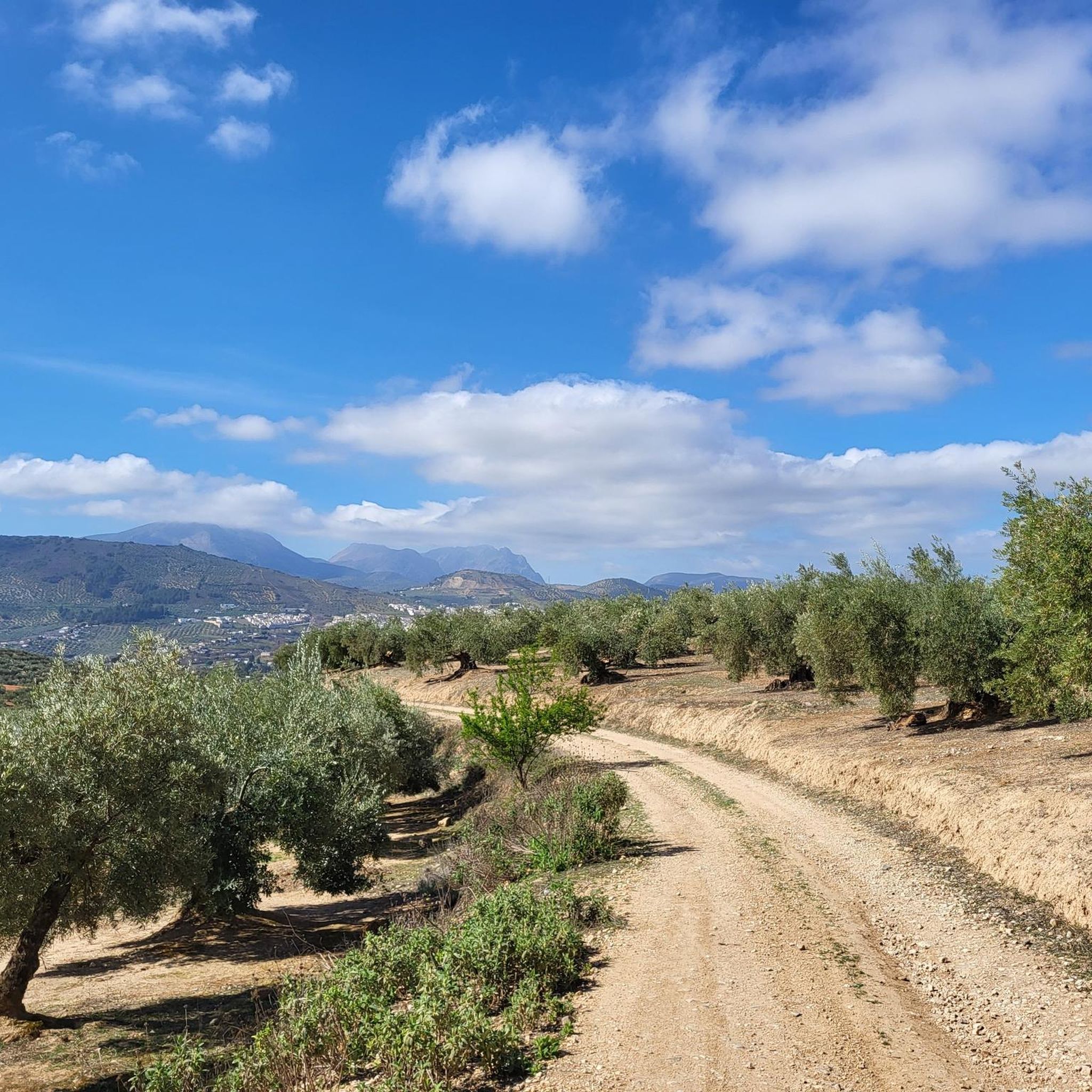
Good views, although the cave is more a place of passage than a place of rest, because it is, above all, a place to shelter animals.
0
0

It is a prehistoric cave, the largest in the province of Córdoba, declared a Natural Monument in 2001. Its name comes from the bats, of different species, that inhabit this cave. In his tourist visit, a descent of up to 65 m deep is made.
3
0

This trail is full of impressive limestone rock walls, with a multitude of vegetation sprouting between its numerous pores. They have been formed over time by the force of the Bailón River. From some angles you can see Zuheros and its castle peeking out between the walls.
2
0
This cave is a system of galleries typical of limestone formations, very porous. Its name is due to the fact that various species of bats inhabit it.
2
1

A beautiful place, even for short walks. You determine the level of difficulty yourself. A little fitness is useful because of the sometimes steep climbs.
1
1

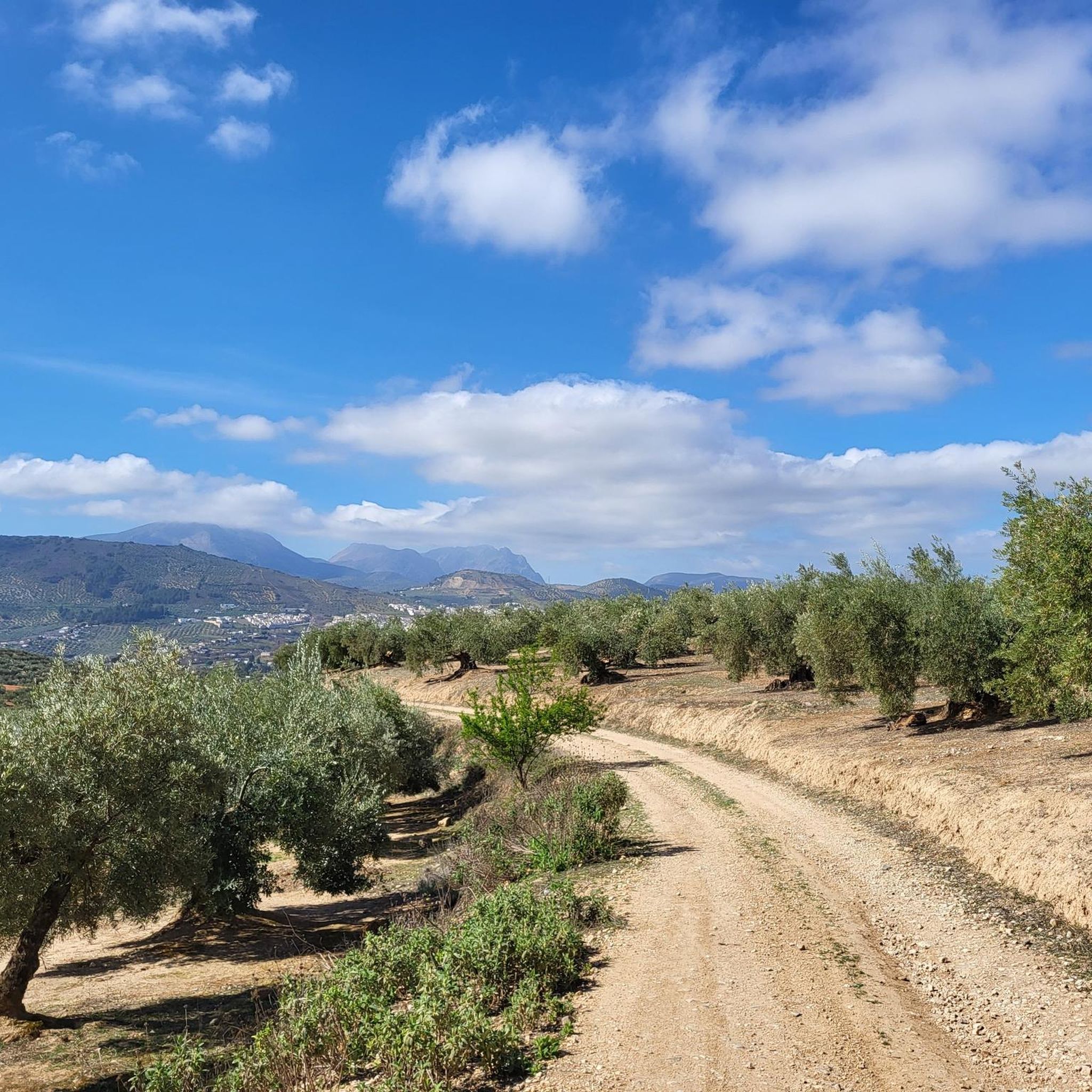
The entire tour leads through interesting landscape with many plants and interesting views.
2
0

Impressive views of the Subbética Cordoba.
0
0
Frequently Asked Questions
What are the most significant caves to visit near Priego de Córdoba?
The most significant cave in the region is the Cueva de los Murciélagos (Bat Cave), located near Zuheros. It's renowned for its prehistoric and archaeological importance, stunning geological formations, and diverse bat species. Another notable site is the Cueva de los Mármoles in Priego de Córdoba, known for its archaeological relevance and impressive stalactites and columns.
What makes the Cueva de los Murciélagos unique?
The Cueva de los Murciélagos is unique for being a crucial Neolithic site in Andalusia, featuring Upper Paleolithic rock art. It boasts spectacular karst formations like the 'Espárrago' stalagmite and the 'Sala del Órgano'. Its adventurous guided tour involves descending 65 meters and navigating around 700 steps, offering a distinct underground experience.
Do the caves around Priego de Córdoba have historical or archaeological significance?
Yes, many caves in the region are historically significant. The Cueva de los Murciélagos is a major Neolithic site with Upper Paleolithic rock art and archaeological findings dating from the Middle Paleolithic to Roman times. The Cueva de los Mármoles also has significant findings related to the Andalusian Neolithic period, and the Sima de Cholones contains archaeological materials from the Middle Paleolithic to the Modern Age, including impressive cave paintings.
Are there any caves suitable for less experienced visitors or families?
The Cueva de los Mármoles offers relatively easier accessibility compared to some other caves, with a large doline-shaped entrance and spacious chambers, making it suitable for a broader range of visitors. The Cueva de los Murciélagos offers guided tours, but its descent of 65 meters and 700 steps makes it more adventurous.
What is the typical visitor experience like at the Cueva de los Murciélagos?
Visiting the Cueva de los Murciélagos involves a guided tour that descends 65 meters deep, covering 415 meters of walking and navigating approximately 700 steps (half down, half up). It's considered one of Spain's most unique physical routes for tourists, showcasing impressive geological formations and prehistoric art. Booking an appointment is required for the visit.
Are there options for advanced caving or speleology in the region?
Yes, the Sierras Subbéticas are home to numerous *simas* (sinkholes or vertical caves) that are explored by speleology groups. The Sima de Cholones and Sima del Campo, for example, offer challenging experiences for experienced speleologists, often requiring ropes and navigating complex, wet, and muddy sections.
What natural features can I expect to see in the caves around Priego de Córdoba?
You can expect to see spectacular karst formations, including stalactites, stalagmites, columns, and flowstones. The Cueva de los Murciélagos features the 'Espárrago' stalagmite and the 'Sala del Órgano'. The Limestone formations and caves in the Bailón Canyon showcase impressive limestone rock walls and pores formed by the Bailón River.
What outdoor activities can I do near these caves?
The region around Priego de Córdoba offers various outdoor activities. You can find numerous cycling routes, including challenging road and touring bicycle options like the 'Plantío Tunnel – Steam locomotive - Mikado loop' or the 'Parque Natural Sierras Subbeticas' routes. There are also running trails, such as the 'Adarve of Priego de Córdoba – Adarve Viewpoint loop'. For more details, explore the Cycling around Priego De Córdoba, Running Trails around Priego De Córdoba, and Road Cycling Routes around Priego De Córdoba guides.
Are the caves around Priego de Córdoba wheelchair accessible?
Generally, the caves in this region, particularly the more significant ones like the Cueva de los Murciélagos, involve descents, steps, and uneven terrain, making them unsuitable for wheelchair access. The Cueva de los Mármoles has spacious chambers but still requires navigating natural cave environments.
What is the best time to visit the caves in this region?
Caves generally maintain a stable temperature year-round, making them a good option in various seasons. However, for the most comfortable experience exploring the surrounding natural park and accessing the caves, spring and autumn offer pleasant weather. Summers can be very hot in Andalusia, which might make the approach to the caves less comfortable, while winters are mild but can be rainy.
What should I wear for cave exploration near Priego de Córdoba?
Inside the caves, temperatures are typically cooler and more constant than outside. It's advisable to wear comfortable, sturdy shoes with good grip, as surfaces can be uneven or damp. A light jacket or long-sleeved top is recommended, even in warmer months, to stay comfortable in the cooler cave environment.
Are there other caves or formations besides the main highlights?
Beyond the main highlights, the region features the Limestone formations and caves in the Bailón Canyon, which offer impressive rock walls and vegetation. There's also Cueva del Morrión, a cave often used to shelter livestock, providing good views. The Sierras Subbéticas also contain numerous *simas* (sinkholes) like Sima de Cholones and Sima del Campo, which are significant geological features for speleology.
Most popular routes around Priego De Córdoba
Most popular attractions around Priego De Córdoba

Get inspired with the komoot mobile app


Explore more
Extend your search for the best caves by checking out these guides of the top ones around Priego De Córdoba:
