Top 6 Castles around Zuheros
Best castles around Zuheros general information: Zuheros is a white village in Andalusia, Spain, characterized by its historic fortress, Zuheros Castle. This region features a dramatic landscape with the castle perched on a cliff, offering panoramic views over the Subbética region and olive groves. The area combines historical significance with natural beauty, serving as a gateway to the Sierras Subbéticas Natural Park.
Best castles around Zuheros
- The most popular castles is Zuheros Castle, a castle located in the highest…
Last updated: October 7, 2026
Zuheros Castle
Highlight • Castle
Translated by Google •
Tip by

Views of Zuheros Castle from the viaduct
Highlight • Viewpoint
Translated by Google •
Tip by

Sign up now to discover places like this
Get recommendations on the best single tracks, peaks, & plenty of other exciting outdoor places.
Zuheros is a beautiful place.
Highlight • Settlement
Translated by Google •
Tip by
Carcabuey Castle
Highlight • Castle
Translated by Google •
Tip by

Castillo de Doña Mencía
Highlight • Castle
Translated by Google •
Tip by
Sign up for free to discover even more castles around Zuheros.
Already have an account?
Start today with a free account
Your next adventure awaits.



Tips from the Community

El Castillo de Zuheros is a historic fortress in the small municipality of Zuheros. The castle sits spectacularly on a rock and has become a landmark of the region. The castle's origins date back to the Moors in the 9th century. It was strategically built on a limestone cliff to control and defend the region. Its location made it almost impregnable.
0
0

The Castillo de Doña Mencía is a historic castle located in the heart of the village of Doña Mencía. The castle was built in 1415 by Diego Fernández de Córdoba and has had a rich history ever since. The castle has a trapezoidal plan and is largely built of masonry. The walls are decorated with circular towers in the northeastern and southeastern corners. The main tower is the Torre del Homenaje, which is 17 metres high and is the main architectural feature of the castle. Inside the castle you can visit the Patio de Armas, an internal space that offers impressive views of the surrounding landscapes. The castle is free to visit and offers a unique insight into the medieval architecture and history of the region.
8
0
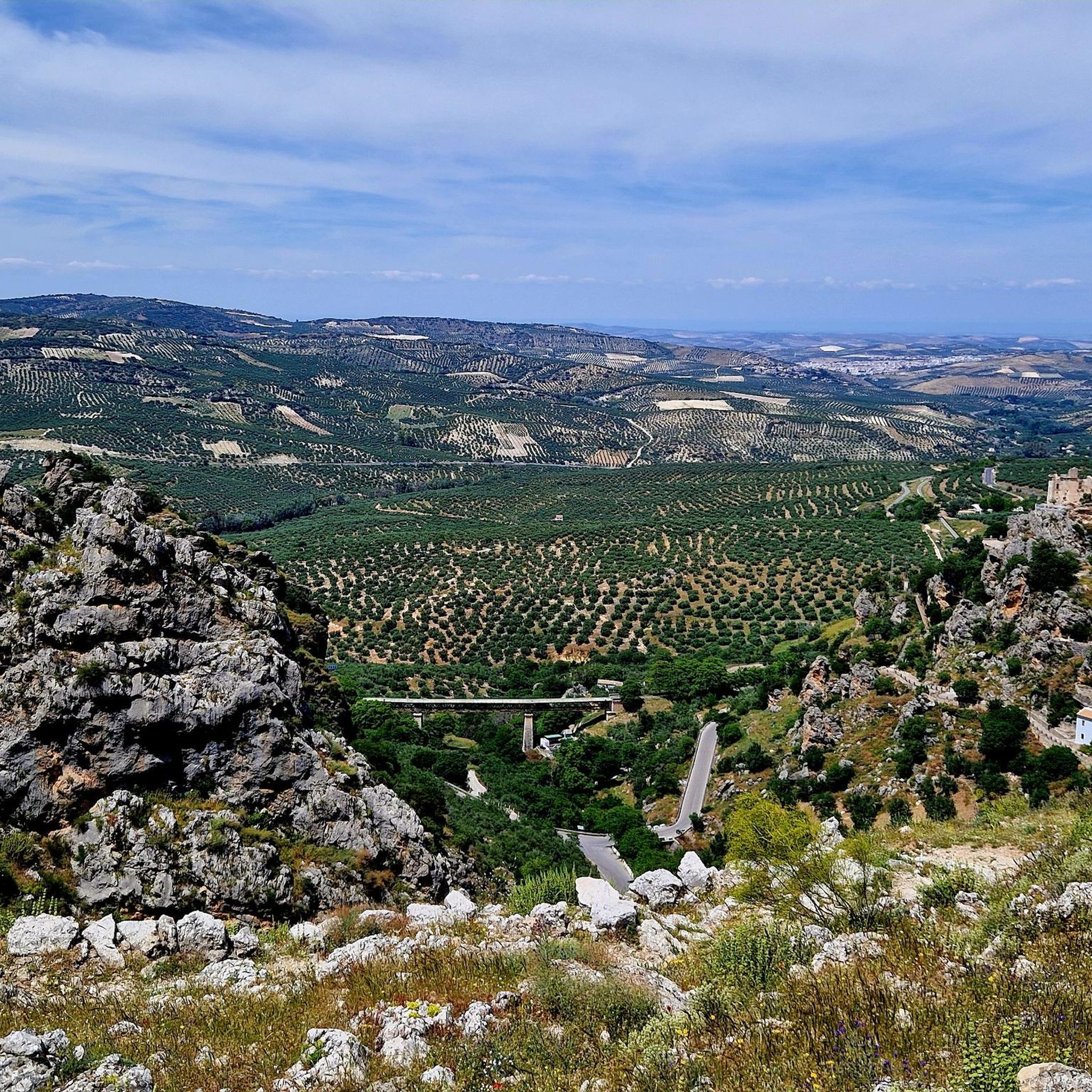
The Zuheros Viaduct crosses the embedded bed of the Bailón River. It has a length of 104 meters resolved into two lateral sections of 31.5 meters and a central section of 41.0 meters. Its structure is metallic and is very similar to that of the Guadajoz River Viaduct. It seems that both projects were drawn up by the same engineers, Alessandri and Delaperrière.
9
0
El Castillo de Zuheros stands spectacularly on a rock and offers impressive views of the Sierra Subbética. The castle is a major landmark in the region. The castle's origins date back to the Moors in the 9th century. It was strategically built on a limestone cliff to control and defend the region. Its location made it almost impregnable. It was part of a network of castles designed to secure Moorish influence in Andalusia. In 1240, Zuheros was conquered by the troops of Ferdinand III of Castile. The castle passed into Christian ownership and was integrated into the kingdom's defensive structure. With the end of its military importance in the region, after the conquest of Granada in 1492, the castle began to decline in importance. Parts of the complex were destroyed by earthquakes and neglect over the centuries. In 1964, the towers were reconstructed as they can be seen in their current form. The ruins of the castle are now one of the main attractions of Zuheros and can be visited.
9
0
El Castillo de Zuheros is a historic fortress in the small municipality of Zuheros. The castle sits spectacularly on a rock and has become a landmark in the region. The castle's origins date back to the Moors in the 9th century. It was strategically built on a limestone cliff to control and defend the region. Its location made it almost impregnable. The viaduct is a historic remnant of the old railway line and offers an elevated platform with unobstructed views of the surrounding landscapes. The section near Zuheros is particularly spectacular as the viaduct crosses a gorge through which the Bailón River flows. From here, Zuheros Castle rises majestically above the village, embedded in a rock. The castle seems to be one with the landscape as it is integrated directly into the limestone. The view of Zuheros Castle from the viaduct is a perfect example of the unique combination of nature and history that characterizes the Córdoba region. It is a moment that makes every bike ride along the Vía Verde unforgettable.
9
0
The Zuheros viaduct crosses the embedded bed of the Bailón River. It has a length of 104 metres. Its structure is made of metal and is very similar to that of the Guadajoz River viaduct. A few metres away is the old Zuheros stop, a small building, very sober and functional. This building, smaller than the station, allowed the entry and exit of goods and passengers. A cobblestone in front of the façade served as a platform. From here you have a good view of the castle.
10
0
The remains date from two different periods. The massive, crenellated square tower is of Moorish origin, while the remains of the Renaissance palace date from the 16th century. At the same time, the Plaza de la Paz offers a natural viewpoint (622m), with shooting views** over the hills with their carpet of olive groves and Baena in the background.
11
0
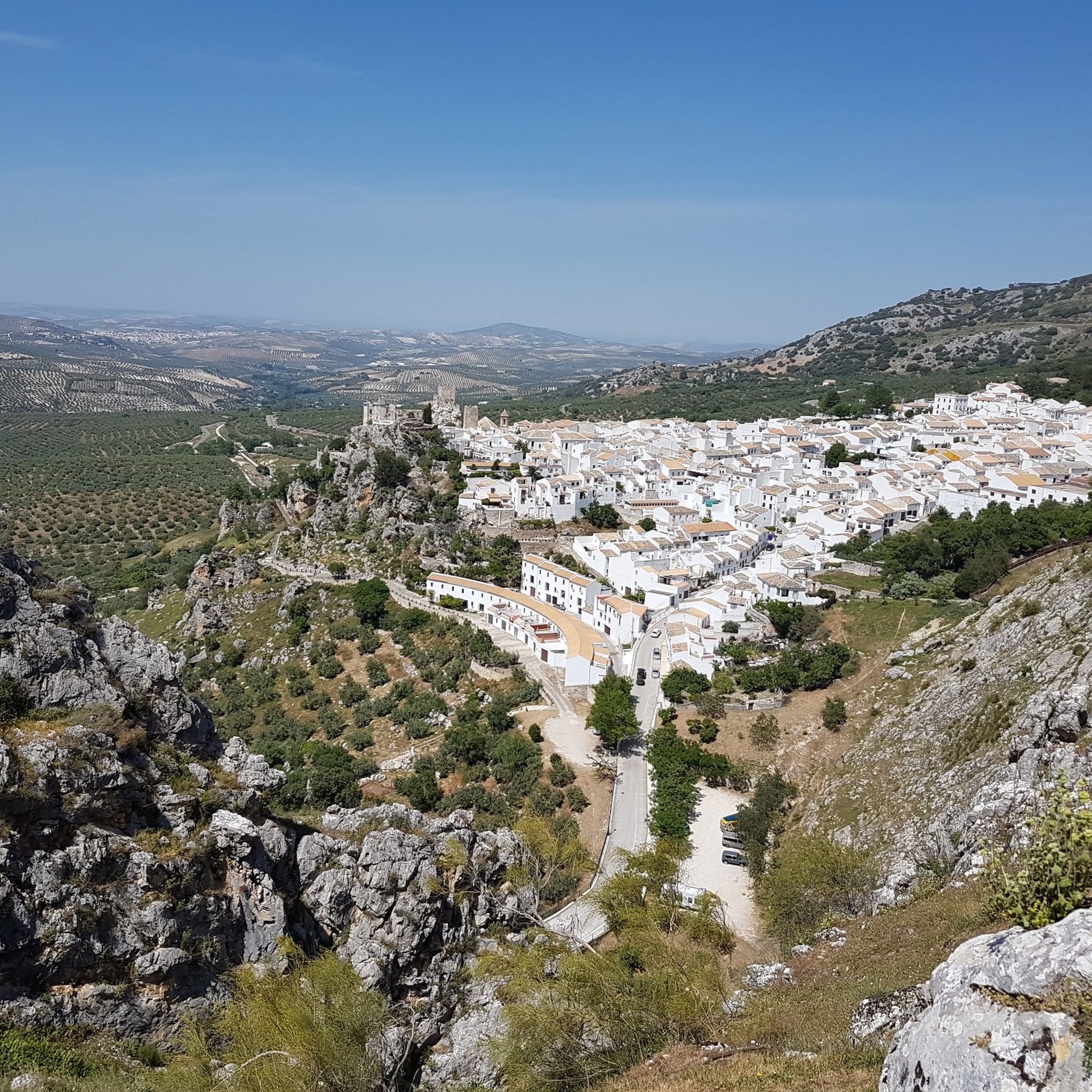
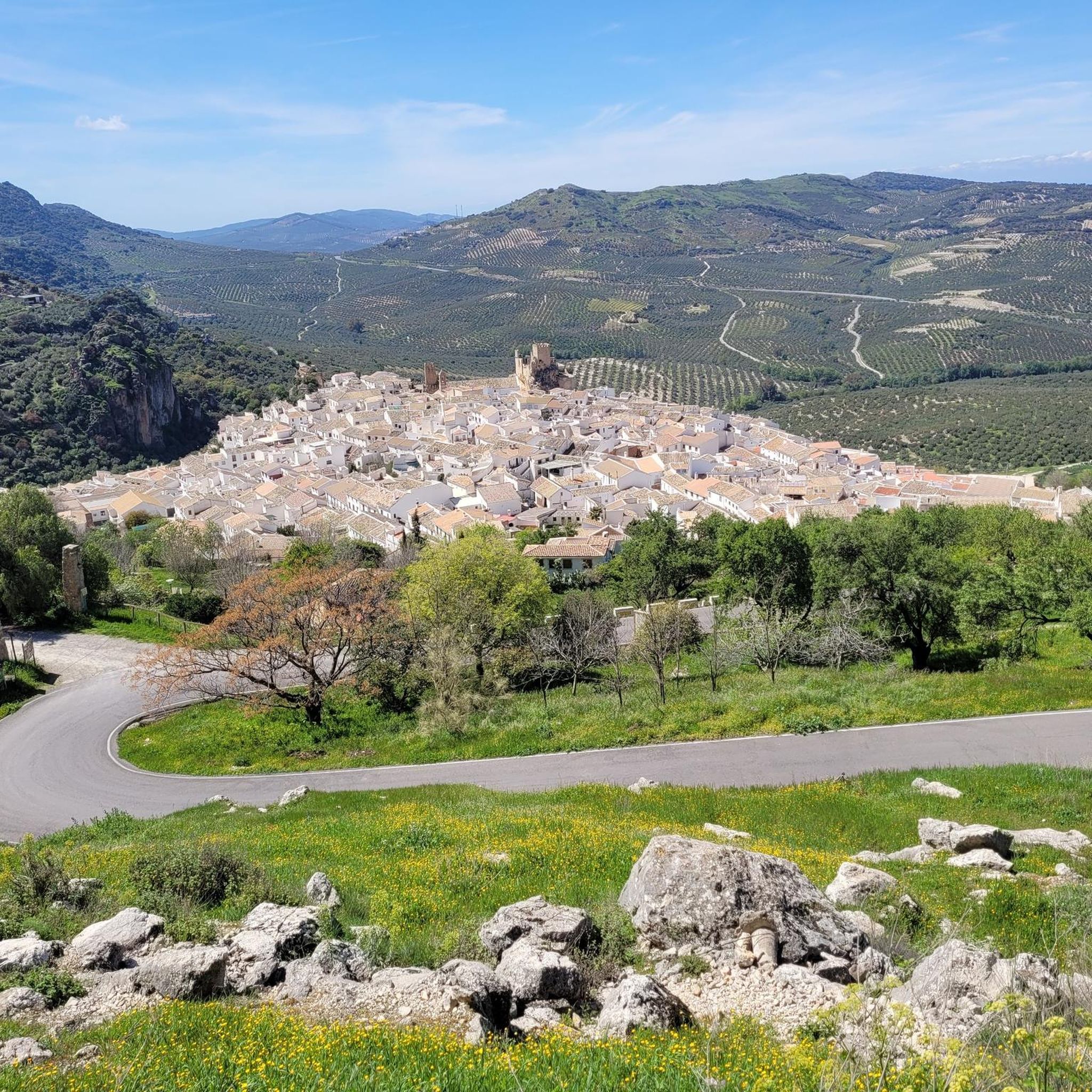
"Zuheros a beautiful place". Zuheros is an enchanting village in the province of Córdoba, Andalusia. Set against the dramatic backdrop of the Sierra Subbética, Zuheros offers breathtaking views and a rustic charm that is hard to match. The village is famous for its castle, Castillo de Zuheros, which sits dramatically on a clifftop overlooking the surrounding olive groves. The narrow streets lined with whitewashed houses, picturesque squares and historic buildings give Zuheros a timeless appeal.
8
0
Frequently Asked Questions
What is the historical significance of Zuheros Castle?
Zuheros Castle has a rich history, with origins dating back to the Moorish period in the 9th century. It served as a crucial fortification guarding routes between Córdoba and Granada. Over centuries, it evolved, incorporating a 16th-century Renaissance palace. Its strategic location on a cliff made it almost impregnable, showcasing a blend of Muslim and Christian architectural styles.
Are there good viewpoints to see Zuheros Castle?
Yes, one of the most impressive views of the castle is from the Views of Zuheros Castle from the viaduct. This historic metal viaduct crosses the Bailón River and offers a spectacular perspective of the castle rising majestically above the village, integrated into the limestone landscape. The Plaza de la Paz also provides excellent panoramic views.
What outdoor activities can I do near Zuheros Castle?
The area around Zuheros Castle is perfect for outdoor enthusiasts. You can find various running trails, including routes like 'Bat Cave and Bailon River Canyon - circular from Zuheros'. For cyclists, there are numerous cycling routes and road cycling routes, many utilizing the Vía Verde del Aceite, which passes through the region.
Is Zuheros Castle suitable for families?
Yes, visiting Zuheros Castle and Village is a family-friendly experience. The picturesque village with its whitewashed houses and narrow streets is charming to explore, and the castle itself offers an engaging historical journey. The viewpoint from the viaduct is also listed as family-friendly, providing easy access to stunning views.
What natural features can I see around Zuheros Castle?
The castle is nestled within the stunning Sierras Subbéticas Natural Park. From the castle and various viewpoints, you can enjoy breathtaking panoramic views over the Subbética region, vast olive groves, and rugged mountains. The nearby Cueva de los Murciélagos (Bat Cave) is another significant natural attraction, offering a chance to explore a unique cave system.
Are there other castles to visit in the Zuheros area?
While Zuheros Castle is the primary and most prominent fortress, the region has a rich history of strategic fortifications. Further afield, you can explore Carcabuey Castle, which also boasts a long history and strategic importance, with evidence of human habitation dating back to 1200 B.C.
What is the best time of year to visit Zuheros Castle?
The region experiences a Mediterranean climate. Spring (April-May) and Autumn (September-October) are generally ideal, offering pleasant temperatures for exploring the castle, village, and surrounding natural park. These seasons avoid the intense heat of summer and the cooler, sometimes wetter, winter months, making outdoor activities more enjoyable.
How long should I plan for a visit to Zuheros Castle and the village?
To fully appreciate Zuheros Castle and Village, including exploring the castle's interior, strolling through the charming streets, and enjoying the viewpoints, a half-day to a full day is recommended. This allows time to soak in the history, enjoy the views, and perhaps visit the local archaeological museum.
Where can I find cafes and restaurants near Zuheros Castle?
The village of Zuheros itself offers several cafes and restaurants. As a picturesque and popular destination, especially for those on the Vía Verde del Aceite, you'll find options to recharge and enjoy local Andalusian cuisine within easy walking distance of the castle.
Is it possible to spot wildlife near Zuheros Castle?
Given its location within the Sierras Subbéticas Natural Park, the area around Zuheros Castle offers opportunities for wildlife spotting. The natural park is home to various bird species, and if you explore the more remote trails, you might encounter local fauna characteristic of the Andalusian countryside.
What makes Zuheros a 'beautiful place' for visitors?
Visitors consistently describe Zuheros as a beautiful place due to its enchanting setting against the Sierra Subbética. Its dramatic castle, whitewashed houses, narrow flower-filled streets, and the breathtaking views over olive groves create a timeless and charming appeal. It perfectly combines history, nature, and Andalusian tradition.
Are there any easy walking routes around the castles near Zuheros?
While many routes in the Sierras Subbéticas can be challenging, there are easier walks available, particularly within the village itself and along sections of the Vía Verde del Aceite. These allow you to enjoy the scenery and views of the castle without strenuous effort. For specific easy routes, check the cycling guide, as some sections are suitable for walking.
Most popular routes around Zuheros
Most popular attractions around Zuheros

Get inspired with the komoot mobile app


Explore more
Looking for the best castles somewhere else? Discover other guides around Zuheros:
