Top 9 Castles around Santa Fe Del Penedès
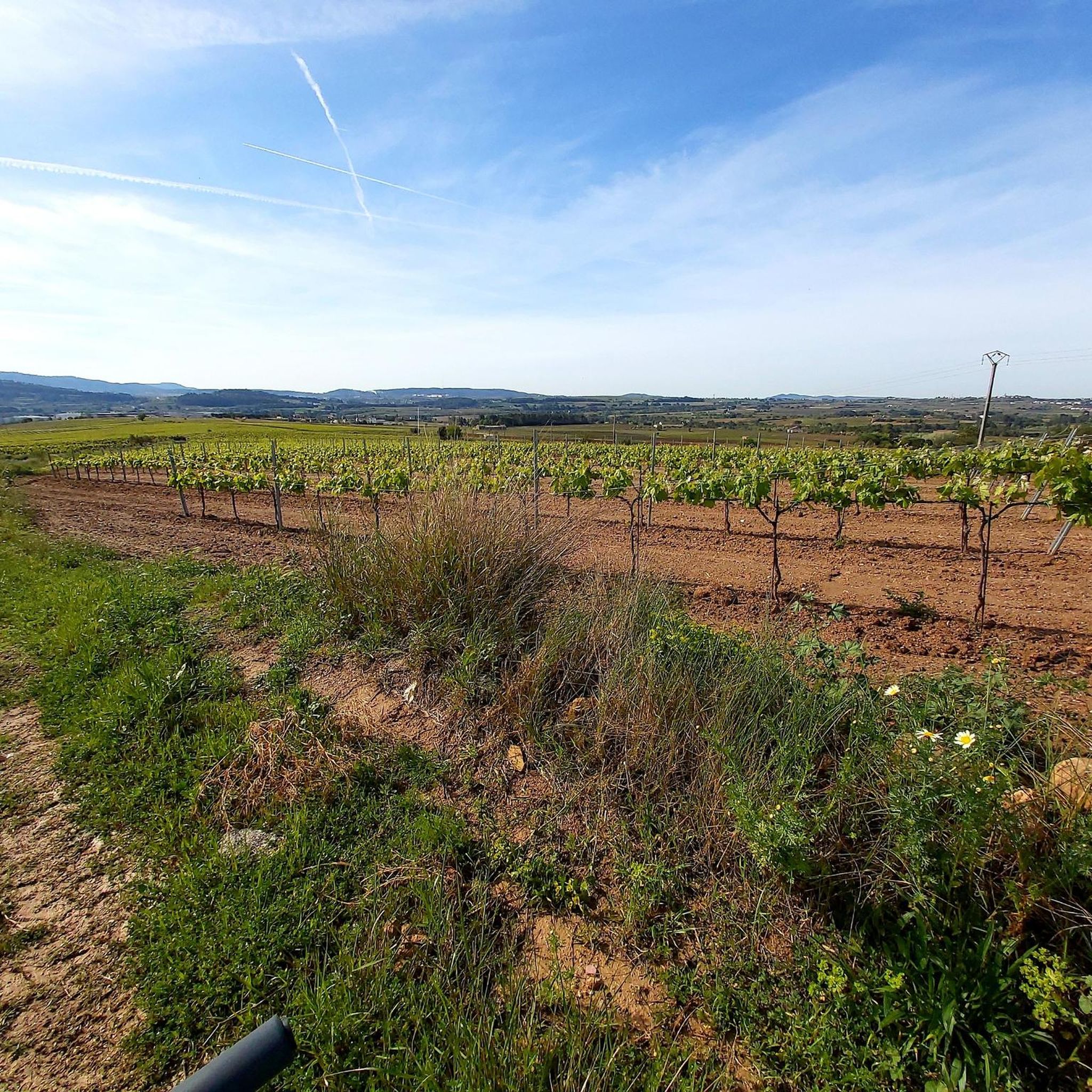
Castles around Santa Fe Del Penedès are found within the Alt Penedès region of Catalonia, Spain. This area is characterized by its historical fortresses and archaeological sites, set amidst a landscape of vineyards and rolling hills. The region offers a blend of historical exploration and natural surroundings. Visitors can explore various castles and monumental complexes that showcase the area's long history.
Best castles around Santa Fe Del Penedès
- The most popular castles is Olèrdola Monumental Complex, a historical site…
Last updated: October 7, 2026
Olèrdola Castle and Archaeological Site
Highlight • Castle
Translated by Google •
Tip by

Sant Martí Sarroca Castle and Church Complex
Highlight • Castle
Translated by Google •
Tip by

Sign up now to discover places like this
Get recommendations on the best single tracks, peaks, & plenty of other exciting outdoor places.
Castle of La Granada
Highlight • Castle
Translated by Google •
Tip by
Penyafort Castle
Highlight • Castle
Translated by Google •
Tip by
Olèrdola Monumental Complex
Highlight • Historical Site
Translated by Google •
Tip by
Sign up for free to discover even more castles around Santa Fe Del Penedès.
Already have an account?
Start today with a free account
Your next adventure awaits.

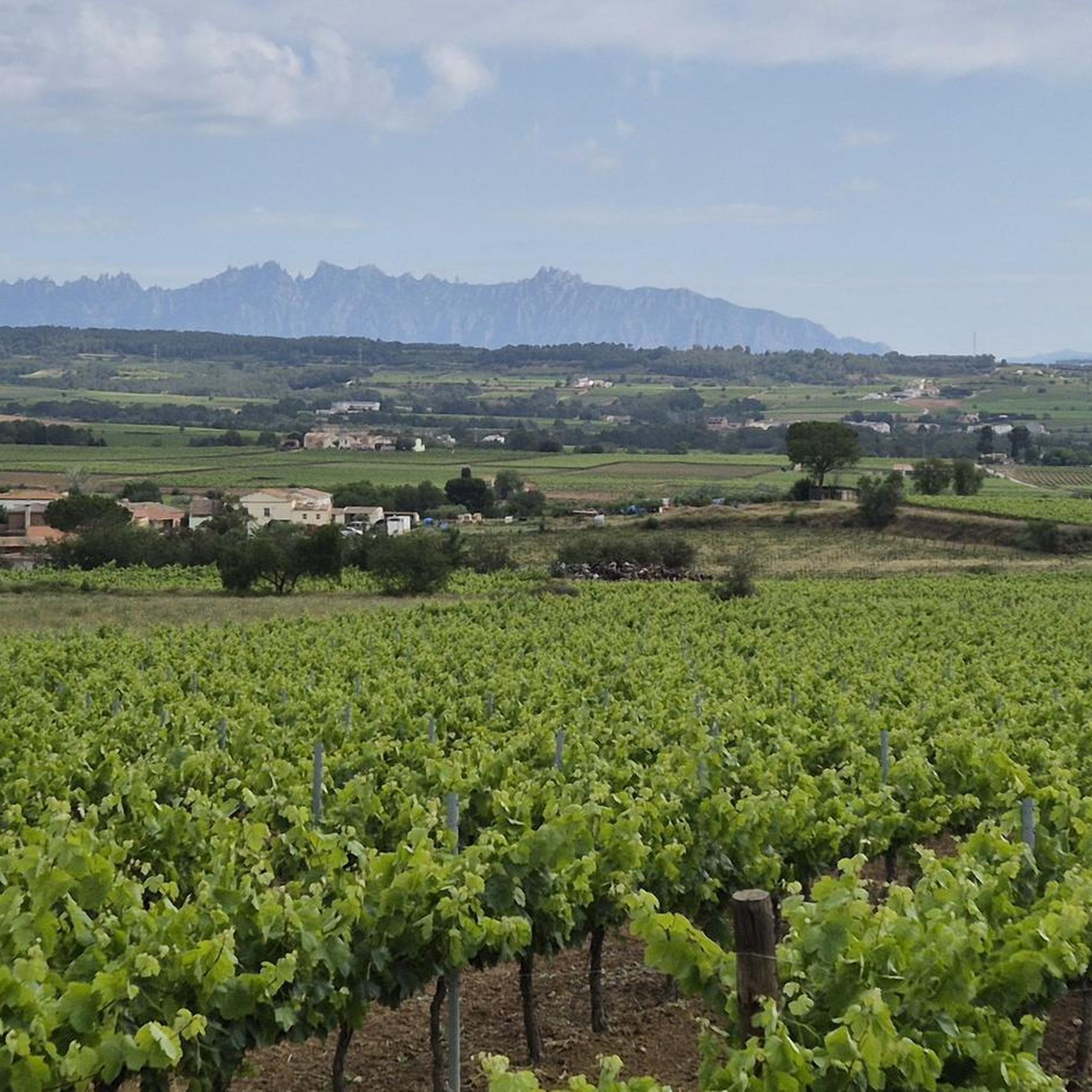
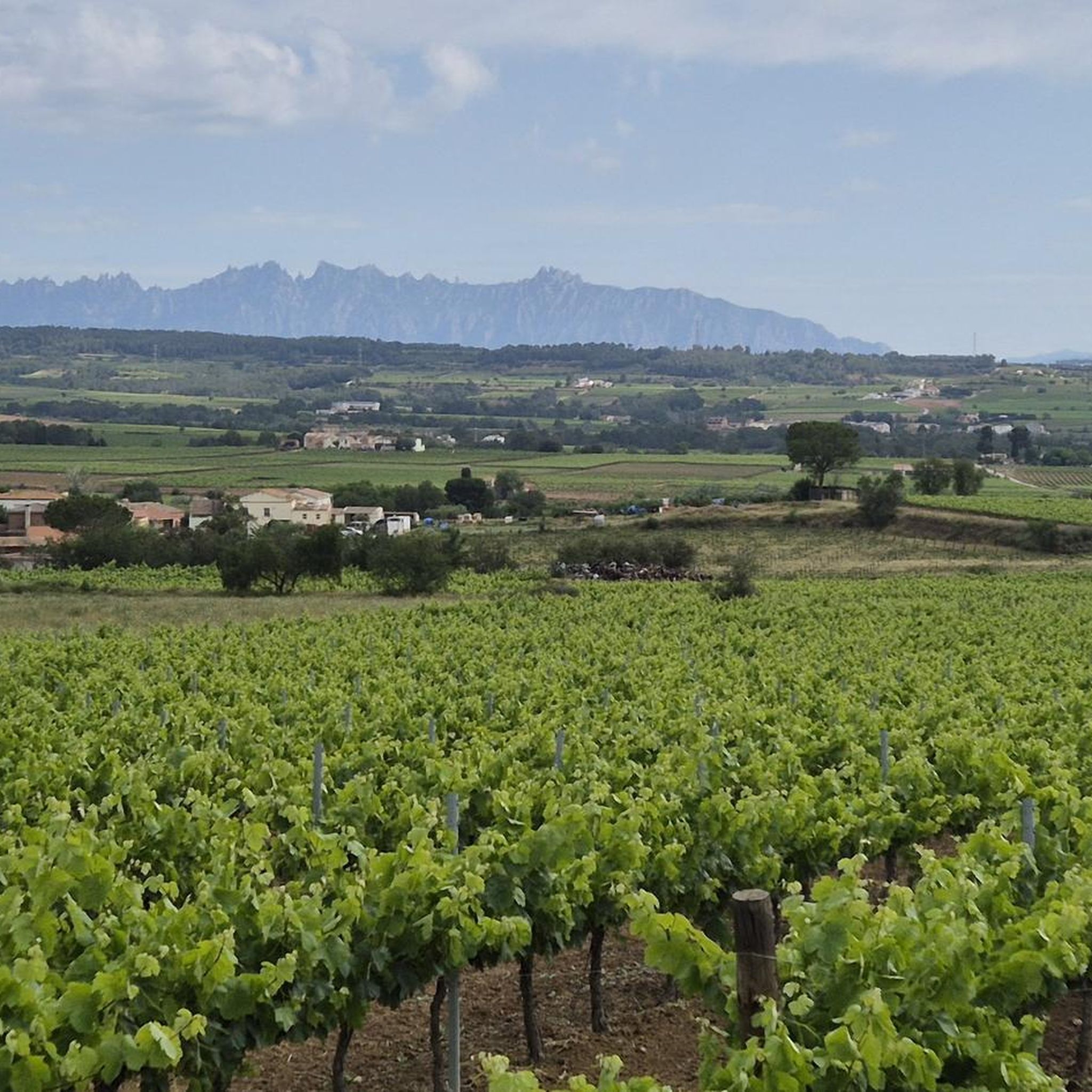
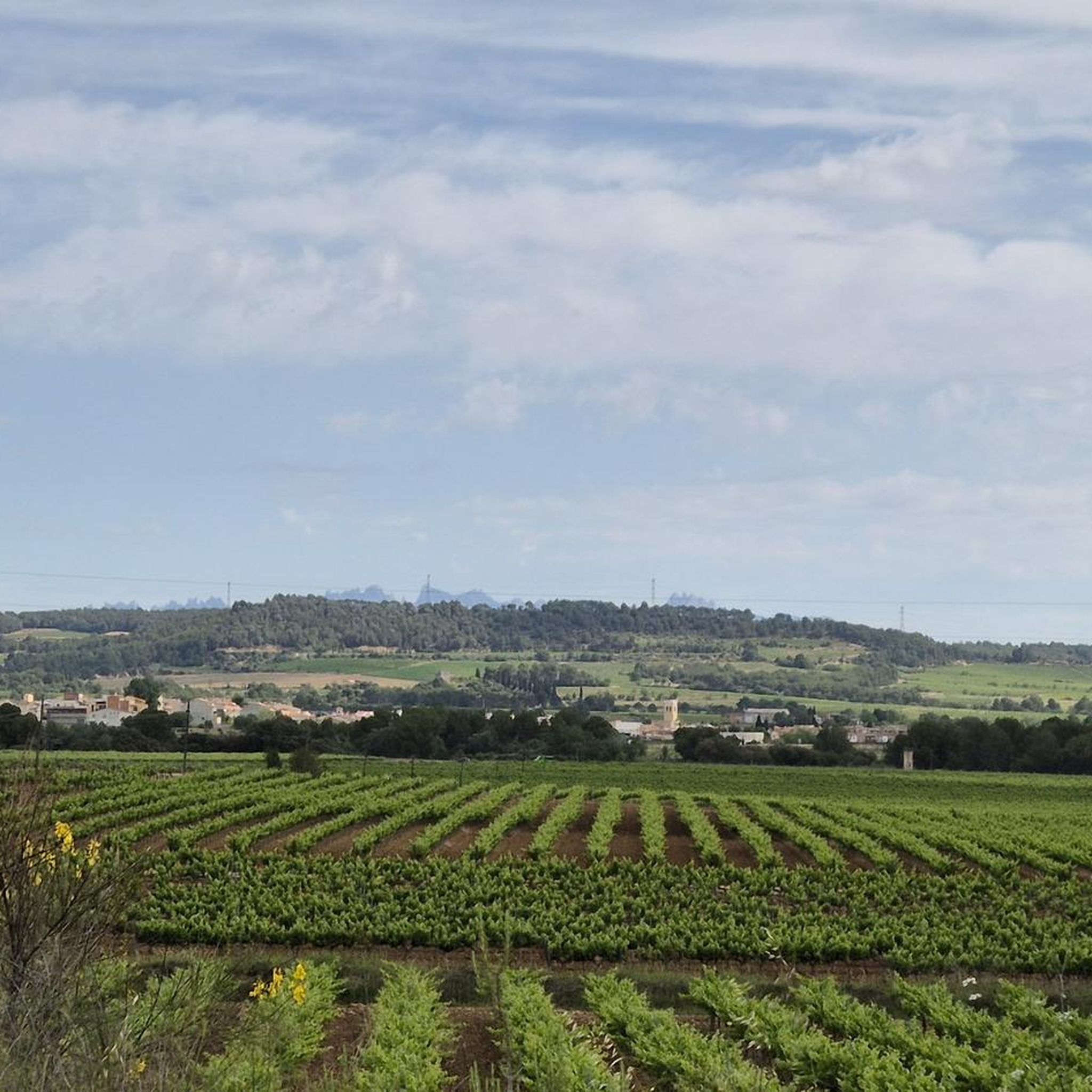
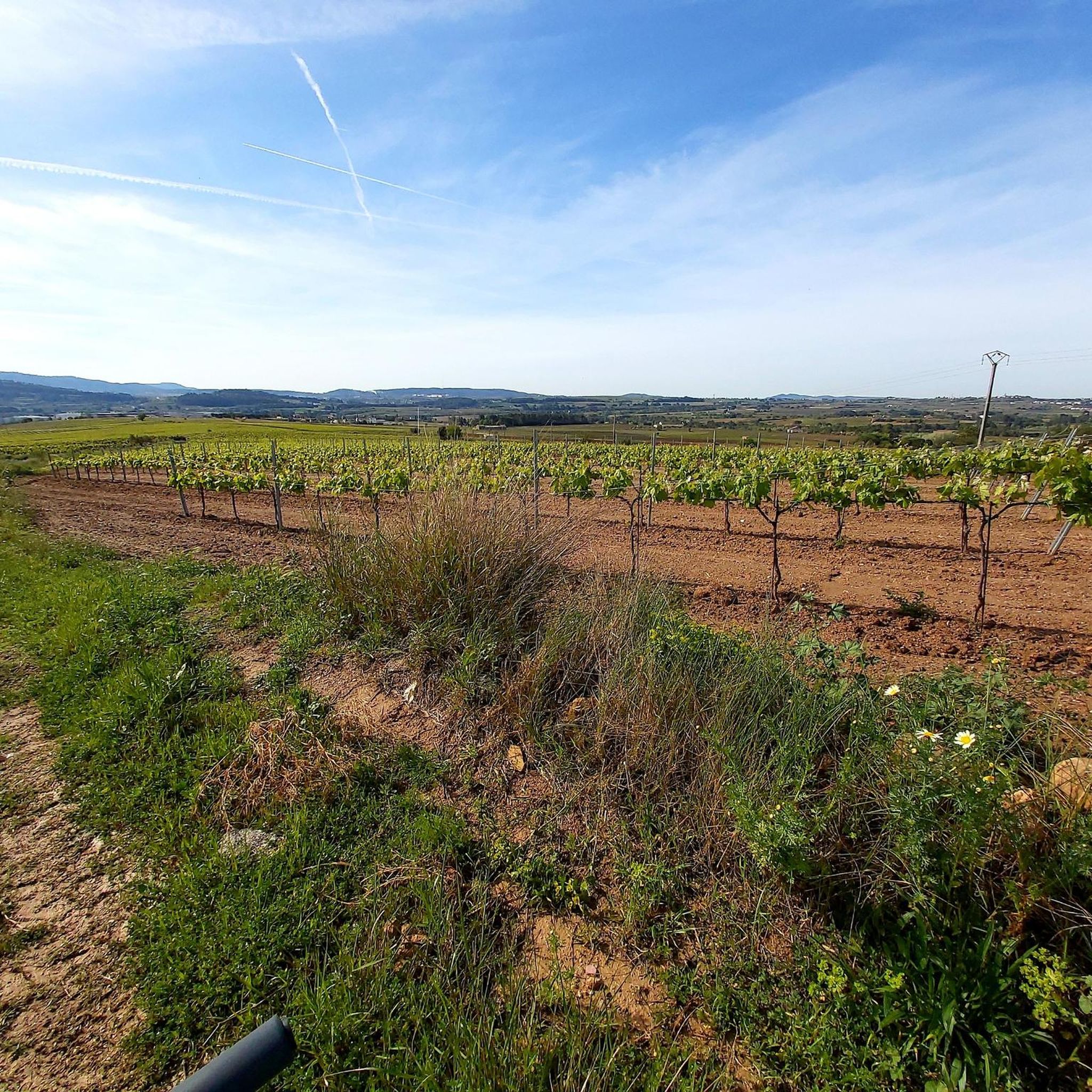
Tips from the Community

From the Canyellas road it is a two kilometer climb to the castle.
0
0

There is little more to add to what Peaknik explains so well. You have to look closely to see the ruins of the castle.
0
0

Castle close to La Ràpita and from the outside you can see the shape of the castle and its surroundings.
0
0
Castle at the top of Olèrdola Park. This is one of the 12 natural spaces that try to be protected and at the same time that people can pass through giving life to the area. The old castle is an example, and passing by and seeing its walls is always beautiful!
0
0

The history of the place tells of the settlement of several tribes during the Bronze Age (2000-1800 BC), the construction of a primitive wall during the Iron Age (8th-7th centuries BC) and the arrival of the Cossetans (5th-4th centuries BC), an Iberian tribe that built an entire town there, later replaced by a Roman military camp that controlled the Via Augusta. At the time of the Christian conquest (929), Count Sunyer I built the first castle on the ruins of a Roman watchtower, as well as the church of Sant Miquel. The Muslim incursions of the 10th century seriously damaged the place, which had to be rebuilt during the following two centuries, after it belonged to Mir Geribert, self-proclaimed prince of Olèrdola. The visit to the complex is worth taking it easy and dedicating at least an hour to it. Before you go, you should consult their website: http://www.macolerdola.cat/Visita-ns/Informacio-per-a-la-visita
1
0
It consists of a whole series of vestiges and constructions that allow you to follow the history of Penedes from the Bronze Age to the High Middle Ages. The spectacular Sant Miquel church and the Pla dels Albats necropolis (both from the Middle Ages) stand out. Within the protected natural environment of the Regional Park of Olèrdola, and with a privileged view over the surroundings of Vilafranca and Garraf, there is a whole series of vestiges and constructions that allow you to follow the history of Penedes since the Bronze Age (about 4,000 years ago) until the High Middle Ages. It is located in an installation of the Museum of Archeology of Catalonia (MAC), which includes an interpretation center, and the visit to the complex is organized in an itinerary that starts at the interpretation center and links the various points of interest The vestiges of the Roman era are some of the most interesting, such as the wall (2nd-1st centuries BC), which defended the only point on the mountain that is not surrounded by cliffs and consists of a single central gate and four towers, and the cistern (also from the 2nd-1st centuries BC), dug into the rock and used to store rainwater, unique in the country for its capacity of 350,000 litres. From the Middle Ages, the spectacular church of Sant Miquel stands out, perched on top of the hill of the same name and destroyed and rebuilt several times since the beginning of the 10th century. It consists of two parts, one pre-Romanesque (built in 929) , which still preserves the apse and stands out for its horseshoe arch, and another from later (10th-12th centuries), which was in use until 1885. It is also necessary to mention the necropolis of Pla dels Albats (10th- XI), with a hundred anthropomorphic tombs excavated in the rock next to the ruins of the chapel of Santa Maria, the various structures of Iberian and medieval streets, houses and silos, the castle, also medieval, and the Roman watchtower.
1
0

The Olèrdola Monumental Complex is located on a rocky platform 358 m high, on the western slopes of the Garraf massif, within the Olèrdola Park, overlooking the Penedès plain. The first known fortification is from the Iberian period (9th-8th century BC). This defensive wall is parallel to the well-known Roman-Republican wall and preserves an internal transverse wall, the upper part of which was used in the Iberian period. During the 4th century and until the end of the 2nd century BC, an occupation by an Iberian town is documented. In this Iberian phase, the Late Bronze wall is reused and there is an adaptation of houses and a street, structured with respect to the defensive wall of the wall and which would be included in the later tower of the Roman-Republican era. At the end of the second century BC, the Romans built another wall in front of the previous one, a watchtower and probably a large cistern carved into the rock with a capacity of more than 350 m3. The cistern measures 16.40 m long x 6.50 m wide x 3.5-4 m deep. This cistern is considered to be from the Iberian or Roman-Republican period and was reused in the medieval period. 2 quarries were also located from this period (end of the 2nd century - beginning of the 1st century BC), one inside the walled enclosure and the other in front of the wall. Towards the middle of the 1st century BC, Olèrdola was abandoned but there was a medieval occupation from the 9th century. It seems that a field of silos cut into the sediment belong to an early period of medieval occupation. Within the medieval fortified enclosure, the space was structured in three areas. At the top was the military area, with the castle at the top and, further down, the sacred area, with the church and the necropolis. The lower part of the mountain was occupied by houses. In 1963 the Diputació de Barcelona acquired the property. In November 1971, after some renovations to the church and the construction of a new building on the site occupied by an old farmhouse-rectorship, the monumental complex of Olèrdola was opened to the public. Since 1995 the historical complex of Olèrdola has been one of the headquarters of the Museum of Archeology of Catalonia. Olèrdola was declared a Cultural Property of National Interest in 1931 and a Property of Cultural Interest (BIC).
0
0

Turó de la Roca has historically been a prominent point in the municipality of Sant Martí Sarroca. Although the first references are from the 10th century, when it served as a surveillance and protection point, there are indications of previous Iberian and Roman settlements. The monumental complex is made up of the Romanesque church of Santa María, restored in 1906, and the castle of Sant Martí, built in the 11th century.
0
0
Frequently Asked Questions
What are the most popular castles around Santa Fe Del Penedès?
The region offers several highly-regarded historical sites. The Olèrdola Castle and Archaeological Site is a strategic enclave with vestiges from the Early Bronze Age to the medieval period. Another popular choice is the Sant Martí Sarroca Castle and Church Complex, known for its stunning views and rich history. The Olèrdola Monumental Complex, which includes the castle, Roman walls, and a 10th-century church, is also a favorite among visitors.
What historical periods do the castles in the Penedès region cover?
The castles and archaeological sites in the Penedès region offer a journey through various historical periods, from the Bronze Age (around 4,000 years ago) through Iberian and Roman settlements, up to the High Middle Ages. Sites like the Olèrdola Castle and Archaeological Site showcase continuous settlement and fortifications from these diverse eras.
Are there family-friendly castles to visit near Santa Fe Del Penedès?
Yes, several castles offer engaging experiences for families. The Olèrdola Castle and Archaeological Site, for instance, provides guided and dramatized visits that allow exploration of anthropomorphic tombs and the medieval city, which can be a captivating historical experience for all ages. Many sites also have museums with archaeological and ethnological collections.
What kind of natural features can I expect to see near these castles?
The castles are often set amidst beautiful natural landscapes. For example, Castellet Castle offers breathtaking views of the Foix River meander and the surrounding area, located majestically above the Foix Reservoir. The Sant Martí Sarroca Castle and Church Complex stands atop a cliff, providing spectacular panoramic views of the Penedès region, which is characterized by extensive vineyards and rolling hills.
What outdoor activities can I do near the castles?
The region around the castles offers various outdoor activities. The Foix Natural Park, near Castellet Castle, provides excellent hiking opportunities. You can also find numerous hiking and gravel biking routes throughout the Penedès region. For example, you can explore routes like the 'Castle of La Granada loop' or 'Gravel through Penedès, the capital of cava'. Find more details on these activities in the Hiking around Santa Fe Del Penedès and Gravel biking around Santa Fe Del Penedès guides.
Are there any castles with unique architectural styles?
Yes, Castell de Penyafort is a notable example, featuring an architectural complex with medieval, Baroque, and Neoclassical elements. It originated as a 12th-century defense tower and was later expanded to include a Dominican convent and church. The Sant Martí Sarroca Castle and Church Complex is also a significant example of Catalan Gothic style, with its 12th-century Romanesque church noted for rich sculptural decoration.
What is the best time of year to visit the castles in the Penedès region?
While specific opening hours vary by site, the Penedès region generally enjoys a Mediterranean climate. Spring and autumn offer pleasant temperatures for exploring the outdoor sites and enjoying the scenic views without the intense heat of summer. These seasons are also ideal for combining castle visits with wine tours in the surrounding vineyards.
Can I find museums or archaeological exhibits at these castle sites?
Many castle sites incorporate museums or archaeological exhibits. The Olèrdola Castle and Archaeological Site hosts the Museum of Archaeology of Catalonia-Olèrdola. Similarly, the Sant Martí Sarroca Castle and Church Complex houses a municipal museum with archaeological and ethnological collections, including an Iberian funerary monument and a Roman head.
Are there any castles that offer guided tours?
Yes, guided tours are available at several locations to enhance your visit. Castellet Castle offers guided tours that often include exhibitions and archaeological samples. Castell de Penyafort also provides guided tours that delve into its rich history and various architectural styles, sometimes even offering evening tours of its gardens.
What do visitors enjoy most about the castles around Santa Fe Del Penedès?
Visitors frequently highlight the breathtaking panoramic views from the castle sites, such as those from Castellet Castle overlooking the Foix Reservoir or from the cliff-top Sant Martí Sarroca Castle and Church Complex. The rich historical significance, well-preserved architecture, and the opportunity to explore ancient ruins and archaeological findings are also highly appreciated.
Are there any castles with connections to important historical figures?
Castell de Penyafort is traditionally held to be the birthplace of Sant Raimon of Penyafort (1185–1275), a prominent Dominican monk and canon lawyer. This connection adds a unique layer of historical and religious significance to the site.
Can I combine a castle visit with a wine tour in the Penedès region?
Absolutely. The Penedès region is renowned for its vineyards and wineries. The area around the Sant Martí Sarroca Castle and Church Complex, for example, is particularly known for its wine production, offering excellent opportunities to combine historical exploration with wine tasting experiences.
Most popular routes around Santa Fe Del Penedès
Most popular attractions around Santa Fe Del Penedès

Get inspired with the komoot mobile app


Explore more
Looking for the best castles somewhere else? Discover other guides around Santa Fe Del Penedès:
