The 5 Most Amazing Peaks around Quesa
Best mountain peaks around Quesa are found within a rugged, mountainous landscape, primarily part of the Caroig Massif. This region, located in Valencia, Spain, features significant natural beauty and opportunities for outdoor activities. The area is characterized by solitary mountains, wild rivers, and diverse ecosystems, offering a tranquil escape. It is known for its extensive hiking trails and unique geological formations.
Best mountain peaks around Quesa
- The most popular mountain peaks is Alt del Pollet (560 m), a summit…
Last updated: June 20, 2026
Pico de Caroche
Highlight • Summit
Translated by Google •
Tip by

The Palm Grove
Highlight • Summit
Translated by Google •
Tip by
Sign up now to discover places like this
Get recommendations on the best single tracks, peaks, & plenty of other exciting outdoor places.
Sign up for free
Alt del Pollet (560 m)
Highlight (Segment) • Summit
Translated by Google •
Tip by

Rincón del Camaro
Highlight • Monument
Translated by Google •
Tip by
Tres Mollons Viewpoint
Highlight • Viewpoint
It receives the name of the "Three Mollons" for being the place where it crosses and delimits Antella with Alzira and Tous.
There are very good views of the area.
Translated by Google •
Tip by

Sign up for free to discover even more peaks around Quesa.
Sign up for free
Already have an account?
Start today with a free account
Your next adventure awaits.
Login or Signup
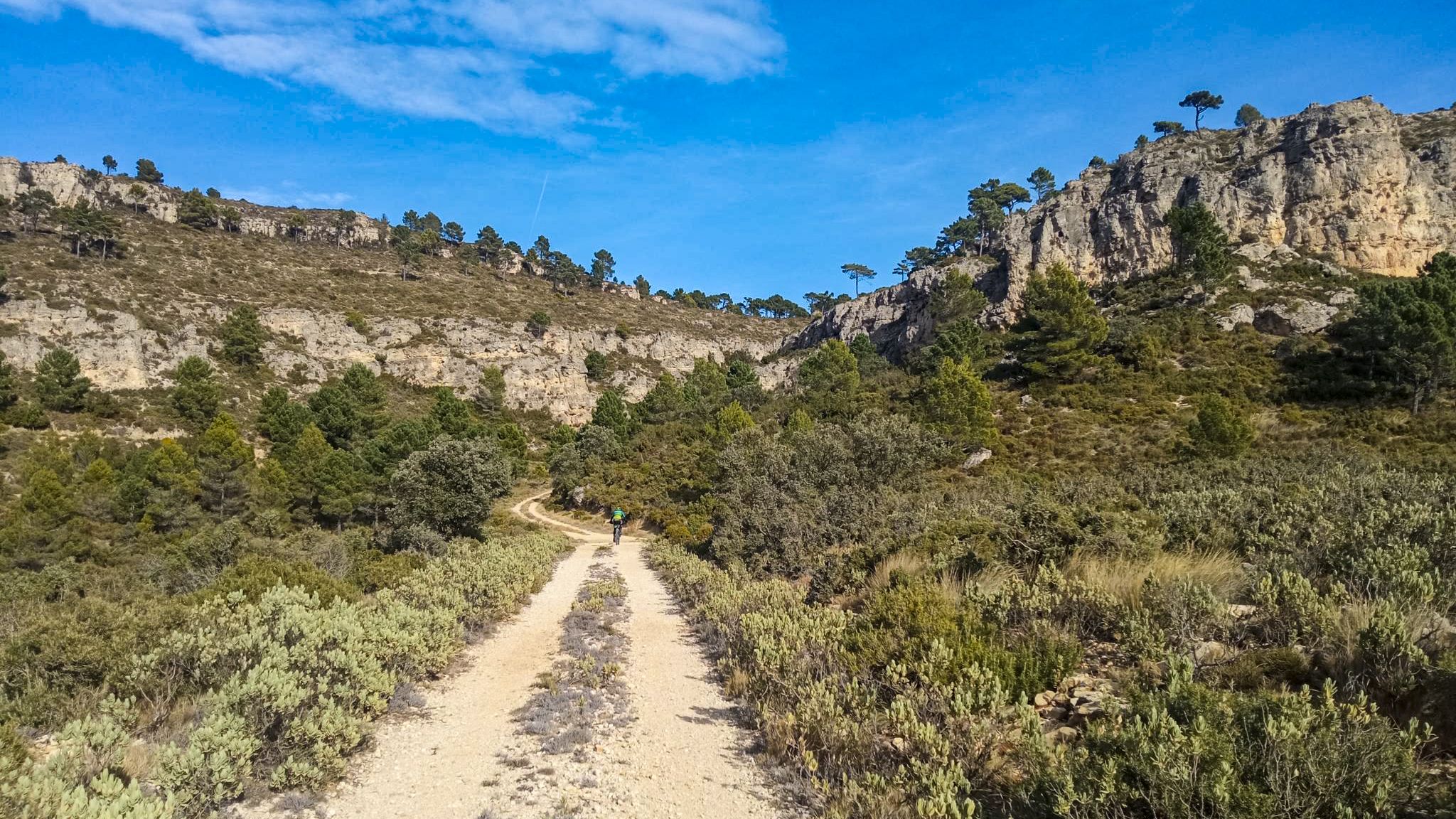
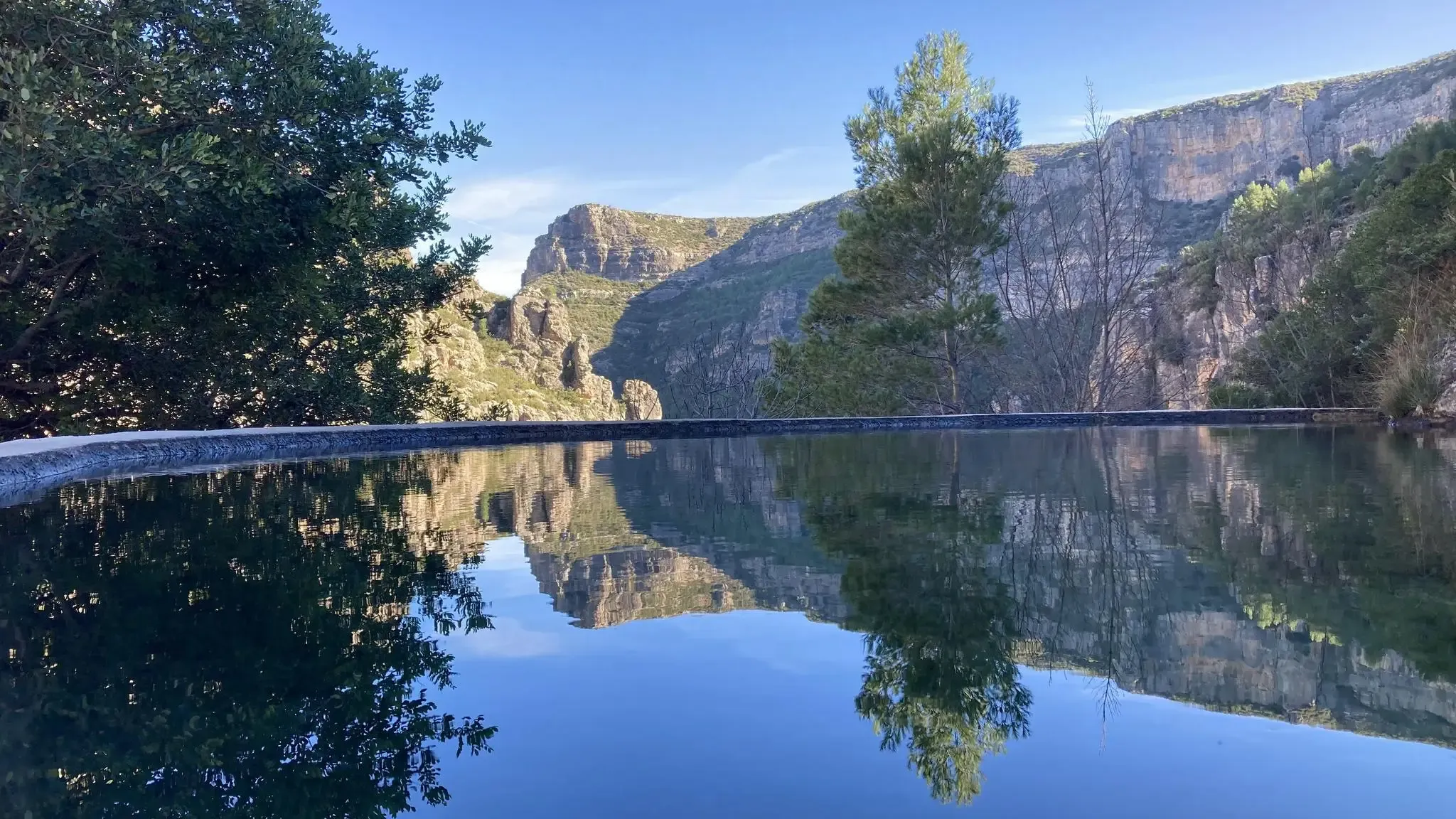
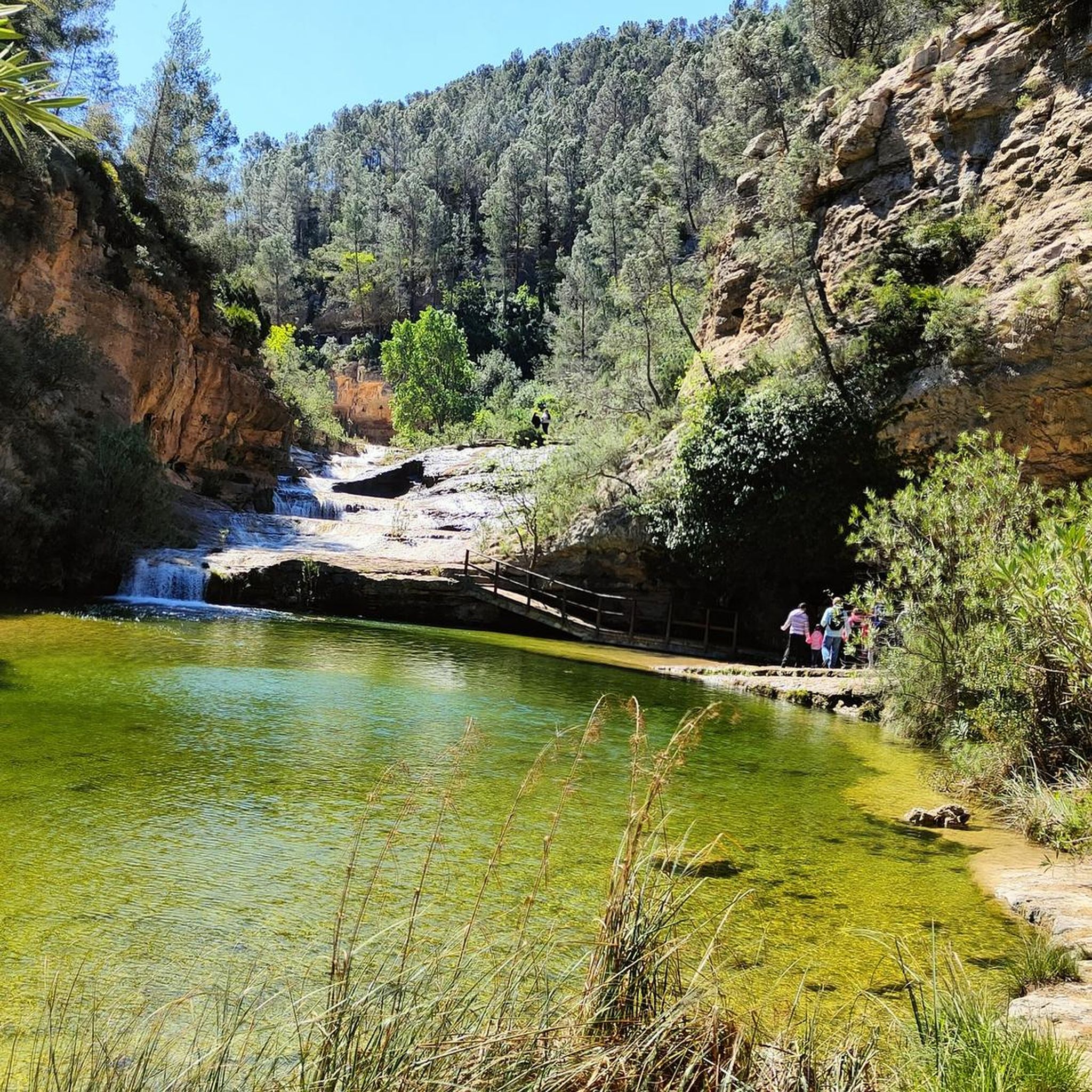


Tips from the Community

Wow how beautiful! And the trip itself is what it's all about. What a beautiful rugged area.
2
0

The climb from the north is tough, with very steep slopes. The climb is more accessible from the south, after the port of Tous.
1
0

Caroche or Caroig peak is a 1,126 meter mountain, located in Teresa de Cofrentes. It is located in the massif that receives the same name (Macizo del Caroig), located between the regions of "El valle de Ayora-Cofrentes" and the "Canal de Navarrès" and belonging to the municipality of "Teresa de Cofrentes", bordering the municipal area of Bicorp. It has a height of 1,126 meters above sea level. At its highest point there is a fire surveillance post, from which you can see a large part of the regions of Valencia, seeing the sea and the city of Cullera on the clearest days. On the slopes of this massif small streams grow such as “El Río Fraile” or the famous, among the locals of Teresa, “La Argongeña”. It is sometimes mispronounced "La Longeña". The entire geography is dotted with ravines, caves and very deep crevices, such as those found in the Las Quebradas area...
0
0
It is the highest point in Antella, at 303 meters. It receives the name of the "Three Mollons" for being the place where it crosses and delimits Antella with Alzira and Tous. There are very good views of the area.
1
0

At this point, there is a forestry hut and a geodetic point that marks the maximum height of this mountain. It is worth making a small detour and taking in the fantastic panoramic views.
0
0
The Caroche peak is located 1125 meters above sea level. I invite you to stop along the way and contemplate the privileged views that you get from this point. Here you can find the forestry hut and some information panels about the surrounding mountains.
0
0

Viewpoint of the forest hut of El Palmeral at 327m asl with very nice views of the Ribera. It is reached by forest road in good condition for both mtb and gravel.
4
1
With its peak at 1,126 meters above sea level, the El Caroche massif offers incredible views in all directions. The stretch of ascent from the pass to the top has steep slopes with a good surface. You can reach the pass by different routes. The views reward all the physical effort of reaching the top.
2
0
Frequently Asked Questions
What are the most prominent mountain peaks and areas to explore around Quesa?
The region around Quesa, part of the Caroig Massif, offers several notable points. Pico de Caroche is the highest point of the Caroig Massif, providing expansive panoramic views. Other popular spots include Alt del Pollet (560 m), known for its varying ascent difficulties, and The Palm Grove, which offers excellent views of the Ribera region. The mountainous surroundings of Charcos de Quesa are also a significant natural attraction.
What kind of views can I expect from the mountain peaks near Quesa?
From the fire lookout at the summit of Pico de Caroche, you can enjoy expansive panoramic views across a large portion of the Valencia region, with the Mediterranean Sea and the city of Cullera visible on clear days. The Palm Grove also provides very nice views of the Ribera. For a different perspective, Tres Mollons Viewpoint offers great views of the area, marking the highest point in Antella.
Are there challenging mountain climbs or more accessible routes around Quesa?
Yes, the region caters to various fitness levels. The climb to Pico de Caroche is considered accessible, making it a rewarding experience for many hikers. For Alt del Pollet (560 m), the ascent from the north is tough with steep slopes, while the south provides a more accessible route after the port of Tous. The Caroig Massif also features the GR 237, a long-distance trail suitable for those with good fitness and mountain experience.
What natural features, besides peaks, can I discover in the Quesa mountains?
The mountainous area around Quesa is rich in natural beauty. The Charcos de Quesa are famous for their series of four natural pools and waterfalls, including Charco de la Horteta and the impressive Charco del Chorro. The region is characterized by rugged cliffs, Mediterranean forests, and wild rivers carving through deep valleys, showcasing unique limestone geology. It's also part of the Natura 2000 network, designated as a Special Protection Area for Birds (ZEPA) and a Site of Community Importance (LIC).
What is the best time of year to visit the mountain peaks around Quesa for hiking?
Spring and autumn are particularly recommended seasons for hiking in the Caroig Massif and around Quesa. During these times, temperatures are more pleasant, and the natural colors are vibrant, making for an ideal outdoor experience. The Charcos de Quesa are also popular for swimming during warmer months.
Are there any historical or cultural sites near the mountain peaks of Quesa?
Yes, the area offers cultural significance. Near the Charcos de Quesa, you can find the Abrigo del Voro, a UNESCO World Heritage site featuring prehistoric cave paintings. This site can be reached via a detour from the hiking trails. Additionally, Rincón del Camaro, while a summit, also features a site that pays homage to fire brigade members who lost their lives in 1994.
What outdoor activities are available near the mountain peaks around Quesa?
Beyond peak bagging, the region offers extensive outdoor activities. Hiking is very popular, with trails like the 12-kilometer circular route around the Charcos de Quesa. For the adventurous, there's a challenging via ferrata known as 'Los Fresnos' (K4 difficulty) on the vertical limestone walls. You can also find numerous cycling and road cycling routes, such as the 'Quesa – Bicorp Viewpoint loop' or 'Puerto La Muela de Millares – Fuente de Las Donas loop'. For more hiking options, explore the Hiking around Quesa guide.
Are there family-friendly hiking options in the mountains near Quesa?
While some routes can be challenging, the accessibility of the climb to Pico de Caroche suggests it could be suitable for families with some hiking experience. The Charcos de Quesa area also offers scenic walks, and the natural pools are a great attraction for families, especially in warmer weather. Always check specific trail details for suitability with children.
What do visitors particularly enjoy about the mountain peaks and natural areas around Quesa?
Visitors frequently praise the incredible views from summits like Pico de Caroche, noting the reward for the physical effort. The rugged and beautiful nature of the Caroig Massif is often highlighted as a 'hidden gem' offering a tranquil escape. The unique geological formations, wild rivers, and diverse ecosystems, combined with opportunities for solitude and reconnection with nature, are also highly appreciated.
Can I find long-distance hiking trails in the Caroig Massif?
Yes, the Caroig Massif is home to the GR 237, a long-distance trail that loops through the region. This extensive trail covers approximately 319 km and involves significant elevation changes, offering an immersive and challenging hiking experience for those with good fitness and mountain experience. It allows adventurers to explore a wild and remote part of Valencia.
What kind of wildlife can be observed in the mountainous areas of Quesa?
The Caroig Massif and the areas around Charcos de Quesa are part of the Natura 2000 network, designated as a Special Protection Area for Birds (ZEPA) and a Site of Community Importance (LIC). This rich biodiversity means you might encounter species like mountain goats and golden eagles, among other flora and fauna preserved in this largely untouched natural environment.
Most popular attractions around Quesa

Get inspired with the komoot mobile app


