Top 6 Caves around Cabacés
Caves around Cabacés offer insights into human adaptation to the natural environment within the Priorat region of Tarragona, Spain. The area is characterized by rock shelters and structures built into natural rock formations, rather than extensive cave systems. These sites provide a blend of natural landscape, historical architecture, and evidence of past human dwelling. Visitors can explore unique geological features and historical locations nestled within the Montsant area.
Best caves around Cabacés
- The most popular caves is Clot del Cirer…
Last updated: October 7, 2026
Ermita de Santa Magdalena d'Ulldemolins
Highlight • Religious Site
Translated by Google •
Tip by

Clot del Cirer
Highlight • Natural Monument
Translated by Google •
Tip by
Sign up now to discover places like this
Get recommendations on the best single tracks, peaks, & plenty of other exciting outdoor places.
Cova Santa
Highlight • Cave
Translated by Google •
Tip by

Santa Llúcia Hospital Cave
Highlight • Cave
During the Civil War, the space became the hospital for the military units made up of republican volunteers who fought in the Battle of the Ebro.
Translated by Google •
Tip by

Cova de l'Os
Highlight • Cave
Translated by Google •
Tip by
Sign up for free to discover even more caves around Cabacés.
Already have an account?
Start today with a free account
Your next adventure awaits.
Tips from the Community

Deep cave with wide chambers. Strong flashlight recommended.
0
0

Nice corner that invites you to silence and meditation
0
0

The hermitage of Santa Magdalena d'Ulldemolins is also known as the Montsant cathedral for its Renaissance style. Although it was built in the 16th century, it was not until the 18th century when it was opened to worship and was equipped with an altarpiece that was destroyed in 1936.
0
0

It is worth visiting to remember the tragedy of the Spanish civil war
0
0

Near the town of La Bisbal de Falset is the cave of Santa Llúcia. During the Civil War, the space became the hospital for the military units made up of republican volunteers who fought in the Battle of the Ebro.
3
0

The hospital cave of Santa Llúcia, near the town of La Bisbal de Falset (Priorat), is a wide and shallow cave, used by man since ancient times, which took on a very important role during the Spanish Civil War by becoming a hospital for the International Brigades that fought, in the summer of 1938, in the Battle of the Ebro. https://ca.wikipedia.org/wiki/Cova_hospital_de_Santa_Ll%C3%BAcia
0
1

Balma wide but not very suitable for bivouac due to the humidity and the large amount of vegetation that is found. In case of emergency it can be used as a shelter. It has the remains of a stone wall, which suggests that at some point it was used for human or livestock use.
0
0
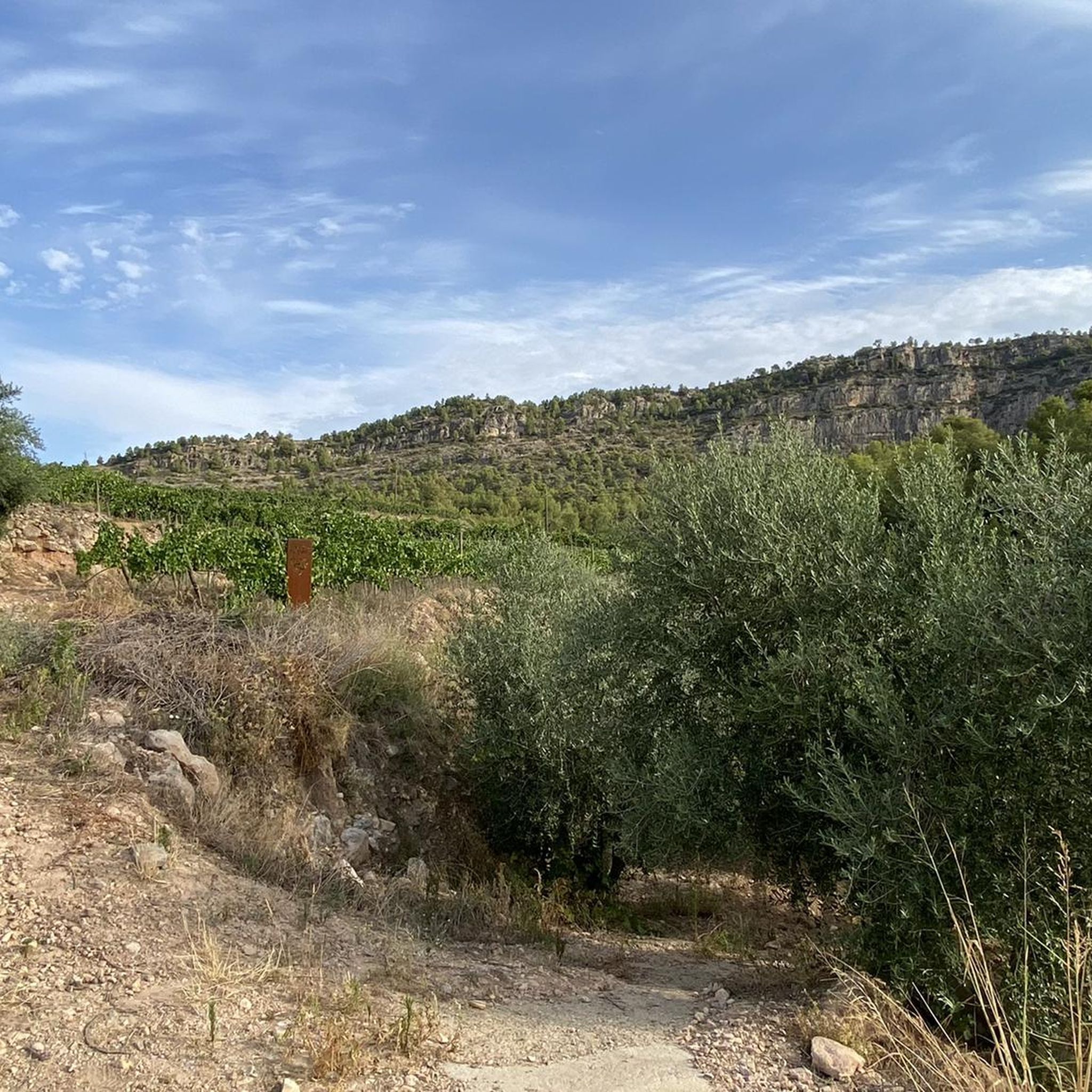
This corner of Montsant is one of the emblematic places of the Natural Park. It is located in the heart of the mountains and can be reached from La Morera de Montsant, either by the Grau de Salfores, or by the Grau de la Grallera towards the Piló dels Senyalets, and from both points to the Pi del Cugat , where you have to take a path that goes down to the Clot. It is an oasis of greenery in the middle of the arid Serra Major, as there is usually water all year round. Contrary to many people's beliefs, in the middle of nowhere, there is a walnut tree, not a cherry tree. The cherry tree that gave the place its name died years ago and a walnut tree was planted in its place. In the past, shepherds used to bring their flocks to drink, and the drinking troughs they prepared for their flocks are still preserved.
0
0
Frequently Asked Questions
What types of 'caves' can I expect to find around Cabacés?
Cabacés is known for its unique rock shelters and structures built into natural rock formations, rather than deep, sprawling cave systems. You'll discover sites like the Clot del Cirer, a natural monument, and historical sites such as the Santa Llúcia Hospital Cave, which offer a blend of natural landscape and historical intrigue.
Are there any historical 'cave houses' or shelters with significant past use in the area?
Yes, the Casa Cueva de La Covassa is a notable rock shelter that functioned as a cave house, adapted for human dwelling. It served as a refuge during the Spanish Civil War, offering a unique glimpse into a past way of life and survival. Additionally, the Santa Llúcia Hospital Cave was used as a military hospital during the same conflict.
What are some easily accessible caves or rock shelters for visitors?
The Cova Santa is a beautiful and easily accessible cave with wide, deep chambers. While exploring, remember to bring a strong flashlight to fully appreciate its interior.
Can I find any natural monuments or unique geological features among the caves?
Absolutely. The Clot del Cirer is an emblematic natural monument within the Montsant Natural Park. It's an oasis of greenery in the arid Serra Major, often having water year-round, making it a distinctive natural feature.
Are there hiking trails that include visits to these caves or rock shelters?
Yes, the region around Cabacés offers various hiking opportunities that can lead you to these sites. You can explore routes like the 'Well of Salvation – La Viella Baixa loop' or the 'Clot del Cirer – Racó del Teix loop'. For more hiking options, refer to the Hiking around Cabacés guide.
What should I know about visiting the Ermita de Sant Roc?
The Ermita de Sant Roc is a small hermitage located about a kilometer from Cabacés, uniquely built into a 'balma' or rock shelter. It showcases popular Renaissance-style architecture from at least 1594 and has been carefully restored, blending natural landscape with historical heritage.
Are there any caves that show signs of ancient human or livestock use?
The Cova de l'Os is a wide balma with remains of a stone wall, suggesting it was used for human or livestock purposes at some point. While not ideal for bivouac due to humidity and vegetation, it serves as a potential emergency shelter.
What is the best time of year to visit the caves and rock shelters around Cabacés?
The Priorat region, where Cabacés is located, generally offers pleasant conditions for outdoor activities during spring and autumn. These seasons provide milder temperatures, ideal for exploring the rock shelters and hiking trails without the intense heat of summer or the cooler, potentially wetter conditions of winter.
Are there any caves that appear to have been used for longer-term habitation or shelter?
The Cova Fumada is a cavity that appears to have been perfectly equipped for spending a season, with evidence of cooking utensils and sleeping space. Its name, 'smoked cave,' likely comes from the blackness of its roof due to accumulated smoke from many bonfires.
What other outdoor activities can I do near the caves of Cabacés?
Beyond hiking, the area around Cabacés is suitable for gravel biking and road cycling. You can find various routes, such as the 'View of Pantà dels Guiamets – Els Guiamets Reservoir loop' for gravel biking, or the 'Tranquil Road – Coll de Porrera (La Paret) loop' for cycling. Explore more options in the Gravel biking around Cabacés and Cycling around Cabacés guides.
Do I need any special permits to visit the rock shelters or caves in Cabacés?
Generally, permits are not required for visiting the publicly accessible rock shelters and historical sites mentioned. However, if you plan to engage in specialized caving activities or explore restricted areas within the Montsant Natural Park, it's advisable to check local regulations or contact park authorities for any specific requirements.
Are there any family-friendly options for exploring the caves or nearby trails?
While specific 'family-friendly cave tours' are not highlighted, many of the rock shelters are accessible and can be part of family-friendly hikes. The general hiking trails around Cabacés offer varying difficulties, and you can choose routes suitable for your family's experience level. Always ensure proper supervision and equipment for children.
Most popular attractions around Cabacés

Get inspired with the komoot mobile app


Explore more
Extend your search for the best caves by checking out these guides of the top ones around Cabacés:
