Top 6 Caves around La Morera De Montsant
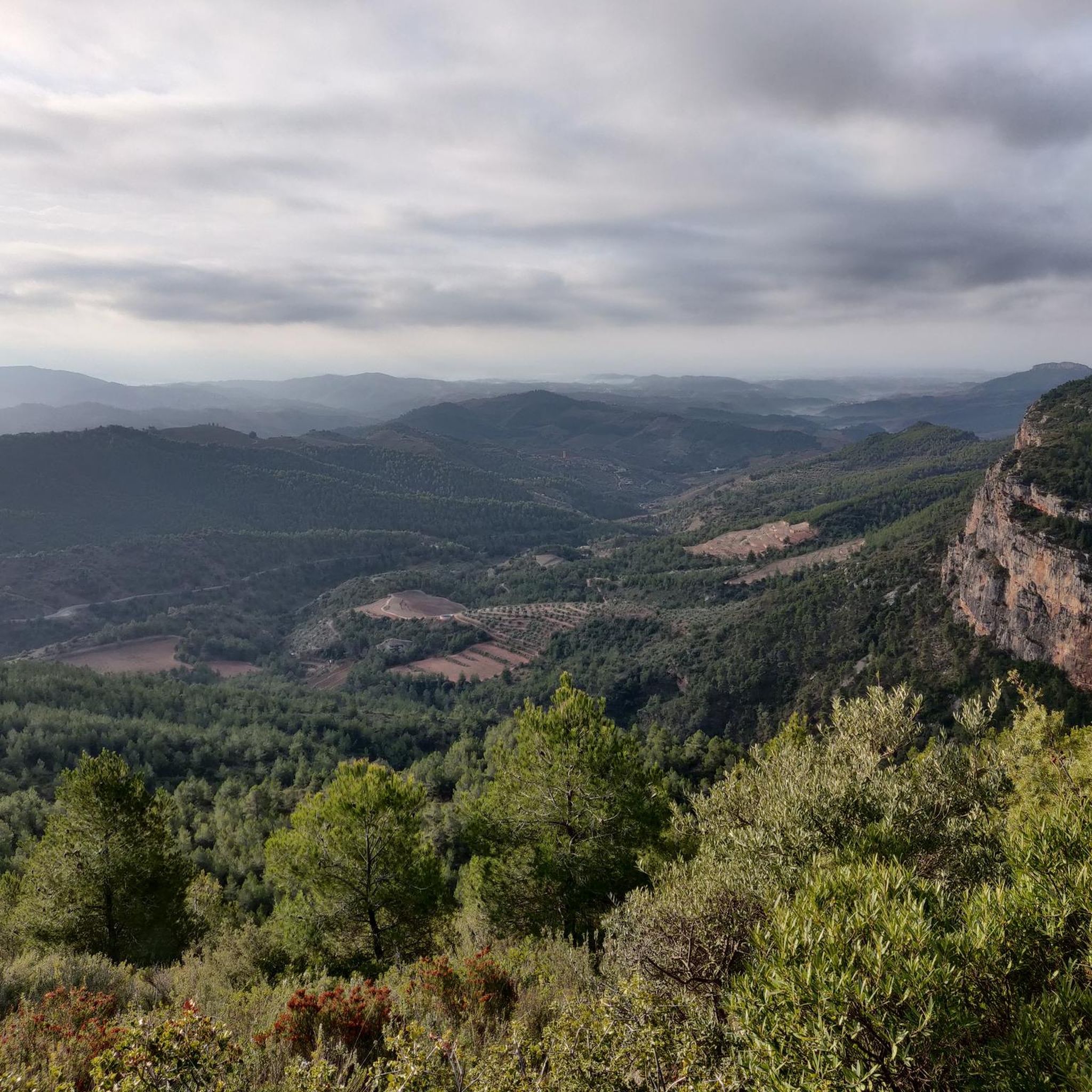
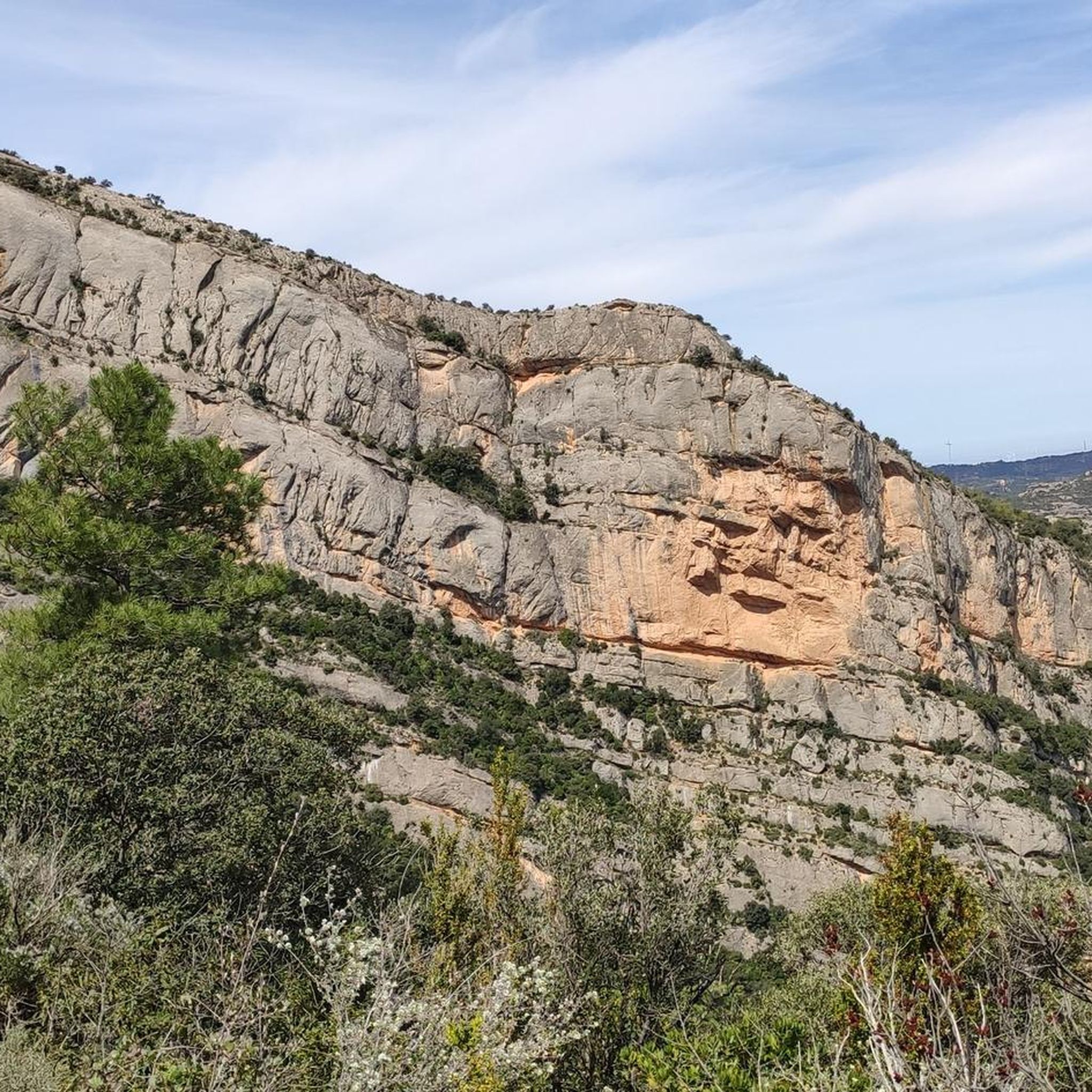
Best caves around La Morera De Montsant are found within the Montsant Natural Park, a region characterized by its rugged limestone formations and deep ravines. This area, part of the Serra de Montsant mountain range, offers a landscape shaped by geological processes over millennia. The natural environment provides numerous opportunities for exploring subterranean features, including natural rock shelters, grottoes, and karstic formations.
Best caves around La Morera De Montsant
- The most popular caves is Clot del Cirer, a natural_monument…
Last updated: July 4, 2026
Ermita de Santa Magdalena d'Ulldemolins
Highlight • Religious Site
Translated by Google •
Tip by

Clot del Cirer
Highlight • Natural Monument
Translated by Google •
Tip by
Sign up now to discover places like this
Get recommendations on the best single tracks, peaks, & plenty of other exciting outdoor places.
Sign up for free
Cova Santa
Highlight • Cave
Translated by Google •
Tip by

Santa Llúcia Hospital Cave
Highlight • Cave
During the Civil War, the space became the hospital for the military units made up of republican volunteers who fought in the Battle of the Ebro.
Translated by Google •
Tip by

Cova de l'Os
Highlight • Cave
Translated by Google •
Tip by
Sign up for free to discover even more caves around La Morera De Montsant.
Sign up for free
Already have an account?
Start today with a free account
Your next adventure awaits.
Login or Signup
Popular around La Morera De Montsant

Other adventures around La Morera De Montsant

Tips from the Community

Deep cave with wide chambers. Strong flashlight recommended.
0
0

Nice corner that invites you to silence and meditation
0
0

The hermitage of Santa Magdalena d'Ulldemolins is also known as the Montsant cathedral for its Renaissance style. Although it was built in the 16th century, it was not until the 18th century when it was opened to worship and was equipped with an altarpiece that was destroyed in 1936.
0
0

It is worth visiting to remember the tragedy of the Spanish civil war
0
0

Near the town of La Bisbal de Falset is the cave of Santa Llúcia. During the Civil War, the space became the hospital for the military units made up of republican volunteers who fought in the Battle of the Ebro.
3
0

The hospital cave of Santa Llúcia, near the town of La Bisbal de Falset (Priorat), is a wide and shallow cave, used by man since ancient times, which took on a very important role during the Spanish Civil War by becoming a hospital for the International Brigades that fought, in the summer of 1938, in the Battle of the Ebro. https://ca.wikipedia.org/wiki/Cova_hospital_de_Santa_Ll%C3%BAcia
0
1

Balma wide but not very suitable for bivouac due to the humidity and the large amount of vegetation that is found. In case of emergency it can be used as a shelter. It has the remains of a stone wall, which suggests that at some point it was used for human or livestock use.
0
0
This corner of Montsant is one of the emblematic places of the Natural Park. It is located in the heart of the mountains and can be reached from La Morera de Montsant, either by the Grau de Salfores, or by the Grau de la Grallera towards the Piló dels Senyalets, and from both points to the Pi del Cugat , where you have to take a path that goes down to the Clot. It is an oasis of greenery in the middle of the arid Serra Major, as there is usually water all year round. Contrary to many people's beliefs, in the middle of nowhere, there is a walnut tree, not a cherry tree. The cherry tree that gave the place its name died years ago and a walnut tree was planted in its place. In the past, shepherds used to bring their flocks to drink, and the drinking troughs they prepared for their flocks are still preserved.
0
0
Frequently Asked Questions
What is the typical difficulty level for exploring caves in the Montsant region?
The difficulty varies depending on the specific cave or rock shelter. Many are accessible via established trails, while others may require more advanced scrambling or caving skills. It's advisable to research specific locations for detailed difficulty ratings.
Where can I find parking when visiting caves around La Morera De Montsant?
Parking is generally available in or near the villages surrounding the Montsant Natural Park, such as La Morera de Montsant itself. From these points, trails lead to various cave entrances. Always park in designated areas to respect local regulations and private property.
Do I need permits to explore caves in the Montsant Natural Park?
For most easily accessible rock shelters and grottoes, permits are not typically required for casual exploration. However, for deeper or more sensitive karstic formations, especially those requiring specialized equipment, it's best to check with the Montsant Natural Park authorities for any specific regulations or permit requirements.
How much time should I allocate for hiking to and exploring caves in the Montsant area?
The time needed depends on the specific cave and your starting point. Some caves are close to trailheads and can be reached within a short hike, while others might involve longer treks of several hours. Allow extra time for exploration once you reach the cave.
Are there family-friendly caves suitable for children in the Montsant region?
Yes, many of the rock shelters and smaller grottoes are suitable for families with children, offering an engaging introduction to geology and nature. Always assess the specific trail and cave conditions for safety, especially with younger children.
Are the trails leading to the Montsant caves dog-friendly?
Many trails within the Montsant Natural Park are dog-friendly, but it's crucial to keep dogs on a leash to protect wildlife and ensure their safety on rugged terrain. Always check specific trail regulations, especially near sensitive natural areas or protected zones.
Are there options for beginner cavers in La Morera De Montsant?
The Montsant region offers several accessible rock shelters and shallow caves that are ideal for beginners to explore without specialized equipment. These provide a good starting point to experience the subterranean environment before attempting more challenging caving. Always prioritize safety and go with experienced individuals if venturing into more complex areas.
What is the best time of year to visit the Montsant caves?
Spring and autumn are generally the best times to visit, as the weather is milder for hiking and exploring. Summers can be very hot, making longer hikes challenging, while winters can bring colder temperatures and occasional snow at higher elevations, though many caves remain accessible.
What should I wear for exploring caves in La Morera De Montsant?
Wear sturdy hiking shoes with good grip, as trails can be uneven and rocky. Layers of clothing are recommended, as cave interiors can be cooler than the outside temperature. A headlamp or flashlight is essential for visibility inside any dark sections of caves or rock shelters.
What outdoor activities can I do near the caves in La Morera De Montsant?
The Montsant Natural Park offers a wide range of outdoor activities. You can find numerous routes for cycling, running, and gravel biking, allowing you to explore the diverse landscapes of the region.
Are there hiking trails near these caves?
Yes, the caves are typically integrated into the extensive network of hiking trails within the Montsant Natural Park. You can find various routes, such as the 'Roca Corbatera – Mirador del Pla del Torro loop' or 'La Falconera – Piló dels Senyalets loop', which offer opportunities to combine cave exploration with scenic walks. For more options, explore the running trails guide, many of which are also suitable for hiking.
What geological features are characteristic of the Montsant caves?
The Montsant caves are primarily karstic formations, meaning they are formed in soluble rock, mainly limestone, by the dissolution of bedrock. This process creates distinctive features such as stalactites, stalagmites, columns, and various rock shelters and grottoes, showcasing the region's long geological history.
Are there any hidden or less-known caves in the Montsant region?
The Montsant Natural Park is vast and rugged, with many smaller rock shelters and grottoes that are not widely publicized. Exploring off the main trails with proper navigation and safety precautions can lead to discovering some of these less-frequented natural features. Always respect the natural environment and avoid disturbing fragile formations.
Most popular routes around La Morera De Montsant
Most popular attractions around La Morera De Montsant

Get inspired with the komoot mobile app


Explore more
Extend your search for the best caves by checking out these guides of the top ones around La Morera De Montsant:
