Top 5 Castles around Capafonts
Best castles around Capafonts are situated within the Prades Mountains, a region known for its well-preserved medieval structures and historical sites. Capafonts itself is a village offering a glimpse into its past through ancient buildings and monuments. The area provides opportunities for exploring historical landmarks and natural beauty. This region is characterized by its rural charm and historical significance, rather than grand, traditional castles.
Best castles around Capafonts
- The most popular castles is Ruins of La Mussara, a historical…
Last updated: June 20, 2026
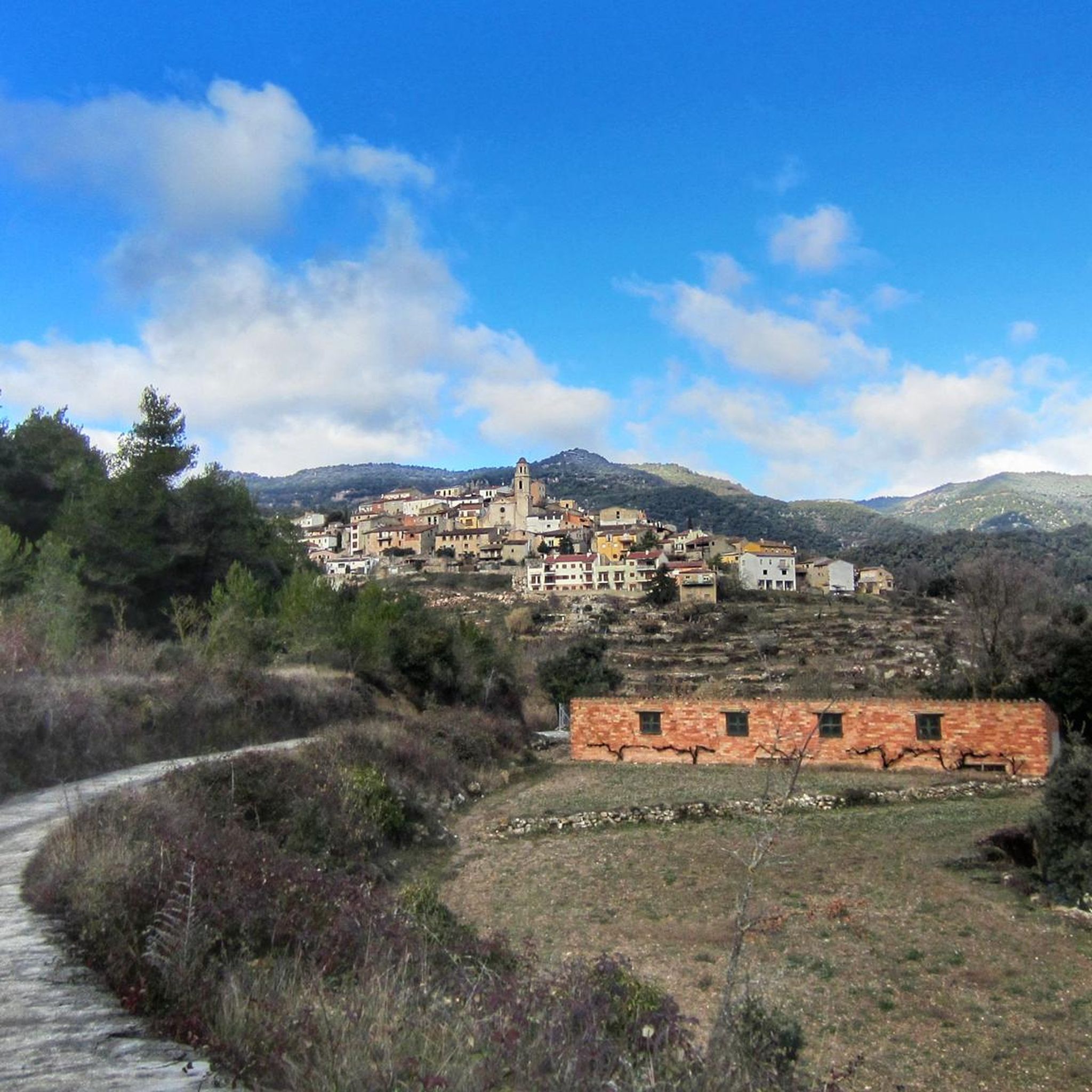
Ruins of La Mussara
Highlight • Historical Site
Translated by Google •
Tip by

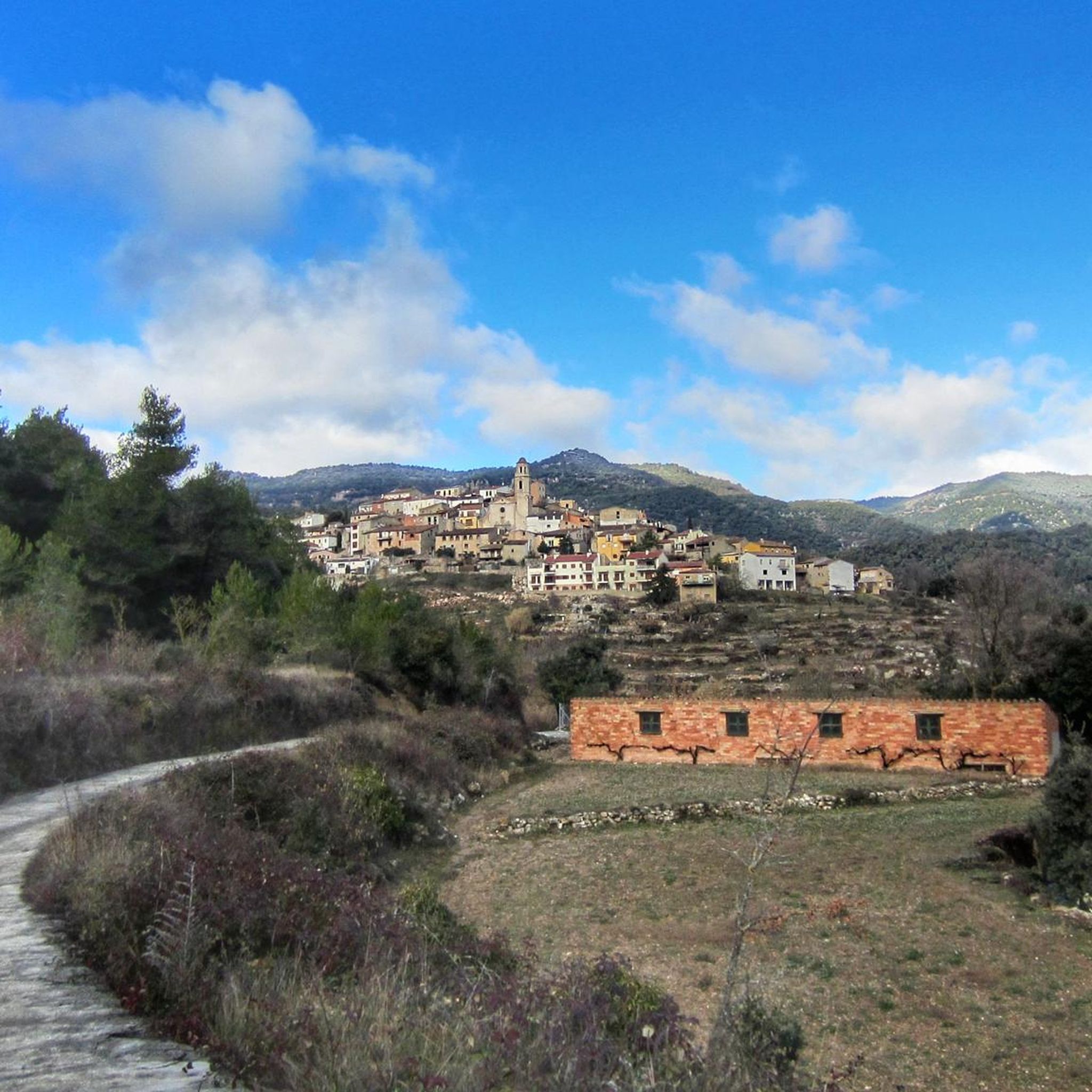
Castillo del Paborde
Highlight • Castle
Translated by Google •
Tip by

Sign up now to discover places like this
Get recommendations on the best single tracks, peaks, & plenty of other exciting outdoor places.
Sign up for free
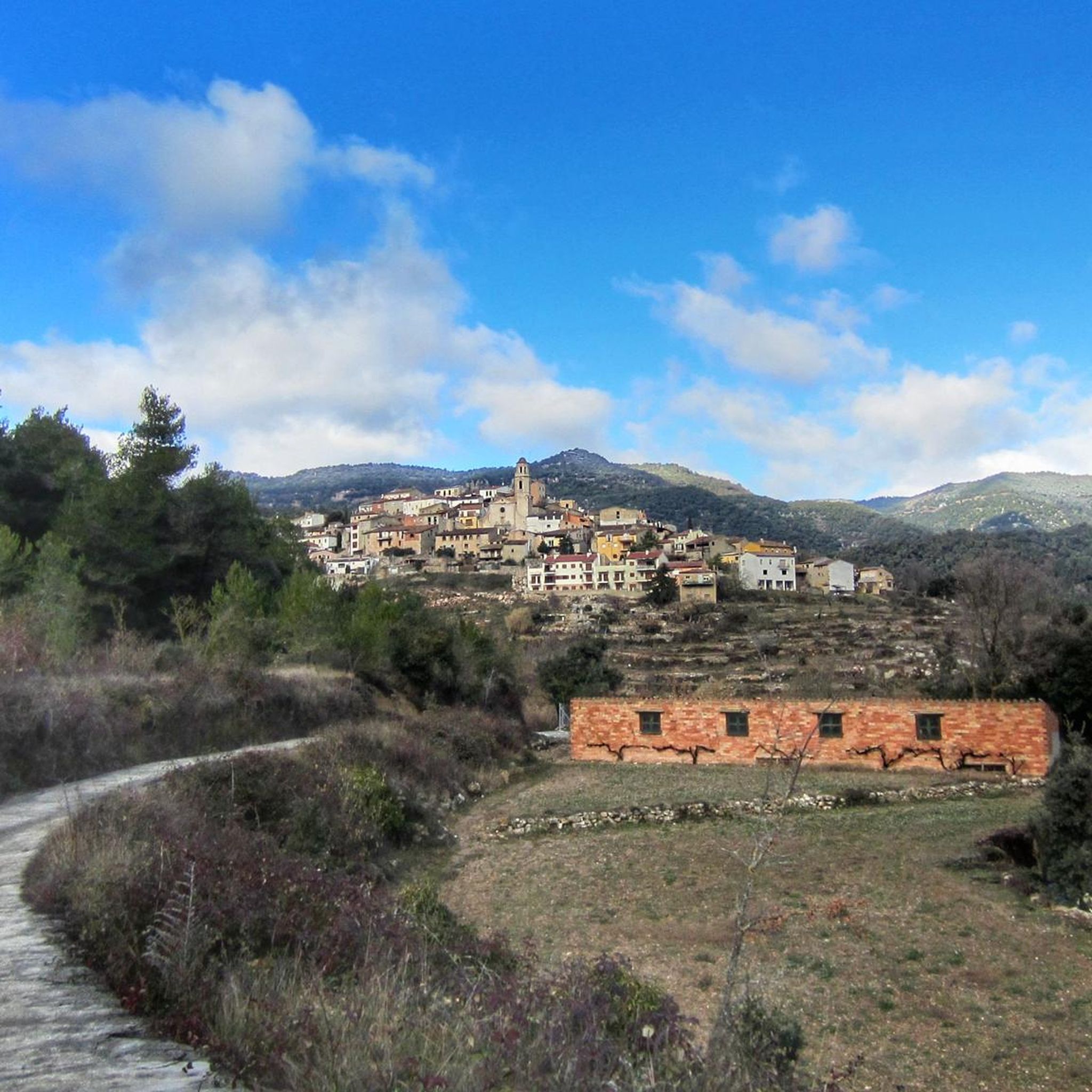
Milmanda Castle
Highlight • Castle
Translated by Google •
Tip by

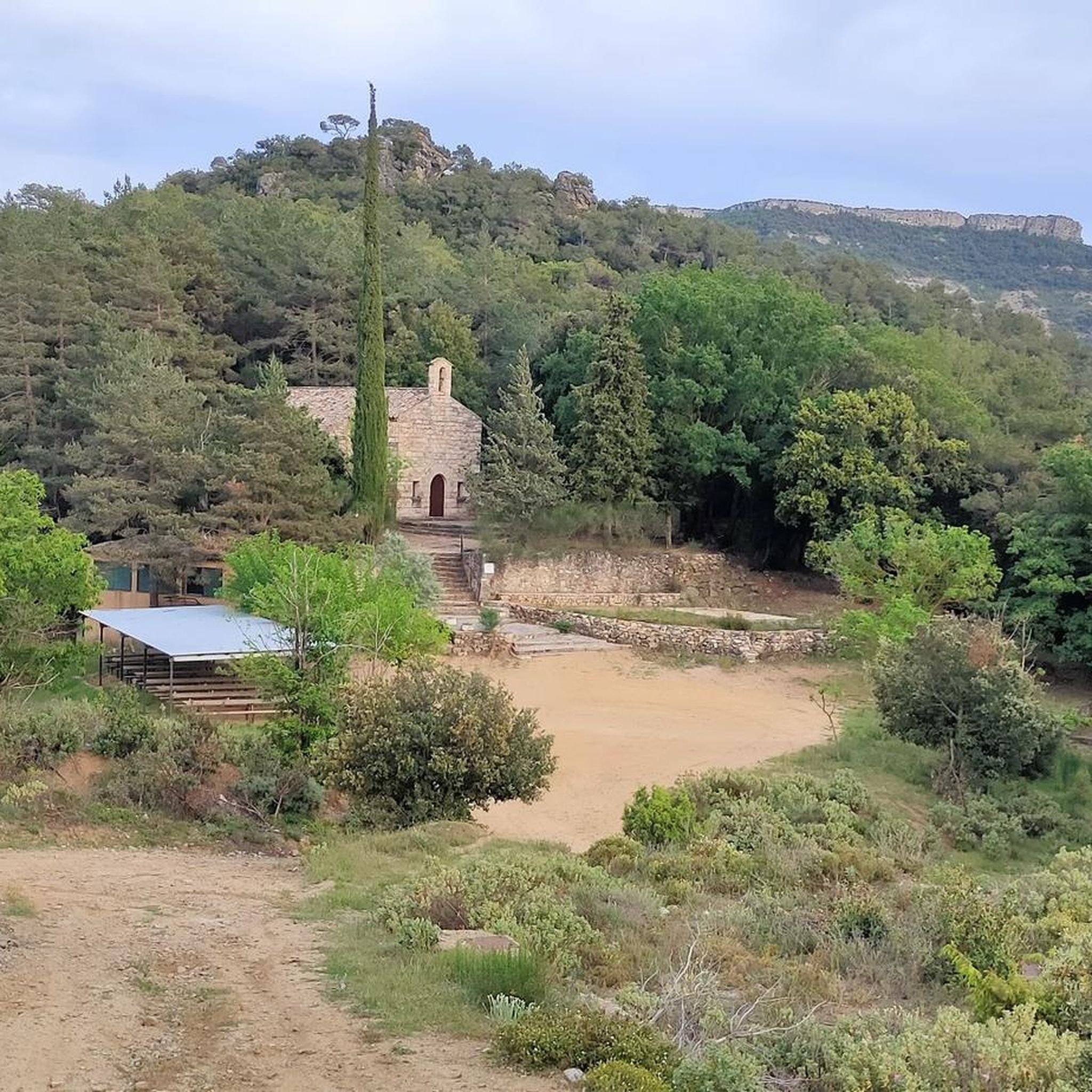
View of Siurana Castle
Highlight • Viewpoint
Translated by Google •
Tip by

Start today with a free account
Your next adventure awaits.
Login or Signup
Tips from the Community

I would spend hours there contemplating the view!
1
0

Absolutely worth seeing and beautiful place.
0
0

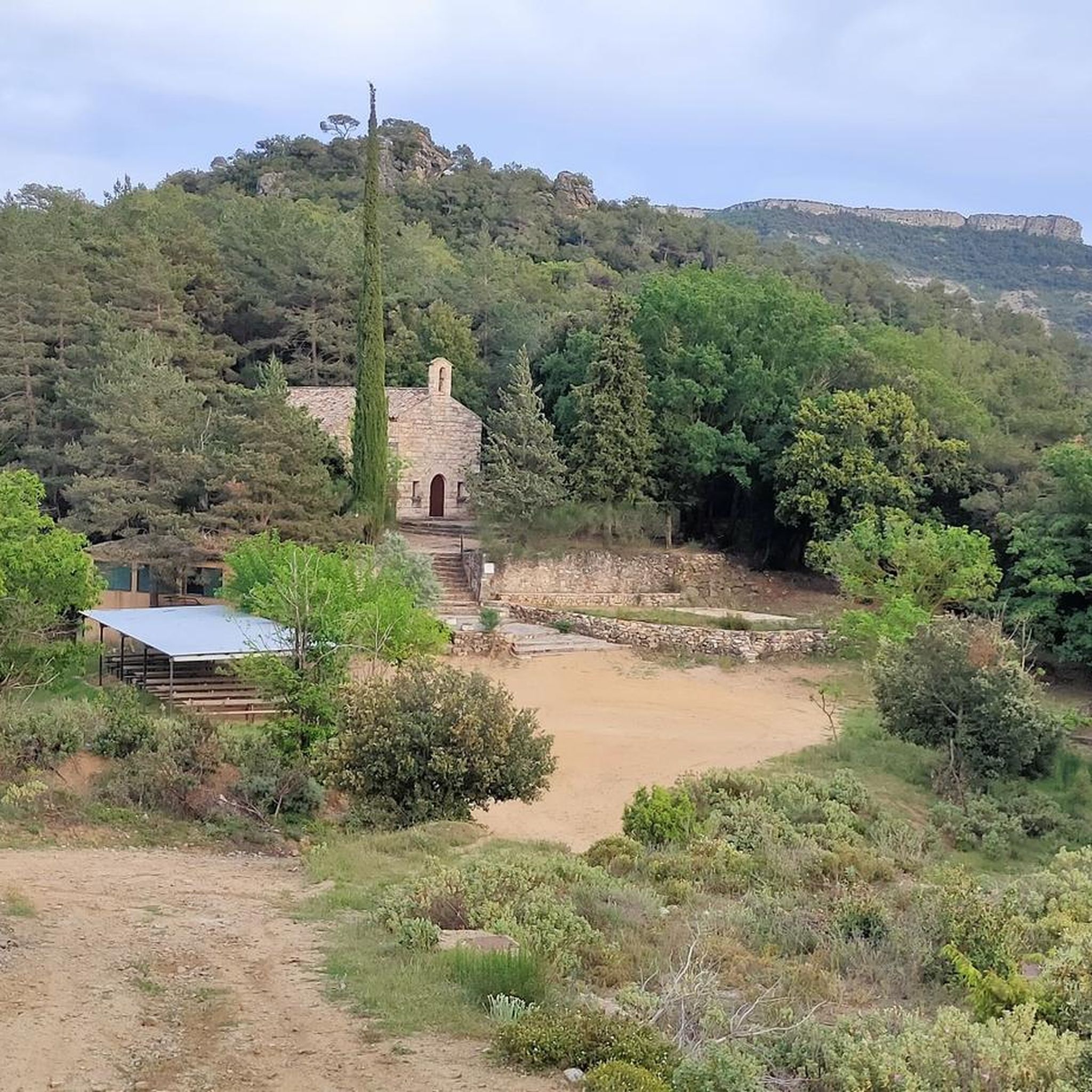
The Selva Castle was for centuries the stately residence of the prefects of Tarragona and the archbishops of the metropolis. It belonged to the Papordia of the archbishop of Tarragona, and was probably built at the end of the 12th century. It was a residence very frequented by the paborde, but it mainly served as a storehouse for nuts and tithes. In 1411 Pope Benedict XIII decreed the abolition of the pabordia and the Castle was administered directly by the Archbishop of Tarragona and in the s. In the 16th century, the building was expanded with residential buildings and an upper floor accessed by a staircase. The action of the Constituent Courts during the Biennium of 1822 ended, in fact, with the lordships. This work was complemented by the confiscation laws of the middle of the 19th century, and thus the Selva Castle would become the property or usufruct of the Town Council. Passing through various users after the ecclesiastical confiscation, the Castle, the town's largest heritage building had become a ruin that the Selvatans have lived with for decades. Finally, in a municipal economic boom, the City Council, entering the new millennium, decided to carry out an ambitious project such as that of restoring the monument and giving it a function of public use in accordance with its identity , a first-rate cultural facility.
0
0

A place with great history, currently only ruins remain, shuttered to prevent their total collapse. Impressive views from the square at the bottom of the ruins of La Mussara.
2
0

This monument is located next to the Poblet Monastery. Milmanda's name means small castle. Milmanda Castle, an artistic and historical fortification where Emperors Carlos V and Felipe II hunted, can be visited from Monday to Sunday by booking in advance through its website. The tour includes a visit to the vineyard, in the Milmanda Castle, tasting of two wines, and an expert guide or sommelier throughout the tour.
1
0

The Castillo de la Selva, also known as the Paborde castle, is located in the town of La Selva del Camp. There are also remains of the medieval wall. Its construction dates from the 12th century.
3
0

Paborde Castle, its construction dates back to the 12th century and was the residence of Paborde and later the Archbishop of Tarragona.
1
0
La Mussara (from the Arabic musâra, 'walk, place to walk') is a depopulated area currently added to Vilaplana (Baix Camp). It is located in the Serra de la Mussara, in the Prades mountains, at an altitude of 990 meters, next to the Cingle de les Airasses, from which you can enjoy an impressive view of the south of Camp de Tarragona. The highest part of the term is 1,071 meters above sea level. In the center of the old town there are eight buildings, all in a dilapidated state, of which the church of Sant Salvador (bell tower from 1859) is somewhat well preserved and, next to it, the house called Cal Cassoles. In the place called les Cinglallons there are seven more houses. On the other hand, in the old part of the town there are seven isolated farmhouses, of which the Mas del Pou del Gel, the best known, and the Mas del Peiró, where Neolithic pottery has been found, stand out. Other remains from the same period have been found in the Susanno forest (a tomb). The old town is included in the Inventory of the Architectural Heritage of Catalonia. When it rains, the water is retained in the small natural reservoir near the village and that is why the local people were called frogs.
2
0
Frequently Asked Questions
What kind of historical sites can I explore around Capafonts?
While Capafonts is not known for grand, traditional castles, the region offers a rich array of medieval structures and historical sites. You can visit the Ruins of La Mussara, an old village on a rocky plateau with significant historical depth and stunning views. Other notable sites include Milmanda Castle, a historical fortification that offers tours and wine tastings, and Castillo del Paborde, a 12th-century castle with remains of a medieval wall. Within Capafonts village itself, you can discover the well-preserved 12th-century Medieval Bread Oven in the Casa de la Vila, the ancient 13th-century Pont Vell (Old Bridge), and the historic Cal Macià building.
Are there family-friendly historical sites or activities near Capafonts?
Yes, several sites are suitable for families. The Milmanda Castle is considered family-friendly and offers tours that can be engaging for all ages, including a visit to its vineyard. The View of Siurana Castle provides a beautiful scenic spot that families can enjoy, with parking available. Additionally, exploring the medieval village of Capafonts, including the Medieval Bread Oven with its guided tours, offers an educational and interesting experience for families.
What are the best times to visit the historical sites around Capafonts?
The region around Capafonts is generally pleasant to visit during spring and autumn when the weather is mild, making it ideal for exploring historical sites and enjoying outdoor activities. Summer can be warm, but the natural beauty of the Prades Mountains still offers refreshing spots. Winter visits are also possible, though some trails might be more challenging, and it's advisable to check local conditions.
What outdoor activities can I combine with visiting these historical sites?
The area around Capafonts is excellent for outdoor enthusiasts. You can find numerous routes for cycling, running, and gravel biking. For example, there are challenging cycling routes like the 'Coll de Capafonts–Prades – Alt de la Mussara loop from Prades' and running trails such as the 'Tossal de la Baltasana summit – Roca Foradada of Prades loop from Prades'. You can explore more options and detailed routes on the Cycling around Capafonts, Running Trails around Capafonts, and Gravel biking around Capafonts guide pages.
Are there any easy walks or trails to reach these historical sites?
Yes, there are options for various fitness levels. The path leading to the 12th-century Hermitage of the Virgen de Barrulles, about 2 km from Capafonts, is described as a relaxing journey through fields and forests, suitable for a pleasant walk. While some routes to sites like the Ruins of La Mussara involve an ascent, the views make it worthwhile. Many of the village's historical elements, like the Pont Vell and Medieval Bread Oven, are easily accessible within Capafonts itself.
What natural features and viewpoints can I find near the historical sites?
The region is rich in natural beauty. The Ruins of La Mussara offer spectacular views from its rocky plateau. The View of Siurana Castle is another highly recommended viewpoint, offering breathtaking panoramas of the valley. Capafonts itself is nestled in the Prades Mountains and is known for its fifty-three fountains, including the Font de la Llúdriga. You can also explore the Cova de les Gralles (Cave of the Jackdaws), a unique natural amphitheater with a waterfall, accessible via a well-marked path.
How long should I plan for a visit to the historical sites around Capafonts?
The duration of your visit depends on how many sites you wish to see and what activities you plan. You could spend a half-day exploring Capafonts village and its medieval structures. For sites like the Ruins of La Mussara or Milmanda Castle, allow at least 2-3 hours per site, especially if you include a tour or a hike. A full day or even a weekend would allow you to comfortably visit multiple sites and enjoy some of the surrounding outdoor activities.
Where can I find parking when visiting these historical sites?
For the View of Siurana Castle, parking is available outside the village, offering great views even from the parking lot. When visiting Capafonts village, there are usually designated parking areas. For other sites, it's advisable to check specific access information, but generally, rural areas have options for parking near trailheads or historical landmarks.
What do visitors enjoy most about the Capafonts region?
Visitors frequently appreciate the blend of historical exploration and natural beauty. The stunning views from sites like the Ruins of La Mussara are often highlighted. The opportunity to step back in time through well-preserved medieval structures, combined with the tranquility of the Prades Mountains and the charm of Capafonts village, makes for a memorable experience. The region's rural character and opportunities for hiking and cycling are also highly valued.
Are there cafes or places to eat near the historical sites?
Capafonts village itself offers local establishments where you can find refreshments and meals. For the View of Siurana Castle, there is a restaurant with spectacular views of the valley. When venturing to more remote sites or on longer hikes, it's always a good idea to bring your own snacks and water, especially if you plan to be away from villages for extended periods.
Can I visit the historical sites around Capafonts during winter?
Yes, you can visit the historical sites around Capafonts in winter. The region experiences mild winters, though temperatures will be cooler, and there might be occasional frost or light snow at higher elevations in the Prades Mountains. It's recommended to dress in layers and wear appropriate footwear for potentially damp or uneven terrain. Always check local weather conditions before heading out.
What should I wear for exploring the historical sites and trails?
For exploring the historical sites and trails around Capafonts, comfortable walking shoes or hiking boots are recommended, as many sites involve walking on uneven terrain or paths. Dressing in layers is advisable, as weather conditions can change, especially in the mountains. A hat, sunscreen, and plenty of water are also good to have, particularly during warmer months.
Most popular routes around Capafonts
Most popular attractions around Capafonts

Get inspired with the komoot mobile app


Explore more
Looking for the best castles somewhere else? Discover other guides around Capafonts:
