Top 7 Castles around Tarazona
Best castles around Tarazona offer a journey through the region's rich historical and artistic heritage. The area, situated near the Moncayo mountain, features a diverse landscape. Castles here reflect a layered past, from ancient fortresses to medieval strongholds and palatial residences. These structures are integral to the cultural significance of the Tarazona region.
Best castles around Tarazona
- The most popular castles is Borja, a settlement that is known for the Castillo de la Zuda, which controls the municipality from…
Last updated: July 4, 2026
Borja
Highlight • Settlement
Translated by Google •
Tip by

View of Cueva/Castillo de los Fayos
Highlight • Castle
Translated by Google •
Tip by

Sign up now to discover places like this
Get recommendations on the best single tracks, peaks, & plenty of other exciting outdoor places.
Sign up for free
Castillo de Vozmediano
Highlight • Castle
Translated by Google •
Tip by

Tudején Castle
Highlight • Castle
Translated by Google •
Tip by

Añón de Moncayo
Highlight • Settlement
Translated by Google •
Tip by

Sign up for free to discover even more castles around Tarazona.
Sign up for free
Already have an account?
Start today with a free account
Your next adventure awaits.
Login or Signup
Popular around Tarazona
Path of the Templars — Path of the True Cross (GR 250)
Moncayo to Daroca – Iberian Zaragoza Path (GR 90)
The Duero to the Ebro – Soriano Water Natural Trail
Beech forests and limestone cliffs – gravel of Moncayo
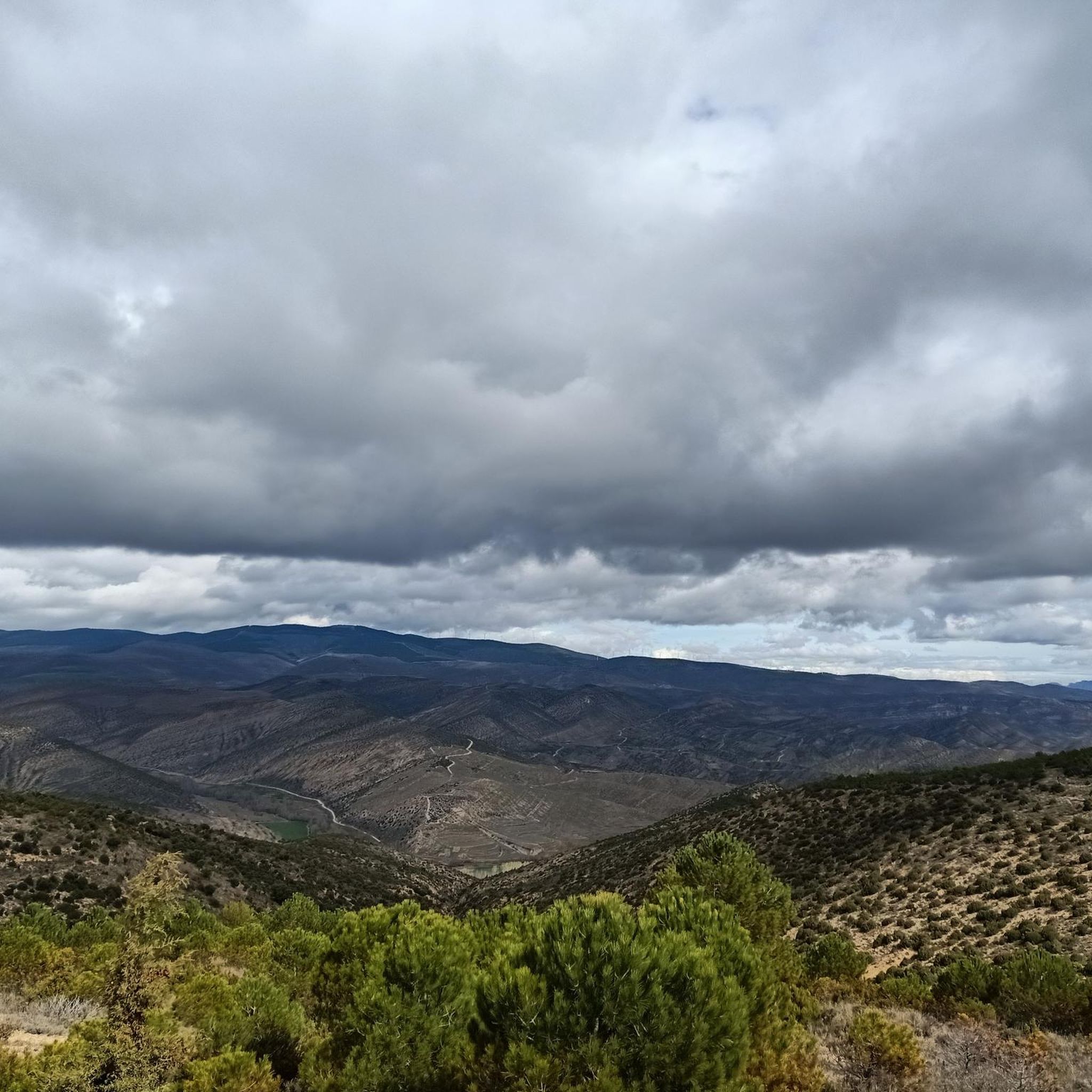
Hiking around Tarazona
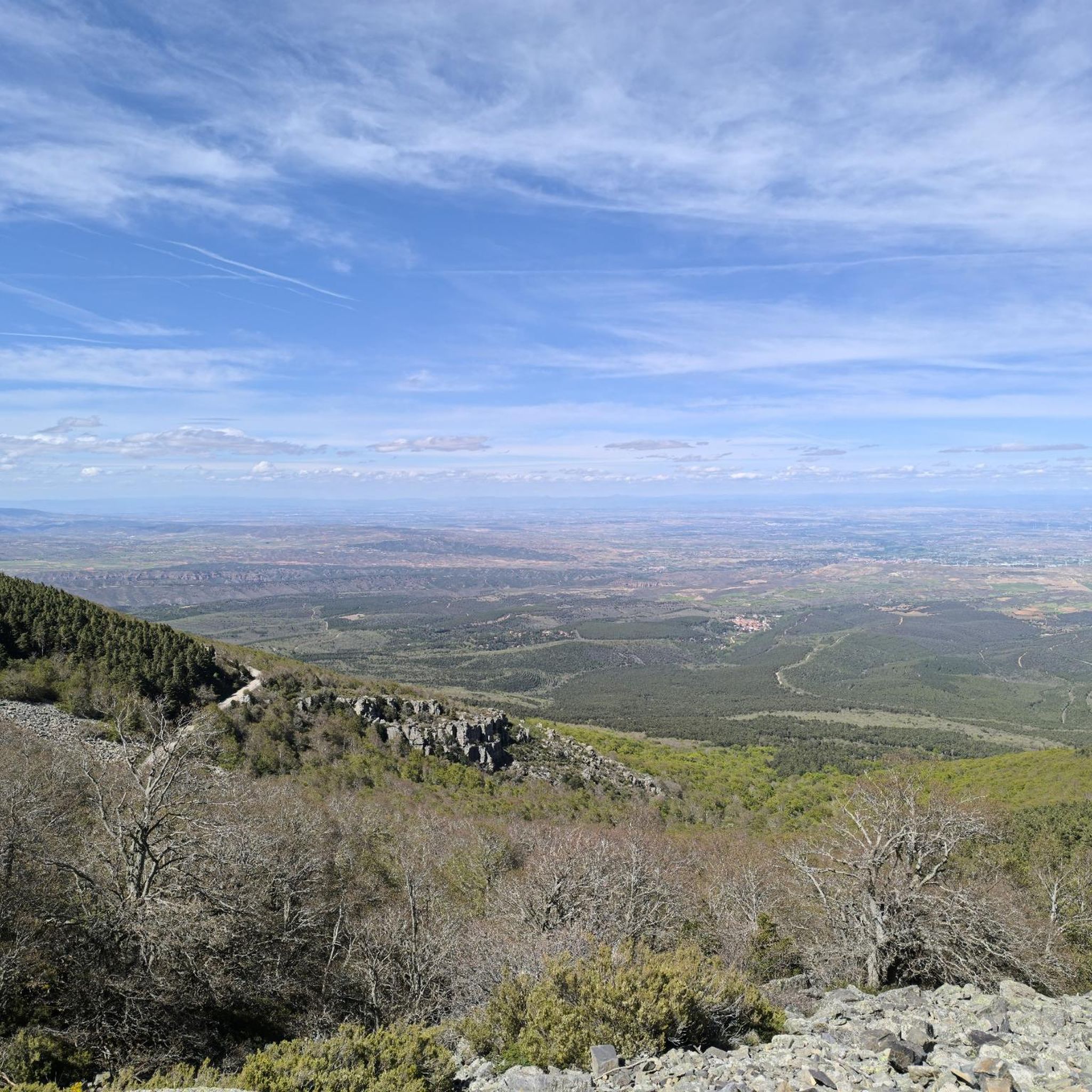
Road Cycling Routes around Tarazona
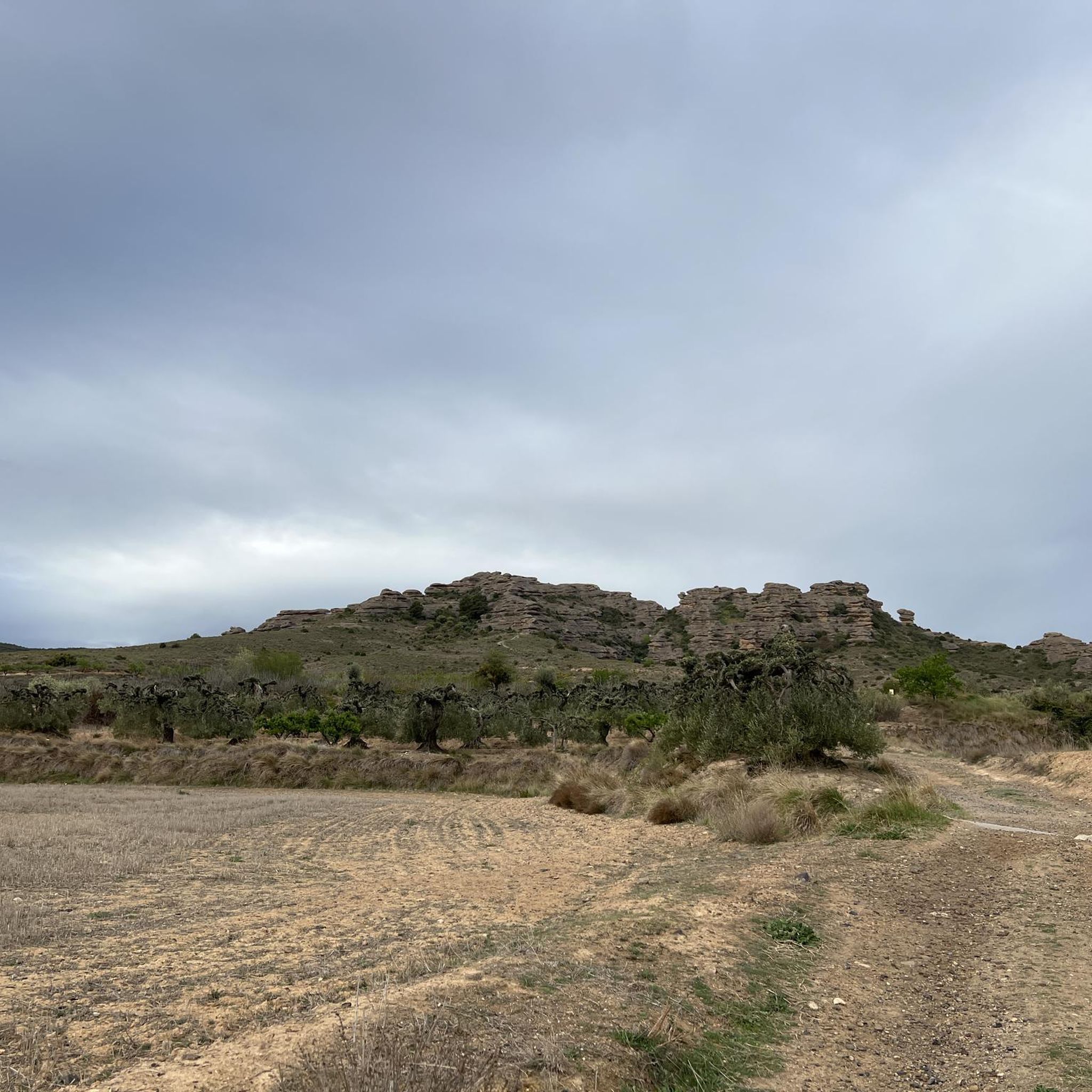
Running Trails around Tarazona
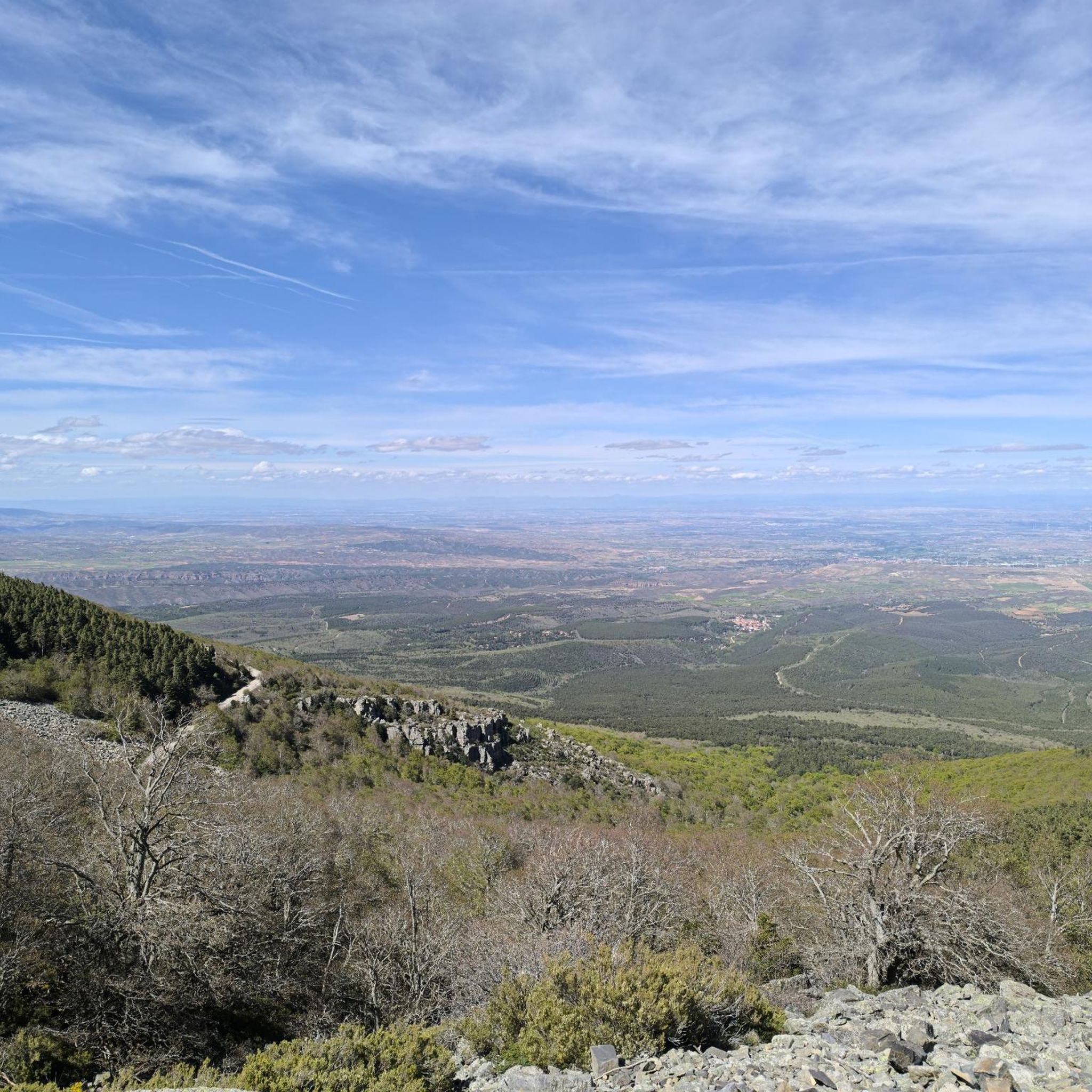
MTB Trails around Tarazona
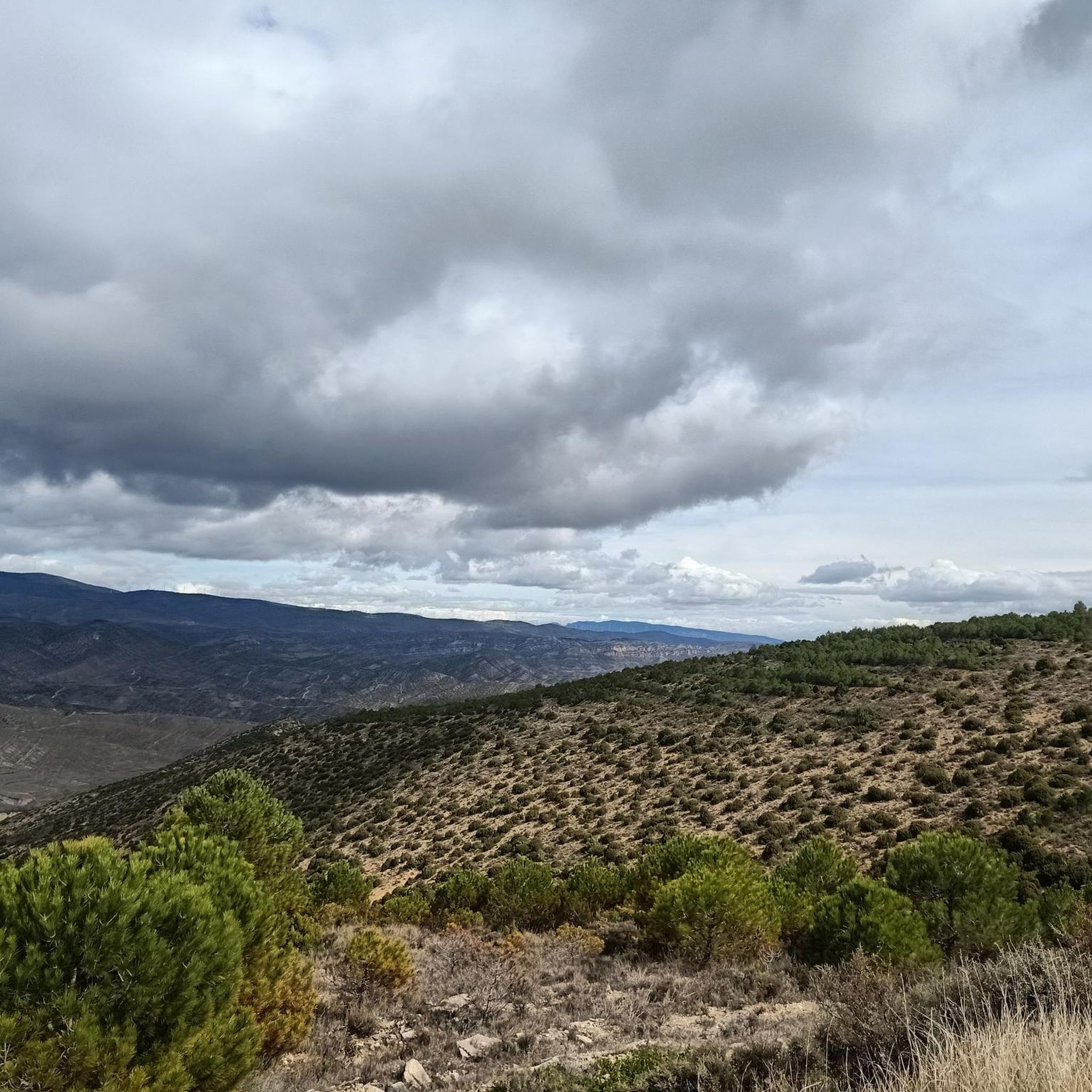
Cycling around Tarazona
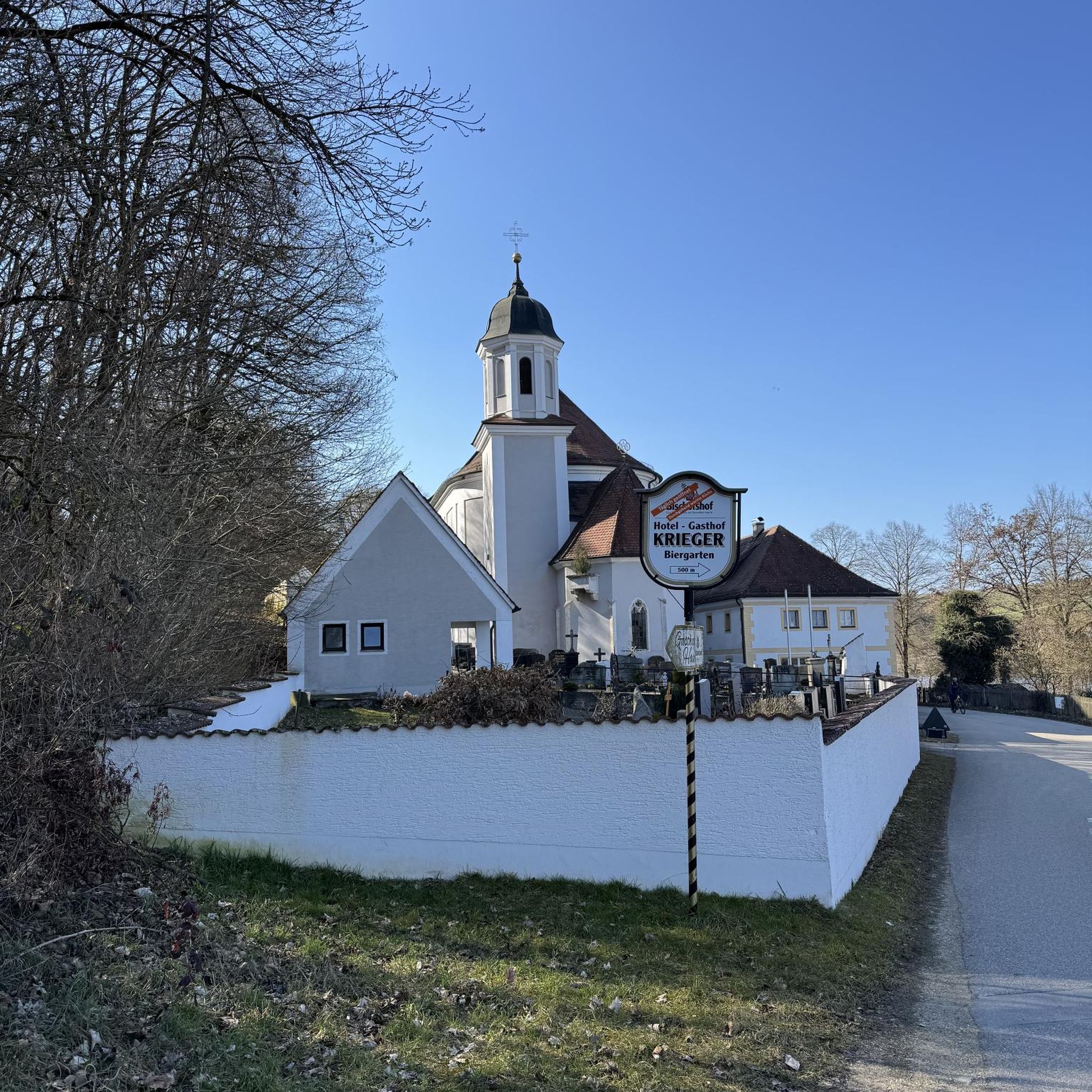
Gravel biking around Tarazona
Other adventures around Tarazona


Tips from the Community

Small castle on top of the village
0
0

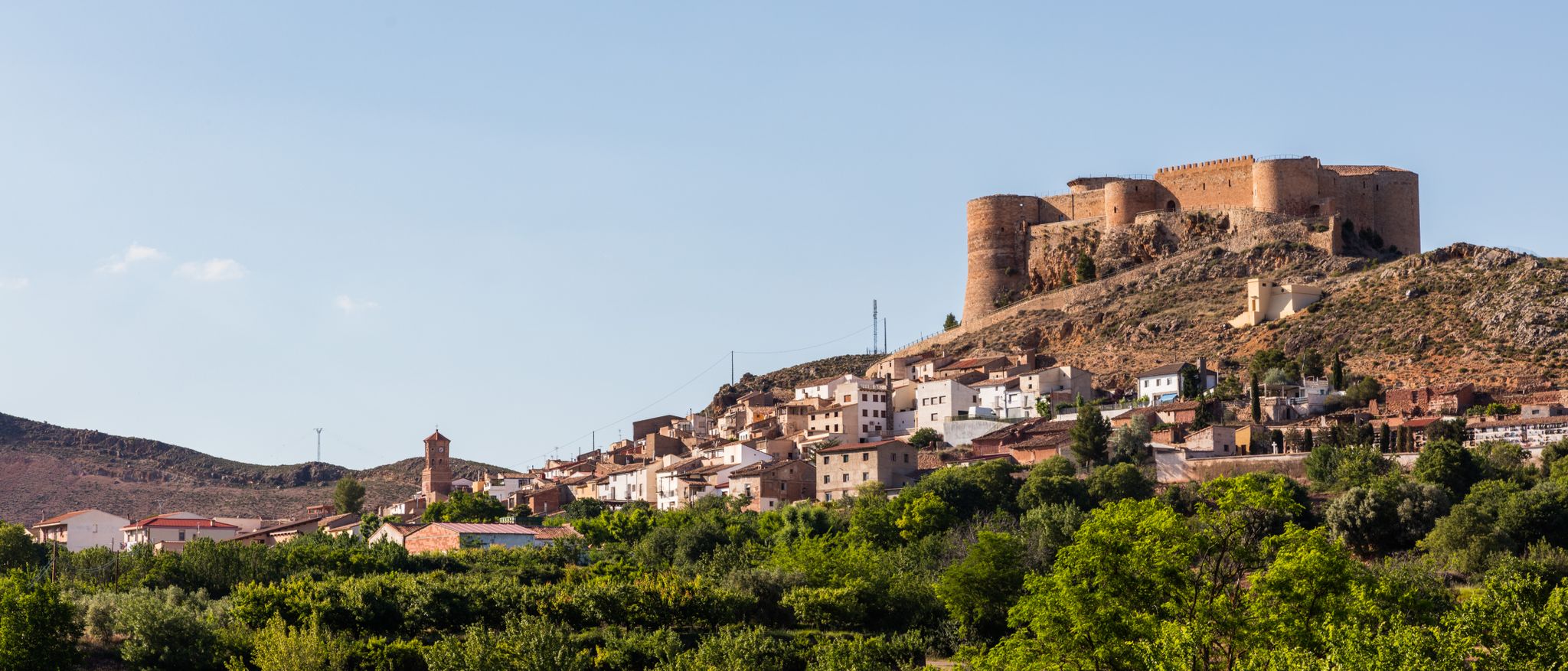
Añón de Moncayo retains a medieval atmosphere in its streets and buildings, where the influence of the Order of St. John of Jerusalem is still evident. Construction of the castle began in 1238, during the reign of James I of Aragon, to protect the area, as the town was strategically located between kingdoms.
0
0

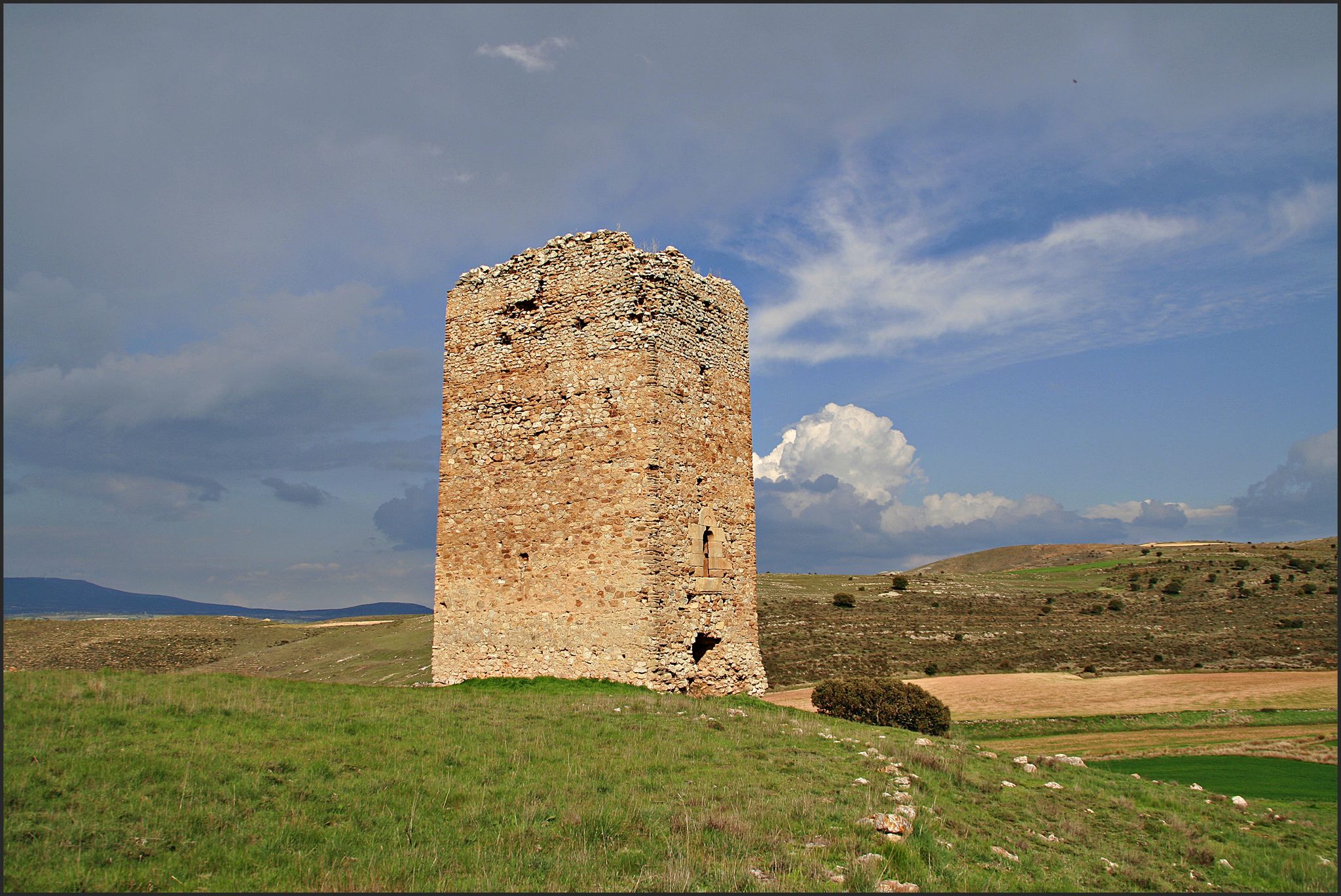
Perched atop a rocky outcrop, guarding passage over the Alhama River, stand the remains of a keep and a building with a vaulted roof. It was here that the Treaty of Tudilén was signed between the Kingdom of Castile and the Kingdom of Aragon in 1151. It is located southeast of the Baths, on the right bank of the Alhama River. Remnants of its keep and some dwellings are still preserved. Its earliest records date from the 12th century, although it is believed to have been built during the period of Moorish occupation.
0
0

The Cueva del Castillo in Los Fayos is a fascinating place with a rich history. Located in the municipality of Los Fayos, in the province of Zaragoza, Aragon, this natural cave has been inhabited since the Bronze Age. In the 12th century, a defensive castle was built taking advantage of the natural cavity in the rock. The castle of Los Fayos played a strategic role on the borders between the kingdoms of Aragon, Navarre and Castile. Although today only a few vestiges remain, such as the cistern and the water collection system, the cave remains a place of historical and archaeological interest. The entrance to the cave is located in a vertical cut in the rock, and a ladder is needed to access it. Inside the cave, several rooms can be seen, including the hearth and the cistern.
4
0

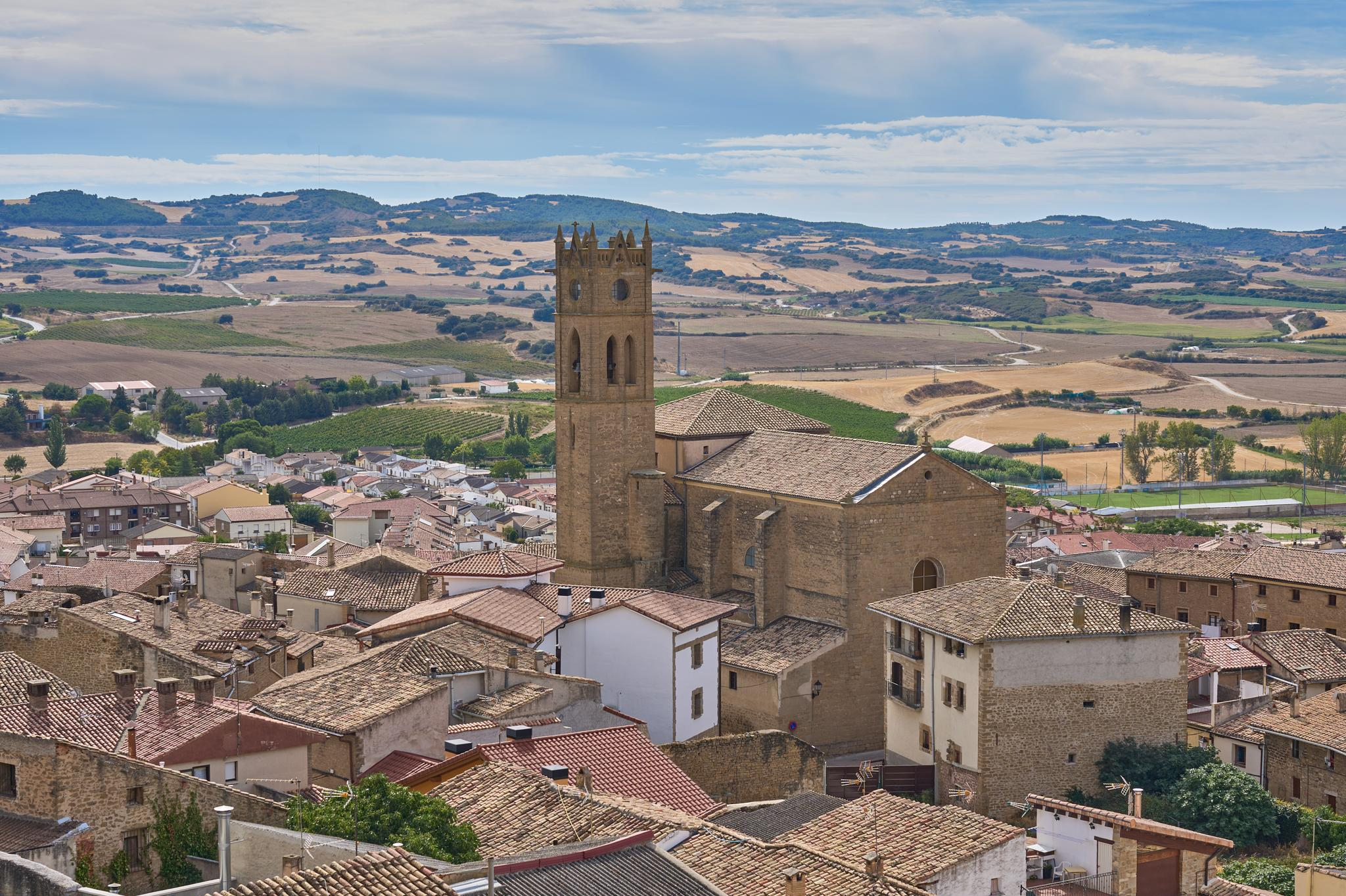
Borja has been on the map since the 5th century BC, there are about 5000 inhabitants and the town offers several sights. Church of San Miquel, church Sante Maria, baroque monastery Santa Klara etc.
1
0
Borja has a pronounced continental climate with limited precipitation of 350 to 450 mm per year. Hail and frost are common in spring and a cold, dry northerly wind (the cierzo) is typical of the area.
4
0

Population that is more than nine hundred meters high and that is flagged by its castle, the Castillo de Vozmediano. Its two towers watch over the small valley in which the town is located.
0
0

Frequently Asked Questions
What kind of historical and architectural styles can I expect to see in the castles around Tarazona?
The castles in the Tarazona region showcase a rich blend of architectural styles, reflecting their layered history. You'll find structures that evolved from ancient Muslim fortresses, like the origins of the Episcopal Palace of Tarazona (La Zuda), to royal Christian palaces, and medieval strongholds with Gothic and Renaissance additions, such as the Castle of Añón de Moncayo.
Are there any castles with unique historical stories or legends?
Yes, Trasmoz Castle is famously known as the only town in Spain to be excommunicated by the Church, due to its long history intertwined with tales of witchcraft and magic. It even houses a 'Museum of Witchery' today.
Which castles offer panoramic views of the surrounding area?
The Episcopal Palace of Tarazona provides magnificent panoramic views of the city and the Queiles River valley. Similarly, the ruins of Trasmoz Castle offer splendid views over the countryside and the Moncayo mountain.
Are there family-friendly castles to visit in the Tarazona region?
Many castles in the region offer engaging experiences for families. For instance, the town of Borja, with its Castillo de la Zuda, is listed as a family-friendly highlight. Exploring the historical layers and unique stories, like those at Trasmoz Castle with its Museum of Witchery, can be particularly captivating for children.
What outdoor activities can I do near these castles?
The region around Tarazona offers various outdoor activities. You can find numerous cycling routes, including touring bicycle, road cycling, and mountain biking trails. For example, there are routes like 'Tarazona – Castillo de Vozmediano loop' for mountain biking or 'El Buste Viewpoint – Castillo de Vozmediano loop' for road cycling. You can explore more options in the Cycling around Tarazona, Road Cycling Routes around Tarazona, and MTB Trails around Tarazona guides.
Are there hiking trails that include or pass by castles?
While specific hiking trails directly connecting multiple castles aren't detailed, many castles are situated in areas ideal for walking and exploring. For instance, the MTB Trails around Tarazona guide includes routes like 'Moncayo Loop' which can be adapted for hiking and offer views of the natural landscape where castles are often nestled.
What is the best time of year to visit the castles around Tarazona?
The Tarazona region experiences a continental climate. Spring and autumn generally offer pleasant temperatures for exploring. Summers can be warm, while winters can be cold with a dry northerly wind (the cierzo). Visiting during spring or early autumn allows for comfortable outdoor exploration of the castle grounds and surrounding areas.
How long should I plan for a visit to a castle?
The duration of your visit depends on the castle. For a comprehensive site like the Episcopal Palace of Tarazona, which includes a museum and various architectural features, you might spend 2-3 hours. For ruins like Trasmoz Castle, an hour or two might suffice to explore the site and enjoy the views, especially if combined with a visit to the village.
Can I find accommodation within or very close to any of these castles?
Yes, the Castle-Palace of Bulbuente, after extensive restoration, now functions as a unique accommodation. This offers a chance to stay within its ancient walls and experience its historical and artistic details firsthand.
What makes the Castle-Palace of Bulbuente a unique visit?
The Castle-Palace of Bulbuente is unique for its architectural evolution, combining elements of a 10th-century defensive tower with a 15th and 16th-century Renaissance palace. Its recent restoration has transformed it into a place where visitors can not only explore its history but also stay overnight, surrounded by historical artifacts and fine art.
What is the significance of Tudején Castle?
Tudején Castle holds historical significance as the site where the Treaty of Tudilén was signed between the Kingdom of Castile and the Kingdom of Aragon in 1151. Perched atop a rocky outcrop, its remains include a keep and a building with a vaulted roof, guarding passage over the Alhama River.
What are some practical tips for visiting the Episcopal Palace of Tarazona?
The Episcopal Palace of Tarazona, built on the ancient La Zuda fortress, offers a journey through military, Gothic, and Renaissance styles. It houses the Cathedral Museum and features the grand Bishops' Hall with frescoes. For current visitor information, including opening hours and any ticket requirements, it's advisable to check directly with the site.
Most popular routes around Tarazona
Most popular attractions around Tarazona

Get inspired with the komoot mobile app


Explore more
Looking for the best castles somewhere else? Discover other guides around Tarazona:
