Top 4 Caves around Santa María De Dulcis
Best caves around Santa María De Dulcis are primarily prehistoric rock shelters located within the Somontano de Barbastro comarca, a region known for its significant cave art. This area, particularly the Sierra de Guara and the Vero River Cultural Park, features over 60 such sites recognized as UNESCO World Heritage sites. These shelters offer insights into ancient human societies through Palaeolithic, Levantine, and Schematic art. The region's natural setting, characterized by canyons and geological formations, enhances the experience.
Best caves…
Last updated: July 4, 2026
Picamartillo Cave
Highlight • Cave
Translated by Google •
Tip by

Quizans Shelter
Highlight • Cave
Translated by Google •
Tip by
Sign up now to discover places like this
Get recommendations on the best single tracks, peaks, & plenty of other exciting outdoor places.
Sign up for free
Río Vero Rock Art Sites
Highlight • Historical Site
Translated by Google •
Tip by
Abrigo de Regacens Rock Art
Highlight • Cave
Translated by Google •
Tip by

Start today with a free account
Your next adventure awaits.
Login or Signup
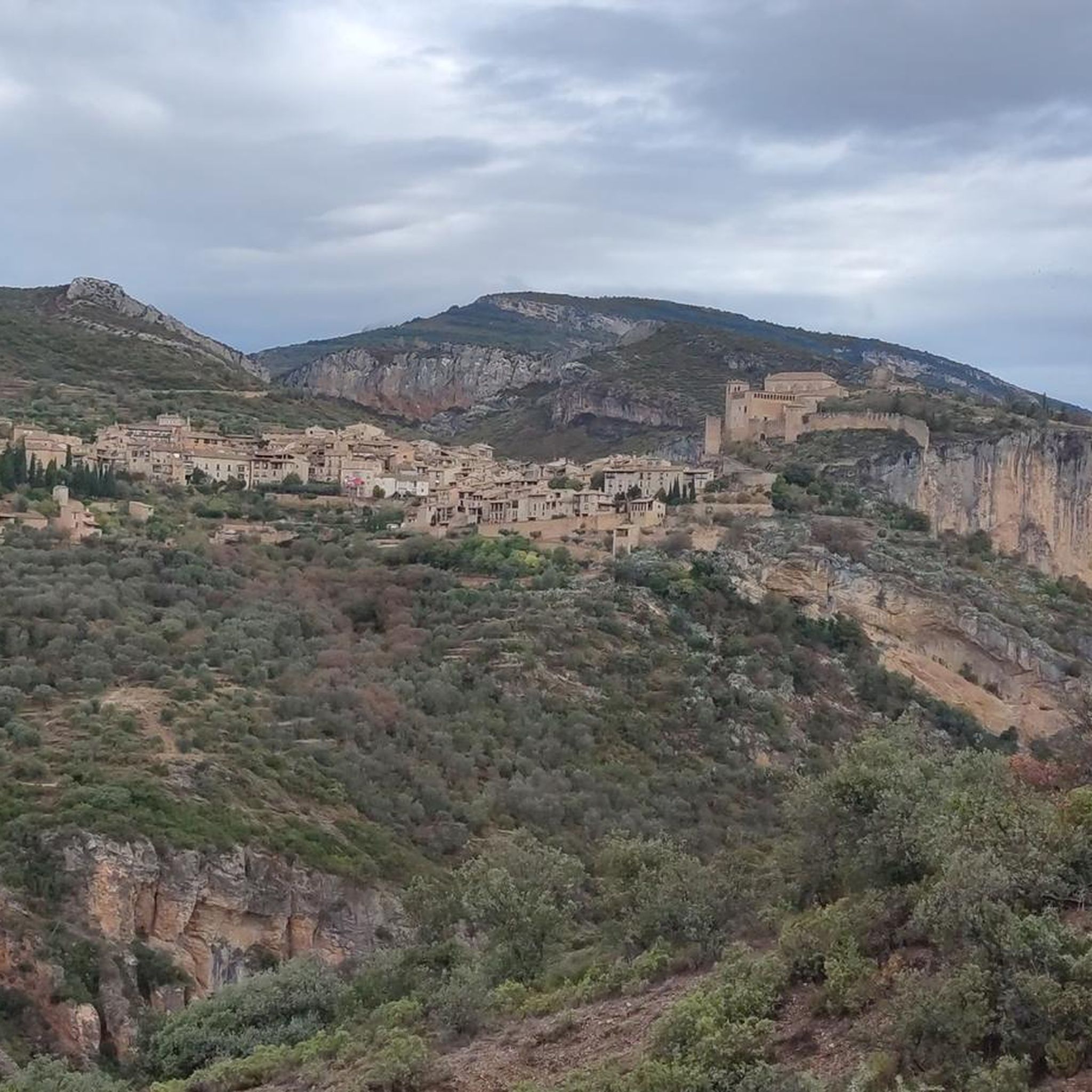
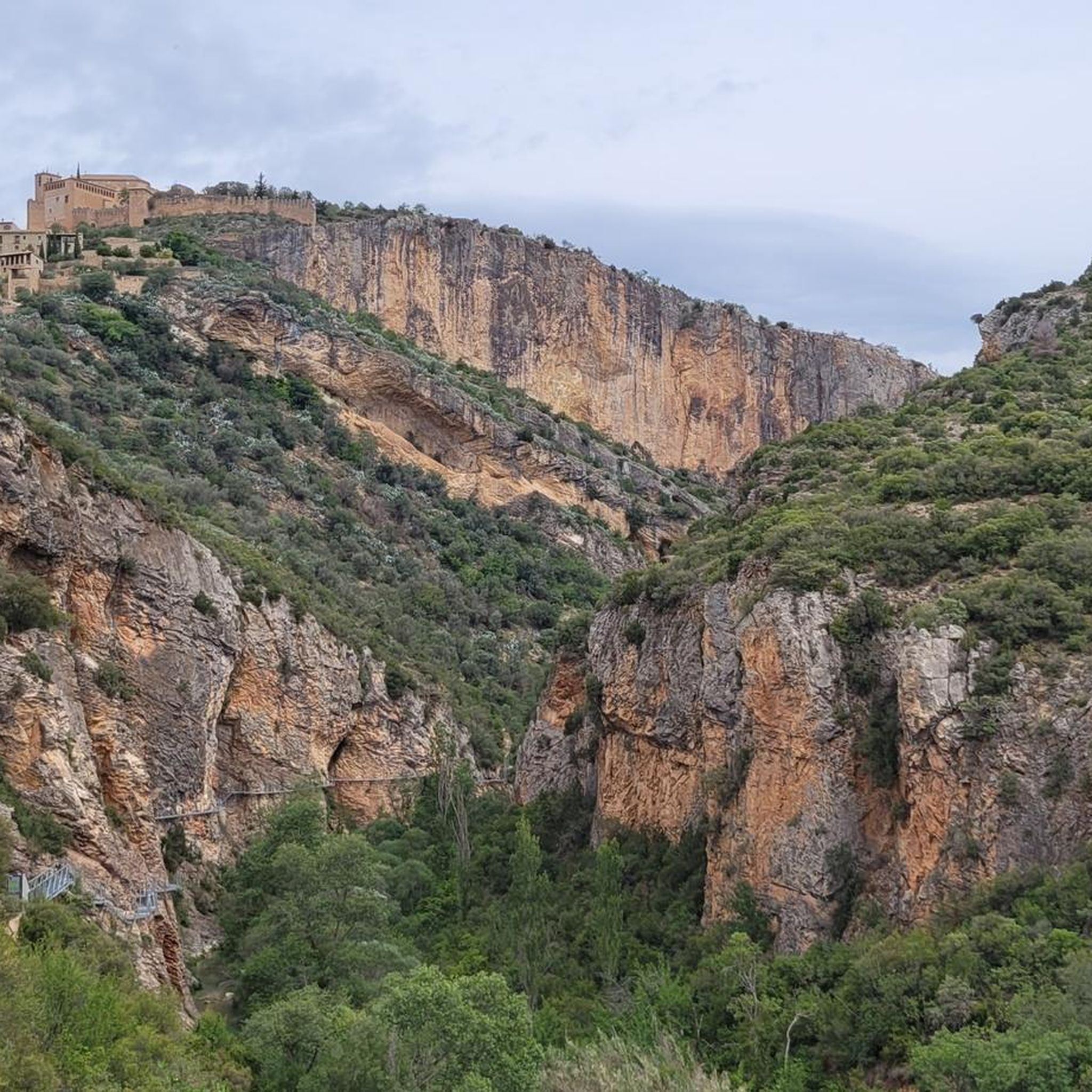
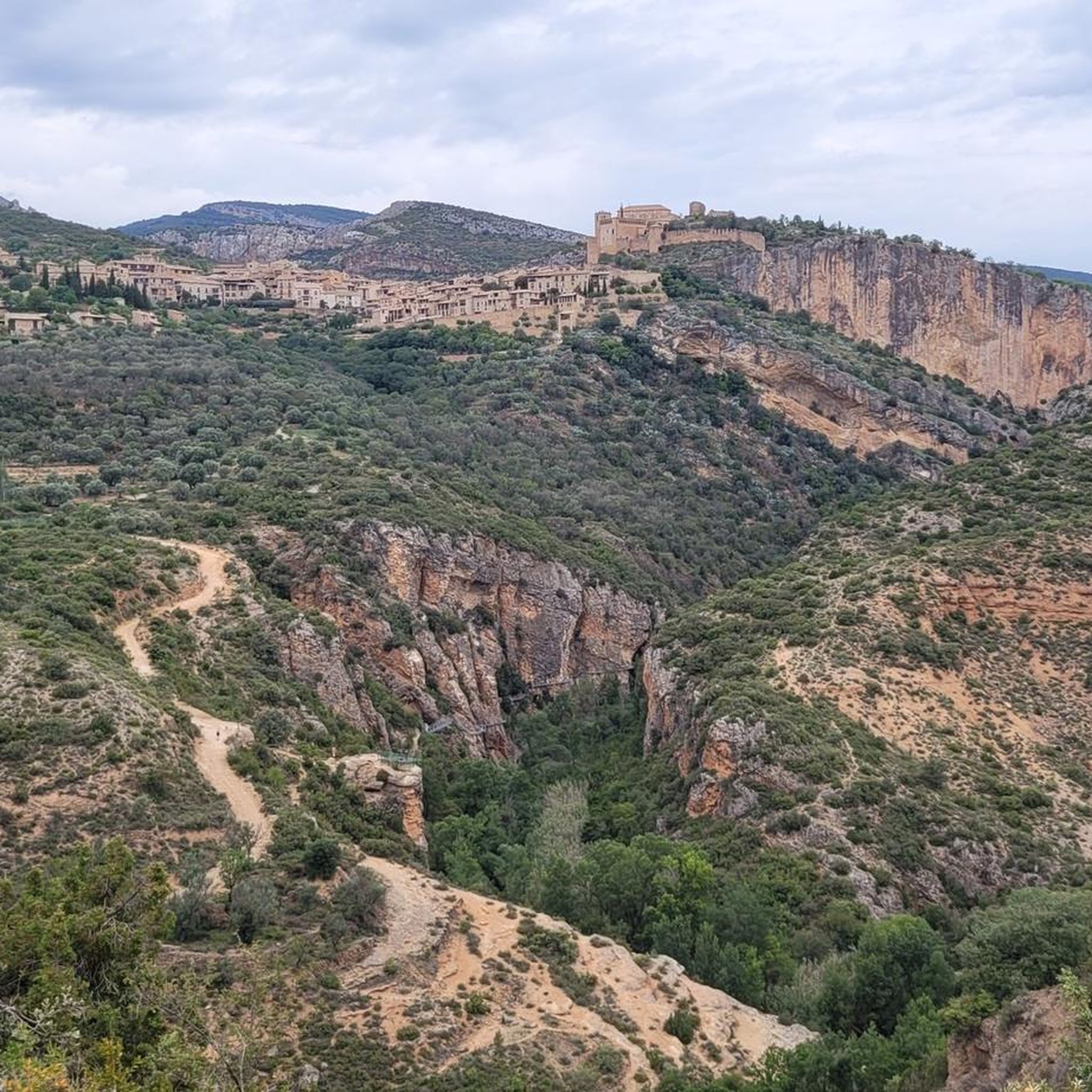
Tips from the Community

Six river crossings that are difficult barefoot. Water sandals or a pair of old trainers recommended
0
0

To reach from Alquézar via the Puente de Villacantal, or from A.s.q.u.e (this is a place name that Komoot should not translate into German, especially not into the word E.k.e.l )
0
0
A.b.r.i.g.o d.e R.e.g.a.c.e.n.s (DO NOT translate!) displays cave paintings dating back approximately 4,000–8,000 years. They are still clearly visible.
0
0

Hammerhead Cave.. Impressive cavity In the course of the Vero River🏞️🤩
0
0

Even before reaching the bottom, the views are spectacular.
5
0
Impressive cavity at the northern end of the walkway route. You can access to the bottom.
4
0

I recommend doing this visit during the week and not on the weekend when a lot of people gather and you don't enjoy the same.
4
0

Nice cave within the route of the footbridges.
1
0
Frequently Asked Questions
What kind of caves can I explore around Santa María De Dulcis?
The region around Santa María De Dulcis is primarily known for its prehistoric rock shelters, many of which contain significant cave art. These sites, particularly within the Somontano de Barbastro comarca and the Vero River Cultural Park, offer a unique glimpse into ancient human societies through Palaeolithic, Levantine, and Schematic art. You can also find natural caves like Picamartillo Cave, which offers spectacular views.
Which caves are best for seeing prehistoric art?
For prehistoric art, you have several excellent options. The Río Vero Rock Art Sites encompass over 60 shelters, functioning as an open-air museum of Prehistory. Specifically, Quizans Shelter features Neolithic cave paintings, and Abrigo de Regacens displays clearly visible cave paintings dating back 4,000–8,000 years. Other notable sites include Abrigo de Arpán for Levantine art, Abrigo de Mallata and Abrigo de Barfaluy for schematic art, and Abrigos de Chimiachas for impressive Levantine figures.
Is there a way to experience Palaeolithic art in the region?
Yes, the Cueva del Trucho is unique as the only archaeological site in Aragon with Palaeolithic paintings, dating back to 30,000 B.C. While the original cave is not directly visitable to preserve the fragile artwork, the Cave Art Visitor Centre in Colungo offers a virtual experience with 3D glasses, allowing you to appreciate this ancient art.
Are there guided tours available for the cave art sites?
Yes, guided visits are available for several key sites, including Abrigo de Arpán, Abrigo de Mallata, Abrigo de Barfaluy, and Abrigo de Lecina Superior. The Cave Art Visitor Centre in Colungo serves as a central point for information and is the departure point for many of these guided tours.
What is the best time of year to visit the caves and rock shelters?
The Sierra de Guara region, where many of these sites are located, is characterized by deep canyons and dramatic geological formations. Visiting during spring or autumn generally offers more pleasant weather for exploring the outdoor rock shelters and enjoying the surrounding natural beauty. Summers can be hot, and winters can be chilly, though the region is beautiful year-round.
What outdoor activities can I do near the caves?
The area around Santa María De Dulcis offers a variety of outdoor activities. You can find numerous hiking trails, including routes like the 'Picamartillo Cave – Walkways Over the Vero River loop from Alquézar'. There are also options for road cycling and mountain biking. For more details on routes, you can explore the Hiking around Santa María De Dulcis, Road Cycling Routes around Santa María De Dulcis, and MTB Trails around Santa María De Dulcis guides.
Are the cave sites family-friendly?
Many of the rock shelters and their surrounding areas are suitable for families, offering an educational and engaging experience with prehistoric art. Guided tours can enhance the experience for children by providing context and stories. Some sites, like Abrigos de Chimiachas and Quizáns, can be visited self-guided, allowing for a more independent exploration pace.
Do I need a permit to visit the cave art sites?
While many of the rock shelters are part of a UNESCO World Heritage site and are protected, specific permit requirements can vary. It's advisable to check with the Cave Art Visitor Centre in Colungo, especially if you plan a self-guided visit to less accessible sites, as they can provide the most up-to-date information on access and any necessary permissions.
What should I wear for exploring the rock shelters?
For exploring the rock shelters and surrounding natural areas, comfortable walking shoes or hiking boots are recommended, as the terrain can be uneven. Layered clothing is also advisable to adapt to changing temperatures, especially if you are visiting during shoulder seasons. Don't forget water, sun protection, and a camera.
Where can I find information or start my visit to the cave art sites?
The Cave Art Visitor Centre in Colungo is an essential starting point. It provides comprehensive information about the various sites, their historical context, and the different art styles. It also serves as the departure point for many guided visits to sites like Arpán, Mallata, and Barfaluy.
What are some unique natural features to look out for in the area?
Beyond the caves themselves, the region is characterized by the stunning natural setting of the Sierra de Guara, featuring deep canyons, dramatic geological formations, and the Vero River. You might also spot local wildlife, including vultures that call the canyons home, particularly around the Río Vero Rock Art Sites.
Most popular routes around Santa María De Dulcis
Most popular attractions around Santa María De Dulcis

Get inspired with the komoot mobile app


Explore more
Extend your search for the best caves by checking out these guides of the top ones around Santa María De Dulcis:
