Top 8 Caves around Arbolí
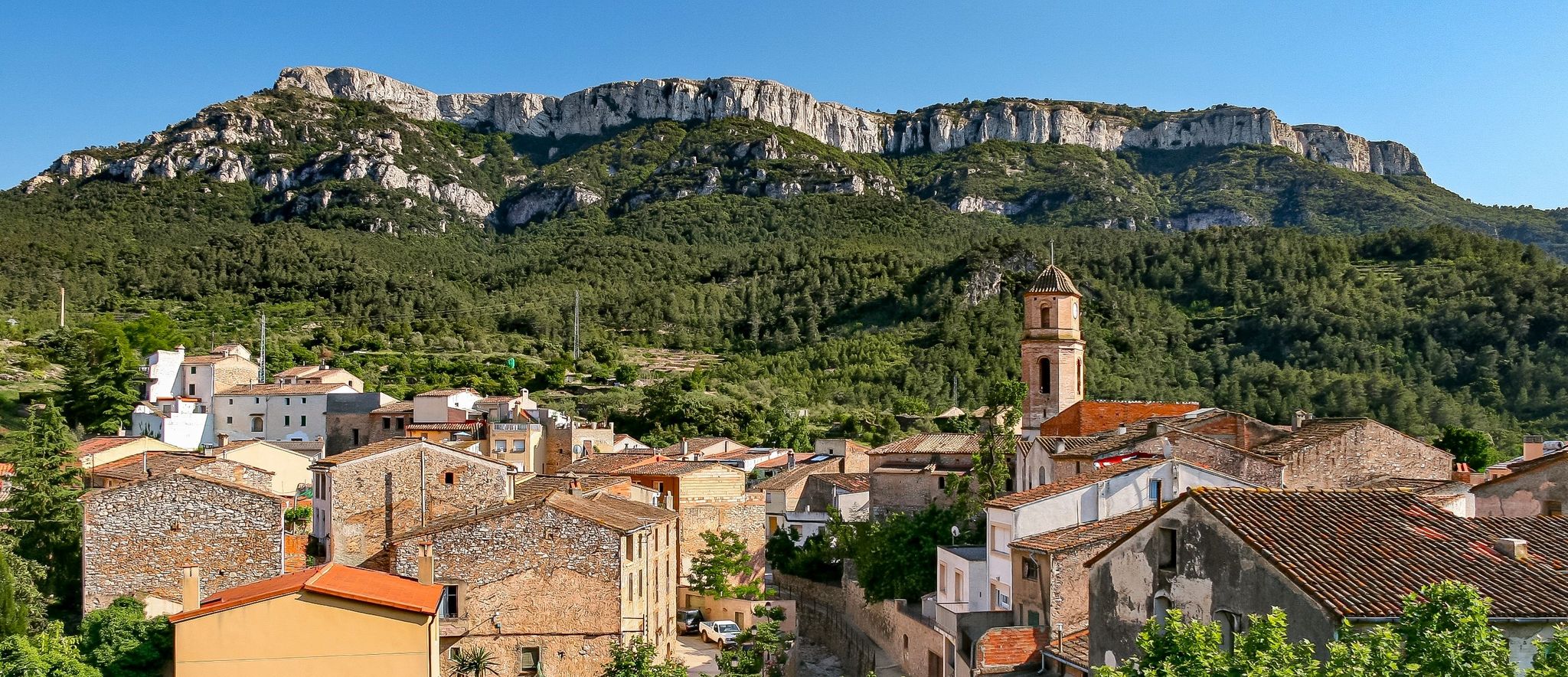
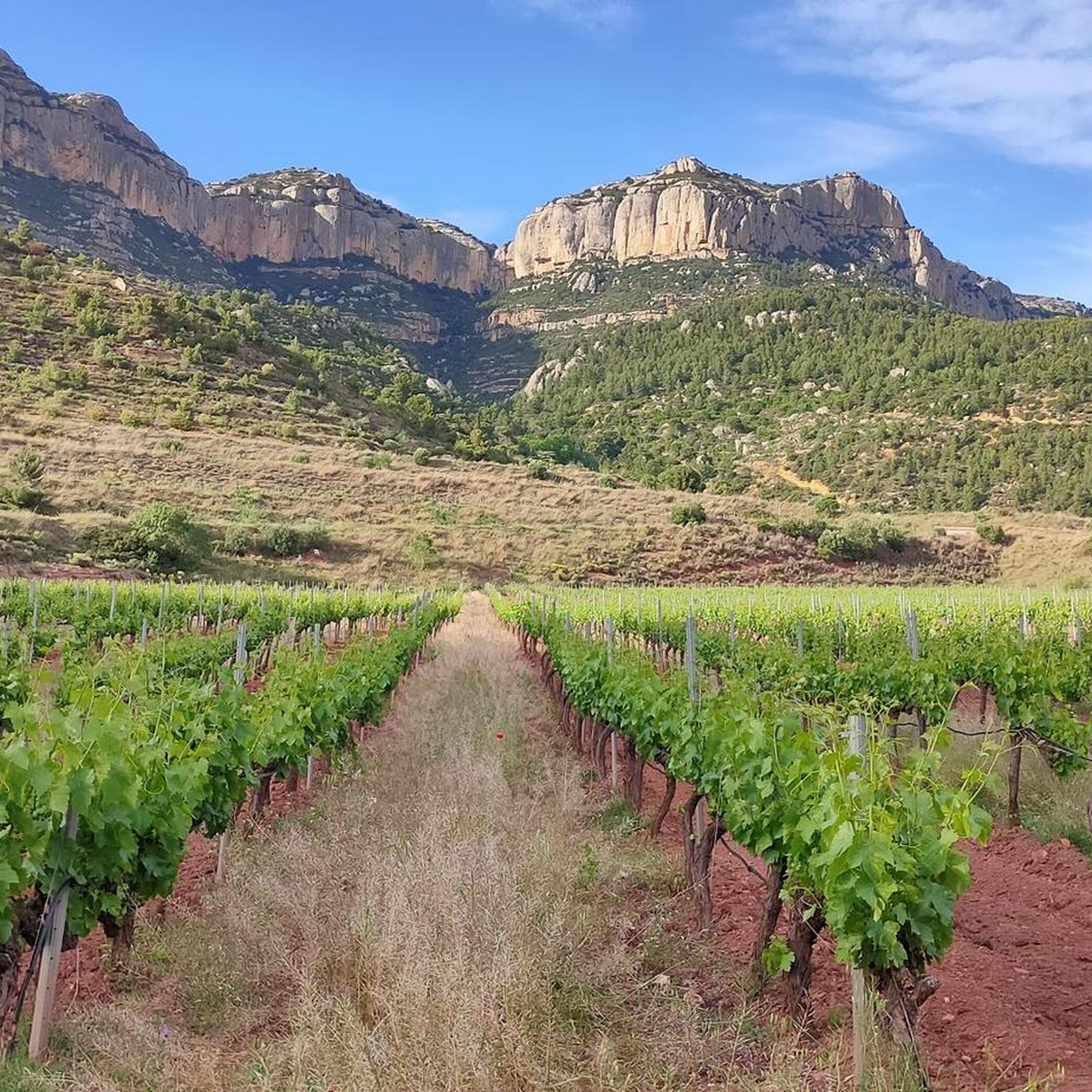
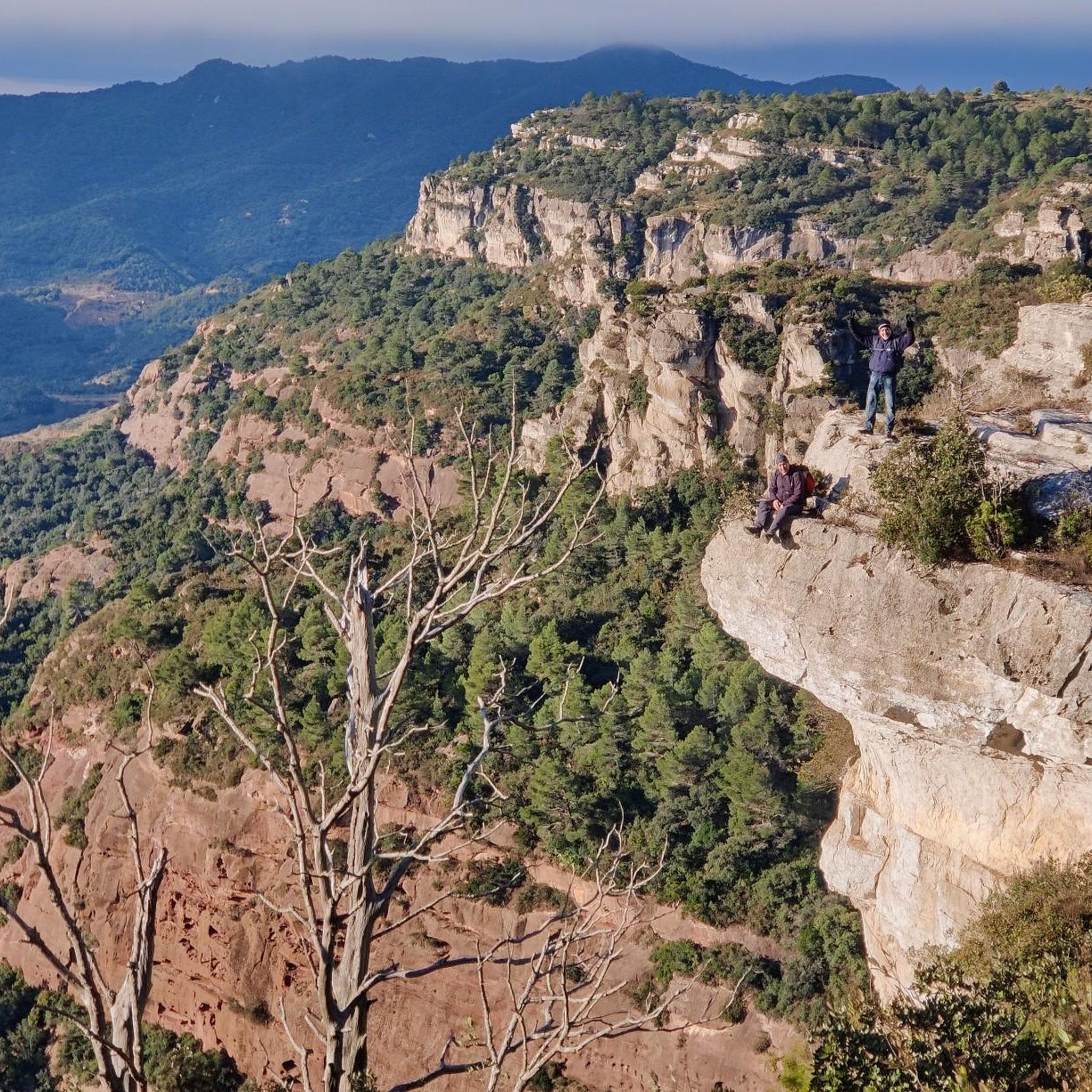
Best caves around Arbolí are situated within the Prades Mountains, a region known for its natural landscapes and historical significance. While Arbolí is primarily a destination for rock climbing, the surrounding area features various natural rock formations and archaeological cave sites. The terrain offers diverse natural features, including gorges and viewpoints, attracting visitors interested in the region's unique geology and history. These landmarks near Arbolí caves provide insight into the area's natural and cultural heritage.
Best caves around Arbolí
- The…
Last updated: June 20, 2026
Cave of the Cranes
Highlight • Cave
Translated by Google •
Tip by

Els Avencs de la Febró
Highlight • Cave
Access via a short climbing passage, headlamp required
Translated by Google •
Tip by

Sign up now to discover places like this
Get recommendations on the best single tracks, peaks, & plenty of other exciting outdoor places.
Sign up for free
Ermita de Santa Magdalena d'Ulldemolins
Highlight • Religious Site
Translated by Google •
Tip by

Clot del Cirer
Highlight • Natural Monument
Translated by Google •
Tip by
Pere's Cave
Highlight • Cave
Translated by Google •
Tip by

Sign up for free to discover even more caves around Arbolí.
Sign up for free
Already have an account?
Start today with a free account
Your next adventure awaits.
Login or Signup

Other adventures around Arbolí

Tips from the Community

The cave can only be reached from the lower footpath. You have to hike back the same way.
0
0

To enter Avencs, you will find a pile of stones where you have to go down. Easier access to enter 🌿
0
0

Nice corner that invites you to silence and meditation
0
0

Natural crevice called Avencs de la Febro, you need good shoes with heels and, if possible, a headlamp or flashlight. They are cracks 30 meters deep, 300 meters long and 8 meters wide that are just a step away from La Mussara. However, they are hidden by vegetation. Because yes, there are many stories of friends and acquaintances who have had to turn around because they have not been able to find their entrance. That's the fun! Hahaha Els Avencs de La Febró have offered shelter to all types of people. For example, they served as a hiding place for the smuggler Josep Ferrer i Grau and General Prim. Yes, I am talking about Juan Prim i Prats, who, apart from being originally from Reus, would come to occupy the position of President of the Government of Spain in 1869.
2
0

The hermitage of Santa Magdalena d'Ulldemolins is also known as the Montsant cathedral for its Renaissance style. Although it was built in the 16th century, it was not until the 18th century when it was opened to worship and was equipped with an altarpiece that was destroyed in 1936.
0
0

Avencs de la Febró is a popular hiking destination. It's a beautiful narrow canyon that the trail goes through. Definitely worth a visit, but watch your step if you're running. Maybe, slow down and take a photo or two.
2
0

Beautiful landscape an a fantastic hike up to Pont de Goi. Check my Youtube video: https://youtu.be/zpCHxHeNRp0
1
0

Peter's cave has an entrance 15 meters wide and about five meters high and where in the past, it was covered by a wall that gave it protection. It is known as the cave of Nen de Prades who was a soldier in the Carline War of the late 19th century.
1
1
Frequently Asked Questions
What types of caves and natural formations can I explore around Arbolí?
The area around Arbolí offers a variety of natural formations. You can find deep crevices like Els Avencs de la Febró, which is a narrow canyon about 250 meters long. There are also caves featuring waterfalls and small lakes, such as the Cave of the Cranes, and large rock shelters with historical significance like Pere's Cave. The region is also home to archaeological sites, including rock shelters with ancient art.
Are there any caves with historical or archaeological significance near Arbolí?
Yes, the region has significant historical and archaeological sites. Pere's Cave is a notable historical site, known for its past use during the Carline War. Additionally, the broader Prades Mountains, where Arbolí is located, contain numerous prehistoric caves and rock shelters with ancient rock art from the Levantine and schematic styles, some of which are UNESCO World Heritage sites. An interpretation center for cave art in Montblanc provides more information on these.
What are the difficulty levels for exploring caves and gorges in this area?
The difficulty varies. Some sites like Els Avencs de la Febró are described as challenging, requiring a short climbing passage and a headlamp. The Cave of the Cranes can be accessed via a well-marked path, but reaching the cave along the ravine involves navigating steps and stone blocks, which is recommended for those with nimble legs, especially in the dry season. Many routes to these natural monuments are rated as intermediate.
Are there family-friendly options for visiting caves or rock shelters around Arbolí?
While some caves involve challenging terrain, many rock shelters and natural formations can be enjoyed by families. The region's focus on natural landscapes and archaeological sites means that some areas are more about observation and hiking to viewpoints rather than deep cave exploration. For a broader understanding of the region's ancient art, the interpretation center in Montblanc could be a family-friendly educational stop.
What outdoor activities can I combine with a visit to the caves near Arbolí?
Arbolí is renowned for its outdoor activities, particularly rock climbing. Beyond caving, you can find numerous hiking and running trails. For example, you can explore hiking routes around Arbolí, including moderate loops like the 'Arbolí Village and Church – Ruins of Gallicant loop'. There are also running trails and gravel biking routes in the wider area, offering diverse ways to experience the natural landscape.
What is the best time of year to visit the caves and natural monuments in Arbolí?
The best time to visit depends on your priorities. For sites like the Cave of the Cranes, the fifty-meter waterfall is only present during the rainy season, offering a spectacular sight. However, accessing the ravine path to this cave is easier in the dry season. Generally, spring and autumn offer pleasant temperatures for hiking and exploring the natural landscapes without extreme heat or cold.
Do I need any special equipment or permits to visit the caves around Arbolí?
For more challenging sites like Els Avencs de la Febró, a headlamp is required due to the narrow and deep canyon. While general permits for public access to natural monuments are not typically needed, it's always advisable to check local regulations for specific sites, especially if you plan on advanced caving or climbing. Always wear appropriate footwear for uneven terrain.
Are there any lesser-known or unique natural features worth exploring besides the main caves?
Beyond the well-known caves, the region offers unique natural spots like Clot del Cirer. This area in Montsant is an oasis of greenery with water usually present year-round, inviting silence and meditation. It's a place where shepherds once brought their flocks, and their drinking troughs are still preserved. It offers a different kind of natural beauty compared to the more dramatic cave formations.
What kind of wildlife might I encounter in or around the caves?
While specific wildlife within the caves is not detailed, the Prades Mountains are a natural habitat for various species. You might encounter local birds, small mammals, and insects in the surrounding natural landscapes. The presence of water sources, such as the small lake at the Cave of the Cranes or the perennial water at Clot del Cirer, supports local flora and fauna.
Are there places to eat or stay near the caves in Arbolí?
Arbolí is a village nestled in the Prades Mountains, and while it's a hub for outdoor activities, specific information on cafes, restaurants, or accommodation directly adjacent to each cave is limited. However, the village of Arbolí itself, and other nearby towns in the Prades Mountains, would offer options for dining and lodging. It's recommended to plan your meals and accommodation in the nearest villages before or after your cave explorations.
Can I visit the caves and natural monuments on my own, or are guided tours available?
Many of the natural monuments and rock shelters, such as Els Avencs de la Febró or Cave of the Cranes, can be explored independently via marked paths. However, for deeper insights into the archaeological significance of the rock art sites in the Prades Mountains, an interpretation center in Montblanc offers guided information. For more challenging caving, it's always safer to go with experienced individuals or a local guide if available.
What should I bring for a day trip to the caves and natural areas around Arbolí?
For a day trip, bring sturdy hiking shoes, sufficient water, and snacks. Depending on the specific cave, a headlamp might be necessary, as mentioned for Els Avencs de la Febró. If visiting the Cave of the Cranes during warmer weather, a swimsuit is advisable to cool off in the small lake. Always check the weather forecast and pack layers of clothing.
Most popular attractions around Arbolí

Get inspired with the komoot mobile app


Explore more
Extend your search for the best caves by checking out these guides of the top ones around Arbolí:
