Top 7 Castles around Duesaigües
Best castles around Duesaigües are situated in a region defined by its proximity to the Riudecanyes Swamp and surrounding mountains. While Duesaigües itself does not host prominent castles, it provides access to significant historical sites nearby. The area combines natural landscapes with a rich cultural heritage. Visitors can explore various historical structures that reflect the region's past.
Best castles around Duesaigües
- The most popular castles is Sant Miquel d'Escornalbou Castle and Monastery, a castle, viewpoint, and historical site. This…
Last updated: July 4, 2026
La Mola Castle, Colldejou
Highlight • Castle
Translated by Google •
Tip by

Sant Miquel d'Escornalbou Castle and Monastery
Highlight • Castle
Translated by Google •
Tip by

Sign up now to discover places like this
Get recommendations on the best single tracks, peaks, & plenty of other exciting outdoor places.
Sign up for free
Castell dels Teixells
Highlight • Castle
Translated by Google •
Tip by
Escornalbou Castle-Monastery
Highlight (Segment) • Castle
Translated by Google •
Tip by

Falset
Highlight • Settlement
Translated by Google •
Tip by

Sign up for free to discover even more castles around Duesaigües.
Sign up for free
Already have an account?
Start today with a free account
Your next adventure awaits.
Login or Signup

Tips from the Community

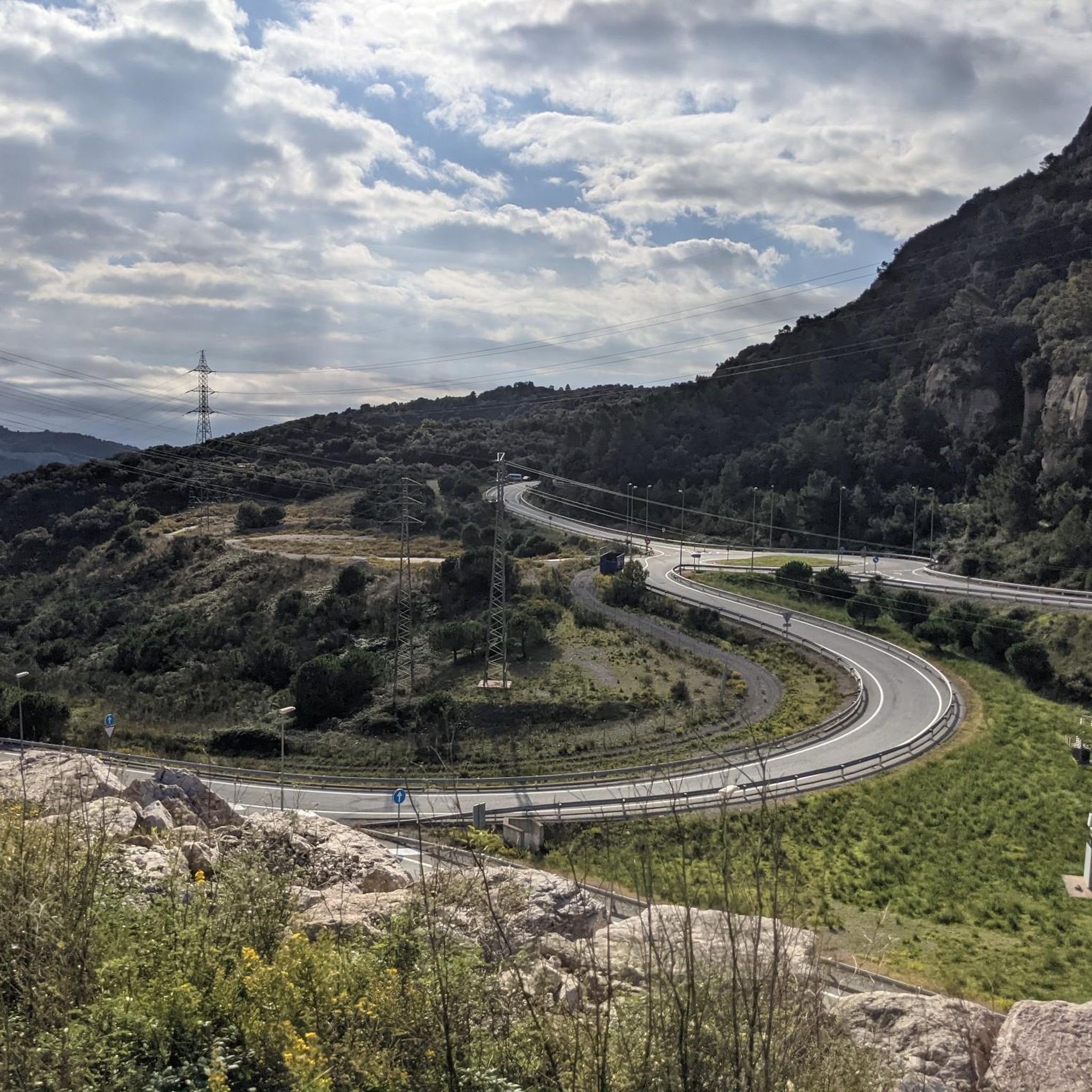
Old Farmhouse. Ideal to replenish and rest.
0
1

Beautiful historic farmhouse, if you still have water in your bottle drink it here and enjoy life.
14
0

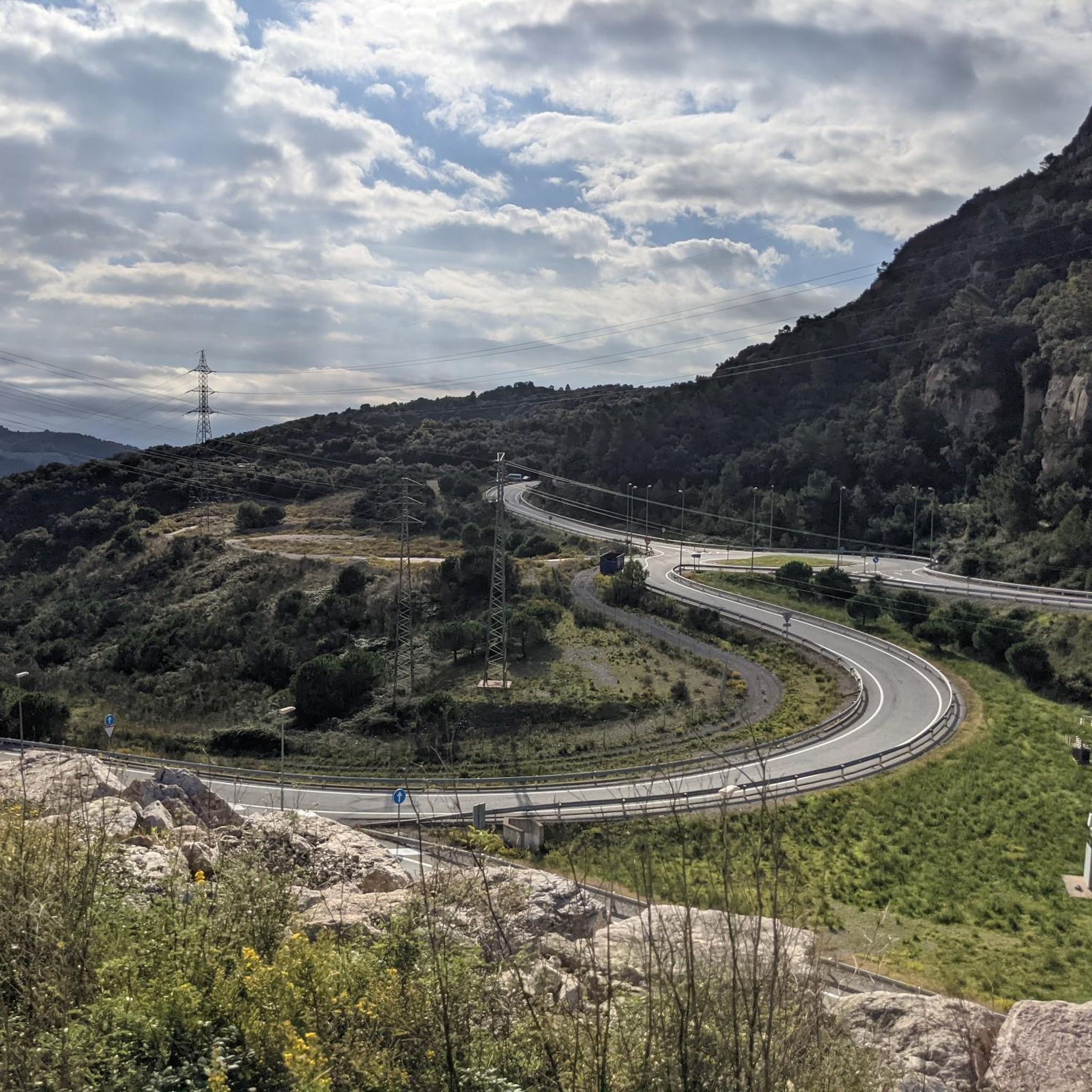
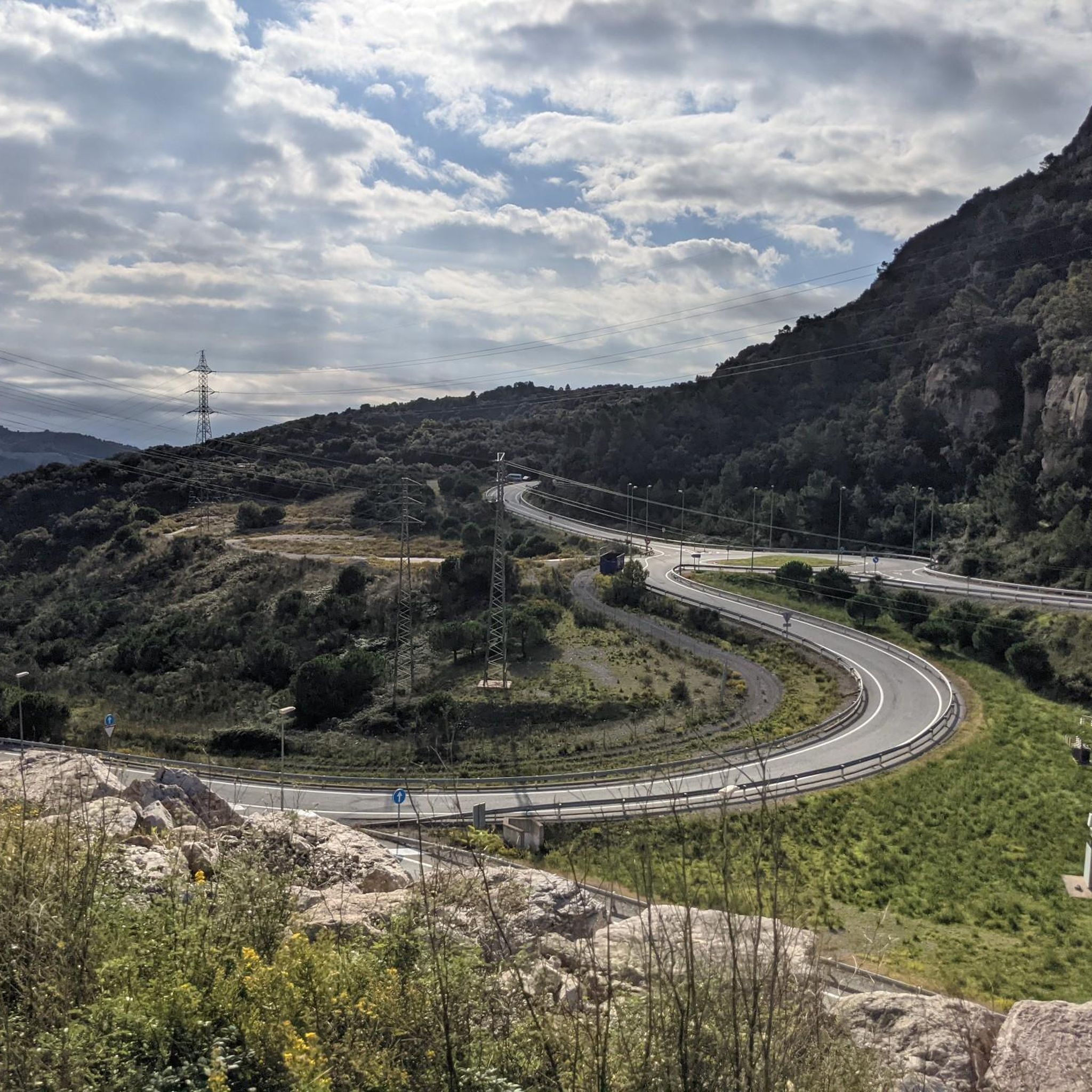
From up here you have a beautiful view.
0
0

Beautiful house typical of this area of Reus and characterized by having a tower that can be seen from the outskirts.
0
0

Stately mansion from the early 20th century, made up of the remains of two medieval buildings, the Escornalbou monastery, founded in 1153, and the castle, built on the remains of a Roman fortress. For six centuries this architectural complex formed the barony of Escornalbou, but after the confiscation of Mendizabal it was practically in ruins. In 1911 it was acquired by the philanthropist, diplomat and writer Eduard Toda, who restored it following very personal criteria: some structures were demolished and towers were erected in an "exotic" medieval style. Of the old monastery, only the Romanesque church remains, remains of the chapter house and the structure of the cloister, converted into a viewpoint of the Camp de Tarragona region.
3
1

The Mas dels Tegells, also called Mas de Sant Rafael, during the Middle Ages, was the nucleus of its own term. At the end of the 19th century, it was restored and given a neo-Gothic appearance both to its two side towers with battlements and battlements and to its outer wall.
3
0
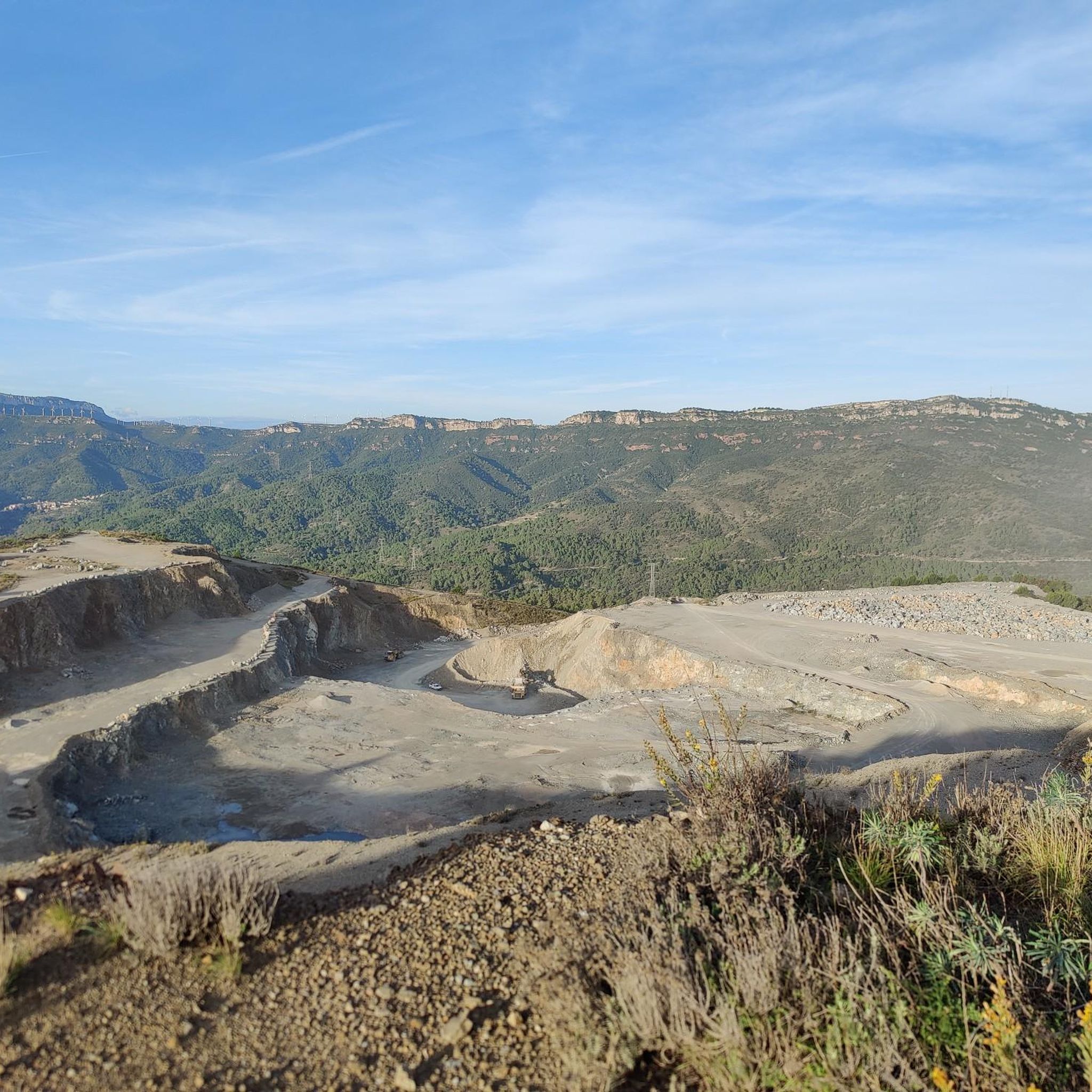
It's a very special place in the middle of a very classic MTB route...
3
0

Falset is the capital of Priorat. It is located in a valley surrounded by mountains and in the very center of the Siurana river basin. The town has a castle built in the 12th century. Two queens were born in it: Eleonor of Cyprus and Margarita de Prades. From 1825 and for more than a century it was used as a prison. Currently, it houses the Museum of Falset and the region.
0
0
Frequently Asked Questions
What castles can I visit near Duesaigües?
While Duesaigües itself doesn't host prominent castles, the region offers several significant historical sites. The most notable is Sant Miquel d'Escornalbou Castle and Monastery, a stately mansion incorporating medieval remains. Other sites include La Mola Castle, Colldejou, and Castell dels Teixells, an old farmhouse.
Are there any castles directly within Duesaigües village?
No, Duesaigües village does not have its own prominent castles. However, it serves as a gateway to exploring the impressive Escornalbou Castle-Monastery, which is located nearby at the foot of the mountains guarding the Riudecanyes Swamp.
What makes Sant Miquel d'Escornalbou Castle and Monastery unique?
Sant Miquel d'Escornalbou Castle and Monastery is unique for its blend of medieval origins and early 20th-century restoration. It originated from a 12th-century monastery and a castle built on a Roman fortress. Later, diplomat Eduard Toda transformed it into a stately mansion, adding towers and housing his extensive collections. Visitors can see Romanesque architecture, Toda's personal touches, and enjoy panoramic views from its elevated position.
What is the experience like at La Mola Castle, Colldejou?
La Mola Castle, Colldejou offers a more adventurous experience. Visitors note that it requires good physical condition and sturdy, non-slip footwear due to some challenging sections. It's a wonderful hike with great nature, and if you reach the grindstone, there's also a grindstone cave to see.
What outdoor activities are available near the castles?
The area around Duesaigües and its castles is excellent for outdoor activities. You can find numerous routes for hiking, road cycling, and mountain biking. For example, there are moderate hiking trails like the 'Trails steeped in history in Escornalbou' or the 'Mirador de Puigferrós - Circular route from Desaigües'. You can explore more options on the Hiking around Duesaigües guide, Road Cycling Routes around Duesaigües guide, and MTB Trails around Duesaigües guide.
Are there hiking trails suitable for families or those seeking easy walks near the castles?
Yes, there are options for various fitness levels. For an easier walk, consider the 'Paved path – The Puigferrós Viewpoint loop from l'Argentera' which is rated easy. The 'Riudecanyes Reservoir – Lavaderos de Duesaigües loop from Riudecanyes' is a moderate option. For a historical walk, the 'Passeig dels Frares' near Escornalbou Castle-Monastery is a short, scenic path to the hermitage of Santa Bàrbara, offering privileged views.
Can I bring my dog on trails near the castles?
While specific dog-friendly policies for each castle or trail are not detailed, many outdoor trails in the region are generally accessible for dogs, especially if kept on a leash. It's always recommended to check local signage or specific highlight information for any restrictions before visiting.
Where can I find scenic viewpoints near the castles?
The region is known for its stunning vistas. The cloister of Sant Miquel d'Escornalbou Castle and Monastery was converted into a garden viewpoint offering incomparable panoramic views of the Camp de Tarragona plain and the Prades Mountains. The hermitage of Santa Bàrbara, accessible via a short walk from Escornalbou, also provides breathtaking vistas.
What are the parking options for visiting the castles?
For Sant Miquel d'Escornalbou Castle and Monastery, parking is available. It's a popular destination, so on weekends, expect more traffic. For other sites, parking availability may vary, and it's advisable to check specific location details.
How can I reach the castles using public transport?
Public transport options directly to the castles, especially those in more remote mountain locations like Escornalbou, can be limited. Duesaigües itself has a train station (Duesaigües-L'Argentera), but reaching the castles from there might require further travel by taxi or a significant hike. Driving is generally the most convenient way to access these sites.
What is the best time of year to visit the castles around Duesaigües?
The region enjoys a Mediterranean climate. Spring (April-May) and autumn (September-October) are generally the most pleasant times to visit, with mild temperatures ideal for exploring the castles and enjoying outdoor activities. Summers can be hot, while winters are mild but can be cooler at higher elevations.
Are the castles around Duesaigües suitable for families with children?
Yes, some castles are family-friendly. Falset, for instance, is listed as family-friendly and offers a castle that now houses a museum. Sant Miquel d'Escornalbou Castle and Monastery, with its historical layers and museum-like atmosphere, can also be an engaging visit for older children, especially with guided tours.
Are there dining options or amenities near the castles?
While direct amenities at every castle might be limited, the nearby villages and towns like Duesaigües, Riudecanyes, or Falset offer cafes, restaurants, and local shops. It's a good idea to plan your visit to include a stop in one of these charming towns for refreshments or a meal.
Most popular routes around Duesaigües
Most popular attractions around Duesaigües

Get inspired with the komoot mobile app


Explore more
Looking for the best castles somewhere else? Discover other guides around Duesaigües:
