Attractions and Places To See around Franzburg - Top 20
Attractions and places to see around Franzburg include historical landmarks, cultural sites, and natural features. This small town in Mecklenburg-Vorpommern, Germany, is known for its historical roots, particularly the former Neuenkamp Abbey, and its access to natural landscapes like the Hellberge. The area offers a blend of historical significance and opportunities for outdoor activities.
Best attractions and places to see around Franzburg
- The most popular attractions is Stralsund–Tribsees Rail Trail, a cycle way that follows a former railway line…
Last updated: August 26, 2026
Stralsund–Tribsees Rail Trail
Highlight (Segment) • Cycleway
Translated by Google •
Tip by

Mill Gate, Tribsees
Highlight • Historical Site
Translated by Google •
Tip by

Sign up now to discover places like this
Get recommendations on the best single tracks, peaks, & plenty of other exciting outdoor places.
Sign up for free
Franzburg Protestant Church (former monastery church of Neuenkamp)
Highlight • Religious Site
Translated by Google •
Tip by

Franzburg Parish Church and Monastery Garden
Highlight • Religious Site
The parish church of …
Translated by Google •
Tip by

Historic Old Town of Tribsees
Highlight • Historical Site
Translated by Google •
Tip by
Sign up for free to discover even more attractions around Franzburg.
Sign up for free
Already have an account?
Start today with a free account
Your next adventure awaits.
Login or Signup
Tips from the Community


After a major town fire in 1702, the gate was rebuilt with some structural modifications. From 1976 to 1991, it housed the Tribsees Local History Museum (a small local history museum), which later moved to the Stone Gate and finally to another building in 2007.
0
0

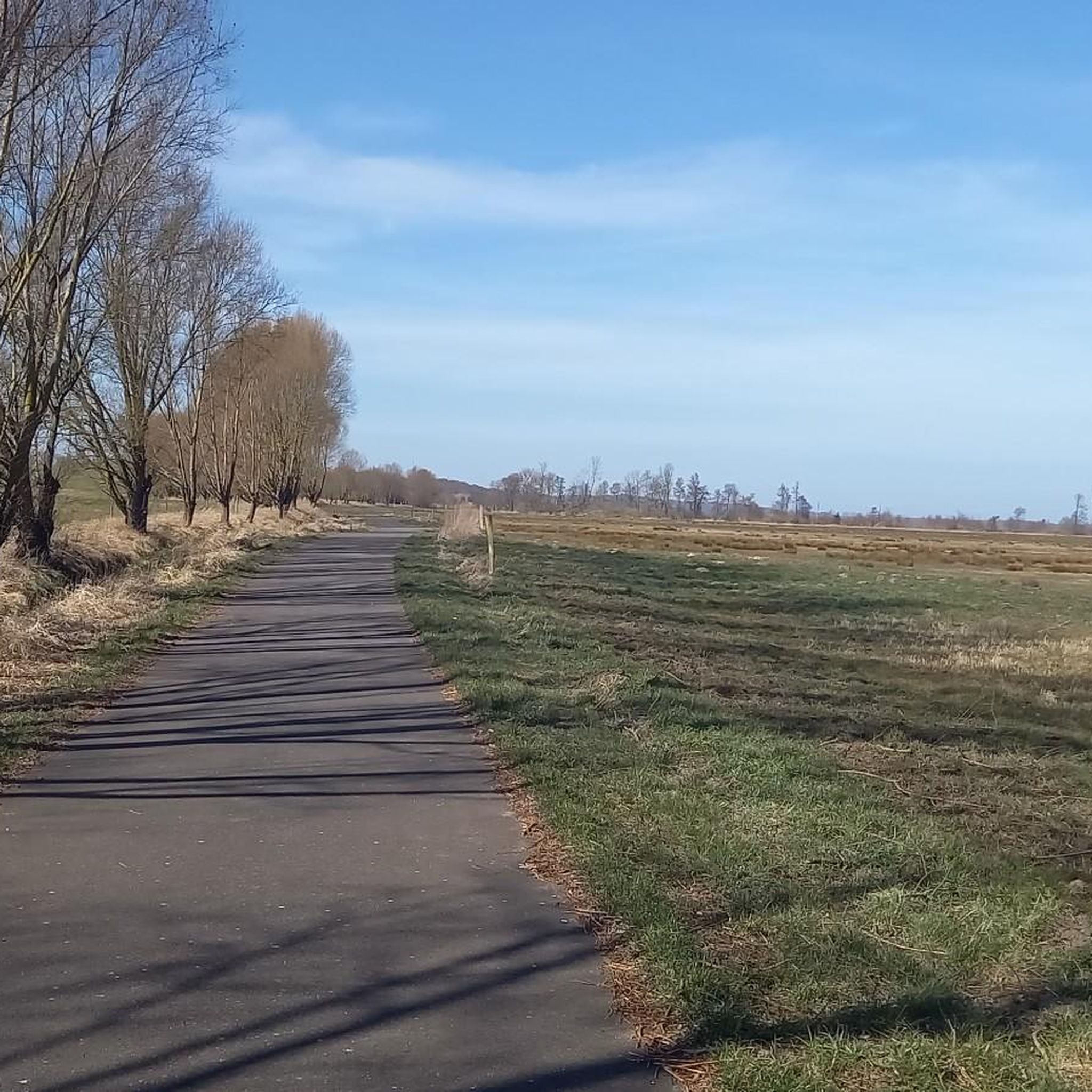
The road is easily navigable and leads partly through the forest.
12
0

The mill gate was built in the 13th century and rebuilt with modifications in 1702 after a fire.
0
0

Well, some sections are already quite broken up by roots (2024). Not good in some places with a racing bike.
1
0

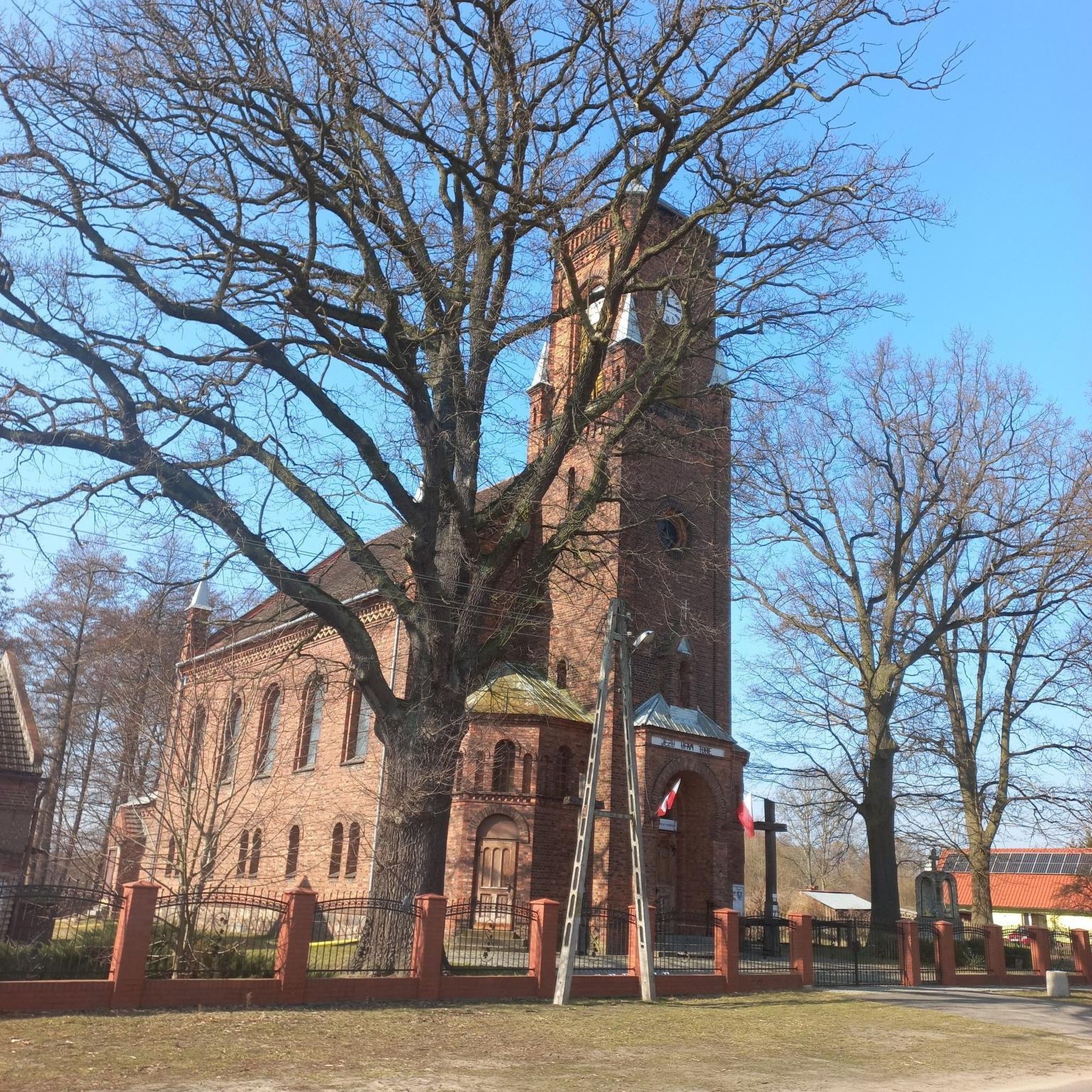
The Protestant church in Franzburg is the surviving southern transept arm of the former monastery church of the Cistercian monastery of Neuencamp from the 14th century. The building is the remains of the Cistercian monastery of Neuencamp (mother monastery of Hiddensee). The monastery was dissolved during the Reformation. The Pomeranian dukes had a castle built here from 1587. The castle chapel was built from the remains of the monastery church. During the Thirty Years' War, Franzburg was plundered and destroyed by Wallenstein's troops. Between 1660 and 1678, the remains of the castle were demolished. Only the former castle church has survived. Worth seeing are a sandstone epitaph with life-size figures (1615), a crucifix from the 16th century and a Madonna on the crescent moon (15th century). https://www.auf-nach-mv.de/reiseziele/a-kirche-franzburg
2
0

The church in Franzburg is quite impressive. Unfortunately it was closed at the time of my visit. The church originally emerged from a side wing of the Neuenkamp monastery, which was converted into the castle church in the 16th century.
1
0

The building is the remainder of the Neuencamp Cistercian monastery (mother monastery of Hiddensee). The monastery was dissolved in the course of the Reformation. The Pomeranian dukes had a palace built here from 1587. The castle chapel was created from the remains of the monastery church. During the Thirty Years' War, Franzburg was plundered and destroyed by Wallenstein's troops. Between 1660 and 1678 the remains of the castle were demolished. Only the former castle church has been preserved. Worth seeing are a sandstone epitaph with life-size figures (1615), a crucifix from the 16th century and a Madonna on the crescent moon (15th century).
0
0
Frequently Asked Questions
What historical landmarks can I explore in Franzburg?
Franzburg is rich in history, particularly with its connection to the former Neuenkamp Abbey. You can visit the Franzburg Parish Church and Monastery Garden, which is the preserved cross wing of the Cistercian monastery Neuenkamp. This 13th-century church, once part of the largest monastery church in Pomerania, offers a glimpse into the town's past. The well-kept monastery garden next to it is also worth exploring.
Are there any ancient sites near Franzburg?
Yes, for those interested in prehistory, the ancient Megalithic Tombs "Neumühl 1" and "Neumühl 2" are located between Gremersdorf and Franzburg. These sites offer a fascinating look into the region's distant past.
Where can I enjoy nature around Franzburg?
Nature lovers can explore the Hellberge Landscape Protection Area, which is accessible via a nature trail starting directly in Franzburg. The Mühlengrundpark in Franzburg is also ideal for leisurely walks and hosts local town festivals. These areas provide a quiet and engaging natural experience.
What cycling opportunities are available near Franzburg?
The Stralsund–Tribsees Rail Trail is a popular choice, offering a paved cycle path that follows a former railway line for over 30 kilometers. It's easy to navigate and leads through natural surroundings. For more options, you can find various cycling routes around Franzburg, including MTB trails, on the MTB Trails around Franzburg guide.
Can I go hiking around Franzburg?
Absolutely! The Hellberge Landscape Protection Area offers trails for nature walks. For more structured hiking, there are several easy hikes available, such as the "Old millstone by the path – Ice Cream Café by the Lake Franzburg loop" or the "Viewpoint Zum Utkiek loop." You can find more details and routes on the Easy hikes around Franzburg guide.
What family-friendly attractions are available near Franzburg?
Families can enjoy exploring the Franzburg Parish Church and Monastery Garden. Additionally, the nearby town of Tribsees offers the Mill Gate, a Gothic brick gate from the 13th century, and the Historic Old Town of Tribsees, both of which are considered family-friendly historical sites.
What is the best time to visit Franzburg for outdoor activities?
The best time to visit Franzburg for outdoor activities is generally during the spring, summer, and early autumn months (April to October). During these periods, the weather is typically mild and pleasant, making it ideal for hiking, cycling, and exploring the natural landscapes and historical sites.
Are there running trails available near Franzburg?
Yes, there are several running trails around Franzburg suitable for various fitness levels. You can find routes like the "Running loop from Richtenberg" or the "Running loop from Franzburg." More options are detailed in the Running Trails around Franzburg guide.
What cultural venues are in or near Franzburg?
While Franzburg itself is a smaller town, the Kulturhaus Treffpunkt Europas is listed as a cultural institution nearby, suggesting it may host various events or exhibitions. For broader cultural experiences, larger towns within a 20-kilometer radius, like Stralsund, offer attractions such as the Ozeaneum and the German Oceanographic Museum.
What historical sites are there in nearby Tribsees?
In the nearby town of Tribsees, you can visit the Mill Gate, also known as the Stralsunder Gate, a Gothic three-storey brick gate from the 13th century. It was part of the city's original fortifications. The Historic Old Town of Tribsees also offers a charming area to explore with its well-preserved center and the Thomaskirche.
Where can I find parking near attractions or trails in Franzburg?
Parking is generally available in the town center of Franzburg for attractions like the Parish Church. For trails leading into the Hellberge Landscape Protection Area, look for designated parking areas near trailheads. Specific parking information for individual highlights or routes can often be found in their respective komoot highlight or tour descriptions.
Most popular routes around Franzburg
Most popular attractions around Franzburg

Get inspired with the komoot mobile app


Explore more
Still not found the Highlight you’re looking for? See guides of the top attractions in other regions:
