Top 9 Castles around Granyena De Segarra
Best castles around Granyena De Segarra are situated in a region known for its rich medieval history and strategic hilltop locations. The area features historic sites such as the Castell de Granyena, which was the first castle donated to the Knights Templar in Catalonia. Visitors can explore remnants of these structures and enjoy panoramic views of the surrounding Segarra landscape, characterized by cereal fields and traditional villages. The region offers a tangible link to centuries of history, from its origins…
Last updated: July 4, 2026
Montfalcó Murallat
Highlight • Historical Site
Translated by Google •
Tip by

Castell de l'Aranyó
Highlight • Castle
Restored and with a great history. We will be able to go back in time with the information panels.
It is …
Translated by Google •
Tip by

Sign up now to discover places like this
Get recommendations on the best single tracks, peaks, & plenty of other exciting outdoor places.
Sign up for free
Castillo de Montcortés
Highlight • Castle
Translated by Google •
Tip by
Verdú Castle
Highlight • Castle
Translated by Google •
Tip by
L'Ametlla de Segarra
Highlight • Settlement
Translated by Google •
Tip by

Sign up for free to discover even more castles around Granyena De Segarra.
Sign up for free
Already have an account?
Start today with a free account
Your next adventure awaits.
Login or Signup

Tips from the Community

It is a must-see for those who want to get to know this area and enjoy its benefits.
0
0

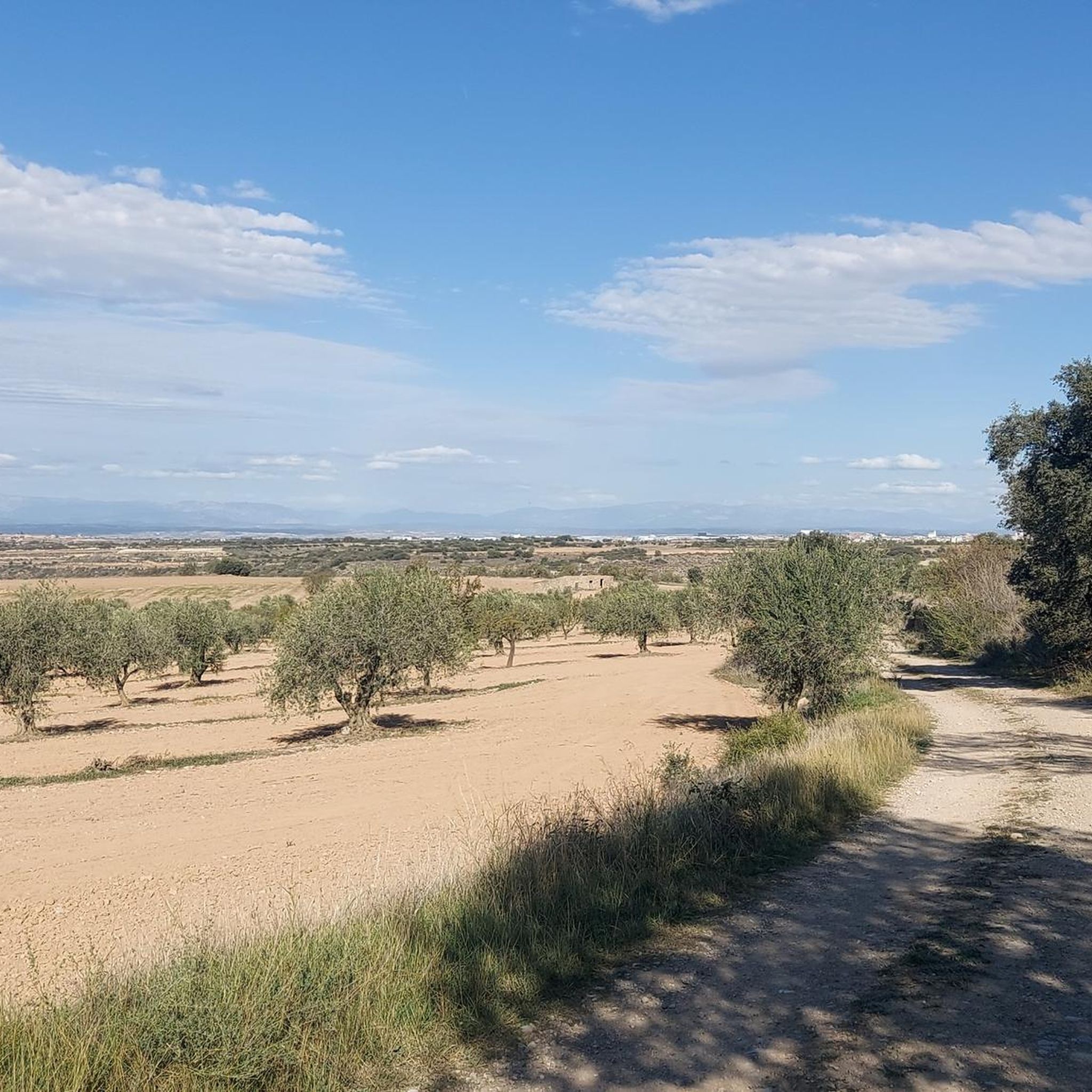
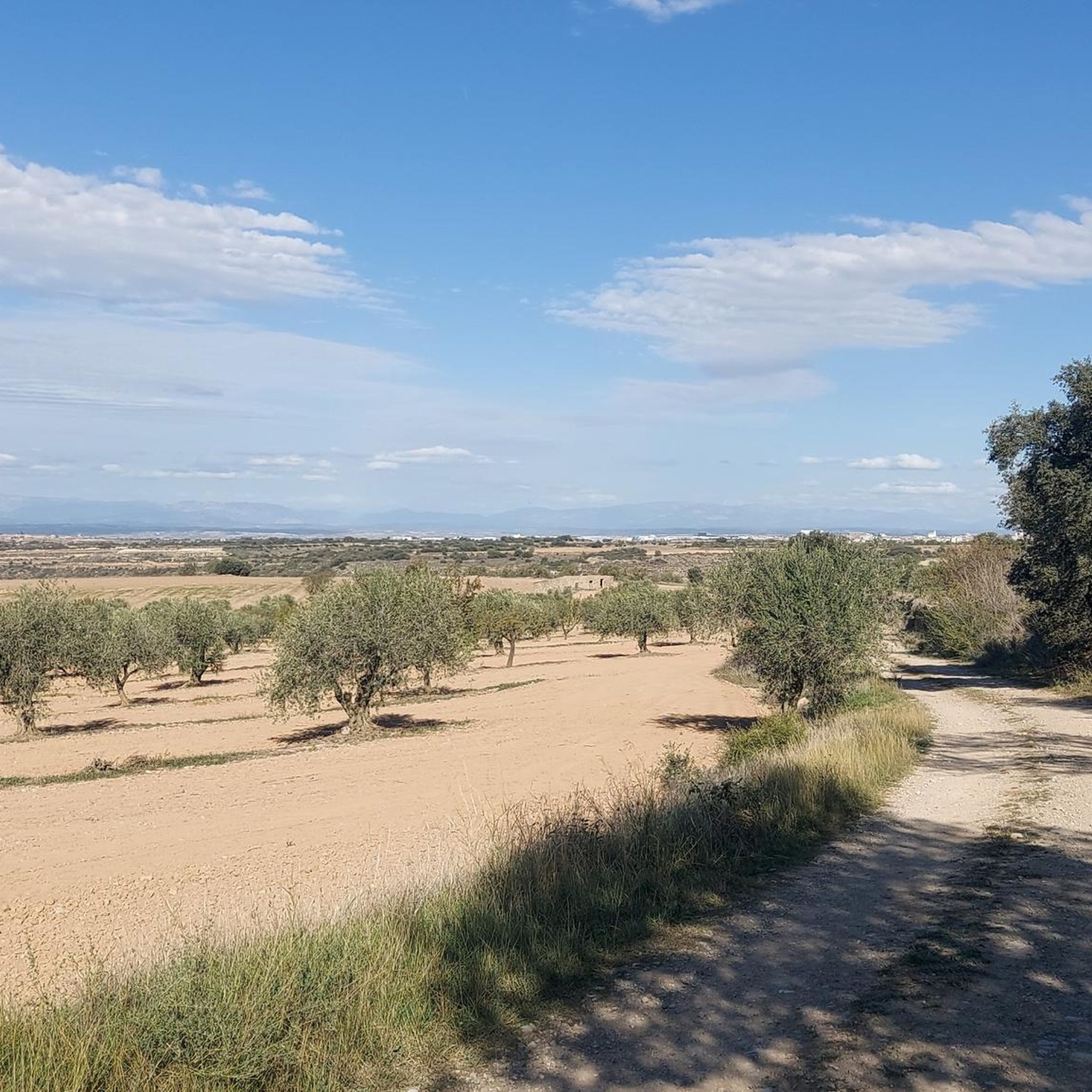
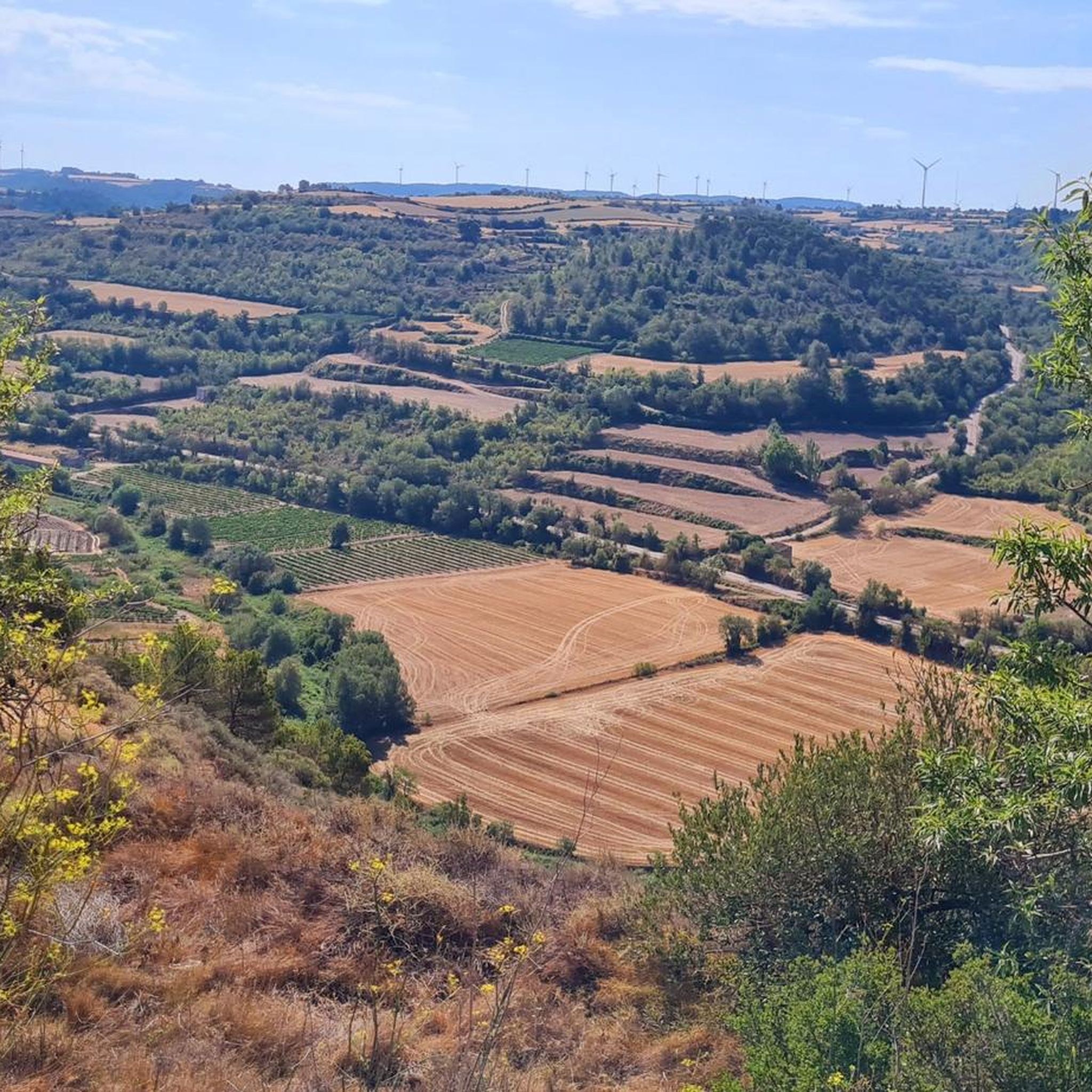
L'Ametlla de Segarra is a town belonging to the municipality of Montoliu de Segarra, in the Segarra region, province of Lleida. It is linked to the castle of the same name, appearing in records at the end of the 11th century. It is located in an area with a tradition of cereal farming and other rainfed crops such as olive groves and almond trees. You can also find vineyards, particularly organic vineyards that produce Comalats wine, which was the old name of the region. Of its heritage, the church of Sant Pere and the tower of the old castle stand out.
0
0

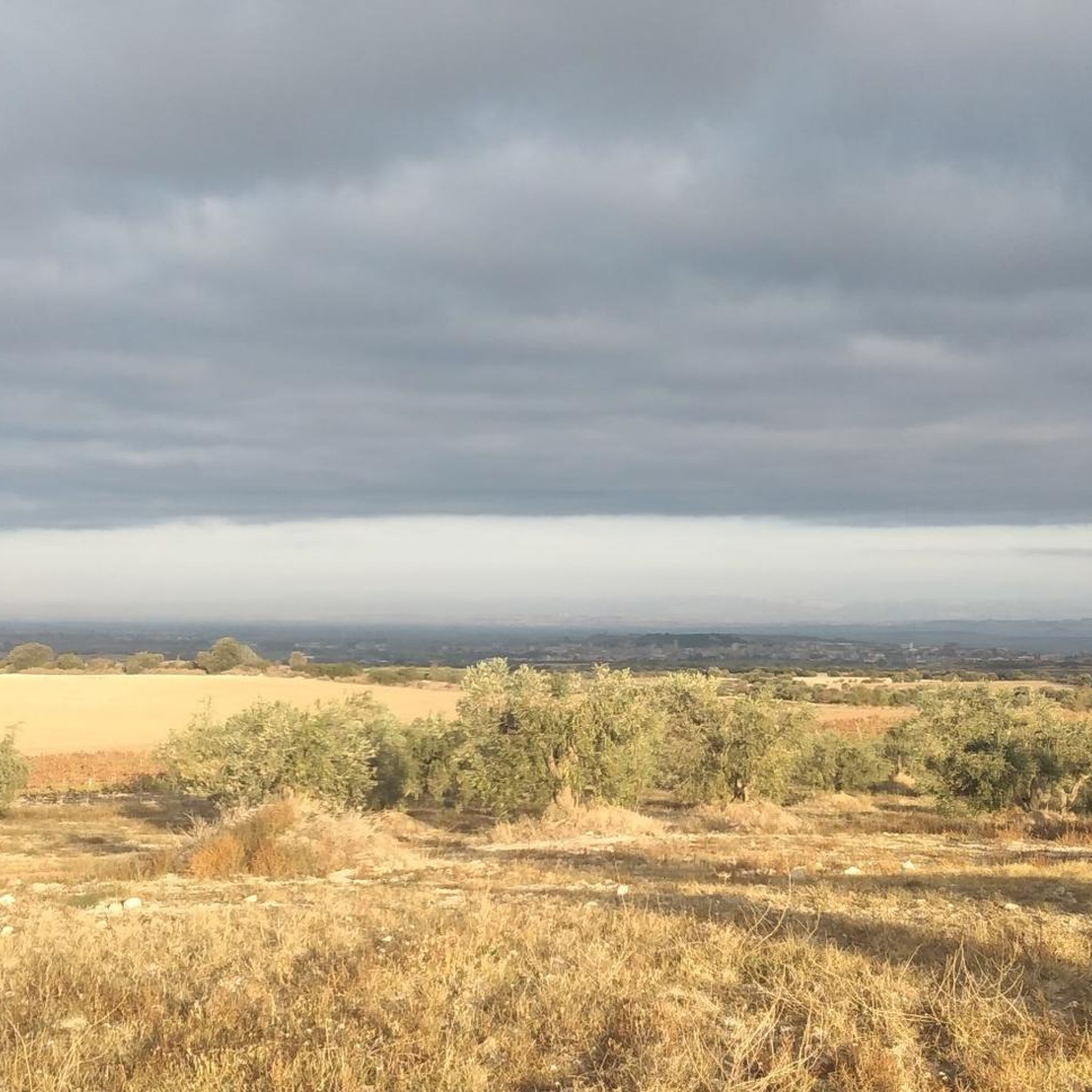
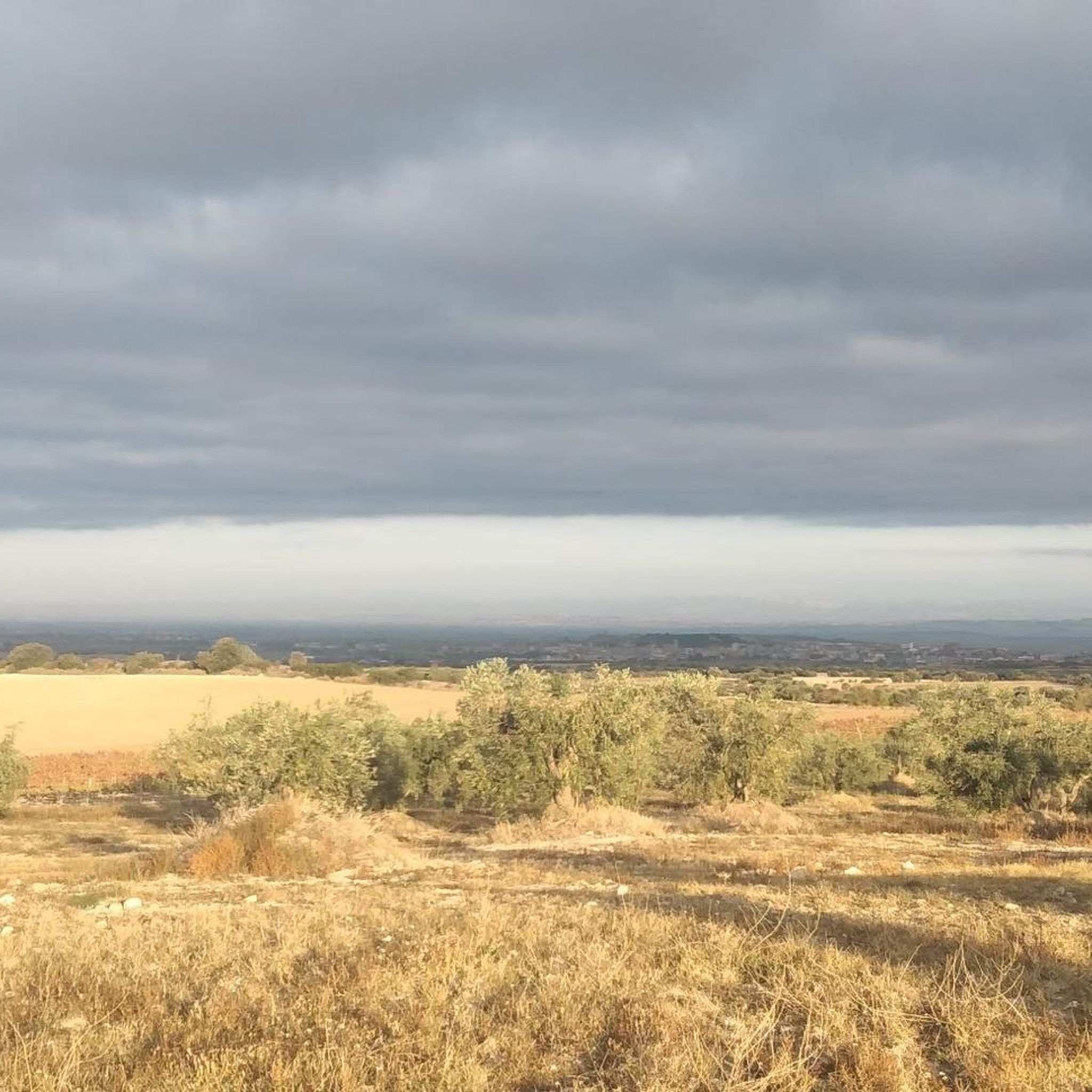
The drylands in the area are very beautiful and there are many possibilities for routes
0
0

Of all the picture-perfect, historical places in Catalonia, Montfalcó Murallat in the province of Lleida is probably the most impressive example of a medieval town whose city walls are almost perfectly preserved. The approximately 8 meter high building dates from the 13th century and surrounds the entire town. With a total of 15 houses, it is of a very manageable size, but still absolutely worth seeing.
1
0

The castle of Verdú is located in the heart of the town next to one of the most beautiful and unique churches in Catalonia, the church of Santa María de Verdú. The castle preserves different architectural elements: Romanesque, Gothic and Renaissance. We will find information panels, but I recommend hiring the guided tour at the Verdú tourist office.
0
0
Castle that is part of the Segarra castles route. Restored and with a great history. We will be able to go back in time with the information panels. It is the birthplace of the writer Manuel de Pedrolo. Apart from the castle, I recommend you to take a walk through the beautiful village with a medieval air among the cereal fields. Visit the Aranyó portal
0
0
Imposing castle, used as a fortress and that we find during the route of the castles. The enormous building contrasts with the surrounding country houses and the 16th-century church of Santa Ana opposite. The closest castle is 1.5 km away and it is the Castillo d'Aranyó
0
0

Medieval village that is located on a hill. When you reach Montfalcó Murallat, you can see it from afar thanks to its height difference.
0
0
Frequently Asked Questions
What is the historical significance of the castles in Granyena de Segarra?
The castles in Granyena de Segarra are deeply rooted in medieval history, particularly known for their strategic hilltop locations and connections to military orders. For instance, the historic Castell de Granyena was the first castle donated to the Knights Templar in Catalonia between 1130 and 1131, later passing to the Hospitallers. These sites offer a tangible link to centuries of history, from their origins as possessions of the Counts of Barcelona to their roles under powerful medieval orders.
Which castles offer the best panoramic views of the Segarra landscape?
Many castles in the region provide excellent views due to their elevated positions. The Montfalcó Murallat, a medieval walled town, offers impressive vistas from its 13th-century walls. Similarly, the Castell de Granyena, despite its ruined state, stands atop a hill providing beautiful and extensive panoramic views of the surrounding Segarra landscape.
Are there any family-friendly castles to visit in the area?
Yes, several castles in the region are suitable for family visits. Montfalcó Murallat is considered family-friendly, offering an impressive example of a medieval walled town that can be explored. The general experience of walking through these historic sites and enjoying the views can be engaging for families.
What kind of outdoor activities can I do near the castles?
The area around Granyena de Segarra is excellent for various outdoor activities, especially cycling. You can find numerous routes for gravel biking, mountain biking, and road cycling. For example, there are gravel biking routes like the 'Castillo de Montcortés – Castell de l'Aranyó loop' from Cervera or Tàrrega. For more options, you can explore the Gravel biking around Granyena De Segarra, MTB Trails around Granyena De Segarra, and Road Cycling Routes around Granyena De Segarra guides.
What is the best time of year to visit the castles around Granyena de Segarra?
Spring is often recommended for visiting the castles and exploring the surrounding area. The weather is generally pleasant for walking and cycling, and the landscape is particularly beautiful. For example, the route to Montfalcó Murallat is noted as especially beautiful in Spring, being simple, relaxing, and scenic.
How accessible is Castell de Granyena, and what should I expect when visiting?
The Castell de Granyena stands atop a hill. While you can walk through the village to reach it, it's advisable to avoid driving through the narrow and steep streets directly to the castle. The castle is largely in ruins, but you can still observe remnants of its walls, including a large semicircular arched gateway and parts of a vaulted room. Recent excavations have uncovered additional structural elements. The site also shares its high ground with a 19th-century cemetery.
Can I find places to eat or stay near the castles in Granyena de Segarra?
Granyena de Segarra and its surrounding villages offer various amenities for visitors. While specific establishments are not detailed here, you can generally find cafes, restaurants, and accommodation options such as guesthouses and hotels in the larger towns within the Segarra region. It's recommended to check local listings for options closest to your chosen castle destinations.
Are there any lesser-known or 'hidden gem' castles worth exploring?
While the region boasts several well-known castles, exploring the smaller, less prominent sites can reveal hidden gems. For example, L'Ametlla de Segarra, a town linked to a castle of the same name, offers a glimpse into a traditional village with its church of Sant Pere and the tower of the old castle, set amidst cereal farming landscapes.
What makes Montfalcó Murallat a unique castle experience?
Montfalcó Murallat is particularly unique because it is an almost perfectly preserved medieval walled town. Its approximately 8-meter-high walls, dating from the 13th century, completely surround the entire town. With only 15 houses, it's a very manageable size, offering an impressive and intimate example of historical architecture in Catalonia.
Is it possible to visit multiple castles in one day?
Yes, it is definitely possible to visit multiple castles in one day, especially if you plan your route efficiently. Many castles in the Segarra region are part of established castle routes, and some are relatively close to each other. For instance, Castillo de Montcortés is only 1.5 km away from Castell de l'Aranyó, making them easy to combine.
Are the trails around the castles suitable for dogs?
While specific dog-friendly policies for each castle are not detailed, many outdoor trails and walking routes in the Segarra region are generally suitable for dogs, provided they are kept on a leash. When visiting castle ruins or outdoor areas, it's always best to check local regulations or signage regarding pets.
What are the parking options when visiting castles in Granyena de Segarra?
Parking availability can vary by castle. For sites like Castell de Granyena, it's recommended to park in the village and walk up to the castle, as the streets leading directly to it can be narrow and steep. For other castles, parking might be available closer to the site or in nearby village centers. Always look for designated parking areas.
How can I get to the castles using public transport?
Public transport options to reach individual castles in the Granyena de Segarra area can be limited, as many are located in smaller, rural settings. Larger towns in the region may have bus connections, but reaching the castles often requires a car or a combination of public transport to a nearby town followed by a walk or taxi. It's advisable to research specific routes and schedules in advance.
Most popular routes around Granyena De Segarra
Most popular attractions around Granyena De Segarra

Get inspired with the komoot mobile app


Explore more
Looking for the best castles somewhere else? Discover other guides around Granyena De Segarra:
