The 6 Most Amazing Peaks around Madarcos
Best mountain peaks around Madarcos are found within the Sierra Norte of Madrid, a region characterized by its traditional pastoral environment and diverse natural landscape. The area, including the Sierra del Rincón, is recognized as a Biosphere Reserve, featuring Mediterranean habitats such as oak forests and dehesas. These peaks contribute to the scenic backdrop of Madarcos and offer opportunities for hiking and nature immersion. The landscape reflects centuries of coexistence between human activities and the natural world.
Best mountain peaks…
Last updated: June 20, 2026
Puerto de la Puebla
Highlight • Mountain Pass
Translated by Google •
Tip by

Goat Rock
Highlight • Summit
Translated by Google •
Tip by

Sign up now to discover places like this
Get recommendations on the best single tracks, peaks, & plenty of other exciting outdoor places.
Sign up for free
Pico Porrejón
Highlight • Summit
Translated by Google •
Tip by

Peña Quemada Peak
Highlight • Summit
Translated by Google •
Tip by

Las Cabezas Hill
Highlight • Summit
Translated by Google •
Tip by

Sign up for free to discover even more peaks around Madarcos.
Sign up for free
Already have an account?
Start today with a free account
Your next adventure awaits.
Login or Signup


Tips from the Community

Accessible peak and spectacular views
0
0

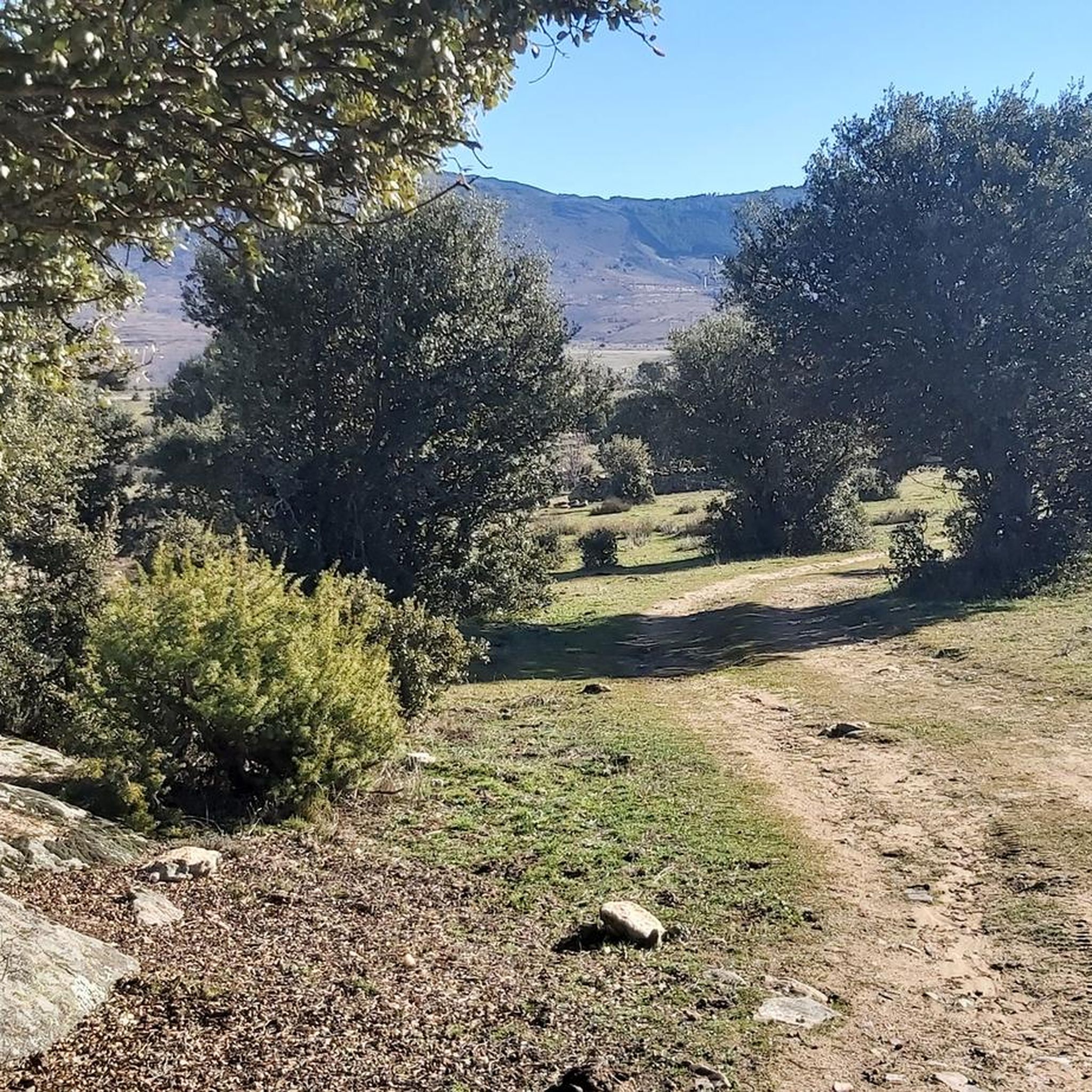
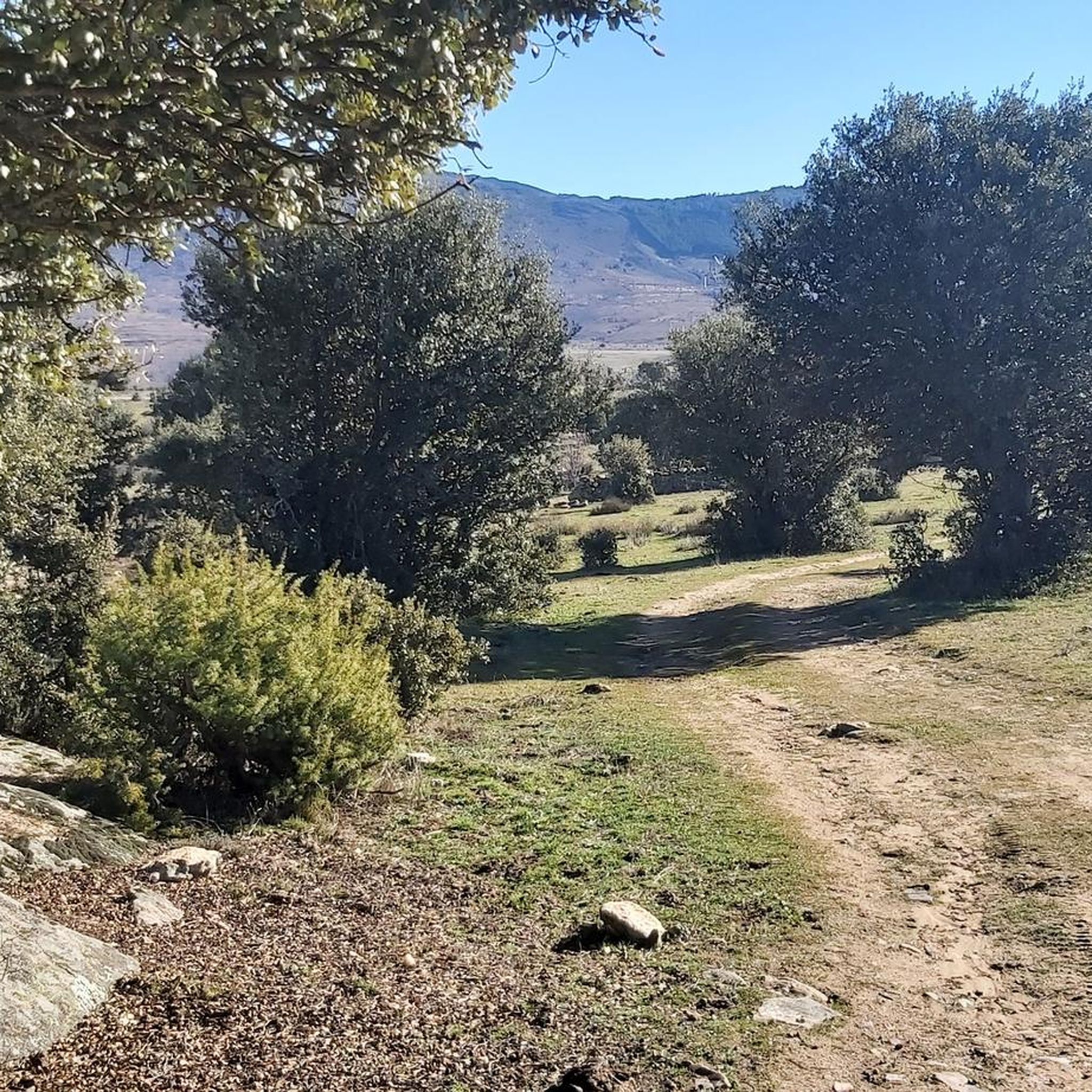
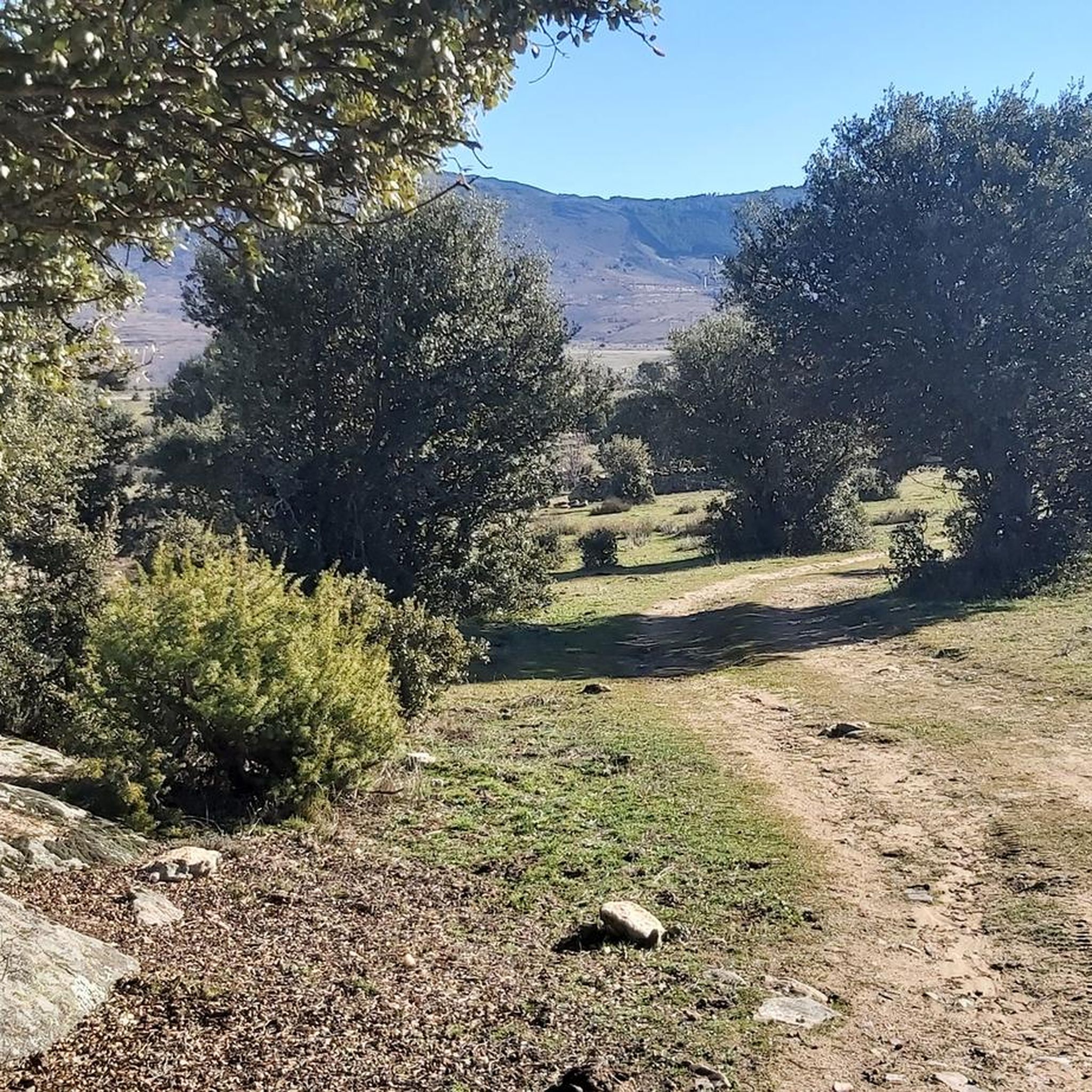
From Las Cabezas Hill, you can enjoy a panoramic view of the La Puebla River valley and the peaks of the Sierra Norte de Madrid mountain range. This is an area of alpine meadow where sharp slate slabs break up the rounded shapes of the landscape.
0
0

A privileged place to admire the surrounding landscape.
0
0

La Puebla, a port with two slopes, has a rough start but before the second kilometer it softens.
2
1

The summit of Pico Porrejón is a curious exhibition of the geological components that give uniqueness to the reliefs of the Sierra del Rincón Biosphere Reserve, a compact block of metamorphic rocks of gneiss and micacite with a strong projection of quartzite and slate subjected to the Consequences of gelivation, which is a form of periglacial erosion on the rocky scree, the water enters the cracks and, due to the effect of ice-thaw, creates the striking blades, ridges and stone passageways that abound in the Ayllón massifs.
1
0
The port of Puebla is at an altitude of 1,630 meters and connects the population of Puebla de la Sierra and the towns of Prádena del Rincón, Montejo de la Sierra and La Hiruela. It has a car park and is the starting point for the ascents to Picos del Porrejón (1,824 m) and Peña de la Cabra (1,831 m).
1
0

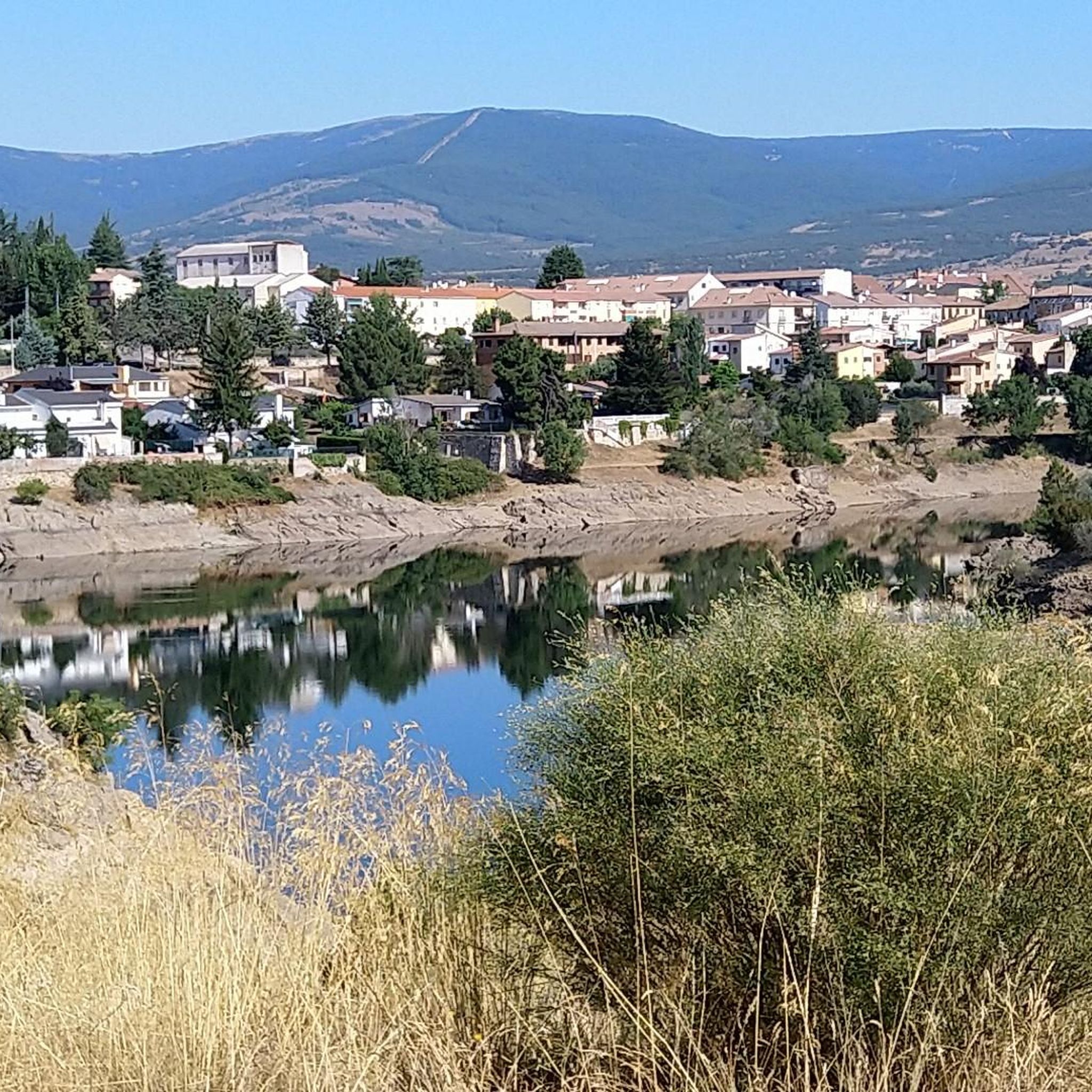
Although the climb is hard, the views, on both sides of the road with its own viewpoints, are incredible.
1
0

The port of Puebla is in the Sierra de Ayllón. Its summit is at kilometer 27 of the M-130 highway, between the towns of Prádena del Rincón and Puebla de la Sierra. https://bigjoe.es/ruta-mtb-por-la-sierra-del-rincon/
1
0
Frequently Asked Questions
What are the most notable mountain peaks in the Madarcos area?
The Madarcos area, nestled in the Sierra Norte of Madrid, features several significant peaks. Among them, Puerto de la Puebla is a popular mountain pass offering incredible views. Other prominent summits include Goat Rock, known for its accessible and spectacular vistas, and Pico Porrejón, a natural monument with unique geological formations. Cerro Quiñones and Pico de la Dehesilla are also significant local elevations contributing to the region's natural beauty.
What kind of views can I expect from the mountain peaks around Madarcos?
The mountain peaks around Madarcos offer diverse and panoramic views. From Puerto de la Puebla, you can enjoy incredible vistas on both sides of the road. Goat Rock provides a privileged spot for admiring the surrounding landscape. From Las Cabezas Hill, you'll get a panoramic view of the La Puebla River valley and the peaks of the Sierra Norte de Madrid. Peña Quemada Peak offers views of the Segovian side of the Sierra.
Are there family-friendly hiking options near Madarcos' peaks?
While specific family-friendly designations for individual peaks are not detailed, the region around Madarcos, being part of the Sierra del Rincón Biosphere Reserve, offers a serene and authentic mountain experience. Many trails provide opportunities for nature immersion suitable for various fitness levels. It's advisable to check the difficulty ratings of specific routes before heading out with family.
What natural features are unique to the mountain peaks in this region?
The peaks around Madarcos are part of the Sierra del Rincón Biosphere Reserve, recognized for its ecological value. You'll find diverse Mediterranean habitats, including oak forests, dehesas (wooded pastures), and riverine areas. Pico Porrejón, for instance, showcases unique geological components like compact blocks of metamorphic rocks with quartzite and slate, shaped by periglacial erosion. Las Cabezas Hill features alpine meadows with sharp slate slabs.
What outdoor activities can I do near the mountain peaks of Madarcos?
The area around Madarcos' peaks is excellent for various outdoor activities. You can explore numerous running trails, such as the 'Gariñas Forest loop from Buitrago del Lozoya' or the 'Puerto de la Puebla – Goat Rock loop'. Cycling enthusiasts can enjoy routes like the 'Alcazaba de Buitrago – Views of the Lozoya River loop'. For gravel biking, options include the 'El Villar Reservoir and Gorge – Puerto de la Puebla loop'. You can find more details on these activities in the Running Trails around Madarcos, Cycling around Madarcos, and Gravel biking around Madarcos guides.
Are there challenging mountain climbs in the Madarcos area?
Yes, the Madarcos area offers some challenging routes. For instance, the climb to Puerto de la Puebla has a rough start, though it softens later. The 'Puerto de la Puebla – Goat Rock loop' running trail is rated as difficult. Many cycling and gravel biking routes in the region, such as the 'Montejo de la Sierra – Puerto de la Puebla loop' for cycling, are also classified as difficult, providing a good challenge for experienced adventurers.
What is the best time to visit the mountain peaks around Madarcos?
The Sierra Norte of Madrid, where Madarcos is located, offers pleasant conditions for hiking and outdoor activities during spring and autumn, when temperatures are milder. Summer can be warm, but the higher elevations provide some relief. Winter hiking is possible, but conditions can be colder and require appropriate gear, especially at higher altitudes.
Can I find hiking trails that include Cerro Quiñones or Pico de la Dehesilla?
Yes, both Cerro Quiñones and Pico de la Dehesilla are part of established hiking routes in the region. Pico de la Dehesilla, for example, is included in the 'Ruta del Herrero' (Blacksmith's Route), which traverses varied terrain including forest tracks and trails, offering expansive views of the area.
What makes the Madarcos region culturally significant in relation to its mountains?
The Madarcos region and its peaks are deeply intertwined with a traditional pastoral heritage. The landscape reflects centuries of harmonious coexistence between humans and nature, with elements like stone constructions and traditional farming practices still evident. The area's inclusion in the Sierra del Rincón Biosphere Reserve highlights its cultural and ecological value, showcasing a well-preserved rural environment.
What do visitors appreciate most about the mountain peaks near Madarcos?
Visitors to the mountain peaks around Madarcos highly appreciate the scenic beauty and panoramic views, especially from spots like Puerto de la Puebla and Goat Rock. The opportunity for nature immersion, exploring diverse ecosystems, and experiencing the traditional rural landscape of the Sierra del Rincón Biosphere Reserve are also frequently mentioned as highlights.
Are there any natural monuments among the peaks in Madarcos?
Yes, Pico Porrejón is recognized as a natural monument. Its summit is notable for a unique exhibition of geological components, including compact blocks of metamorphic rocks like gneiss and micacite with quartzite and slate, shaped by periglacial erosion. Peña Quemada Peak is also considered a natural monument.
Can I bring my dog on hikes around the Madarcos mountain peaks?
While specific regulations for dog access on every trail are not provided, many natural areas in Spain, especially those with established hiking routes, are generally dog-friendly, provided dogs are kept under control (e.g., on a leash) and owners clean up after them. As the region is a Biosphere Reserve, it's always best to check local signage or specific trail guidelines for any restrictions to protect wildlife.
Most popular routes around Madarcos
Most popular attractions around Madarcos

Get inspired with the komoot mobile app


Explore more
See even more amazing summits around Madarcos with these guides:
