Top 6 Caves around Valle De Abdalajís
Best caves around Valle De Abdalajís are often associated with the region's rugged natural landscape and historical human occupation. This area, characterized by dramatic rock formations and river gorges, has provided natural shelters and sites for early settlements. The geological features of Valle De Abdalajís have shaped its cultural heritage, with many rock-cut structures and natural cavities bearing historical significance. These sites offer insights into the region's past and its unique natural environment.
Best caves around Valle De Abdalajís
- The…
Last updated: October 7, 2026
Cave Houses of Sierra Parda
Highlight • Cave
Showing Translation
Tip by

Túnel de los Tafonis
Highlight • Cave
Translated by Google •
Tip by

Sign up now to discover places like this
Get recommendations on the best single tracks, peaks, & plenty of other exciting outdoor places.
Mozarabic Rock-Cut Church of Bobastro
Highlight • Religious Site
preserved are parts of the Christian rock church and individual cave parts.
Translated by Google •
Tip by

Cliff Dwellings on the Guadalhorce River
Highlight • Historical Site
Translated by Google •
Tip by

Rock Formation with Caves
Highlight • Cave
Translated by Google •
Tip by
Sign up for free to discover even more caves around Valle De Abdalajís.
Already have an account?
Start today with a free account
Your next adventure awaits.
Popular around Valle De Abdalajís

Other adventures around Valle De Abdalajís

Tips from the Community

Caminito del Rey is a breathtaking trail in Andalusia that runs high above the Guadalhorce river canyon. It offers an adrenaline-pumping experience, stunning views, and a safe passage through the rocks. Ideal for nature and adventure lovers. Children from 8 years old are allowed, the route is not suitable for people who suffer from fear of heights.
2
0

Short tunnel that was built for the transport of helmets. As a pedestrian, you can also use the tunnel.
3
0
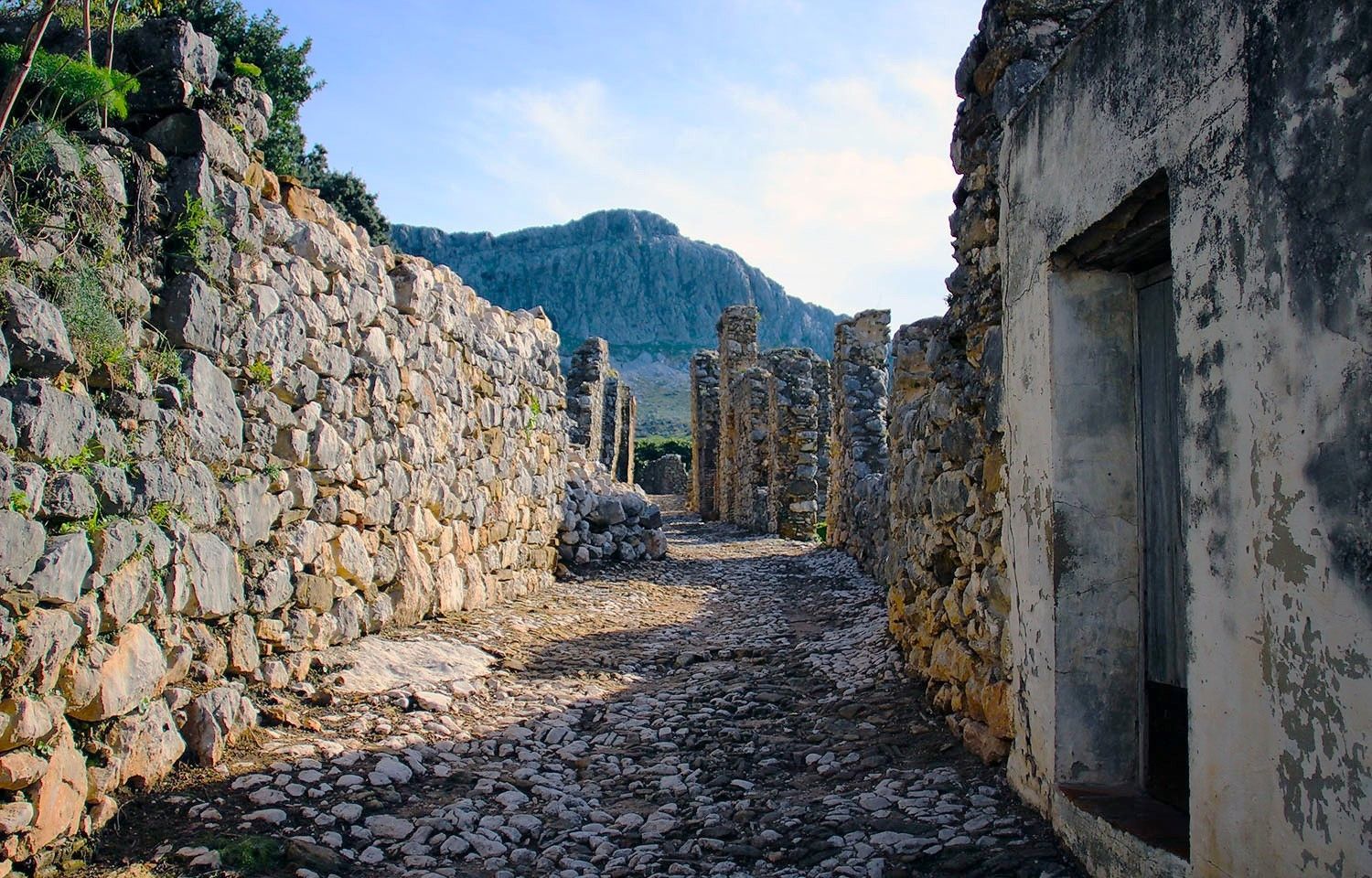
Caves that were formed by erosion, some still well preserved, others already collapsed. The workers of the hydroelectric power plant used to live here.
3
0

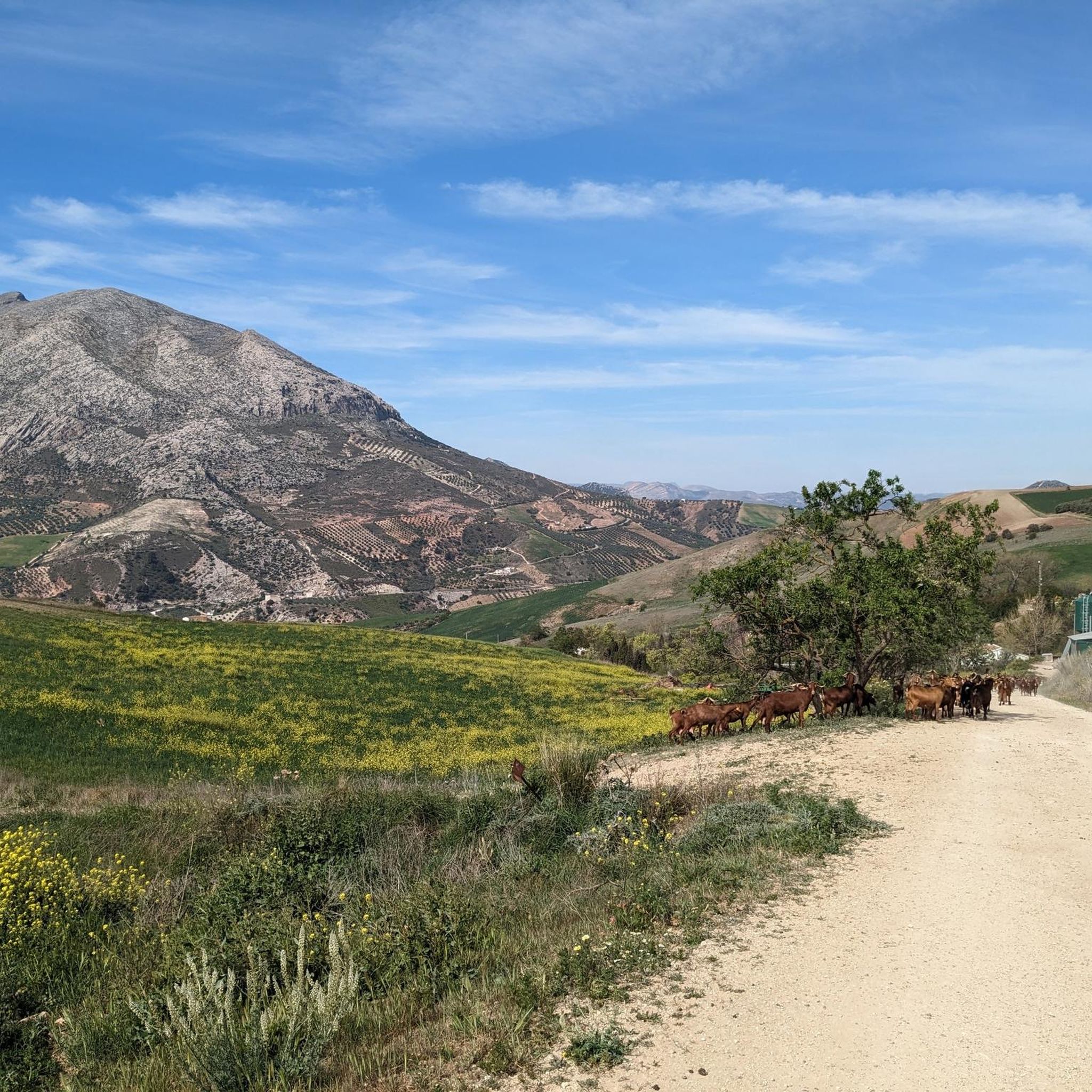
Short video about hiking in this area could be found on my YouTUBE Channel under the following https://www.youtube.com/watch?v=O9pw2RlrLgA
0
1
Short video about hiking in this area could be found on mu YouTUBE Channel under the following https://www.youtube.com/watch?v=O9pw2RlrLgA
0
0

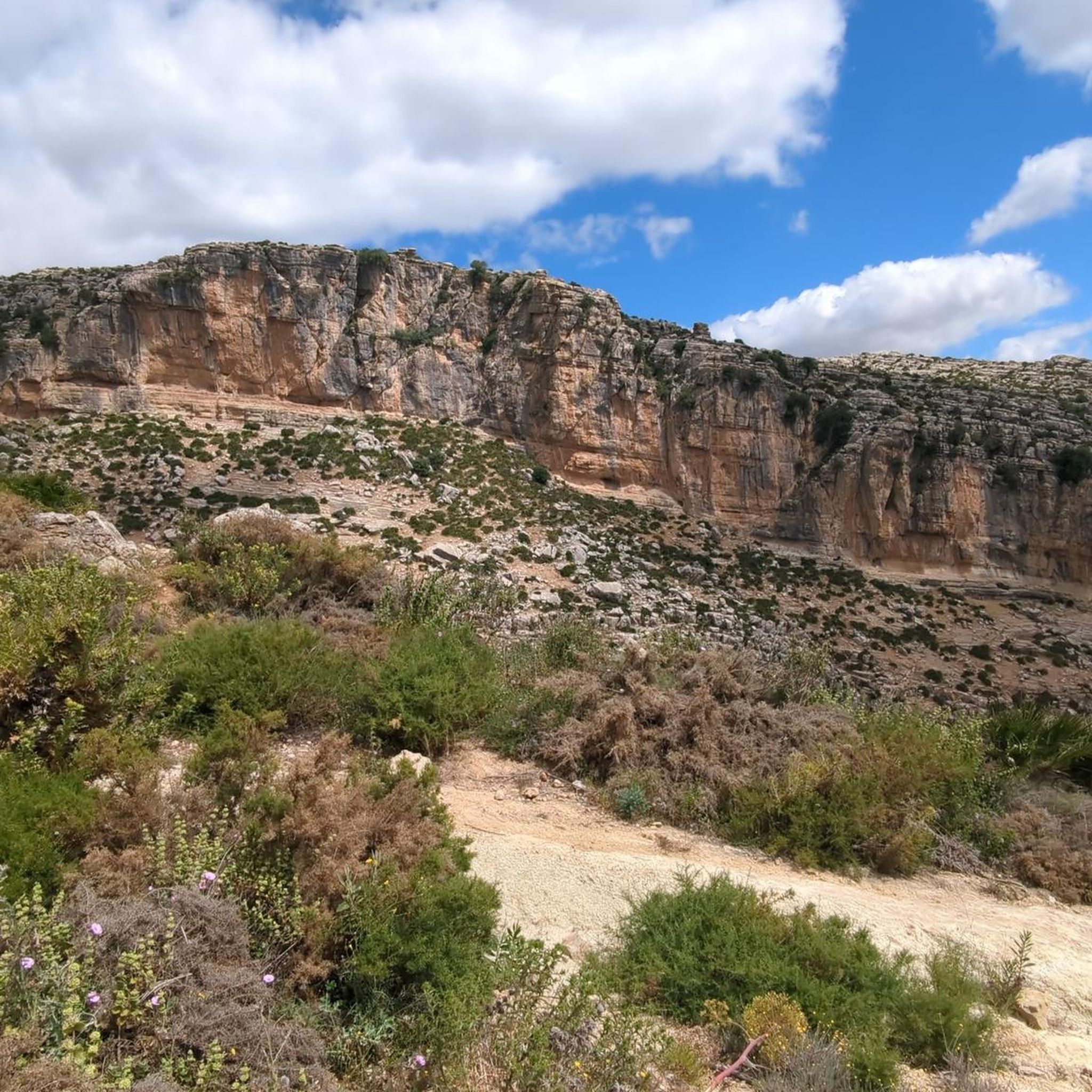
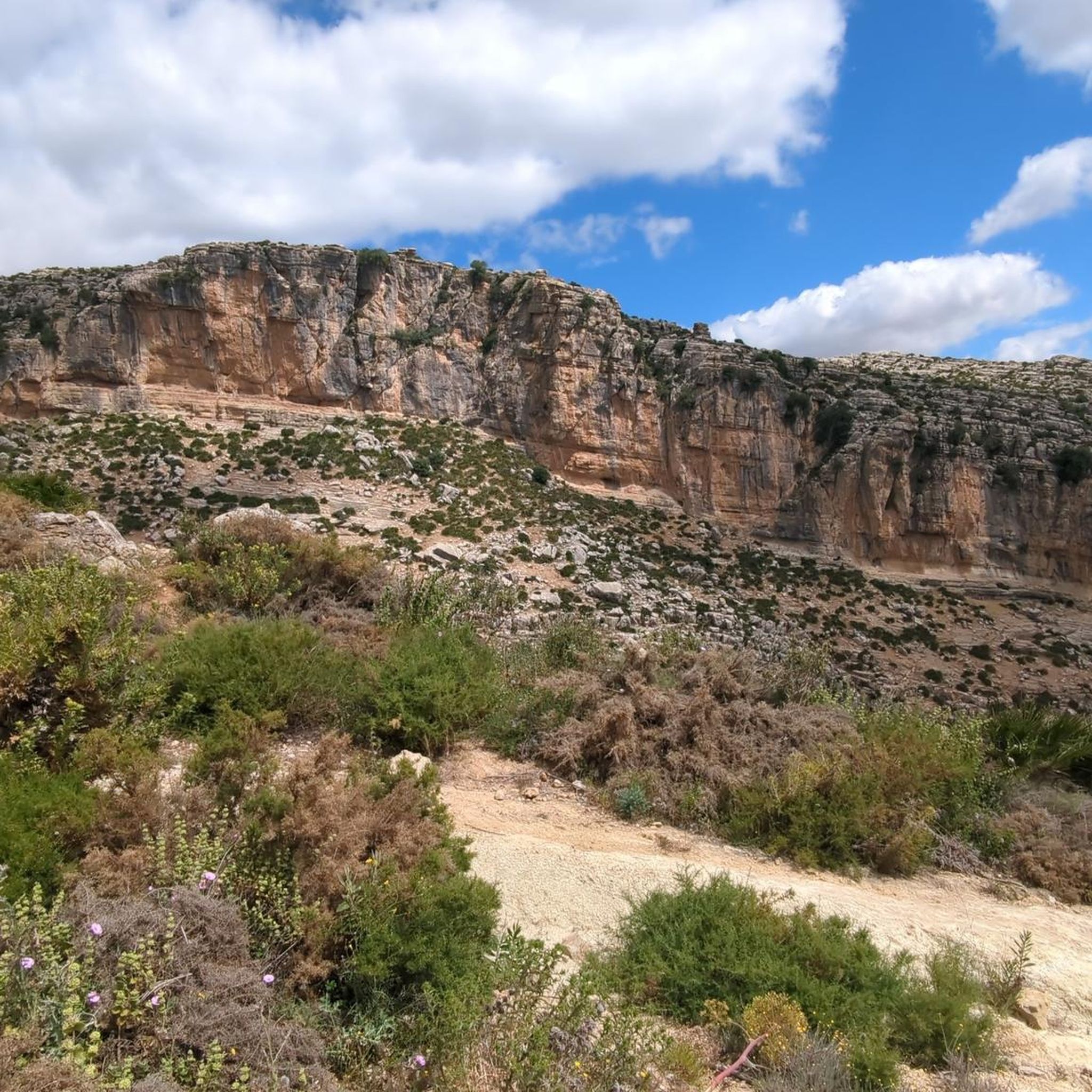
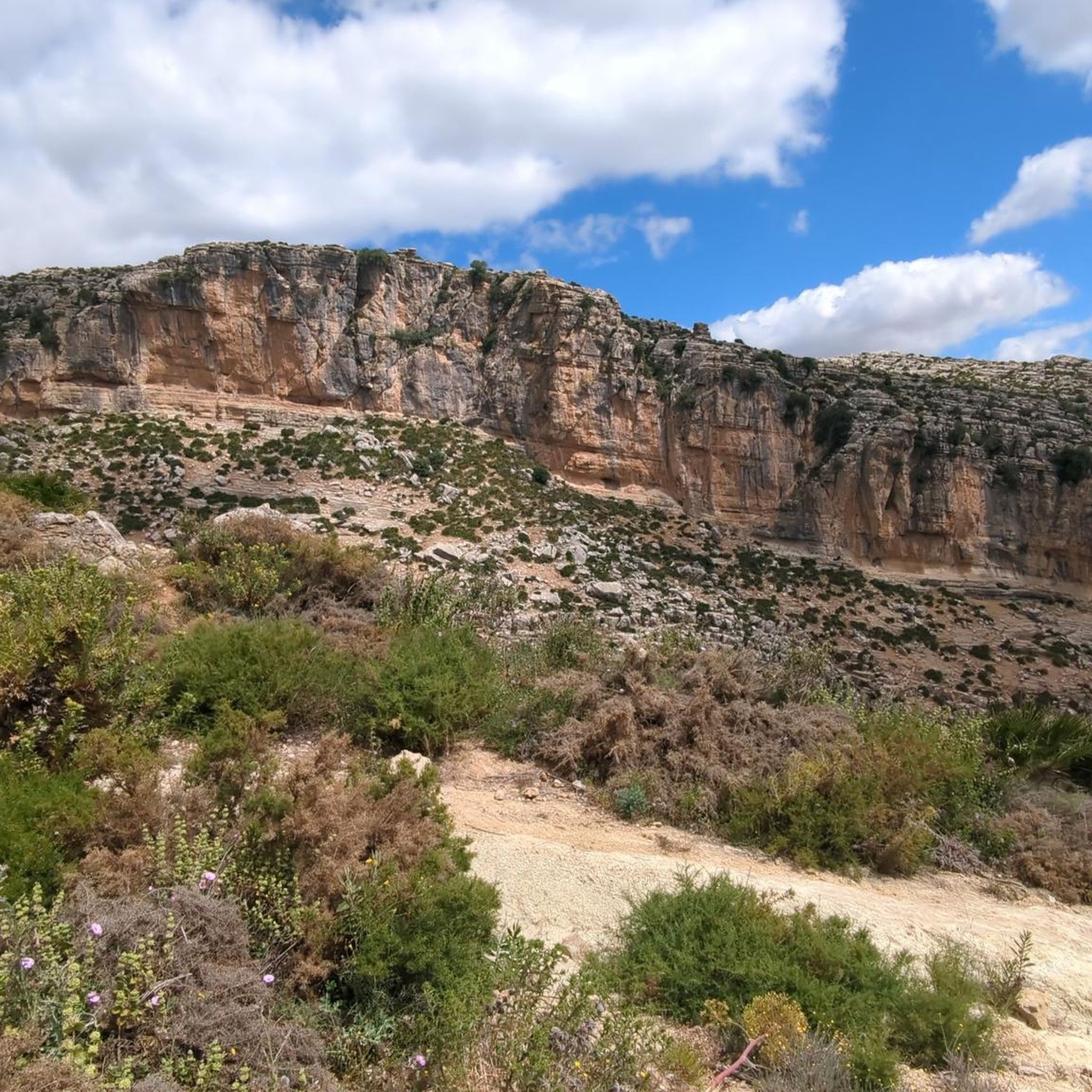
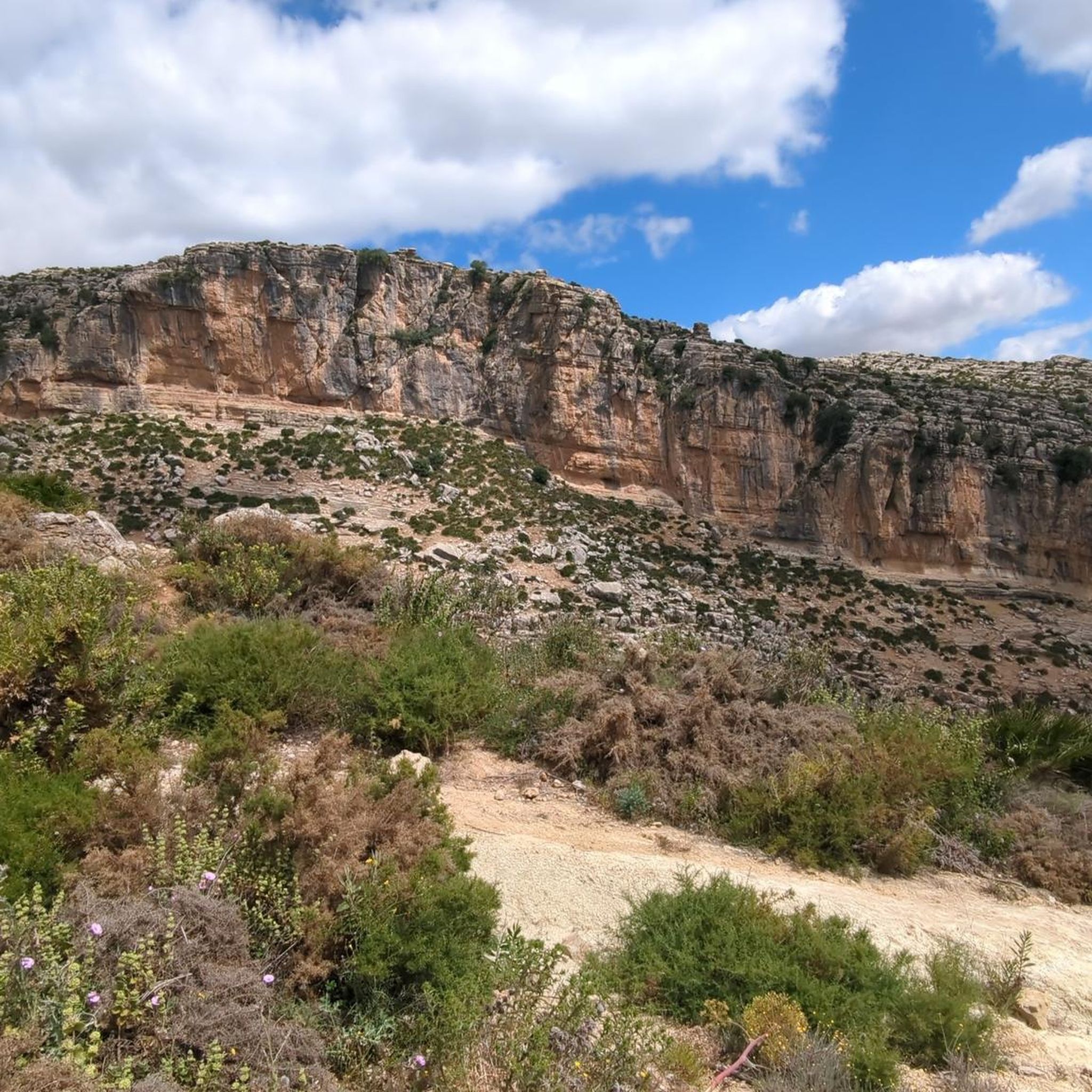
It is difficult to say whether these caves in the rock formation were created by man or naturally. You would have to climb to get in, but they are definitely an eye-catcher. Great landscape.
3
0
The rock houses on the banks of the Guadalhorce have a special historical and cultural significance. Built into the rock walls, they blend harmoniously into the natural environment. Such structures were once used as shelters, storage rooms or even as simple homes. They reflect the traditional construction method that made the best use of the natural conditions.
5
0

From the viewpoint of the Gaitanejo dam you can see the cave houses of the Sierra Parda, which served as homes for the hydroelectric power station staff. Source and further information https://www.spain.info/de/wanderrouten/caminito-del-rey-wandern-spanien/
2
1
Frequently Asked Questions
What types of caves can I explore directly in Valle de Abdalajís?
In Valle de Abdalajís, you'll find unique historical and natural cavities. These include the Cave Houses of Sierra Parda, which were once homes for hydroelectric power station staff, and the Mozarabic Rock-Cut Church of Bobastro, a significant historical shelter and religious site. You can also see natural formations like the Túnel de los Tafonis, a short tunnel with erosion-formed cavities near the Caminito del Rey.
Are there any family-friendly cave experiences in the Valle de Abdalajís area?
While the caves directly within Valle de Abdalajís are more focused on historical or natural viewing, the Túnel de los Tafonis is considered family-friendly as it's a short, accessible tunnel passed before reaching the northern entrance to the Caminito del Rey. For more structured family cave tours, you would need to venture to caves like Cueva de Ardales or Cueva de Nerja in the wider Málaga province, which are adapted for visitors.
What is the historical significance of the caves in Valle de Abdalajís?
The caves in Valle de Abdalajís hold significant historical value, reflecting early human occupation and traditional ways of life. Sites like the Cave Houses of Sierra Parda served as dwellings, while the Mozarabic Rock-Cut Church of Bobastro preserves parts of a Christian rock church and individual cave sections, representing a historical shelter area. The Cliff Dwellings on the Guadalhorce River also showcase traditional construction methods and historical use as shelters or homes.
Are there any accessible caves for visitors with mobility challenges near Valle de Abdalajís?
Directly within Valle de Abdalajís, most cave sites like the Cave Houses of Sierra Parda or the Mozarabic Rock-Cut Church of Bobastro involve natural terrain that may not be fully accessible. For caves with adapted pathways and guided tours for better accessibility, you would need to consider options like Cueva de Ardales or Cueva de Nerja, which are located further afield in the Málaga province.
What outdoor activities can I combine with a visit to the caves in Valle de Abdalajís?
The area around Valle de Abdalajís is excellent for various outdoor activities. You can find numerous MTB trails, gravel biking routes, and cycling routes. Many of these routes offer views of the rugged landscape and some of the cave sites, such as the Cave Houses of Sierra Parda visible from the Gaitanejo dam viewpoint.
Are there any unique geological formations to see in the caves around Valle de Abdalajís?
Yes, the region features interesting geological formations. The Túnel de los Tafonis is a natural monument known for its tafonis, which are cavities in sandstone rock created by erosion. Additionally, the Rock Formation with Caves presents an eye-catching natural landscape, though accessing the caves within it might be challenging.
What should I know about visiting the Cueva del Gato in the wider Málaga province?
The Cueva del Gato, located near Benaoján (distinct from any local caves in Valle de Abdalajís), is famous for its spectacular waterfall and natural pool. While the outdoor area is popular for bathing, entry into the cave itself is generally restricted to expert speleologists with prior permits due to its complexity and rapidly changing underground water levels. It's part of a significant speleological system.
Can I find restaurants or facilities near the caves in Valle de Abdalajís?
The caves directly in Valle de Abdalajís are often situated in natural or historical settings, so dedicated facilities like restaurants might not be immediately adjacent. However, the town of Valle de Abdalajís itself and nearby areas, especially those around the Caminito del Rey, offer various dining options and services for visitors.
What do visitors enjoy most about the caves and rock formations in this area?
Visitors appreciate the blend of natural beauty and rich history. The unique historical context of sites like the Cave Houses of Sierra Parda and the Mozarabic Rock-Cut Church of Bobastro offers a glimpse into the past. The dramatic landscapes and geological features, such as the Túnel de los Tafonis, are also highly valued for their scenic appeal and unique formations.
Are there any significant archaeological sites related to caves in the region?
Yes, the region has significant archaeological importance. Within Valle de Abdalajís, caves like Cueva del Gato (local to the valley) and Cueva del Ermitano are recognized as sites of Neolithic settlements, indicating early human occupation. While these specific archaeological sites are not typically open for public visits, they highlight the deep historical roots of human presence in the area's caves.
What is the Cueva del Tesoro and where is it located?
The Cueva del Tesoro (Treasure Cave) is a unique marine cave located in Rincón de la Victoria, which is further along the coast from Valle de Abdalajís. It is one of only three marine caves in the world and the only one in Europe accessible to the public. Formed by sea erosion, it features impressive underground galleries and is open for visitors to explore illuminated sections.
What is the best time of year to visit the caves and surrounding area?
The best time to visit the caves and explore the Valle de Abdalajís region is generally during the spring (March to May) and autumn (September to November). During these seasons, the weather is milder and more pleasant for outdoor activities like hiking and exploring historical sites, avoiding the intense heat of summer and the cooler, wetter conditions of winter.
Most popular routes around Valle De Abdalajís
Most popular attractions around Valle De Abdalajís

Get inspired with the komoot mobile app


Explore more
Extend your search for the best caves by checking out these guides of the top ones around Valle De Abdalajís:
