Top 6 Castles around Álora
Best castles around Álora are found in a region rich with history, nestled within the fertile Guadalhorce Valley. This area, characterized by its strategic location and diverse cultural layers, features fortifications dating back to Phoenician, Roman, and Moorish times. The landscape offers a blend of agricultural plains and hills, providing historical sites with panoramic views. Álora serves as a gateway to significant historical landmarks and natural features.
Best castles around Álora
- The most popular castles is Álora, a settlement…
Last updated: October 7, 2026
Álora
Highlight • Settlement
Translated by Google •
Tip by

Álora Castle
Highlight • Castle
Translated by Google •
Tip by
Sign up now to discover places like this
Get recommendations on the best single tracks, peaks, & plenty of other exciting outdoor places.
Castillo de la Peña de Ardales
Highlight • Castle
Translated by Google •
Tip by

Turón Castle
Highlight • Castle
Translated by Google •
Tip by

Ardales Town Center
Highlight • Settlement
The streets are lined with white, traditional Andalusian houses, often decorated with flower boxes …
Translated by Google •
Tip by

Sign up for free to discover even more castles around Álora.
Already have an account?
Start today with a free account
Your next adventure awaits.
Popular around Álora
River path to the sea in Andalusia – Gran Senda del Guadalhorce (GR 248)
Andalusia without limits – Tarifa to La Puebla de Don Fabrique on the GR 7
Hike between sea and mountains — Gran Senda de Málaga (GR 249)
Seven days walking along the Gran Senda de Málaga (GR 249)
Hiking around Álora
Road Cycling Routes around Álora
Cycling around Álora
MTB Trails around Álora
Running Trails around Álora
Gravel biking around Álora
Other adventures around Álora


Tips from the Community

Álora, a Spanish municipality in the province of Málaga, Andalusia, is located in the Guadalhorce valley and covers an area of 169.62 km². Its history dates back to prehistory in Hoyo del Conde, with influences from the Turdetani, Phoenicians, and Romans, who fortified a castle whose foundations are of Phoenician origin. Its inhabitants are known as aloreños or perotes, with the origin of this latter name attributed to the first councilman, Don Pero. Álora lies between hills on the banks of the Guadalhorce river and on the railway line towards Málaga, Seville, Córdoba, and Granada. The municipality encompasses the natural area of El Chorro with the famous Caminito del Rey and a landscape of pine forests and hills with cereal and olive plantations. The landscape is characterized by the Guadalhorce valley and the mountains of the Sistema Bético, with the cultivation of citrus and olives.
1
0

The Arab castle of Álora, also known as Castillo de Álora, sits atop Cerro de las Torres overlooking the town and is one of the most important historical structures in the region. The fortress, in its present form, dates back to the Moorish rule of the Middle Ages, although the site had been used and fortified in earlier periods. Due to its strategic location, the castle controlled the Guadalhorce Valley and served both military and administrative purposes. It was captured by Christian troops in 1484 during the Reconquista. Remaining are sections of the imposing curtain walls, square towers, and a horseshoe-arched gate, typical of Islamic military architecture. Within the complex are also remnants of later Christian buildings, including a chapel built over a former mosque. The castle has been a listed building (Bien de Interés Cultural) since 1931 and offers a wide view over Álora and the Guadalhorce valley from its elevated position.
1
0

The Castillo de Álora, also known as the Castle of Álora, stands on a hill above the town and forms an impressive landmark. The castle's origins date back to Roman times, but the current structure dates largely from the Moorish period (Al-Andalus), particularly from the 9th and 10th centuries. The Moors used the fortress's strategic location to monitor the Guadalhorce Valley and protect themselves from Christian attacks. The horseshoe portal, a typical element of Islamic architecture, is particularly noteworthy. Sections of the castle walls, a Moorish tower, and a small Christian chapel added after the Reconquista still remain. From the castle grounds, you can enjoy magnificent panoramic views over the valley, the village of Álora, and the surrounding Sierra de Huma mountains. Today, the castle is a cultural landmark and a popular viewpoint. It tells the eventful history of the region – from Romans to Moors to the Christian reconquest.
0
0
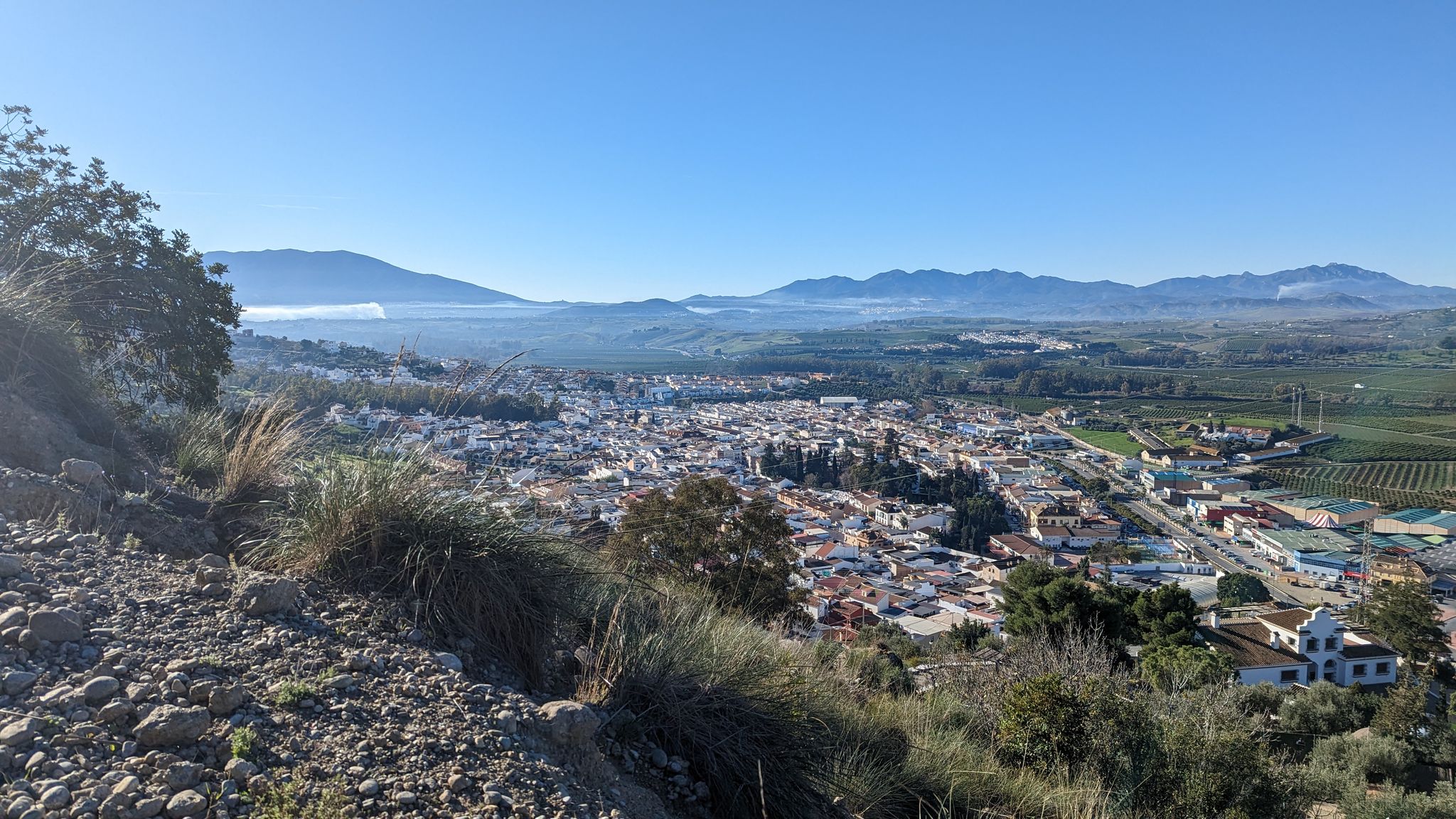
Álora is a small town in the province of Málaga in Andalusia, about 40 kilometers northwest of Málaga city. It is located in the Valle del Guadalhorce, an agricultural region, and has a population of around 13,000. The town is known for its typical Andalusian architecture with white houses and narrow streets. Álora has a long history dating back to Roman times. Later, under Moorish rule, it was of strategic importance, as can still be seen today in the Castillo de Álora – a castle located on a hill above the town. Today, Álora is primarily a starting point for visitors to the Caminito del Rey, a well-known hiking route through the Desfiladero de los Gaitanes gorge. Despite its growing tourist importance, the town remains relatively quiet and has retained its traditional character. There are a few bars, small shops and a few sights such as churches and museums, but overall, Álora is a rather tranquil place.
0
0

Short video about hiking in the area around Ardales could be found on my YouTUBE Channel under the following link: https://www.youtube.com/watch?v=awPz2AyvGT8
0
0

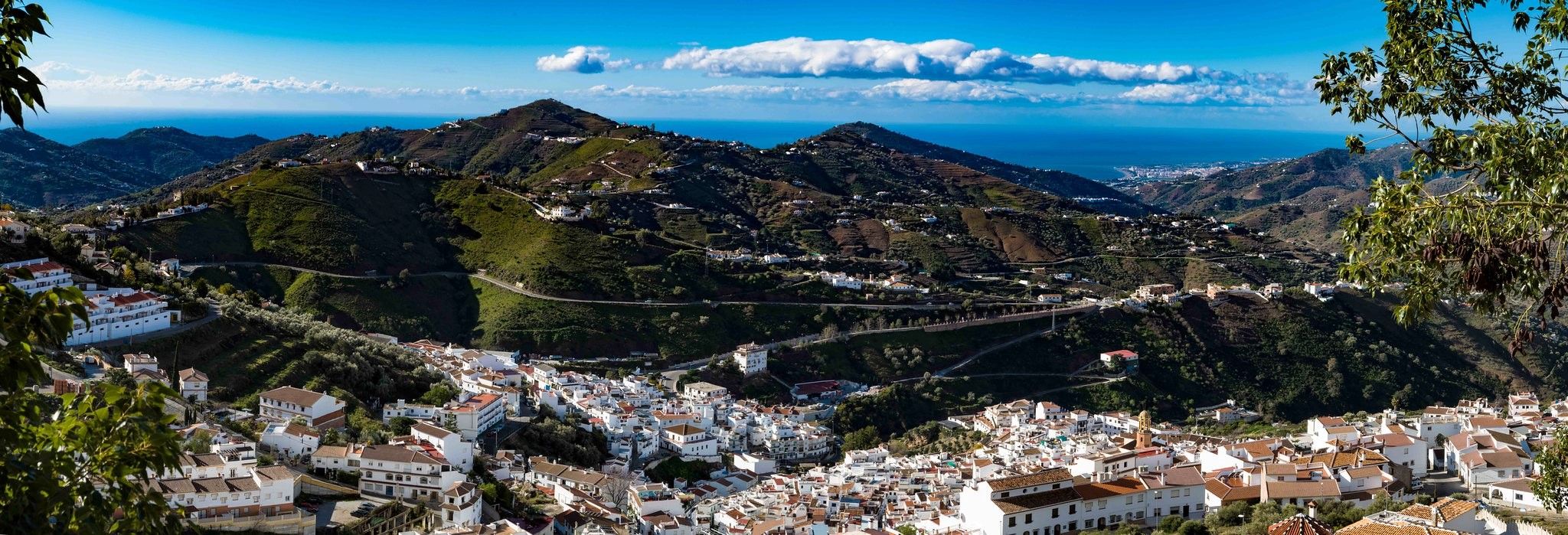
The centre of Ardales is a charming and historic place that exudes a typical Andalusian atmosphere. The streets are lined with white, traditional Andalusian houses, often decorated with flower boxes and wrought iron balconies. The centre consists of narrow, winding streets. The Plaza de San Isidro is the central square of the village, where locals and visitors meet. The square is surrounded by cafés and restaurants where you can enjoy local specialities. In addition to the charming houses, you will also find historic buildings such as the Parroquia de Nuestra Señora de los Remedios, a beautiful church just below an overgrown rock, where the remains of a medieval castle can just be seen. The castle of La Peña, which dates back to the 9th century and is located on a promontory 496 metres high.
8
0

The Castillo árabe de Álora is a historic fortification located on the Cerro de las Torres. The castle was originally built by the Arabs during the 9th and 10th centuries, but its origins date back to the Phoenicians and Romans.
2
0
Frequently Asked Questions
What is the historical significance of Álora Castle?
The Álora Castle is a site of immense historical value, reflecting centuries of cultural layers. Its origins trace back to Phoenician and Roman fortifications, with the current structure largely built by the Moorish state of Córdoba in the 9th and 10th centuries. It served as a crucial control point for the Guadalhorce Valley and played a significant role during the Christian Reconquista. Declared a National Historic Monument in 1931, it's a testament to the region's diverse past.
What unique architectural features can be found at Álora Castle?
The Álora Castle features a distinctive entrance through a gate tower with a horseshoe arch, considered unique in the Western world. While much of the original structure is in consolidated ruin, two partially reconstructed towers, including the Homage Tower, and numerous preserved wall sections remain. The Parish Church of Our Lady of the Incarnation, built in the 17th century on the site of the old mosque within the castle, also incorporates one of the castle's towers.
Can I get good views from the castles around Álora?
Yes, many castles in the region offer panoramic views. From Álora Castle, especially from its Homage Tower, you can enjoy breathtaking vistas of the fertile Guadalhorce Valley and the town of Álora. The Castillo de la Peña de Ardales, situated on a 496-meter-high promontory, also provides excellent viewpoints.
Are there outdoor activities or routes near the castles?
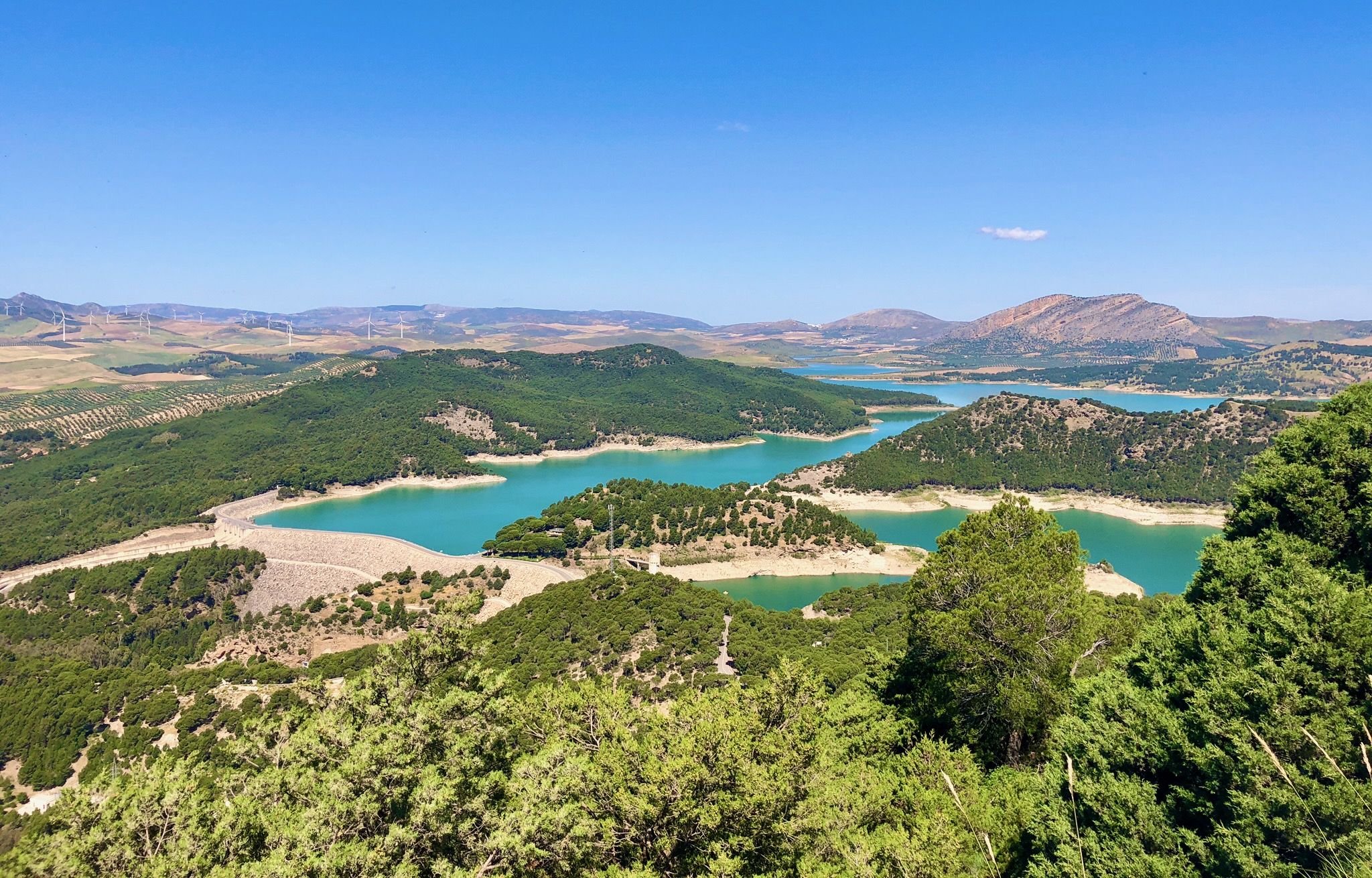
Absolutely. The area around Álora offers various outdoor activities. You can find cycling routes, gravel biking trails, and mountain biking trails. For example, there's a 'Return to the Guadalhorce Reservoir' cycling route or an 'Álora Castle – Among Pines and Cork Oaks' MTB trail. You can explore these and more on komoot's dedicated guides for Cycling around Álora, Gravel biking around Álora, and MTB Trails around Álora.
What kind of hiking trails are available near Álora Castle?
While specific hiking trails directly to the castles are not detailed, the region offers numerous routes suitable for walking and exploring the natural surroundings. Many cycling and MTB routes, such as those around the Guadalhorce Reservoir or through pine and cork oak forests, can also be adapted for hiking. These trails often pass by or offer views of historical sites. Check the komoot guides for Cycling around Álora or MTB Trails around Álora for routes that might suit your hiking preferences.
Are there family-friendly castles to visit in the Álora region?
Yes, the area offers options for families. While the historical significance of Álora Castle makes it interesting for all ages, the View of Álora Castle highlight is specifically noted as family-friendly, suggesting accessible spots to appreciate the castle from a distance. Exploring the town of Álora itself, with its charming streets, can also be a pleasant family activity.
When is the best time to visit the castles around Álora?
The region experiences hot summers, so visiting during spring (March to May) or autumn (September to November) is generally recommended. During these seasons, the weather is milder, making it more comfortable for exploring the outdoor castle ruins and enjoying the panoramic views. Winter can also be pleasant, though some facilities might have reduced hours.
How difficult are the walks to the castles near Álora?
The difficulty can vary. The Álora Castle is located on a hill above the town, requiring an uphill walk to reach it. While the castle itself is undergoing restoration and may have uneven terrain, the path to it is generally manageable. Other castles like Castillo de la Peña de Ardales are also on elevated positions, offering rewarding views but requiring some ascent. Most routes are considered intermediate in difficulty.
What should I wear when visiting Álora castles, especially in summer?
In summer, temperatures in Álora can be very high. It's advisable to wear light, breathable clothing, a hat, and sunglasses. Bring plenty of water to stay hydrated. Comfortable walking shoes are essential year-round due to the historical sites often involving uneven surfaces and uphill climbs. During cooler months, layers are recommended.
Are there any hidden gem castles near Álora worth exploring?
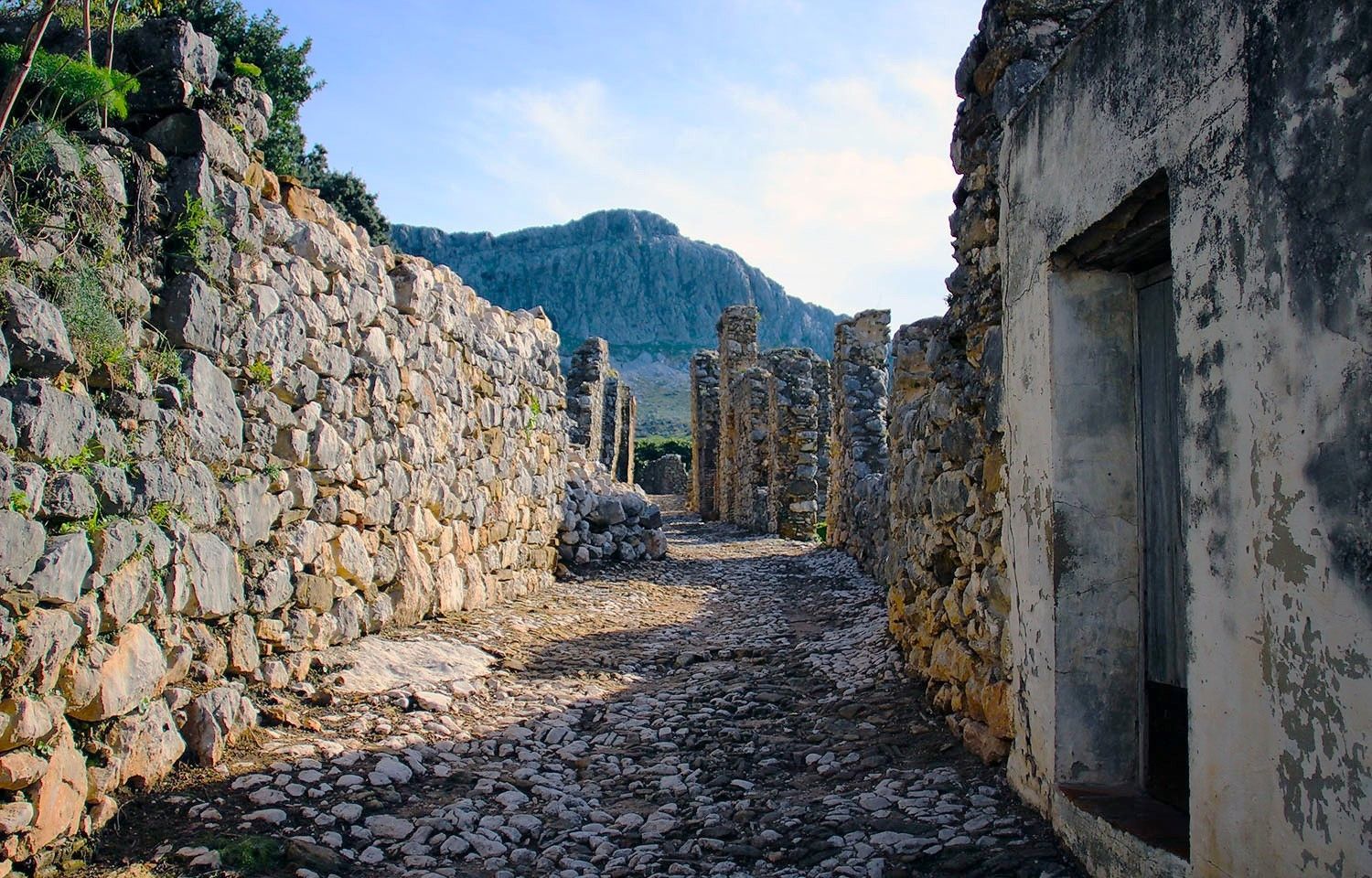
Beyond the prominent Álora Castle and Castillo de la Peña de Ardales, you might find the ruins of Turón Castle intriguing. Originally conceived for surveillance and support for Ardales Castle during the Nasrid era, it had more than ten watchtowers. While only a few remains are visible today, its strategic location on a limestone cliff made it an impregnable point and offers a glimpse into the region's defensive history.
Where can I find cafes or places to eat near Álora Castle?
The town of Álora, located directly below its castle, offers various bars and small shops where you can find refreshments and local cuisine. After exploring the castle, you can descend into the town to enjoy a meal or a coffee in its traditional Andalusian setting.
Is there parking available for Álora Castle?
Yes, parking is generally available in the town of Álora. From there, it's a walk up to the castle ruins. While specific parking at the castle entrance might be limited due to its historical nature and ongoing restoration, you should find options within the town itself.
Most popular attractions around Álora

Get inspired with the komoot mobile app


Explore more
Looking for the best castles somewhere else? Discover other guides around Álora:
