The 11 Most Amazing Peaks around Olèrdola
Best mountain peaks around Olèrdola are found in the Alt Penedès comarca of Catalonia, Spain, characterized by notable elevated areas and historical significance. The region forms part of the foothills of the El Garraf massif, offering diverse landscapes. Olèrdola is known for its natural watchtowers and archaeological sites, providing both natural beauty and cultural heritage. The area features holm oak and cork oak groves, pine forests, and distinctive palm thickets.
Best mountain peaks around Olèrdola
- The most popular mountain peaks…
Last updated: June 20, 2026
Puig de l'Àliga
Highlight • Summit
Translated by Google •
Tip by

Puig de la Mola summit (534 m)
Highlight • Summit
Translated by Google •
Tip by

Sign up now to discover places like this
Get recommendations on the best single tracks, peaks, & plenty of other exciting outdoor places.
Sign up for free
El Castellot
Highlight • Historical Site
Translated by Google •
Tip by

Penya del Papiol
Highlight • Summit
Translated by Google •
Tip by
Creu de Sant Isidre of Puig d'en Boronet
Highlight • Monument
Translated by Google •
Tip by

Sign up for free to discover even more peaks around Olèrdola.
Sign up for free
Already have an account?
Start today with a free account
Your next adventure awaits.
Login or Signup
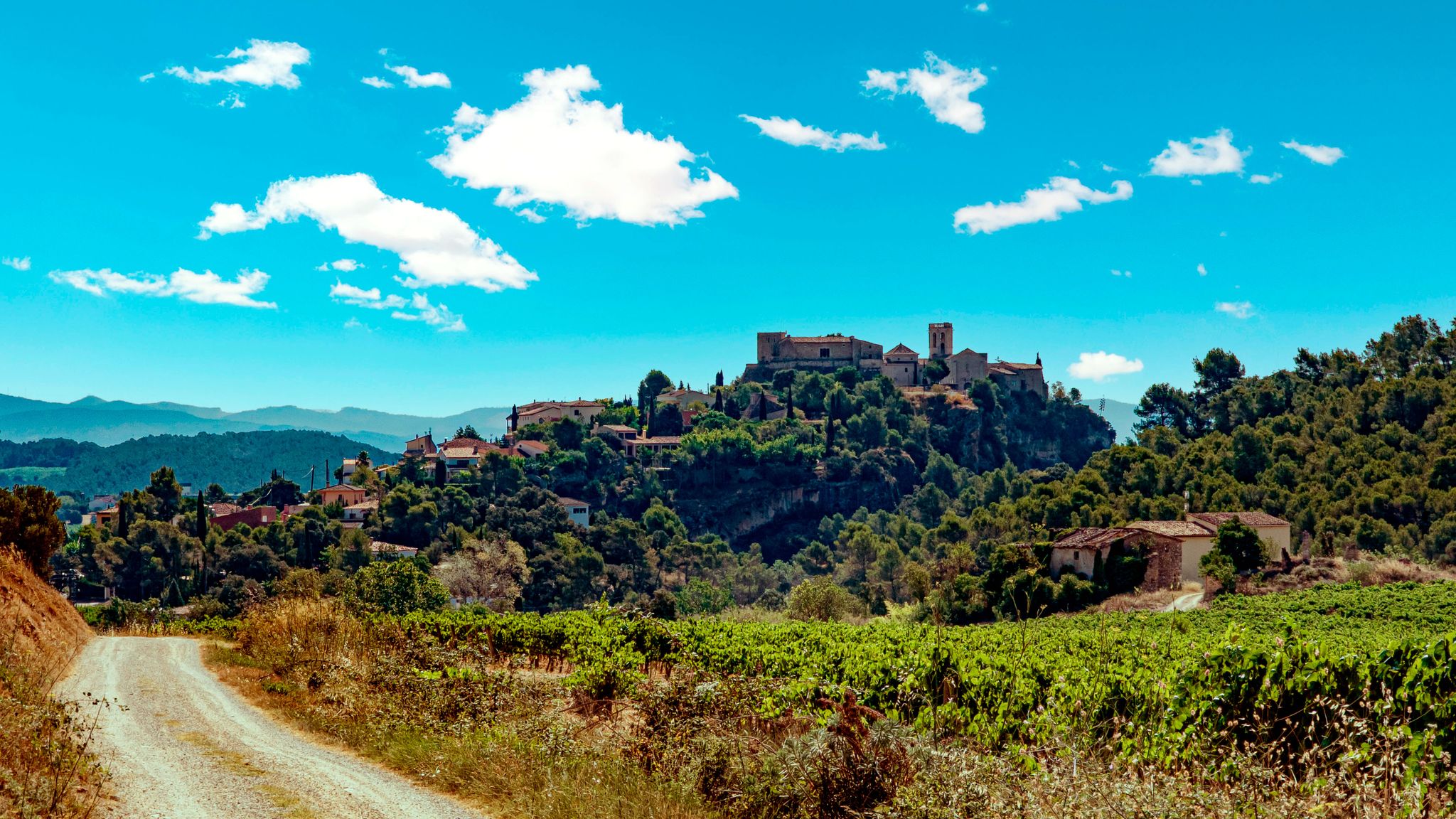

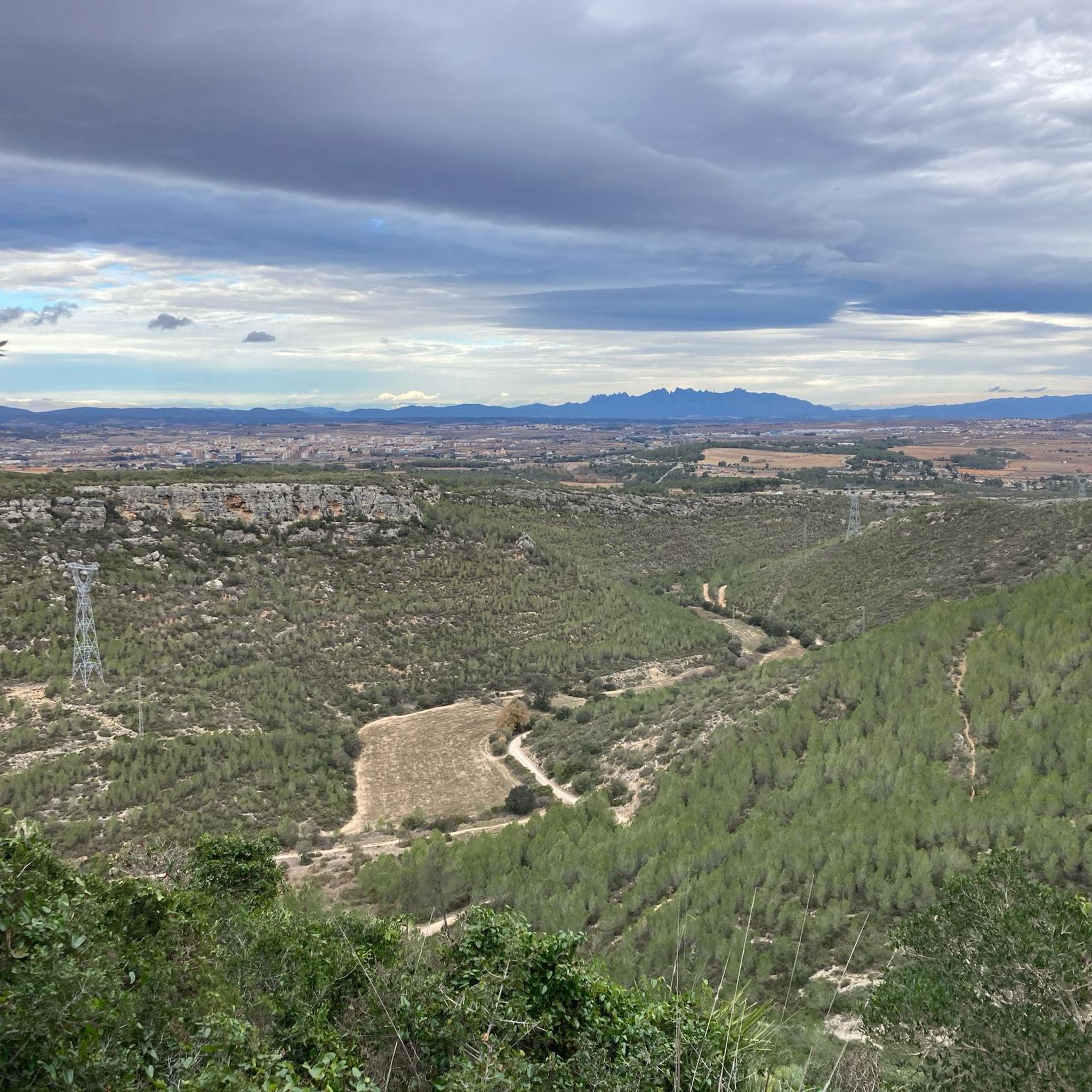
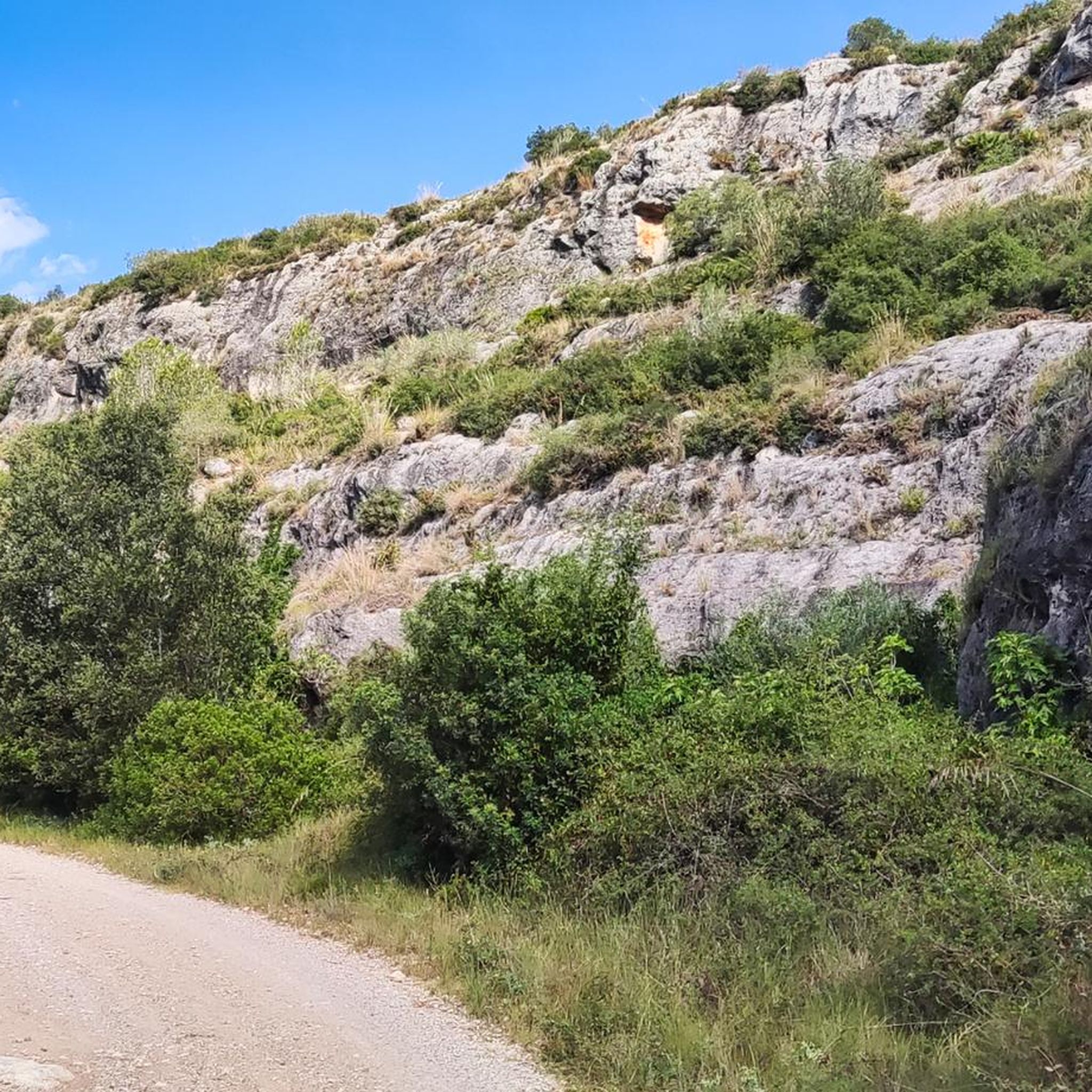
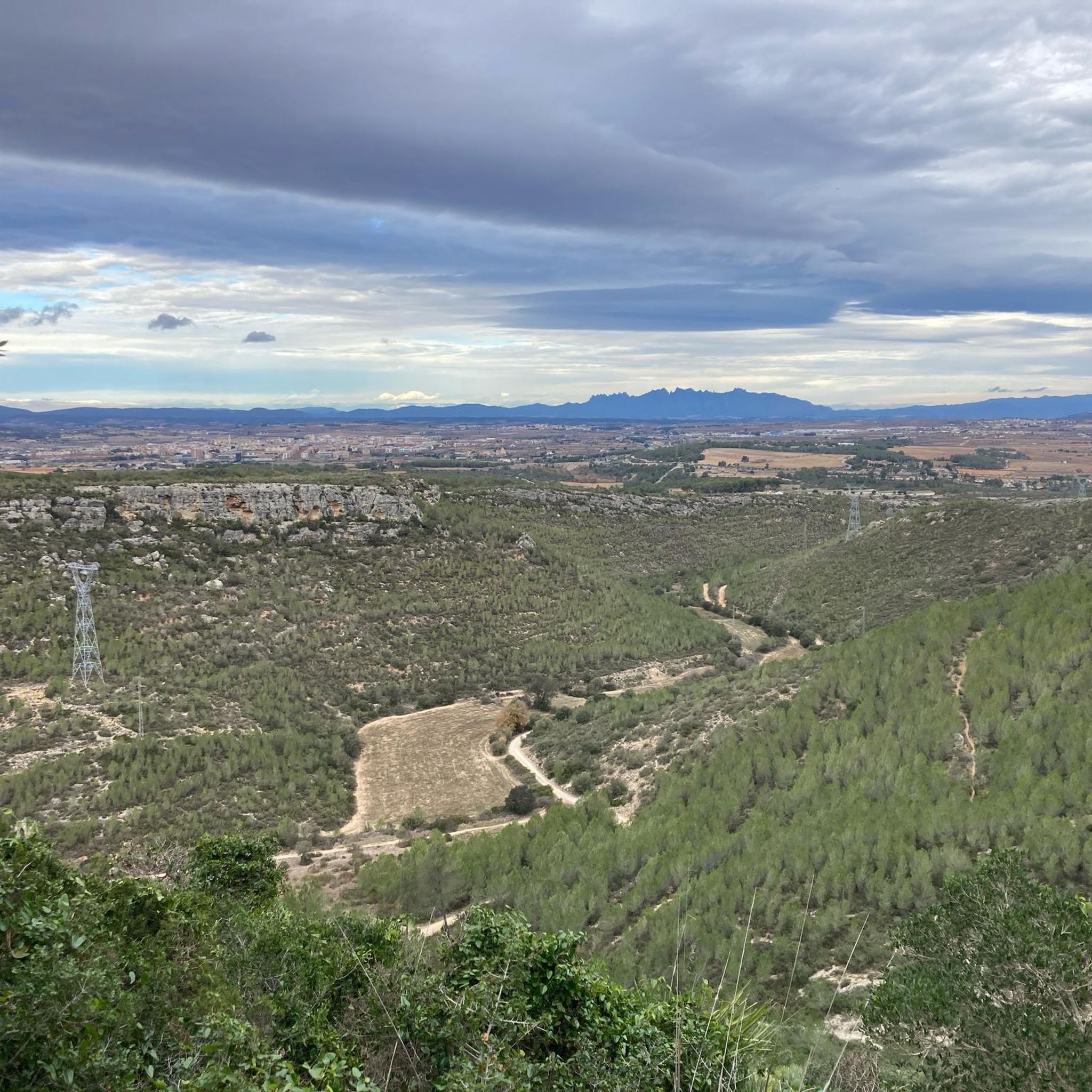
Other adventures around Olèrdola

Tips from the Community

Top view
0
0

Highest point of Garraf. Peak with a lot of wind. But with 360 degree views
0
0
Highest point of Garraf.
0
0


The Puig de l'Àliga, at 464 meters above sea level, is not the highest peak of the Garraf, that honor goes to the Puig de la Mola (534 meters), but it is the highest of the foothills southern parts of the Garraf massif. It forms a natural border between the regions of Alt Penedès and Garraf and is a natural viewpoint of both the Penedès plain and the Garraf coast. At its highest point there is a geodesic vertex, a large cross, and a fire watch tower.
2
0

Beautiful tower not only for its views but also for the views it offers of the Penedès plain. The demanding climb is worth it!
0
0
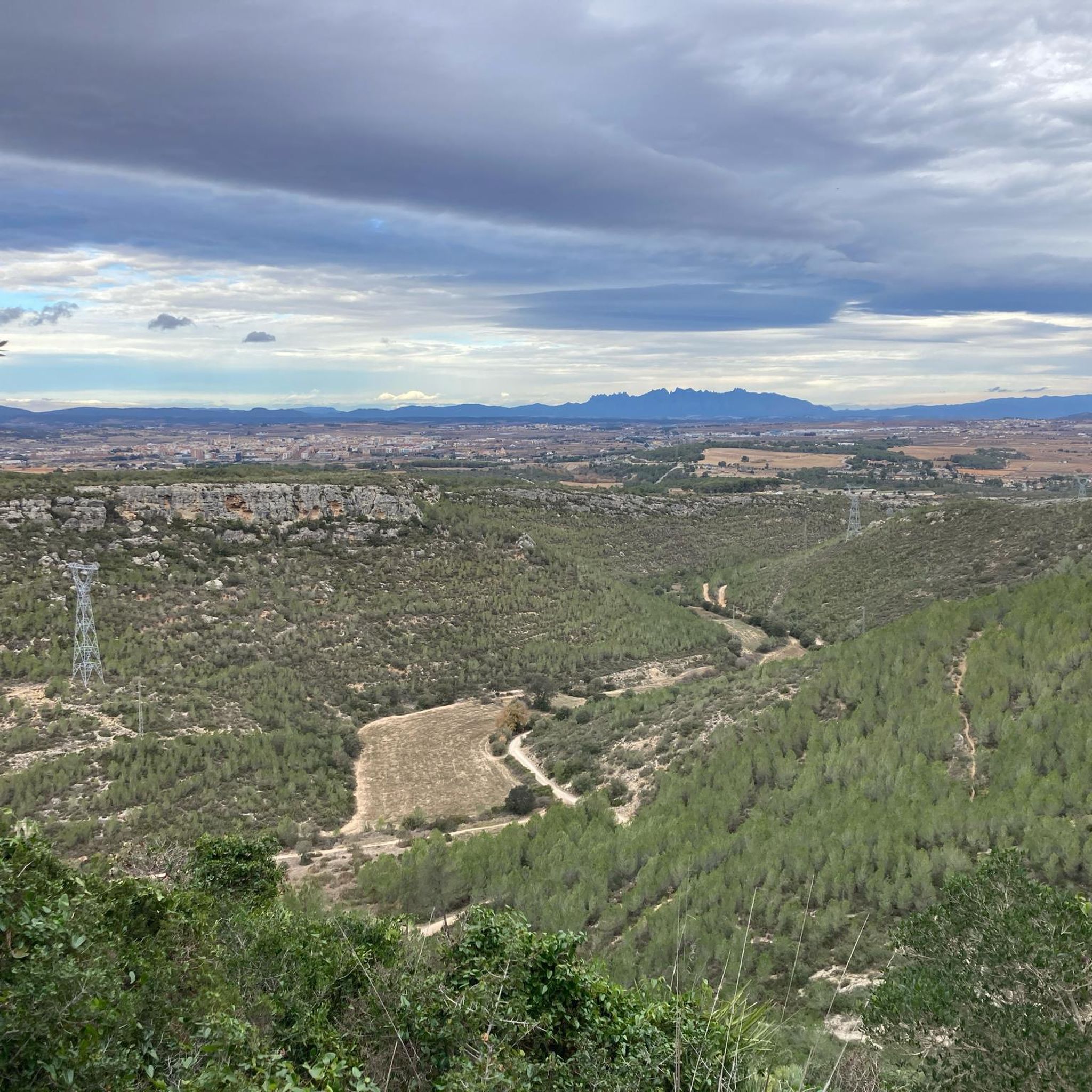
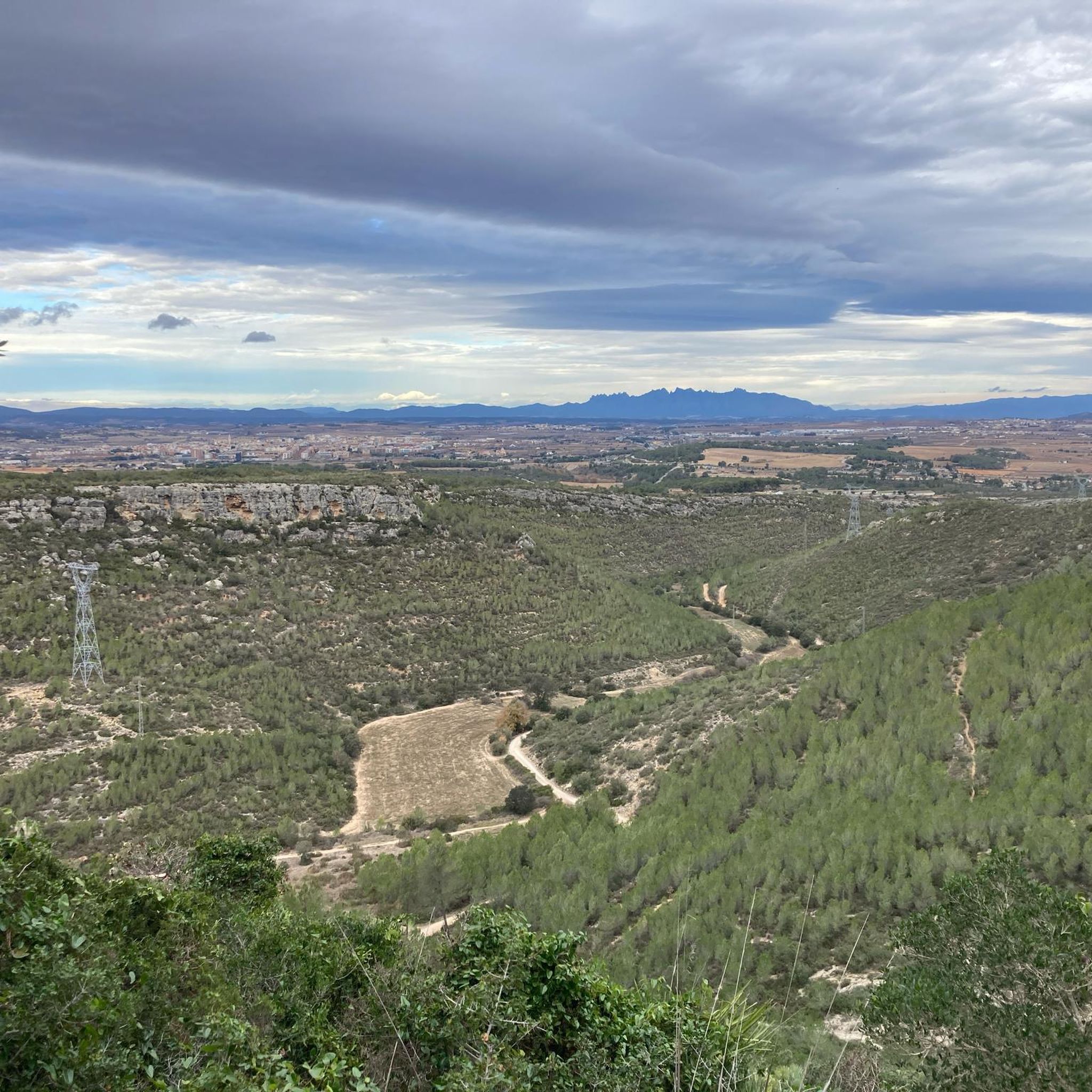
Mountain that is located in the old middle of the Garraf Natural Park and on a clear day, you can even see views of Montserrat mountain.
0
0

Small peak, near a quarry, where a series of rural roads converge. This is a typical area of the Penedès with extensive fields of vineyards interspersed with scattered farmhouses where you can also appreciate old quarries. From the top, if the vegetation allows us, you can see from Montserrat, la Mola, la Morella, el Montmell, el Montau and el Puig de l'Àliga, among others. As can be read on a small panel at the top, the Toponym derives from the word "popia", which in the geographical vocabulary of the popular language designates a hill of low height, with a regularly rounded shape and a wide base: the shape of the chest of 'a woman. The word "Papiol" derives from this metaphor. The name is already documented in 992 as the boundary of Viladellops (Olèrdola). Essential peak included in the list of 100 peaks of the F.E.E.C. https://www.feec.cat/activitats/100-cims/cim/penya-del-papiol/
1
0
Frequently Asked Questions
What are the most prominent mountain peaks to visit in the Olèrdola region?
The most prominent peak is Puig de l'Àliga, standing at 468 meters, offering expansive panoramic views. Another significant summit is Puig de la Mola summit (534 m), the highest point in the Garraf massif, featuring a geodesic vertex and a watchtower. For a blend of history and views, El Castellot is a notable historical site on a hill at 468 meters.
What kind of views can I expect from the mountain peaks in Olèrdola?
From peaks like Puig de l'Àliga, you can enjoy breathtaking panoramic views of the Penedès plain and the El Garraf region. El Castellot also provides excellent views of the Penedès plain, while Penya del Papiol offers glimpses of Montserrat, La Mola, and other surrounding peaks.
Are there historical sites among the elevated areas in Olèrdola?
Yes, the region is rich in history. The Monumental Complex of Olèrdola is a significant elevated site with continuous human settlement from the Bronze Age through the Iberian, Roman, and Medieval periods. It features archaeological remains, ancient churches, and medieval tombs. Additionally, El Castellot is a medieval surveillance and defense structure with a watchtower.
What natural features characterize the mountain peaks area of Olèrdola?
The natural environment around peaks like Puig de l'Àliga is diverse, featuring holm oak and cork oak groves, pine forests, and distinctive palm thickets. The broader Parc d'Olèrdola also showcases a Mediterranean landscape with Aleppo pine forests and varied shrubland.
What outdoor activities can I do near the mountain peaks of Olèrdola?
The area offers a variety of outdoor activities. You can explore numerous running trails, including routes to Puig de l'Àliga and Penya del Papiol. There are also extensive MTB trails and cycling routes that traverse the Penedès plain and the Garraf massif.
Are there challenging hiking trails in the Olèrdola mountain region?
Yes, for those seeking a challenge, the ascent to Puig de la Mola summit (534 m) is considered challenging, especially on its southern slopes with cliffs. Some running routes in the area, such as the circular route around the Sierra de Cogullada, are also rated as difficult.
What is the best time of year to visit the mountain peaks around Olèrdola?
While specific data on the best time to visit is not provided, the Mediterranean climate of the region suggests that spring and autumn would be ideal for hiking and exploring. These seasons offer milder temperatures, making outdoor activities more comfortable than the heat of summer or the cooler, potentially wetter, winter months.
Are there any specific monuments or crosses on the peaks?
Yes, Creu de Sant Isidre of Puig d'en Boronet is an eight-meter-high monument with a cross, built between 1953 and 1955. It features a base with steps, a conical trunk, and a cross, adorned with coats of arms and terracottas.
What is the elevation of the highest peak in the immediate Olèrdola area?
Within the Parc d'Olèrdola, the highest and most prominent peak is Puig de l'Àliga, which stands at 468 meters. However, the highest peak in the broader Garraf massif, which borders Olèrdola, is Puig de la Mola summit (534 m) at 534 meters.
Are there any rock climbing opportunities near Olèrdola?
Yes, for those interested in rock climbing, specific areas within the broader Olèrdola region, such as Peña del Escofet (located in nearby Canyelles) and Fuente del Ametlló, provide opportunities for the sport.
What do visitors particularly enjoy about the mountain peaks in Olèrdola?
Visitors frequently praise the breathtaking panoramic views from summits like Puig de l'Àliga, noting that the reward of the scenery makes any ascent worthwhile. The combination of natural beauty and rich historical significance, particularly at sites like the Monumental Complex and El Castellot, is also highly appreciated.
Most popular routes around Olèrdola
Most popular attractions around Olèrdola

Get inspired with the komoot mobile app


Explore more
See even more amazing summits around Olèrdola with these guides:
