Top 8 Castles around Monistrol De Calders
Best castles around Monistrol De Calders are found within the Moianès region, an area characterized by its historical significance and diverse natural landscapes. This municipality, while not having prominent intact castles within its immediate boundaries, is historically linked to several defensive structures in neighboring areas. The region offers a mix of medieval ruins and well-preserved historical sites, providing insights into its past. Visitors can explore these historical landmarks, often situated on strategic hills offering views of forests, fields, and river…
Last updated: October 20, 2026
La Mola and the Monastery of Sant Llorenç del Munt
Highlight • Summit
Translated by Google •
Tip by

Gallifa Castle
Highlight • Castle
Translated by Google •
Tip by

Sign up now to discover places like this
Get recommendations on the best single tracks, peaks, & plenty of other exciting outdoor places.
Talamanca Castle
Highlight • Castle
Translated by Google •
Tip by

Mas d'Esplugues de Castellcir
Highlight • Historical Site
Translated by Google •
Tip by

Granera Castle
Highlight • Castle
Translated by Google •
Tip by

Sign up for free to discover even more castles around Monistrol De Calders.
Already have an account?
Start today with a free account
Your next adventure awaits.
Tips from the Community

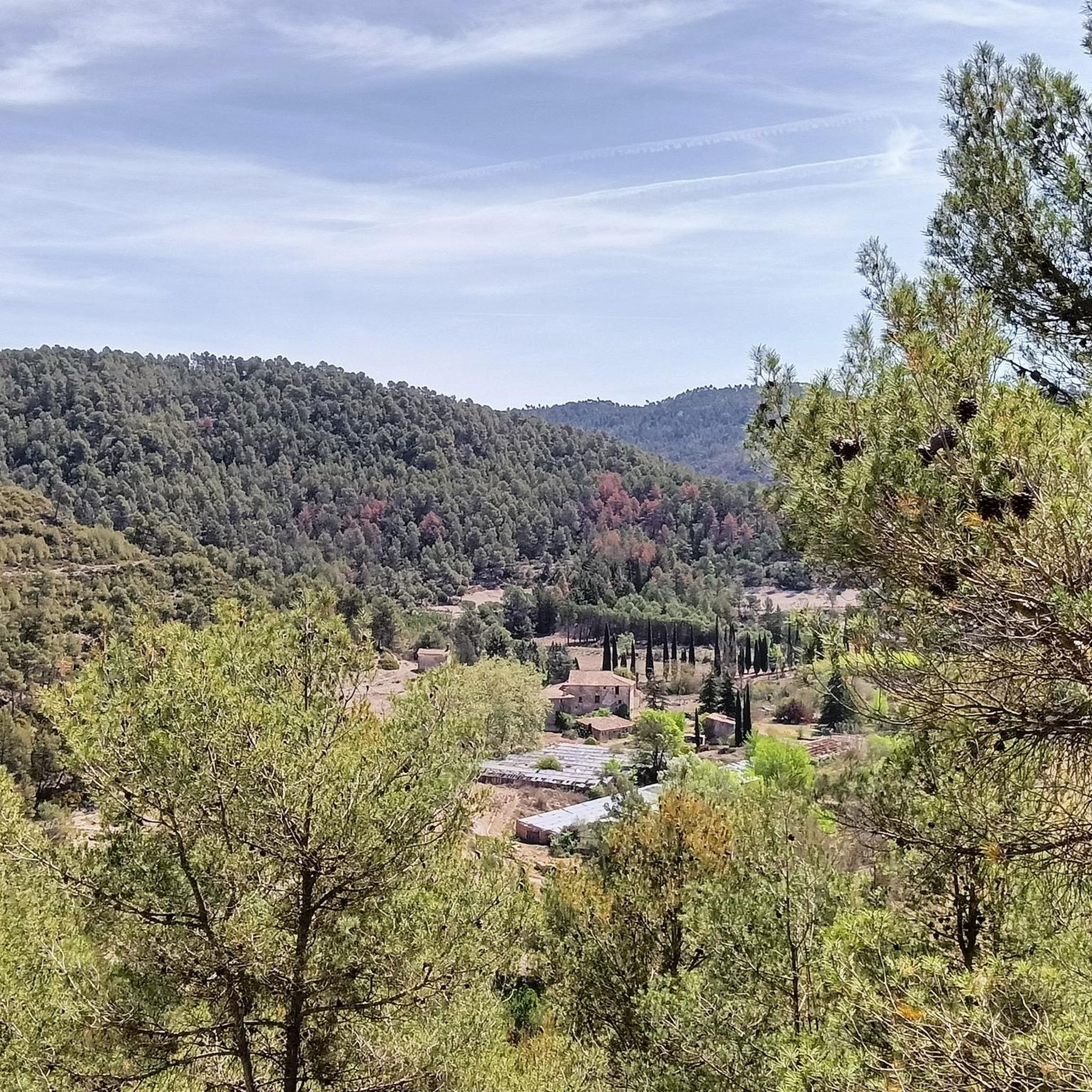
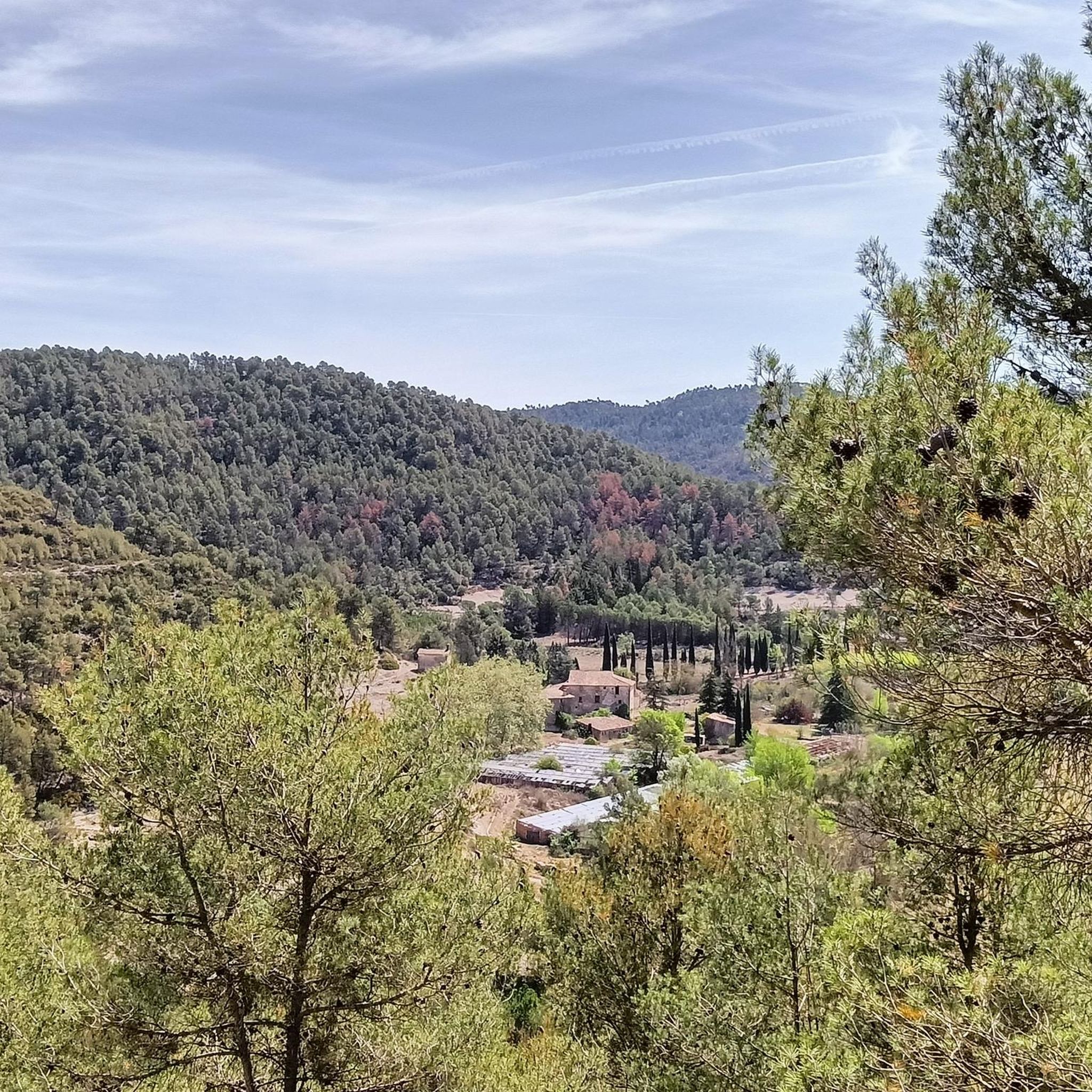
This farmhouse is very special: it's built taking advantage of the natural shelter of a large rock and is located next to the Fontscalents stream. This spot has been home to different generations for over a thousand years, from medieval times until very recently, making it a place steeped in history. Although its name is already mentioned at the end of the 12th century, the building that stands today is the result of later renovations, especially from the 17th and 18th centuries. Some dates engraved in the stone still offer clues to these works. The façade, with its irregular and rustic appearance, blends elements of well-worked stone with simpler walls made of rubble and mortar.
1
0

The restaurant has been closed since the fall of 2025.
2
0

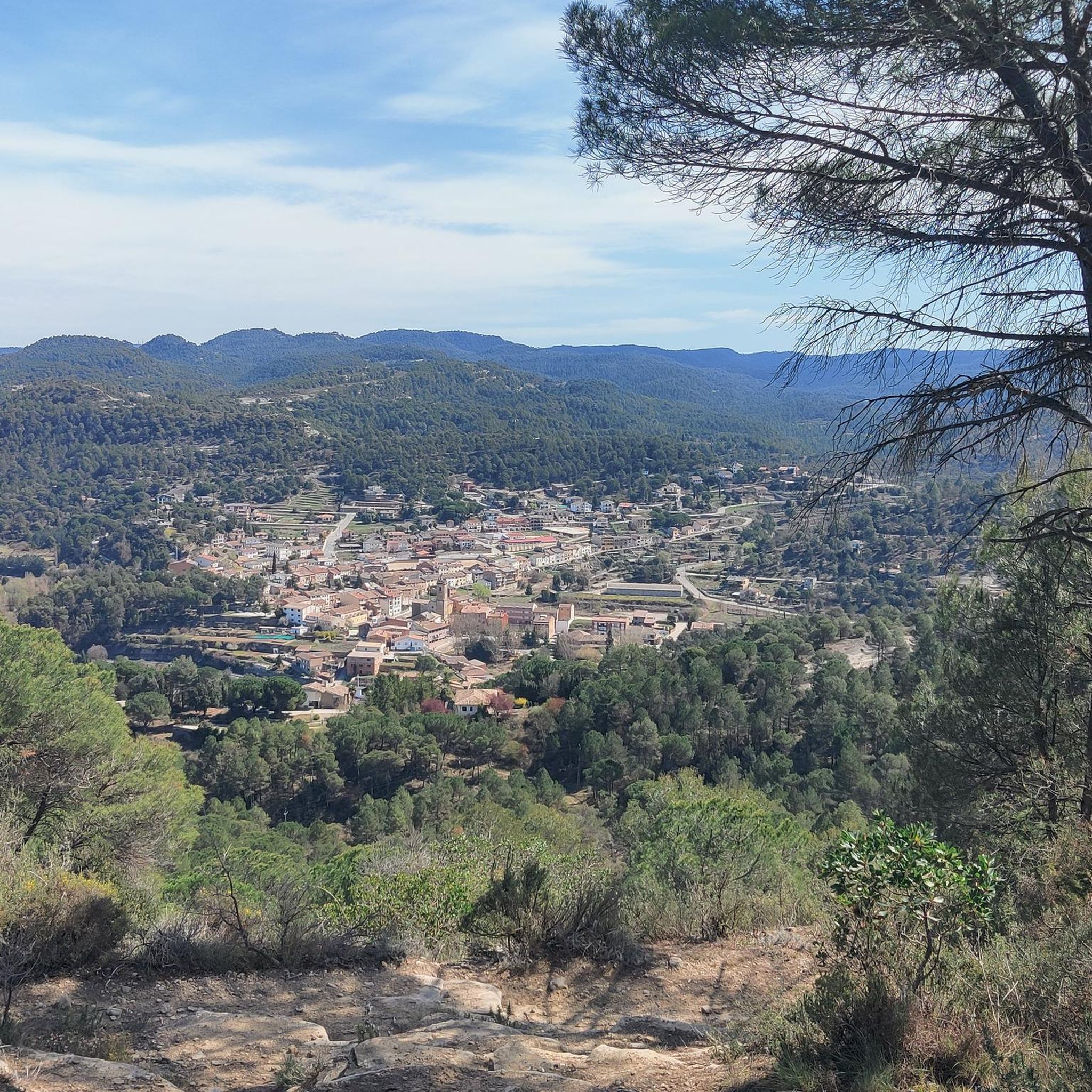
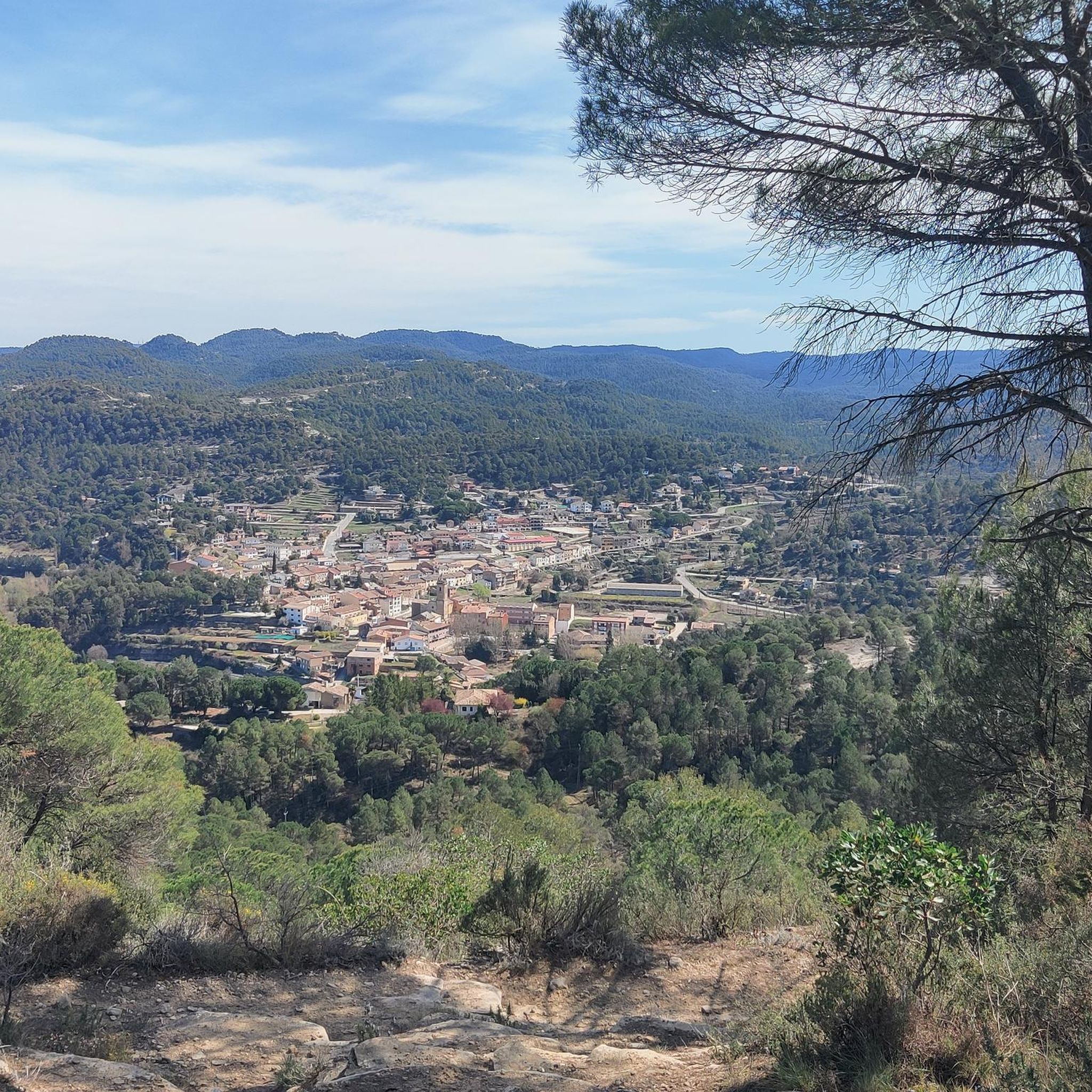
Entrance to the old town of Granera, paved and on top of a hill above 800 meters above sea level, crowned by a beautiful castle. At the entrance you will find a fountain.
0
0
Incredible places to take photos
0
0

A town with a great history that is worth visiting 🤩
1
0

Pleasant walk through Talamanca and its surroundings with a moderate slope. The route runs along well-marked tracks and is marked with milestones with white and green labels. With this itinerary we will discover the medieval origins of Talamanca based on its cultural and natural heritage. The route follows a section of the stream between small gorges and waterfalls that have emerged between the rocks. The itinerary discovers constructions such as the dry stone huts, the water lilies or the unique area of the balma salt of the Gobians and a part following the stream bed, scene of one of the most important battles of the war of succession. Part of the excursion goes through Sant Llorenç del Munt i l'Obac Natural Park.
0
0
The original building, built in the 11th century, was the embryo of the town and the political center of the district. It was part of the network of castles aimed at the defense of the colonists who repopulated the lands conquered by the Saracens. In the twelfth century, the Saracen threat faded but the process of feudalization caused disputes between Castilians for control of the castle, with several sagas taking place: the Cardona, the Talamanca, the Castellbell. In 1717, Bourbon troops demolished the castle, a fate shared by many of the castles of Old Catalonia. In the 18th century, the Castellbells built the manor house with a tower.
0
0

Frequently Asked Questions
What types of castles can I expect to find around Monistrol de Calders?
The region around Monistrol de Calders offers a mix of medieval castle ruins and more preserved historical sites. You'll find structures ranging from those with significant remaining walls and chapels, like Gallifa Castle, to those that are mostly ruins but offer historical significance and panoramic views, such as Castell de Calders. Many are situated on strategic hills, providing insights into the area's defensive past.
Which castles are most popular with visitors in the Monistrol de Calders area?
Among the most popular castles are Granera Castle, known for its historical documentation since 971 and its surrounding castle quarter. Gallifa Castle is also highly regarded, featuring well-preserved parts of its walls, fortified portals, and the Romanesque chapel of Santa Maria del Castell. Another favorite is Talamanca Castle, a 10th-century Romanesque castle that played a role in the Battle of Talamanca in 1714.
Are there hiking trails near the castles around Monistrol de Calders?
Yes, the region is excellent for hiking. You can find trails that incorporate these historical sites. For example, there's the 'La Riera de Talamanca Trail' and a 'Talamanca Castle – Molí del Menut loop from Talamanca' which are both moderate hikes. You can also explore the 'Granera Castle – Granera Castle loop from Granera'. For more hiking options, check out the Hiking around Monistrol De Calders guide.
What natural features or viewpoints can I find near these castles?
Many castles in the region are strategically located on hills, offering stunning views. For instance, climbing the hill to the ruined Castell de Calders provides wonderful views of surrounding forests, fields, and vineyards, with the Calders river below. Gallifa Castle also offers panoramic views from its hilltop position. Additionally, the area is characterized by diverse natural landscapes, including the Sant Llorenç del Munt natural park, which features the prominent peak of La Mola.
Are there any family-friendly castles to visit?
Yes, Talamanca Castle is noted as family-friendly. Its historical significance and the opportunity to explore a Romanesque castle can be engaging for all ages. The surrounding areas often provide gentle paths suitable for family outings.
What is the historical significance of Castell de Calders?
Castell de Calders, though mostly in ruins today, was crucial for defending the Calders territory, including what is now Monistrol de Calders. Documented since 956, it was held by a branch of the viscounts of Osona. Its remnants, including part of the master tower and perimeter walls, offer a tangible connection to the medieval history of the region and its defensive past.
Can I visit Castellterçol Castle, and what are its main features?
Yes, Castellterçol Castle is another significant historical site in the Moianès region. Dating back to the 9th century, it features remnants like a graveyard, sections of ramparts with loopholes, and parts of the old lords' house from the 12th century. A 16th-century tenant farmer's house was built within its walls, and a square-plan tower was added in the 19th century. It's located in a peaceful, forested area, and cultural activities are occasionally organized there.
Are there cycling routes that pass by or near these castles?
Absolutely. The area offers various cycling opportunities. For instance, you can find routes like the 'Talamanca Castle – Cabrianes Bridge loop from Artés' for road cycling, or 'Castellterçol – Collsuspina loop from Castellterçol' for gravel biking. You can explore more options in the Cycling around Monistrol De Calders guide and the Gravel biking around Monistrol De Calders guide.
What is the best time of year to visit the castles in this region?
The spring and autumn months are generally ideal for visiting the castles around Monistrol de Calders. The weather is typically mild, making outdoor exploration and hiking comfortable. During these seasons, the natural landscapes surrounding the castles are particularly beautiful, with lush greenery in spring and vibrant colors in autumn. Summer can be warm, while winter might be cooler but offers a different, quieter experience.
Is there a 'hidden gem' castle or historical site worth exploring?
While not a castle in the traditional sense, the Mas d'Esplugues de Castellcir is a unique historical site that could be considered a hidden gem. This farmhouse is exceptionally built into a natural rock shelter next to the Fontscalents stream. It has been inhabited for over a thousand years, from medieval times until recently, offering a fascinating glimpse into the region's past and a unique architectural adaptation to the landscape.
What do visitors enjoy most about the castles and historical sites in this area?
Visitors frequently appreciate the blend of historical significance with the natural beauty of the surroundings. Many highlights, like Gallifa Castle, are praised not only for their historical remnants but also for the panoramic views they offer. The opportunity to connect with medieval history while enjoying outdoor activities like hiking and cycling is a major draw.
Are the castles around Monistrol de Calders generally accessible by car, and is parking available?
Access to many of the castles and historical sites in the region is typically possible by car, though the final approach to some may involve a short walk. For example, Castell de Calders is accessible via a path from the B-431 road. Parking availability can vary, often found in nearby villages or designated areas close to the sites. It's advisable to check specific locations for detailed parking information.
Most popular routes around Monistrol De Calders
Most popular attractions around Monistrol De Calders

Get inspired with the komoot mobile app


Explore more
Looking for the best castles somewhere else? Discover other guides around Monistrol De Calders:
