Top 6 Caves around Carratraca
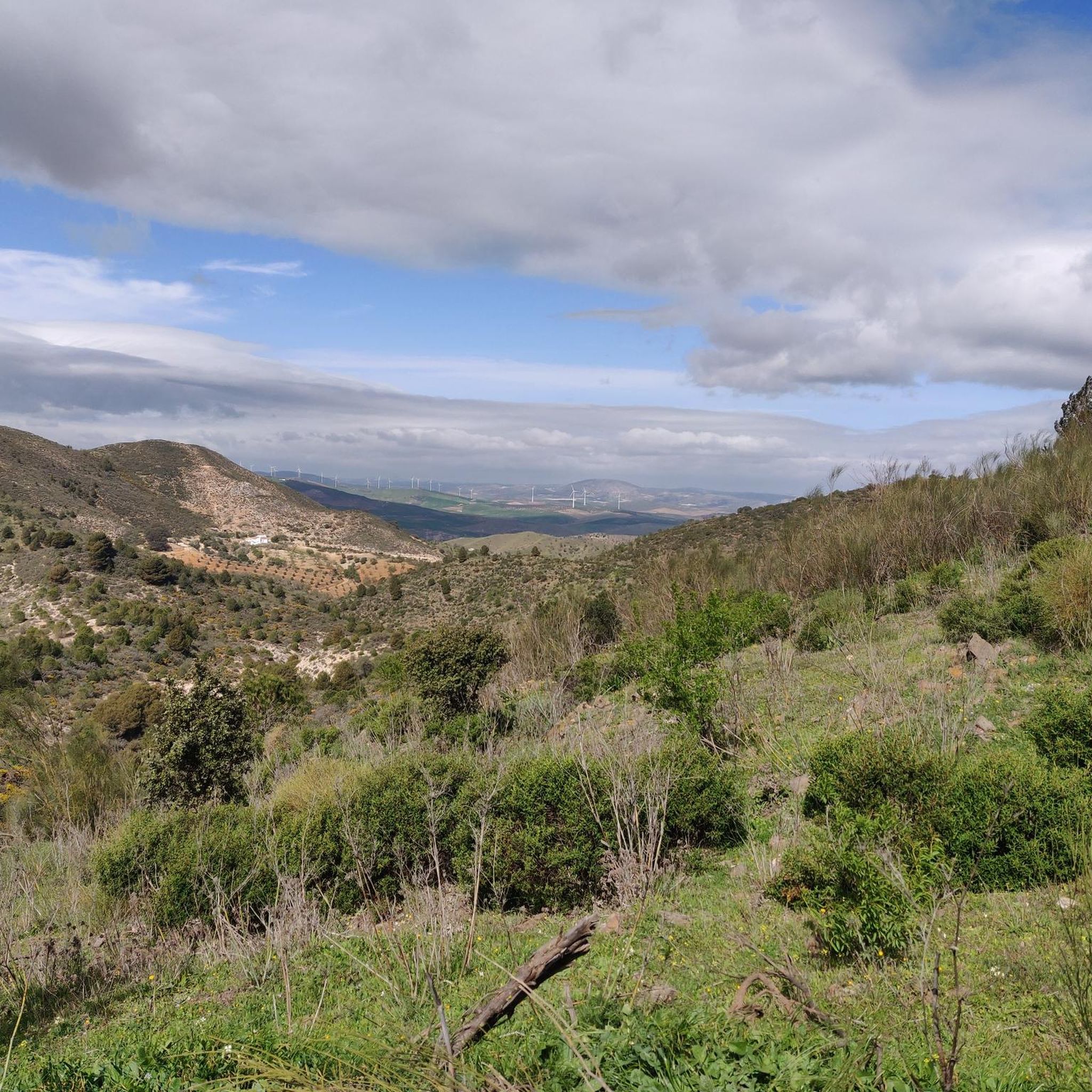
Caves around Carratraca offer a diverse landscape characterized by its geological formations and historical significance within the Málaga province. The region features a mix of natural caves, rock shelters, and man-made structures carved into the rock. This area is known for its rugged terrain and the presence of ancient human activity, providing insights into past civilizations. The natural landscape around Carratraca includes river valleys and mountainous areas, contributing to the variety of cave types.
Best caves around Carratraca
- The most…
Last updated: July 4, 2026
Túnel de los Tafonis
Highlight • Cave
Translated by Google •
Tip by

Cave Houses of Sierra Parda
Highlight • Cave
Showing Translation
Tip by

Sign up now to discover places like this
Get recommendations on the best single tracks, peaks, & plenty of other exciting outdoor places.
Sign up for free
Mozarabic Rock-Cut Church of Bobastro
Highlight • Religious Site
preserved are parts of the Christian rock church and individual cave parts.
Translated by Google •
Tip by

Rock Formation with Caves
Highlight • Cave
Translated by Google •
Tip by

Cliff Dwellings on the Guadalhorce River
Highlight • Historical Site
Translated by Google •
Tip by
Sign up for free to discover even more caves around Carratraca.
Sign up for free
Already have an account?
Start today with a free account
Your next adventure awaits.
Login or Signup
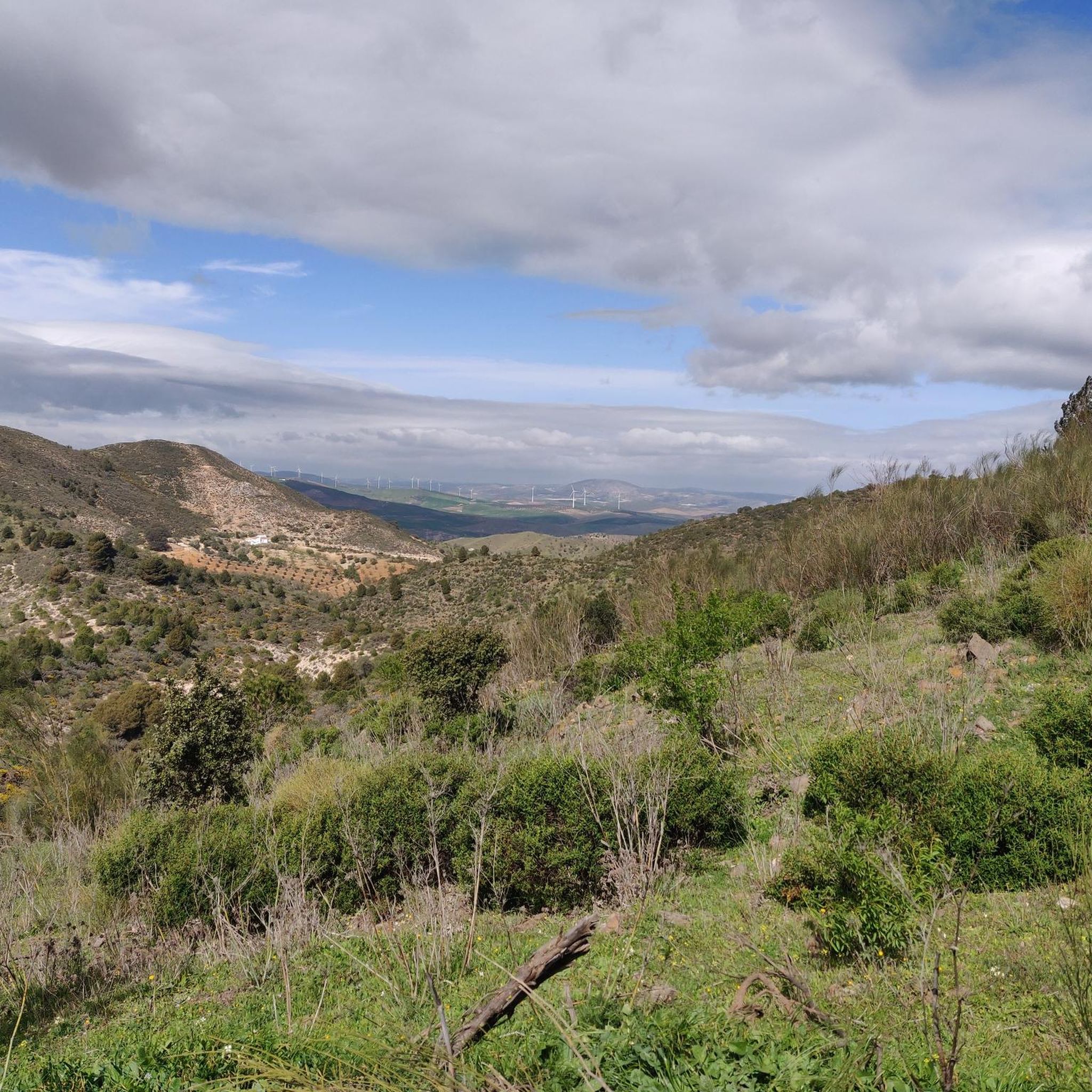
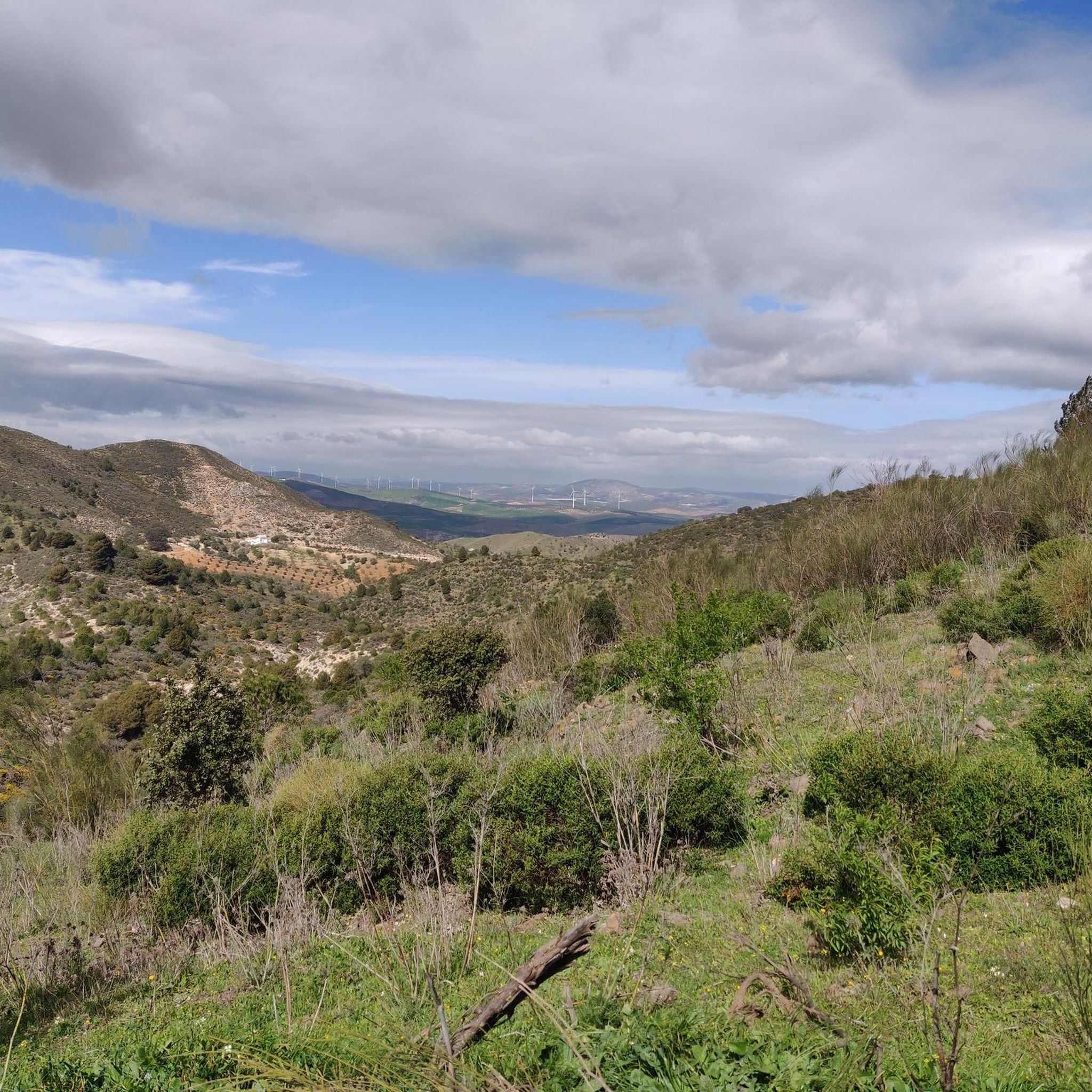
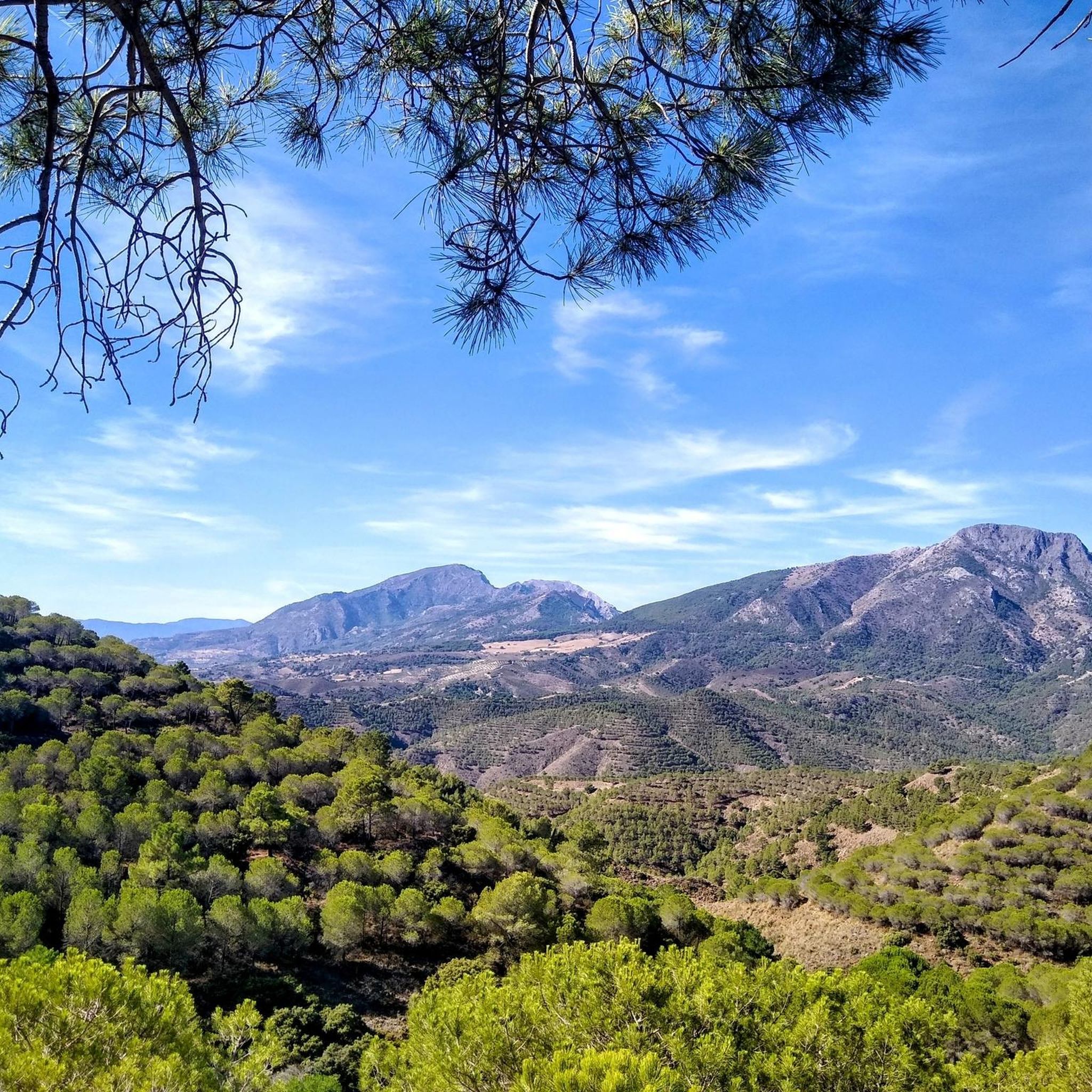
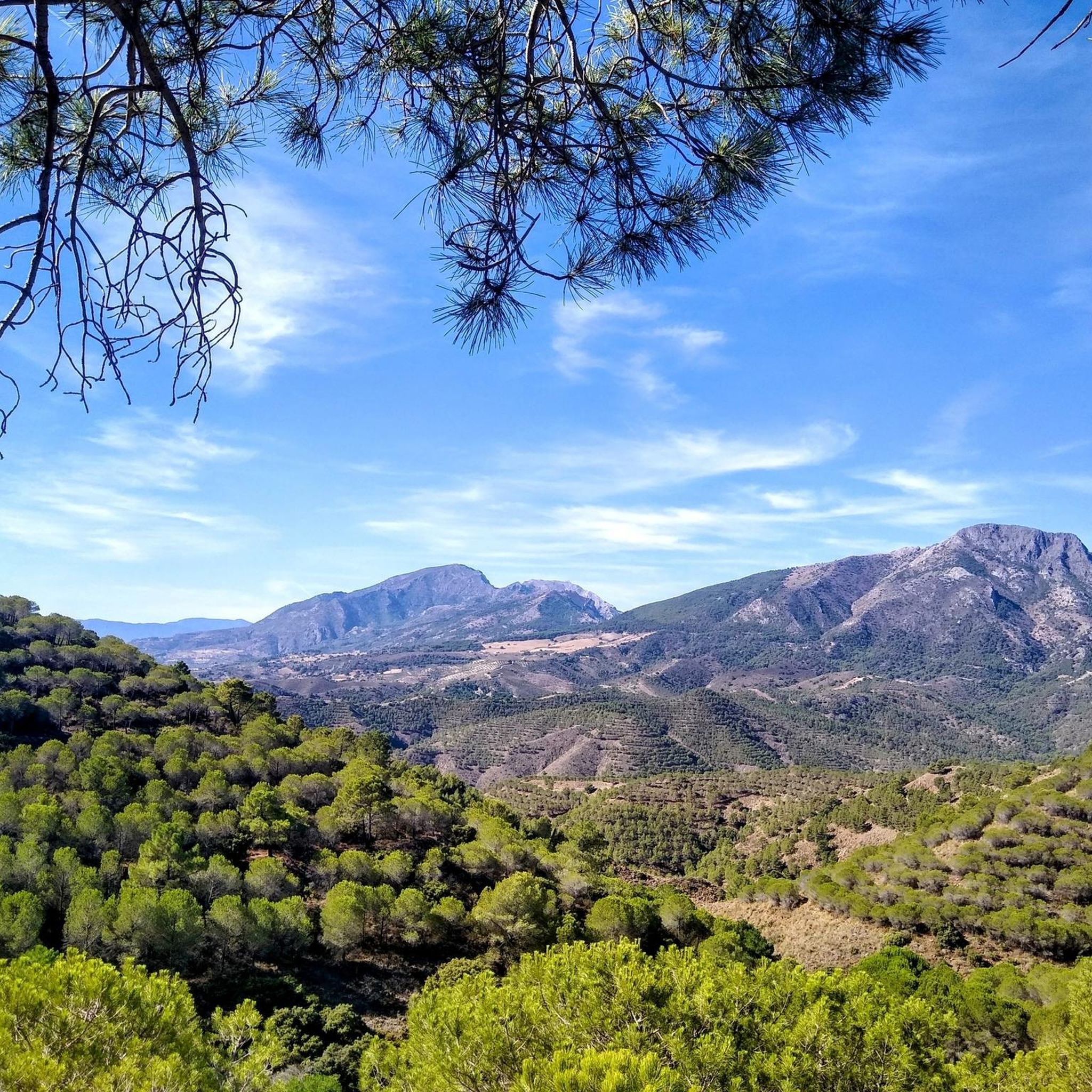

Tips from the Community

Short tunnel that was built for the transport of helmets. As a pedestrian, you can also use the tunnel.
3
0
Caves that were formed by erosion, some still well preserved, others already collapsed. The workers of the hydroelectric power plant used to live here.
3
0

Short video about hiking in this area could be found on my YouTUBE Channel under the following https://www.youtube.com/watch?v=O9pw2RlrLgA
0
1
Short video about hiking in this area could be found on mu YouTUBE Channel under the following https://www.youtube.com/watch?v=O9pw2RlrLgA
0
0

It is difficult to say whether these caves in the rock formation were created by man or naturally. You would have to climb to get in, but they are definitely an eye-catcher. Great landscape.
3
0
The rock houses on the banks of the Guadalhorce have a special historical and cultural significance. Built into the rock walls, they blend harmoniously into the natural environment. Such structures were once used as shelters, storage rooms or even as simple homes. They reflect the traditional construction method that made the best use of the natural conditions.
5
0

From the viewpoint of the Gaitanejo dam you can see the cave houses of the Sierra Parda, which served as homes for the hydroelectric power station staff. Source and further information https://www.spain.info/de/wanderrouten/caminito-del-rey-wandern-spanien/
2
1
Even the short hike from the car park to the entrance of the Caminito del Rey has its charm.
3
1
Frequently Asked Questions
What types of caves can I explore around Carratraca?
The area around Carratraca offers a diverse range of cave experiences. You can find historical cave dwellings like the Cave Houses of Sierra Parda, natural geological formations such as the Túnel de los Tafonis, and even rock-cut religious sites like the Mozarabic Rock-Cut Church of Bobastro. The wider Málaga province also features significant prehistoric caves like Cueva de Ardales and natural karstic systems like Cueva del Gato.
Are there any caves with historical significance near Carratraca?
Yes, several caves in the region hold significant historical value. The Cave Houses of Sierra Parda served as homes for hydroelectric power station staff, reflecting traditional construction. The Mozarabic Rock-Cut Church of Bobastro is a preserved Christian rock church with ancient human shelters. Further afield, the Cueva de Ardales is renowned for its Paleolithic cave art, including Neanderthal paintings, and was Spain's first tourist cave.
Which caves are suitable for families around Carratraca?
The Túnel de los Tafonis is considered family-friendly, offering an accessible trail and interesting geological features. While the full Cueva del Gato system is for experienced speleologists, its entrance area near Benaoján is easily accessible and features a natural pool popular for swimming, making it a pleasant spot for families during warmer months.
What unique geological features can I expect to see in the caves?
The Túnel de los Tafonis is notable for its tafonis, which are cavities in sandstone rock formed by erosion. The Cueva de Ardales features impressive geological formations like columns, stalactites, stalagmites, and permanent lakes. Cueva del Gato, part of a major karstic system, is characterized by permanent underground rivers, chasms, and large chambers.
Are there any caves near Carratraca that offer views or natural landmarks?
Yes, the Rock Formation with Caves offers a challenging experience with rewarding views. The Túnel de los Tafonis is a natural monument itself. Additionally, the Cliff Dwellings on the Guadalhorce River are integrated into the natural river landscape, providing a unique blend of historical and natural interest.
What outdoor activities can I do near the caves around Carratraca?
The region offers various outdoor activities. You can find numerous road cycling routes, running trails, and gravel biking opportunities. For example, there are challenging gravel biking routes like the 'Caminito del Rey – View of Caminito del Rey loop from El Chorro-Caminito del Rey' and running trails such as 'Castillo de Turón – running circular desde Ardales'. You can explore more options on the Road Cycling Routes around Carratraca, Running Trails around Carratraca, and Gravel biking around Carratraca guide pages.
Is it possible to go wild swimming near any of the caves?
Yes, near the Cueva del Gato, located close to Benaoján, there is a natural pool called 'Laguna del Charco Frío' or 'Laguna del Gato'. This spot is popular for wild swimming during the warmer months, offering cold, clear water emerging from the cave system.
What is the best time of year to visit the caves near Carratraca?
The best time to visit depends on the specific cave and your preferences. For caves like Cueva de Ardales, which involve guided tours, check their specific operating seasons. For outdoor areas like the entrance to Cueva del Gato, which has a natural swimming spot, warmer months are ideal. Generally, spring and autumn offer pleasant temperatures for exploring the region's natural and historical sites.
Do I need a permit for caving in the Carratraca region?
For most accessible cave sites like the Cave Houses of Sierra Parda or the Túnel de los Tafonis, no special permit is required for general visitation. However, for advanced caving or exploring the full, complex system of Cueva del Gato, entry is generally prohibited without official permission due to its complexity and unpredictable water levels. Always check specific requirements for any cave you plan to explore beyond general tourist access.
What should I wear when visiting caves around Carratraca?
When visiting caves, it's advisable to wear comfortable clothing and sturdy, closed-toe shoes suitable for walking on uneven terrain. Even on warm days, cave interiors can be cooler and damp, so a light jacket or sweater is often recommended. If you plan to visit the Cueva del Gato's swimming area, bring swimwear and a towel.
Are there any easy-access caves or sites near Carratraca?
The Túnel de los Tafonis is easily accessible as part of a trail. The entrance area of Cueva del Gato is also readily accessible, offering a beautiful natural setting without requiring specialized caving equipment. For guided experiences, Cueva de Ardales offers structured tours, making it accessible for a broader audience.
What do visitors enjoy most about the caves around Carratraca?
Visitors appreciate the blend of natural beauty and historical significance. The unique geological formations, ancient human shelters, and prehistoric art offer a glimpse into the past. The opportunity to explore sites like the Cave Houses of Sierra Parda and the Mozarabic Rock-Cut Church of Bobastro, along with the scenic landscapes and nearby outdoor activities, are highly valued by the komoot community.
Most popular routes around Carratraca
Most popular attractions around Carratraca

Get inspired with the komoot mobile app


Explore more
Extend your search for the best caves by checking out these guides of the top ones around Carratraca:
