Top 3 Caves around Rasines
Caves around Rasines, located in Cantabria, are recognized for their significant geological formations and historical importance. The region features karst landscapes and underground river systems. Evidence of Paleolithic human occupation and Roman mining activities has been found within its cave networks. This area offers a blend of natural exploration and historical insight.
Best caves around Rasines
- The most popular caves is Ramales de la Victoria, a settlement known for its well-preserved architecture and a group of significant caves. Its…
Last updated: June 20, 2026
Cullalvera Cave
Highlight • Cave
Translated by Google •
Tip by

Ramales de la Victoria
Highlight • Settlement
Translated by Google •
Tip by

Sign up now to discover places like this
Get recommendations on the best single tracks, peaks, & plenty of other exciting outdoor places.
Sign up for free
Menhir Yelso de Hayas
Highlight • Monument
Translated by Google •
Tip by

Pozalagua Cave
Highlight • Cave
Translated by Google •
Tip by

Torca del Carlista
Highlight • Cave
Translated by Google •
Tip by
Start today with a free account
Your next adventure awaits.
Login or Signup
Tips from the Community

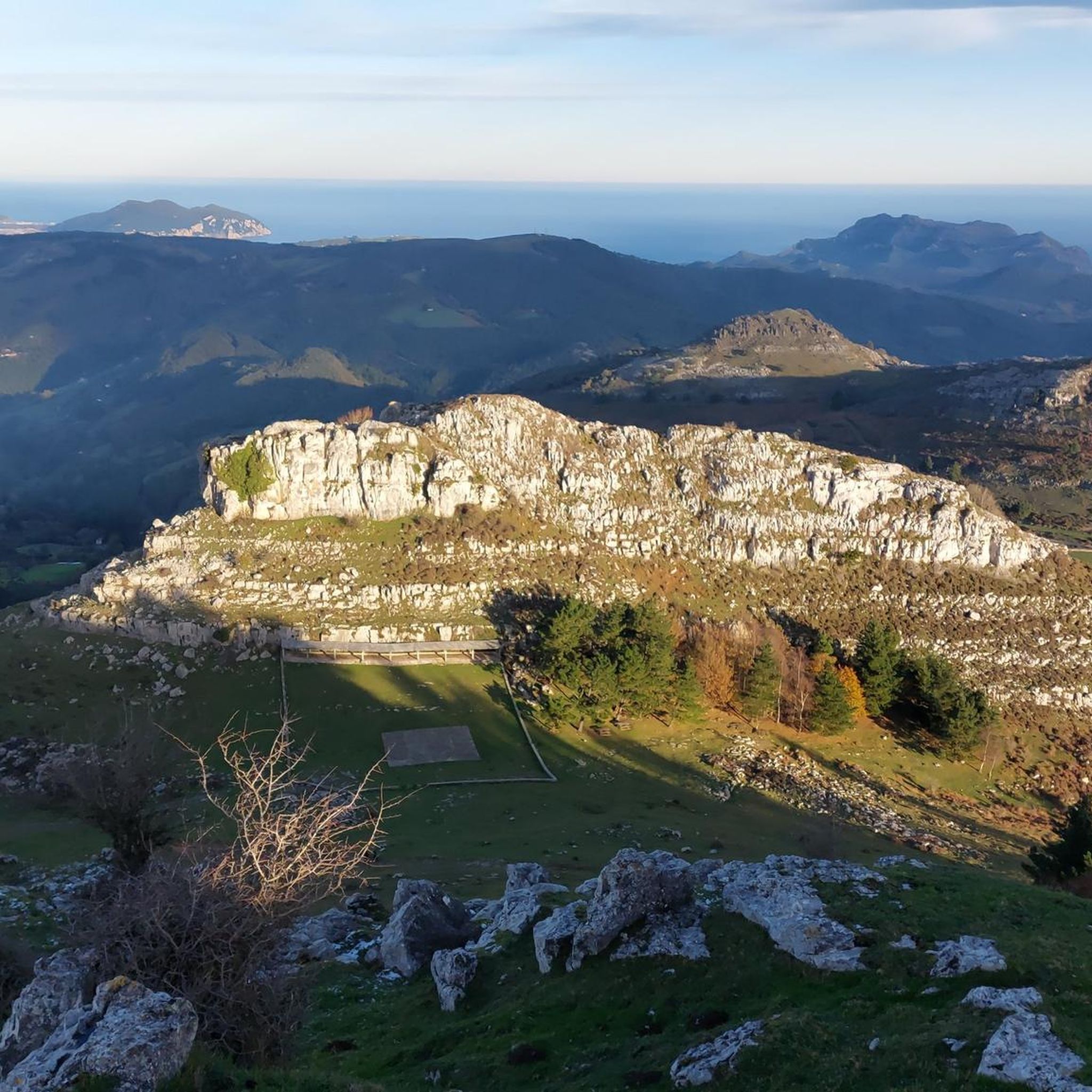
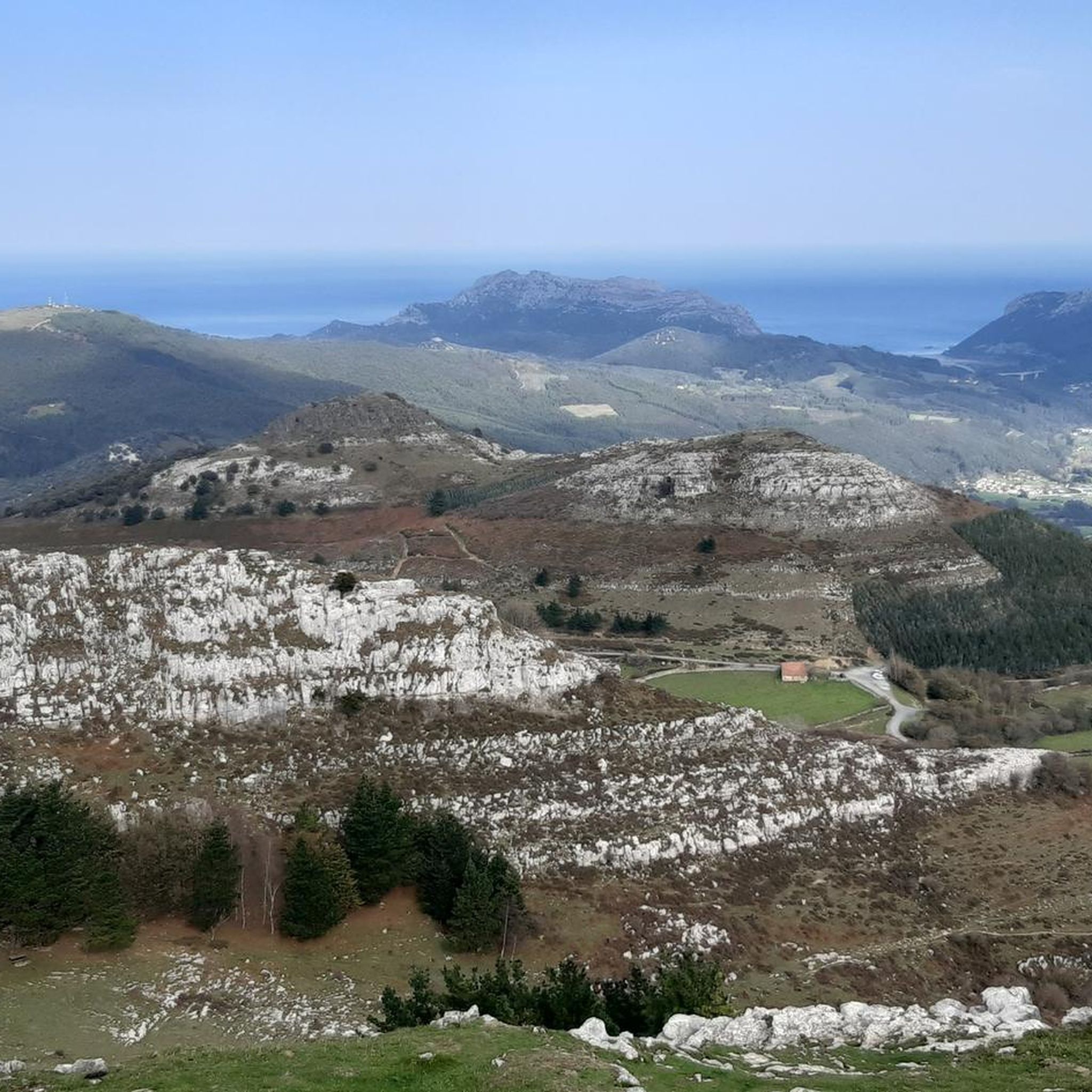
Karst area and rugged terrain. Few indications of the path to the top. Some milestone of stones and scattered orange signs. It is essential to carry a GPS to navigate.
0
0

Today we made the official visit to the cave, it's a pity they didn't let us take photos inside.
2
0

The Pozalagua cave is known for housing the largest collection of eccentric stalacticts in the world. Observing this curious phenomenon of nature is well worth a visit to the cave, considered an "underground cathedral". It is necessary to buy tickets and the visit lasts about 50 minutes. Keep in mind that it is quite cold inside the cave.
0
0
La Torca del Carlista is one of several caves found in the Karranza valley. The cavity is located under the Peña Ranero mountain and a large part of it is located on Cantabrian soil. It stands out for its large size, as the main chamber is the fifth largest underground chamber in the world.
0
0

Ramales has well-preserved architecture, with some Indian mansions with beautiful gardens and gates. The Revillagigedo palace (18th century) stands out. However, its most valuable heritage is the group of caves located at the beginning of the century by Alcalde del Río: Covalanas, La Haza, Cullalvera and Sotarriza house magnificent cave paintings inside.
1
0

Just amazing and a ride for the whole family! It is a complex of karstic caves 12 km long with cavities of immense dimensions of up to 14 x 28 meters in some sectors. The water has been forming these incredible caves that fortunately today can be visited and explored. It is necessary to purchase tickets online, you can check here: https://cuevas.culturadecantabria.com/cullalvera-esp/
1
0
Also known as "high cairn", the menhir is approximately 3 meters high and is made of sandstone. It is estimated that it was buried by the inhabitants of the area more than 5,000 years ago.
2
0
In an exit of the town, totally accessible and in a fantastic environment.
2
0
Frequently Asked Questions
What are some notable caves to visit around Rasines?
The region around Rasines offers several impressive caves. The Cullalvera Cave is a complex of karstic caves with immense dimensions, known for its beautiful formations. Another significant site is the Pozalagua Cave, famous for housing one of the world's largest collections of eccentric stalactites. While not directly in Rasines, the Cueva del Valle is a prominent cave in the area, recognized for its natural beauty and historical significance.
Are there caves with significant historical or archaeological importance near Rasines?
Yes, the area is rich in historical caves. The Cueva del Valle, for instance, shows evidence of human occupation dating back over 9,000 years to the Paleolithic era, and also Roman mining activities. The nearby Ramales de la Victoria area is home to caves like Covalanas and La Haza, which contain magnificent cave paintings. Additionally, the Menhir Yelso de Hayas, a prehistoric monument, is also found in the vicinity, indicating ancient human presence.
What unique natural features can I expect to see in the caves around Rasines?
The caves in this region are known for their diverse geological formations. Pozalagua Cave is particularly famous for its eccentric stalactites, which defy gravity in their growth. Cullalvera Cave features vast karstic chambers shaped by water over millennia. The Cueva del Valle also boasts a karst upwelling, giving rise to the Silence River near its entrance.
Are there family-friendly caves suitable for children near Rasines?
Absolutely. The Cueva del Valle is considered an ideal leisure activity for families, combining nature exploration with educational insights into prehistory and Roman mining. The Cullalvera Cave is also highlighted as a fantastic experience for the whole family, offering accessible tours through its impressive formations. The area of Ramales de la Victoria also offers family-friendly cave experiences.
What is the best time of year to visit the caves in the Rasines area?
Caves generally maintain a consistent cool temperature year-round, making them a good option in any season. However, for the most comfortable experience exploring the surrounding natural areas and trails, spring and autumn offer pleasant weather. Summer can also be a good time to escape the heat, as the interior of the caves is significantly cooler.
Do I need to book tickets or get permits to visit caves around Rasines?
For popular tourist caves like Cullalvera Cave and Pozalagua Cave, it is generally necessary to purchase tickets in advance, often online. While general entry to the entrance and surrounding park of Cueva del Valle is usually accessible, entry into deeper sections for caving expeditions typically requires specific permits. Always check the official websites for each cave for the most current booking and permit requirements.
What should I wear when visiting caves in this region?
Even in summer, the temperature inside caves can drop significantly. It's advisable to wear layers, including a warm jacket or sweater, and comfortable, sturdy shoes with good grip, as surfaces can be uneven and damp. Some caves may also require helmets, which are usually provided by the tour operators.
Are there accessible caves for visitors with mobility concerns near Rasines?
While many natural caves present challenges due to uneven terrain and steps, some tourist-oriented caves may offer more accessible sections or facilities. It is best to check directly with specific cave attractions like Cullalvera Cave or Cueva del Valle for detailed information on their accessibility features and any limitations for visitors with mobility concerns.
Can I bring my dog to the caves or on nearby trails?
Access policies for dogs vary. Generally, dogs are not permitted inside the caves themselves due to conservation and safety reasons. However, many trails and outdoor areas surrounding the caves may be dog-friendly. For example, some trails around the Cueva del Valle allow dogs. Always check local regulations and specific site policies before visiting with your pet.
What outdoor activities can I do near these caves?
The Rasines area is excellent for various outdoor activities. You can enjoy traffic-free bike rides, with routes like the 'Bike loop from Rasines' or the 'Gibaja Countryside – Ramales de la Victoria loop' for touring bicycles. For race biking, there are challenging routes such as the 'Ampuero Climb – Sanctuary of the Bien Aparecida loop'. You can find more details on these and other cycling routes in the Traffic-free bike rides around Rasines and Cycling around Rasines guides.
Are there hiking trails near the caves around Rasines?
Yes, the rugged terrain and karst landscape around Rasines offer numerous opportunities for hiking. While specific hiking guides for the immediate cave areas are not listed, the general region provides trails that allow you to explore the natural beauty above ground. For example, the area around Torca del Carlista is known for its karst features and rugged paths, though navigation can be challenging. Many cycling routes also follow scenic paths suitable for walking.
How difficult are the caves to explore around Rasines?
The difficulty varies greatly depending on the cave and the type of visit. Tourist caves like Cullalvera Cave are generally accessible and suitable for most visitors. However, some caves, or deeper sections of others, are reserved for experienced cavers. For example, Torca del Carlista is categorized as challenging, indicating it's more suited for experienced adventurers. Always check the difficulty rating and requirements for specific cave tours.
Most popular attractions around Rasines

Get inspired with the komoot mobile app


Explore more
Extend your search for the best caves by checking out these guides of the top ones around Rasines:
