Top 5 Castles around San Torcuato
Best castles around San Torcuato offer a glimpse into the region's rich history and architectural heritage. Situated in La Rioja, this area features a landscape characterized by rivers and vineyards, providing scenic backdrops for historical sites. The castles here often served defensive purposes, reflecting centuries of strategic importance. Visitors can explore various fortifications, from well-preserved structures to ancient ruins.
Best castles around San Torcuato
- The most popular castles is Velasco Castle and Cuzcurrita de Río Tirón Bridge, a castle…
Last updated: July 4, 2026
Castillo de los Velasco
Highlight • Castle
Built with ashlar masonry from the region, …
Translated by Google •
Tip by

Anguciana
Highlight • Settlement
Translated by Google •
Tip by

Sign up now to discover places like this
Get recommendations on the best single tracks, peaks, & plenty of other exciting outdoor places.
Sign up for free
Velasco Castle and Cuzcurrita de Río Tirón Bridge
Highlight • Castle
Translated by Google •
Tip by

Torreon Sor Maria de Leiva
Highlight • Historical Site
Translated by Google •
Tip by

View of the Ebro River and vineyards from Briones Castle
Highlight • Viewpoint
Translated by Google •
Tip by

Start today with a free account
Your next adventure awaits.
Login or Signup
Tips from the Community

The Torreón de Sor María de Leiva is one of the historical attractions of Santo Domingo de la Calzada. It is part of the walled enclosure of Santo Domingo de la Calzada. Built between the 14th and 16th centuries, the tower is an example of the defensive architecture of the period. The tower and its surroundings offer excellent opportunities for photography, especially at sunset.
1
0

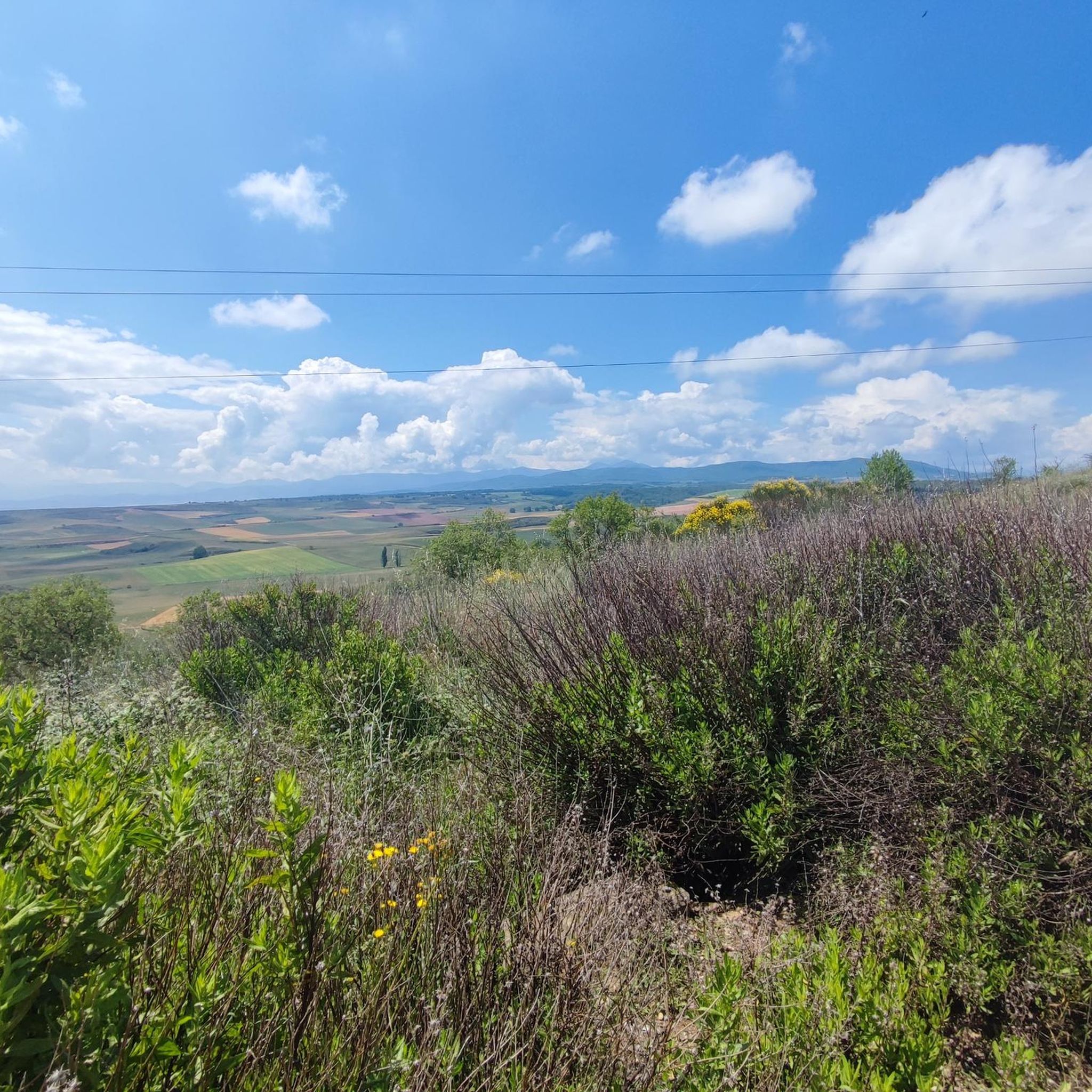
From the Briones castle there is a spectacular view of the Ebro River and the surrounding vineyards and, in the background, the limestone ridges of the Alava mountains.
1
0

The Castillo de los Velasco is a castle built between the 14th and 15th centuries by the powerful Velasco family, who ruled these lands in the Middle Ages. It is the most important and interesting castle of Mena and one of the most striking in the province of Burgos.
3
0

We have news of this population since 1093, since it appears in some deeds by which Don Lope, lord of Vizcaya, Guipúzcoa, Álava and Nájera, donated his possessions to his children, among whom was Toda, lady of Anguciana. Since the 14th century it was the Lordship of the Salcedo family, who inhabited the Torre Fuerte, of which the south entrance and some loopholes are preserved. In addition to the Torre Fuerte de los Salcedo (14th century), in the Gothic style, other places of interest in Anguciana are the church of San Martín, from the 16th century, renovated in the 17th century (two chapels in the first section, lower part of the tower, doorway and apse), the 18th century (chapel of the second section) and the 20th century (upper bodies of the tower) and the hermitages of Santa María de Oreca, from the 17th century and of La Esclavitud.
2
0

Gothic-style castle, dating from the late fourteenth century, located in the center of the Cuzcurrita de Río Tirón municipality, in La Rioja Alta. Built with ashlar masonry from the region, the castle stands out for its square-plan keep. In addition, the fortification took advantage of the river as a defense ditch. Although you cannot visit its interior, it is worth contemplating it from the outside while walking along the banks of the Tirón River.
5
0

Cuzcurrita de Río Tirón is a municipality in the Rioja Alta. The river Tirón crosses it and it is at the foot of the El Bolo forest. From the bridge you can admire the Church of San Miguel Arcángel and the Castillo de los Velascos.
0
0
This tower is part of the defensive belt of the city, whose layout was defined in the mid-14th century, according to tradition on the initiative of Pedro I the Cruel. There is still part of the defensive moat and the wall.
1
0

Surrounded by a part of moat and cloth of the wall.
4
0
Frequently Asked Questions
What types of castles can I explore around San Torcuato?
The area around San Torcuato offers a variety of historical fortifications, from well-preserved structures to ancient ruins. You can find Gothic-style fortresses like Castillo de los Velasco, which dates from the late 14th century, and structures integrated into town centers, such as Velasco Castle and Cuzcurrita de Río Tirón Bridge. There are also settlements with significant historical towers like the Torre Fuerte de los Salcedo in Anguciana.
Are there any castles with scenic views of the surrounding landscape?
Yes, for spectacular views, visit Briones Castle. From its vantage point, you can enjoy panoramic views of the Ebro River and the extensive vineyards, with the limestone ridges of the Alava mountains in the background.
Which castles are family-friendly to visit?
Several locations are suitable for families. Anguciana, with its historical settlement and the Torre Fuerte de los Salcedo, offers an interesting historical experience. Additionally, Velasco Castle and Cuzcurrita de Río Tirón Bridge and Torreon Sor Maria de Leiva are also considered family-friendly, providing engaging historical sites for all ages.
Can I explore the interior of the castles?
While many castles offer impressive exteriors, interior access varies. For example, you cannot visit the interior of Castillo de los Velasco, but it is well worth contemplating from the outside, especially while walking along the banks of the Tirón River. Other sites like Anguciana allow you to explore the historical settlement and the remains of its tower.
What historical details make these castles unique?
The castles in this region often served defensive purposes, reflecting centuries of strategic importance. Castillo de los Velasco, for instance, is a Gothic-style castle from the late 14th century, built with ashlar masonry and featuring a square-plan keep, strategically using the Tirón River for defense. The Torreon Sor Maria de Leiva is part of a 14th-century defensive belt, still surrounded by parts of its moat and wall.
Are there hiking opportunities near the castles?
Yes, the region offers various hiking trails. You can find routes that pass by or offer views of historical sites. For more detailed information on hiking trails, including those around Anguciana, explore the Hiking around San Torcuato guide. Routes like the 'Anguciana – Puente de Cihuri loop from Casalarreina' are available.
What other outdoor activities can I do near the castles?
Beyond hiking, you can enjoy mountain biking and running. There are numerous MTB trails, such as the 'Castillo de los Velasco – Puente de Cihuri loop from Castañares de Rioja,' which is an easy 21 km route. For running, you can find various loops around the area. Check out the MTB Trails around San Torcuato and Running Trails around San Torcuato guides for more options.
What is the best time of year to visit the castles around San Torcuato?
The region of La Rioja, where San Torcuato is located, experiences pleasant weather during spring and autumn, making these seasons ideal for exploring castles and the surrounding vineyards. Summers can be warm, while winters are generally mild but can be chilly. Visiting outside of peak summer months might also offer a less crowded experience.
Are there any castles that are less crowded?
While specific crowd levels can vary, focusing on lesser-known historical sites or visiting during off-peak hours (early mornings or late afternoons) can help. Exploring the historical settlement of Anguciana or the Torreon Sor Maria de Leiva might offer a more tranquil experience compared to more central attractions.
What are some notable natural features near the castles?
The castles around San Torcuato are often set amidst beautiful natural landscapes. The Tirón River plays a significant role, flowing past sites like Castillo de los Velasco and Velasco Castle and Cuzcurrita de Río Tirón Bridge. The region is also characterized by extensive vineyards, especially visible from viewpoints such as Briones Castle, which overlooks the Ebro River and surrounding wine country.
Can I find cafes or restaurants near the castles?
Many castles are located within or near towns and villages, offering amenities such as cafes and restaurants. For example, Velasco Castle and Cuzcurrita de Río Tirón Bridge is part of the architectural ensemble of the Plaza Mayor in Cuzcurrita de Río Tirón, where you can find dining options. Similarly, towns like Anguciana and Santo Domingo de la Calzada (near Torreon Sor Maria de Leiva) provide local establishments.
What is the significance of Davalillo Castle in the broader La Rioja region?
While not directly in San Torcuato, Davalillo Castle in La Rioja Alta is a significant historical site. Built between the late 12th and early 13th centuries, it was crucial for the Kingdom of Navarre's defense, overseeing the lands of Sonsierra and La Rioja Alta. It's known for its heptagonal plan, ashlar stone construction, and Romanesque chapel remains, offering magnificent views amidst vineyards.
Most popular routes around San Torcuato
Most popular attractions around San Torcuato

Get inspired with the komoot mobile app


Explore more
Looking for the best castles somewhere else? Discover other guides around San Torcuato:
