Top 5 Castles around Villanueva De La Reina
Best castles around Villanueva De La Reina are found in the Jaén province, a region celebrated for its rich history and numerous fortifications. This area of Spain is characterized by extensive olive groves and varied terrain, offering a historical landscape to explore. Visitors can discover a wealth of medieval heritage, from ancient Moorish strongholds to impressive Christian fortresses. The province of Jaén is particularly known for its abundance of castles, providing many opportunities for historical exploration.
Best castles around Villanueva…
Last updated: July 4, 2026
Castle of Baños de la Encina (Burgalimar Castle)
Highlight • Castle
Translated by Google •
Tip by

Views of the Rumblar Reservoir
Highlight • Viewpoint
Translated by Google •
Tip by

Sign up now to discover places like this
Get recommendations on the best single tracks, peaks, & plenty of other exciting outdoor places.
Sign up for free
Espeluy Castle
Highlight • Castle
Translated by Google •
Tip by

Torre de Mengíbar
Highlight • Castle
Translated by Google •
Tip by

Keep Tower of Mengibar
Highlight • Castle
This tower is the only element that is currently …
Translated by Google •
Tip by
Start today with a free account
Your next adventure awaits.
Login or Signup
Popular around Villanueva De La Reina
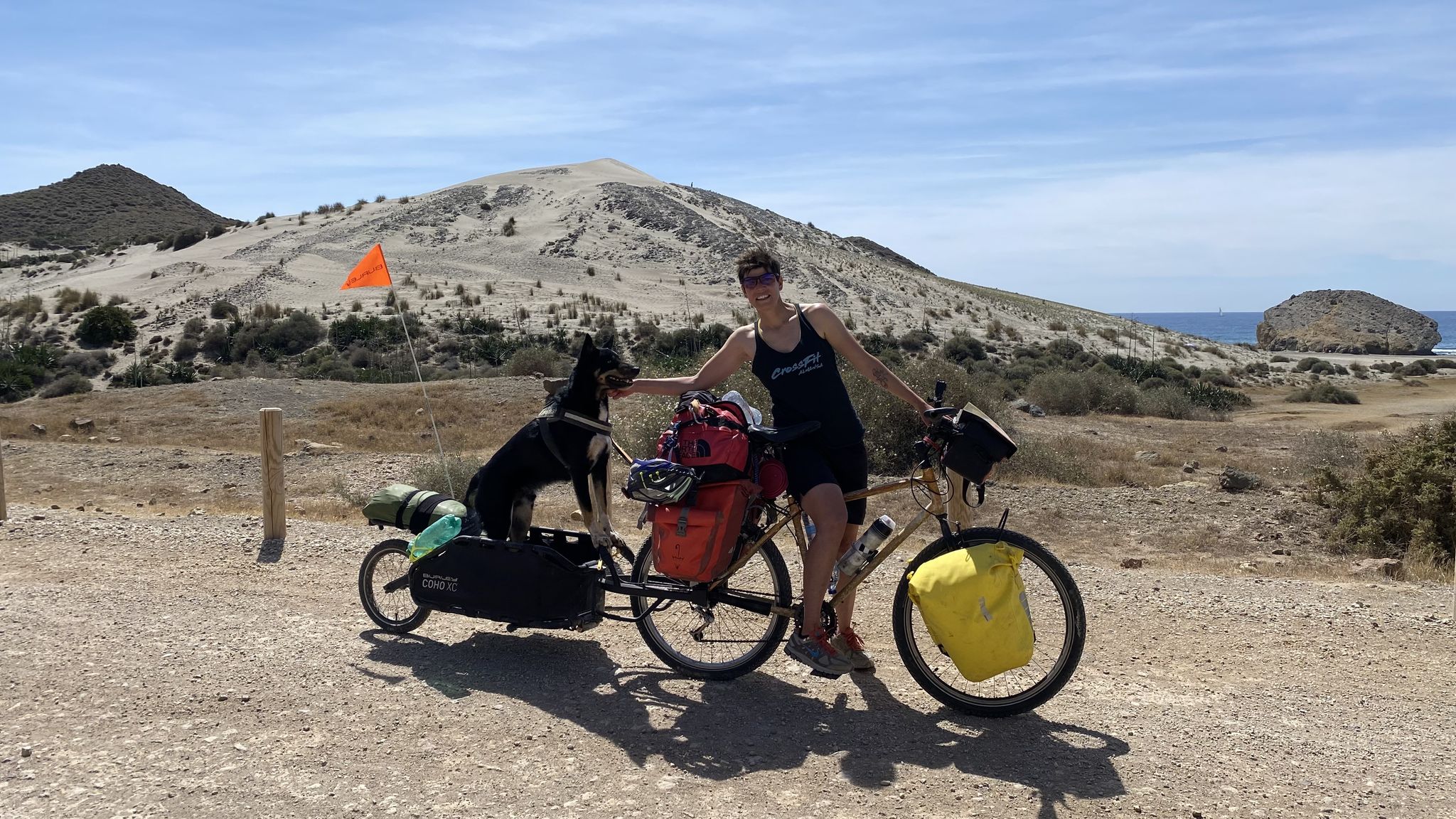
Let’s head south – cycle in Andalusia with me and my dog
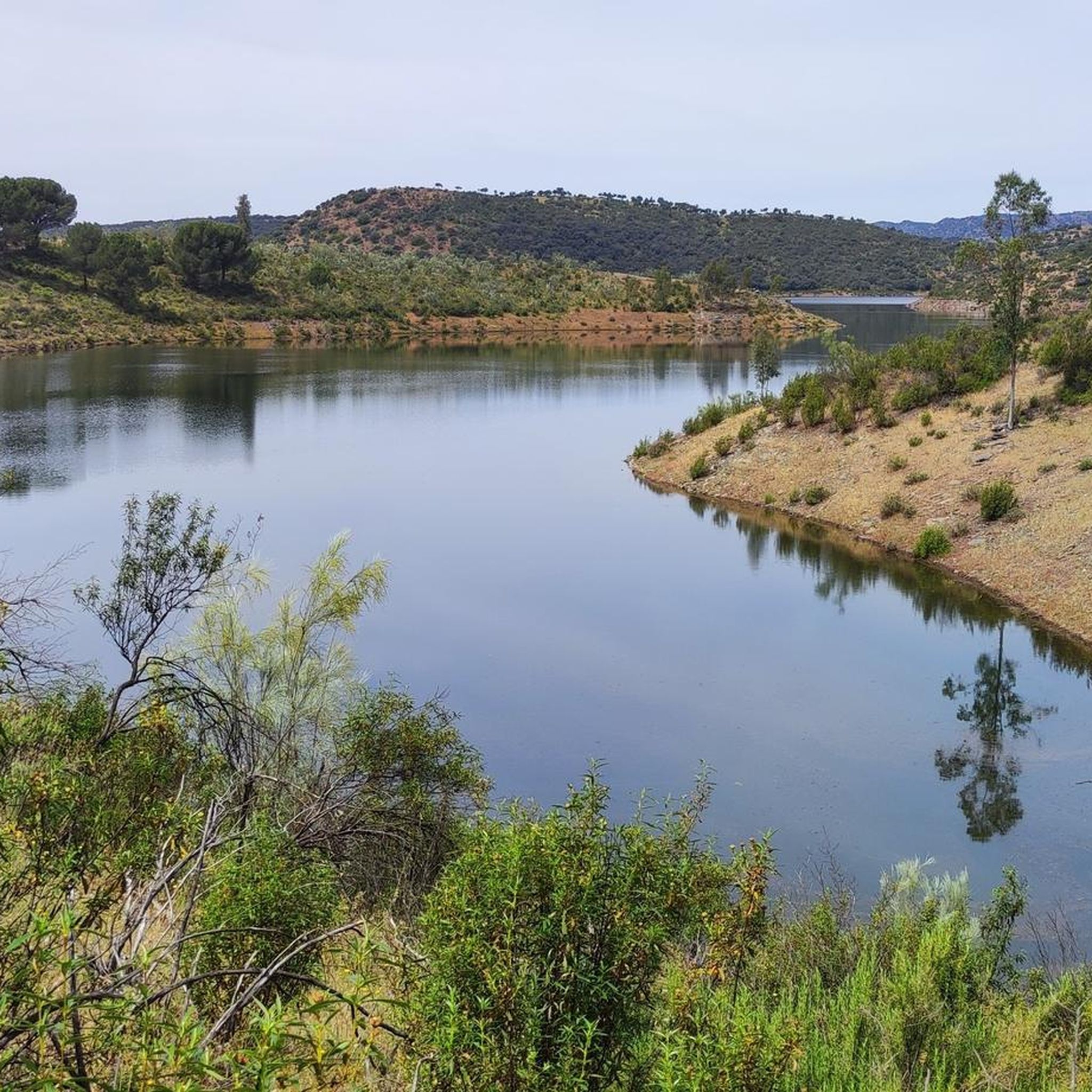
Road Cycling Routes around Villanueva De La Reina
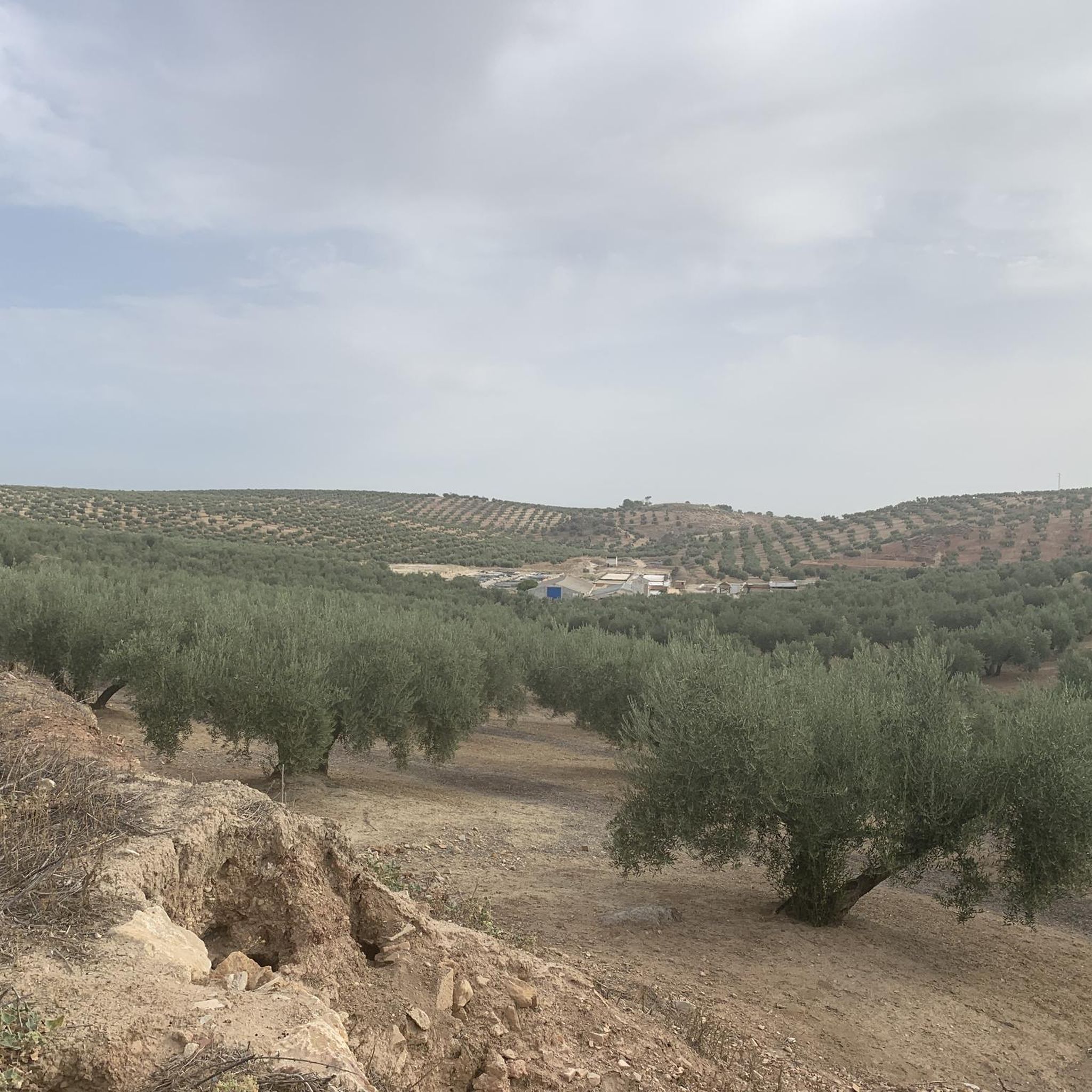
Running Trails around Villanueva De La Reina
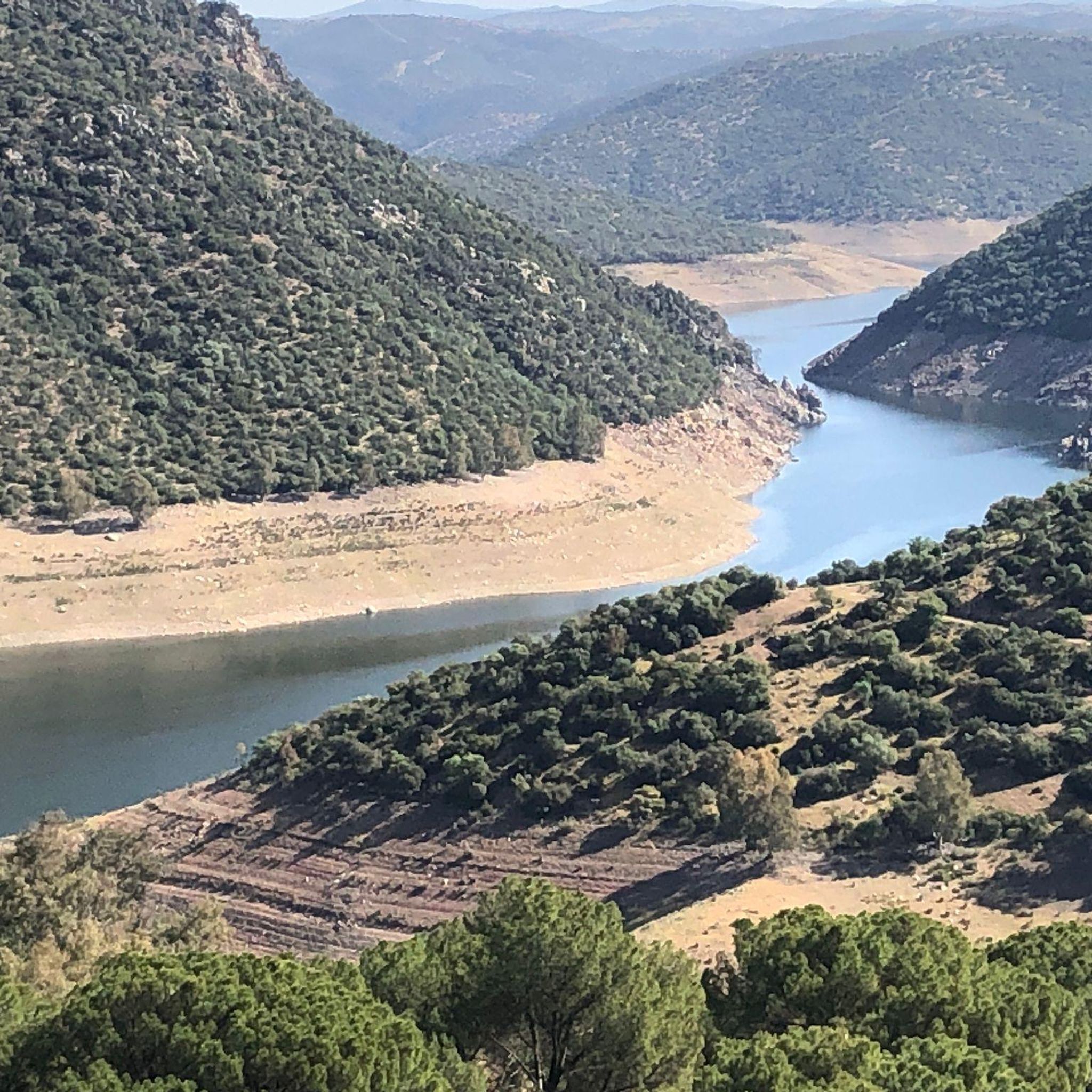
Hiking around Villanueva De La Reina
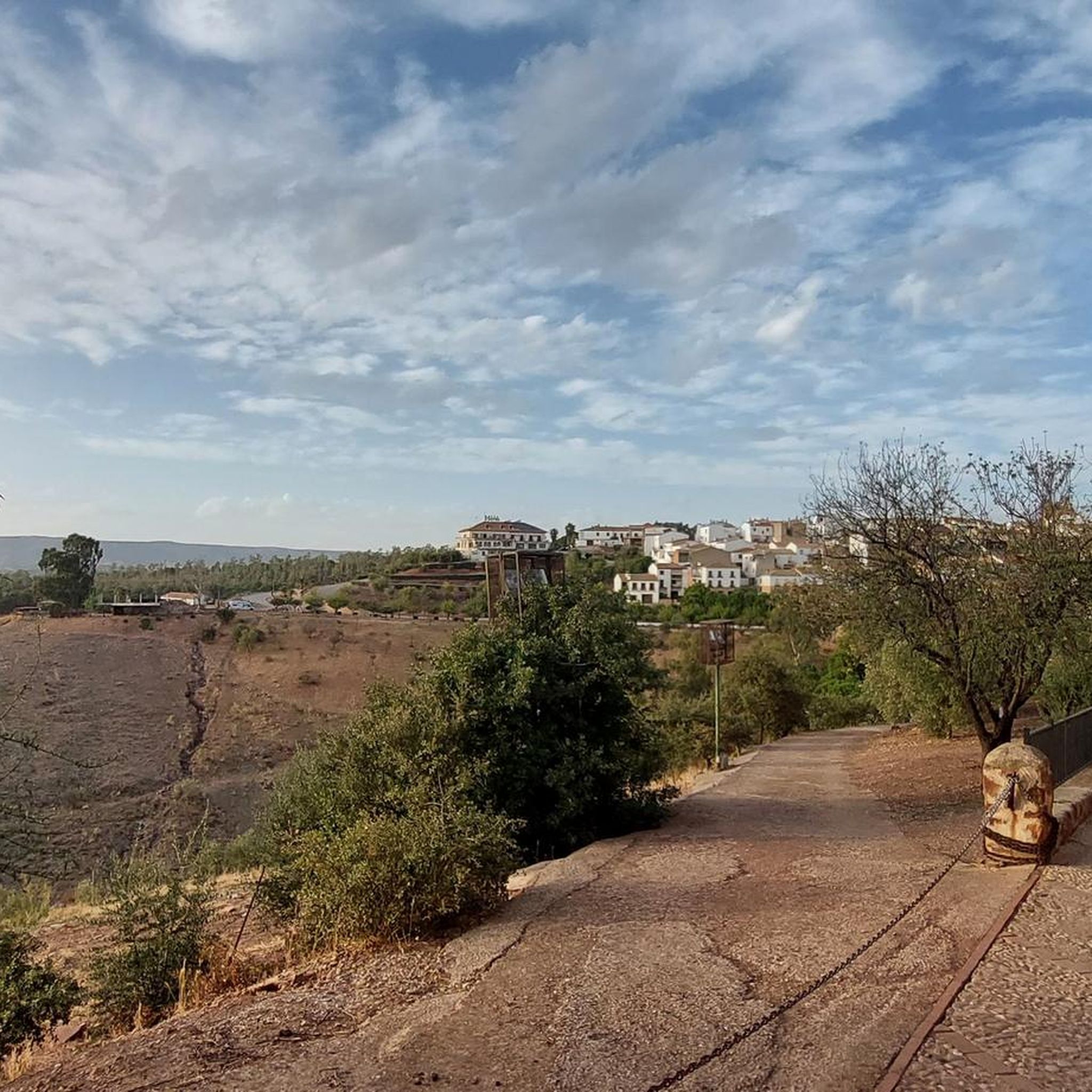
Cycling around Villanueva De La Reina
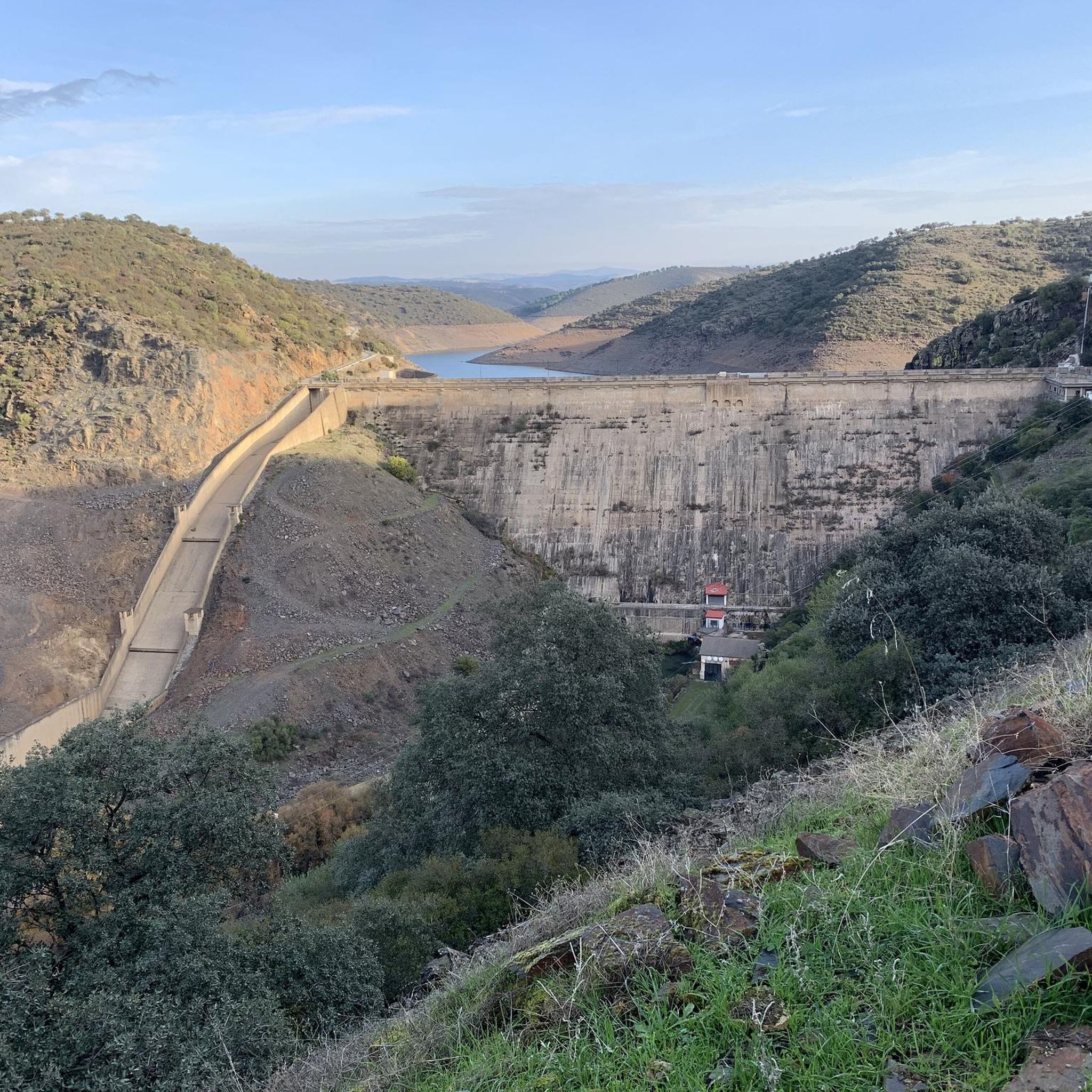
MTB Trails around Villanueva De La Reina

Gravel biking around Villanueva De La Reina
Other adventures around Villanueva De La Reina

Tips from the Community

Burgalimar Castle, also known as Baños de la Encina Castle, is an impressive fortress located in the town of Baños de la Encina, in the province of Jaén, Andalusia. This castle was built in the 10th century during the Caliphate of Córdoba, under the rule of Caliph Al-Hakam II. The castle is famous for its Islamic military architecture and its excellent state of preservation. It is surrounded by a robust crenellated wall with fourteen towers, as well as a keep of Christian origin. Its strategic location at the entrance to the Guadalquivir Valley made it an important defensive bastion during the Muslim era. Today, Burgalimar Castle is a national monument and a prominent tourist attraction, offering visitors the opportunity to explore its rich history and enjoy panoramic views of the region.
3
0

This impressive building, built in the Town Hall Square of Mengíbar, is the most characteristic and emblematic element of the city. This tower is the only element that is currently preserved from an ancient castle that was located in this place.
18
0
Openings intended to place various means of defense from within the fortress to attack the enemy.
9
1
From the Torre del Homenaje of Burgalimar Castle, we get these spectacular views of the reservoir that provides drinking water supply to several towns in the area, such as Bailén, Villanueva de la Reina, Andújar among others and Baños de la Encina itself.
9
0
Access door to the interior of the fortress where we will find the ticket office to pay the price of the tickets. From €11 we can choose a package that includes a guided tour inside the castle, a visit to the church of San Mateo and later a visit to the Sanctuary of Cristo del Llano. Definitely worth it!
9
1
Views from outside the Castle from where we can see the impressive wall that surrounds it and can be seen from several kilometers away.
8
1
Today, Burgalimar Castle remains a living testament to the region's history and architecture, and its imposing presence on the Baños de la Encina hill attracts visitors interested in exploring its past and enjoying the panoramic views.
4
0

Espeluy is a municipality with multiple populations, but its castle is one of the most characteristic elements there. It comes from the time of the caliphate and currently on the road that goes into the center you can see its walls.
0
0
Frequently Asked Questions
What are some of the most historically significant castles to visit near Villanueva de la Reina?
The Jaén province, where Villanueva de la Reina is located, is rich in historical fortifications. Notable examples include the Castle of Baños de la Encina (Burgalimar Castle), celebrated as the oldest castle in Spain still standing, dating back to the 10th century. Another significant site is the Castle of Santa Catalina in Jaén City, an impressive fortress with Moorish origins offering panoramic views. The Fortaleza de la Mota in Alcalá la Real also provides a comprehensive historical experience within its extensive defensive enclosure.
Are there any family-friendly castles to visit in the area?
Yes, several castles in the Jaén province are suitable for family visits. The Castle of Baños de la Encina (Burgalimar Castle) is categorized as family-friendly and offers guided tours. The Torre de Mengíbar, located in the town center, is also considered family-friendly, providing an accessible historical landmark.
What kind of views can I expect from the castles around Villanueva de la Reina?
Many castles in the region offer spectacular views due to their strategic hilltop locations. From the Castle of Baños de la Encina (Burgalimar Castle), you can see the impressive wall that surrounds it from several kilometers away, and from its Torre del Homenaje, there are spectacular views of the Rumblar Reservoir. The Castle of Santa Catalina in Jaén City provides panoramic views of the Sierra de Jabalcuz mountain range and the extensive olive groves. The Castle of La Iruela, perched on a cliff, offers some of the most beautiful views in Jaén, with vast olive groves at its base.
What outdoor activities can I do near these castles?
The area around Villanueva de la Reina and its castles offers various outdoor activities. For road cycling, you can explore routes like 'Andujar - tour around Puerto de La Cadena - Parque Natural Sierra de Andujar' or 'From Bailén to Castillo de Burgalimar — circular'. Running enthusiasts can try the 'Castillo de Burgalimar y fortín de Migaldías - circular trailrunning por el sendero del Bronce'. For general cycling, there are routes such as 'Castillo de Burgalimar loop from Baños de la Encina'. You can find more details on these and other routes in the Road Cycling Routes, Running Trails, and Cycling around Villanueva De La Reina guides.
How far are the main castles from Villanueva de la Reina?
While there isn't a prominent castle directly within Villanueva de la Reina, the surrounding Jaén province is home to many. For example, the Castle of Baños de la Encina (Burgalimar Castle) is located in Baños de la Encina, a short drive from Villanueva de la Reina. Jaén City, home to the Castle of Santa Catalina, is also within reasonable driving distance, typically around 30-40 minutes.
What is the best time of year to visit the castles in Jaén province?
The best time to visit the castles in the Jaén province is generally during the spring (April-May) and autumn (September-October) months. During these periods, the weather is typically mild and pleasant for exploring historical sites and enjoying outdoor activities. Summers can be very hot, and winters can be cooler, though still suitable for visits if dressed appropriately.
Are there any castles with unique architectural features?
Absolutely. The Castle of Baños de la Encina (Burgalimar Castle) is renowned for its impressive silhouette featuring 14 towers and its extraordinary state of conservation since its construction in 968. The Castle of Santa Catalina in Jaén City, while reflecting Christian reforms, retains decorative elements from its original Islamic Alcazaba. La Yedra Castle in Cazorla showcases a blend of Muslim architectural elements with predominant Gothic styles due to Christian additions.
Can I find cafes or restaurants near the castles?
Yes, many of the towns hosting these castles offer amenities for visitors. For instance, Baños de la Encina, home to the Burgalimar Castle, is recognized for its beautiful streets and historical heritage, where you can find local cafes and restaurants. Similarly, Jaén City and Alcalá la Real, with their respective castles, have a range of dining options available.
What are some lesser-known or 'hidden gem' castles in the Jaén province?
While the major castles are well-known, the Jaén province is often called the 'province with the most castles in Spain,' meaning there are many to discover. Beyond the prominent ones, exploring smaller towns might reveal less-visited but equally charming fortifications. For example, the Espeluy Castle, originating from the Caliphate era, offers visible walls from the road leading into the town center, providing a glimpse into the region's rich history.
Is public transport available to reach these castles?
Public transport options vary depending on the specific castle. Major cities like Jaén have bus connections, making the Castle of Santa Catalina relatively accessible. For castles in smaller towns like Baños de la Encina (home to Burgalimar Castle) or Espeluy (with Espeluy Castle), local bus services might be available, but they may be less frequent. Driving often offers the most flexibility for visiting multiple sites in the region.
Are there any castles that are particularly well-preserved?
The Fortress of Burgalimar in Baños de la Encina is exceptionally well-preserved. Constructed in the 10th century, it has maintained an extraordinary state of conservation, allowing visitors to appreciate its original structure and 14 towers.
What historical periods do the castles in this region represent?
The castles around Villanueva de la Reina and throughout the Jaén province represent a rich tapestry of historical periods. Many have Islamic origins, such as the Fortress of Burgalimar (10th century Caliphate era) and the Castle of Santa Catalina (Moorish stronghold). Following the Christian Reconquista, many underwent significant alterations and additions, reflecting Christian architectural styles, including Gothic elements seen in La Yedra Castle. The Fortaleza de la Mota primarily dates from the Nasrid period (13th and 14th centuries).
Most popular routes around Villanueva De La Reina
Most popular attractions around Villanueva De La Reina

Get inspired with the komoot mobile app


