Top 8 Caves around Benifairó De La Valldigna
Best caves around Benifairó De La Valldigna are found within the Valldigna valley, an area characterized by its natural landscapes and historical significance. The region features mountainous terrain, such as the Sierra de Corbera, which contributes to the formation of various caves and karst features. These natural sites offer insights into geological processes and, in some cases, prehistoric human activity. The area provides opportunities for exploring natural monuments and historical sites.
Best caves around Benifairó De La Valldigna
- The most…
Last updated: July 4, 2026
Cova de la Galera
Highlight • Cave
Translated by Google •
Tip by

La Murta Municipal Natural Park
Highlight • Natural Monument
Translated by Google •
Tip by

Sign up now to discover places like this
Get recommendations on the best single tracks, peaks, & plenty of other exciting outdoor places.
Sign up for free
Cova de la Verge
Highlight • Cave
Translated by Google •
Tip by

Parpalló-Borrell Interpretation Centre
Highlight • Rest Area
Translated by Google •
Tip by
Cavern of Quatretonda
Highlight • Cave
Translated by Google •
Tip by

Sign up for free to discover even more caves around Benifairó De La Valldigna.
Sign up for free
Already have an account?
Start today with a free account
Your next adventure awaits.
Login or Signup
Popular around Benifairó De La Valldigna

Tips from the Community

The Cova de la Galera is an impressive natural cave located in Favara, in the province of Valencia. This cave is located in the Sierra de Corbera, about 410 meters above sea level. It is known for its spectacular nature and its whimsical shape, with stalactites and stalagmites decorating its interior. The cave has been used throughout history for various purposes, from shelter for livestock to hiding during the Spanish Civil War. In addition, evidence of human use has been found dating back to the Bronze Age.
4
0

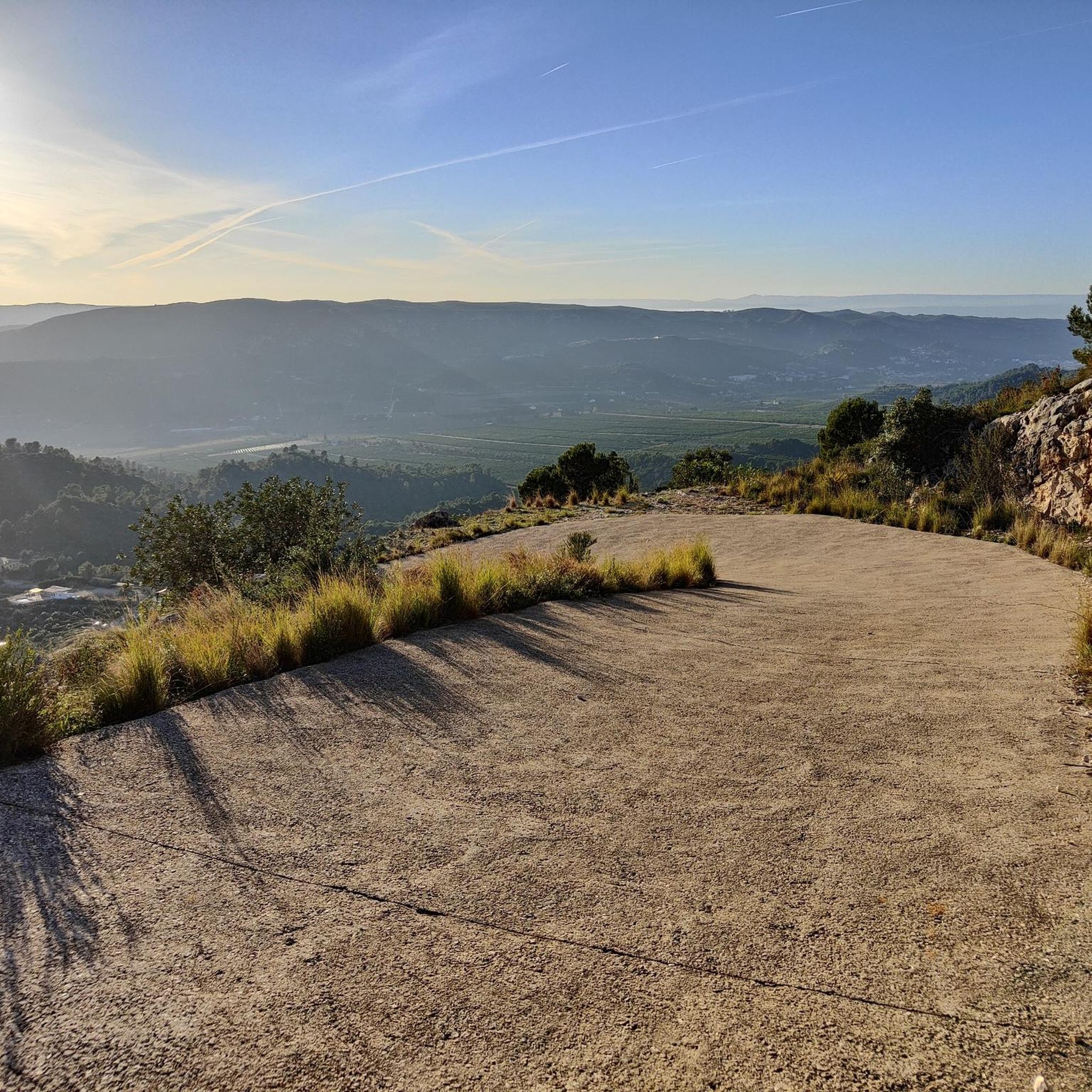
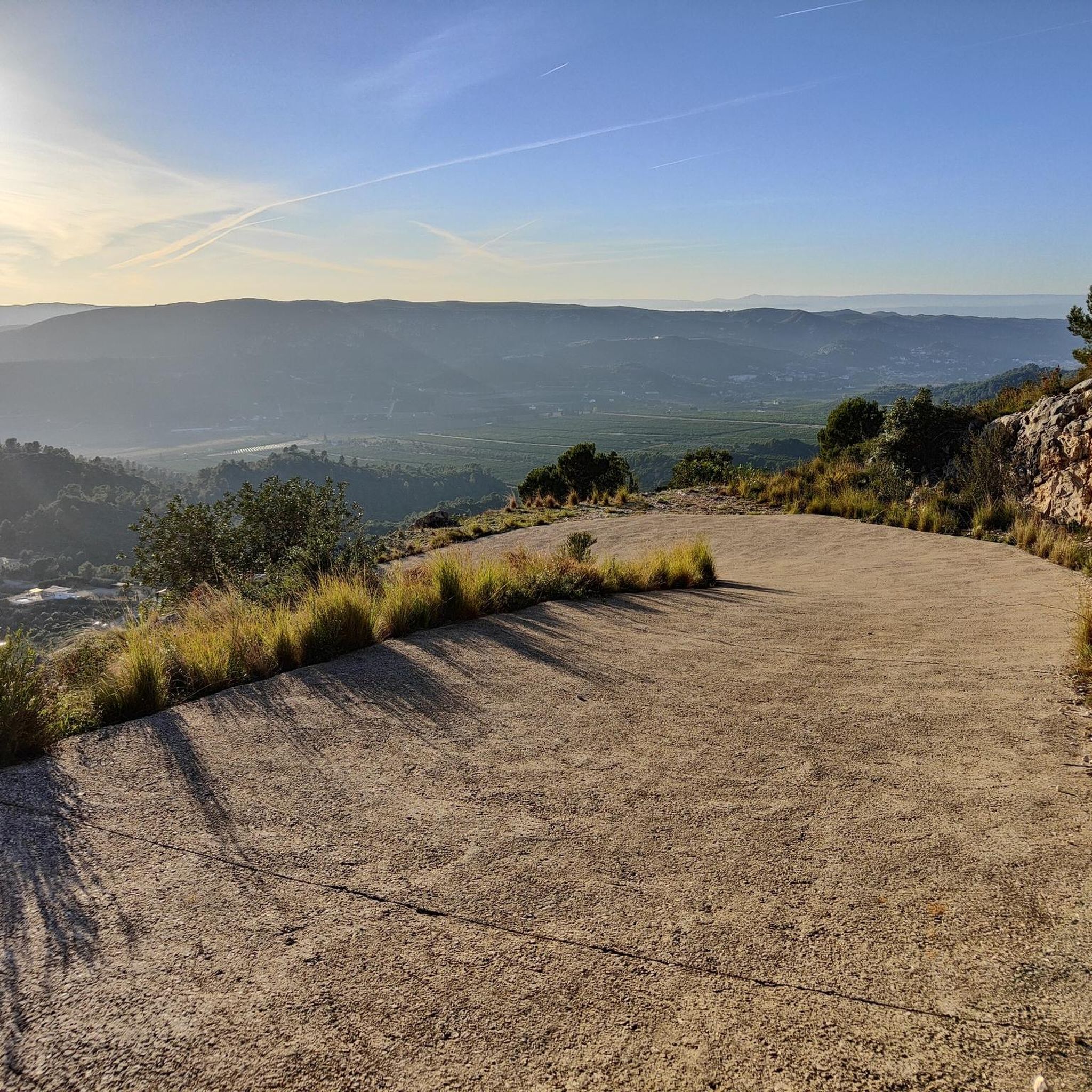
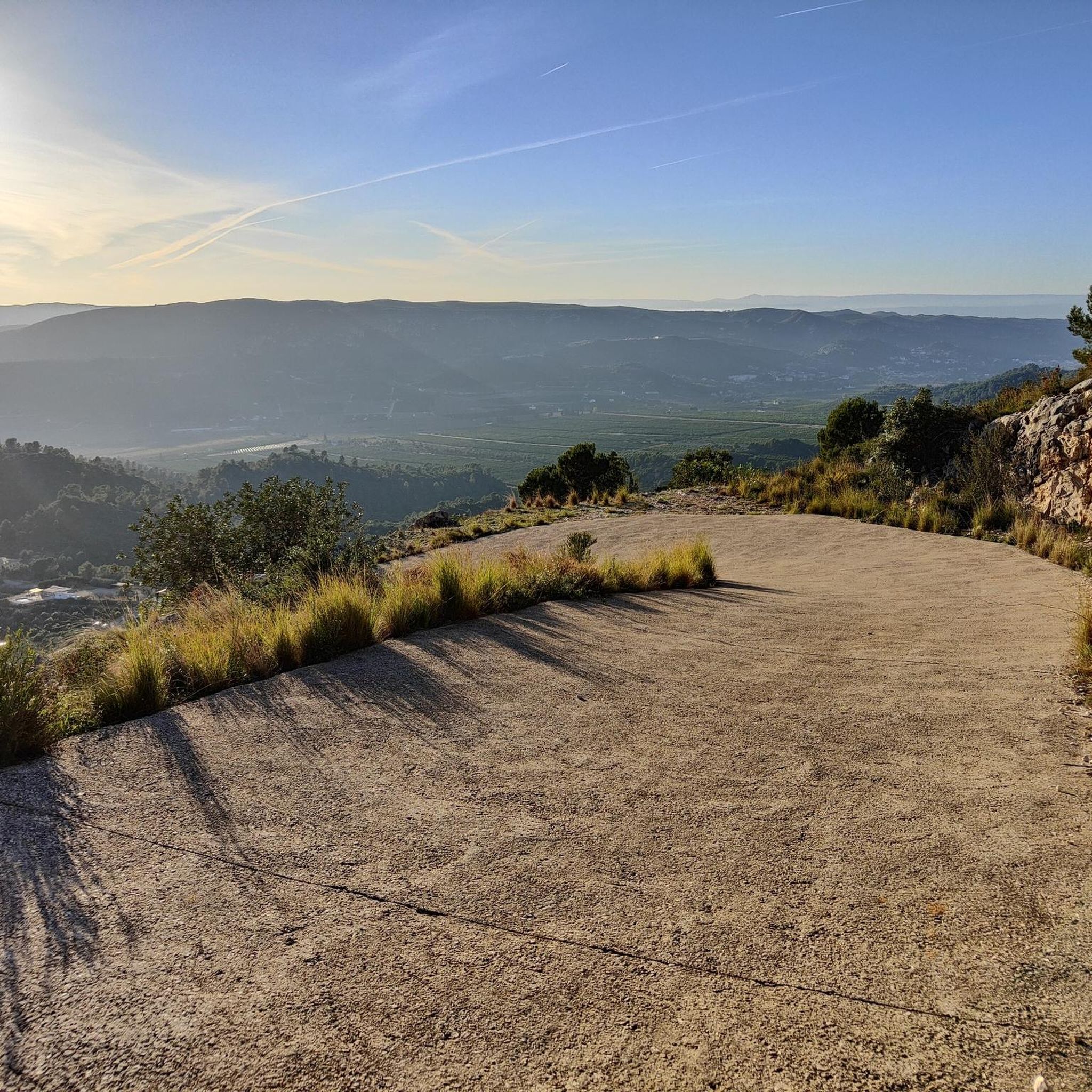
There are few options to achieve TOP of the Maneuver mauntain. The easiest one is just follow road for the special vehicles. Even if you have selected this option - you will have many challenging alternatives sections during hiking up. Better to make a hike by the good weather (no clouds). 360 degree view from the top is spectacular and one is able to see Ibiza/Formentera islands.
1
0

An ecological centre with a car park and visitor amenities. Also a good spot to start a hike from
0
0

Great cave. It's worth going down. It's dripping everywhere. Flashlight recommended.
1
0
The spectacular natural cave of Ribera Baixa.
7
0

It is usually quite crowded. Avoid holidays.
2
0

You cannot enter La Murta by bike. There is room to chain it at the entrance.
2
0
The Murta i La Casella Municipal Natural Park, located in the municipality of Alzira and in the middle of the Serra de Corbera -between the Serras del Cavall Bernat and dels Agulles-, is one of the emblematic enclaves of Valencian geography, especially in terms of its flora Its high landscape value is evident in its steep mountain ranges, such as the "Serra dels Agulles", which flank fertile valleys, as well as in the presence of numerous chasms and caves, creating a landscape of great beauty that contrasts with the coastal plain and the Xúquer river valley. From the peaks of Cavall Bernat, Creu del Cardenal, La Ratlla, or from the forest observatory of l'Ouet, you can see much of the Ribera Baixa and Alta.
1
0
Frequently Asked Questions
What are the most notable caves and natural parks in the Valldigna valley area?
The Valldigna valley is home to several significant sites. The Cova de la Galera is known for its spectacular natural formations, including stalactites and stalagmites, and its historical use dating back to the Bronze Age. The La Murta Municipal Natural Park features numerous chasms and caves within its steep mountain ranges, offering beautiful landscapes and views. Additionally, the Cova del Bolomor, located near Tavernes de la Valldigna, is an internationally recognized archaeological site with evidence of early human occupation and controlled fire dating back over 350,000 years.
Are there any family-friendly caves or natural areas to visit?
Yes, the La Murta Municipal Natural Park is considered family-friendly, offering trails and natural beauty. The Cova de la Verge, a small cave dedicated to the Virgen de los Desamparados, is also easily accessible for families, even with children. The Parpalló-Borrell Interpretation Centre provides visitor amenities and serves as a good starting point for family-friendly hikes.
What historical or archaeological significance do the caves in this region hold?
The region's caves are rich in history. The Cova de la Galera shows evidence of human use from the Bronze Age. The Cova del Bolomor is an archaeological treasure, providing some of the earliest evidence of controlled fire in Europe and significant Neanderthal remains. The Parpalló cave, accessible via the Parpalló-Borrell Interpretation Centre, was intensely inhabited during the Upper Paleolithic period by Homo sapiens.
Can I go caving or speleology in the area?
Yes, the Cavern of Quatretonda is particularly suitable for speleology. It is a karst formation at least 200 meters deep with several wells along its vertical path, making it a well-studied site for this activity.
What outdoor activities can I do near these caves?
The area around Benifairó De La Valldigna offers various outdoor activities. You can find numerous gravel biking routes, such as the 'La Visteta Viewpoint – Port de Barx loop' or 'Riola (Rio Júcar) – Monastery of Aigues Vives loop'. There are also MTB trails, including 'La Visteta Viewpoint – Benita Fountain loop', and running trails like 'La Ratlla loop'. You can explore more options on the Gravel biking around Benifairó De La Valldigna, MTB Trails around Benifairó De La Valldigna, and Running Trails around Benifairó De La Valldigna guide pages.
Are there guided tours available for the Cova del Bolomor?
Yes, guided visits to the Cova del Bolomor are organized by the Tavernes de la Valldigna City Council. These tours often include a walk through rural orange groves to reach the site.
What are the unique geological features of the caves in this region?
The caves in the region, particularly within the Sierra de Corbera, are characterized by significant karst formations. The Cova de la Galera is noted for its spectacular stalactites and stalagmites, while the Cavern of Quatretonda is a deep karst system with multiple vertical wells.
What can I expect to see at the Parpalló-Borrell Interpretation Centre?
The Parpalló-Borrell Interpretation Centre is an ecological center offering visitor amenities and parking. It serves as a gateway to the Parpalló cave, an important Upper Paleolithic site, and is a good starting point for hikes, including challenging routes up Montdúver mountain which offer spectacular 360-degree views.
Is the Cova Negra near Xàtiva worth visiting, and what are its features?
Cova Negra, located near Xàtiva, is a notable archaeological site and Municipal Natural Park. It features evidence of Neanderthal occupation, including remains of children, and boasts rich biodiversity with diverse flora and wildlife. The surrounding natural park is also popular for hiking and mountain biking.
What are the best viewpoints in the natural parks and cave areas?
Within the La Murta Municipal Natural Park, you can find excellent viewpoints from peaks like Cavall Bernat, Creu del Cardenal, and La Ratlla, offering extensive views of the Ribera Baixa and Alta. The Cova de la Galera also provides nice views towards the coast and Cullera.
Are there any specific tips for visiting La Murta Municipal Natural Park?
When visiting La Murta Municipal Natural Park, note that bicycles are not permitted inside, though there is space to chain them at the entrance. It can get quite crowded, especially on holidays, so planning your visit during off-peak times is advisable.
How can I learn more about the prehistoric inhabitants of the region?
To learn more about prehistoric inhabitants, a visit to the Cova del Bolomor is highly recommended due to its extensive archaeological findings, including hominid fossils and evidence of ancient diets. The Parpalló-Borrell Interpretation Centre also provides insights into the Upper Paleolithic period and the early presence of Homo sapiens in the area.
Most popular routes around Benifairó De La Valldigna
Most popular attractions around Benifairó De La Valldigna

Get inspired with the komoot mobile app


Explore more
Extend your search for the best caves by checking out these guides of the top ones around Benifairó De La Valldigna:
