Top 9 Gorges around Montejaque
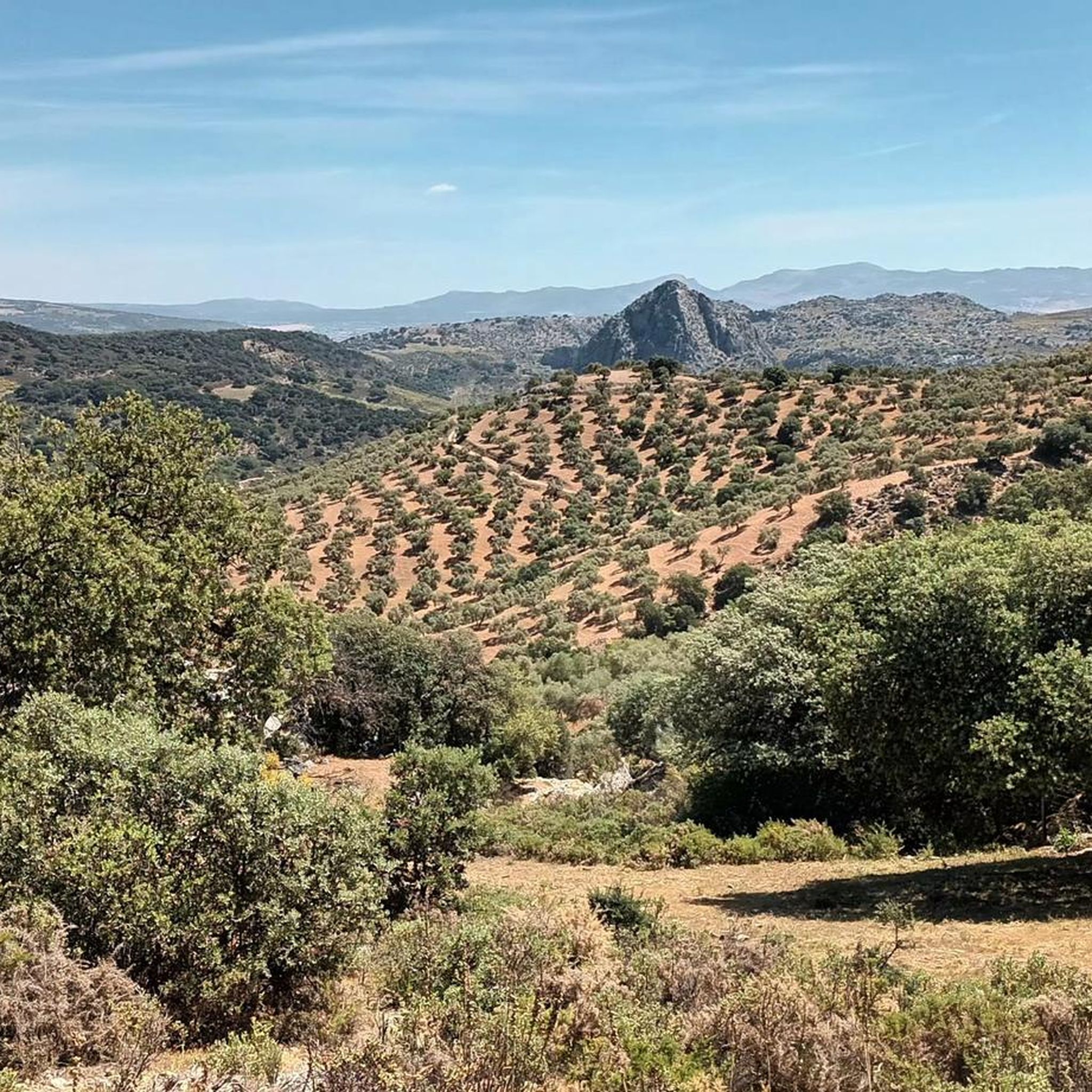
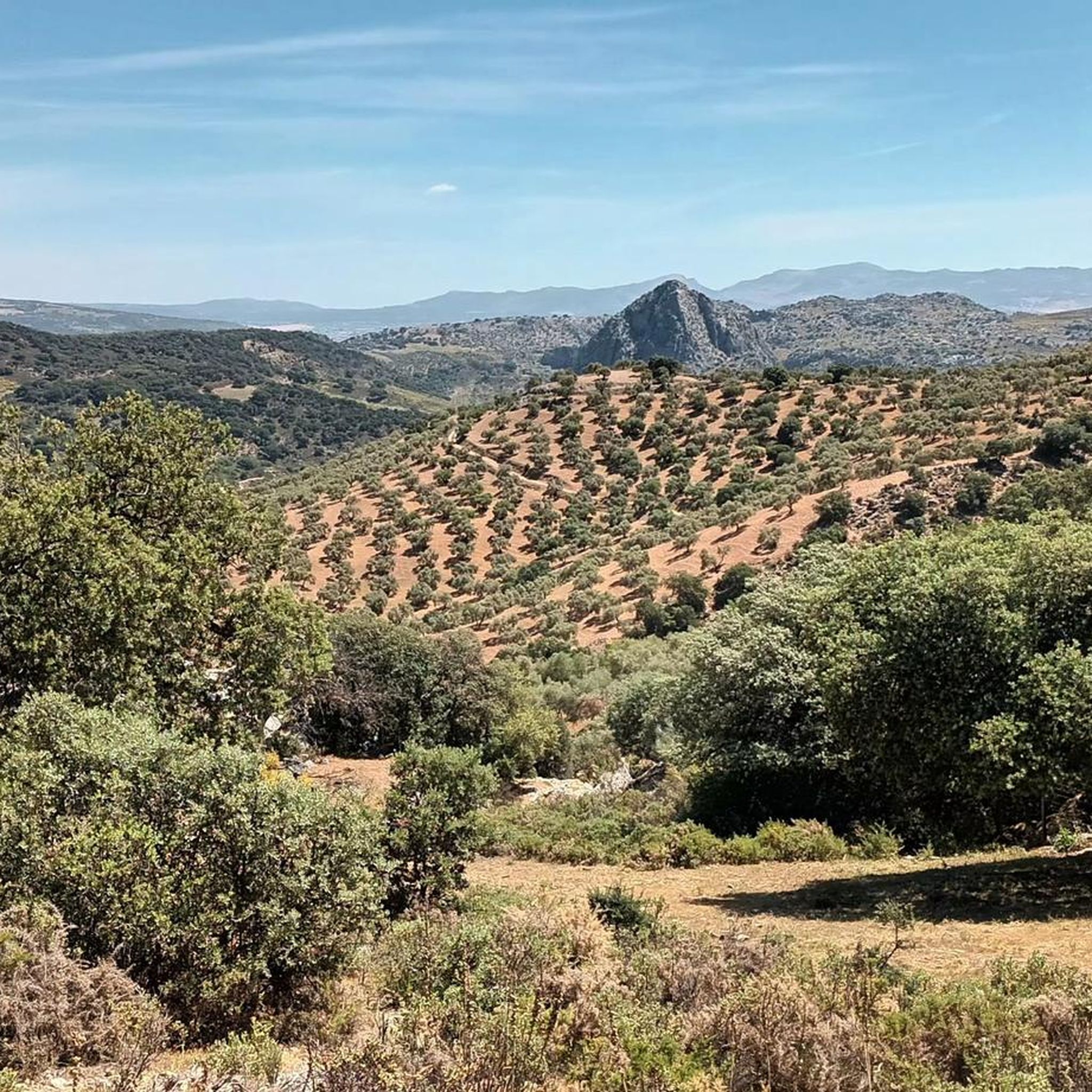
Canyons around Montejaque are a prominent feature of the Serranía de Ronda region, characterized by its karst landscapes. This area serves as a base for exploring several notable gorges and caving systems. The Guadalevín river has carved deep gorges, such as the Tajo de Ronda, creating a distinctive natural environment. The region offers a variety of canyoning experiences, from challenging technical routes to more accessible options.
Best canyons around Montejaque
- The most popular canyons is Puente Nuevo (New Bridge) in…
Last updated: October 7, 2026
New Bridge
Highlight • Bridge
Showing Translation
Tip by

Arab Bridge of Ronda
Highlight • Bridge
Translated by Google •
Tip by

Sign up now to discover places like this
Get recommendations on the best single tracks, peaks, & plenty of other exciting outdoor places.
Cuenca Gardens
Highlight • Viewpoint
Translated by Google •
Tip by

Tajo de Ronda (Ronda Gorge)
Highlight • Gorge
Translated by Google •
Tip by

Old town of Ronda
Highlight • Gorge
Translated by Google •
Tip by

Sign up for free to discover even more gorges around Montejaque.
Already have an account?
Start today with a free account
Your next adventure awaits.
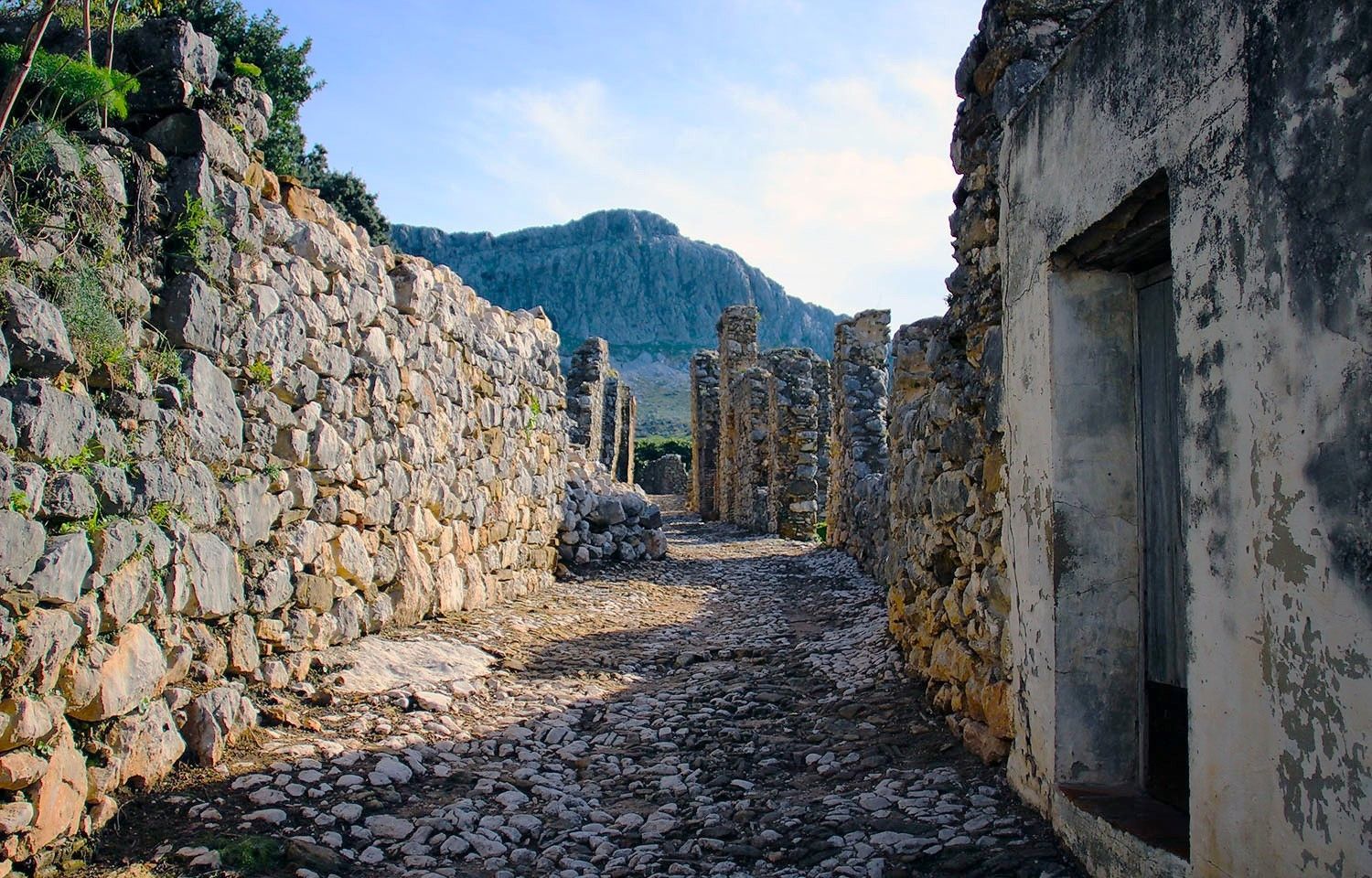
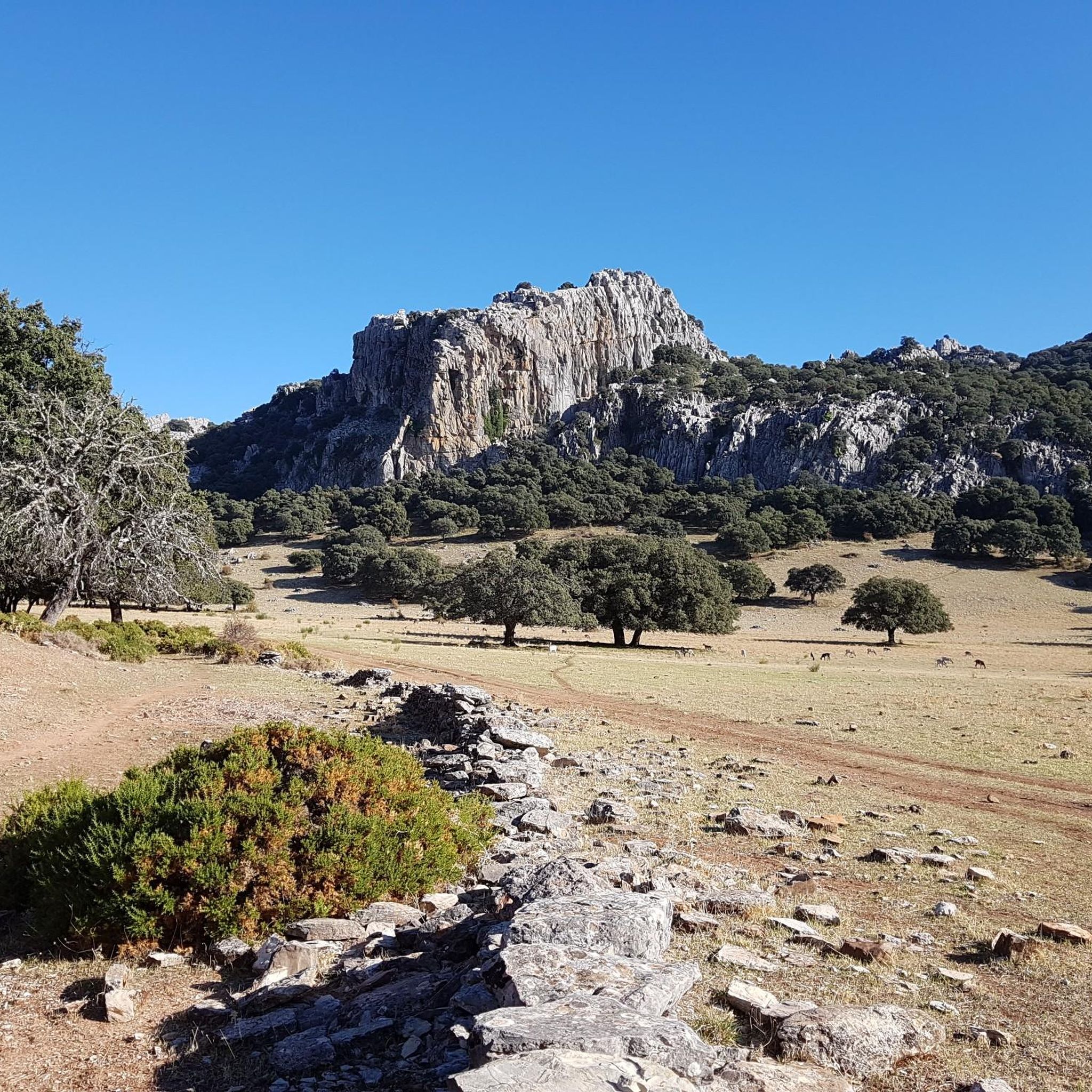
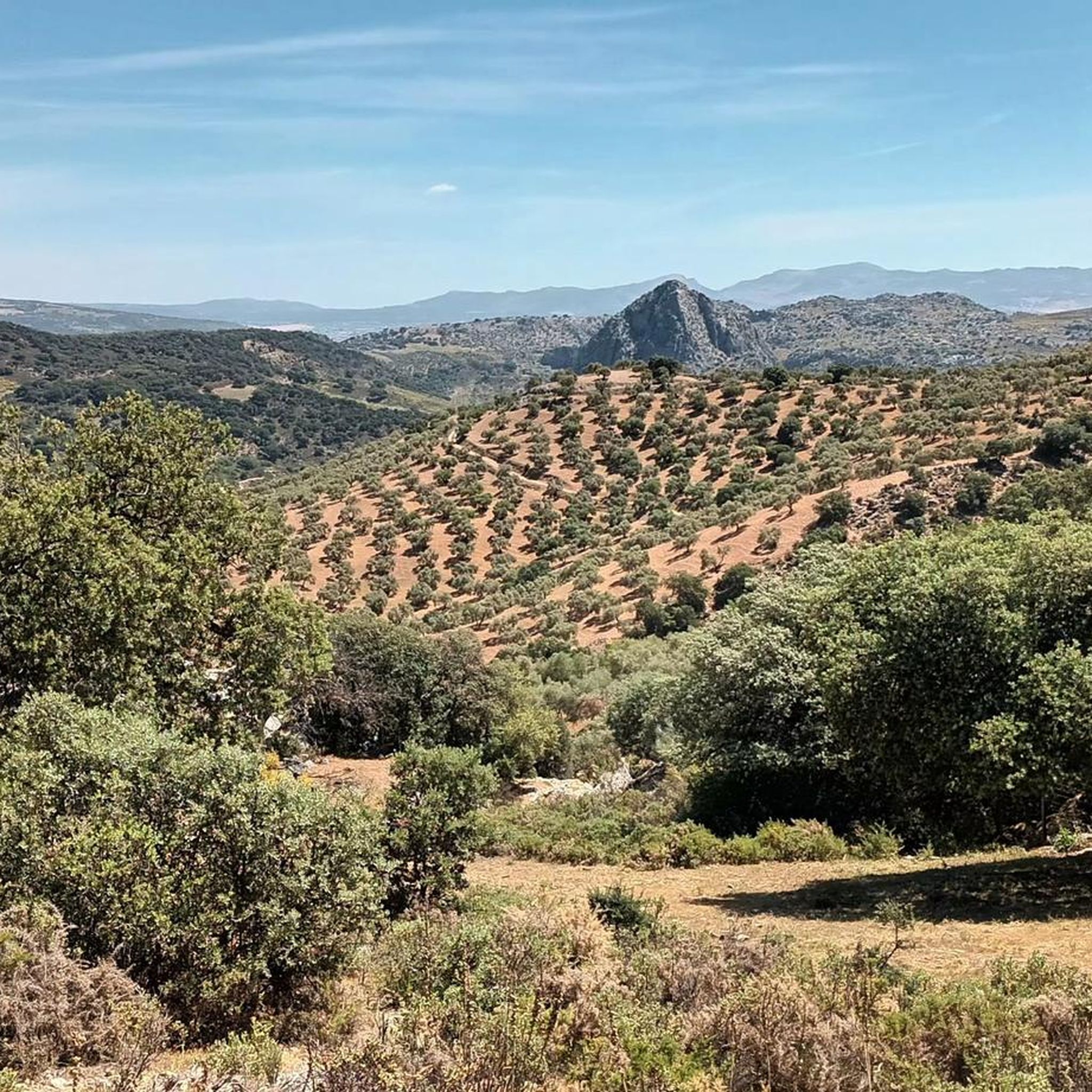
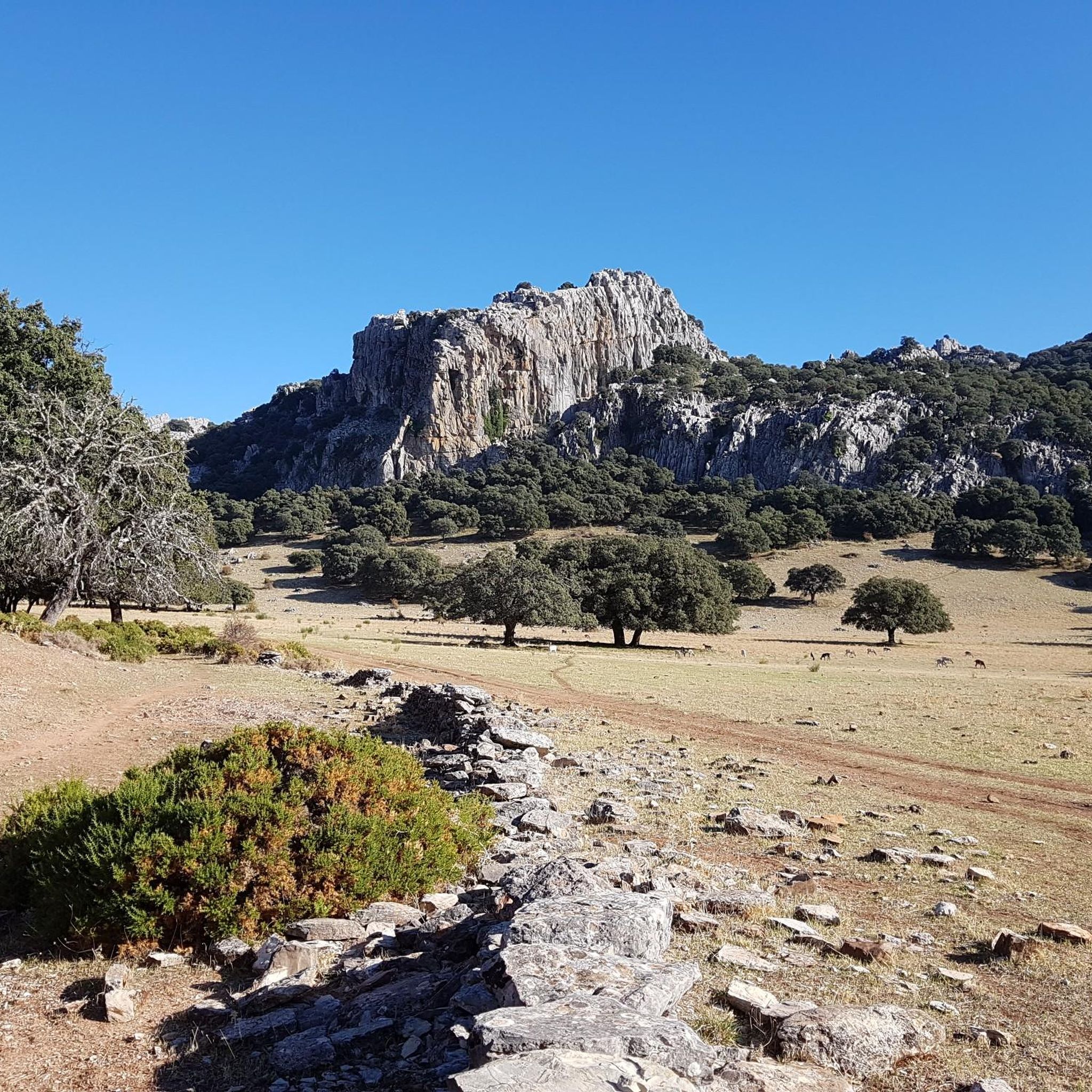

Other adventures around Montejaque

Tips from the Community

The old town (La Ciudad) is dominated by the Plaza Duquesa de Parcent, where the 16th-century cathedral Santa María la Mayor stands. This was formerly a mosque and still has four Moorish domes. The bell tower stands on the foundations of the former minaret. Walking around Ronda is certainly no punishment. There are many sights, such as Moorish city walls and gates, the church Iglesia de Nuestro Padre Jesús, the Moorish baths, the Palacio del Marques de Salvatierra and the Palacio de Mondragón with the Museo Municipal. There is also the Balcón del Coño, from where you have a spectacular view.
2
0

A hiking trail leads from Ronda to below the bridge.
0
0

Ronda's historic center takes you back in time, with narrow streets, whitewashed houses, churches, and palaces reminiscent of both Moorish and Christian history. Here you'll find the city's most important monuments, from the Arab Baths to the Puente Nuevo, and experience the charm of a city that has inspired travelers and writers for centuries.
5
2
The Tajo de Ronda is the spectacular gorge that literally splits the heart of Ronda in two. 🌄 • It is approximately 120 meters deep and carved out by the Guadalevín River, which flows right through the city. • Impressive bridges stand above the gorge, the most famous and iconic of which is the Puente Nuevo. This bridge connects the old Moorish city with the newer part of Ronda. • For centuries, the Tajo served as both a natural defense against enemies and a challenge to urban expansion. • From its edges, you have breathtaking views of the Ronda valley, the Serranía mountains, and the white villages in the distance. It is one of the most photographed places in Andalusia and a highlight of Ronda's charm: nature and architecture in a dramatic interplay.
1
0

Via Puente Nueva you reach the old town, the monumental part of the city, which lies high above the ravine. It is particularly atmospheric with back squares, old streets, and several city palaces and mansions that are open to the public.
2
1


Ronda is a city worth seeing!
1
2
Frequently Asked Questions
What types of canyoning experiences are available near Montejaque?
The region around Montejaque offers a diverse range of canyoning experiences. You can find challenging technical routes like the extensive Hundidero-Gato cave system, which involves an underground river and requires technical caving skills. For those seeking a thrilling but more accessible adventure, the Cañón de las Buitreras offers a medium-high difficulty canyoning experience with rappelling, swimming, and jumps. If you're new to canyoning or looking for a family-friendly option, the Sima del Diablo provides natural slides and jumps suitable for beginners.
Are there any beginner-friendly canyoning options near Montejaque?
Yes, the Sima del Diablo canyon, located in the Genal valley near Júzcar, is an excellent choice for beginners and families. It features natural slides, rappels (up to 9 meters), and optional jumps, making it an exciting yet manageable experience. It's generally suitable for individuals from 8-9 years old with swimming ability and can be enjoyed almost all year round.
What is the Cañón de las Buitreras known for?
The Cañón de las Buitreras, often called the 'Cathedral of the Ravines,' is renowned for its spectacular deep gorges with vertical walls over 100 meters high, carved by the Guadiaro River. It offers a challenging canyoning experience with swimming, rappelling, and jumps into crystalline pools. It's also a significant wildlife spot, named after the griffon vultures that nest on its cliffs, and you might spot otters and other birds.
What is the Hundidero-Gato cave system and what does it offer?
The Hundidero-Gato is an impressive subterranean cave system with its upper entrance, Cueva del Hundidero, near Montejaque, and its lower exit, Cueva del Gato, near Benaoján. It features an underground river winding through nearly 4 kilometers of caves and galleries. Traversing the entire system is a challenging technical caving expedition, considered the longest underground route in Andalusia, requiring permission. The Cueva del Gato entrance itself is a Natural Monument, famous for its striking entrance and a stunning waterfall where the river re-emerges.
What are the best times of year for canyoning near Montejaque?
Canyoning in the Cañón de las Buitreras is typically practiced during the summer months, from June to November, with activities generally permitted from July 15th to December 15th when river flow is suitable. The Sima del Diablo, being more beginner-friendly, can be enjoyed almost all year round. For the technical Hundidero-Gato system, conditions depend heavily on water levels, and it's best undertaken with experienced guides and proper permissions.
Are there any historical landmarks associated with the canyons?
Yes, the region around Montejaque is rich in history. The iconic Puente Nuevo (New Bridge) in Ronda spans the deep Tajo de Ronda gorge, offering spectacular views and connecting the old town with the newer part of the city. The Arab Bridge of Ronda, the oldest of the three bridges in Ronda, is another historical landmark located outside the city walls, near the famous Arab Baths. Along the access route to Cañón de las Buitreras, you can also find the historic Puente de los Alemanes (Germans' Bridge).
What kind of wildlife can be observed in the canyons?
The canyons around Montejaque are home to diverse wildlife. The Cañón de las Buitreras is particularly known for its griffon vultures, which nest on its rugged cliffs, giving the canyon its name ('Buitreras' means 'vulture nests'). Other birds like stock doves, rock doves, and white-throated dippers, as well as otters, can also be observed in this area.
What outdoor activities can I do near these canyons besides canyoning?
Beyond canyoning, the Montejaque area offers various outdoor activities. You can explore numerous cycling routes, including challenging options like the Puerto de las Palomas Loop, or gravel biking trails such as the City of Ronda – Puerto del Viento loop. There are also running trails, including the moderate Cueva del Gato Trail. For more details on these activities, you can check the cycling guide, gravel biking guide, and running trails guide around Montejaque.
Are there any viewpoints to appreciate the gorges without participating in canyoning?
Absolutely. The Puente Nuevo (New Bridge) in Ronda offers stunning views of the Tajo de Ronda gorge. For an even more immersive experience, the View of the Puente Nuevo and El Tajo Gorge is considered one of the best viewpoints in Ronda. Additionally, the Cuenca Gardens are spectacular terraced gardens built on the cornice of the Tajo de Ronda, providing picturesque views of the gorge.
Do I need permits for canyoning in the Montejaque region?
Yes, for certain canyoning experiences, permits are required. Traversing the entire Hundidero-Gato cave system, for instance, is a challenging speleological expedition that requires official permission. For the Cañón de las Buitreras, canyoning is generally permitted during specific seasons (July 15th to December 15th), and it's advisable to check with local authorities or guided tour operators for current regulations and necessary permits before planning your trip.
What are the geological features that make the Montejaque region ideal for canyons?
The Montejaque region is part of the Serranía de Ronda, renowned for its karst landscapes. This geological formation, characterized by soluble bedrock like limestone, has been sculpted over millennia by water, creating deep gorges, extensive cave systems, and river-carved canyons. The Guadalevín and Guadiaro rivers have played a significant role in eroding the land, forming impressive features like the Tajo de Ronda and the Cañón de las Buitreras.
What should I wear for canyoning in the Montejaque area?
For canyoning, it's essential to wear appropriate gear. This typically includes a wetsuit (often provided by tour operators), a helmet, and sturdy shoes with good grip that can get wet. Depending on the specific canyon, you might also need a harness, ropes, and other technical equipment. It's always best to consult with your chosen guide or tour operator for a detailed list of required and recommended clothing and equipment.
Are there any places to eat or drink near the canyons around Montejaque?
While Montejaque itself is a small village with amenities, specific cafes or pubs directly at the canyon entrances are rare. However, the Cueva del Gato, the impressive lower exit of the Hundidero-Gato system, has a picnic area nearby. For other canyons, you'll typically find cafes, restaurants, and pubs in the nearby towns and villages such as Montejaque, Ronda, Benaoján, Júzcar, Gaucín, and Cortes de la Frontera, which serve as excellent bases for exploration.
Most popular routes around Montejaque
Most popular attractions around Montejaque

Get inspired with the komoot mobile app


Explore more
Already discovered everything in this region? See additional gorges around Montejaque for your next adventure:
