Top 9 Gorges around Abanilla
Best canyons around Abanilla are found within a municipality in the Region of Murcia, Spain, known for its diverse landscapes and significant geological formations. The area features arid terrain, riverbeds, and unique rock formations shaped by erosion over millennia. These natural features include deep ravines and gullies, offering varied experiences for outdoor enthusiasts. The region provides a blend of natural beauty and geological interest, with evidence of ancient seas and historical irrigation systems.
Best canyons around Abanilla
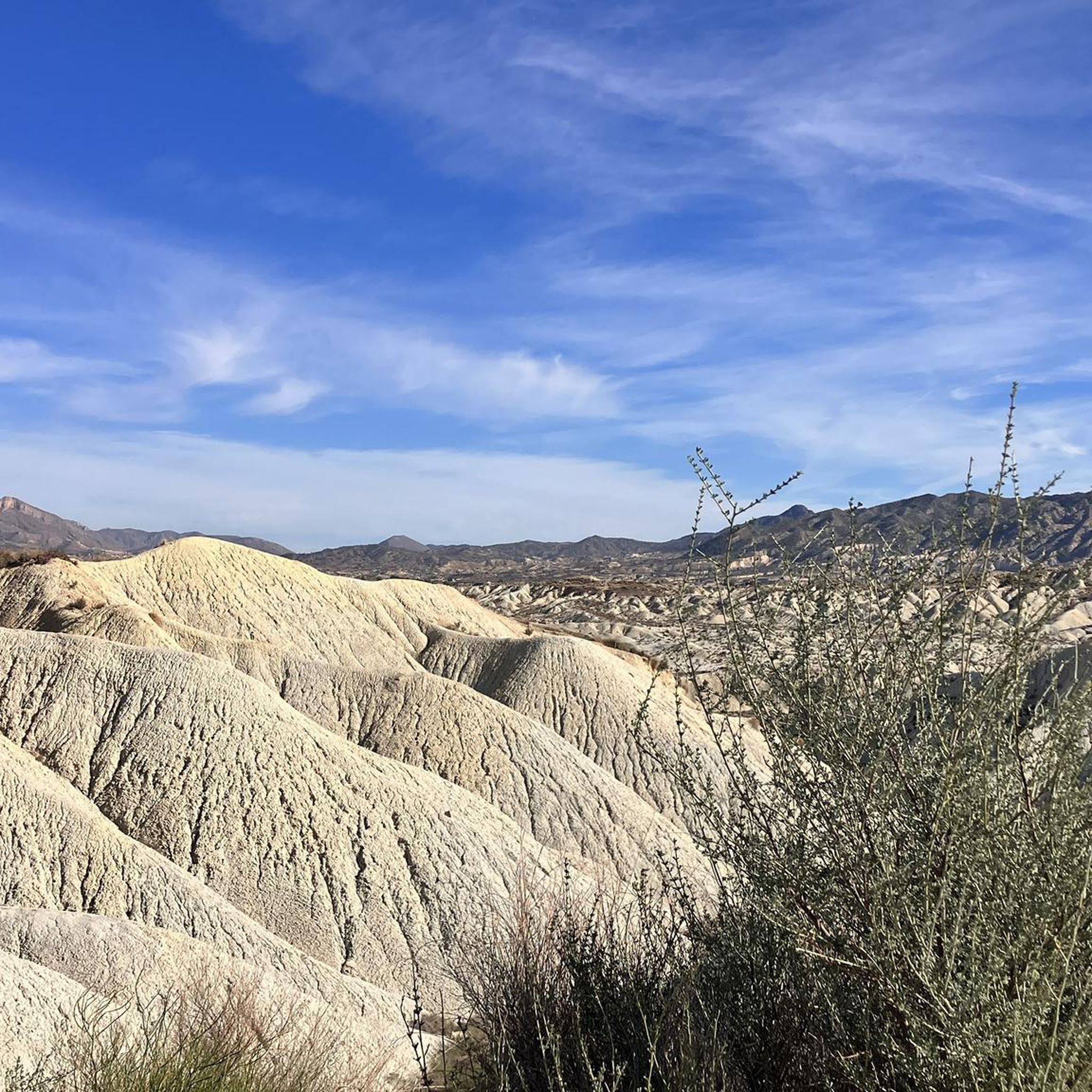
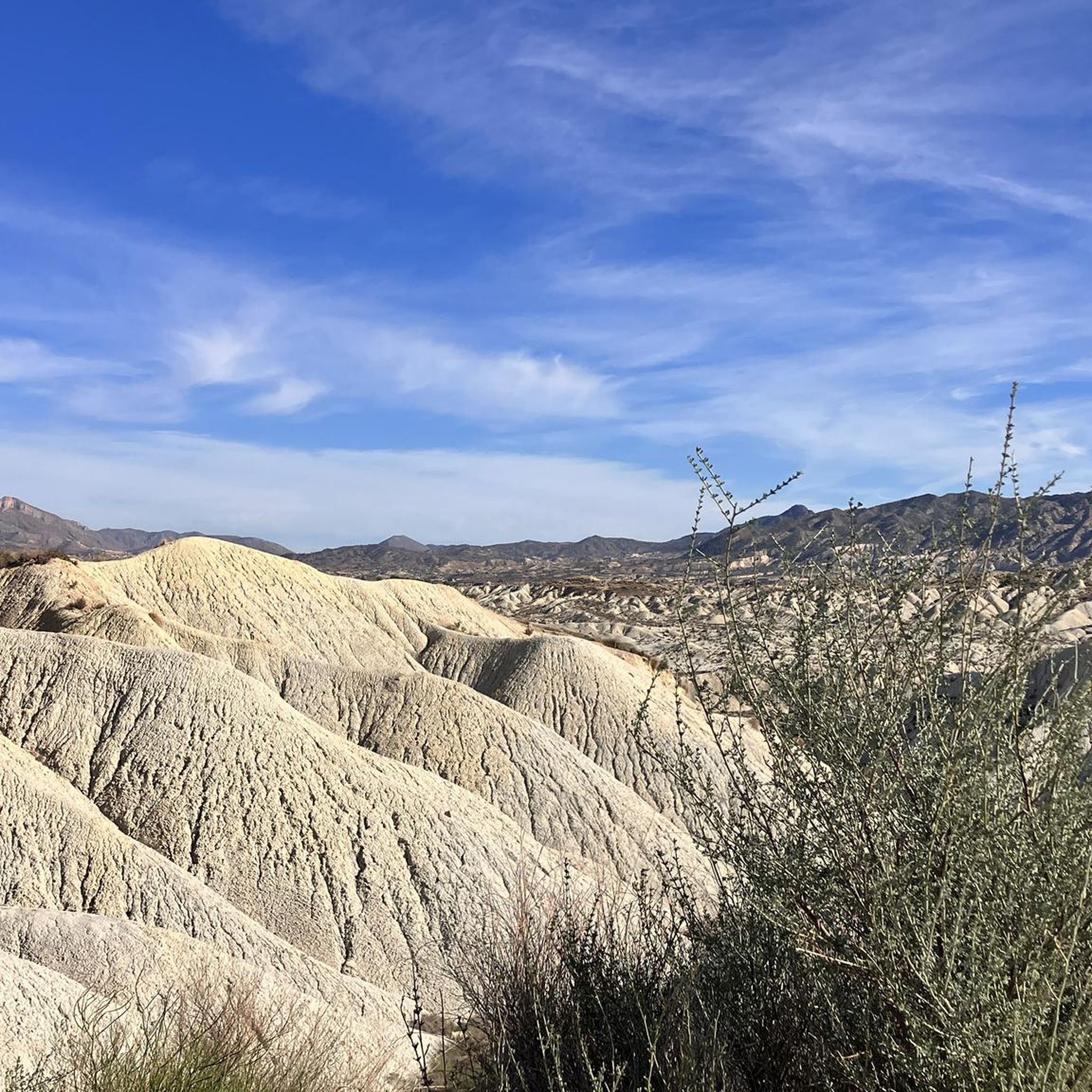
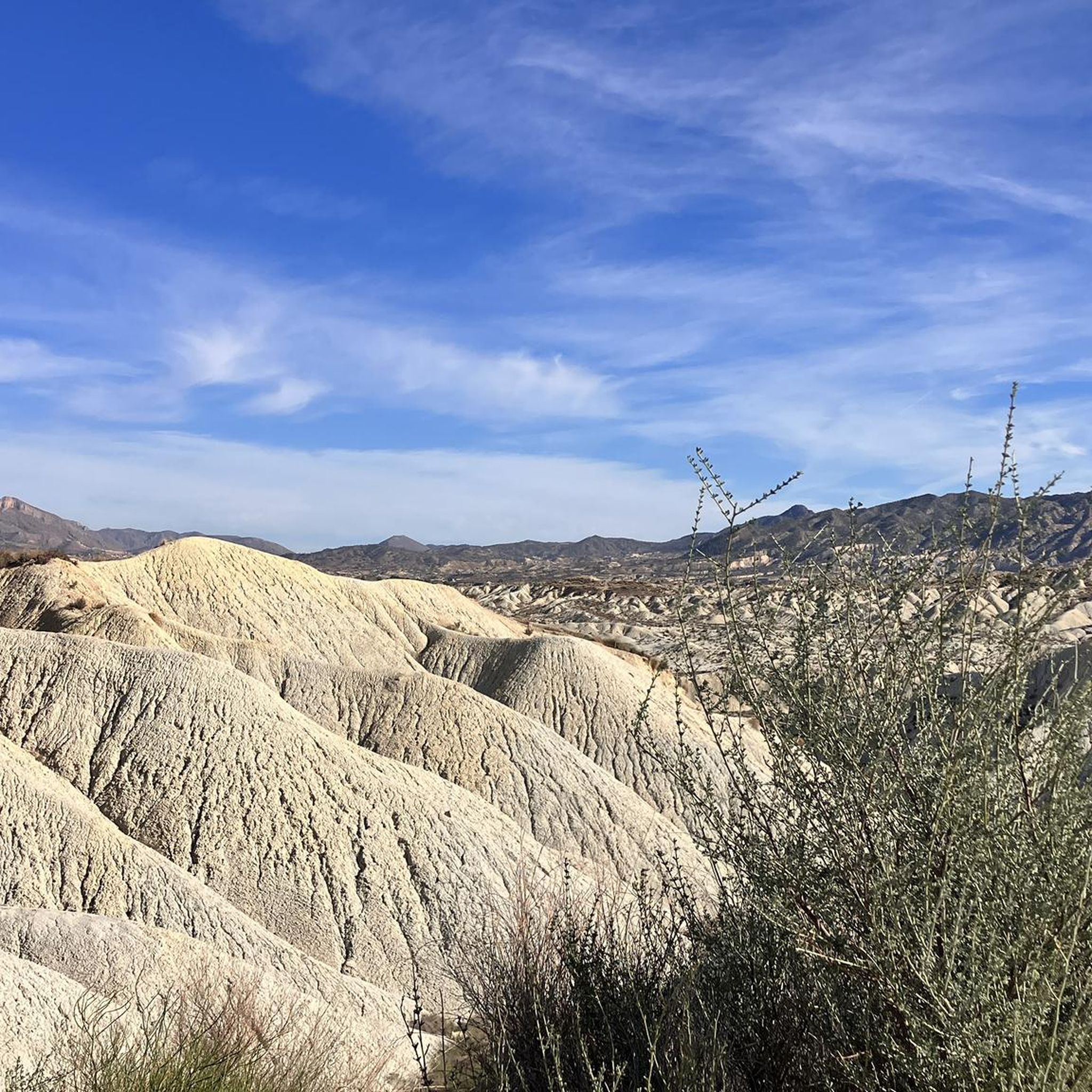
- The most popular canyons is Desierto de Abanilla, an other natural area that presents a distinct "lunar landscape" with hostile ravines and gullies. This surreal landscape, also known as the Mahoya Desert, was once a seabed millions of years ago, now shaped by erosion.
- Another must-see spot is Cave of Jaime el Barbudo, a cave and gorge. This highlight features a narrow but very high crevice leading to a cave, which is more than 20 meters long and very dark inside.
- Visitors also love Chicamo River Canyon, a canyon that offers a unique experience with its arid surroundings contrasting with the presence of the Chícamo River. Walking through the river canyon is an experience that may involve getting your feet wet, and it features fascinating rock formations and historical irrigation channels.
- Abanilla is known for its canyons, gorges, and unique desert landscapes. The area offers a variety of natural formations, from river-carved canyons to arid badlands and deep crevices.
- The canyons around Abanilla are appreciated by the komoot community, with 4 highlights and more than 20 photos shared. The community has upvoted these highlights more than 40 times.
Last updated: June 20, 2026
Desierto de Abanilla
Highlight • Natural
Translated by Google •
Tip by

Chicamo River Canyon
Highlight • Canyon
Translated by Google •
Tip by

Sign up now to discover places like this
Get recommendations on the best single tracks, peaks, & plenty of other exciting outdoor places.
Sign up for free
Final Waterfall of the Via Ferrata
Highlight • Waterfall
Tip by

La Rambla Salada
Highlight (Segment) • Gorge
Translated by Google •
Tip by

Cave of Jaime el Barbudo
Highlight • Cave
Translated by Google •
Tip by

Sign up for free to discover even more gorges around Abanilla.
Sign up for free
Already have an account?
Start today with a free account
Your next adventure awaits.
Login or Signup

Tips from the Community

The tour is listed as moderate on Komoot. In my opinion, that's incorrect. Hikers who a) haven't climbed any vertical 8-meter-high sections before and b) have to ascend or descend without via ferrata equipment, despite the available rungs... this should be rated as black or difficult. Don't get me wrong—I think it's okay for non-hikers, but I believe others will reach their limits here. 🤨
1
0

The Abanilla Desert, also known as the Mahoya Desert, is one of the most unique and fascinating places in the Murcia region, just an hour's drive from the beaches of the Costa Cálida and Costa Blanca South. This surreal landscape, often compared to the surface of the moon, offers a perfect combination of natural beauty and tranquility. Whether you're a nature lover, an adventurer, or simply looking for a place to relax,
17
0
On the road to Baños de Fortuna, you'll find a desert that was the seabed millions of years ago, now shaped by erosion. The Ramblas de la Parra, del Font, Balonga, Zurca, and the Chícamo Basin form one of Murcia's most otherworldly landscapes. Here you can see the remnants of ancient seas, such as the coral reefs formed by the Chícamo River and the El Cajer Ravine, which are now a feast for the eyes and the camera.
5
0

If you do the route in the direction as described. Then it goes 8 meters up. Not down.
1
0

for the second time in a month we were amazed here
4
0

A small highlight for inexperienced hikers who "only" want to go to the entrance of the gorge. Small wooden bridges have been built for the few river crossings, so that you can reach the gorge without getting wet shoes
2
1

Fun to do in September and October, water fun guaranteed
1
0
Frequently Asked Questions
What kind of unique natural landscapes can I explore in Abanilla's canyons?
Abanilla offers a diverse range of natural landscapes. You can explore the Desierto de Abanilla, a 'lunar landscape' with hostile ravines and gullies, shaped by millennia of erosion from what was once a seabed. The Chicamo River Canyon provides a contrasting experience with its arid surroundings and the presence of the river, featuring fascinating rock formations and historical irrigation channels. Another notable feature is La Rambla Salada, a spectacular natural space with a channel excavated and eroded by meteorological agents, crossed by a small spring of salt water.
What is the best time of year to visit the canyons in Abanilla?
The best time to visit the canyons in Abanilla, especially for river walks like in the Chicamo River Canyon, is typically during seasons with lower river flow. It's advisable to check local conditions and river levels before your visit, as some sections may require walking through water. Spring and autumn generally offer pleasant temperatures for hiking and exploring the arid landscapes.
Are there any family-friendly canyon experiences in Abanilla?
While some areas like the Chicamo River Canyon can involve walking through water and require appropriate footwear, many routes are suitable for various fitness levels, including families. The Molino del Chícamo interpretation center at the start of the PR-MU 74 route offers insights into the area, which can be a good starting point for families. For less strenuous walks, parts of the Desierto de Abanilla offer unique scenery without extreme difficulty.
What should I bring for a hike in Abanilla's canyons?
For hiking in Abanilla's canyons, especially if you plan to explore areas like the Chicamo River Canyon, it's essential to bring sturdy shoes with good grip that can get wet. Other recommendations include sufficient water, sun protection (hat, sunscreen), snacks, and a camera to capture the unique landscapes. For exploring dark areas like the Cave of Jaime el Barbudo, a light source is necessary.
What kind of historical features can be found in the canyons?
The canyons of Abanilla are rich in history. The Chicamo River Canyon, for instance, showcases ancient aqueducts and irrigation channels, some believed to date back to Roman times and later modified by the Moors. These systems, like the weir of El Partidor, highlight the region's long history of water management. The geological formations themselves tell a story, with deposits from a previous river dating back 7 to 10 million years, when the area was part of the Mediterranean coast.
Are there specific hiking trails near the canyons?
Yes, there are several hiking trails that allow you to explore the canyon areas. For example, you can find routes like the 'Chícamo River Canyon Loop' or 'Walk through the Albanilla desert and the thermal baths of Fortuna'. These trails vary in difficulty from easy to moderate. You can find more details and routes in the Hiking around Abanilla guide.
What are the geological highlights of Abanilla's canyons?
The geological features are a major draw. The Desierto de Abanilla, also known as the Mahoya Desert, is a former seabed that has been shaped by millions of years of erosion, creating a surreal, lunar-like landscape. The Chicamo River Canyon reveals deposits from an ancient river dating back 7 to 10 million years, with evidence of ancient coral reefs and delta formations, offering a glimpse into the region's deep geological past.
Can I bring my dog to the canyon trails in Abanilla?
While specific policies for each trail may vary, many natural outdoor areas in Spain are generally dog-friendly, especially if dogs are kept on a leash and owners clean up after them. It's always best to check local signage or inquire with local tourism offices regarding specific restrictions for areas like the Chicamo River Canyon or the Desierto de Abanilla to ensure a pleasant visit for everyone.
Are there any challenging routes for experienced hikers or climbers?
Yes, for those seeking a challenge, the area offers more demanding experiences. The Final Waterfall of the Via Ferrata is described as a challenging section, involving an 8-meter climb that requires appropriate equipment or significant experience. The Cave of Jaime el Barbudo also features a narrow, high crevice and steep steps, making it a more adventurous exploration.
Where can I find parking and public transport options for the canyons?
For the Chicamo River Canyon, visitors often park near Macisvenda. While public transport options directly to the canyon entrances might be limited, accessing Abanilla town by bus and then using a car or taxi for the final leg to specific trailheads is a common approach. It's recommended to check local transport schedules and parking availability before your visit.
What kind of wildlife and plant life can be observed in the canyons?
The area around the Chicamo River Canyon supports diverse flora, including palm trees, reeds, tall grasses, paddle cactuses, pines, almonds, and olive trees. A notable resident is the 'fartet' (Spanish toothcarp), a small fish that resists extinction in the river. The arid landscapes of the Desierto de Abanilla, while appearing barren, also host resilient plant species adapted to the dry conditions.
Are there options for mountain biking or cycling near the canyons?
Yes, the region around Abanilla offers various routes for mountain biking and cycling. You can find trails like the 'Jaime el Barbudo Cave – Puerto Frío Pass loop' for MTB or 'Fortuna and Embalse de Santomera Loop' for touring bicycles. These routes allow you to explore the diverse landscapes, including areas near the canyons. More information can be found in the MTB Trails around Abanilla guide and the Cycling around Abanilla guide.
Most popular routes around Abanilla
Most popular attractions around Abanilla

Get inspired with the komoot mobile app


