Top 8 Castles around Baeza
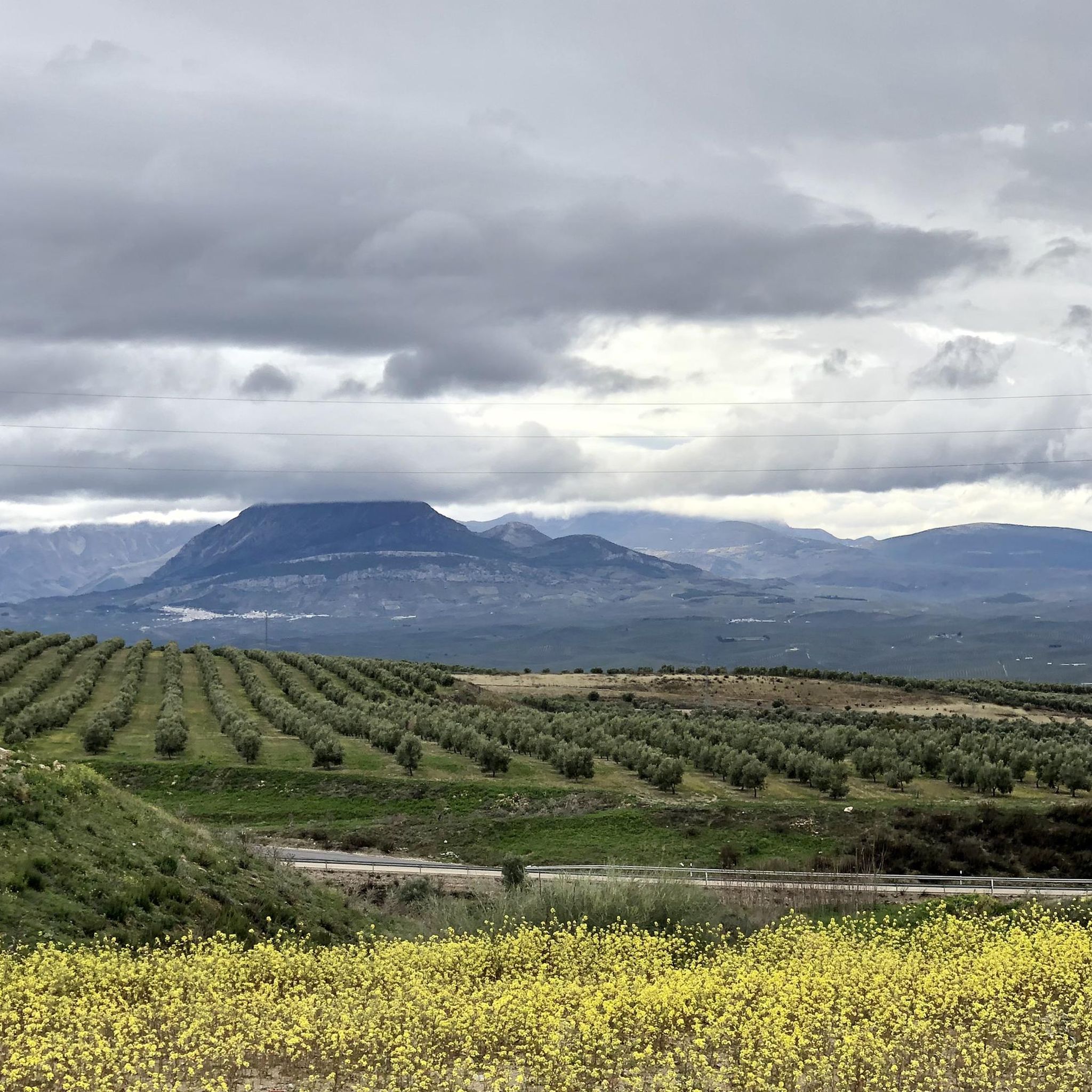
Castles around Baeza offer a journey through the region's rich history, characterized by its Renaissance architecture and significant medieval defensive structures. Situated in the province of Jaén, the area is surrounded by vast olive groves and features landscapes within the Sierra Mágina Natural Park. Visitors can explore remnants of fortified pasts, including palaces with castle-like characteristics and ancient defensive towers. This blend of historical architecture and natural beauty defines the region.
Best castles around Baeza
- The most popular castles is…
Last updated: June 20, 2026
Jimena
Highlight • Settlement
Translated by Google •
Tip by

Jódar
Highlight • Settlement
Translated by Google •
Tip by
Sign up now to discover places like this
Get recommendations on the best single tracks, peaks, & plenty of other exciting outdoor places.
Sign up for free
Albanchez de Mágina Castle
Highlight • Castle
Translated by Google •
Tip by

Bedmar
Highlight • Settlement
Translated by Google •
Tip by
Puerta de Úbeda
Highlight • Historical Site
This gate originally had three arches next to …
Translated by Google •
Tip by

Sign up for free to discover even more castles around Baeza.
Sign up for free
Already have an account?
Start today with a free account
Your next adventure awaits.
Login or Signup

Tips from the Community

We are looking at the best-preserved gate in the Baeza wall, called the Úbeda Gate because it faces the important neighboring town. This gate originally had three arches next to the well-known Albarrana Tower, where the so-called parade ground once stood.
20
0

Baeza is located in the province of Jaén, home to some of the world's finest olive oil. The town rises from a vast olive grove, and along its cobblestone streets are some of the best-preserved Renaissance buildings in Europe. It's no coincidence that this remarkable ensemble, along with the neighboring town of Úbeda, has been declared a UNESCO World Heritage Site. This journey through time is not to be missed.
0
0
Nothing, it's a pantomime created to win points, as we used to say in Andalusia, ni na de na!
0
0

The square marks the transition between the historic centre and the extensions that were realised from the 19th century onwards. The Plaza de la Constitución is surrounded by wide streets and buildings with an eclectic and modernist architectural style. In addition, important facilities such as the post office and the town hall are located near the square.
9
0
Bedmar y Garcíez is a municipality in the province of Jaén in Andalusia, Spain, created in 1975 by merging the villages of Bedmar and Garcíez. Historically, it has a rich history with prehistoric, Iberian, Roman and Moorish influences, and was a frontier area for a long time. Today, it is known for its olive oil production (Sierra Mágina Denomination of Origin) and is home to interesting monuments such as Renaissance churches and palaces, as well as ancient castles. The municipality is located in the beautiful natural setting of the Sierra Mágina Natural Park.
10
0
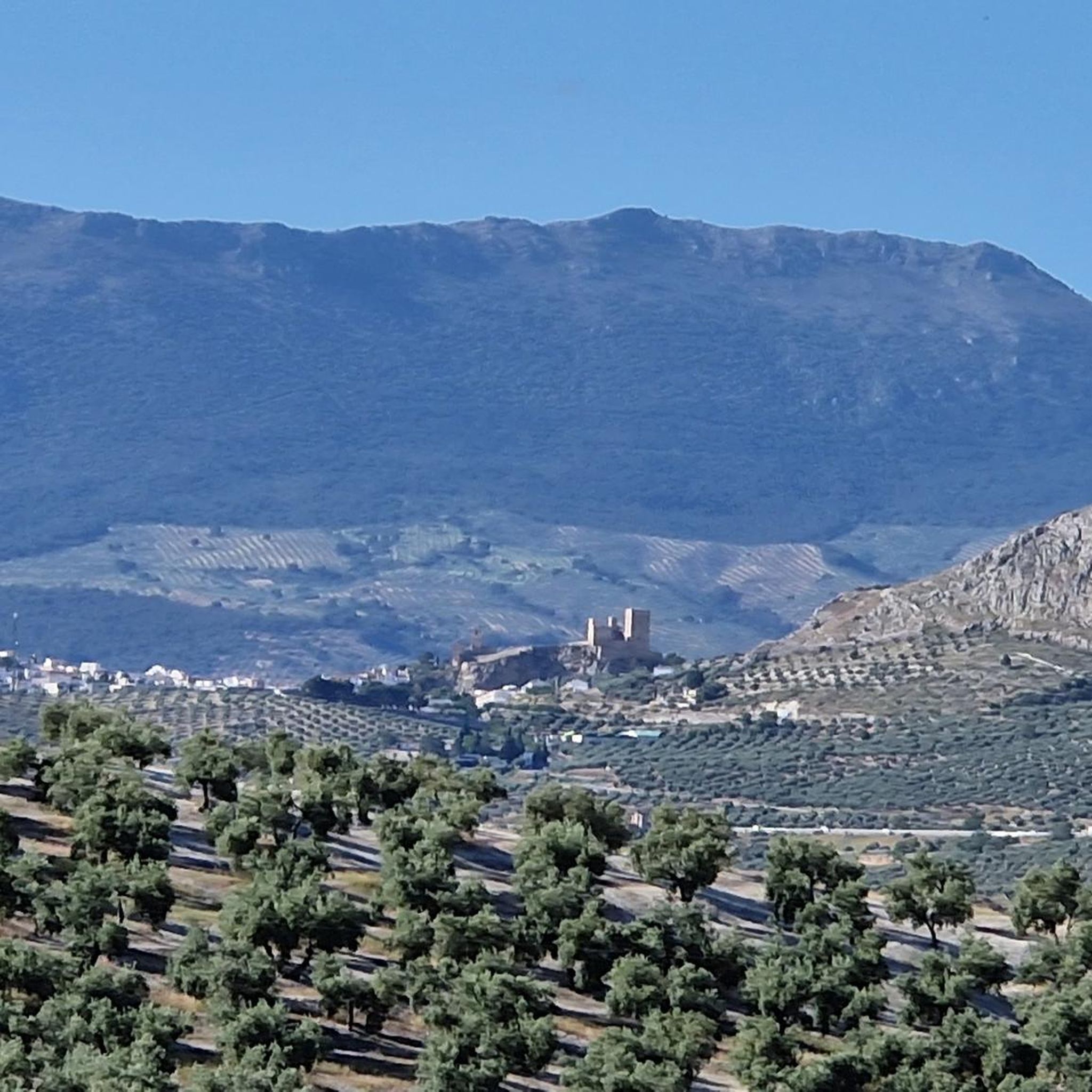
This beautiful village, surrounded by olive groves, is located at the foot of the Sierra Magina mountain range, with olive trees on one side and mountains on the other. The village, the most populated in the park, extends over a hill under the watchful eye of a beautiful castle, which is also part of the historical artistic site. It also has a beautiful parish church. The municipality is located in the Sierra Magina Natural Park, part of the Subbetic region, which offers beautiful and spectacular views. As for the vegetation, holm oaks and gall oaks are common, as well as pines and salgareños. The rich and varied flora and fauna are also important. Part of the Alto Guadalquivir nature reserve, an important wetland of great ecological importance, is also located in the district.
7
0
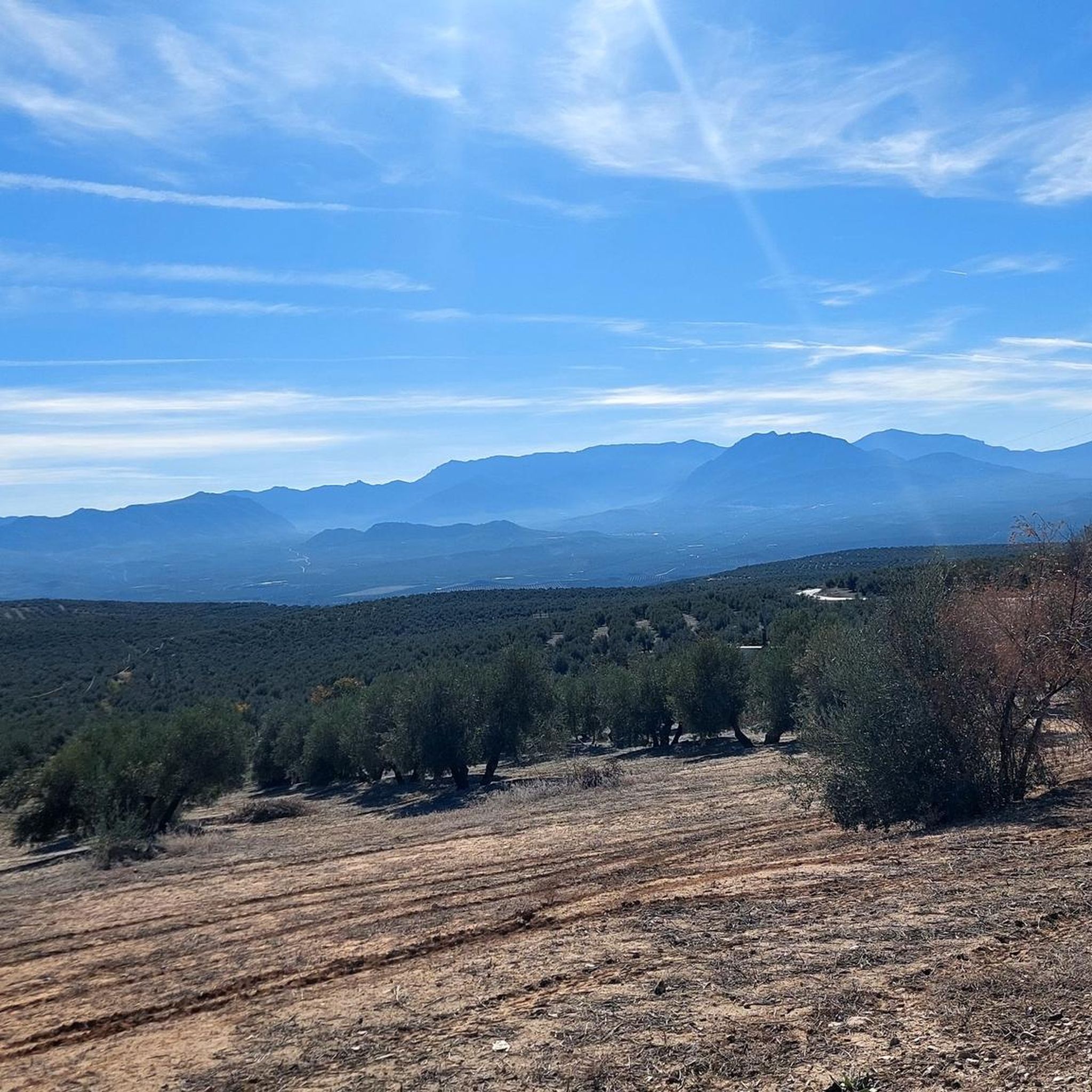
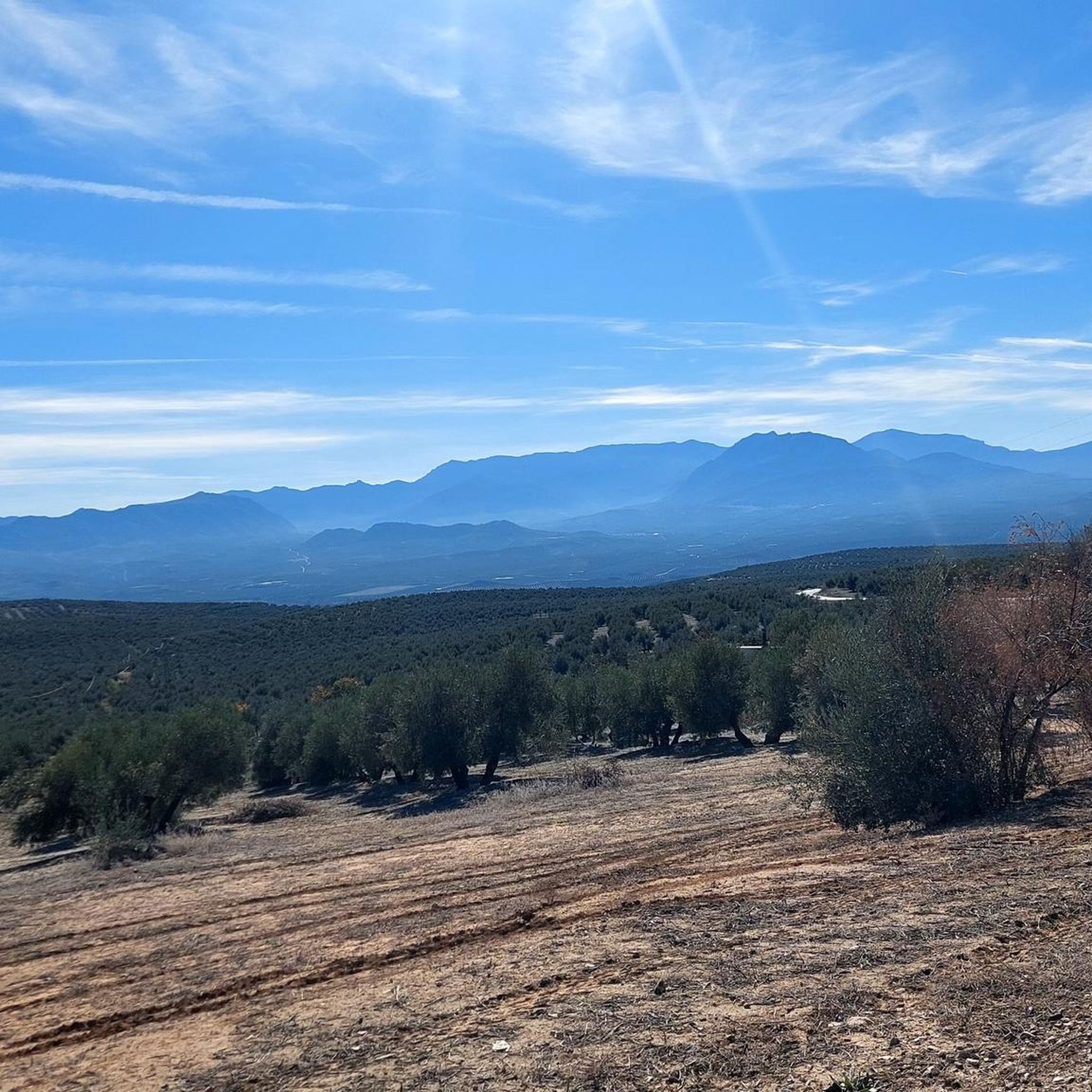
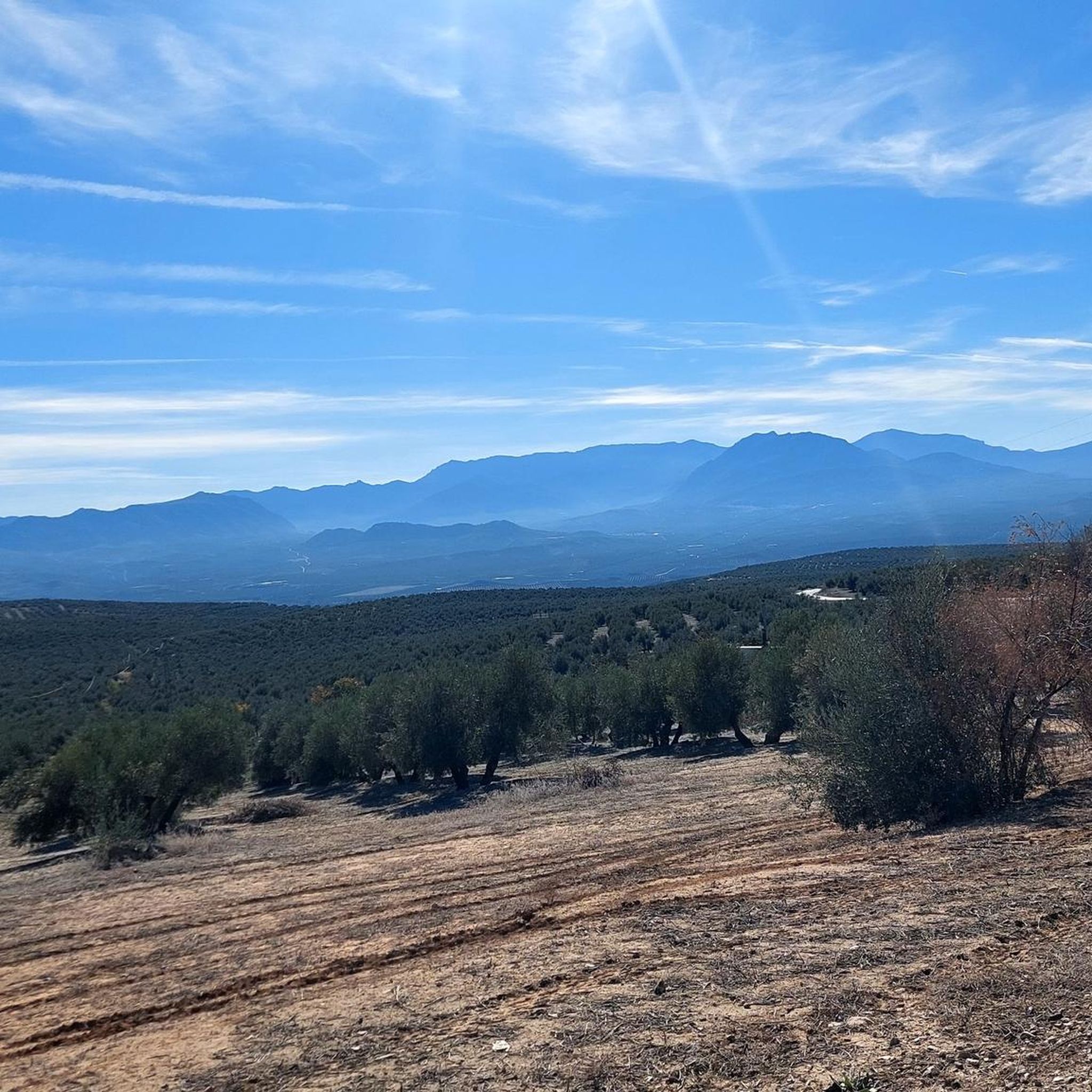
Jimena is a small town in the south of the province, on the northern side of the Sierra Mágina, located in a landscape of olive groves, fruit trees, allotments and sierra. The town is particularly known for its figs and brebas. The municipality is divided into two very different areas: there is the mountainous south-eastern area that is part of the Sierra Mágina Natural Park, and the rest of the municipality is agricultural land dedicated to olives.
8
0
This is the old entrance gate to the walled city whose name is logically "Puerta de Úbeda", as it was the closest gate to that city.
9
0
Frequently Asked Questions
What are the most notable castle-like structures and medieval defenses to visit in Baeza itself?
While Baeza is renowned for its Renaissance architecture rather than traditional castles, you can explore significant medieval defensive structures and palaces with castle-like characteristics. The Palacio de Jabalquinto, with its flamboyant Gothic facade and Renaissance courtyard, is a masterpiece of design. You can also see remnants of the city's defenses like the Puerta de Úbeda, which features the impressive Torre Albarrana, now housing a Medieval Interpretation Centre. Excavations are also underway at the site of Baeza's former Alcázar, offering incredible views.
Which traditional castles are recommended to visit near Baeza?
Several traditional castles are located a short distance from Baeza. You can visit the stone tower of Castillo de Jimena, situated in a landscape of olive groves and sierra. Another must-see is Albanchez de Mágina Castle, a 14th-century Muslim-built fortification offering spectacular views. The village of Jódar also features a beautiful castle that is part of its historical artistic site.
Are there family-friendly castles or historical sites around Baeza?
Yes, several sites are suitable for families. The settlements of Jimena, Jódar, and Bedmar, all featuring ancient castles or historical structures, are considered family-friendly. Within Baeza, exploring the medieval gates like the Puerta de Úbeda and the Medieval Interpretation Centre at Torre Albarrana can also be an engaging experience for all ages.
What kind of natural features or viewpoints can I expect near these castles?
Many castles and historical sites around Baeza offer stunning natural scenery. Albanchez de Mágina Castle, for instance, provides spectacular views of the entire region from its elevated position. The settlements of Jimena and Jódar are nestled within olive groves and at the foot of the Sierra Mágina mountain range, offering picturesque landscapes and opportunities to appreciate the rich flora and fauna of the Sierra Mágina Natural Park.
What outdoor activities can I do near the castles around Baeza?
The region around Baeza offers various outdoor activities, especially cycling and running. You can find numerous routes that pass by or near these historical sites. For cycling, consider routes like the 'Church of San Pedro – Castillo de Sabiote loop from Baeza' or the 'Baeza and the Castles of Sierra Mágina Loop'. If you prefer running, there are trails such as 'Around Baeza — circular by the Alcázar de Baeza'. You can explore more options in the Cycling around Baeza, Running Trails around Baeza, and Road Cycling Routes around Baeza guides.
Are there hiking trails that incorporate castles in the Jaén province?
Yes, the Jaén province, particularly around Baeza, offers hiking opportunities that can include castle visits. While specific hiking trails directly to every castle are not detailed, many castles like Albanchez de Mágina Castle are located on hillsides, requiring a climb (e.g., 350 steps) that rewards with fantastic views. The Sierra Mágina Natural Park, where many of these castles are located, is ideal for exploring on foot. You can find running routes like 'Around Baeza — circular by the Alcázar de Baeza' that offer a blend of historical exploration and outdoor activity.
What is the best time of year to visit the castles and historical sites around Baeza?
The best time to visit the castles and historical sites around Baeza is generally during the spring (April-May) and autumn (September-October). During these seasons, the weather is mild and pleasant for exploring both the outdoor sites and the towns. Summers can be very hot, making extensive outdoor exploration less comfortable, while winters are generally mild but can be cooler and wetter.
What do visitors enjoy most about the castles and historical sites in this region?
Visitors particularly appreciate the spectacular views offered by many of the elevated castle sites, such as Albanchez de Mágina Castle. The blend of rich history, unique architecture (especially the Gothic and Renaissance styles in Baeza), and the natural beauty of the surrounding olive groves and Sierra Mágina Natural Park are also highly valued. The charm of small towns like Jimena and Jódar, with their historical artistic sites, also leaves a lasting impression.
Are there any specific challenges or considerations when visiting Albanchez de Mágina Castle?
Yes, visiting Albanchez de Mágina Castle involves a significant climb. There are at least 350 steps to reach the castle, which is located on an abrupt mound. While challenging, the effort is rewarded with fantastic, spectacular views of the entire region from the top. It's categorized as an intermediate to challenging site, so comfortable footwear and a reasonable fitness level are recommended.
Can I find accommodation or restaurants near the castles outside Baeza?
Yes, the towns and villages where these castles are located, such as Jimena, Jódar, and Bedmar, typically offer local amenities including restaurants and accommodation options. These are often smaller, traditional establishments that provide an authentic regional experience. For a wider range of choices, Baeza itself has numerous hotels, guesthouses, and eateries.
What is the historical significance of Baeza's defensive structures?
Baeza's defensive structures, including its medieval gates like the Puerta de Úbeda and the Torre Albarrana, and the remnants of its Alcázar, are crucial to understanding the city's past as a fortified frontier town. These structures highlight its strategic importance during various conflicts, particularly during the Reconquista. The demolition of the Alcázar by Isabella The Catholic in the 15th century marks a shift from military necessity to a period of peace, though later events like the Napoleonic wars further impacted the city's fortifications.
Are there any hidden gems or lesser-known historical sites worth exploring near Baeza?
Beyond the main highlights, exploring the smaller villages within the Sierra Mágina Natural Park, such as Bedmar, can reveal lesser-known ancient castles and historical sites. These areas offer a deeper dive into the region's rich history and often provide a more tranquil experience away from larger crowds. The Torre de los Aliatares, a 12th-century Muslim-origin tower in Baeza, is another example of a surviving medieval structure that offers a glimpse into the city's past.
Most popular attractions around Baeza

Get inspired with the komoot mobile app


Explore more
Looking for the best castles somewhere else? Discover other guides around Baeza:
