Top 7 Caves around Santa María De Las Hoyas
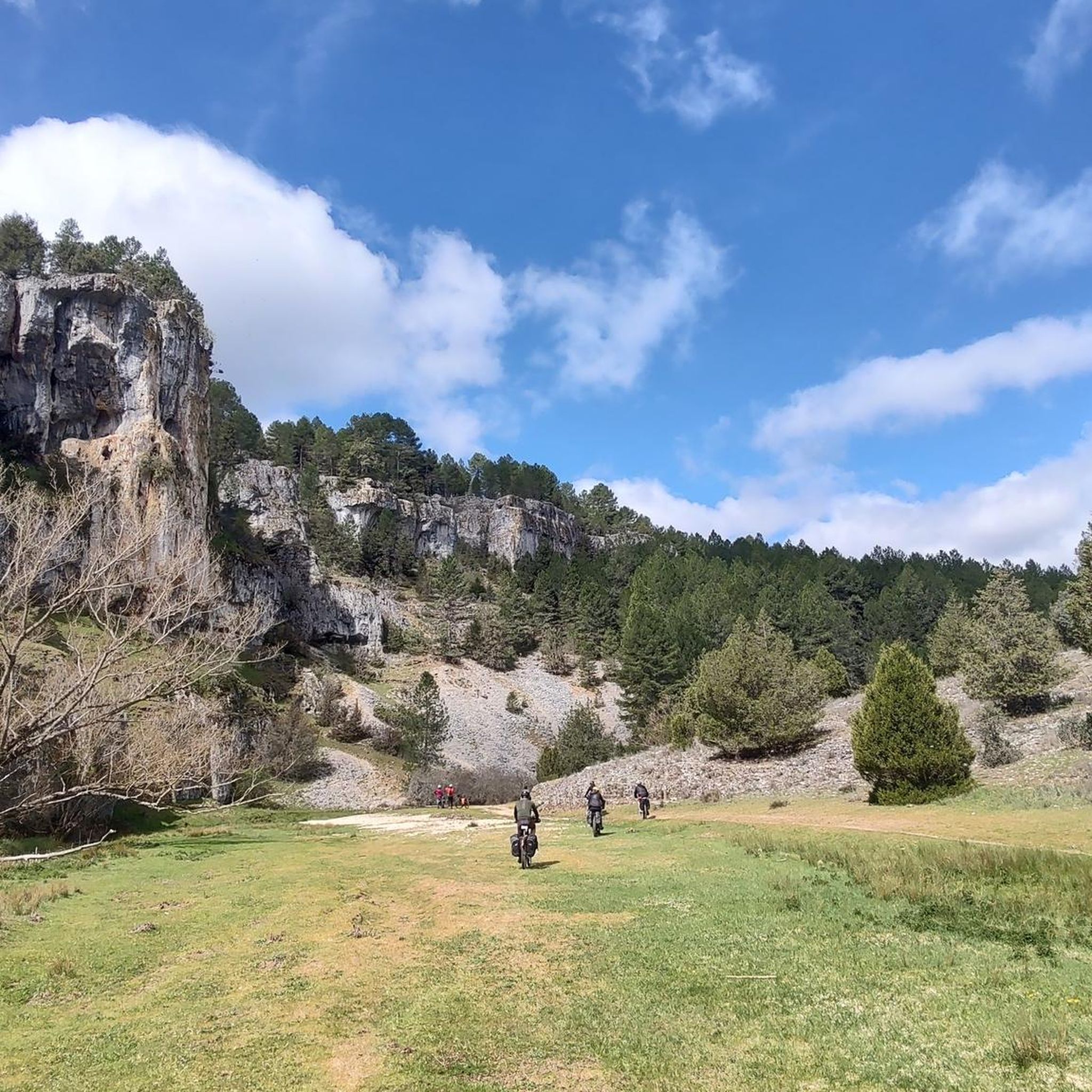
Best caves around Santa María De Las Hoyas are found within the Cañón del Río Lobos Natural Park in Soria, Spain, a region characterized by its karstic terrain. This area features dramatic limestone cliffs, diverse forest habitats, and unique geological formations, making it a destination for speleology. The natural landscape includes river canyons and pine forests, providing a varied environment for exploration. Santa María De Las Hoyas natural attractions include numerous subterranean formations.
Best caves around Santa María De Las…
Last updated: July 4, 2026
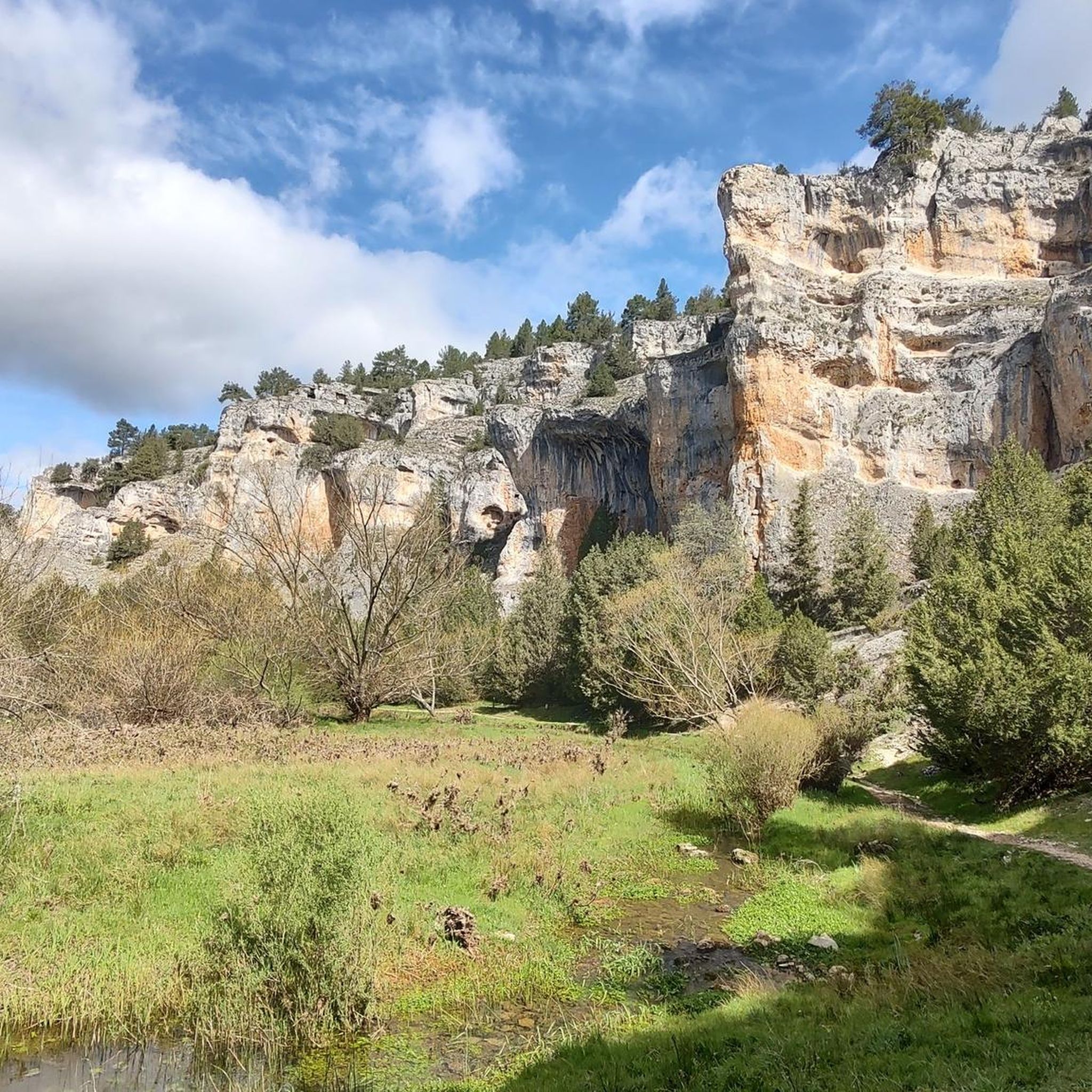
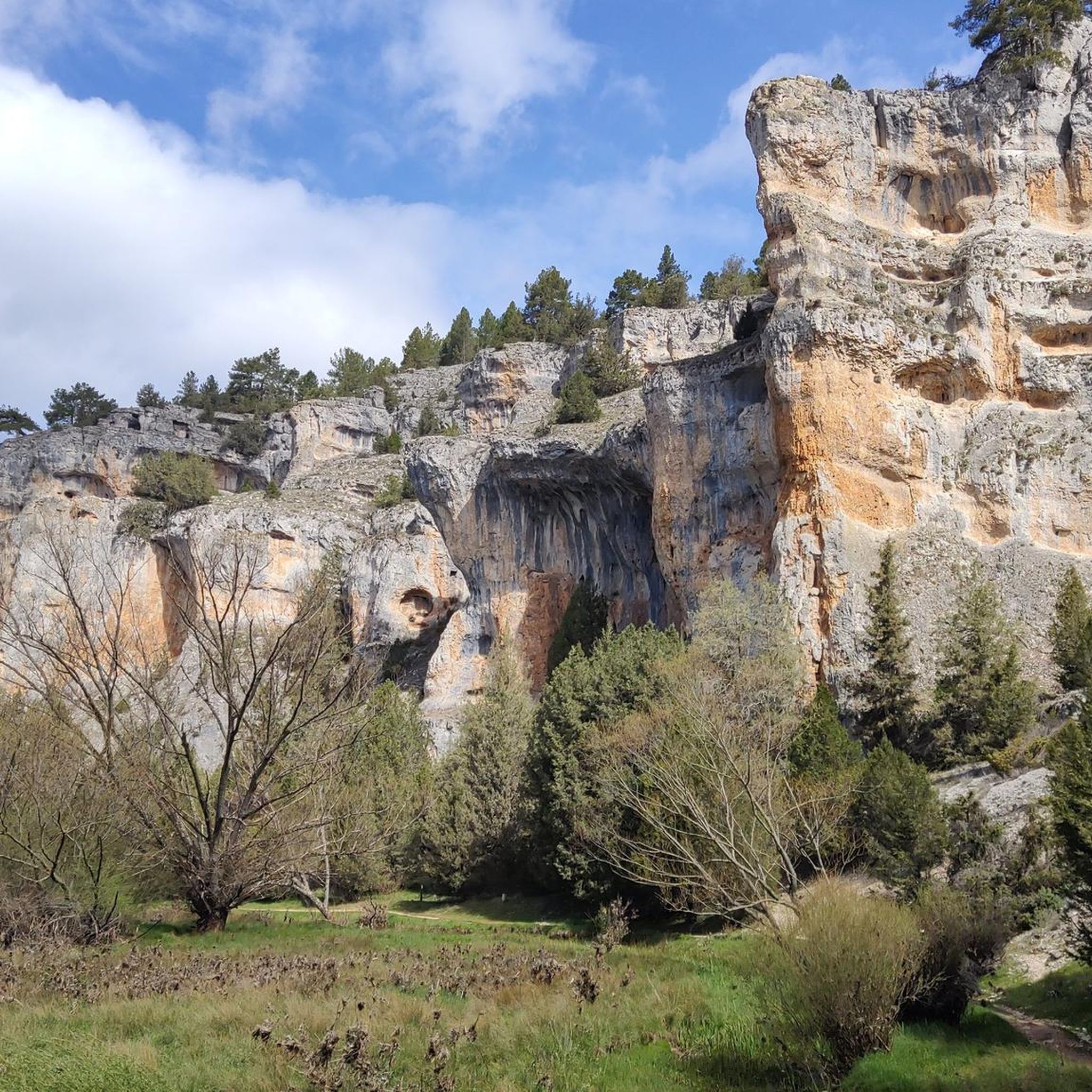
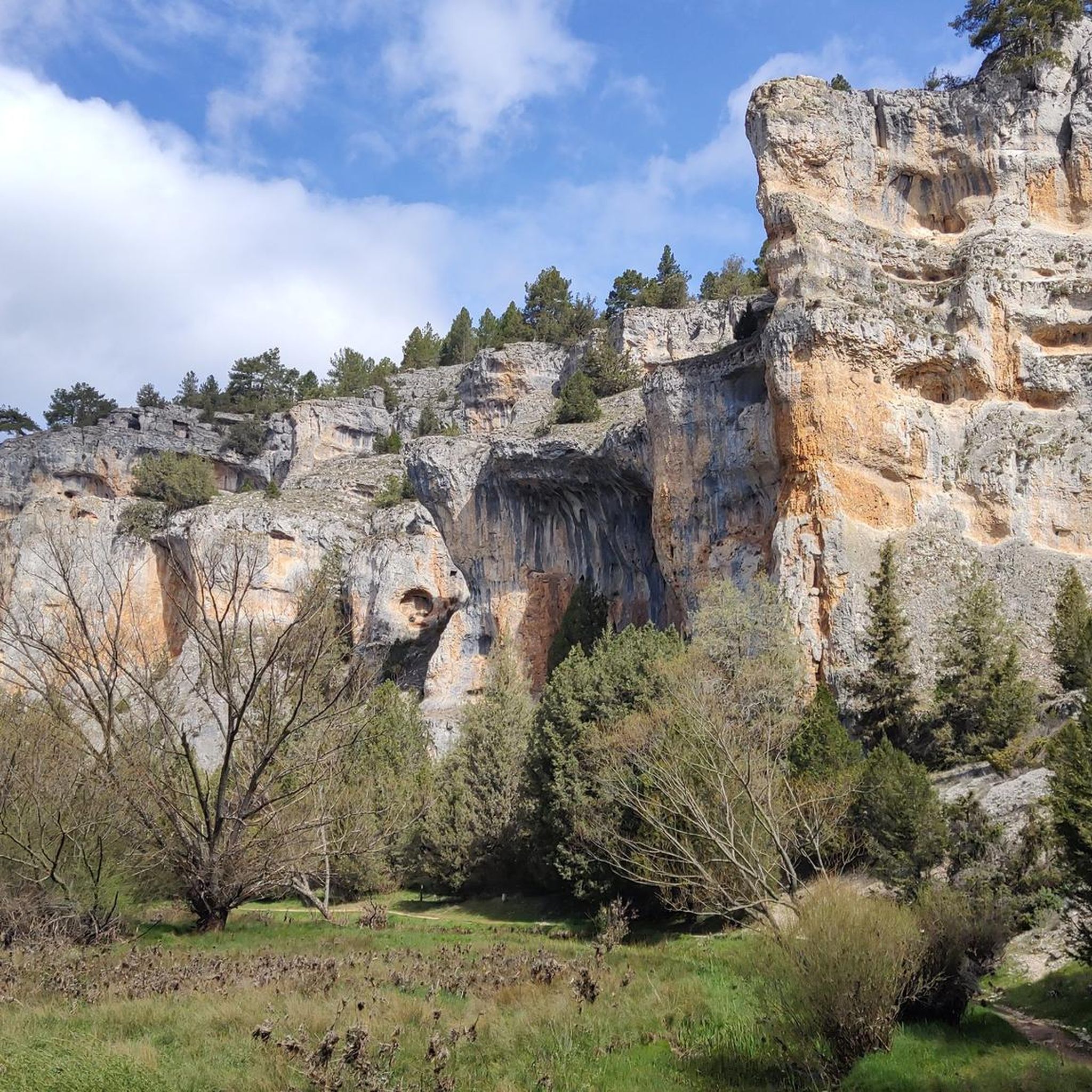
Cueva Grande (Río Lobos Canyon)
Highlight • Cave
Translated by Google •
Tip by

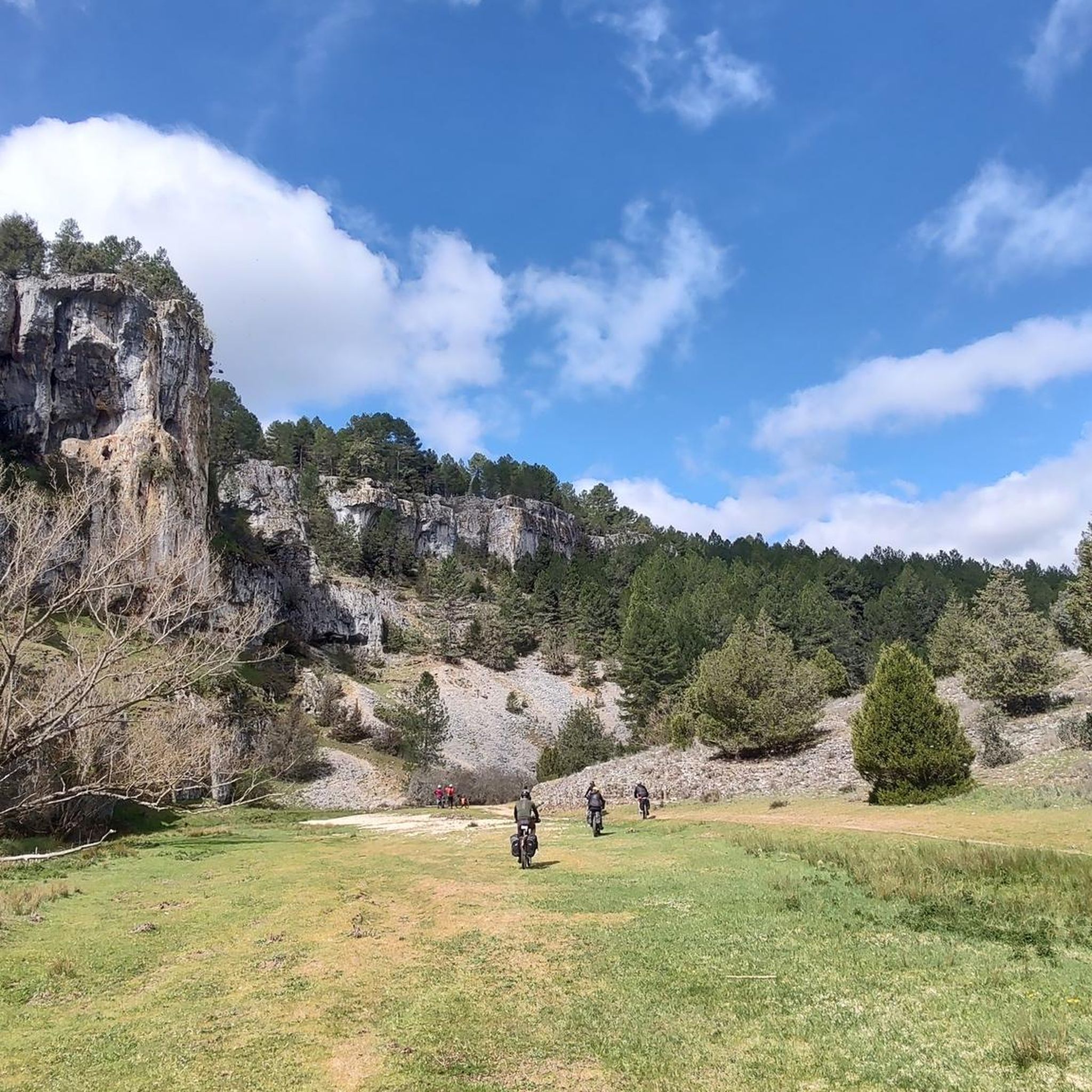
Entrance Trail to Cañón del Río Lobos from Casarejos (GR-86)
Highlight (Segment) • Trail
Translated by Google •
Tip by

Sign up now to discover places like this
Get recommendations on the best single tracks, peaks, & plenty of other exciting outdoor places.
Sign up for free
Devil's Eye (Natural Rock Arch)
Highlight • Natural Monument
Translated by Google •
Tip by

View of the Hermitage of San Bartolomé from Cueva Grande
Highlight • Cave
Translated by Google •
Tip by
La Torca Ancha
Highlight • Cave
Translated by Google •
Tip by
Sign up for free to discover even more caves around Santa María De Las Hoyas.
Sign up for free
Already have an account?
Start today with a free account
Your next adventure awaits.
Login or Signup
Popular around Santa María De Las Hoyas

Tips from the Community

Spectacular area for hiking routes
0
0
The LOBOS River canyon is worth visiting
0
0
The large cave, a large cavity in an idyllic landscape, which is the surroundings of the hermitage of San Bartolomé
0
1
The number of times I've climbed up there
0
0

Impressive cave created by nature over millions of years
1
0
A geological peculiarity: a chasm of considerable depth in the middle of the landscape. That's why it's fenced in
1
1

Very interesting and beautiful descent into the Lobos River canyon from San Leonardo.
0
0

In my case I used it to get out of the Canyon. In some sections you have to put your feet on the ground because the stones (pebbles) make it impossible for you to continue, but it is very very beautiful and cool.
0
0
Frequently Asked Questions
What unique geological features can I explore around Santa María De Las Hoyas?
The region is rich in karstic formations. Beyond the caves, you can discover natural rock arches like the impressive Devil's Eye (Natural Rock Arch), a natural window carved into the rock within the Cañón del Río Lobos. The area also features dramatic limestone cliffs and gorges, such as the Hoz de Orillares Gorge and Caves, where the Pilde River has created a small canyon with several caves and a natural tunnel.
Are there any historical or legendary caves in the area?
Yes, Cueva Grande (Río Lobos Canyon), located near the Templar Hermitage of San Bartolomé, is surrounded by numerous legends and has been a setting for reports and films. Additionally, the Cueva de Covalagua, mentioned in regional history, served as a refuge during the Spanish Civil War.
What outdoor activities can I combine with visiting the caves?
The Cañón del Río Lobos Natural Park offers extensive opportunities for outdoor activities. You can find numerous hiking trails, including those that lead through canyons and past caves. The area is also popular for road cycling and mountain biking, with routes exploring the diverse landscape.
Are there any family-friendly cave experiences around Santa María De Las Hoyas?
While some caves require specific caving experience, many areas within the Cañón del Río Lobos Natural Park are accessible for families. The Hoz de Orillares Gorge and Caves, for instance, offers a picturesque setting with a river-carved canyon and caves that can be explored as part of a scenic walk, suitable for families.
What kind of wildlife can be observed near the caves?
The Cañón del Río Lobos Natural Park is home to diverse wildlife. Notably, the upper part of the Hoz de Orillares Gorge hosts a large colony of griffon vultures, which can often be seen nesting on the rock walls, adding a unique wildlife viewing aspect to your visit.
Do I need permits for speleology or caving in the region?
For advanced speleology in certain caves within the Cañón del Río Lobos Natural Park, permits may be required, especially for more challenging or protected sites. It's advisable to check with local park authorities or caving associations in Soria for the most current regulations regarding access and permits before planning your trip.
What is the best time of year to visit the caves and surrounding natural park?
The Cañón del Río Lobos Natural Park, including its caves, is generally pleasant to visit during spring and autumn when temperatures are milder and the natural scenery is vibrant. Summer can be warm, but the shade of the canyons and the cooler cave interiors offer respite. Winter visits are possible but may involve colder temperatures and potentially more challenging trail conditions.
Are there any challenging cave formations for experienced cavers?
Yes, for experienced cavers, the region offers more challenging formations. For example, La Torca Ancha is a notable geological peculiarity, a 20-meter deep chasm (sima) that is fenced for safety. The area's karstic terrain includes various caves and sinkholes that cater to different levels of caving expertise.
What should I wear or bring when exploring caves and gorges in Santa María De Las Hoyas?
When exploring the caves and gorges, it's recommended to wear sturdy hiking shoes with good grip, as terrain can be uneven and slippery. Layers of clothing are advisable due to temperature changes between outside and inside caves. For deeper or darker caves, a headlamp or flashlight is essential. Always carry water, snacks, and a map or GPS device for navigation within the natural park.
What do visitors enjoy most about the caves and natural attractions in this area?
Visitors frequently appreciate the dramatic natural beauty and peaceful atmosphere of the Cañón del Río Lobos. The impressive size of caves like Cueva Grande, the unique formations like the Devil's Eye, and the opportunity to observe griffon vultures in their natural habitat at places like Hoz de Orillares Gorge are often highlighted as memorable experiences.
Are there any less-known caves or trails that offer a unique experience?
While the main highlights are popular, the Entrance Trail to Cañón del Río Lobos from Casarejos (GR-86) offers a beautiful and often less crowded path into the canyon. This trail features its own caves and scenic routes, providing a fantastic experience away from the busiest spots.
Most popular routes around Santa María De Las Hoyas
Most popular attractions around Santa María De Las Hoyas

Get inspired with the komoot mobile app


Explore more
Extend your search for the best caves by checking out these guides of the top ones around Santa María De Las Hoyas:
