Top 2 Castles around Vidrà
Best castles around Vidrà are found in the Osona region of Catalonia, Spain, an area characterized by its historical sites and natural landscapes. The municipality of Vidrà and its surroundings feature medieval fortifications, often positioned on strategic high-altitude locations. These sites offer views of the natural environment, including forests and valleys. Exploring these castles provides insight into the region's medieval past and its historical significance.
Best castles around Vidrà
- The most popular castle is Montesquiu Castle, a castle that is a recently restored medieval fortification. Built during the 13th century, it formed a defensive triangle with other regional castles.
- Another must-see spot is Besora Castle, a historical site with ruins of a castle and the Romanesque church of Santa María. Located on a hill at more than 1000 meters above sea level, it offers 360º panoramic views.
- Visitors also love Castillo de Milany, a castle ruin situated at an altitude of 1,529 meters. This historical site is notable as one of the highest-built castles in Catalonia and offers extensive views.
- Vidrà is known for its medieval castle ruins and restored fortifications. The area offers a variety of historical sites to explore, from well-preserved structures to ancient fragments.
- The castles around Vidrà are appreciated by the komoot community, with 1 highlight and 43 photos shared by visitors.
Last updated: August 13, 2026
Montesquiu Castle
Highlight • Castle
Showing Translation
Tip by

Besora Castle
Highlight • Castle
Translated by Google •
Tip by

Sign up now to discover places like this
Get recommendations on the best single tracks, peaks, & plenty of other exciting outdoor places.
Sign up for free
Castle of Torelló
Highlight • Castle
It is clearly visible from the whole Torelló valley and also from the Ter valley, which runs along its western side, as its hill, 781 meters high, is the highest point of the small ridge that separates the lower course of the Ges valley, from the Ter valley. Seen from the side of Torelló, the hill seems lower because it is the backdrop of the Bellmunt mountain range, but if you approach it, you will notice the excellent conditions of defense that it had, and that they were being the main reason why, in very distant times, this place was chosen to build a castle.
It is a building declared a cultural asset of national interest.
Translated by Google •
Tip by

Castillo de Milany
Highlight • Castle
Translated by Google •
Tip by

Orís Castle
Highlight • Castle
In spite of being so broken up and damaged, the ruins of Orís Castle, strategically located close to the cliff of its cut cliff, still allow us to read old structures and are a wide field for the imagination.
In its remains, at least four well-differentiated periods of construction stand out. In the west-southern corner you can see the remains of walls and the floor plan of the chapel of Sant Pere, from the Romanesque period, probably from the s. XII; towards the east, protected by a late Gothic wall, there is a large chamber, half buried, with a pointed vault of primitive Gothic type; and the highest and well-preserved wall, on the tramuntana side, shows several periods of construction that extend from the 15th to the 17th century.
The ensemble of the ruins shows a grandeur that is still present in the midst of the present prostration; on the other hand, you can enjoy a superb view of a large part of the region.
Currently the remains are protected with fences which gives you an unpleasant feeling of being caged.
Translated by Google •
Tip by
Start today with a free account
Your next adventure awaits.
Login or Signup

Tips from the Community

The ruins of the Besora castle and the Romanesque church of Santa María are located on a hill at more than 1000 meters above sea level. It is worth calmly exploring each of its corners and enjoying the beautiful views.
2
0


A few months ago I covered the route from the R 3 train station, from Farga de Bebié to Montesquiu Castle and back to Sant Quirze de Besora Pueblo de la Ratafía: It is approximately 5 km. It is worth it, it is a very beautiful route.
2
0

The castle of Montesquiu, in the region of Osona, is a beautiful example of a recently restored medieval fortification. Built, surely, during the 13th century, it formed a defensive triangle together with the castles of Besora and Saderra.
3
0

Fantastic castle that is worth visiting
2
0

It first appears in documents from 1285, listed as a fortified house that would later be named a castle. Initially, it was known as the castle of Colobrer and later, of Montesquiu. Its origin probably lies in the enclave where a guard tower, commissioned by Count Guifré (el Pilós) in the 11th century, once stood. In the 14th century, it became a fortified residence, and in the 16th century, the castle was expanded and fortified. However, it wasn't until the early 20th century that it was reformed to give it the appearance it has today.
0
0

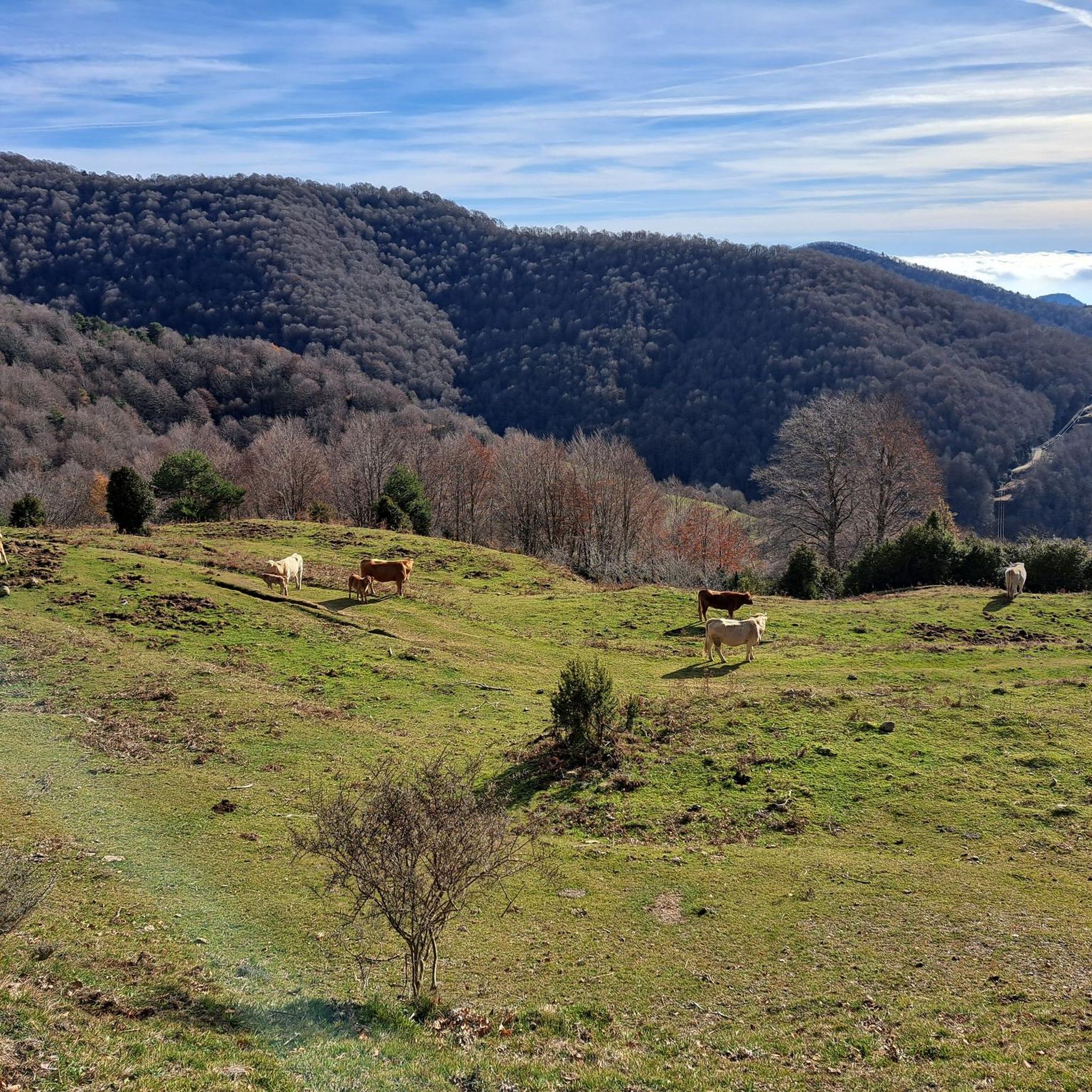
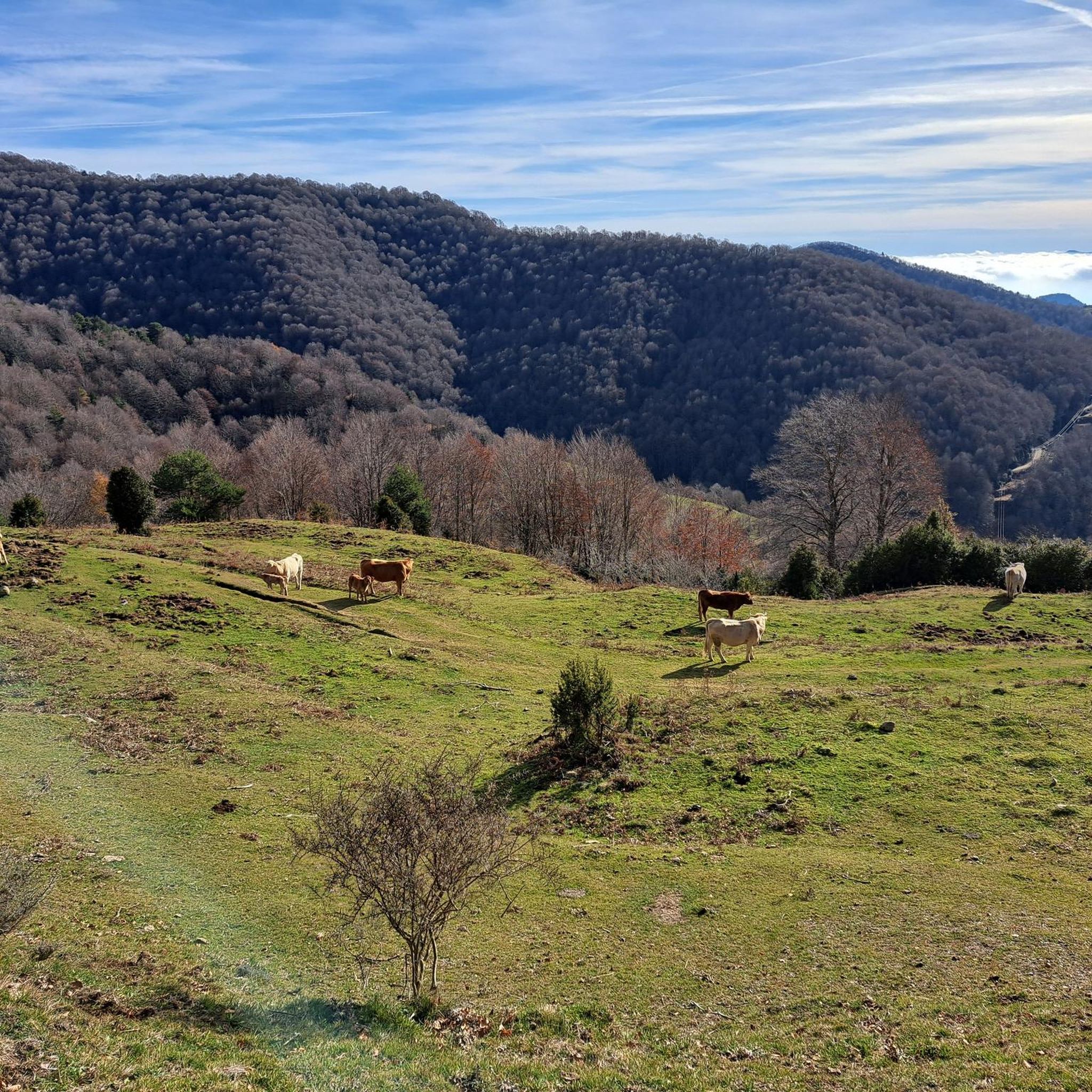
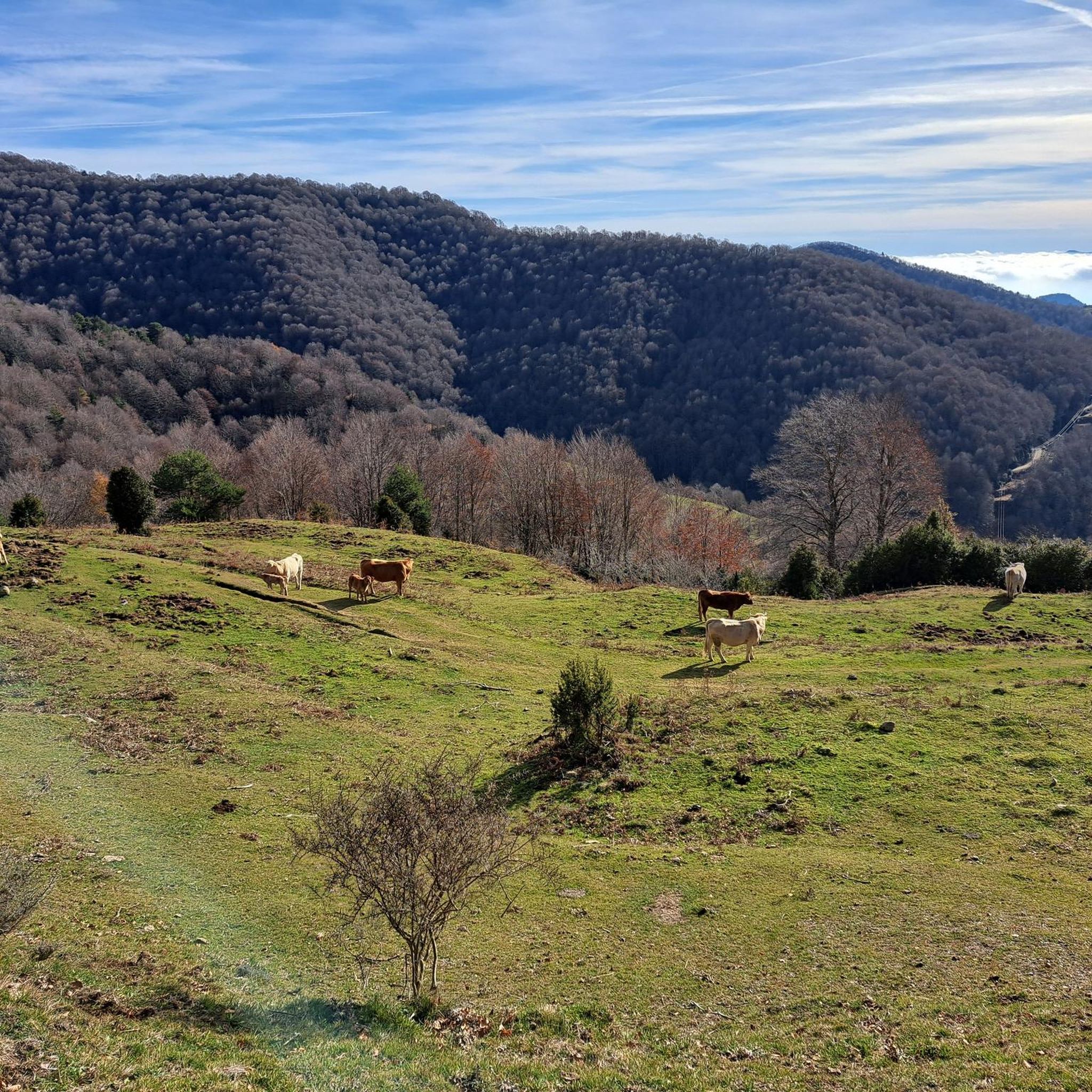
Milany Castle is a castle on top of Milany. This is the Catalan castle built at a higher height, specifically at 1,529 meters.
2
0

All that remains of the castle are badly damaged fragments of walls. The only clearly visible remains are those of the castle's church, dedicated to Santa Maria, and which allow us to see that it was a construction of a nave topped to the east by a semicircular apse. The nave and the apse, preceded by a presbytery section, were covered by barrel vaults. As for the remains of the castle itself, you can see the remains of the closing wall in the northern area of the hill, around the area of access and entrance to the castle. In this same northern area, remains of several rooms of the castle appear. A possible cistern is also located in this sector. In the central part, there would be a pool, documented during the excavation work of the 2006-2010 campaigns. In the southern area, close to the precipice, there are also very eroded fragments of the closing wall. We enjoy a fantastic 360º panorama.
2
0
Frequently Asked Questions
What makes the castles around Vidrà unique?
The castles in the Vidrà area are primarily known for their strategic high-altitude locations and historical significance as defensive structures. For example, Castillo de Milany is notable as one of the highest-built castles in Catalonia, offering a unique blend of history and breathtaking natural scenery from its elevated position.
Which castles offer the best panoramic views?
Several castles in the region provide spectacular vistas. Castillo de Milany, situated at over 1,500 meters, offers extensive views of the surrounding natural beauty. Similarly, the ruins of Besora Castle provide a fantastic 360º panorama from its hill at over 1,000 meters above sea level. Orís Castle also boasts a superb view that justifies the ascent.
What is the historical significance of the castles in the Vidrà area?
The castles in the Vidrà area, such as Castillo de Milany, played crucial roles as frontier defenses and centers of local power. Milany, dating back to 962, was vital for protection and justice, marking the border between the counties of Besalú and Ausona. Montesquiu Castle, built in the 13th century, formed part of a defensive triangle, highlighting the region's strategic importance in medieval times.
Are there hiking trails to reach the castles around Vidrà?
Yes, many castles in the Vidrà area are best accessed via hiking trails, offering an immersive experience in nature. For instance, reaching Castillo de Milany involves a journey through forests, and its high elevation makes it a challenging but rewarding hike. You can find various routes, including a moderate 'Castell de Milany Loop from Vidrà' for mountain biking, in the MTB Trails around Vidrà guide.
What outdoor activities can I combine with a castle visit near Vidrà?
The Vidrà region is ideal for combining castle visits with various outdoor activities. Hiking and mountain biking are popular, with trails leading to many castle sites. For example, you can explore routes like 'Puigsacalm Summit – Collada de Collfred loop from Vidrà' for a challenging experience, or 'Bellmunt Trail – Bellmunt Sanctuary loop from Sant Pere de Torelló' for a moderate ride. Find more options in the MTB Trails around Vidrà and Traffic-free bike rides around Vidrà guides.
Are the castles around Vidrà suitable for families?
Yes, some castles are considered family-friendly. Montesquiu Castle is listed as a family-friendly highlight, offering a beautiful and recently restored medieval fortification that can be enjoyed by all ages. When planning, consider the accessibility and difficulty of the trails leading to other castle ruins, as some may involve more challenging terrain.
What kind of terrain can I expect when visiting castles in the Vidrà region?
The terrain around Vidrà's castles is often mountainous and can be challenging, especially for those located at higher altitudes. Expect rocky outcrops, forest paths (beech and oak), and significant elevation changes. For instance, Castillo de Milany is on a rocky outcrop at 1,529 meters, and Besora Castle is on a hill over 1,000 meters high. Many routes are classified as intermediate to challenging.
Can I see Romanesque architecture at any of the castles?
Yes, you can. The ruins of Besora Castle include the Romanesque church of Santa María, where you can clearly see the remains of a nave topped by a semicircular apse. At Orís Castle, the remains of walls and the floor plan of the chapel of Sant Pere from the Romanesque period (likely 12th century) are visible in the west-southern corner.
What do visitors enjoy most about the castles in the Vidrà area?
Visitors frequently highlight the historical atmosphere and the stunning natural surroundings. The opportunity to explore ancient ruins like Besora Castle and enjoy a fantastic 360º panorama is a major draw. The journey to these sites, often through beautiful landscapes, is also a cherished part of the experience, connecting visitors with both medieval history and the region's natural heritage.
What is the best time to visit the castles around Vidrà?
The best time to visit generally depends on your preferred activities. Spring and autumn offer pleasant temperatures for hiking and exploring the castle ruins, with vibrant foliage or blooming nature. Summer can be warm, but the higher altitude castles like Castillo de Milany might offer cooler conditions. Winter visits are possible but be prepared for colder weather and potential snow at higher elevations, which can add a dramatic beauty to the landscape.
Are there any less-known castles worth exploring near Vidrà?
While Castillo de Milany is the most prominent castle directly within Vidrà, the broader region offers other significant historical sites. Castle of Torelló, for example, is a massive circular tower on a marly hill, declared a cultural asset of national interest, offering excellent defensive conditions and historical insight into the valley's past.
Most popular attractions around Vidrà

Get inspired with the komoot mobile app


Explore more
Looking for the best castles somewhere else? Discover other guides around Vidrà:
