Top 11 Castles around Sant Mori
Best castles around Sant Mori are found within the Alt Empordà region of Girona, Catalonia. This area is characterized by its historic villages and significant architectural heritage. The municipality of Sant Mori itself is home to a notable fortress, the Sant Mori Castle, which anchors a medieval urban layout. Visitors can explore a blend of historical sites and well-preserved structures that reflect centuries of regional history.
Best castles around Sant Mori
- The most popular castles is Verges — Medieval Village…
Last updated: October 7, 2026
Church of Sant Martí d'Empúries
Highlight • Religious Site
Translated by Google •
Tip by

Cinc Claus Village and Castle
Highlight • Castle
Translated by Google •
Tip by

Sign up now to discover places like this
Get recommendations on the best single tracks, peaks, & plenty of other exciting outdoor places.
Sant Martí del Far Church and Castle
Highlight • Historical Site
Translated by Google •
Tip by
Sant Morí Castle
Highlight • Castle
Translated by Google •
Tip by
Bellcaire Castle
Highlight • Castle
Translated by Google •
Tip by

Sign up for free to discover even more castles around Sant Mori.
Already have an account?
Start today with a free account
Your next adventure awaits.

Tips from the Community

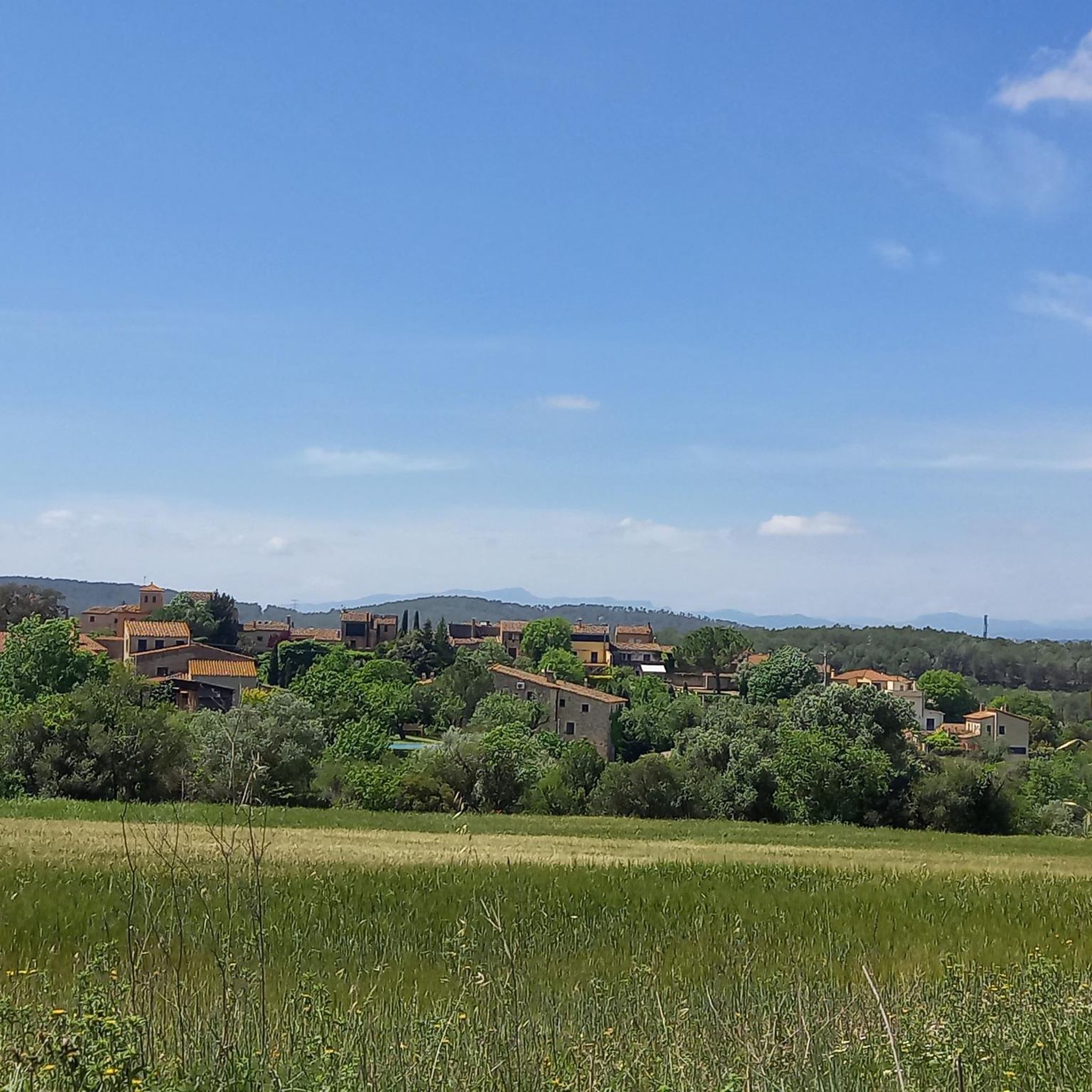
This village could be the set of a nice western movie. It is super small but has a lot of character. It’s all gravel you’ll find here.
0
0

Small but beautiful municipality
0
0
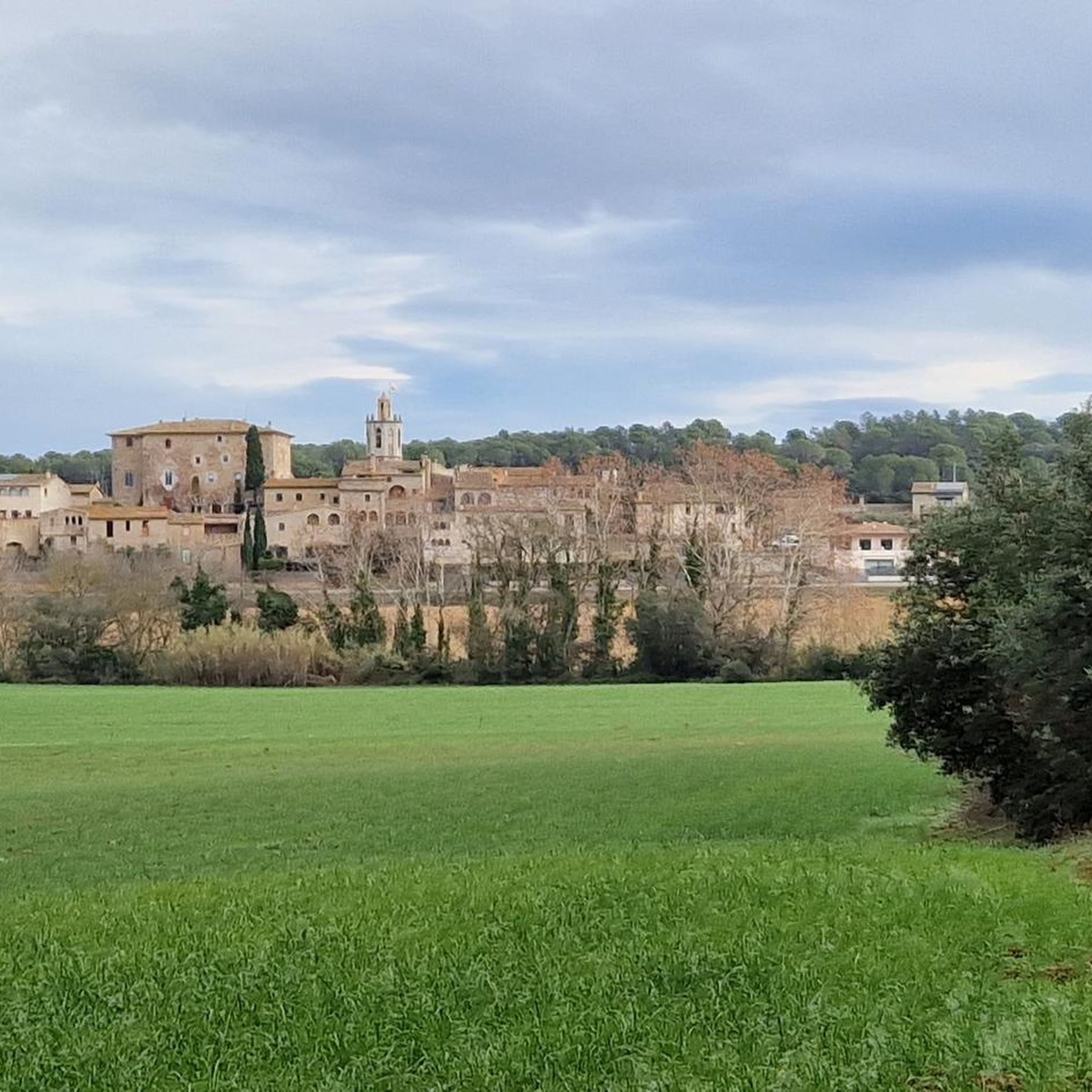
Beautiful castle in the middle of this little village. Surrounded by beautiful small streets and lots of characteristic houses.
0
0

Very nice little place.
2
0


The temple of Sant Martí del Far, located at the highest part of the town, was part of the castle built at the end of the s. XIII. It is a single nave church with a rectangular apse. The vault of the nave is pointed and followed, the presbytery has the same shape. The cover, located to the west, has three semicircular arches in gradation, lintel and smooth tympanum. The most remarkable element of this facade is the upper half-point arched window, of large dimensions and with saw-tooth decoration. A saddle bell tower with two semicircular arches and an upper corsair supported by nine corbels complete this facade. The walls of the apse rise above the level of its vault. In this area, on the roof, a set of long loopholes opens around this rectangular apse. The upper part of the wall is finished by a corsera formed by small pointed arches. The fortification of the apse and that of the bell tower on the front are from the same period as the rest of the temple; on the other hand, on the side walls of the nave are raised stone walls finished with rectangular battlements that correspond to a late reform, possibly from the 18th century. On each of the side walls of the nave there are also five gargoyles and in the apse we find four with a very simple decoration. The entire church presents a set of well-spaced ashlars that form perfectly consecutive rows. In the upper part of the apse where the loopholes open there is a frieze made up of three rows of ashlars of a darker color that stands out within the monument as a whole. The church of Sant Martí del Far has been documented since the 13th and 14th centuries. It seems that it was rebuilt during the 13th century, when the Count of Empúries had the castle built. It is a Romanesque temple that indicates the transition to the Gothic style.”
0
0
https://www.youtube.com/watch?v=oi0HgiBDuF0The imposing building that we can see today was built in the 15th century on the remains of a medieval castle documented since 1149 and that in the century XIII was owned by Bernat de Creixell. Historians do not agree on whether the monastery of Sant Miquel de Fluvià had the superior lordship. In any case, we know that the Creixells passed by marriage to the Vilaguts and from these to the Rocabertís, already in the 15th century. It was at that time when the first major transformation of the castle took place and when Queen Joana Enríquez, mother of Ferdinand the Catholic, settled there for a while. Since then it has been in the hands of the descendants of Pere de Rocabertí, the Cardona-Rocabertí and then the Sentmenat and the Moxó. Maria Mercè de Sentmenat i de Patiño received the title of Marchioness of Sant Mori in 1893. The castle is located in the middle of the town. It is configured as a large massive block, rectangular in plan, with a central courtyard. The main portal is dovetailed and on the facades there are several bigeminated crown windows, decorated with noble coats of arms, one of which shows the fleurs-de-lis of the Vilagut. Other windows are the result of modern restoration. swIf you want, you can rent it for rooms or weddings... https://www.airbnb.es/rooms/30806789?adults=1&children=0&enable_m3_private_room=true&infants=0&pets=0&check_in=2024-02-29&check_out=2024-03-05&source_impression_id=p3_1704139137_peqk24%2FuplIlvbBN&previous_page_section _name=1000&federated_search_id=8a9627cf-4904-4024- 9e09-702153ebb233
3
0
This church, of medieval origin, is part of the most important architectural heritage of the old town of Sant Mori, along with the Sant Mori Castle and other historical buildings. The church is an outstanding testimony of the history and architecture of the area, reflecting the rich cultural heritage of the town.
5
0
Frequently Asked Questions
What is the most historically significant castle in Sant Mori?
The most historically significant castle is the Sant Morí Castle, also known as Rocabertí Castle. Originally built in the 15th century on earlier foundations, it was significantly remodeled in the 16th century, giving it its distinctive Gothic-Renaissance character. Queen Juana Enríquez, mother of Ferdinand the Catholic, resided here and convened the Parliament in 1466. It has been continuously owned by the same family since the 15th century and is a cultural asset of national interest.
Are there any family-friendly castles to visit near Sant Mori?
Yes, several castles and medieval sites in the area are suitable for families. Sant Morí Castle is listed as family-friendly. Additionally, the Verges — Medieval Village offers a charming experience with its preserved walls and winding streets, perfect for exploration. Bellcaire Castle is also noted as family-friendly.
What kind of architecture can I expect to see in the castles around Sant Mori?
The castles around Sant Mori showcase a blend of architectural styles, primarily Gothic-Renaissance. Sant Morí Castle is a prime example of this, with its central courtyard, stone ashlars, and restored geminated windows. You'll also find Romanesque elements, particularly in churches integrated into castle structures, such as the Sant Martí del Far Church and Castle, which shows a transition from Romanesque to Gothic.
Can I find castle ruins or less crowded historical sites in the area?
While many castles are well-preserved, you can explore sites like the Verges — Medieval Village, where parts of its ancient wall and castle are still preserved, offering a glimpse into its past. The Historic centre of Vilaür also retains parts of its medieval wall integrated into later constructions, providing a less crowded historical experience.
Are there hiking trails near the castles around Sant Mori?
Yes, the region offers various hiking opportunities. You can find several routes, such as the 'Sant Morí Castle – San Mori loop from Sant Mori' which is a moderate 7.6 km hike. For more options, explore the Hiking around Sant Mori guide, which includes trails like the 'Fluvià Cycling Route' and 'San Mori – Siurana loop from Sant Mori'.
What other outdoor activities are available near Sant Mori's castles?
Beyond hiking, the area is excellent for road cycling and running. You can find numerous routes in the vicinity. For road cycling, consider the Road Cycling Routes around Sant Mori guide, featuring challenging loops like 'Sant Pere Pescador – Cadaqués'. Runners can explore trails listed in the Running Trails around Sant Mori guide, such as the 'Vilajoan loop'.
What is the best time of year to visit the castles in the Sant Mori area?
The best time to visit the castles and explore the region is generally during the spring (April to June) and autumn (September to October). During these seasons, the weather is pleasant for walking and outdoor activities, and the crowds are typically smaller than in the peak summer months. Winter visits are also possible, offering a quieter experience, though some amenities might have reduced hours.
Is public transport available to reach the castles near Sant Mori?
Information on specific public transport routes directly to each castle is limited. Sant Mori is a small municipality, and while local buses might connect to larger towns, reaching individual castles often requires a car or a combination of public transport and walking. It's advisable to check local bus schedules for connections to Sant Mori village and plan accordingly.
Are there any cafes or restaurants near the castles in Sant Mori?
Sant Mori village, where Sant Morí Castle is located, offers local amenities including cafes and restaurants. For other castles like Bellcaire Castle, which houses the town hall, you will find dining options within the respective villages. Exploring the historic centers of these villages will lead you to local establishments.
What makes the Sant Morí Castle unique compared to others in the region?
Sant Morí Castle is unique for its exceptional state of preservation, largely due to its continuous ownership by the same family since the 15th century. It stands as a remarkable example of Gothic-Renaissance architecture and played a direct role in Catalan history by hosting Queen Juana Enríquez and the Parliament. It also functions as a luxury rental, offering a unique opportunity to experience living within a historic fortress.
How long should I allocate to visit the castles around Sant Mori?
To fully appreciate the history and architecture, you should allocate at least 1-2 hours for each major castle like Sant Morí Castle or Bellcaire Castle. If you plan to explore the medieval villages like Verges or Vilaür, allow for half a day to wander through the streets and soak in the atmosphere. A full day or more would be ideal to visit multiple sites and enjoy some of the nearby hiking or cycling routes.
Most popular routes around Sant Mori
Most popular attractions around Sant Mori

Get inspired with the komoot mobile app


Explore more
Looking for the best castles somewhere else? Discover other guides around Sant Mori:
