Top 6 Caves around Torroja Del Priorat
Best caves around Torroja Del Priorat are primarily found within the wider Priorat region, an area recognized for its natural beauty and historical depth. While Torroja Del Priorat itself is known for its wine cellars, the surrounding municipalities offer significant natural caves and rock shelters. These sites provide insights into ancient human settlement and geological formations. The region's terrain features varied landscapes, from mountainous areas to river valleys, contributing to the formation of these underground features.
Best caves around Torroja…
Last updated: July 4, 2026
Ermita de Santa Magdalena d'Ulldemolins
Highlight • Religious Site
Translated by Google •
Tip by

Clot del Cirer
Highlight • Natural Monument
Translated by Google •
Tip by
Sign up now to discover places like this
Get recommendations on the best single tracks, peaks, & plenty of other exciting outdoor places.
Sign up for free
Cova Santa
Highlight • Cave
Translated by Google •
Tip by

Santa Llúcia Hospital Cave
Highlight • Cave
During the Civil War, the space became the hospital for the military units made up of republican volunteers who fought in the Battle of the Ebro.
Translated by Google •
Tip by

Cova de l'Os
Highlight • Cave
Translated by Google •
Tip by
Sign up for free to discover even more caves around Torroja Del Priorat.
Sign up for free
Already have an account?
Start today with a free account
Your next adventure awaits.
Login or Signup

Tips from the Community

Deep cave with wide chambers. Strong flashlight recommended.
0
0

Nice corner that invites you to silence and meditation
0
0

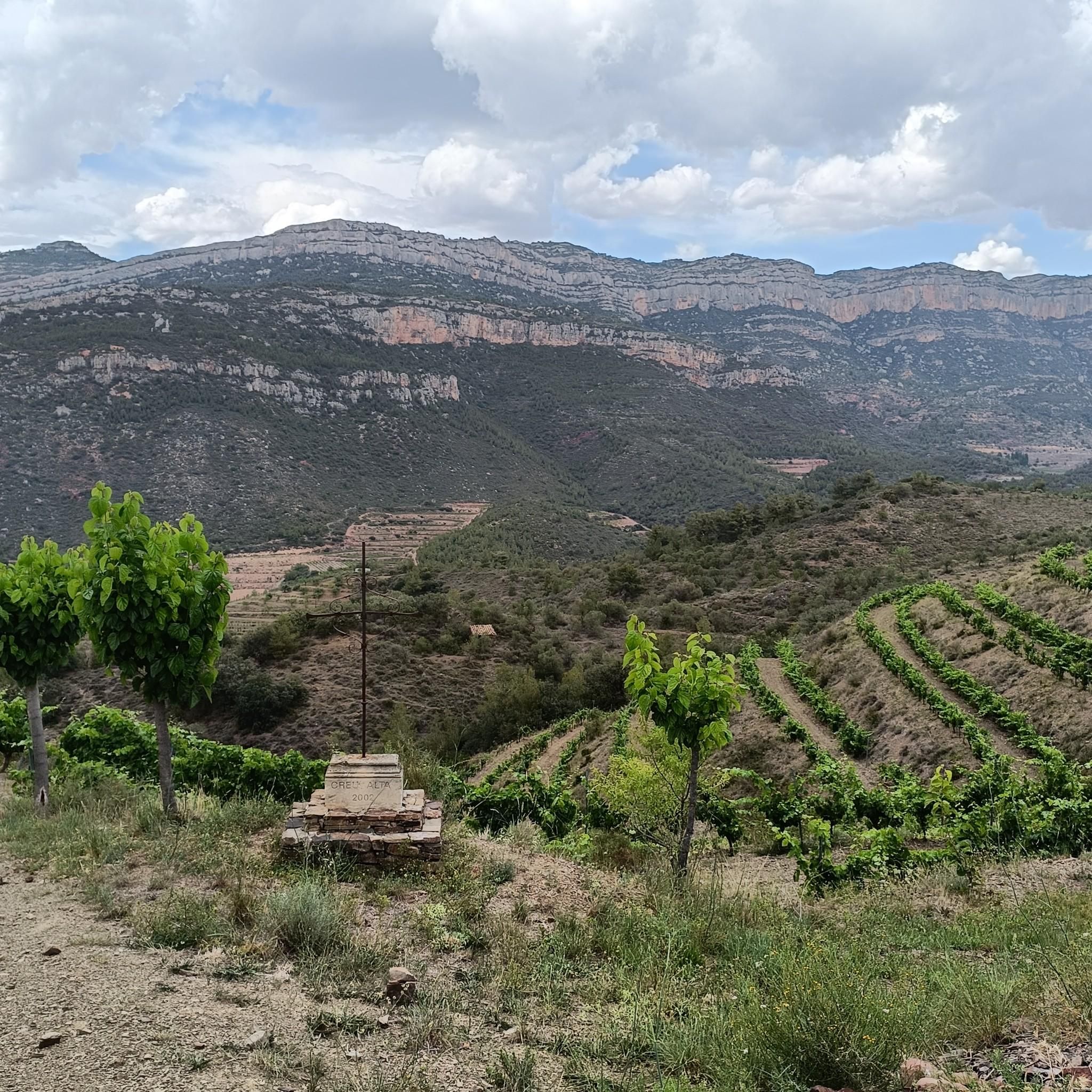
The hermitage of Santa Magdalena d'Ulldemolins is also known as the Montsant cathedral for its Renaissance style. Although it was built in the 16th century, it was not until the 18th century when it was opened to worship and was equipped with an altarpiece that was destroyed in 1936.
0
0

It is worth visiting to remember the tragedy of the Spanish civil war
0
0

Near the town of La Bisbal de Falset is the cave of Santa Llúcia. During the Civil War, the space became the hospital for the military units made up of republican volunteers who fought in the Battle of the Ebro.
3
0

The hospital cave of Santa Llúcia, near the town of La Bisbal de Falset (Priorat), is a wide and shallow cave, used by man since ancient times, which took on a very important role during the Spanish Civil War by becoming a hospital for the International Brigades that fought, in the summer of 1938, in the Battle of the Ebro. https://ca.wikipedia.org/wiki/Cova_hospital_de_Santa_Ll%C3%BAcia
0
1

Balma wide but not very suitable for bivouac due to the humidity and the large amount of vegetation that is found. In case of emergency it can be used as a shelter. It has the remains of a stone wall, which suggests that at some point it was used for human or livestock use.
0
0
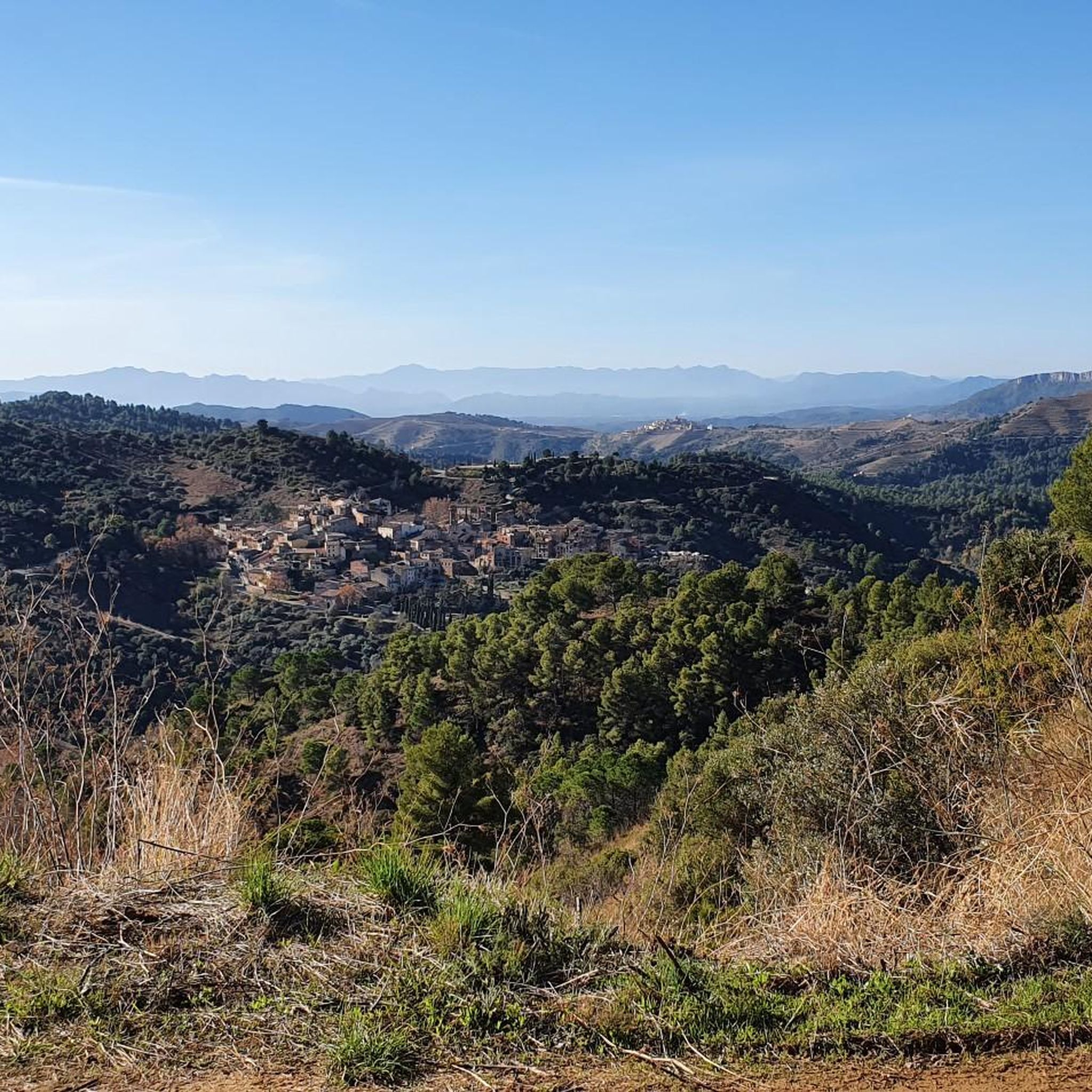
This corner of Montsant is one of the emblematic places of the Natural Park. It is located in the heart of the mountains and can be reached from La Morera de Montsant, either by the Grau de Salfores, or by the Grau de la Grallera towards the Piló dels Senyalets, and from both points to the Pi del Cugat , where you have to take a path that goes down to the Clot. It is an oasis of greenery in the middle of the arid Serra Major, as there is usually water all year round. Contrary to many people's beliefs, in the middle of nowhere, there is a walnut tree, not a cherry tree. The cherry tree that gave the place its name died years ago and a walnut tree was planted in its place. In the past, shepherds used to bring their flocks to drink, and the drinking troughs they prepared for their flocks are still preserved.
0
0
Frequently Asked Questions
What are some of the most unique natural caves to explore near Torroja Del Priorat?
While Torroja Del Priorat is known for its wine cellars, the wider Priorat region offers several significant natural caves. Notable examples include Clot del Cirer, an oasis with year-round water, and Cova Santa, a deep cave with wide chambers. The Cova de la Taverna in Margalef is also unique as a subterranean stream section with ancient rock art.
Are there any caves with historical significance in the Priorat region?
Yes, the region has several historically significant sites. The Santa Llúcia Hospital Cave (Cova de Santa Llúcia) near La Bisbal de Montsant served as a field hospital during the Spanish Civil War, and flint tools found there suggest human settlement during the Upper Paleolithic. The Cova de la Taverna in Margalef also features a recently discovered Paleolithic deer engraving, considered the oldest rock art in Catalonia.
Can I visit former mining sites near Torroja Del Priorat?
Absolutely. The Mines de Bellmunt del Priorat offer a unique underground experience. This former lead mine complex, particularly the Eugènia mine, was a major mining center. Visitors can explore part of the first level, about 35 meters underground, and learn about the region's industrial heritage through guided tours. Advance booking is recommended.
Which caves are suitable for beginners or those new to caving?
La Cova de la Taverna near Margalef is considered suitable for introductory caving due to its relatively easy route. It's a subterranean section of a stream, and while marked, it's advisable to bring headlamps and consider going with experienced individuals, especially after heavy rains.
What should I bring when exploring caves in the Priorat region?
For caves like Cova Santa, a strong flashlight is highly recommended due to its depth and wide chambers. For the Cova de la Taverna, headlamps are essential, and while steps and ropes are installed in critical sections, appropriate footwear and a sense of adventure are key.
Are there family-friendly cave experiences available?
The Cova de Santa Llúcia (Santa Llúcia Hospital Cave) is a good option for families. Besides its historical significance, it features a potable water spring and municipal barbecues and stone tables, making it suitable for gatherings and a pleasant outing.
What kind of geological formations can I expect to see in the caves?
The caves in the Priorat region exhibit diverse geological features. For instance, the Cova de Santa Llúcia is a large conglomerate rock shelter. La Cova de la Taverna is a subterranean stream section with large clastic products. La Cova del Rector formed in the calcareous sediments of the Pradell mountain range, showcasing impressive size.
What outdoor activities can I combine with a visit to the caves?
The Priorat region offers a variety of outdoor activities. You can explore numerous hiking trails, go running, or enjoy gravel biking. Many routes traverse the beautiful landscapes surrounding the cave sites, offering opportunities to experience the region's natural beauty.
Are there hiking trails that lead to or are near these caves?
Yes, many caves are accessible via hiking trails. For example, Clot del Cirer can be reached from La Morera de Montsant via various paths. You can find detailed information on hiking routes around Torroja Del Priorat that may pass by or near these natural attractions.
What is the best time of year to visit the caves around Torroja Del Priorat?
The Priorat region generally enjoys a Mediterranean climate. Spring and autumn offer pleasant temperatures for exploring both above and below ground. While some caves like Cova de la Taverna are active after rainfall, making them more challenging, the cooler temperatures inside caves can be a welcome escape during hotter summer months.
Are there any caves that offer cultural events or performances?
Yes, La Cova del Rector in Pradell de la Teixeta is known for its impressive size and sometimes hosts cultural events and performances during the summer, particularly as part of the 'En Veu Alta' narrative festival. It's worth checking local event listings if you're interested in combining your visit with a cultural experience.
What makes <a href="https://www.komoot.com/highlight/3224462" target="_blank" rel="noopener">Clot del Cirer</a> a notable natural monument?
Clot del Cirer is an emblematic place within the Montsant Natural Park, known as an oasis of greenery where water is available year-round. Historically, shepherds used it for their flocks, and it offers a tranquil spot for silence and meditation amidst the arid Serra Major.
What is special about <a href="https://www.komoot.com/highlight/841724" target="_blank" rel="noopener">Cova Santa</a>?
Cova Santa is a beautiful and easily accessible cave characterized by its deep interior and wide chambers. Visitors often recommend bringing a strong flashlight to fully explore its impressive formations.
Most popular routes around Torroja Del Priorat
Most popular attractions around Torroja Del Priorat

Get inspired with the komoot mobile app


Explore more
Extend your search for the best caves by checking out these guides of the top ones around Torroja Del Priorat:
