Top 7 Castles around Cocentaina
Best castles around Cocentaina offer a journey through history in the municipality of Alicante, Spain. This region is characterized by its strategic location, with historical structures perched atop hills, providing panoramic views over the El Comtat county. The area combines cultural significance with natural landscapes, making it ideal for exploring ancient fortifications. Visitors can discover a blend of military and stately architecture, reflecting centuries of historical evolution.
Best castles around Cocentaina
- The most popular castles is View of Carrícola Castle…
Last updated: October 7, 2026
Barchell Castle
Highlight • Castle
Translated by Google •
Tip by

View of Castell de Cocentaina
Highlight • Castle
Translated by Google •
Tip by

Sign up now to discover places like this
Get recommendations on the best single tracks, peaks, & plenty of other exciting outdoor places.
View of Carrícola Castle
Highlight • Viewpoint
The Castillo de Carrícola rises on a rock above the …
Translated by Google •
Tip by

Castell de Penella
Highlight • Castle
Translated by Google •
Tip by

View of Cocentaina Castle
Highlight • Viewpoint
Translated by Google •
Tip by

Sign up for free to discover even more castles around Cocentaina.
Already have an account?
Start today with a free account
Your next adventure awaits.

Tips from the Community

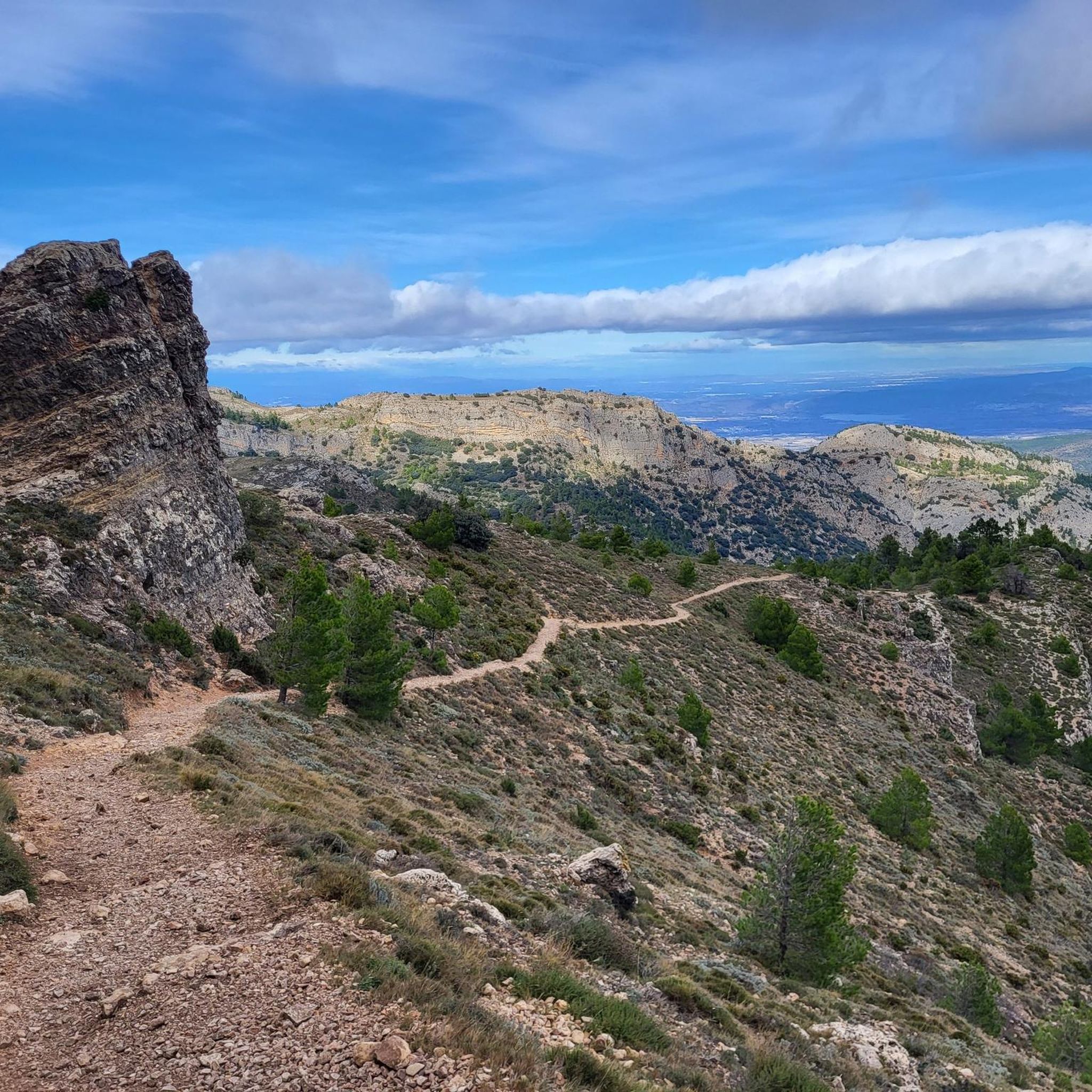
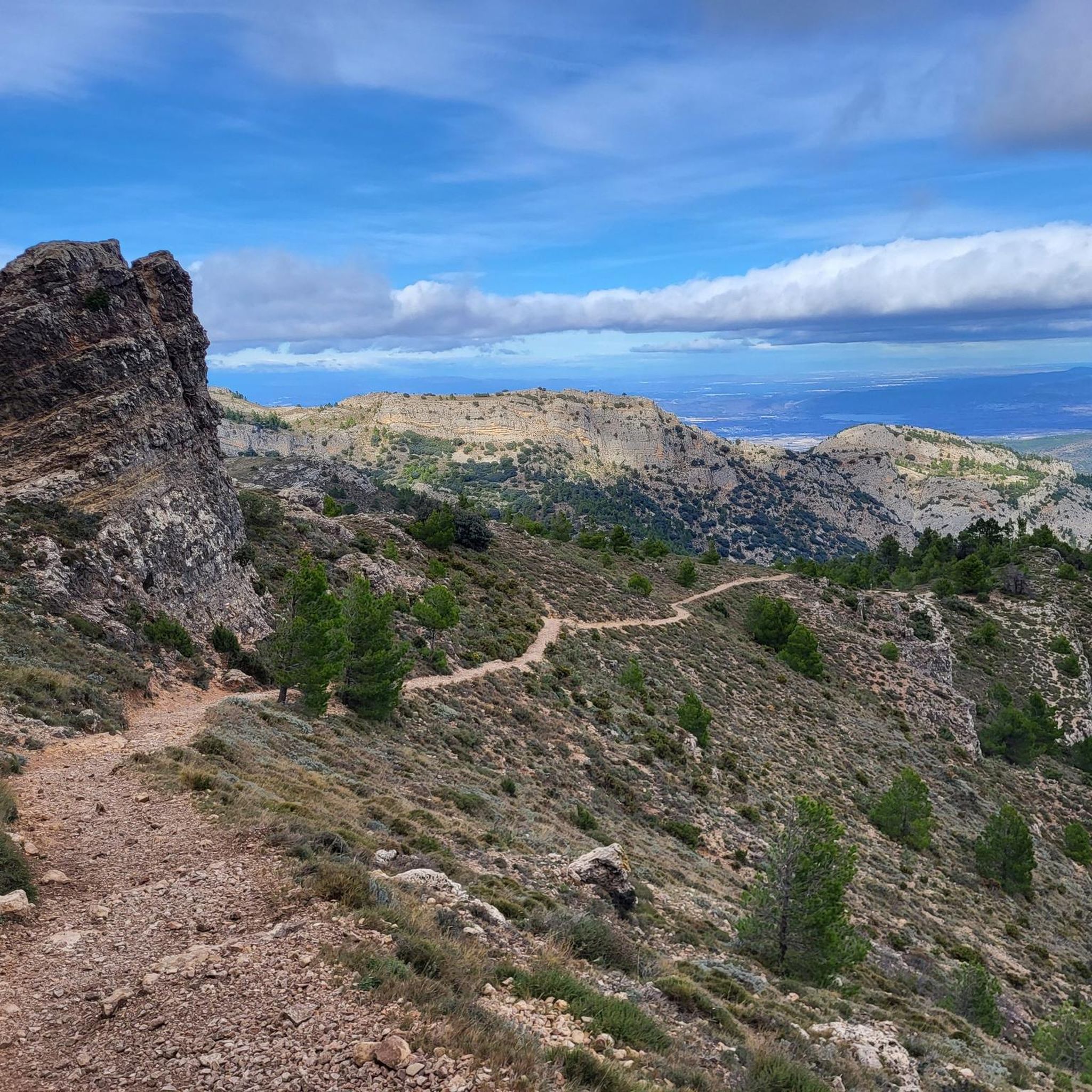
Not much remains of the castle. But the view from the top is great.
0
0

The Castell de Carrícola, also known as Castellet, is a historic and natural gem located in the municipality of El Palomar, in the Vall d'Albaida region of Valencia. It is an ancient Islamic fortification built between the 10th and 12th centuries, although the current tower was erected after the Christian conquest, around the mid-13th century. It has been declared a Site of Cultural Interest and has been restored to allow visitors to visit it, including access to its terrace, from where you can enjoy spectacular views of the region and the Bellús reservoir.
3
0

The castle, which is not particularly worth seeing, dates back to the Almohad period and was built between the 10th and 12th centuries. But the view is very beautiful.
0
1

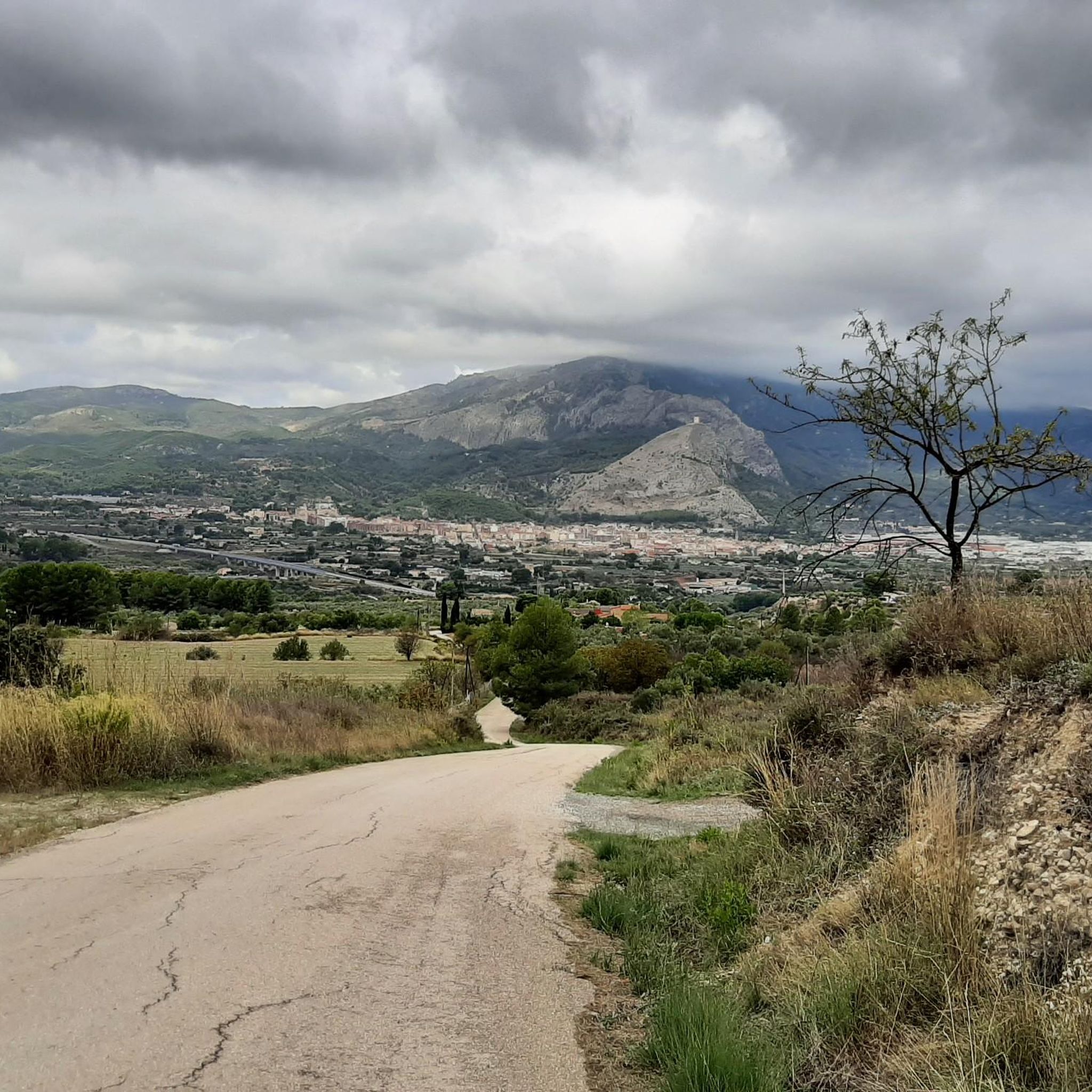
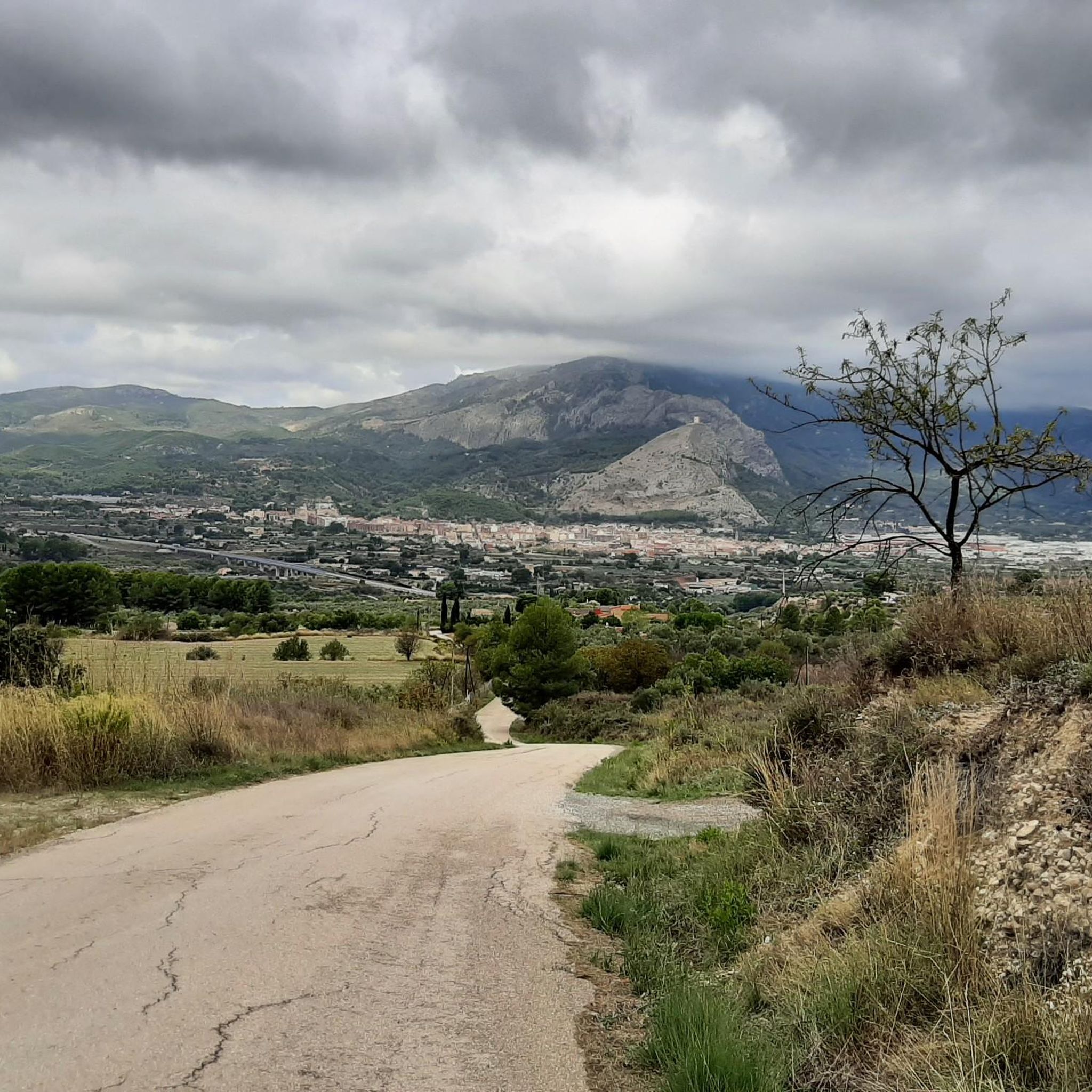
From the heart of Concetaina you can see the tower that remains of the castle that dominated the town. This vibrant town is nestled in the valley of the Alcoy River and is ideal for a break if you are on a tour around here.
0
0

Beautiful castle on the GR7 hiking trail
1
0

This point is a great viewpoint. Below is the figure of the castle tower and in the background the valley. The Castillo de Carrícola rises on a rock above the town. A trail leads to the remains of the wall and the high tower through the beautiful ravine of the Castellar.
1
0

You have to take your time to enjoy everything.
2
0

Wear suitable footwear, as there are quite steep steps and loose ground.
2
0
Frequently Asked Questions
What are the main historical castles and palaces in Cocentaina?
Cocentaina is home to two significant historical structures: the Cocentaina Castle and the Palace of the Counts of Cocentaina (Palau Comtal). The Cocentaina Castle is primarily a striking Gothic military tower from the 13th-14th centuries, offering panoramic views. The Palace of the Counts of Cocentaina is a 14th-century fortified residence showcasing a blend of Gothic and Renaissance styles, now serving as a municipal museum.
What kind of architecture can I expect to see at Cocentaina's historical sites?
The Cocentaina Castle features a robust square Gothic military tower, inspired by Italian designs of its period. The Palace of the Counts of Cocentaina displays a fascinating architectural evolution, blending Valencian Gothic and Renaissance styles due to centuries of construction and reforms.
Are there any other notable castles or viewpoints near Cocentaina?
Yes, beyond the main sites, you can visit Barchell Castle, a 13th-century Christian fortification with a 20-meter high tower. Another interesting spot is Castell de Penella, where although not much remains of the castle, the view from the top is excellent. For scenic perspectives, consider the View of Carrícola Castle or the View of Cocentaina Castle from the town center.
What outdoor activities can I do near the castles around Cocentaina?
The area around Cocentaina is excellent for outdoor activities. You can find numerous hiking trails, such as the difficult 'Montcabrer from Cocentaina Trail (PR-CV 37)' or moderate options like the 'Racó Llobet – Montcabrer Summit loop'. For cycling, there are routes like the 'Tour of the Font Roja Natural Park' for gravel biking or longer road cycling tours. You can explore more options in the Hiking around Cocentaina, Gravel biking around Cocentaina, and Cycling around Cocentaina guides.
Are there family-friendly options for visiting castles or hiking near Cocentaina?
Yes, some viewpoints and castle areas are considered family-friendly, such as the View of Cocentaina Castle from the town. When hiking, look for trails marked as 'easy' or 'moderate' difficulty. Always check specific trail details for suitability with children or pets, as terrain can vary.
What are the best times to visit the castles and hike in the Cocentaina region?
The Cocentaina region generally enjoys a Mediterranean climate. Spring (April-May) and autumn (September-October) are often ideal, offering pleasant temperatures for exploring castles and hiking. Summers can be hot, especially for strenuous activities, while winters are mild but can be cooler and wetter.
What kind of views can I expect from the castles in Cocentaina?
Many castles and viewpoints in the region offer spectacular panoramic views. From the Cocentaina Castle tower, you can see across the entire El Comtat county. The View of Castell de Cocentaina (referring to Castell de Carrícola) provides views of the region and the Bellús reservoir. Even from the town, the View of Cocentaina Castle offers a great perspective of the tower dominating the town.
Is public transport available to reach Cocentaina Castle?
While Cocentaina is accessible by public transport, direct routes to the castle itself might be limited. It's advisable to check local bus schedules to Cocentaina town, and then plan for a walk or local taxi to reach the castle atop San Cristóbal Hill. Parking is generally available in the town for those traveling by car.
What historical periods do the castles around Cocentaina represent?
The castles around Cocentaina span several significant historical periods. You can find evidence of Iberian settlements from the 4th-3rd centuries BC, early Islamic architectural structures from the 10th-12th centuries, and prominent Gothic military constructions from the 13th-14th centuries, reflecting the region's strategic importance through different eras.
Are there any specific tips for visiting the castles, such as footwear or accessibility?
For sites like the Castell de Carrícola, it's recommended to wear suitable footwear due to potentially steep steps and loose ground. While some areas might be accessible, many castles are on rocky promontories or hills, requiring a degree of physical mobility. Always check specific accessibility information for each site if needed.
What makes the Palace of the Counts of Cocentaina a unique visit?
The Palace of the Counts of Cocentaina is unique for its architectural evolution, blending Gothic and Renaissance styles. It also functions as the Municipal Museum, housing an art gallery with valuable works like a Gothic altarpiece of Saint Barbara and a sacred 15th-century Bible, offering a deep dive into local heritage beyond just military history.
Can I find cafes or accommodation near the castles in Cocentaina?
Cocentaina town, located in the valley of the Alcoy River, offers various cafes, restaurants, and accommodation options. While direct facilities at the castle sites might be limited, the town provides a convenient base for visitors to relax and find amenities after exploring the historical sites and surrounding trails.
Most popular routes around Cocentaina
Most popular attractions around Cocentaina

Get inspired with the komoot mobile app


Explore more
Looking for the best castles somewhere else? Discover other guides around Cocentaina:
