Top 12 Gorges around Castellterçol
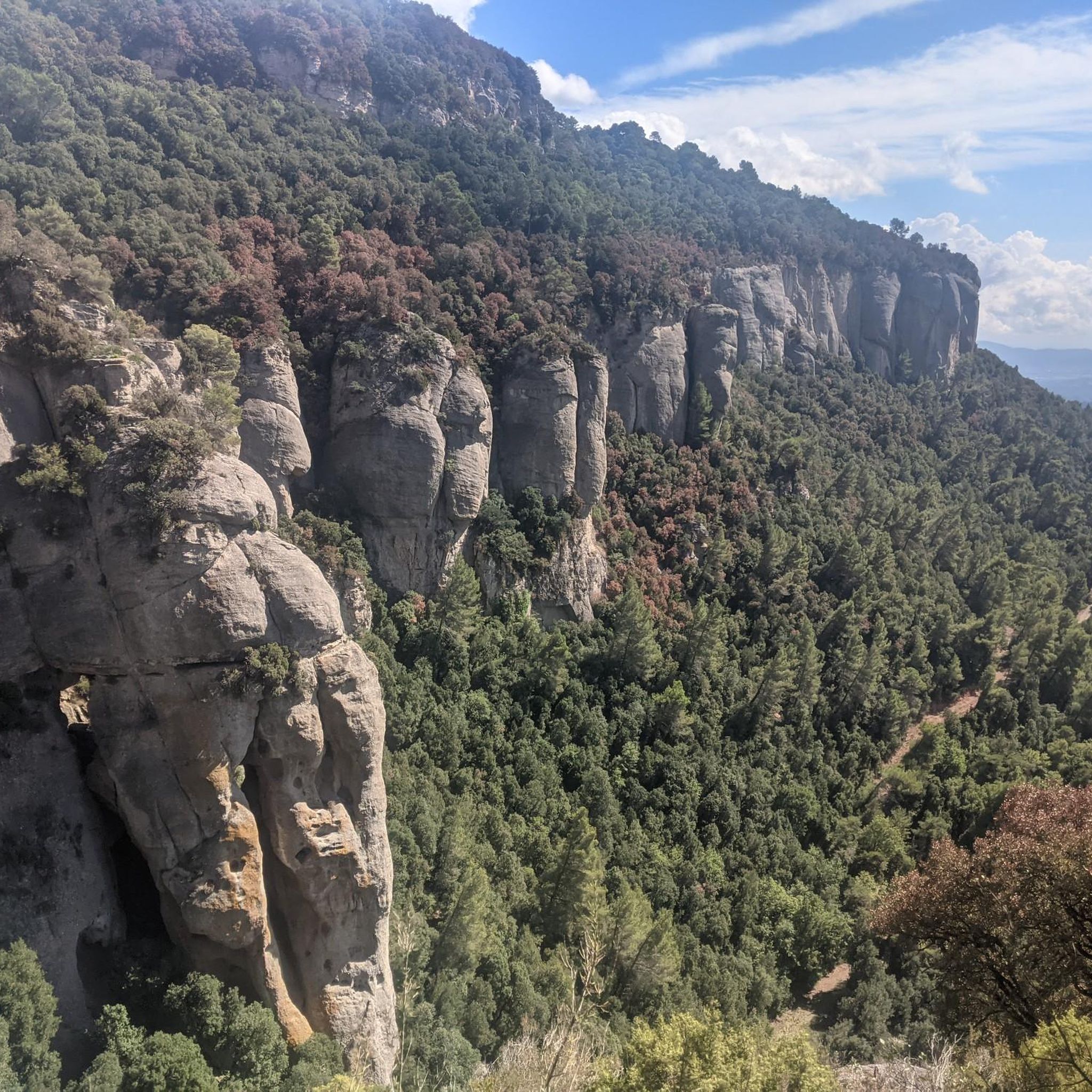
Best canyons around Castellterçol are characterized by dramatic geological formations and significant natural attractions. The region features spectacular gorge-like areas, including the Cingles de Bertí, shaped by water erosion. These natural landscapes offer a blend of natural beauty with historical elements. Visitors can explore areas with towering cliffs, waterfalls, and unique rock formations.
Best canyons around Castellterçol
- The most popular canyons is Sant Miquel del Fai Road, a cycle way that offers views of tall cliffs and a steep…
Last updated: June 20, 2026
Sant Miquel del Fai Road
Highlight • Cycleway
Tip by

Balma la Miquelona
Highlight • Cave
Translated by Google •
Tip by

Sign up now to discover places like this
Get recommendations on the best single tracks, peaks, & plenty of other exciting outdoor places.
Sign up for free
Waterfall of Sot del Bac
Highlight • Waterfall
Translated by Google •
Tip by

Bertí Cliffs
Highlight • Gorge
Translated by Google •
Tip by

Gorg de la Sort
Highlight • Waterfall
Translated by Google •
Tip by

Sign up for free to discover even more gorges around Castellterçol.
Sign up for free
Already have an account?
Start today with a free account
Your next adventure awaits.
Login or Signup

Tips from the Community

A real discovery! Superb views, decent asphalt and virtually no cars.
0
0


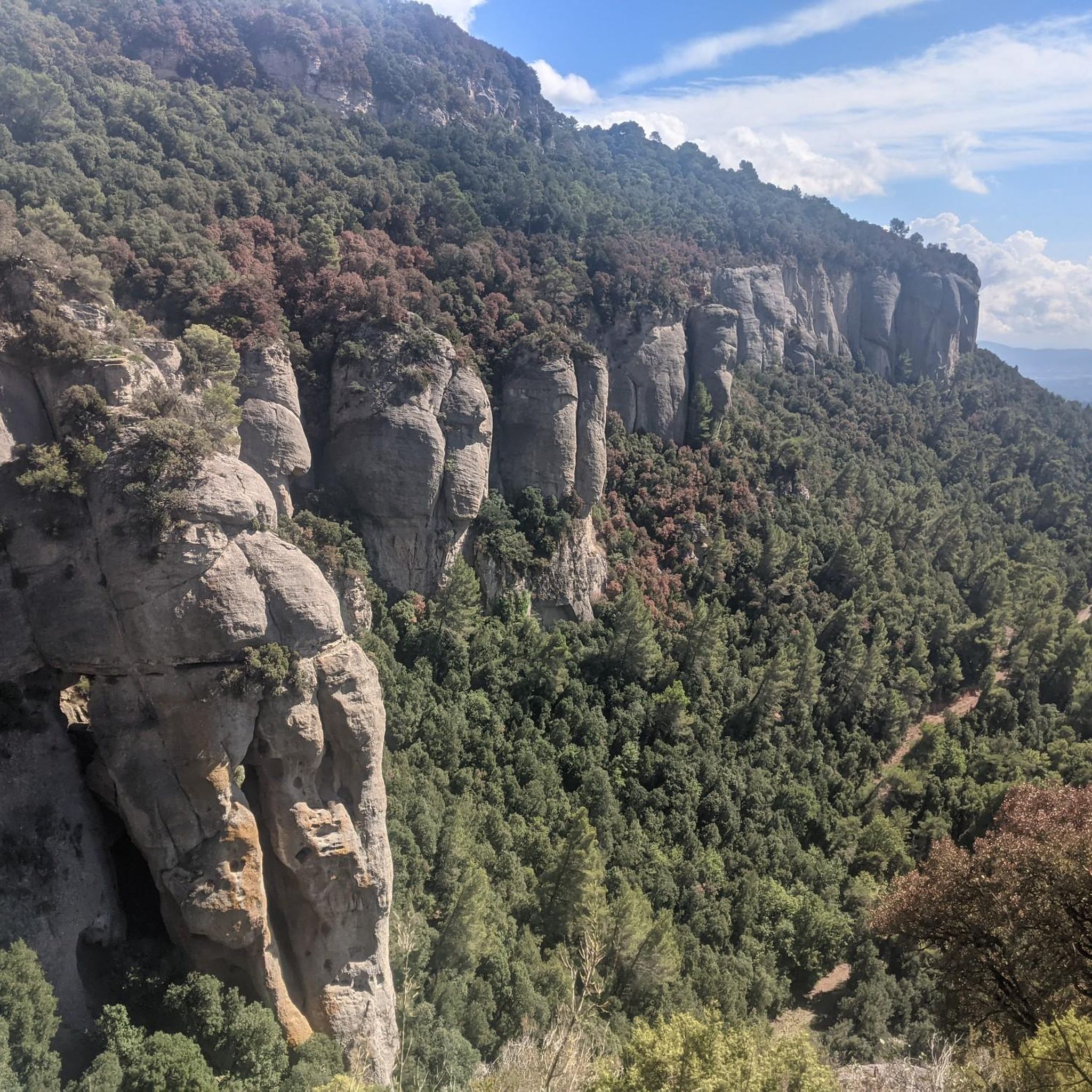
Impressive views of the construction and the cliffs of Sant Miquel del Fai on this path that climbs along the walls of the valley.
0
0

An incredible road with almost no cars. On one side you have cliffs and on the other stunning views. At the end of the road you will come to a monastery. Pay attention in the curves because, despite the fact that there are not many cars, when one passes there is not much space left on the road.
0
1

Old Benedictine sanctuary located in the municipality of San Feliu de Codinas, in the Catalan region of Vallés Oriental. The church was built in a cave, with its own stone serving as a roof. It is the largest troglodyte church in the country. It has a Romanesque portal formed by a semi-circular arch.
1
0

The Bosc Negre torrent is the most important of the water courses that lead to Sot del Bac, where the Salt del Prat stands out, where a magnificent horse's tail manifests itself in the most generous periods of water of about 30 meters height, and goes to deposit the water in the gorge of the Bac, the surplus continues its course until the confluence with the river Congost, next to the Figaró. You can see how Travertine has been formed by the action of water on the rock.
1
0
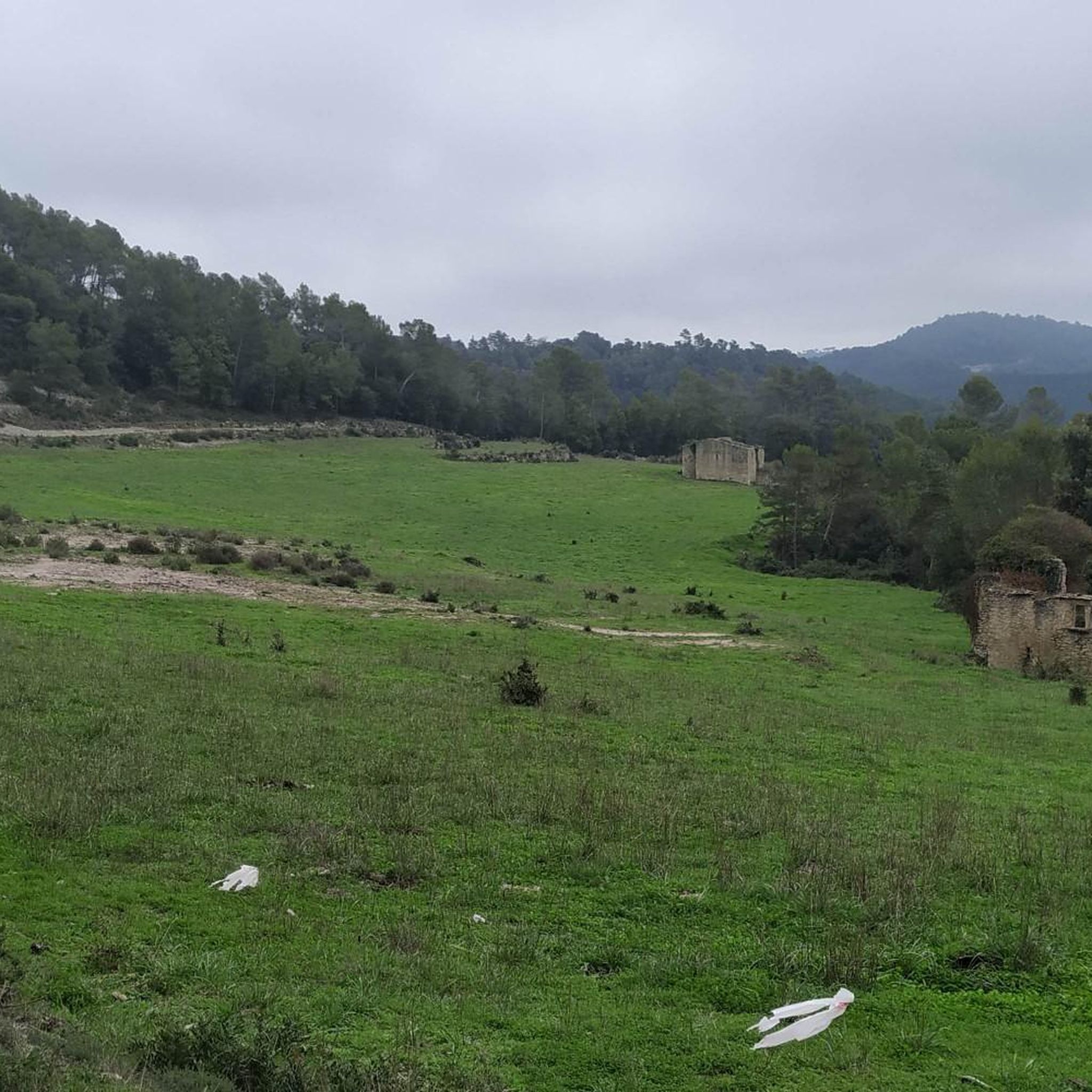
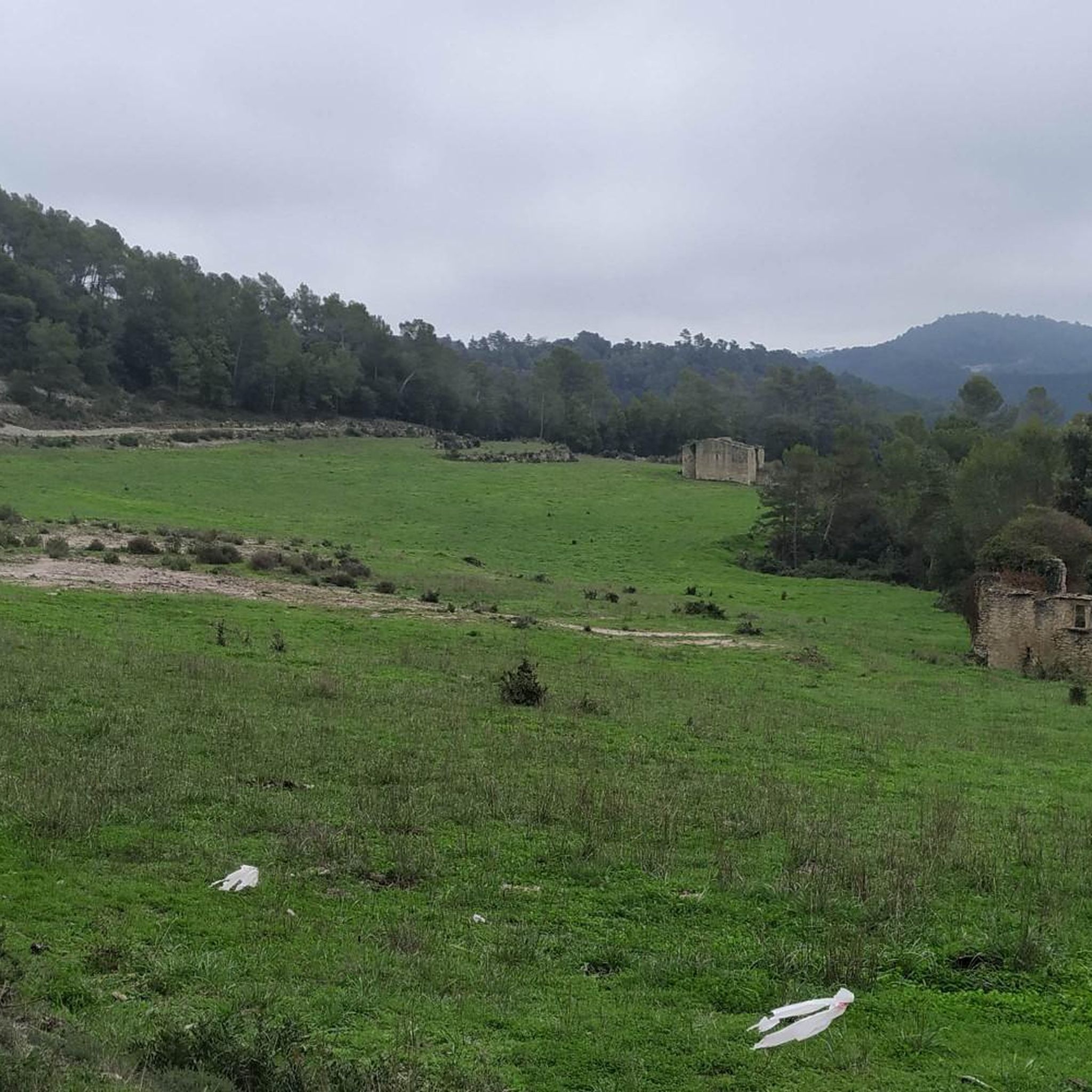
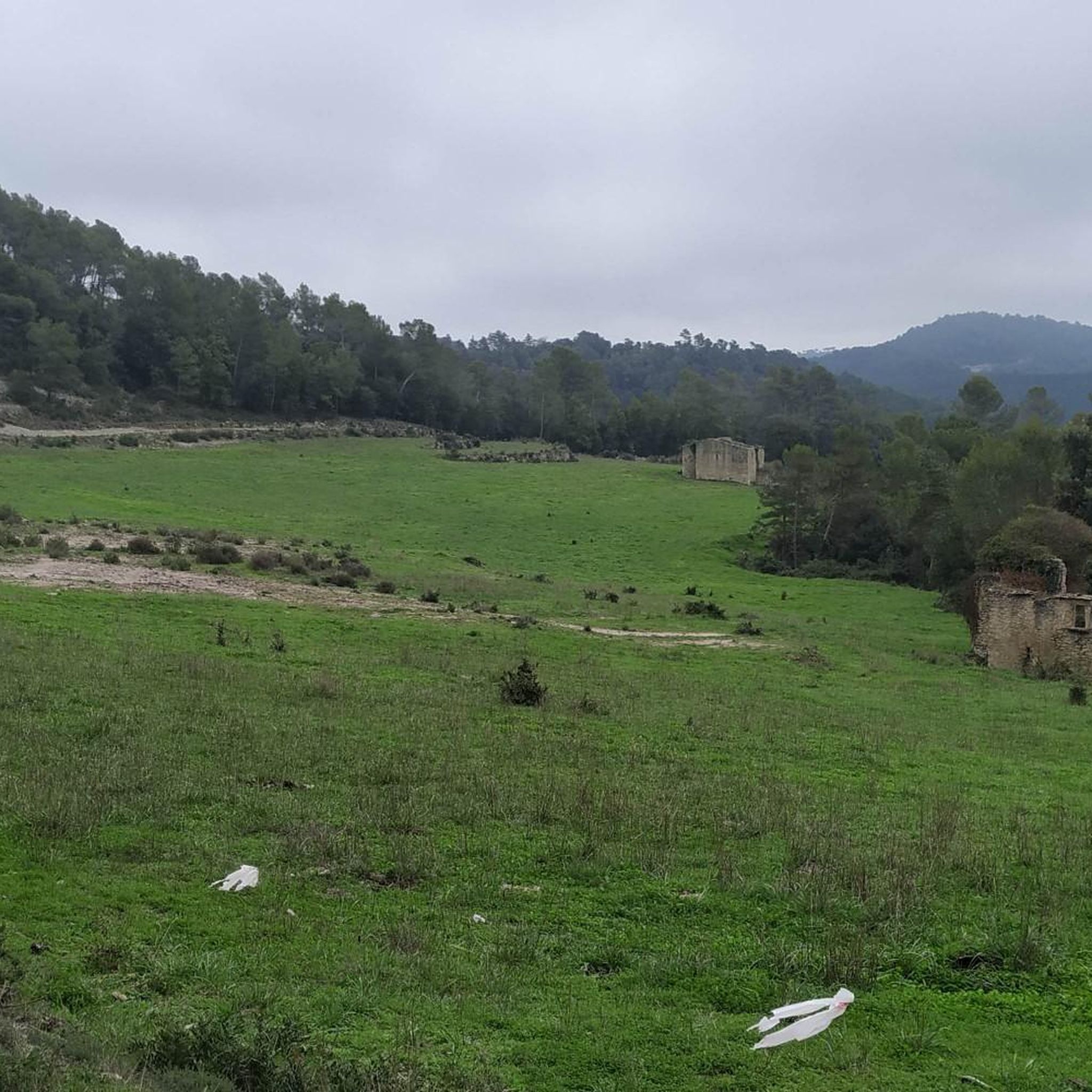
Small bauma located on the right bank of the PR-33 that leads from Figaró to Montmany, inside the Sot del Bac. Bauma formed by the lateral excavation of the Sot del Bac stream, 35-40 meters above the current talveg. It is a not very deep cavity excavated in a rocky margin or slope where the light penetrates. This has graffiti and evidence of occupation inside, with traces of having been set on fire. It is a suitable place for shelter or bivouac. At least before it was very common to use it. The Sot del Bac pass would be a natural path used by the first human communities, both to stock up on various natural resources (water, hunting and gathering) and as a place of passage and communication between the Gorge sector and Puiggraciós and the Cingles de Bertí. Currently this is occupied sporadically by walkers and climbers.
1
0

Beautiful grand canyon style road with a nice monastry build in the mountains...a must see if you are in the region !
0
0
Frequently Asked Questions
What are the main natural attractions with gorge-like features near Castellterçol?
The most prominent natural attraction featuring impressive gorge-like formations near Castellterçol is Sant Miquel del Fai Road. This area, part of the Cingles de Bertí, offers spectacular cliffs, caves, and waterfalls, shaped by the Tenes and Rossinyol rivers. It's known for its dramatic scenery and historical significance.
Are there any significant waterfalls to visit in the canyons around Castellterçol?
Yes, the region boasts several notable waterfalls. The Waterfall of Sot del Bac is easily accessible and offers a unique sight, especially when frozen in winter. At Sant Miquel del Fai, you can experience a spectacular 100-meter waterfall, where it's even possible to walk behind the cascading water. Another beautiful spot is Gorg de la Sort, which is ideal for family walks.
What kind of geological features can I expect to see in the canyons near Castellterçol?
The canyons around Castellterçol, particularly in areas like Sant Miquel del Fai, are characterized by dramatic cliffs, natural cavities, and caves formed by limestone. You'll find impressive rock formations, including stalactites and stalagmites, and small underground pools. The landscape is notably shaped by sedimentary rocks such as sandstone, marl, and conglomerate, creating unique rock shelters and 'balmas' like Balma la Miquelona.
Are there historical or cultural sites within the canyon areas?
Absolutely. The area of Sant Miquel del Fai is home to an 11th-century Benedictine monastery built directly into a large cave. This monastic complex includes a Romanesque church, the Gothic Prior's house, and the 10th-century hermitage of Sant Martí. The church is notable as the largest rock-roofed church in Spain, offering a unique blend of natural and historical significance. Antoni Gaudí even found inspiration in Sant Miquel del Fai.
What outdoor activities can I do near these canyons?
Beyond exploring the canyons themselves, the region around Castellterçol offers a variety of outdoor activities. You can find numerous hiking trails, such as those detailed in the Hiking around Castellterçol guide, with options ranging from moderate to difficult. Cycling enthusiasts can explore routes like those in the Cycling around Castellterçol guide, and mountain biking trails are also available, as seen in the MTB Trails around Castellterçol guide.
Is canyoning a popular activity directly in Castellterçol?
While the immediate vicinity of Castellterçol features gorge-like environments, traditional canyoning with rappels and jumps is not a primary activity here. The natural formations are more suited for hiking and exploration. For dedicated canyoning experiences, you would typically need to travel to other regions in Catalonia, often towards the Pyrenees.
What is the best time to visit the canyons and natural sites near Castellterçol?
The best time to visit depends on your preferred activities. Spring and autumn generally offer pleasant temperatures for hiking and exploring. During winter, you might witness the unique sight of frozen waterfalls, such as the Waterfall of Sot del Bac. If you wish to see the waterfalls at their most active, visiting after periods of rain is recommended.
Are there family-friendly options for exploring the canyons?
Yes, some areas are suitable for families. For instance, the walk to Gorg de la Sort is considered ideal for routes with children. Sant Miquel del Fai also offers well-managed paths and facilities, making it accessible for families to explore its waterfalls, caves, and historical sites.
What do visitors enjoy most about the canyons and gorges near Castellterçol?
Visitors frequently praise the stunning scenery, including the towering cliffs and impressive waterfalls. The unique blend of natural beauty with historical elements, such as the monastery at Sant Miquel del Fai, is also highly appreciated. Many enjoy the experiential pathways that lead through caves and behind waterfalls, offering diverse perspectives of the landscape. The Bertí Cliffs are particularly noted for their impressive views.
Are there any specific access or booking requirements for places like Sant Miquel del Fai?
Yes, for managed sites like Sant Miquel del Fai, it is important to book tickets and parking in advance due to limited capacity. This ensures a smoother visit and helps manage the flow of visitors to preserve the natural environment. You can check for booking information on the official site: visitgranollers.com.
Can I find cafes or other amenities near the canyon areas?
While the canyon areas themselves are natural and wild, you can often find amenities in nearby villages. For example, when visiting Sant Miquel del Fai Road, you have the option to stop for a coffee in Sant Feliu de Codines before or after your route. Castellterçol itself offers various services, including cafes and accommodation.
Most popular routes around Castellterçol
Most popular attractions around Castellterçol

Get inspired with the komoot mobile app


Explore more
Already discovered everything in this region? See additional gorges around Castellterçol for your next adventure:
