Top 10 Lakes around Poblete
Best lakes around Poblete are primarily found within the Campo de Calatrava region, known for its unique volcanic landscapes. This area features several maars and lagoons, which are craters formed by ancient volcanic activity. These natural features contribute to a diverse environment, including Mediterranean forests and varied ecosystems. The lakes offer opportunities to observe local flora and fauna.
Best lakes around Poblete
- The most popular lakes is La Posadilla Viewpoint, a viewpoint overlooking a natural monument and lake that…
Last updated: June 20, 2026
La Posadilla Viewpoint
Highlight • Viewpoint
Translated by Google •
Tip by

Parque del Pilar (CR)
Highlight • Rest Area
Translated by Google •
Tip by

Sign up now to discover places like this
Get recommendations on the best single tracks, peaks, & plenty of other exciting outdoor places.
Sign up for free
Peñarroya Lagoon
Highlight • Lake
Translated by Google •
Tip by
Lake of Parque del Pilar
Highlight • Lake
Translated by Google •
Tip by
Alcolea de Calatrava
Highlight • Settlement
Translated by Google •
Tip by
Sign up for free to discover even more lakes around Poblete.
Sign up for free
Already have an account?
Start today with a free account
Your next adventure awaits.
Login or Signup

Tips from the Community

Alcolea de Calatrava is located in the central part of the historic Campo de Calatrava, between the Alcudia Valley and the Toledo Mountains. Mainly, what we will find in its 71 km2 area are several small mountain ranges full of craters and volcanic lagoons that give it a special geomorphological and landscape attraction. The area that includes this term, and the neighboring Picón, is perhaps the one in which the most remains of Castillejos are preserved, probably due to its proximity to the permanent waters of the Guadiana River.
39
0
The Parque del Pilar has an area of almost 80,000 m², being divided between 16,420 m² of grass, 3,768 m² of bushy area and 250 m² of flowering plant, the rest being residential areas, sports areas, children's play areas and tree-lined walkways. . It also includes a lake with 13,000 m², which represents approximately 15% of the total area. Its design, contemporary and with an open and functional structure, is the work of the architect D. Ramón Ruiz Valdepeñas. It is based on the lake that is in its center, which, as a central focus, finishes off the park in its southern and western areas, having as a singularity in its northern area a construction in the form of a ship's keel from which two large streams of water. It also has a perimeter fountain and two wind turbines inside the lake that have an ornamental function and oxygenation of its water. This lake not only has as its object ornament and attenuation of the rigors of summer in the park, but also serves as a large regulating reservoir for its irrigation.
50
0
The Parque del Pilar has an area of almost 80,000 m², being divided between 16,420 m² of grass, 3,768 m² of bushy area and 250 m² of flowering plant, the rest being residential areas, sports areas, children's play areas and tree-lined walkways. . It also includes a lake with 13,000 m², which represents approximately 15% of the total area. Its design, contemporary and with an open and functional structure, is the work of the architect D. Ramón Ruiz Valdepeñas. It is based on the lake that is in its center, which, as a central focus, finishes off the park in its southern and western areas, having as a singularity in its northern area a construction in the form of a ship's keel from which two large streams of water. It also has a perimeter fountain and two wind turbines inside the lake that have an ornamental function and oxygenation of its water. This lake not only has as its object ornament and attenuation of the rigors of summer in the park, but also serves as a large regulating reservoir for its irrigation.
37
0

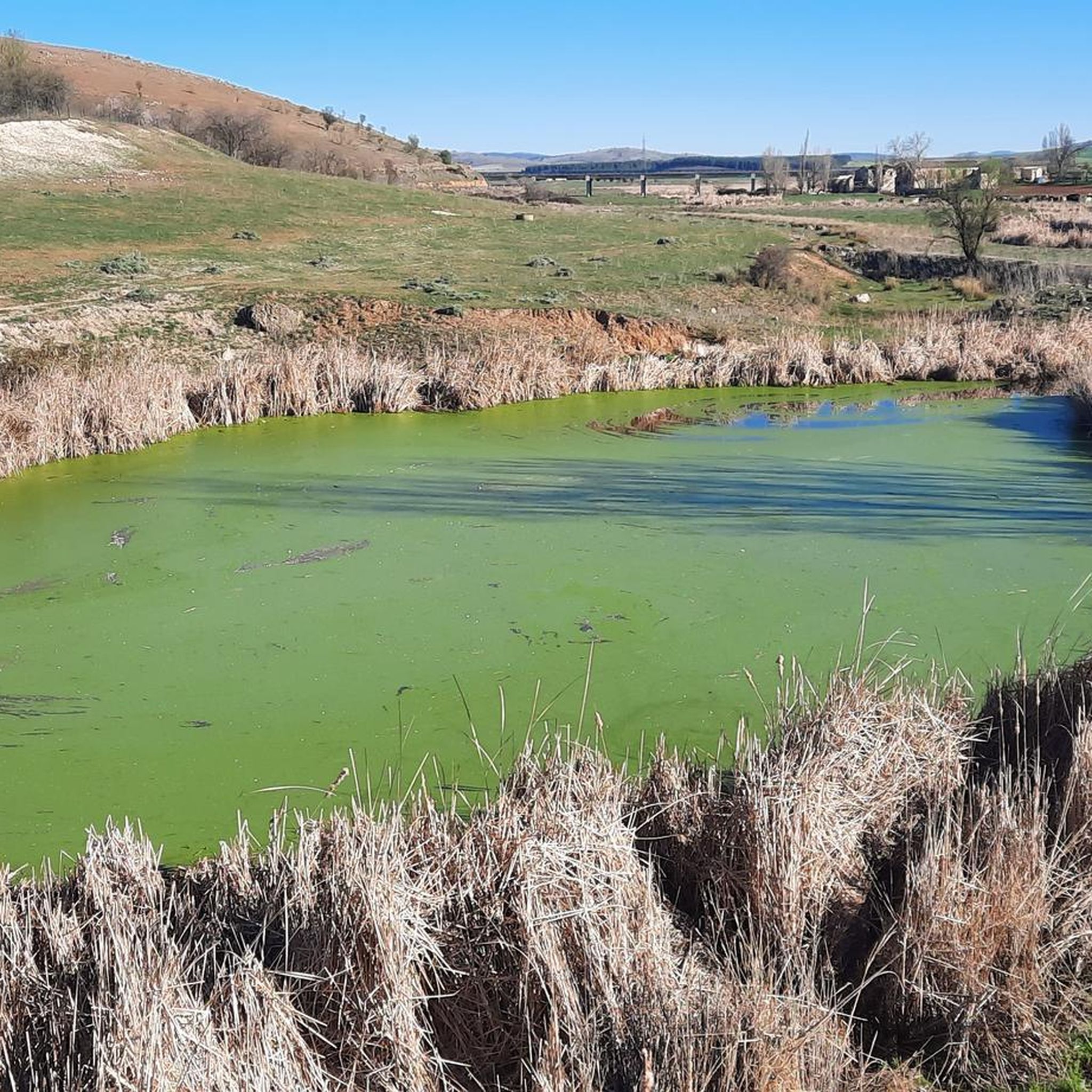
Like other lagoons in the area, this one originated when magma came into contact with groundwater. The violent explosion generated a crater 500 meters in diameter and a maximum depth of 100 meters. The lagoon is surrounded by a forest of holm oaks, kermes oaks, mastics and cornicabras. The lagoon water also attracts birds such as black and white storks, imperial eagles, short-toed eagles, golden eagles and black vultures.
6
1
Perched in the Sierra de las Medias Lunas, this volcanic lagoon is one of the most beautiful in this region due to its red splash deposits on the edge of the main crater, which are what also give it its name (Peñarroya). The lagoon or maar is more than a kilometer in diameter and is surrounded by Mediterranean forest, holm oak meadows and pastures.
6
2
Some dreamlike views and landscapes, the climb to the viewpoint is a bit complicated but it is worth it.
13
0
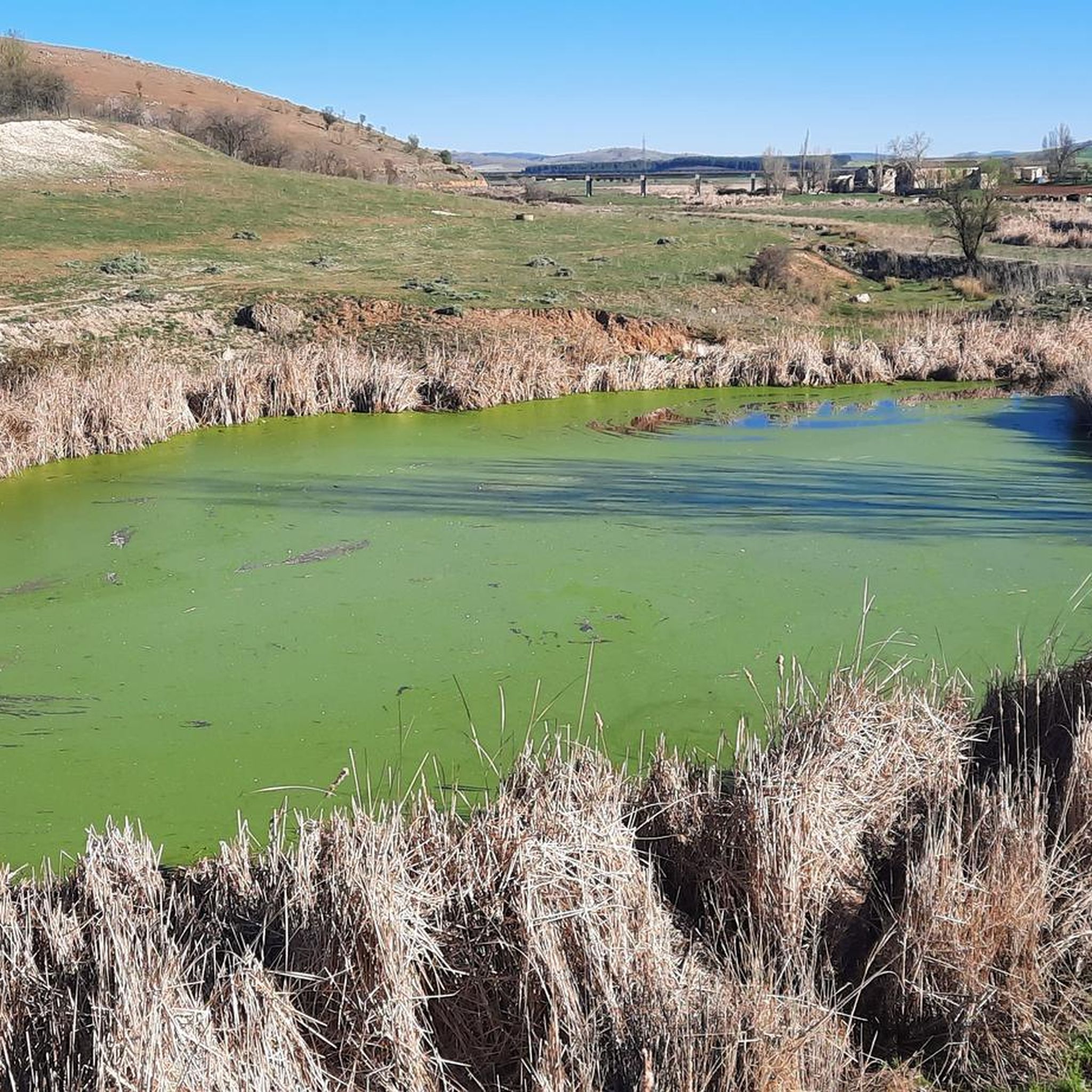
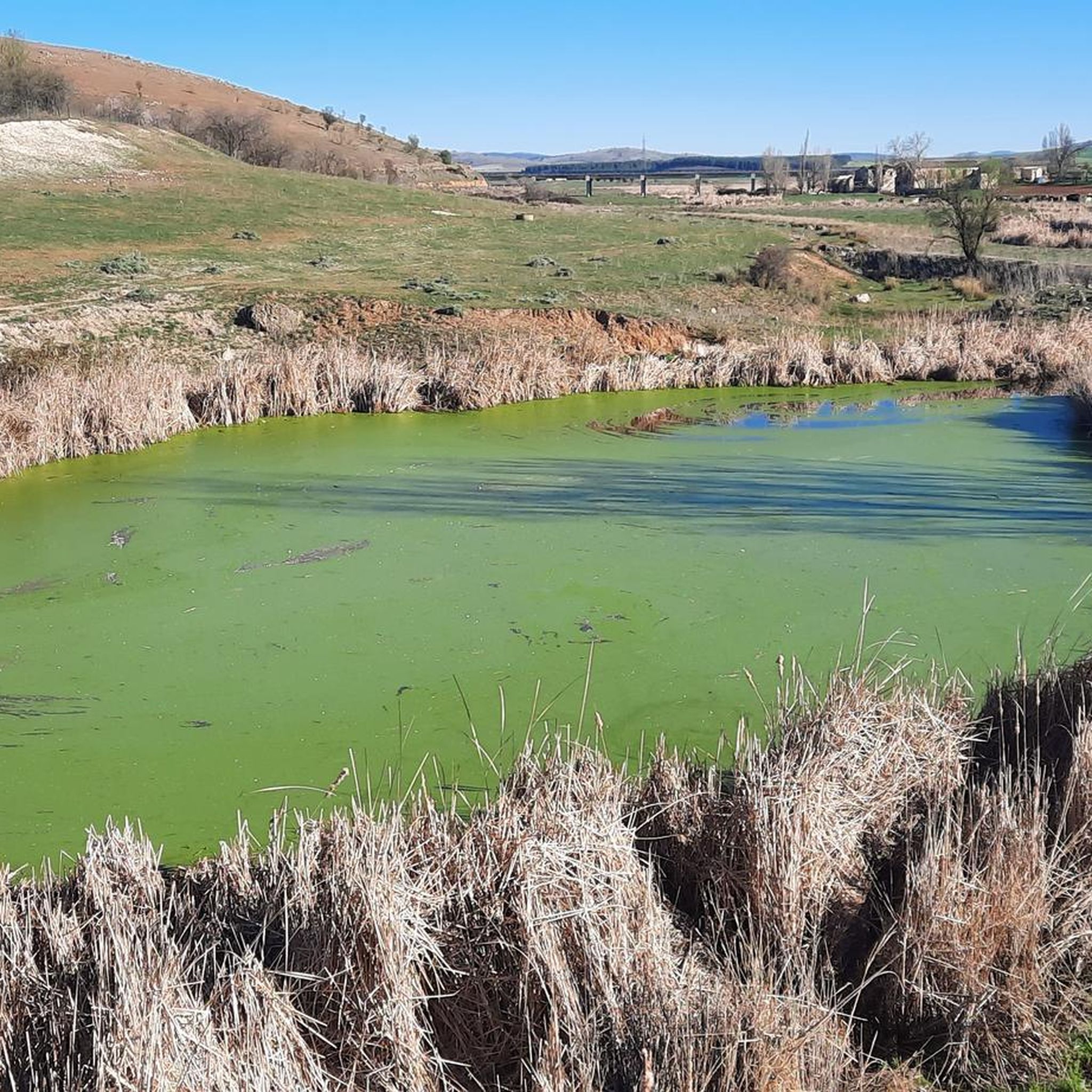
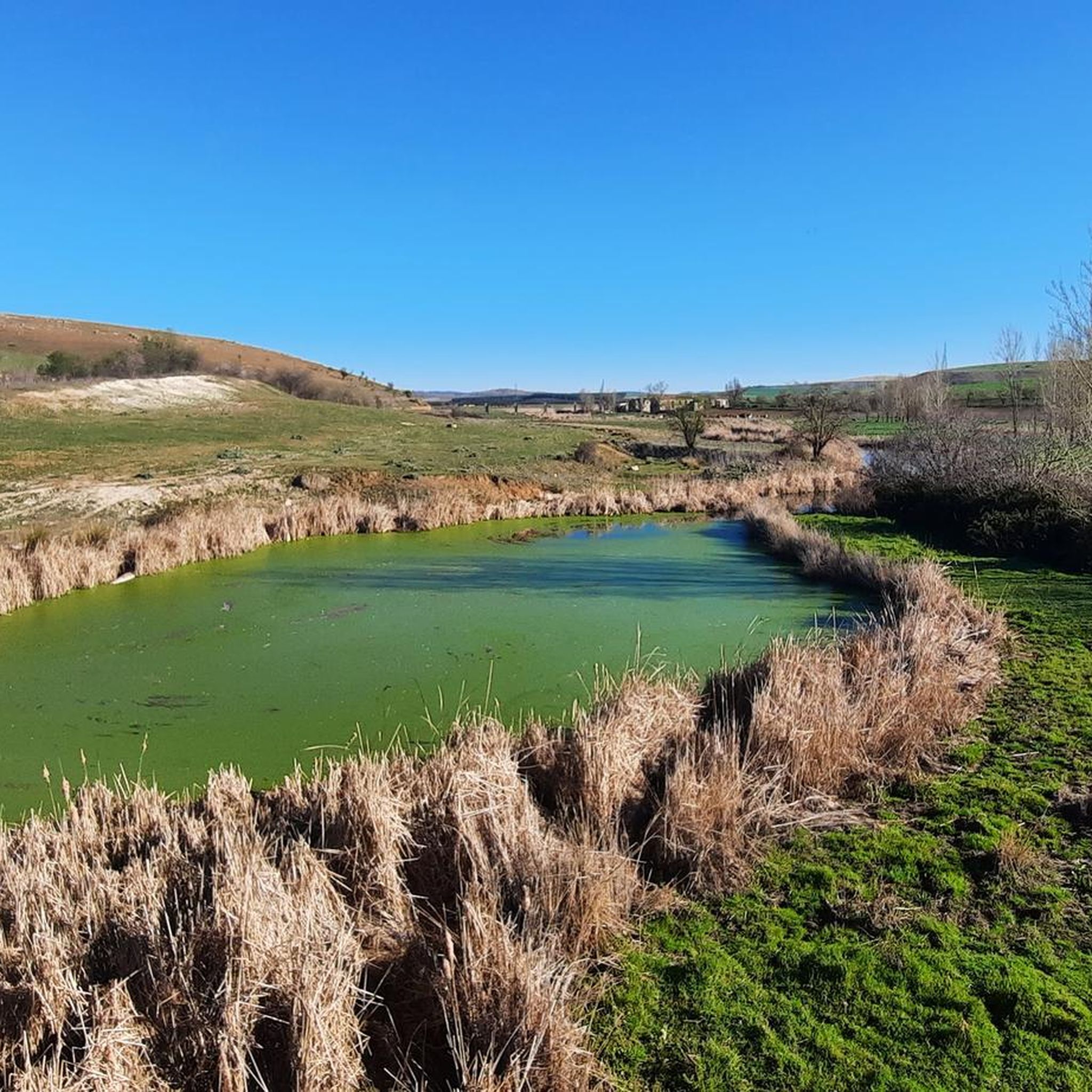
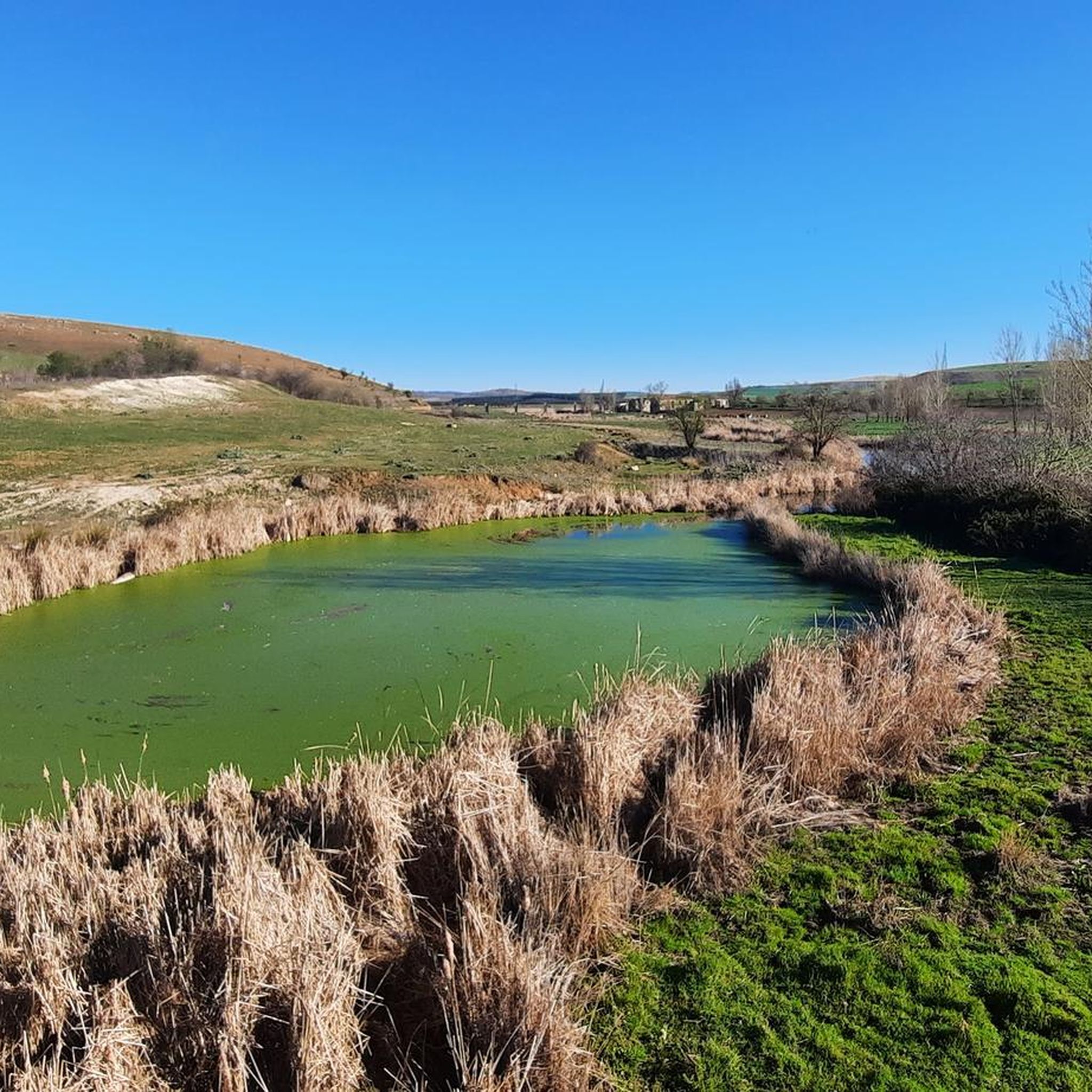
This natural monument is located between the municipalities of Alcolea de Calatrava and Corral de Calatrava and is included in the Campo de Calatrava volcanic complex. The volcano stands out for its magnificent 60 m cone. high, one of the best examples of Strombolian-type buildings. The lagoon was formed when lava from the volcano imprisoned the Lobo stream.
25
0

Volcanic lagoon, rocky path and difficult path to climb to the top, good mountain route.. You have to take the detour through a row of path that goes to the left where we find a sign that indicates a natural monument.
10
0
Frequently Asked Questions
What kind of lakes can I expect to find around Poblete?
The lakes around Poblete are primarily located within the Campo de Calatrava region, known for its unique volcanic landscapes. You'll find several maars and lagoons, which are craters formed by ancient volcanic activity, as well as landscaped urban park lakes. These natural features create diverse environments with Mediterranean forests and varied ecosystems.
What are some unique natural features of the lakes in this region?
The region is characterized by its volcanic maars, which are lagoons formed in hydromagmatic explosion craters. For example, La Posadilla Viewpoint overlooks a maar that originated from a violent volcanic explosion. Peñarroya Lagoon is notable for its red splash deposits on the main crater's edge, surrounded by Mediterranean forest.
Are there any viewpoints to get a good perspective of the lakes?
Yes, La Posadilla Viewpoint offers dreamlike views and landscapes overlooking the Laguna de la Posadilla, a natural monument. The climb to the viewpoint is described as a bit complicated but rewarding.
What wildlife can be observed around the lakes?
The lagoon waters, especially at places like La Posadilla Viewpoint, attract various bird species. You might spot black and white storks, imperial eagles, short-toed eagles, golden eagles, and black vultures.
Are there hiking trails near the lakes around Poblete?
Yes, the area around Poblete offers various hiking opportunities. For instance, you can find running trails like the 'Vía Verde de Poblete' or routes around the 'Maar of La Hoya del Mortero'. You can explore more options on the Running Trails around Poblete guide.
What other outdoor activities are available near the lakes?
Beyond hiking, you can enjoy mountain biking and gravel biking. There are numerous routes, such as the 'Detour – Faculty of Medicine loop' for MTB or the 'Mines on the Arzollar trail' for gravel biking. Find more details on the MTB Trails around Poblete guide and the Gravel biking around Poblete guide.
Are there easy walking routes suitable for beginners?
Yes, there are easy routes available. For example, the 'Ascent to the Shepherd's Cave – Detour loop' is an easy MTB trail, and the 'Vía Verde de Poblete — round trip' is an easy running trail. These can often be adapted for walking. Check the respective guides for more easy options.
Are the lakes around Poblete family-friendly?
Yes, some lakes are particularly suitable for families. Parque del Pilar (CR) features a large lake within a park that includes children's play areas and tree-lined walkways, making it very family-friendly. The tips for La Posadilla Viewpoint also suggest it's a good spot for families to enjoy nature.
How can I access the lakes, and is parking available?
Access varies by location. For urban areas like Parque del Pilar (CR), parking is available. For natural monuments like Laguna de la Posadilla, you would typically drive to nearby access points. Public transport options from Ciudad Real to areas like Valverde (near Laguna de la Posadilla) may also exist, but it's best to check local transport schedules.
What is the best time to visit the volcanic lakes of Campo de Calatrava?
While specific seasonal activities aren't detailed, the Mediterranean climate suggests spring and autumn offer pleasant temperatures for exploring the volcanic lakes and their surrounding natural areas. Summers can be hot, and winters mild, but always check local weather conditions before your visit.
Are there accommodations or places to eat near the lakes?
While the guide focuses on the lakes themselves, Poblete and nearby Ciudad Real offer various amenities. You can find cafes, restaurants, and accommodation options such as hotels, guesthouses, and rural houses in these towns, which serve as good bases for exploring the lakes.
Can I bring my dog to the lakes around Poblete?
While many natural areas in Spain are dog-friendly, specific regulations can vary by location, especially for protected natural monuments. For places like Parque del Pilar (CR), dogs are generally allowed in public parks, often on a leash. It's advisable to check local signage or official websites for specific rules regarding dogs at each lake or natural monument.
Most popular routes around Poblete
Most popular attractions around Poblete

Get inspired with the komoot mobile app


Explore more
Still not found your perfect lake around Poblete? Check out the guides of these regions to see even more beautiful places.
