Top 8 Lakes around Pozuelo De Calatrava
Best lakes around Pozuelo De Calatrava are situated within the Campo de Calatrava region, an area known for its unique volcanic landscape. This region features several lakes of volcanic origin, including saline lagoons formed by phreatomagmatic explosions. Pozuelo De Calatrava itself is home to the Laguna del Prado, a significant natural reserve. The area offers diverse natural settings for exploration and nature observation.
Best lakes around Pozuelo De Calatrava
- The most popular lakes is Laguna del Prado, a lake…
Last updated: July 4, 2026
Laguna del Prado
Highlight • Lake
Translated by Google •
Tip by

Pozuelo de Calatrava
Highlight • Settlement
Translated by Google •
Tip by

Sign up now to discover places like this
Get recommendations on the best single tracks, peaks, & plenty of other exciting outdoor places.
Sign up for free
Vega del Jabalón Reservoir
Highlight • Lake
This swamp, which can store 33.54 cubic …
Translated by Google •
Tip by
Parque del Pilar (CR)
Highlight • Rest Area
Translated by Google •
Tip by
Lake of Parque del Pilar
Highlight • Lake
Translated by Google •
Tip by
Sign up for free to discover even more lakes around Pozuelo De Calatrava.
Sign up for free
Already have an account?
Start today with a free account
Your next adventure awaits.
Login or Signup

Tips from the Community

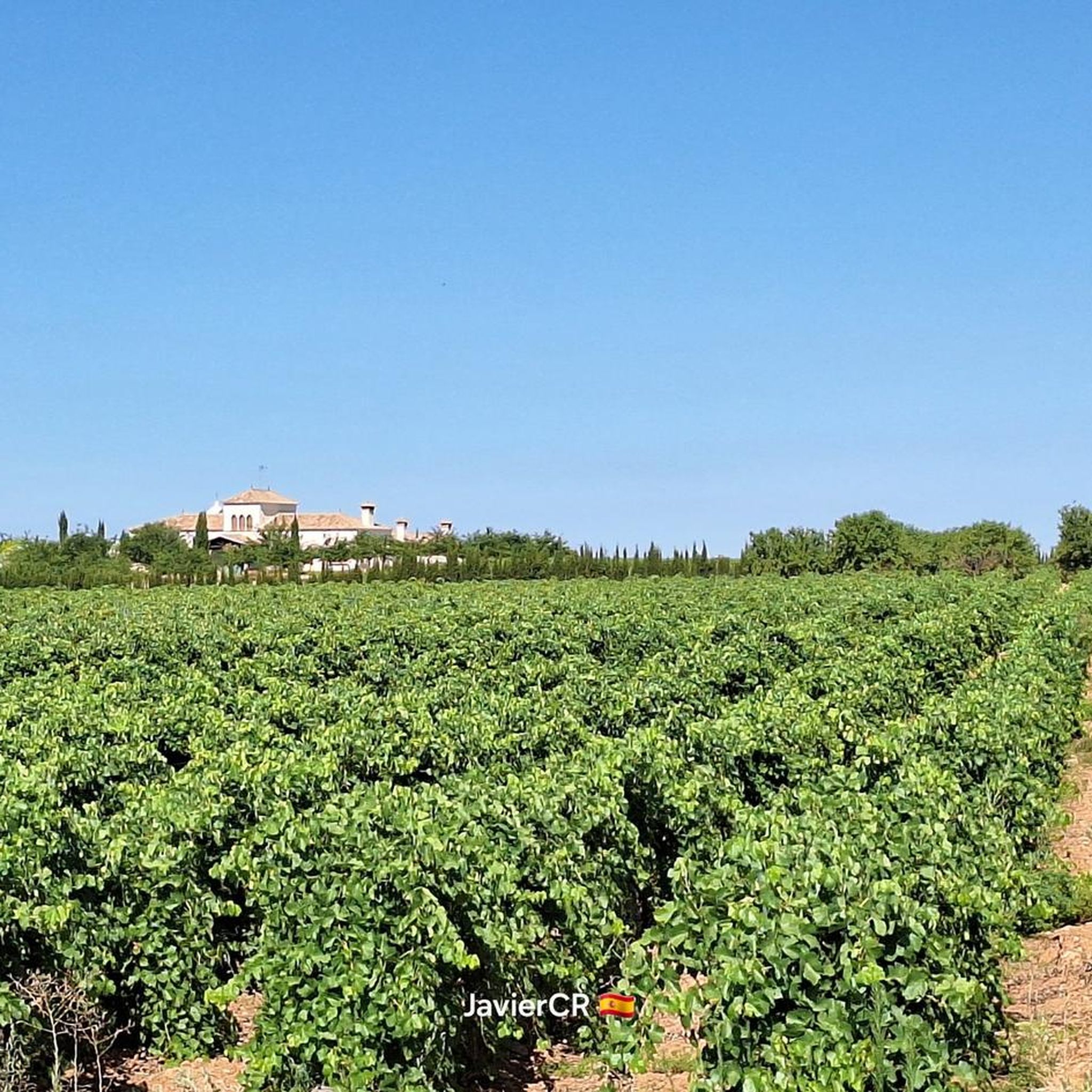
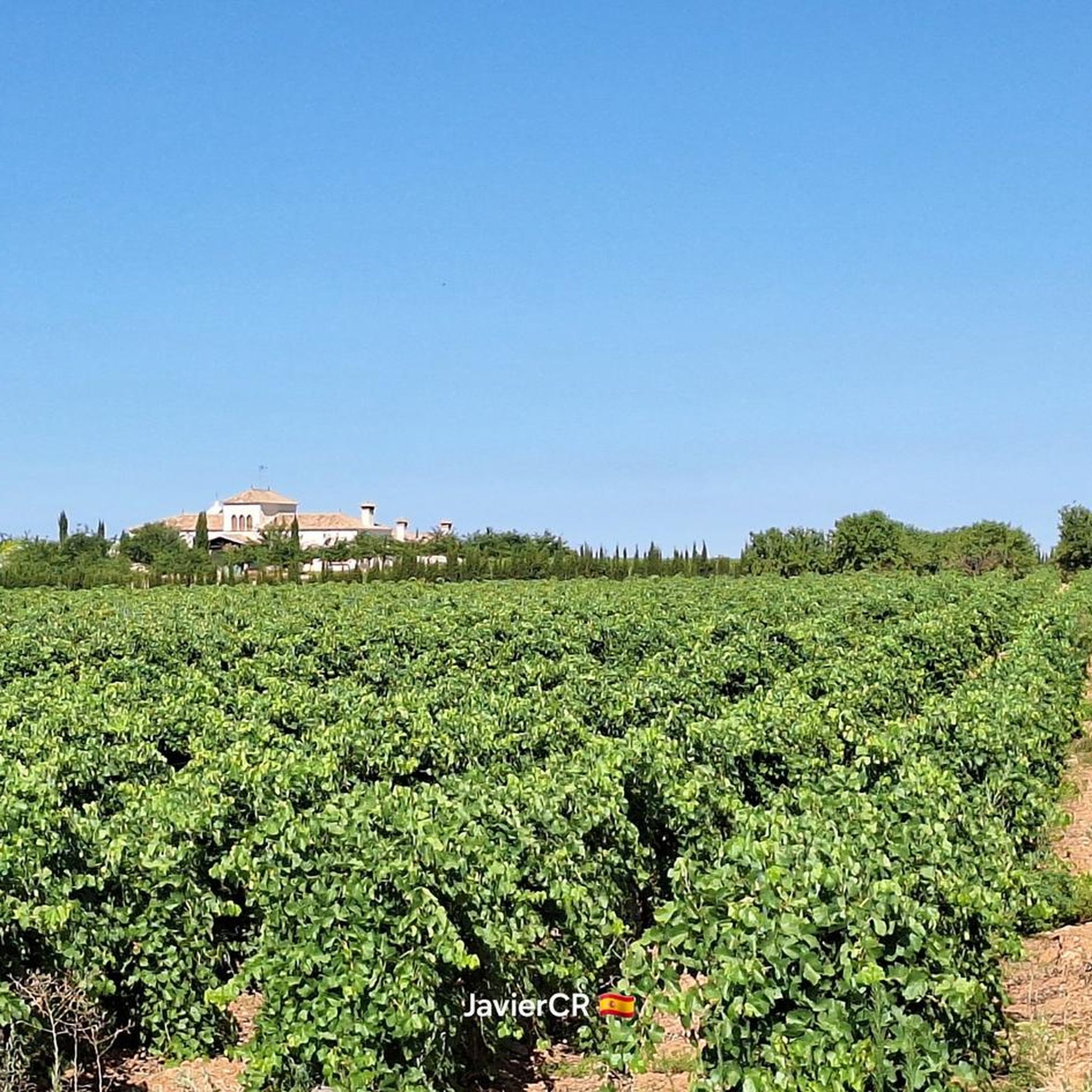
It is located next to the town centre of Pozuelo de Calatrava. It is popularly known as the unexpected lagoon. If you pass by, it is a unique opportunity to enjoy the flora and fauna of the saltiest lagoon in the area.
10
0
The Parque del Pilar has an area of almost 80,000 m², being divided between 16,420 m² of grass, 3,768 m² of bushy area and 250 m² of flowering plant, the rest being residential areas, sports areas, children's play areas and tree-lined walkways. . It also includes a lake with 13,000 m², which represents approximately 15% of the total area. Its design, contemporary and with an open and functional structure, is the work of the architect D. Ramón Ruiz Valdepeñas. It is based on the lake that is in its center, which, as a central focus, finishes off the park in its southern and western areas, having as a singularity in its northern area a construction in the form of a ship's keel from which two large streams of water. It also has a perimeter fountain and two wind turbines inside the lake that have an ornamental function and oxygenation of its water. This lake not only has as its object ornament and attenuation of the rigors of summer in the park, but also serves as a large regulating reservoir for its irrigation.
50
0

Small lagoon that is very close to the center and what's more, the path that goes around it is quiet and pleasant close to the center.
2
1
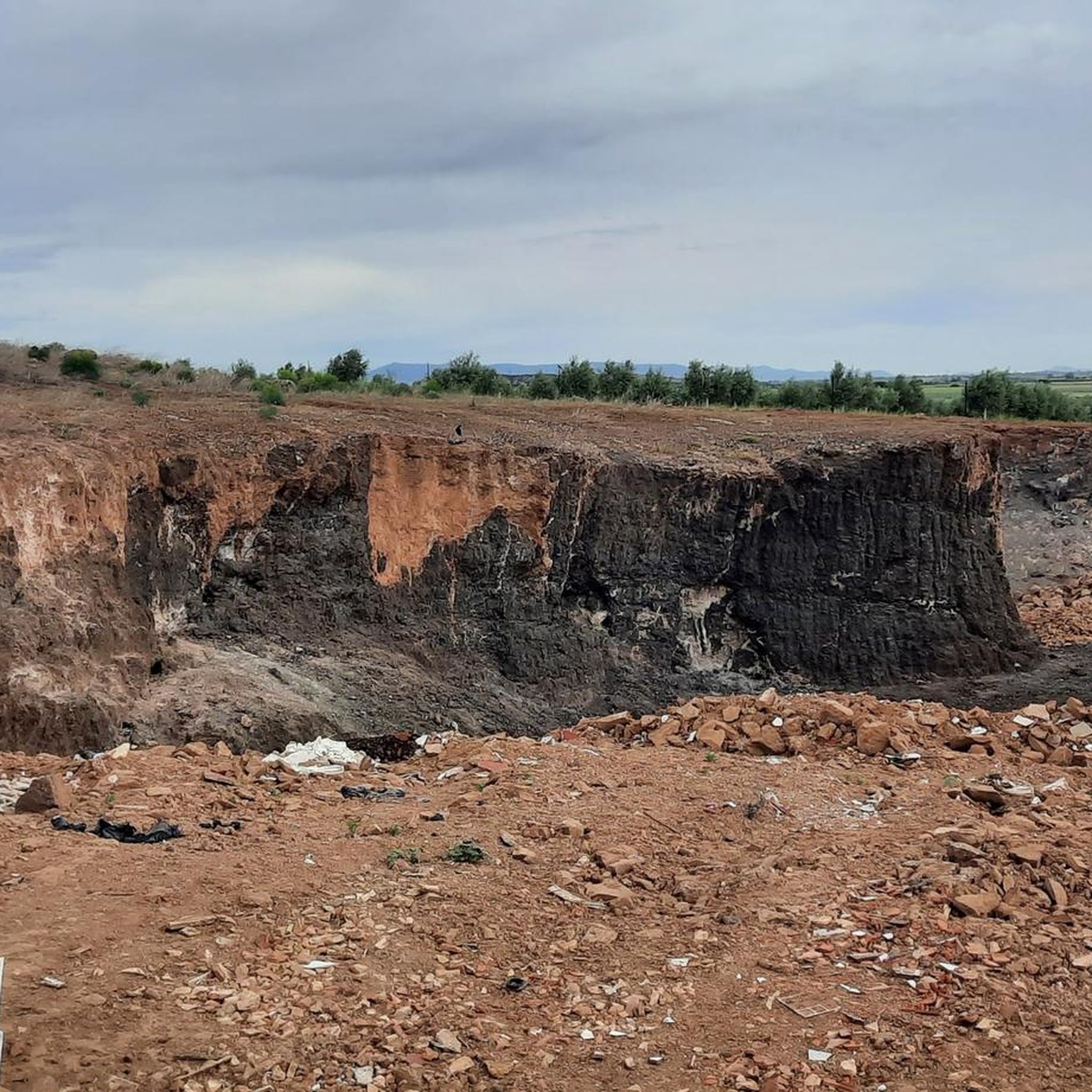
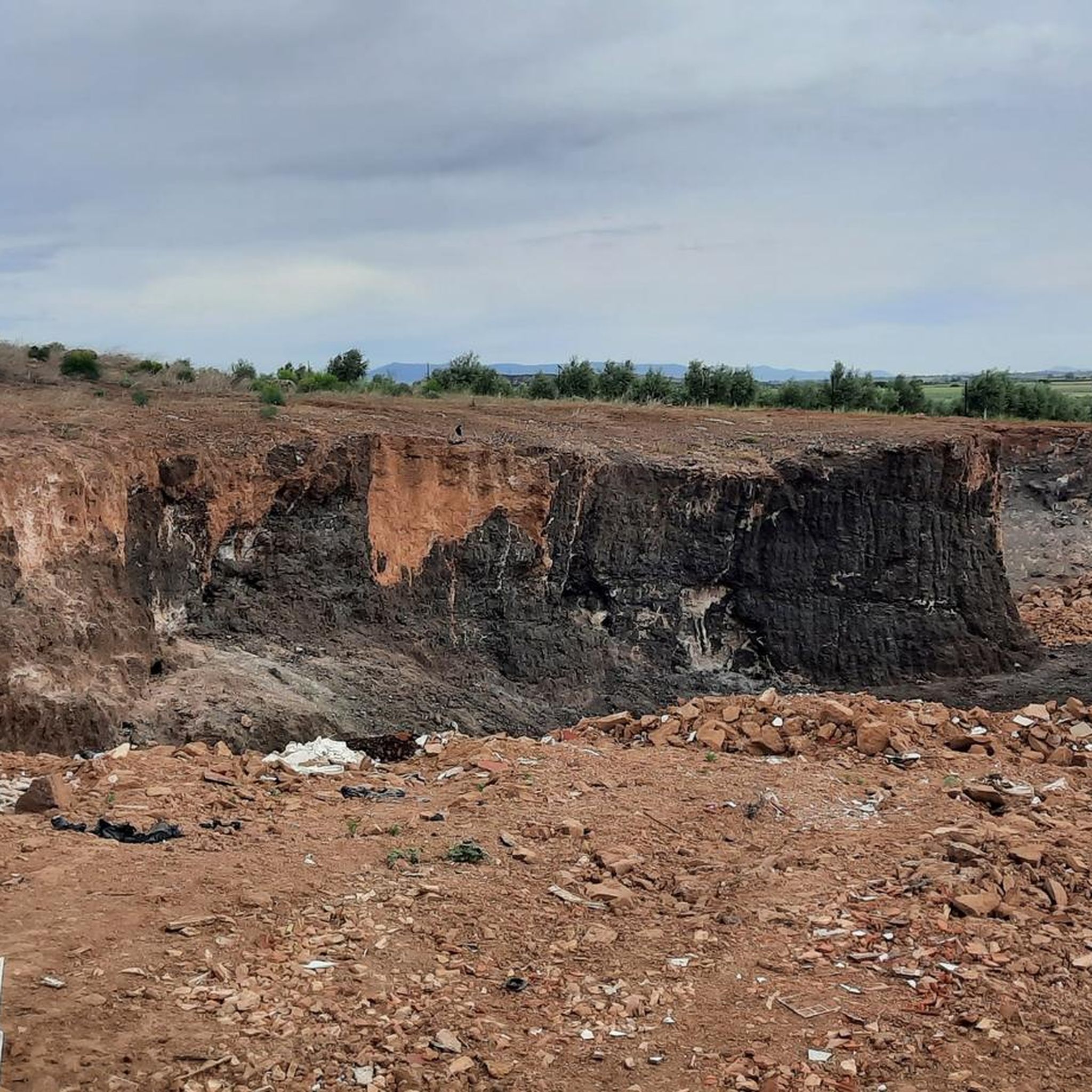
The water reserves in the Vega del Jabalón reservoir, one of the two that is already considered a dead reservoir, are practically nil. This swamp, which can store 33.54 cubic hectometres (hm3), currently has only 0.2 hm3, which is below the cubic hectometre, which is the minimum exploitation level set by the CHG.
22
0
Within the Campo de Calatrava region, this municipality attracts the visitor's attention because it is close to two salty lagoons of volcanic origin, Argamasilla and Inesperada; formerly used as medicinal waters. Like other thermal springs where the Infante Don Carlos ordered the construction of the Baños de Fuensanta. In addition to its natural assets, the religious ones are important, in the form of a church and a sanctuary that we must not miss. Its 17th century church dedicated to Saint John the Baptist was declared a B.I.C. in 1989. Its nave is covered by a barrel vault and has a polygonal apse and two doorways under porticoes, one of them with Tiara Papal. It is one of the few churches that preserves its three original altarpieces from the 18th century, the most important being that of the High Altar made of walnut wood without polychrome and with allegories of the Trinity. In the Sanctuary of Nuestra Señora de los Santos we can also admire a beautiful altarpiece in Churrigueresque forms. The sanctuary is on the outskirts of the town and was built on an old Arab fortress. It has a single nave in which we will see wall paintings and a beautiful Mudejar coffered ceiling.
40
0
Pozuelo de Calatrava is a rustic town of medieval origin located in the historic region of Campo de Calatrava, on the edge of one of the most interesting volcanic lagoons in the territory: La Inesperada or Laguna del Prado, where you can spot various waterfowl.
29
0
Within the Campo de Calatrava region, this municipality attracts the visitor's attention because it is close to two salty lagoons of volcanic origin, Argamasilla and Inesperada; formerly used as medicinal waters. Like other thermal springs where the Infante Don Carlos ordered the construction of the Baños de Fuensanta. In addition to its natural assets, the religious ones are important, in the form of a church and a sanctuary that we must not miss. Its 17th century church dedicated to Saint John the Baptist was declared a B.I.C. in 1989. Its nave is covered by a barrel vault and has a polygonal apse and two doorways under porticoes, one of them with Tiara Papal. It is one of the few churches that preserves its three original altarpieces from the 18th century, the most important being that of the High Altar made of walnut wood without polychrome and with allegories of the Trinity. In the Sanctuary of Nuestra Señora de los Santos we can also admire a beautiful altarpiece in Churrigueresque forms. The sanctuary is on the outskirts of the town and was built on an old Arab fortress. It has a single nave in which we will see wall paintings and a beautiful Mudejar coffered ceiling.
21
0
The Parque del Pilar has an area of almost 80,000 m², being divided between 16,420 m² of grass, 3,768 m² of bushy area and 250 m² of flowering plant, the rest being residential areas, sports areas, children's play areas and tree-lined walkways. . It also includes a lake with 13,000 m², which represents approximately 15% of the total area. Its design, contemporary and with an open and functional structure, is the work of the architect D. Ramón Ruiz Valdepeñas. It is based on the lake that is in its center, which, as a central focus, finishes off the park in its southern and western areas, having as a singularity in its northern area a construction in the form of a ship's keel from which two large streams of water. It also has a perimeter fountain and two wind turbines inside the lake that have an ornamental function and oxygenation of its water. This lake not only has as its object ornament and attenuation of the rigors of summer in the park, but also serves as a large regulating reservoir for its irrigation.
37
0
Frequently Asked Questions
What makes the lakes around Pozuelo de Calatrava unique?
The lakes in the Campo de Calatrava region, including those near Pozuelo de Calatrava, are primarily of volcanic origin. Many are saline lagoons formed by phreatomagmatic explosions, creating unique ecosystems. For example, Laguna del Prado is a saline volcanic lagoon with seasonal waters, known for its high salt content and distinct biodiversity.
Are there good opportunities for birdwatching around Pozuelo de Calatrava?
Yes, the region is excellent for birdwatching, especially at Laguna del Prado. This internationally important wetland hosts a significant community of wading birds during breeding season, such as avocets, black-winged stilts, and Kentish plovers. In winter, you might spot various duck species, gulls, and even pink flamingos. There are two bird observatories on its shores for visitors.
What kind of activities can families enjoy at the lakes?
For families, Laguna del Prado offers nature observation and an Interpretation Center for Volcanic Water with activities like bird censuses and geo-routes. The Parque del Pilar, with its central lake, provides a family-friendly urban green space with children's play areas and tree-lined walkways. The El Charcazo Area in Corral de Calatrava also features a small lake with ducks, barbecues, and picnic tables.
Are there hiking trails near the lakes in Pozuelo de Calatrava?
Yes, you can find several hiking trails. For instance, there's an easy circular route around Laguna del Prado. More extensive options are available, such as the 'Laguna del Prado – Laguna del Prado loop' which is a moderate 10.7 km hike. You can explore more hiking routes in the area by visiting the Hiking around Pozuelo De Calatrava guide.
Can I go cycling around the lakes?
Absolutely. The region offers various cycling routes. For example, you can find moderate cycling tours like 'Presa de Jabalón — circular desde Almagro' which is a 48.6 km route. Discover more cycling options in the Cycling around Pozuelo De Calatrava guide.
What is the best time of year to visit the lakes?
The best time to visit depends on your interests. For birdwatching, spring and autumn are ideal for migratory species. During summer, some saline lagoons like Laguna del Prado can dry out, revealing striking salt crusts, which is a unique sight. Winter also attracts various duck species and flamingos.
Are there any historical or cultural sites near the lakes?
Yes, the municipality of Pozuelo de Calatrava itself, located near the volcanic lagoons, offers historical sites. You can visit its 17th-century church dedicated to Saint John the Baptist, which was declared a B.I.C. in 1989, and the Sanctuary of Nuestra Señora de los Santos, built on an old Arab fortress.
What other notable lakes are in the broader Campo de Calatrava region?
Beyond Pozuelo de Calatrava, the Campo de Calatrava region features several other volcanic lakes. These include Laguna de Peñarroya, known for its red splash deposits; Laguna de la Posadilla, encircled by holm oaks; Laguna de Michos, a beautiful crater lake; and Hoya de Cervera Lagoon, noteworthy for its size and surrounding forests.
Is swimming allowed in the lakes around Pozuelo de Calatrava?
Generally, swimming is not permitted in many of the natural lagoons due to their protected status, unique saline composition, or seasonal nature. For example, swimming in the reservoir at El Charcazo Area is not allowed. Always check local regulations at each specific lake.
What is the Vega del Jabalón Reservoir?
The Vega del Jabalón Reservoir is a significant man-made lake formed by a dam on the Jabalón river. Built in 1992, it has a surface area of 646 hectares and serves as an important water body in the region. Its water levels can fluctuate significantly, especially during droughts.
What can I expect to see at the Interpretation Center for Volcanic Water near Laguna del Prado?
The Interpretation Center for Volcanic Water, located near Laguna del Prado, offers educational activities related to the unique geological history and ecology of the volcanic lakes. You can learn about the pseudokarstic origin of the lagoons, their saline waters, and the diverse birdlife they support, including participating in bird censuses and geo-routes.
Most popular routes around Pozuelo De Calatrava
Most popular attractions around Pozuelo De Calatrava

Get inspired with the komoot mobile app


Explore more
Still not found your perfect lake around Pozuelo De Calatrava? Check out the guides of these regions to see even more beautiful places.
