Top 8 Lakes around Roda De Ter
Lakes around Roda De Ter are primarily represented by the significant reservoir system within the Osona region of Catalonia. This area features two large reservoirs, Sau and Susqueda, which are integral to the Ter River's hydrological system. These bodies of water offer diverse natural landscapes, opportunities for outdoor activities, and unique historical elements. The region provides a blend of scenic beauty and functional infrastructure, making it a notable destination for exploration.
Best lakes around Roda De Ter
- The most popular…
Last updated: June 20, 2026
Church of Sant Romà de Sau (Submerged Bell Tower)
Highlight • Religious Site
Translated by Google •
Tip by

Sau Dam
Highlight • Lake
Translated by Google •
Tip by
Sign up now to discover places like this
Get recommendations on the best single tracks, peaks, & plenty of other exciting outdoor places.
Sign up for free
View of the Cingles de Tavertet from Sau Reservoir
Highlight • Viewpoint
Translated by Google •
Tip by

View towards the Monastery
Highlight • Viewpoint
Translated by Google •
Tip by

Playa de la Rovira
Highlight • Beach
Translated by Google •
Tip by

Sign up for free to discover even more lakes around Roda De Ter.
Sign up for free
Already have an account?
Start today with a free account
Your next adventure awaits.
Login or Signup

Other adventures around Roda De Ter

Tips from the Community

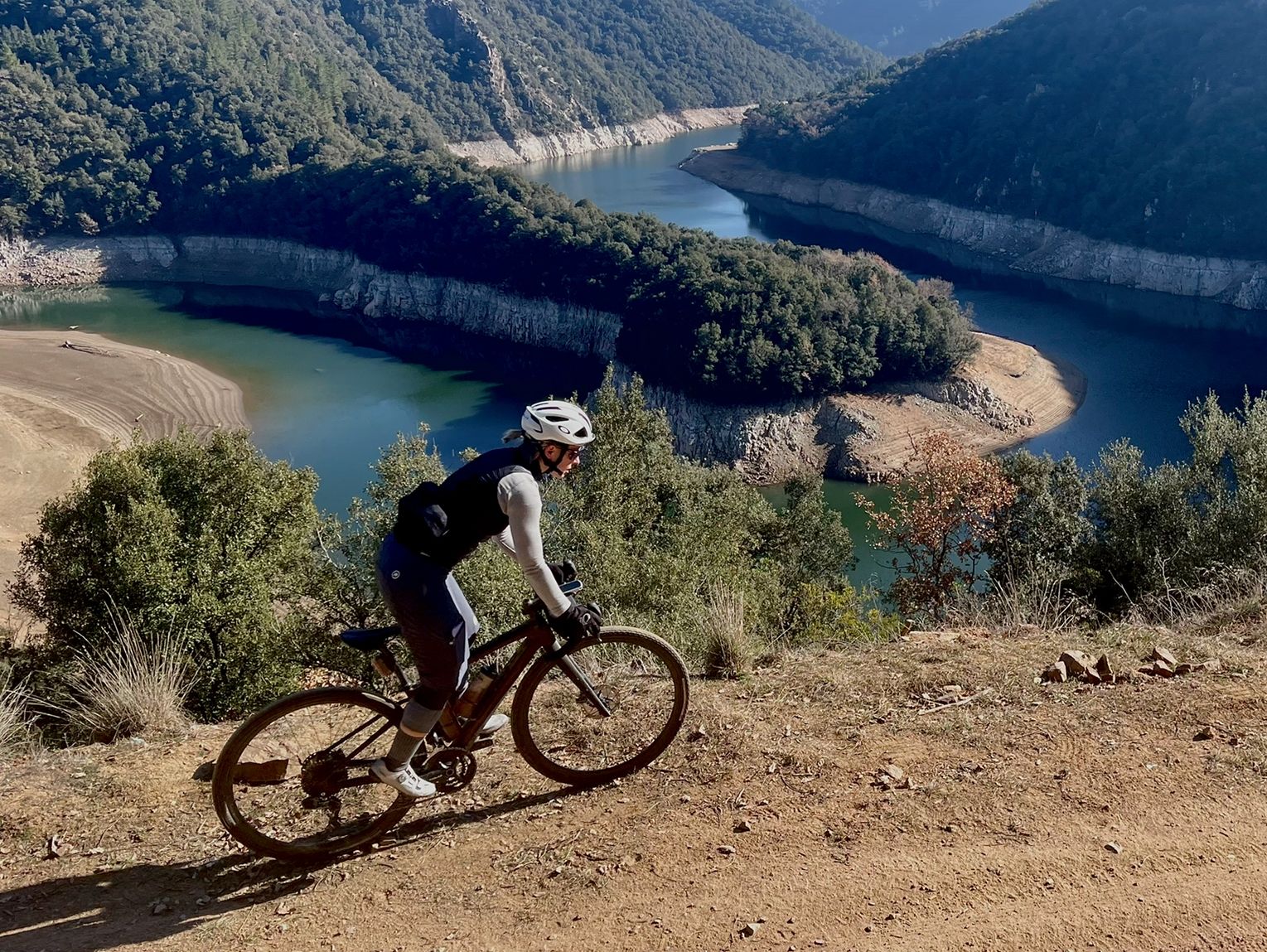
Sau Dam Tip for Bikepackers When riding near the Pantà de Sau (Sau Reservoir), don’t miss stopping at the Sau Dam viewpoint. It’s a spectacular spot to catch your breath and take in the sweeping views of the turquoise reservoir framed by steep cliffs and lush forests. 🌊 If water levels are low, you might even spot the famous submerged bell tower of the old village of Sant Romà de Sau poking out of the water — a haunting and iconic sight that adds a unique story to your ride. 🛑 Keep in mind the area around the dam can be a bit steep and technical on gravel roads, so take it easy if you’re loaded up. 💡 Pro tip: Early morning or late afternoon light here is magical for photos and gives you cooler temperatures for climbing or descending.
1
0

In this year 2024, the Sau reservoir has suffered one of the greatest droughts since there are records, in 1963 was the year it was inaugurated to leave Sant Romà de Sau under its waters, This Sau swamp in the Ter River... It would serve to supply water 💧 for many regions, since in those times we already had periods of lack of water to supply the basic needs of the population.
3
0

A great place even if the reason why this village reappears after 60 years is more than sad. Water shortage in Catalonia.
2
0
Amazing views of the Del Ter ravine
3
0

La Rovira beach is located in the Sau reservoir, where the vestiges of the villages that were flooded to create the reservoir still remain. From this beach there are fantastic views of the spectacular cliffs that surround the swamp.
1
1

It is worth leaving the main trail and going down to see the old bell tower and the church of Sau on the other bank without trees in the middle
3
0

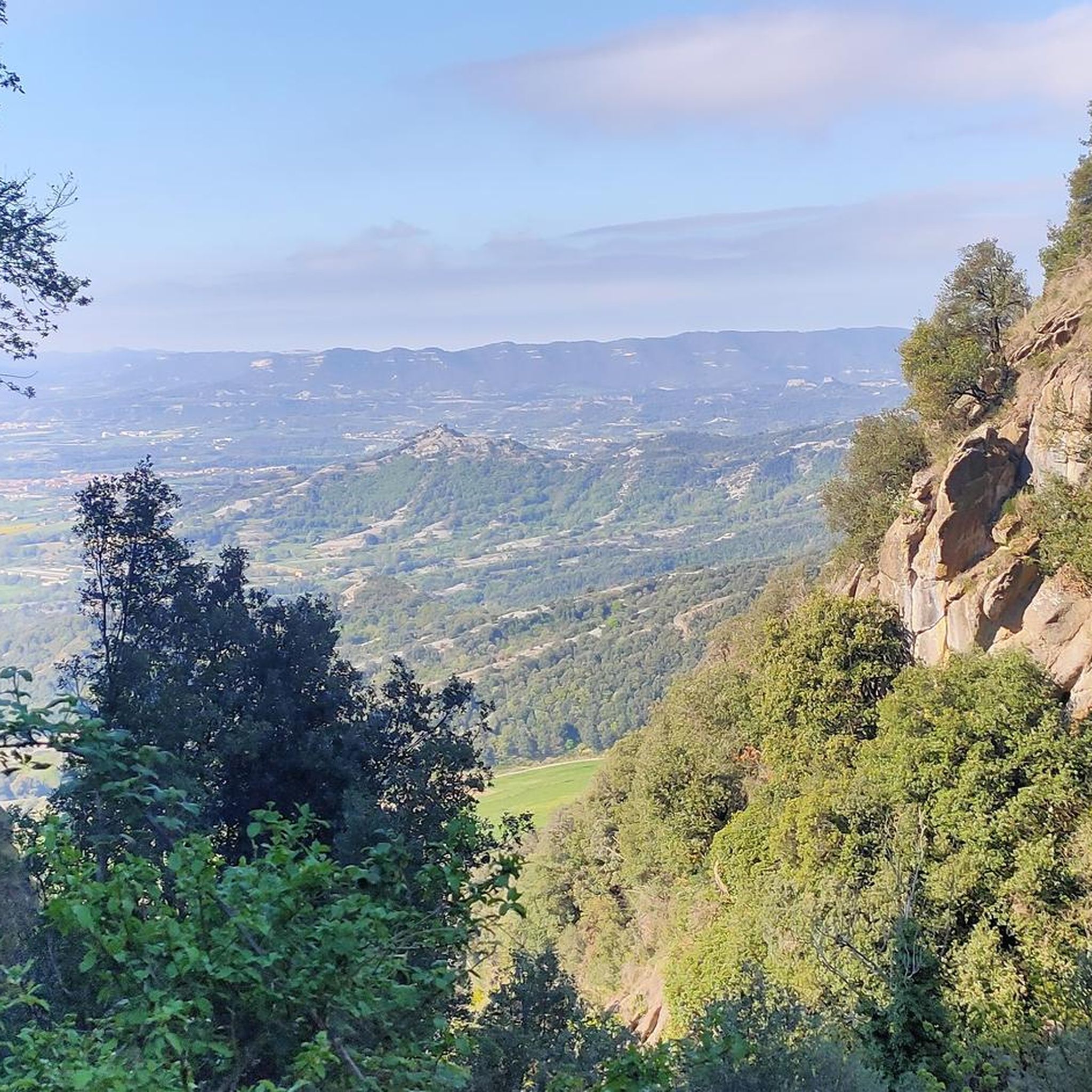
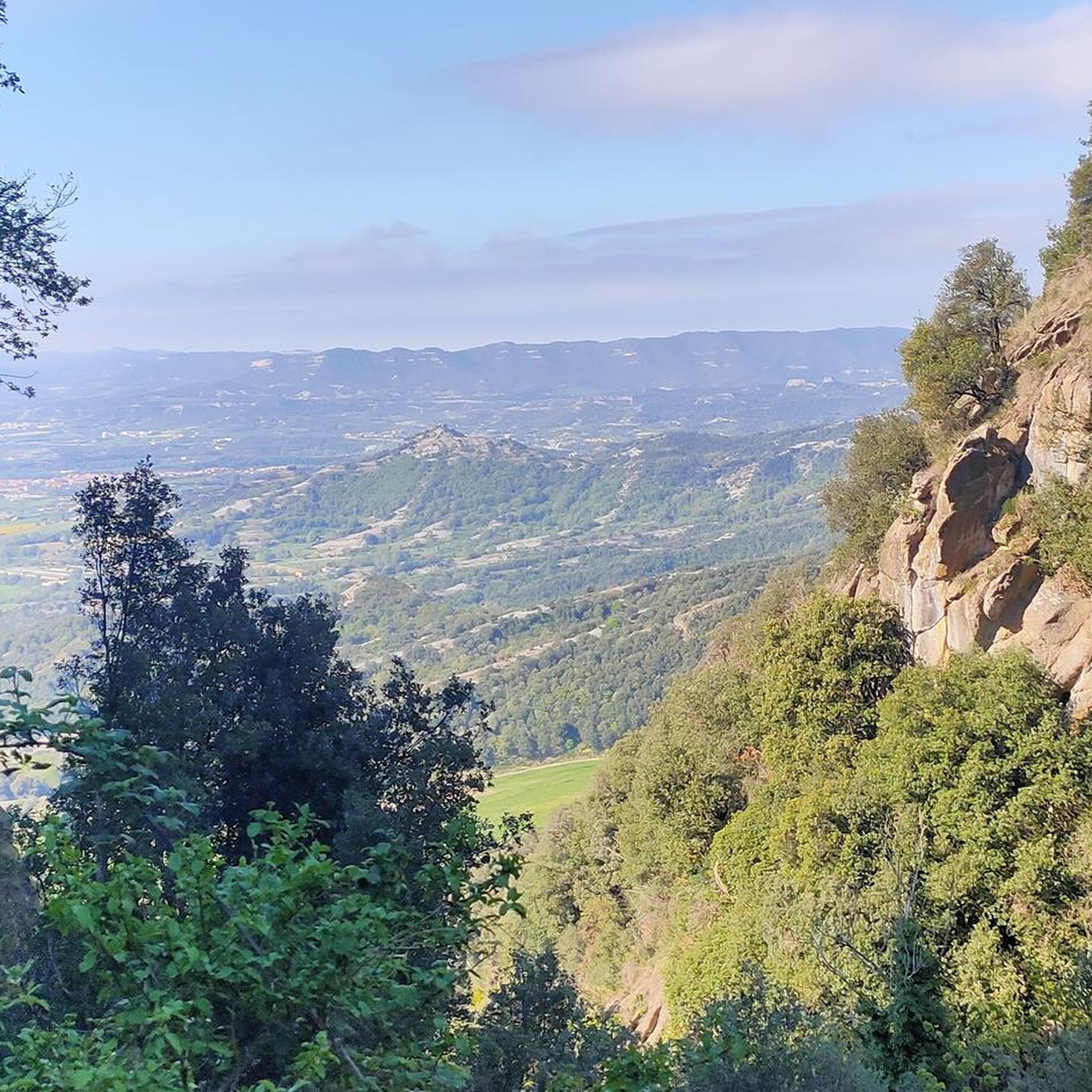
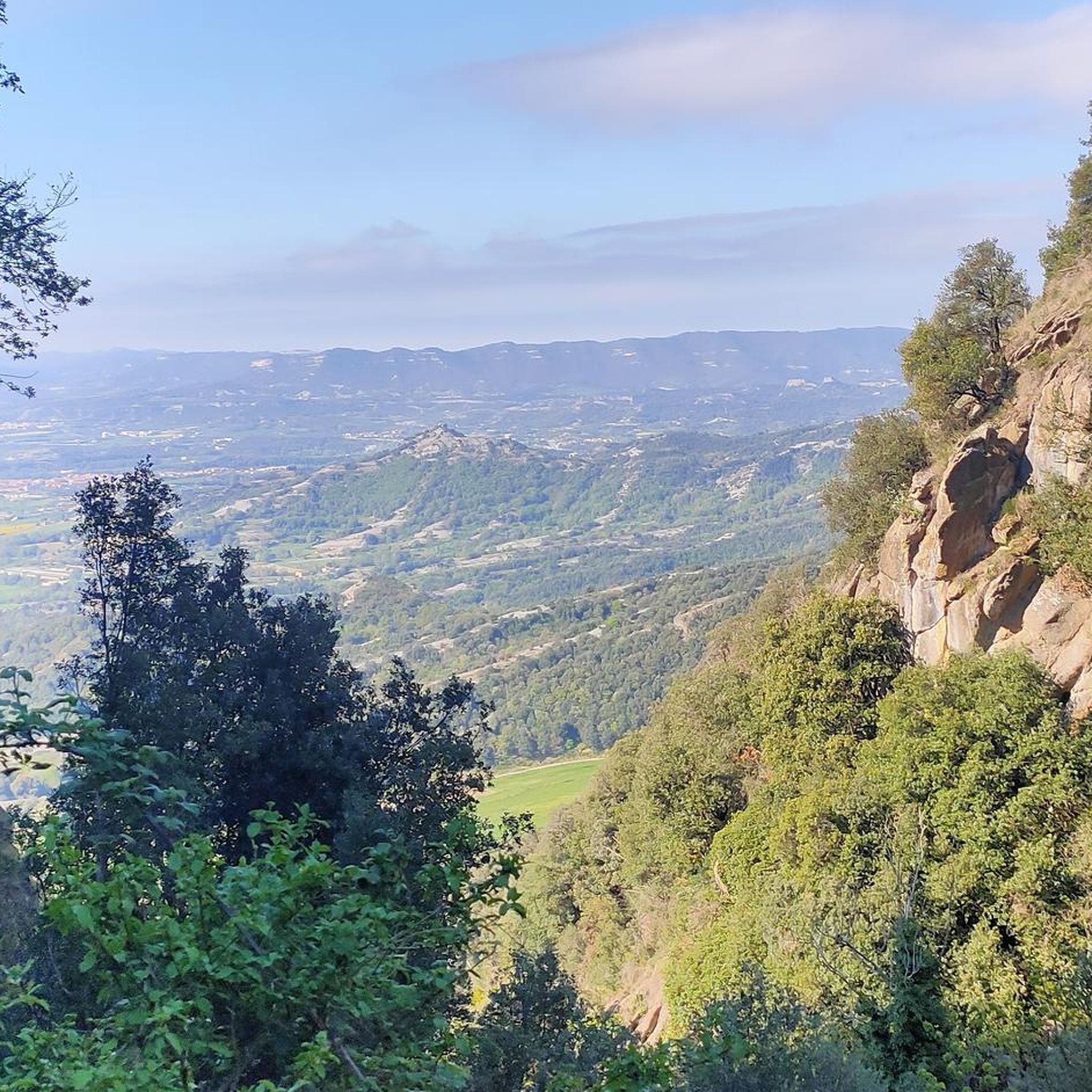
This Cingles de Tavertet des de Sau viewpoint shows a beautiful panoramic view of the Sau reservoir and the surrounding mountains. At the bottom of its waters lies the town of Sant Romà de Sau since 1960, when the water completely covered the small town, condemning houses, gardens and memories to live underwater. If it coincides that you are pedaling this Route in a dry period, you will be able to see the tip of the bell tower of the town's church.
2
0

When the water is not very high, there is a great beach here and you can see the bell tower of an old church that was being flooded when the dams were built.
4
0
Frequently Asked Questions
What historical sites can I explore around the lakes near Roda de Ter?
The most iconic historical site is the Church of Sant Romà de Sau (Submerged Bell Tower), an eleventh-century church that becomes visible when water levels are low at the Sau Reservoir. It's recognized as the oldest church in the world preserved standing in water. The Susqueda Reservoir also has historical interest, as its creation submerged the original village of Susqueda, and parts of an old Roman bridge may be visible during droughts.
Where can I find the best panoramic views of the lakes?
For breathtaking views, visit the View of the Cingles de Tavertet from Sau Reservoir, which offers panoramic vistas of the reservoir and surrounding mountains. The Sau Dam also provides sweeping views of the turquoise reservoir and its framed cliffs. For the Susqueda Reservoir, the sanctuary of Mare de Déu del Far offers spectacular panoramic views of the reservoir and the Guilleries mountains.
What water sports are available on the lakes?
Both the Sau and Susqueda Reservoirs are excellent for water activities. You can enjoy kayaking, paddle-boarding, sailing, and water-skiing on the calm waters of Sau. Susqueda also offers kayaking, canoeing, and paddle surfing. Several companies in the area provide rentals and guided tours.
Are there hiking trails around the Sau and Susqueda reservoirs?
Yes, both reservoirs offer extensive networks of hiking trails. Around Sau, you can find routes ranging from gentle walks to more challenging paths with panoramic views, such as those leading to Morro de l'Albella or Puig del Far. A notable route also leads to the Monastery of Sant Pere de Casserres. For a longer adventure, a hiking route of approximately 37 kilometers connects the Sau and Susqueda reservoirs. You can find more hiking options in the Running Trails around Roda De Ter guide, which includes routes near the lakes.
Can I go cycling around the lakes near Roda de Ter?
Absolutely. The areas around both Sau and Susqueda Reservoirs are popular for cycling, with trails for various skill levels. The Road Cycling Routes around Roda De Ter guide and the Gravel biking around Roda De Ter guide offer numerous routes that explore the scenic landscapes around these lakes.
Are the lakes around Roda de Ter suitable for families?
Yes, the lakes are very family-friendly. The Playa de la Rovira at Sau Reservoir is a great spot for families, offering fantastic views and a place to relax by the water. Many of the gentle walking trails and water sports activities are also suitable for families with children.
When is the best time of year to visit the lakes near Roda de Ter?
The lakes can be enjoyed year-round, but spring and autumn are particularly pleasant for hiking and cycling due to milder temperatures and beautiful natural colors. Summer is ideal for water sports, though it can be warmer. Visiting during periods of low water levels can offer the unique experience of seeing more of the submerged village of Sant Romà de Sau.
Are there picnic areas or places to eat near the reservoirs?
Yes, there are equipped picnic spots with tables and barbecues around the Sau Reservoir. Additionally, you can find restaurants in nearby villages like Vilanova de Sau, offering options for dining after your activities.
What kind of wildlife can I expect to see around the lakes?
The serene environment of both reservoirs is perfect for observing local flora and fauna. You might spot various waterbirds, deer, and wild boars, especially during dawn or dusk. The Guilleries-Savassona Natural Area surrounding Sau Reservoir is rich in biodiversity.
What makes the Susqueda Reservoir unique compared to Sau Reservoir?
While both are crucial reservoirs, Susqueda is known for its more tranquil and unspoiled natural surroundings due to its slightly more difficult accessibility, preserving its pristine state. It's the largest reservoir in the Ter River's system and is characterized by lush, hilly landscapes and an impressive dam. It offers a sense of remote beauty and excellent opportunities for quiet outdoor activities.
Can I see the submerged bell tower of Sant Romà de Sau at any time?
The visibility of the Church of Sant Romà de Sau (Submerged Bell Tower) depends entirely on the water levels of the Sau Reservoir. When water levels are low, the bell tower, and sometimes even the entire village, becomes visible. It's advisable to check current water levels before your visit if seeing the church is a priority.
What are the main functions of the Sau and Susqueda reservoirs?
Both the Sau and Susqueda reservoirs are integral to the Ter River's hydrological system. They serve multiple functions, including providing a crucial part of the water supply for Barcelona, Girona, and the Costa Brava, regulating the river's flow, and generating hydroelectric power. They are vital infrastructure for the region.
Most popular routes around Roda De Ter
Most popular attractions around Roda De Ter

Get inspired with the komoot mobile app


Explore more
Still not found your perfect lake around Roda De Ter? Check out the guides of these regions to see even more beautiful places.
