Top 9 Caves around Rubí
Best caves around Rubí, a municipality in Catalonia, Spain, offer a diverse range of underground experiences. Located near Barcelona, Rubí serves as a gateway to exploring both natural geological formations and historical man-made subterranean structures within the broader region. The area's landscape, characterized by its proximity to natural parks and mountain ranges, contributes to the variety of cave types available for exploration.
Best caves around Rubí
- The most popular caves is Font de la Tosca and Degotalls, a natural…
Last updated: June 20, 2026
Juanita Mine
Highlight • Cave
Translated by Google •
Tip by

Mina Grott
Highlight • Cave
Translated by Google •
Tip by

Sign up now to discover places like this
Get recommendations on the best single tracks, peaks, & plenty of other exciting outdoor places.
Sign up for free
The Cave Near Can Coll
Highlight • Cave
Translated by Google •
Tip by

Font de la Tosca and Degotalls
Highlight • Waterfall
Translated by Google •
Tip by

Cave of Our Lady of Montserrat
Highlight • Cave
Translated by Google •
Tip by
Sign up for free to discover even more caves around Rubí.
Sign up for free
Already have an account?
Start today with a free account
Your next adventure awaits.
Login or Signup
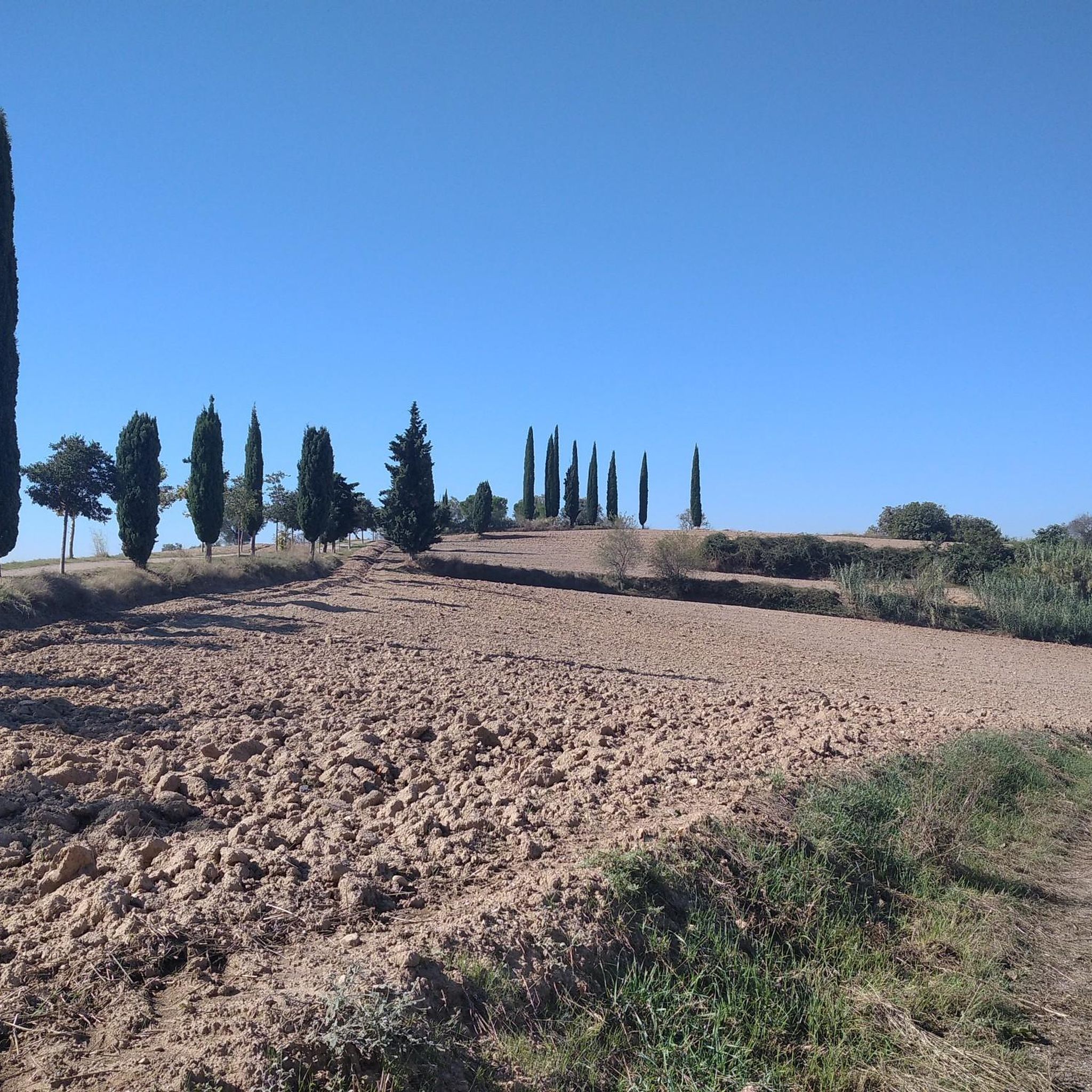
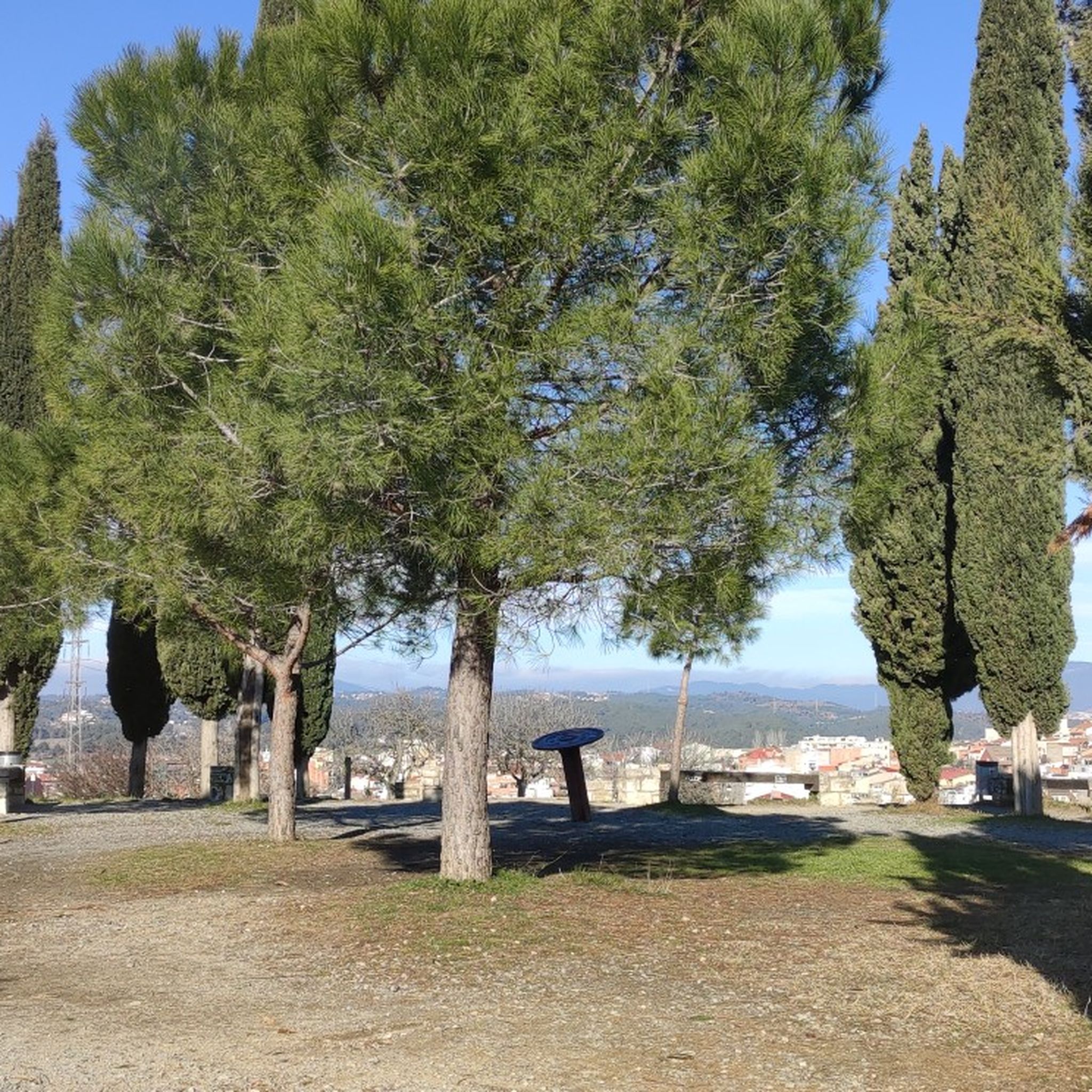
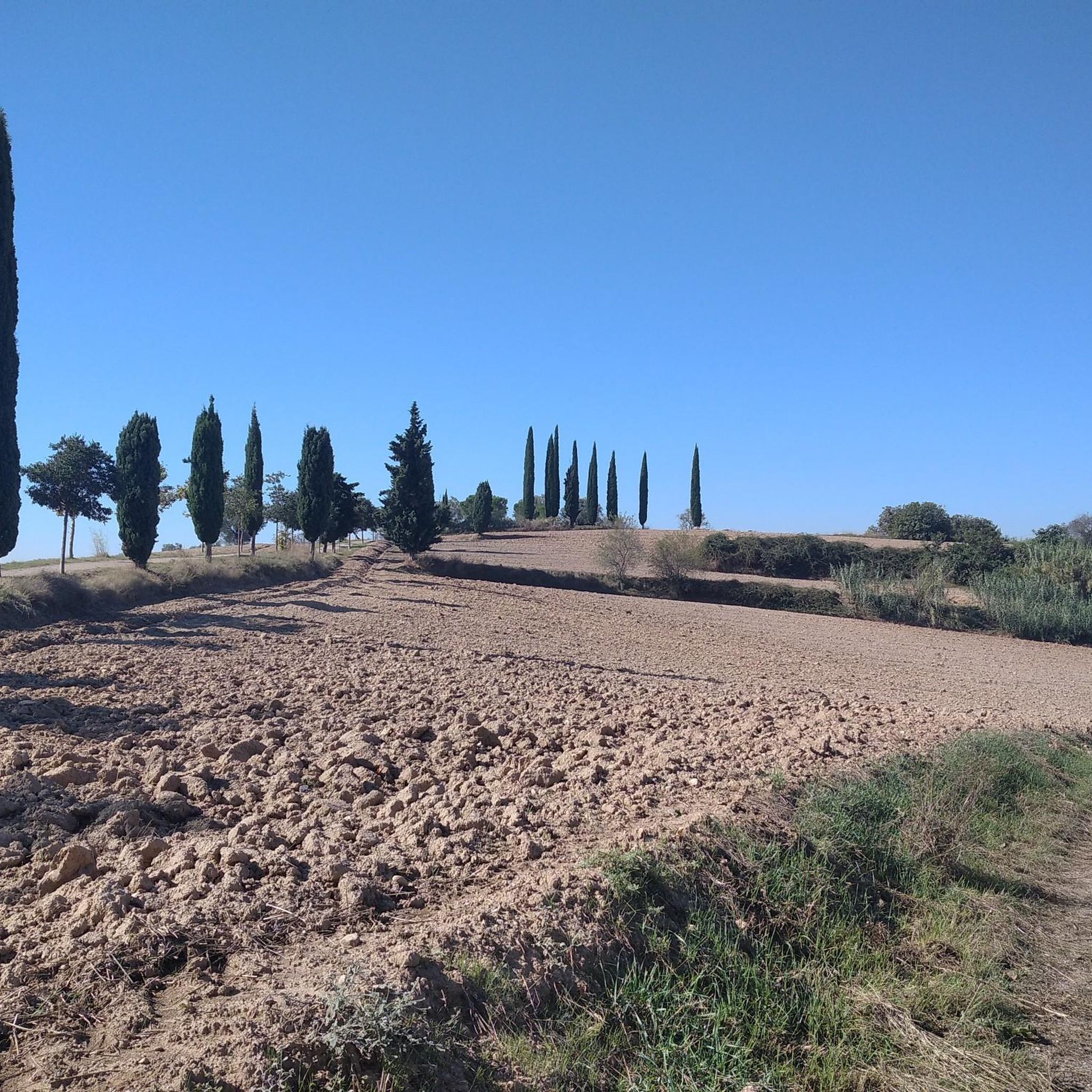


Tips from the Community

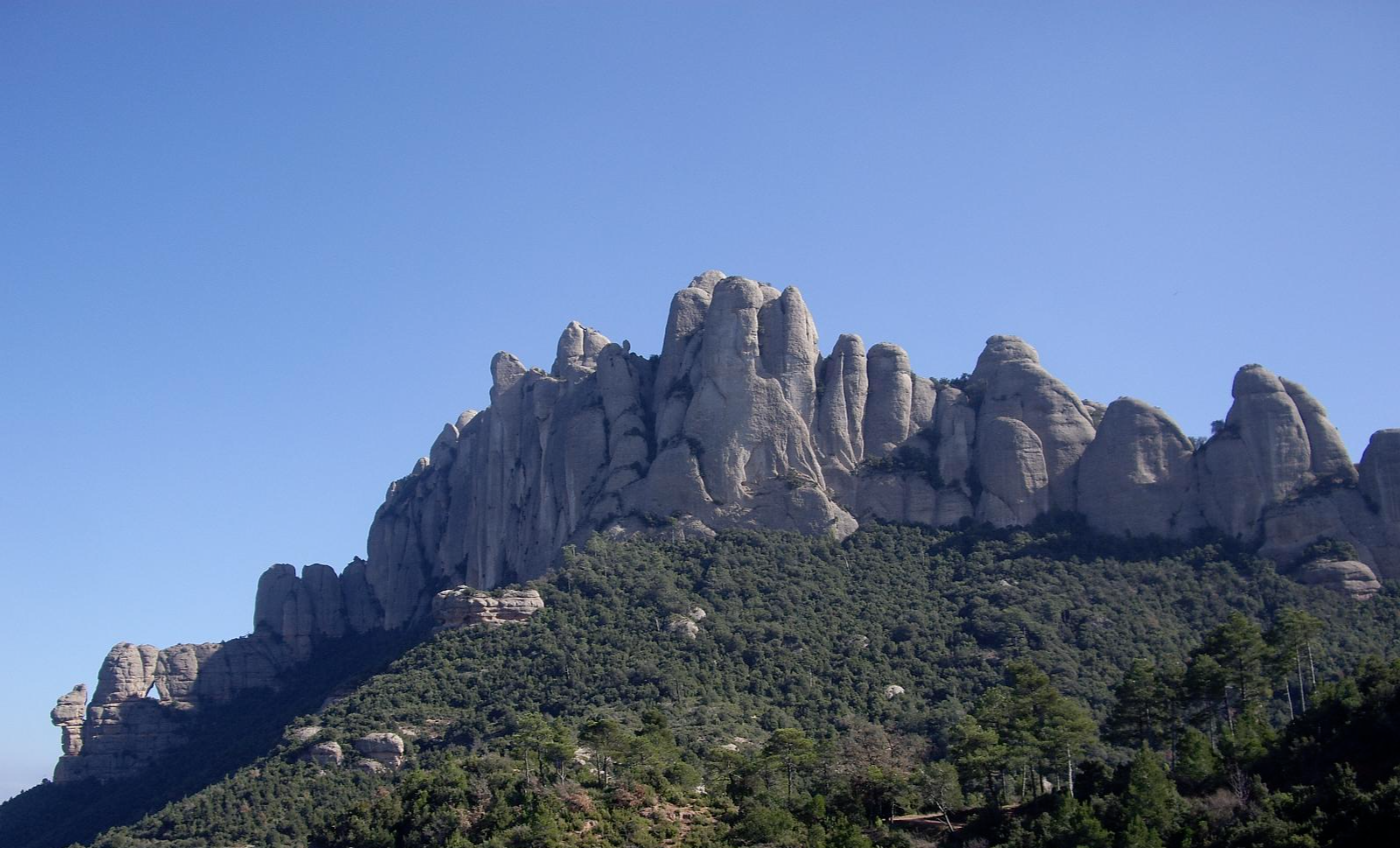
Lots of natural beauty and lush forest just a short distance from the city of Sabadell. Spectacular.
0
0

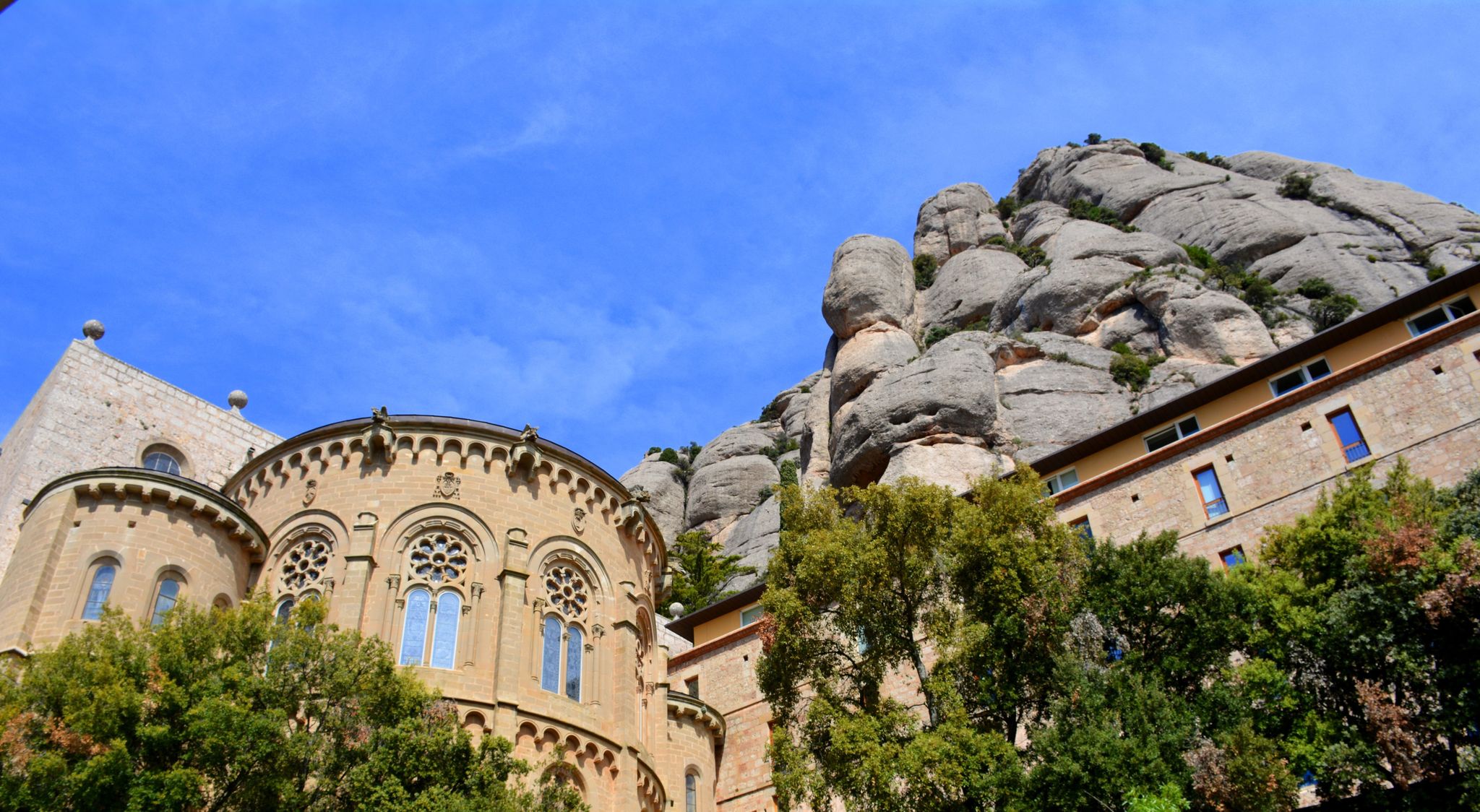
Interesting black virgin.
0
0

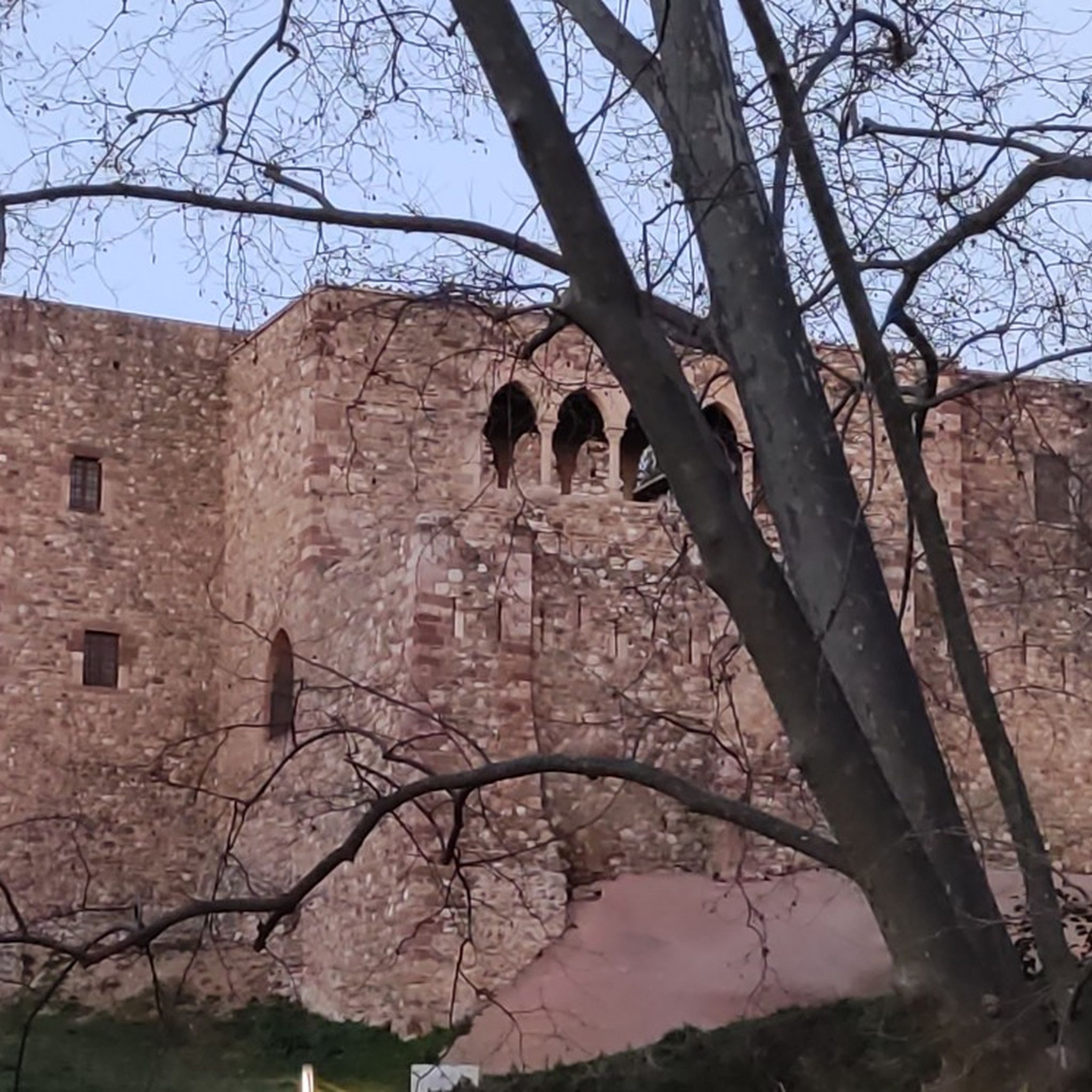
Natural environment to explore it with peace of mind.
1
0

Oratory dedicated to Our Lady of Montserrat where we can see a small image with offerings of rosemary. It is located about 60 meters below the hermitage of Sant Salvador. It is usually open on the same days as the hermitage of Sant Salvador.
1
0

The Grott Mine is a tunnel of almost one and a half kilometers that is located in the Sierra de Collserola. Its construction was to carry water from the Pantano de Vallvidrera to the old municipality of Sarrià.
2
0

A strange cave in the side of the trail. It is a popular place for people to visit on a nice trail near Can Coll. I am not sure if the cave actually goes anywhere but the trail at the right time of the day gets beams of light that are magical.
5
1

According to Sergi Falguera, a collaborator of the Friends of the Geology Museum association, the site began to be exploited in the 17th century, but the most important extractions date back to the 19th and 20th centuries, when it was named Juanita. . It was part of the land of the Masia de Santa Caterina, in the neighborhood of Pedralbes. The mine still has several access tunnels. It is low in water, but it is not drinkable because it carries the acid that is formed from the oxide of minerals
3
0

Cave descending from Sant Salvador d'Espases. There is a virgin.
5
0
Frequently Asked Questions
What types of caves can I explore around Rubí?
The area around Rubí offers a diverse range of underground experiences, including natural geological formations, historical mines, and religious grottoes. You can find everything from spectacular natural springs emerging from caves to ancient man-made tunnels with significant history.
Are there any historical caves or mines to visit near Rubí?
Yes, you can explore several historical sites. The Juanita Mine, for instance, has a history of exploitation dating back to the 17th century. Another significant site is Mina Grott, an old tunnel built in the early 19th century, originally used to transport water and later as an express train station.
Which caves are suitable for families with children?
For a family-friendly option, consider The Cave Near Can Coll. It's located on a popular trail and features both an entrance and an exit, creating a notable atmosphere with beams of light at certain times of day, making it a curious and engaging spot for all ages.
What natural features can I expect to see in the caves around Rubí?
You can encounter various natural wonders. For example, Font de la Tosca and Degotalls is a natural monument where water spectacularly emerges from a cave, surrounded by lush forest. While Rubí itself has local spots, the broader Catalonia region boasts impressive geological formations like those in Coves de Salnitre or the speleothems of Cova de les Meravelles.
Are there any religious or spiritual cave sites in the area?
Yes, the Cave of Our Lady of Montserrat is a historical and religious site. It features an oratory dedicated to Our Lady of Montserrat, with a small image and offerings, located below the hermitage of Sant Salvador.
What are the access conditions for the Juanita Mine?
To access the Juanita Mine, it's generally recommended to approach from the Les Aigües road, as it's considered more accessible and less dangerous than the path from Coll del Portell, which has loose stone trails. The mine still has several access tunnels, and while it contains water, it's not drinkable due to mineral acidity.
Can I find hiking trails near the caves around Rubí?
Absolutely. The region around Rubí is excellent for hiking. You can find numerous trails, such as the easy 'Torrent dels Alous – Terres de Ca n'Oriol loop' or the moderate 'Parque Ibérico – Bosc de l'Ermita de Sant Genís loop'. For more options, explore the Hiking around Rubí guide.
What other outdoor activities are available near the caves?
Beyond exploring caves, you can enjoy various outdoor activities. There are many road cycling routes, including moderate options like the 'Carretera de Castellbisbal – Martorell's Devil's Bridge loop'. Running enthusiasts will also find diverse trails, such as the 'El Pla dels Estels – Torrent de Alous Walk loop'. Check the Road Cycling Routes around Rubí guide and Running Trails around Rubí guide for more details.
What do visitors appreciate most about the caves around Rubí?
Visitors particularly enjoy the natural beauty and lush forest surrounding sites like Font de la Tosca and Degotalls, which offers a peaceful environment close to the city. The unique atmosphere created by light beams in The Cave Near Can Coll is also a popular highlight, as is the historical significance of the mines and religious grottoes.
Are there any prehistoric caves in the wider Catalonia region?
While Rubí itself focuses on local sites, the broader Catalonia region is home to significant prehistoric caves. For instance, the Cova del Toll in Moià is one of Europe's most important prehistoric sites, with evidence of human occupation and ancient fauna. The Coves de Serinyà also offer a didactic journey into the lives of early inhabitants.
Is there a salt cave or unique geological formation near Rubí?
Yes, within Catalonia, the Cultural Park of the Salt Mountain in Cardona offers a truly unique experience. It's an impressive salt dome that has been mined for centuries. Visitors can explore old mining galleries and witness fascinating formations created by the salt, providing an otherworldly view and significant historical interest.
What is the best time to visit the caves around Rubí?
The best time to visit depends on the specific cave and your preferences. Generally, the mild climate of Catalonia makes cave exploration possible year-round. For natural caves, spring and autumn often offer pleasant outdoor temperatures for accompanying hikes. For historical mines or grottoes, indoor conditions are usually stable, making them good options regardless of the season.
Most popular attractions around Rubí

Get inspired with the komoot mobile app


Explore more
Extend your search for the best caves by checking out these guides of the top ones around Rubí:
