Top 4 Castles around Villar De Olalla
Best castles around Villar De Olalla are found in a region characterized by its historical roots and proximity to the city of Cuenca. The area features evidence of Roman presence, including bridges and possible villas. Religious architecture, such as the 16th-century Iglesia de la Natividad de Nuestra Señora, also marks the landscape. While Villar de Olalla itself does not feature prominent castles, the surrounding area offers historical sites and castle remnants.
Best castles around Villar De Olalla
- The most popular…
Last updated: July 3, 2026
Castilla La Mancha
Highlight • Historical Site
Translated by Google •
Tip by

The Mirabueno Blockhouse
Highlight • Historical Site
Translated by Google •
Tip by
Sign up now to discover places like this
Get recommendations on the best single tracks, peaks, & plenty of other exciting outdoor places.
Sign up for free
Viewpoint of the Castle (Mirador del Castillo)
Highlight • Viewpoint
Translated by Google •
Tip by
Castle and church of Huerta de la Obispalía
Highlight • Castle
Translated by Google •
Tip by

Start today with a free account
Your next adventure awaits.
Login or Signup

Tips from the Community

The Mangana Tower is one of the most emblematic monuments in Cuenca's historic center and has been listed as a Site of Cultural Interest since 2001. It stands in Mangana Square, built on the site of the former Moorish fortress, the heart of the Jewish quarter and later home to noble palaces. Traditionally, it has served as the city clock since the 16th century. Today, it is a municipal symbol and a visual landmark of Cuenca's skyline.
8
0
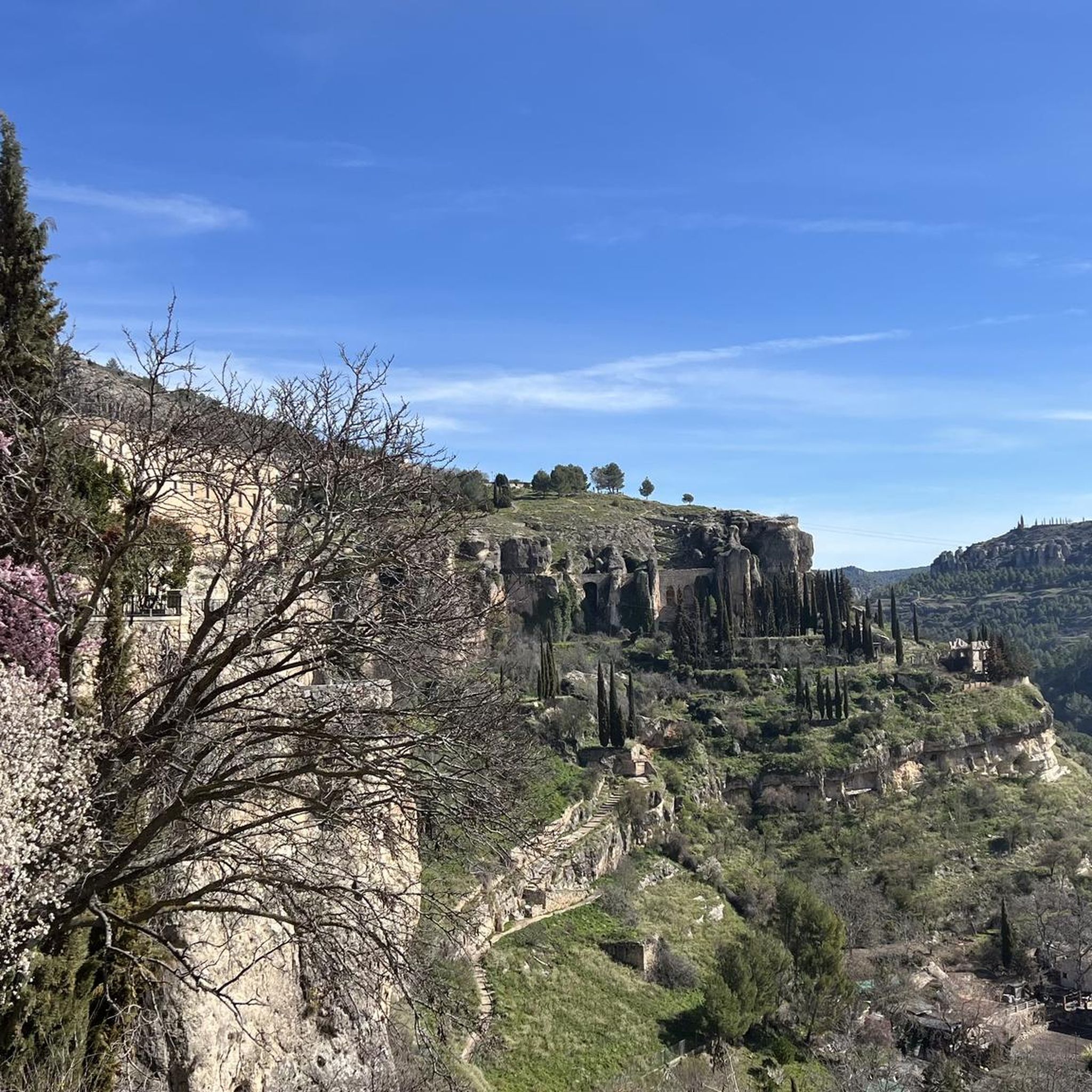
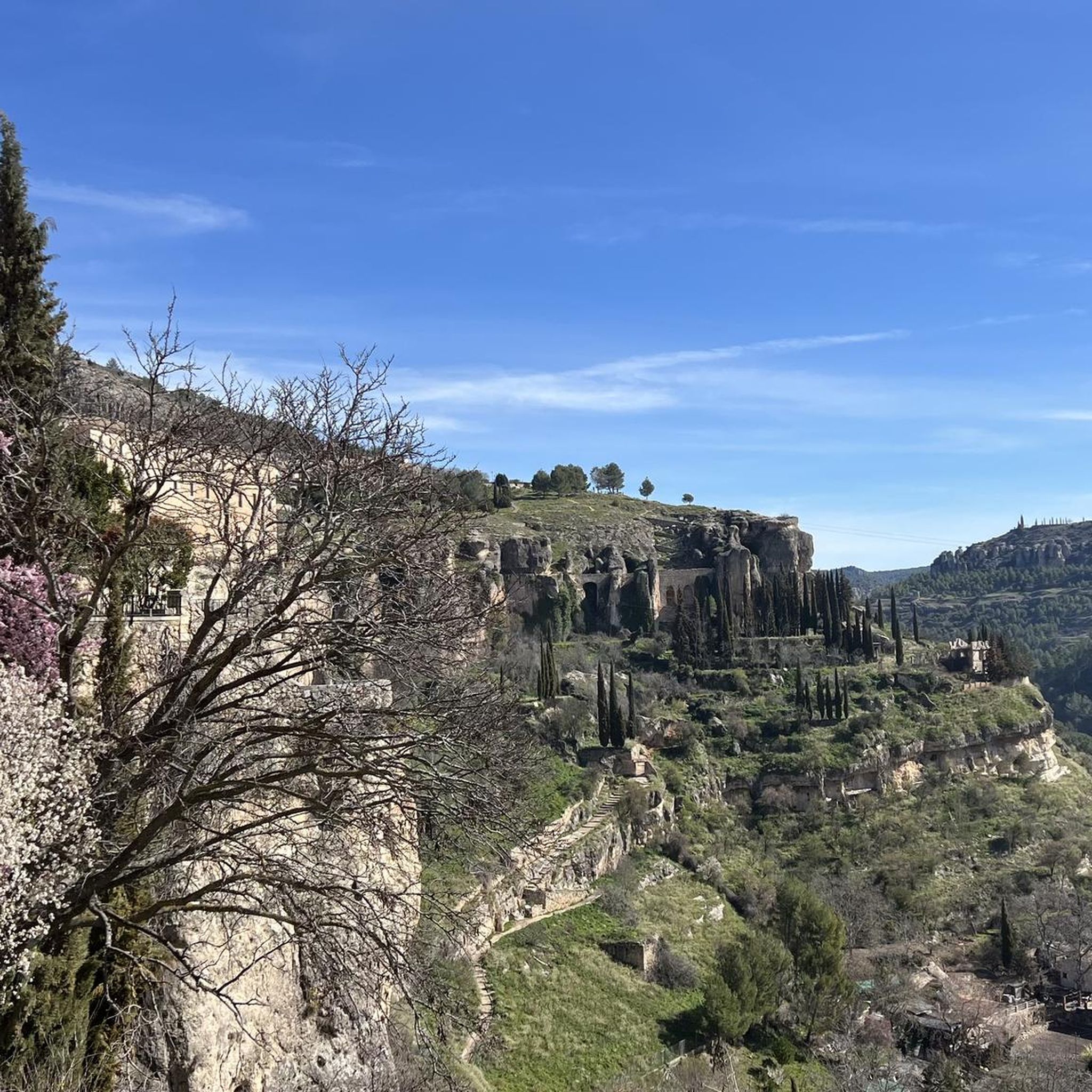
From this viewpoint, you can enjoy: A panoramic view of Cuenca's old and modern towns. The Huécar River valley, which forms an impressive gorge. The Convent of San Pablo (now a Parador Nacional). Spectacular sunsets that paint the historic buildings a rich red.
3
0
The Cuenca Castle Viewpoint, also known as the Castle District Viewpoint, is one of the most spectacular spots for viewing the city of Cuenca and its natural surroundings.
3
0

Not from all sides easy to reach. Best to find a good trail to go up and down.
0
0

The town of Huerta de la Obispalía is located at the top of a hill where you can see the group of houses that form the same nucleus. But from afar you can see the ruins of what used to be his castle!
0
1

The ruins of the old castle stand out as they are on the top of the small hill and next to them is the Renaissance church from the 16th century.
1
0

Do not deviate from the beaten path in the access from the dry corner
2
0
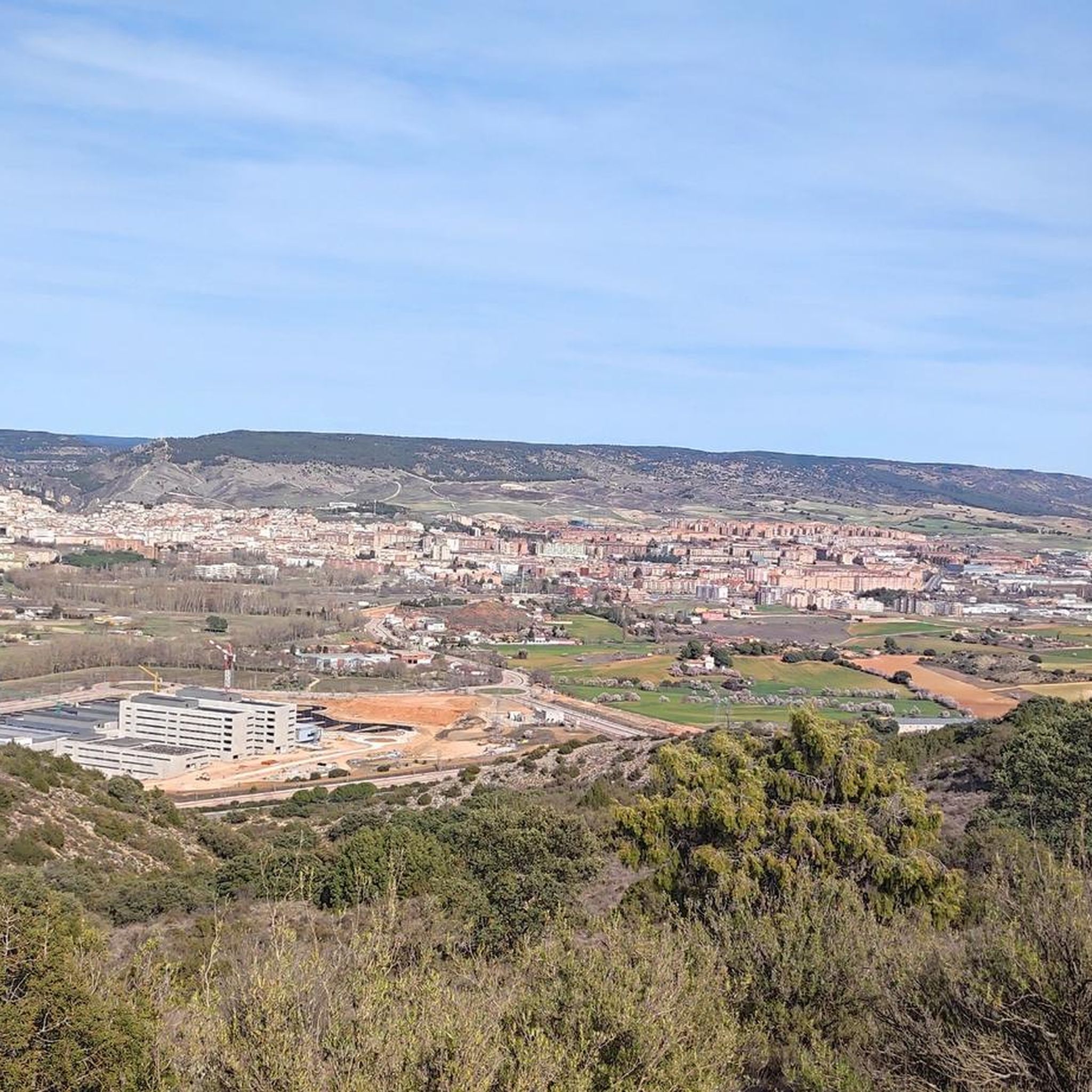
Built shortly after the outbreak of the Spanish Civil War.
10
0
Frequently Asked Questions
What historical sites and castle remnants can I explore around Villar de Olalla?
While Villar de Olalla itself doesn't feature prominent, intact castles, the surrounding area offers several significant historical sites and castle remnants. You can visit The Mirabueno Blockhouse, an anti-aircraft defensive point from the Spanish Civil War with expansive views. Another notable site is the Mangana Tower in Cuenca, an emblematic monument and city clock. Further afield, you'll find the ruins of the old castle and a 16th-century Renaissance church at Huerta de la Obispalía.
Are there good viewpoints to see the historical landscape near Villar de Olalla?
Yes, the region offers several excellent viewpoints. The Mirabueno Blockhouse provides breathtaking views of the surrounding area. Additionally, the Viewpoint of the Castle (Mirador del Castillo) in Cuenca offers spectacular panoramic views of the city's old and modern towns, the Huécar River valley, and the Convent of San Pablo.
What kind of Roman heritage can be found near Villar de Olalla?
Villar de Olalla has a rich Roman heritage. Evidence of Roman presence includes possible villas and mills near the San Martín and Júcar rivers. You can also explore two Roman bridges, Puente Palmero and Puente de Ballesteros, in the vicinity, offering a glimpse into the ancient history of the area.
What religious architectural sites are worth visiting in Villar de Olalla?
The area boasts significant religious architecture. In Villar de Olalla, the 16th-century Iglesia de la Natividad de Nuestra Señora is a notable landmark with a Latin cross plan and a dome over the transept. The Ermita de la Virgen del Villar, a neoclassical-style hermitage, is also important to the local community. Near the castle ruins of Huerta de la Obispalía, you'll find a beautiful 16th-century Renaissance church.
Are there hiking trails near the historical sites around Villar de Olalla?
Yes, there are several hiking opportunities that allow you to explore the historical sites. For instance, the 'Cerro del Socorro – circular from Cuenca via Mirabueno Blocao' route is a challenging hike that passes by The Mirabueno Blockhouse. You can find more hiking trails and detailed route information in the Hiking around Villar De Olalla guide.
What other outdoor activities can I do near Villar de Olalla's historical sites?
Beyond hiking, the region around Villar de Olalla offers various outdoor activities. You can explore numerous mountain biking trails, such as the 'Chillarón Telegraph Tower Loop' or 'Mountainbike loop from Cuenca'. For runners, there are routes like the 'Júcar Riverbank – Main Square loop from Cuenca'. Detailed information on these activities can be found in the MTB Trails around Villar De Olalla and Running Trails around Villar De Olalla guides.
What is the best time of year to visit the castles and historical sites?
The best time to visit the historical sites and explore the surrounding area is generally during spring (April-May) and autumn (September-October). During these seasons, the weather is typically mild and pleasant, making it ideal for outdoor activities like hiking and sightseeing. Summers can be quite hot, and winters can be chilly, though still suitable for visits if you dress appropriately.
What are the Hanging Houses of Cuenca and are they near Villar de Olalla?
The Hanging Houses of Cuenca (Casas Colgadas) are iconic houses perched precariously on cliffs overlooking the Huécar gorge. They are a unique architectural marvel. Cuenca is approximately 10 km from Villar de Olalla, making these houses an easily accessible and highly recommended historical and architectural attraction to visit.
Are there any family-friendly historical sites or activities around Villar de Olalla?
Many of the historical sites, especially those in Cuenca like the Hanging Houses and the Cathedral, can be enjoyed by families. The viewpoints offer engaging scenery for all ages. While specific 'family-friendly' designations for the castle remnants are not provided, the general exploration of historical ruins and natural landscapes can be a rewarding experience for families, especially when combined with easy hiking routes.
What do visitors enjoy most about the historical sites and castles near Villar de Olalla?
Visitors particularly appreciate the historical significance and the stunning views offered by these sites. For example, The Mirabueno Blockhouse is noted for its breathtaking views, while the Viewpoint of the Castle in Cuenca is praised for its panoramic vistas of the city and gorge. The unique architecture of the Mangana Tower also stands out as an emblematic landmark.
Is public transport available to reach these historical sites from Villar de Olalla?
While direct public transport specifically to all individual castle remnants from Villar de Olalla might be limited, Cuenca, which hosts several key historical sites like the Mangana Tower and the Castle Viewpoint, is well-connected. From Cuenca, local transport or a short drive can take you to many of the nearby attractions. For more remote ruins like Huerta de la Obispalía, a car is generally recommended.
Most popular routes around Villar De Olalla
Most popular attractions around Villar De Olalla

Get inspired with the komoot mobile app


Explore more
Looking for the best castles somewhere else? Discover other guides around Villar De Olalla:
