Top 10 Gorges around Seira
Best canyons around Seira are situated in a mountainous area within the Ribagorza comarca, Huesca, Aragon, Spain. The region is characterized by its natural landscape, including the nearby Sierra de Guara Natural Park, a significant destination for canyoning. This area features limestone mountains carved by rivers, creating a network of gorges and canyons. The geology and consistent water flow contribute to its appeal for outdoor activities.
Best canyons around Seira
- The most popular canyons is Canal Fonda, a gorge…
Last updated: June 20, 2026
Fuen d'Aranda and Barranco Sobarriba
Highlight • Natural Monument
Translated by Google •
Tip by

Ibón de Plan Ravine
Highlight • Gorge
Translated by Google •
Tip by
Sign up now to discover places like this
Get recommendations on the best single tracks, peaks, & plenty of other exciting outdoor places.
Sign up for free
Chistau Valley
Highlight • Gorge
Translated by Google •
Tip by

Barranco dels Molinazos
Highlight • Gorge
Translated by Google •
Tip by
Canal Fonda
Highlight • Gorge
Translated by Google •
Tip by

Sign up for free to discover even more gorges around Seira.
Sign up for free
Already have an account?
Start today with a free account
Your next adventure awaits.
Login or Signup
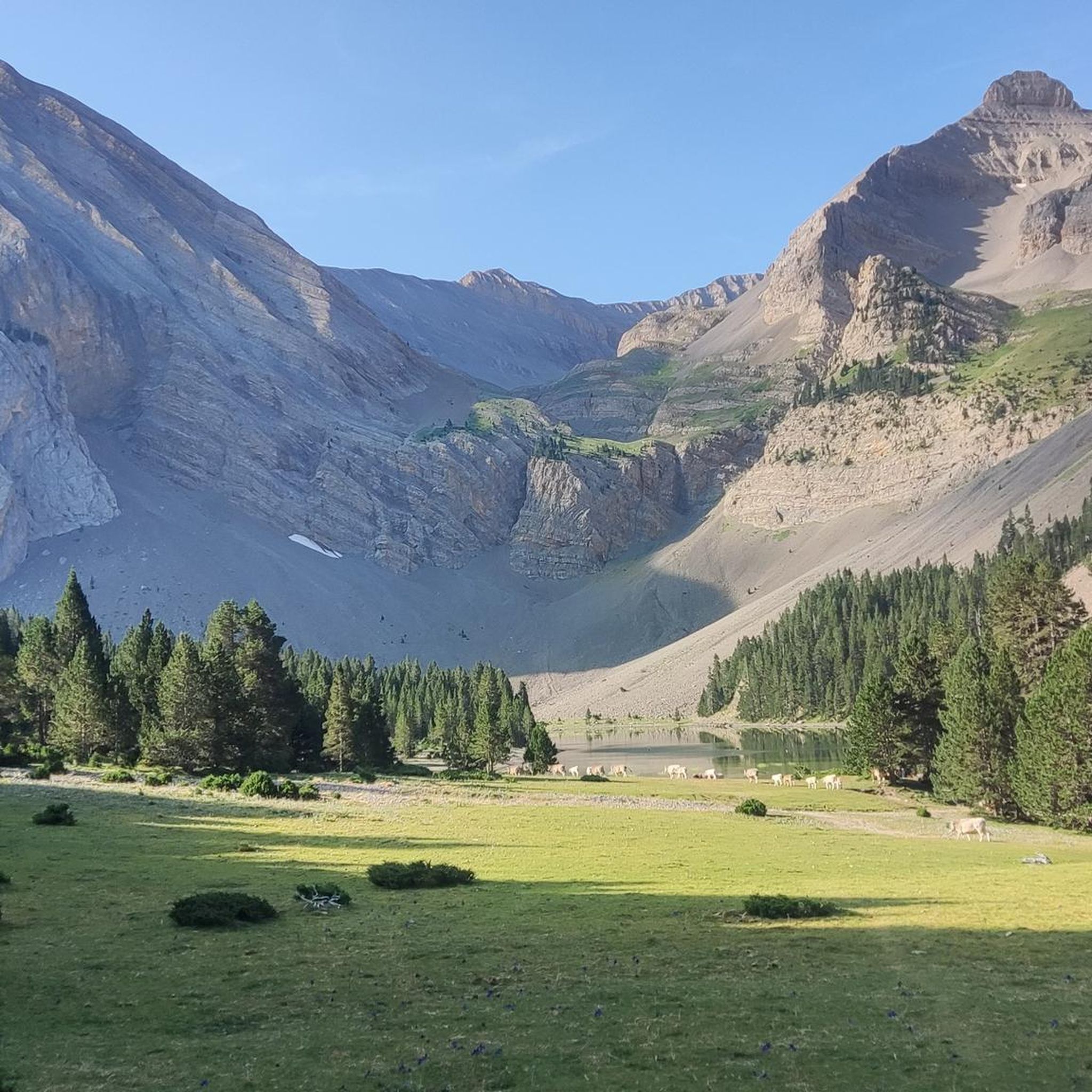
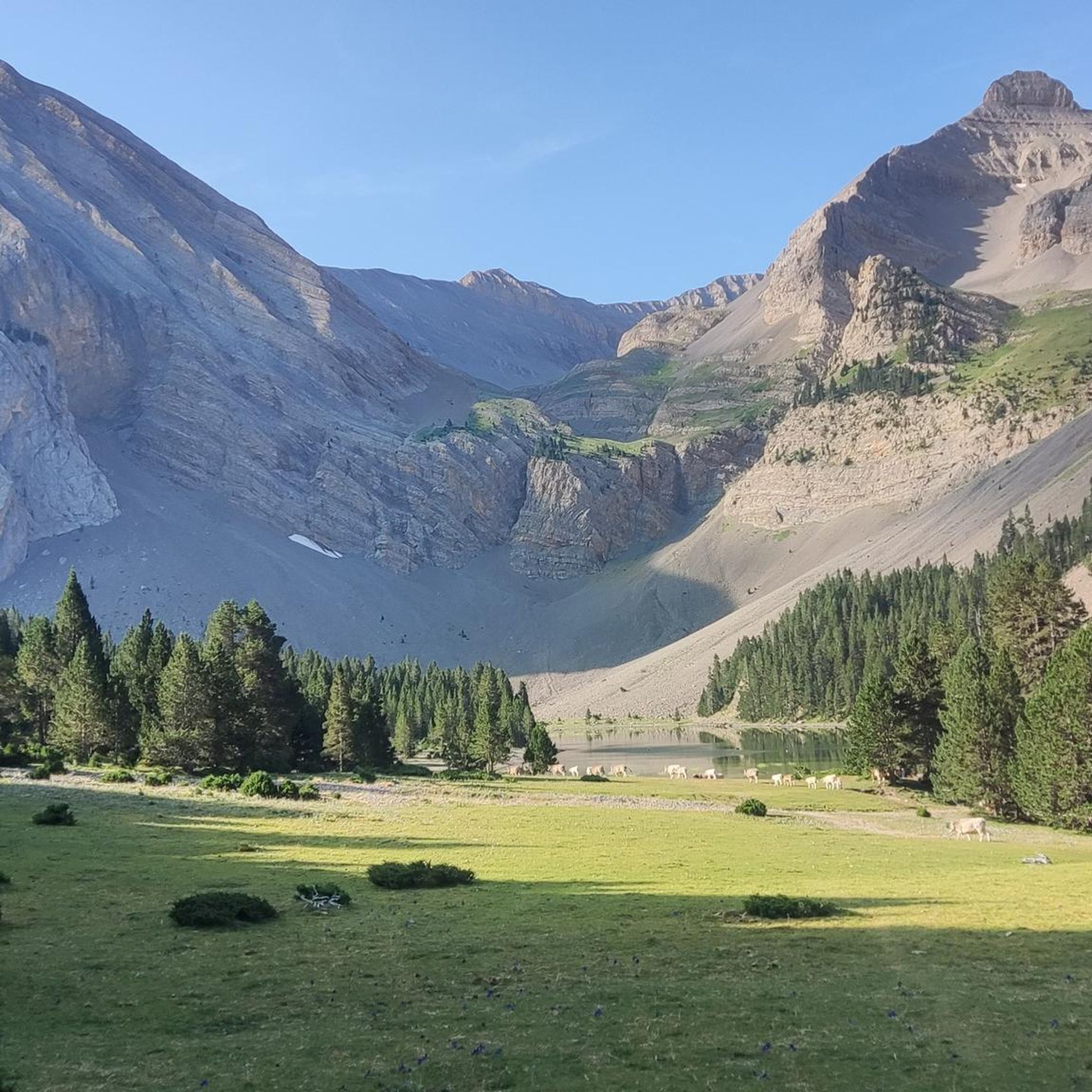
Other adventures around Seira

Tips from the Community

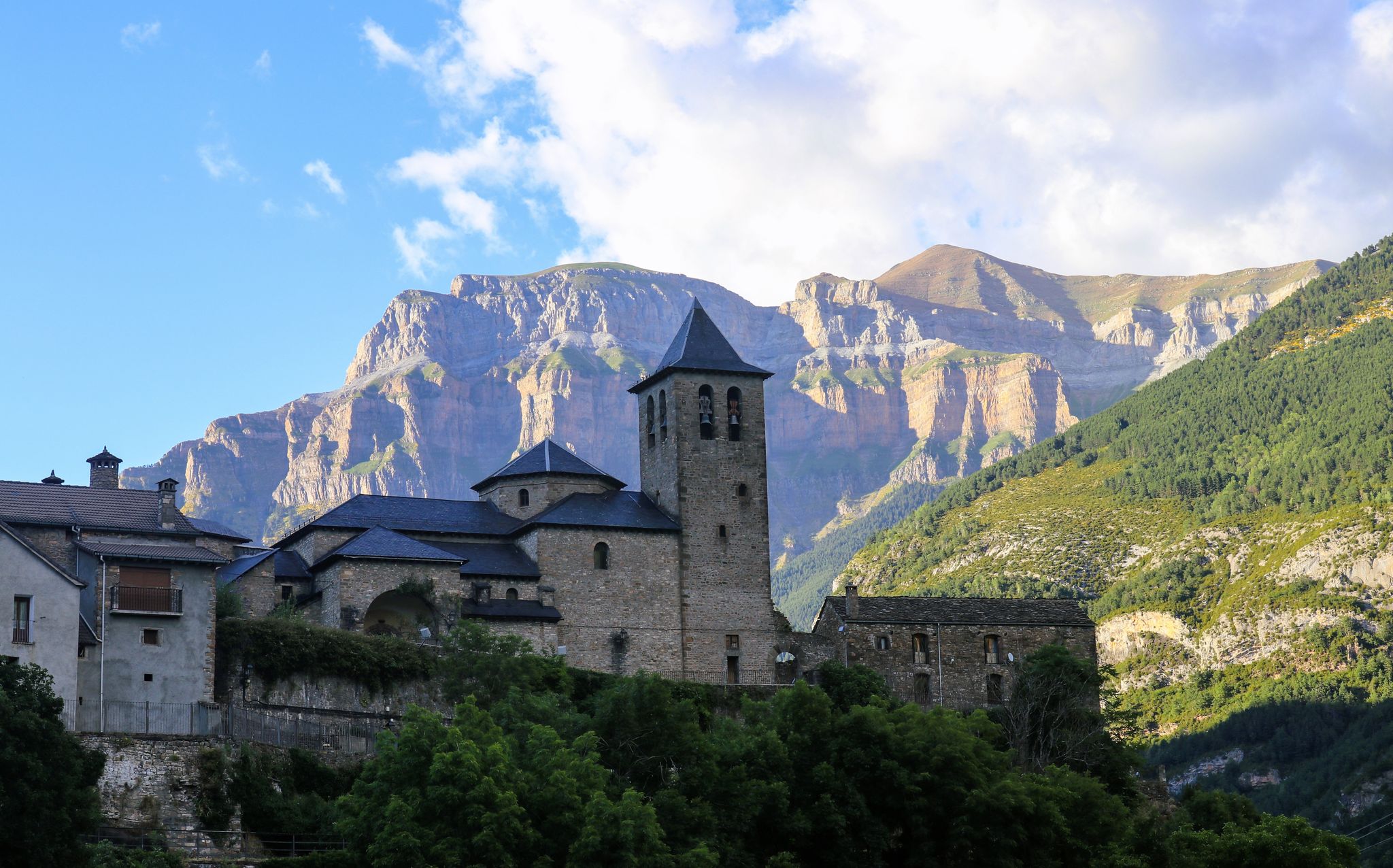
In the second ravine of the Tres Barrancos route you will also find the Fuen d'Aranda in a leafy corner with its own microclimate fed by the fountain itself.
0
0
The third (or first) ravine of the Tres Barrancos route, equipped with a comfortable wooden walkway. Like the other two, this ravine usually descends with little water, especially in the central summer months.
0
0

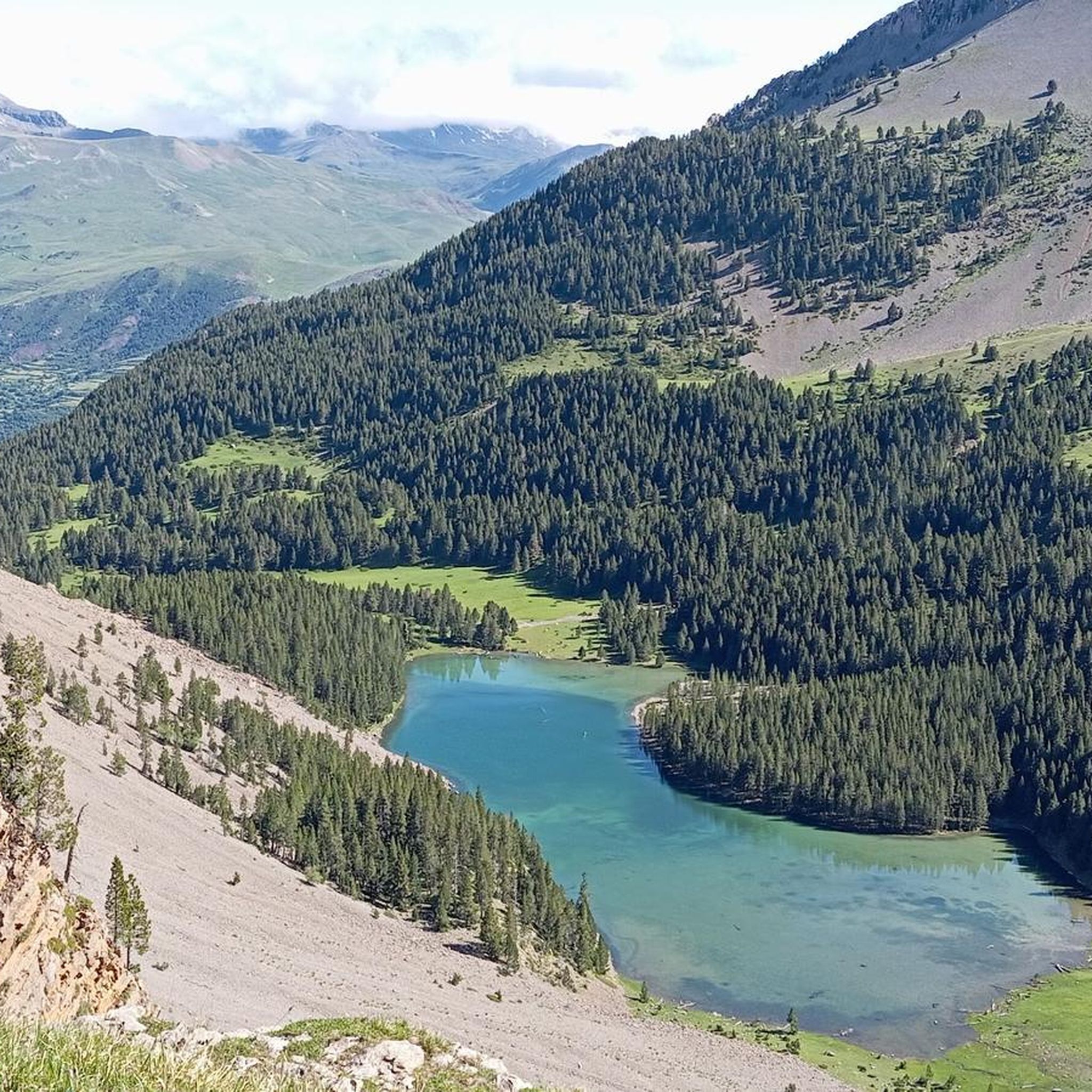
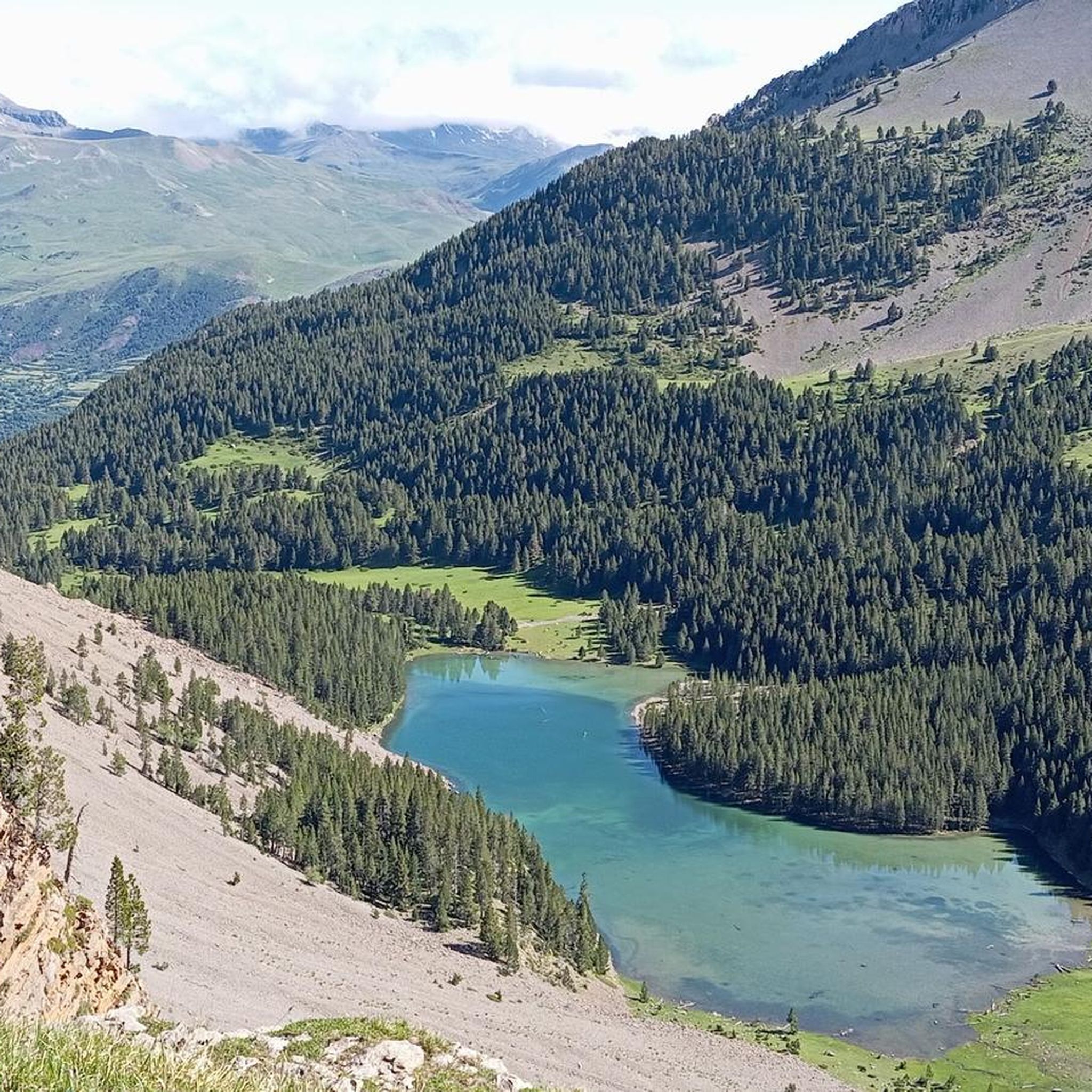
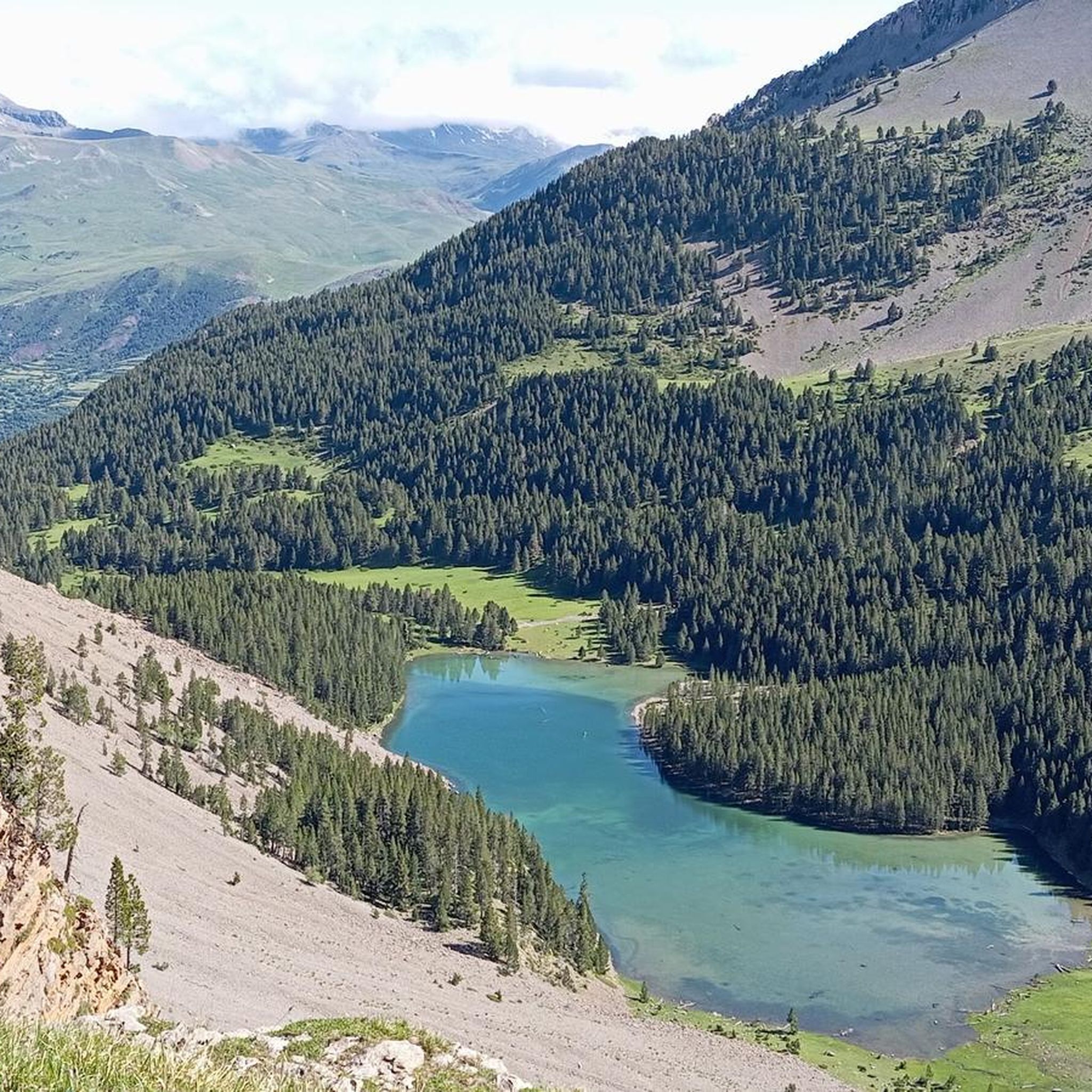
Beautiful valley that is surrounded by peaks between 2,000 and 3,000 meters above sea level, among which Tuca Llardana (or Posets) stands out, which with 3,375 m. It is the second highest peak in the Pyrenees; In addition, it has abundant lakes, such as those of Millares, Barbarisa and Basa de la Mora (or Lake Plan).
0
0

Beautiful valley that is surrounded by peaks between 2,000 and 3,000 meters high, among which the Tuca Llardana (or Posets) stands out, which with 3,375 m. it is the second highest peak in the Pyrenees; In addition, it has abundant lakes, such as those of Millares, Barbarisa and Basa de la Mora (or Plan lake).
0
0
The climb up the ravine is steep and you need a steady foot. It can be avoided by reaching the Lavasar Refuge by car along a forest track in good condition.
1
0

Mandatory passage channel to ascend and descend to Posets via the Normal Way, also known as Camí Reial. Depending on the year, you can find snow until very late in the summer and crampons must be used.
0
0

Climbing the canal is challenging because you have to deal with loose scree, an official incline and usually snow. Crampons were very helpful on my tour at the end of July.
0
0
Frequently Asked Questions
What are some notable canyons to explore near Seira?
While Seira itself is in a mountainous area, the most renowned canyons are found in the nearby Sierra de Guara Natural Park. These include the historically significant Río Vero Canyon, known for its diverse landscapes and cave paintings; the aesthetically beautiful Mascún Canyon with its jumps and rappels; the popular Peonera Canyon, ideal for beginners and intermediates with no rappels; and the complete Formiga Canyon, offering a mix of activities and a large vulture colony.
Are there any family-friendly canyoning options near Seira?
Yes, several canyons in the Sierra de Guara Natural Park are suitable for families and beginners. The Río Vero Canyon is recommended for families, featuring diverse landscapes, waterfalls, and slides, along with wooden walkways and suspension bridges. The Peonera Canyon is also ideal for beginners and intermediate levels, offering long swimming sections and jumps that are all bypassable, with no rappels.
What is the best time of year to visit the canyons around Seira?
The canyoning season in the Sierra de Guara Natural Park, which hosts the region's most significant canyons, typically runs from spring through late autumn. For canyons like Mascún, the period from May to mid-July is often considered best due to water levels and conditions.
What natural features can I expect to see in the canyons near Seira?
The canyons in the Sierra de Guara Natural Park are characterized by limestone mountains carved by crystal-clear rivers, creating an intricate network of gorges. You'll encounter dramatic rock formations, thrilling waterfalls, and crystal-clear pools, often with a unique blue-green color due to algae. The region also features a karst topography with caves and chasms. For a different experience, visit Fuen d'Aranda and Barranco Sobarriba, a natural monument with a microclimate fed by a natural fountain.
Are there any challenging canyons for experienced adventurers near Seira?
Yes, for experienced canyoning enthusiasts, the Sierra de Guara Natural Park offers challenging descents such as Gorgas Negras, which is considered a world-class expert-level canyon. Additionally, Canal Fonda presents a challenging climb with loose scree and potential snow, often requiring crampons even in late summer.
What other outdoor activities can I do near the canyons around Seira?
Beyond canyoning, the region offers a variety of outdoor activities. You can find excellent opportunities for gravel biking, cycling, and running. For instance, explore routes like 'Linsoles Reservoir – Linsoles Reservoir loop' for gravel biking or 'Ibón de Plan Trail via GR 15' for running. You can find more details on these activities in the Gravel biking around Seira, Cycling around Seira, and Running Trails around Seira guides.
What cultural or historical aspects can be found in the canyon areas?
The Río Vero Canyon in Sierra de Guara is historically significant and features spectacular Paleolithic cave paintings, adding a cultural dimension to your visit. The region also boasts picturesque towns like Alquézar, offering a rich cultural history beyond the natural landscapes.
What makes the Chistau Valley a notable gorge near Seira?
The Chistau Valley is a beautiful gorge surrounded by peaks between 2,000 and 3,000 meters high, including the Tuca Llardana (Posets), the second highest peak in the Pyrenees. It is known for its abundant lakes, such as those of Millares, Barbarisa, and Basa de la Mora (or Plan lake), offering stunning natural scenery.
Are there any gorges with equipped walkways for easier access?
Yes, the Barranco dels Molinazos, part of the Tres Barrancos route, is equipped with a comfortable wooden walkway. This makes it an accessible option, especially during the central summer months when water levels are typically lower.
What is the Ibón de Plan Ravine like for visitors?
The Ibón de Plan Ravine offers a challenging experience with a steep climb. While it requires a steady foot, it can be partially avoided by reaching the Lavasar Refuge by car via a well-maintained forest track, allowing visitors to enjoy the area's natural beauty.
What kind of wildlife can be observed in the canyon regions?
The Sierra de Guara Natural Park is a haven for wildlife, particularly birds of prey. You can observe griffon vultures, bearded vultures, and golden eagles. The Formiga Canyon, for example, is known for hosting one of the largest colonies of vultures in the Sierra de Guara.
What is unique about the water in the canyons of Sierra de Guara?
The water in many basins and pools within the Sierra de Guara canyons is notably unique for its blue-green color. This distinctive hue is attributed to cyanophyceous algae thriving in the clean, clear, and well-lit water over the limestone bedrock, creating a visually stunning environment.
Most popular attractions around Seira

Get inspired with the komoot mobile app


Explore more
Already discovered everything in this region? See additional gorges around Seira for your next adventure:
