Top 7 Castles around L'Armentera
Best castles near L'Armentera are primarily located within the surrounding Alt Empordà region in Girona, Spain. While L'Armentera itself is known for its 19th-century Church of Sant Martí and an 18th-century mill, the wider area offers a rich history of fortified structures. These castles provide insights into medieval architecture and regional conflicts, often situated amidst varied landscapes. The region's historical significance is reflected in its numerous well-preserved and reformed castles.
Best castles around L'Armentera
- The most popular castles is Sant…
Last updated: July 3, 2026
Cinc Claus Village and Castle
Highlight • Castle
Translated by Google •
Tip by

Sant Morí Castle
Highlight • Castle
Translated by Google •
Tip by
Sign up now to discover places like this
Get recommendations on the best single tracks, peaks, & plenty of other exciting outdoor places.
Sign up for free
Bellcaire Castle
Highlight • Castle
Translated by Google •
Tip by

Historic centre of Vilaür
Highlight • Historical Site
Translated by Google •
Tip by
Castell d'Albons
Highlight • Castle
Translated by Google •
Tip by
Sign up for free to discover even more castles around L'Armentera.
Sign up for free
Already have an account?
Start today with a free account
Your next adventure awaits.
Login or Signup
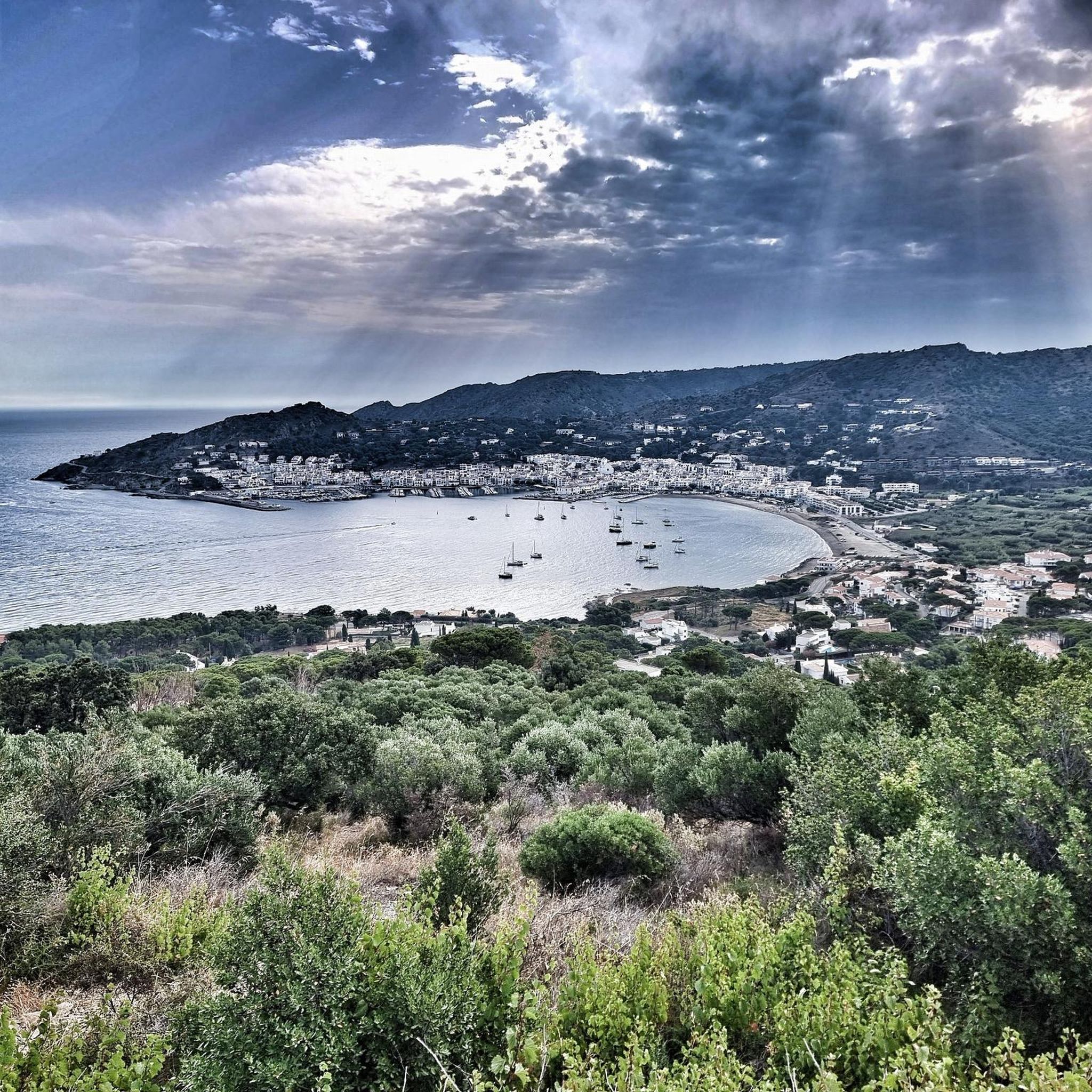
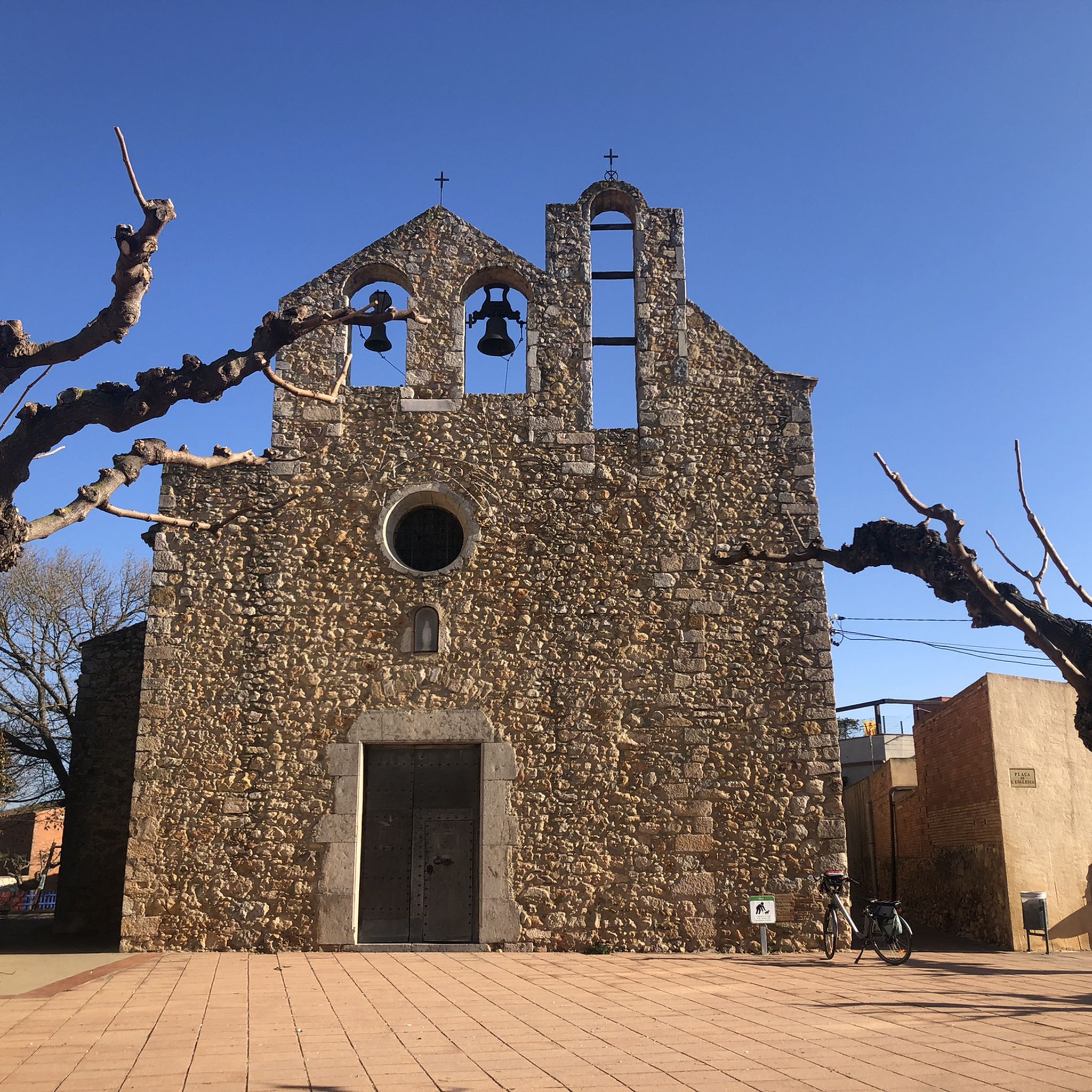
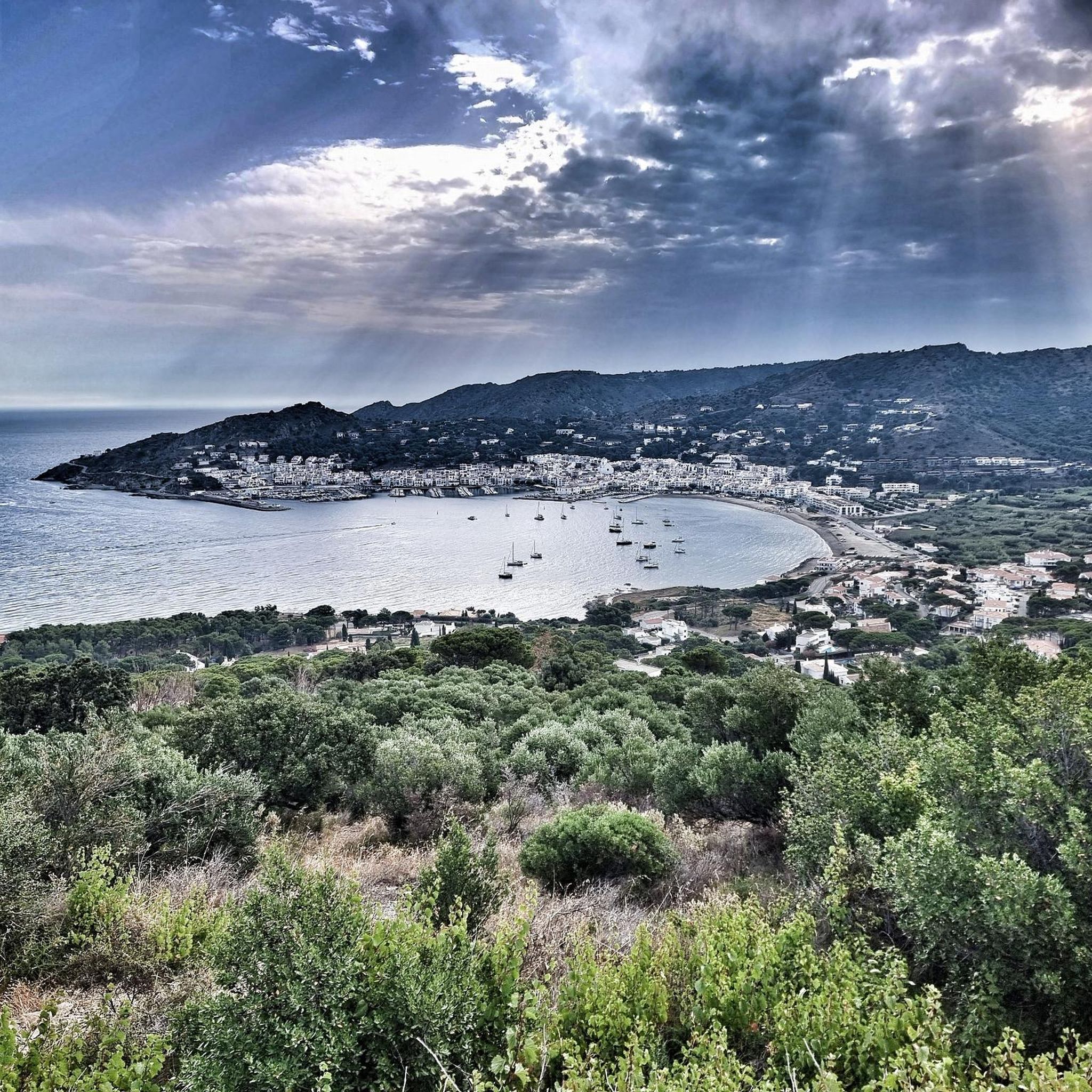
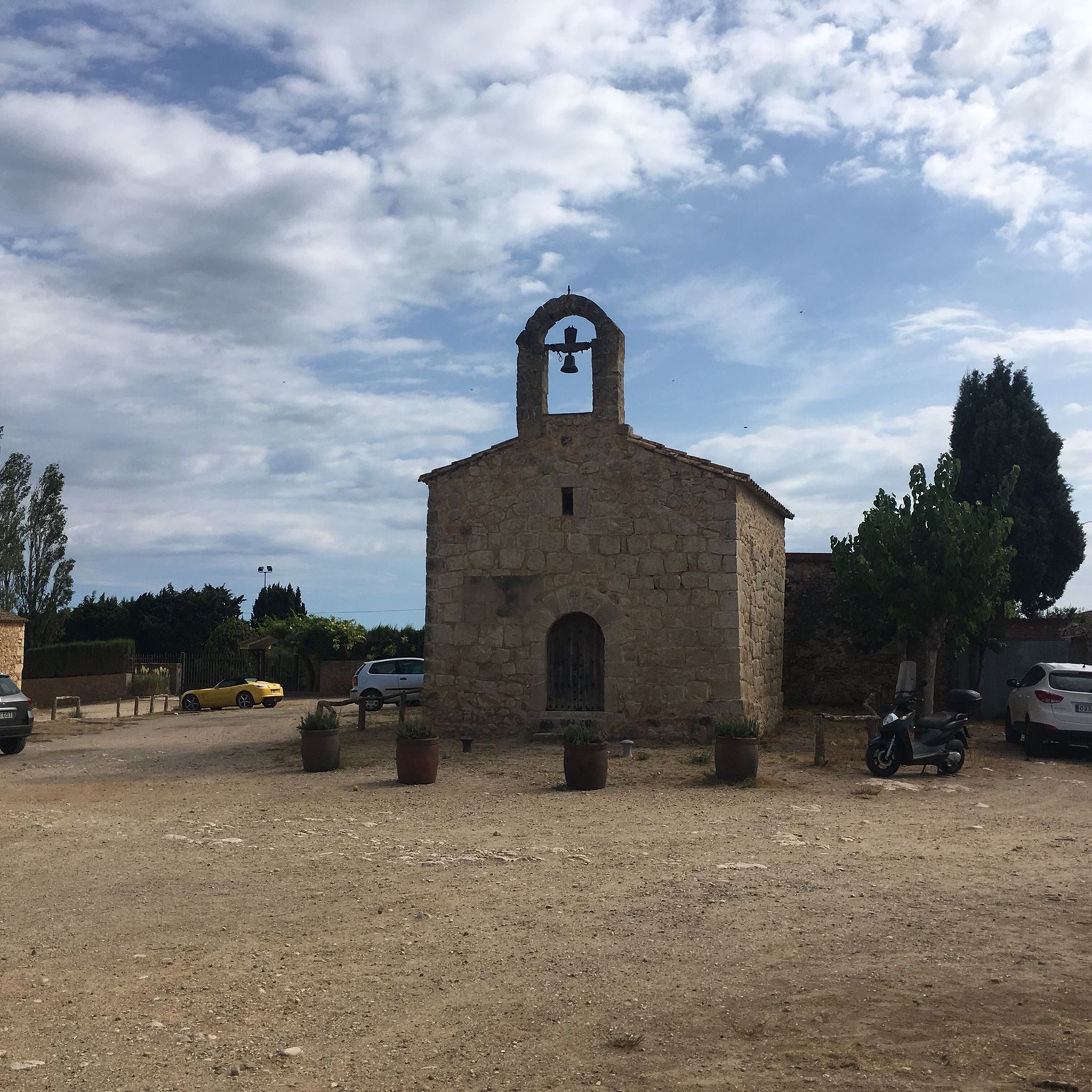
Tips from the Community

Small but beautiful municipality
0
0


Beautiful castle in the middle of this little village. Surrounded by beautiful small streets and lots of characteristic houses.
0
0


https://www.youtube.com/watch?v=oi0HgiBDuF0The imposing building that we can see today was built in the 15th century on the remains of a medieval castle documented since 1149 and that in the century XIII was owned by Bernat de Creixell. Historians do not agree on whether the monastery of Sant Miquel de Fluvià had the superior lordship. In any case, we know that the Creixells passed by marriage to the Vilaguts and from these to the Rocabertís, already in the 15th century. It was at that time when the first major transformation of the castle took place and when Queen Joana Enríquez, mother of Ferdinand the Catholic, settled there for a while. Since then it has been in the hands of the descendants of Pere de Rocabertí, the Cardona-Rocabertí and then the Sentmenat and the Moxó. Maria Mercè de Sentmenat i de Patiño received the title of Marchioness of Sant Mori in 1893. The castle is located in the middle of the town. It is configured as a large massive block, rectangular in plan, with a central courtyard. The main portal is dovetailed and on the facades there are several bigeminated crown windows, decorated with noble coats of arms, one of which shows the fleurs-de-lis of the Vilagut. Other windows are the result of modern restoration. swIf you want, you can rent it for rooms or weddings... https://www.airbnb.es/rooms/30806789?adults=1&children=0&enable_m3_private_room=true&infants=0&pets=0&check_in=2024-02-29&check_out=2024-03-05&source_impression_id=p3_1704139137_peqk24%2FuplIlvbBN&previous_page_section _name=1000&federated_search_id=8a9627cf-4904-4024- 9e09-702153ebb233
3
0
This church, of medieval origin, is part of the most important architectural heritage of the old town of Sant Mori, along with the Sant Mori Castle and other historical buildings. The church is an outstanding testimony of the history and architecture of the area, reflecting the rich cultural heritage of the town.
5
0
https://www.itinari.com/es/location/castillo-sant-mori https://www.youtube.com/watch?v=oi0HgiBduF0 It is an architectural jewel from the 15th century with Gothic-Renaissance influences. This castle-palace was significantly remodeled in the 16th century on the ruins of an earlier structure. Today, Sant Mori Castle is not only a testament to the region's rich historical past, but also offers a unique holiday experience, with its impressive architectural features such as a charming interior courtyard, three floors full of history, and a garden terrace with pool. In addition, its location allows easy access to cultural and natural attractions in the area, such as the Dalí House Museum and the beaches of the Costa Brava. https://www.youtube.com/watch?v=rocwax-EevA
0
0
In 959 Count Gausfred recognized this place as one of the many properties that Riculf had. Cinco Claus Castle was built in the 14th century. In 1402, Sinch keys appeared, along with the Courts, as places incorporated into the Crown by King Martí l'Humà. Because of its proximity to Empúries, it suffered numerous military confrontations: the military contest between Count Hug V of Empúries and King Jaume I (1274-1275), pirate raids (1483), the attack of Castilian troops of Felipe IV in the War of Secession, when the Cinc Claus castle belonged to the head of the Catalan militia Josep de Margarit i de Biure (1640) and the Carline wars. The farmhouses of Cinco Claus were built by reusing materials from the remains of the old castle.
5
0
Frequently Asked Questions
What are some of the most historically significant castles near L'Armentera?
The Alt Empordà region, where L'Armentera is located, is rich in history. Notable castles include Castell d'Albons, documented since 1170 and marking a historical border, and Bellcaire Castle, built in the late 13th century during conflicts between the Count of Empúries and King Jaume II. Sant Morí Castle, rebuilt in the 15th century on medieval remains, also holds significant historical value.
Are there any castles near L'Armentera that offer unique experiences or features?
Yes, several castles offer unique experiences. Castell de Peralada, for instance, features a wine cellar, restaurants (one Michelin-starred), a casino, and hosts the international Festival Peralada in its gardens during summer. Castell de Montgrí, though unfinished, provides stunning panoramic views of the Costa Brava from its elevated position. Bellcaire Castle is unique as its south wing now serves as the Bellcaire d'Empordà town hall, and its west wing houses the parish church.
What outdoor activities can I do near these castles?
The area around L'Armentera and its castles is excellent for outdoor activities. You can find numerous routes for gravel biking, road cycling, and running. For example, there are gravel biking routes like the 'Platja de L'Escala – Montgrí Gravel Trail loop' and road cycling routes such as the 'Bridge Over the Ter River – Castell d'Albons loop'. Running trails include the 'Greco-Roman Ruins of Empúries loop'. You can explore more options on the Gravel biking around L'Armentera, Road Cycling Routes around L'Armentera, and Running Trails around L'Armentera guide pages.
Which castles are considered family-friendly to visit?
Many castles in the region are suitable for families. Sant Morí Castle and Bellcaire Castle are both listed as family-friendly highlights. Exploring the grounds and imagining medieval life can be an engaging experience for children. Castell de Montgrí, with its panoramic views, can also be an adventurous family outing.
Are there any dog-friendly trails or areas near the castles?
While specific dog policies for castle interiors vary, many outdoor trails and natural areas around the castles are dog-friendly. For instance, the wider Baix Empordà region offers numerous hiking trails where dogs are generally welcome, provided they are kept on a leash. Always check local signage for specific restrictions, especially in protected natural parks like Aiguamolls de l'Empordà.
What is the best time of year to visit the castles and surrounding areas?
The best time to visit the castles and enjoy outdoor activities in the Alt Empordà region is typically during spring (April-May) and autumn (September-October). During these seasons, the weather is pleasant for exploring, and the crowds are generally smaller than in the peak summer months. Summer (July-August) can be hot, but it's also when events like the Festival Peralada take place.
What natural features or viewpoints can I find near these castles?
The castles are often situated amidst beautiful natural landscapes. Castell de Montgrí, for example, is perched atop the Montgrí Massif, offering spectacular panoramic views of the Costa Brava and the surrounding plains. Castell d'Albons is located on a hill between the Ter and Fluvià rivers, providing views of the riverine landscape. The region also features diverse terrain, from coastal views to inland agricultural areas.
How long should I plan for a visit to a castle near L'Armentera?
The duration of your visit depends on the castle and your interests. For a quick exploration of a castle's exterior and immediate surroundings, 1-2 hours might suffice. If a castle offers tours, museums, or extensive grounds like Castell de Peralada, you could easily spend half a day. Combining a castle visit with a nearby hike or a meal in a local village could extend your outing to a full day.
What are the parking and public transport options for reaching these castles?
Parking is generally available in the villages where the castles are located, such as Bellcaire d'Empordà, Albons, and Sant Mori. These are typically small village car parks. Public transport options to these smaller towns can be limited, often involving local bus services from larger hubs like Girona or Figueres. It's advisable to check specific bus schedules in advance, as services may be infrequent, especially on weekends or during off-peak seasons. Driving often offers the most flexibility for visiting multiple sites.
Are there any 'hidden gem' castles or less-known historical sites worth exploring?
Beyond the more prominent castles, the region offers several intriguing, less-visited sites. The Cinc Claus Village and Castle, with its history dating back to 959 and its role in numerous military confrontations, offers a glimpse into a resilient past, though the castle remains are now integrated into farmhouses. The Historic centre of Vilaür, with its preserved medieval wall and church, is another charming 'hidden gem' that provides insight into the region's historical architecture.
Can I find amenities like cafes or accommodation near the castles?
Yes, the villages surrounding the castles often provide basic amenities. Bellcaire d'Empordà, Albons, and Sant Mori, for example, typically have local cafes or restaurants. For accommodation, you might find guesthouses or rural hotels in these villages. Castell de Peralada is unique in offering its own restaurants and a casino. For a wider range of options, larger towns in the Alt Empordà region will have more choices.
Most popular routes around L'Armentera
Most popular attractions around L'Armentera

Get inspired with the komoot mobile app


Explore more
Looking for the best castles somewhere else? Discover other guides around L'Armentera:
